

US Proposes 25% Tariff on Chinese CNC System Components
On April 30, 2026, the U.S. Department of Commerce released the Advanced Manufacturing Equipment Supply Chain Risk Assessment Draft, proposing a 25% additional tariff on key components of Chinese numerical control (CNC) systems—including real-time G-code parsing modules and multi-axis synchronization firmware—effective from Q3 2026. This development warrants close attention from CNC equipment integrators, machine tool OEMs, industrial automation suppliers, and cross-border procurement teams.
Event Overview
The U.S. Department of Commerce published the Advanced Manufacturing Equipment Supply Chain Risk Assessment Draft on April 30, 2026. The draft formally designates domestically developed Chinese CNC system components—including G-code real-time parsing modules and multi-axis synchronous control firmware—as ‘controlled technology components’. It proposes imposing a 25% additional tariff on these items, with implementation scheduled for Q3 2026. According to the draft, this measure may increase U.S. importers’ total cost of procuring complete CNC machines by 12–18%, and could accelerate shifts toward localized integration or third-party compliance solutions.
Which Subsectors Are Affected
Direct Trade Enterprises
U.S.-based importers and distributors of Chinese-made CNC systems or subsystems will face higher landed costs due to the proposed 25% tariff. Since G-code parsing modules and multi-axis firmware are often embedded in full-system shipments—not always declared separately—their classification as controlled components may trigger broader customs scrutiny and reclassification of entire assemblies.
Component Procurement & Integration Firms
Firms that source individual CNC control modules (e.g., motion controllers, firmware-loaded boards) from Chinese suppliers—and integrate them into custom automation solutions—may encounter new licensing requirements or shipment delays. The designation targets functional capabilities (real-time parsing, synchronized axis control), not just physical hardware, meaning software-defined behavior may now influence tariff treatment.
Machinery OEMs with Dual-Sourcing Strategies
OEMs relying on hybrid supply chains—e.g., using Chinese-developed firmware on non-Chinese hardware platforms—may need to reassess technical documentation and origin declarations. The draft’s focus on ‘G-code real-time parsing’ and ‘multi-axis synchronization’ implies functional equivalence, not geography alone, could trigger controls.
Supply Chain Compliance & Logistics Providers
Third-party logistics firms, customs brokers, and compliance consultants supporting CNC-related imports must update classification protocols. Harmonized System (HS) code assignments for embedded firmware, firmware updates delivered electronically, and modular control units may require revision ahead of Q3 2026.
What Relevant Enterprises or Practitioners Should Monitor and Do Now
Track official revisions to the draft and final rule timeline
The document is currently a draft; no final regulation has been issued. Stakeholders should monitor the Federal Register for notice of public comment periods, revisions, or withdrawal—and note whether ‘G-code parsing’ and ‘multi-axis firmware’ remain explicitly named in the final version.
Review current product bills of materials and firmware deployment models
Companies should map which products contain G-code interpretation logic or synchronized motion control functions—regardless of where the code was developed or loaded—and assess whether those functions fall within the draft’s described scope. Firmware delivered via over-the-air (OTA) update may be subject to separate export control considerations.
Distinguish between policy signaling and enforceable requirements
This draft signals heightened U.S. scrutiny of advanced manufacturing software capabilities embedded in industrial hardware. However, enforcement mechanisms—for example, how ‘real-time parsing’ will be technically verified at port—are not yet defined. Treat the proposal as an early indicator, not an operational mandate, until formal rules take effect.
Prepare contingency plans for sourcing, labeling, and technical documentation
Consider pre-emptive actions such as updating technical datasheets to clarify firmware origin and functionality, validating alternative component sources (including non-Chinese firmware stacks), and initiating internal classification reviews with customs counsel—particularly for products shipping between Q3 and year-end 2026.
Editorial Perspective / Industry Observation
Observably, this draft represents a procedural escalation—not yet a binding restriction—but one grounded in function-based technology controls rather than country-of-origin alone. Analysis shows the U.S. is shifting toward regulating embedded software behaviors (e.g., real-time deterministic execution, coordinated motion logic) as critical enablers of advanced manufacturing capability. From an industry perspective, it more closely resembles a signal of expanding regulatory scope than an immediate trade barrier. Continued monitoring is warranted because similar functional criteria could inform future controls on other industrial automation software components beyond CNC systems.
Concluding, this proposal underscores a growing emphasis on software-defined functionality as a determinant of trade treatment in advanced manufacturing. It does not yet alter current import procedures, but it does redefine the technical parameters that may trigger regulatory review. Currently, it is more appropriately understood as a forward-looking risk indicator—highlighting the need for precise technical documentation, proactive classification, and adaptive supply chain governance—not as an enacted cost or compliance obligation.
Source: U.S. Department of Commerce, Advanced Manufacturing Equipment Supply Chain Risk Assessment Draft, published April 30, 2026. Note: Final rule status, effective date, and definitional details remain subject to change pending public comment and interagency review.
Read More
Learn more about the story of HONPINE and industry trends related to precision transmission.
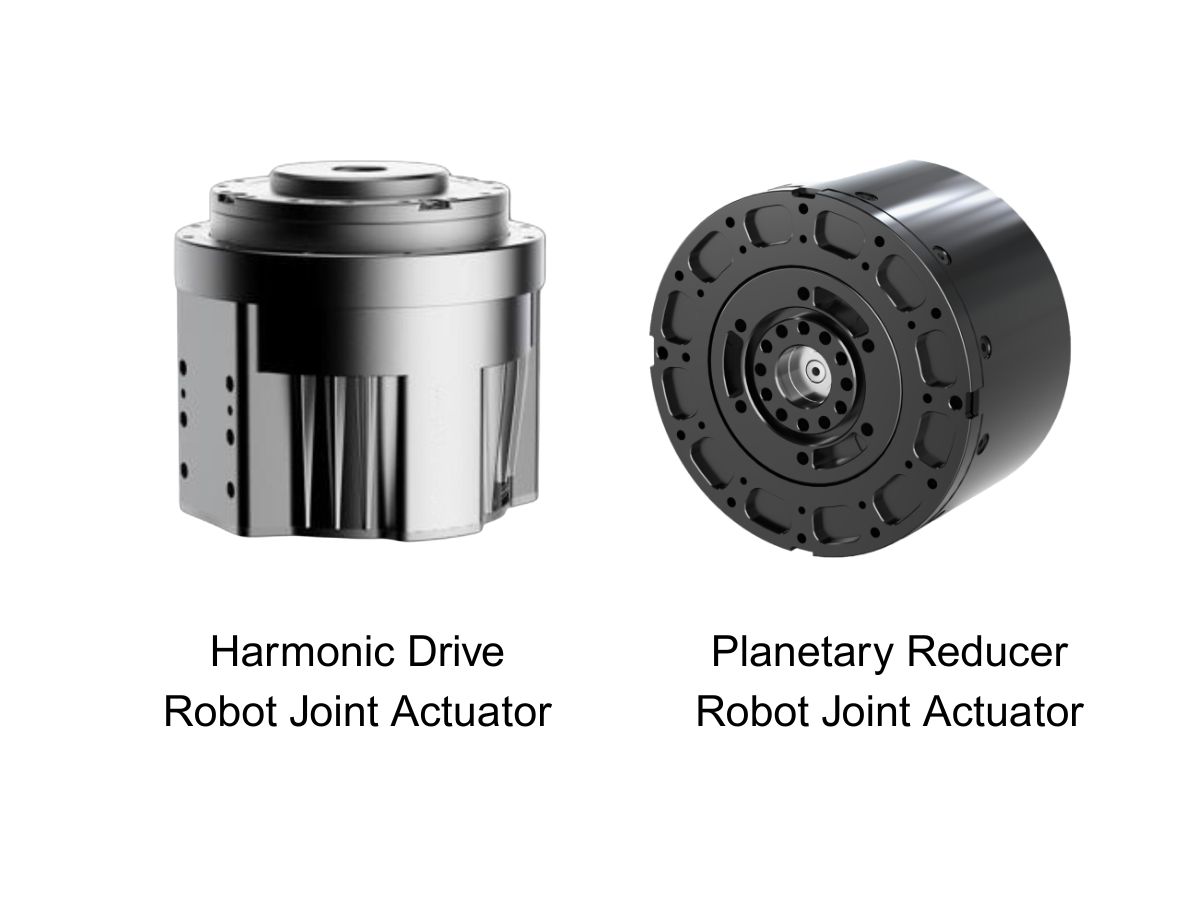
 What is robot joint actuator?How to Choose the Best Robot Rotary Joint Actuator?In core robot joint transmission solutions, planetary and harmonic rotary actuators each have their own strengths. Choosing the right type based on application requirements is essential to achieve the optimal balance between performance and cost.
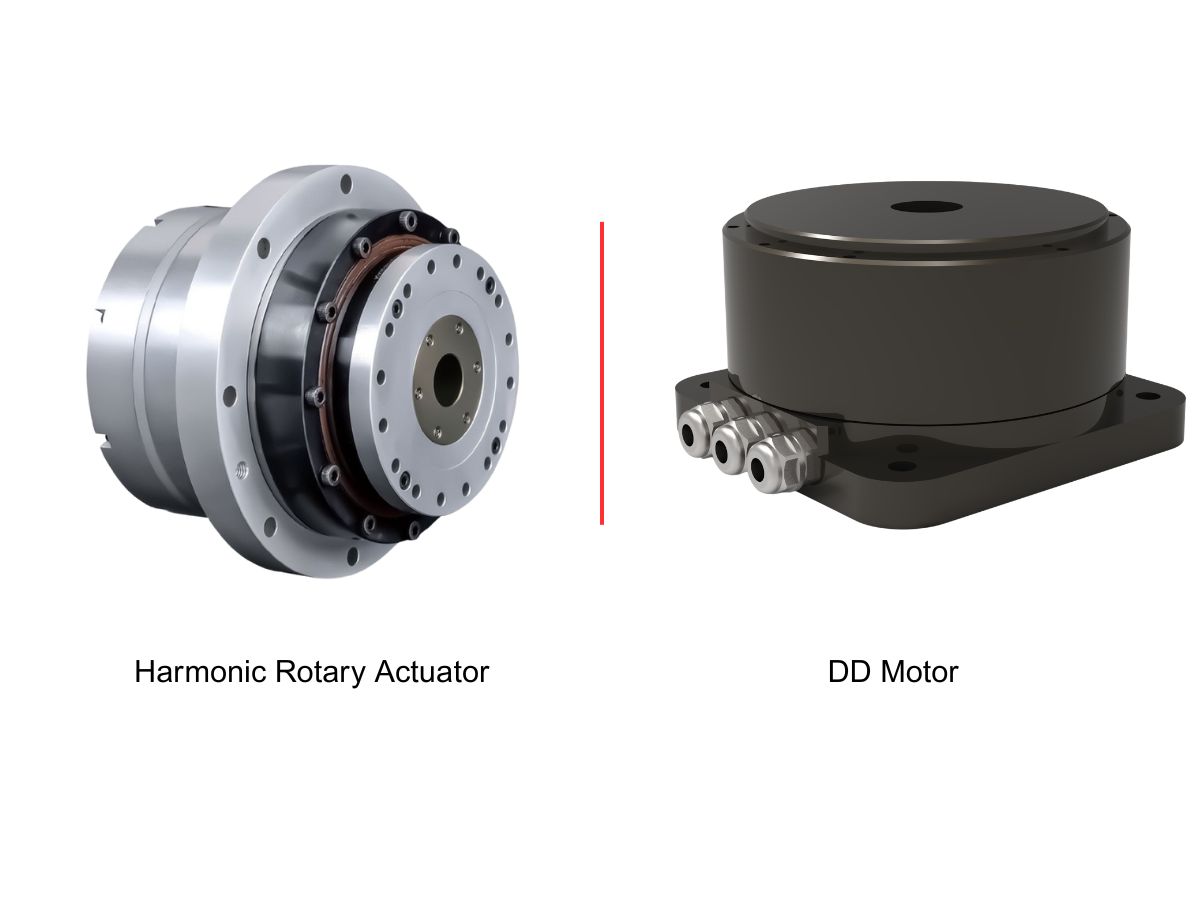
 DD Motors VS Harmonic Rotary ActuatorsThis article provides an in-depth comparison between Direct Drive (DD) motors and harmonic rotary actuators, covering their transmission principles, advantages and disadvantages, and typical application fields.
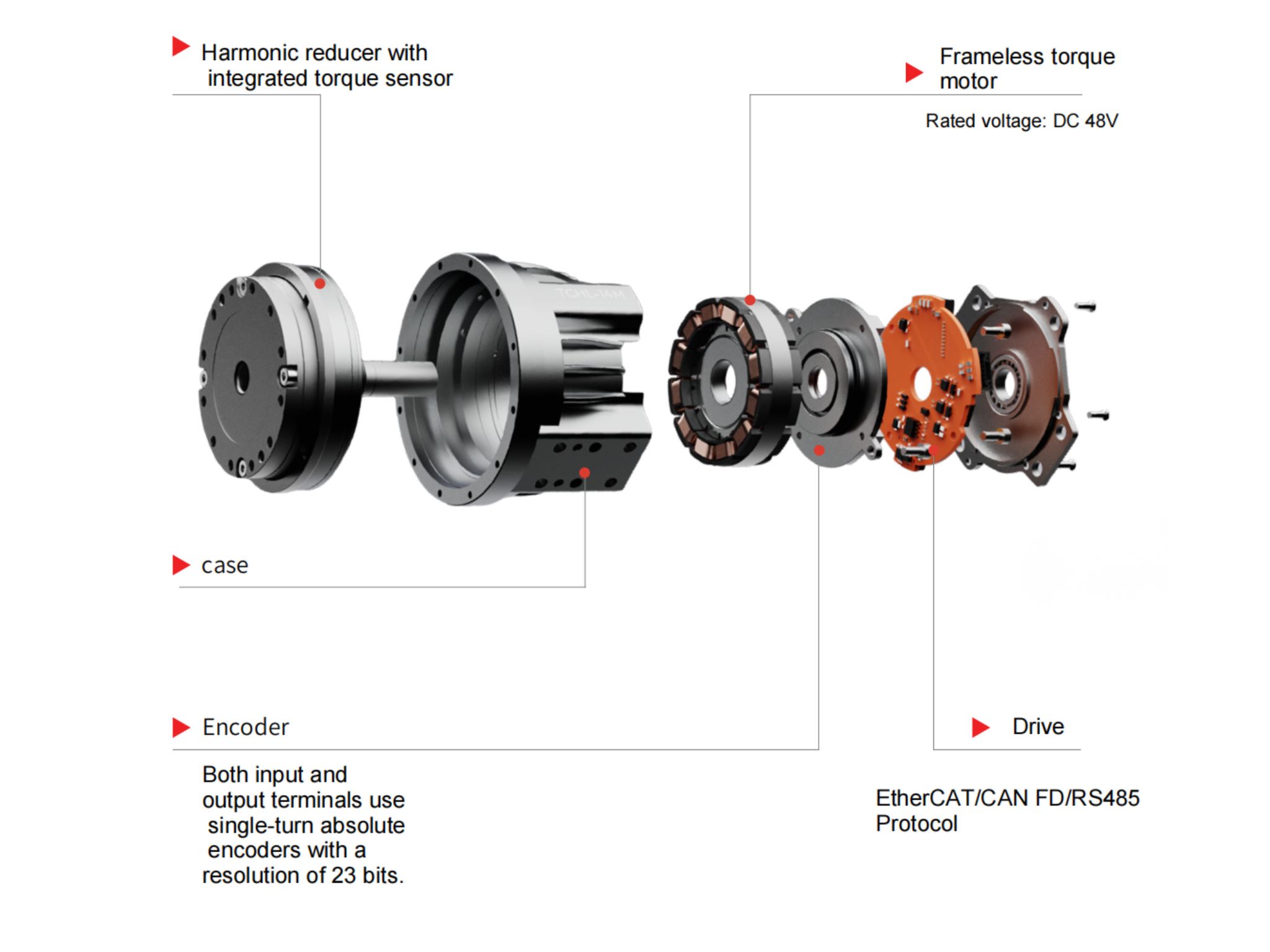
 OMG Ultra Compact Harmonic Drive Joint Module with Built-in Torque SensorHONPINE TCHL series harmonic drive joint module is a game-changing product that achieves disruptive improvements in multiple aspects such as lightweight design, integration level, and connection convenience. This article will analyze its revolutionary enhancements with you.
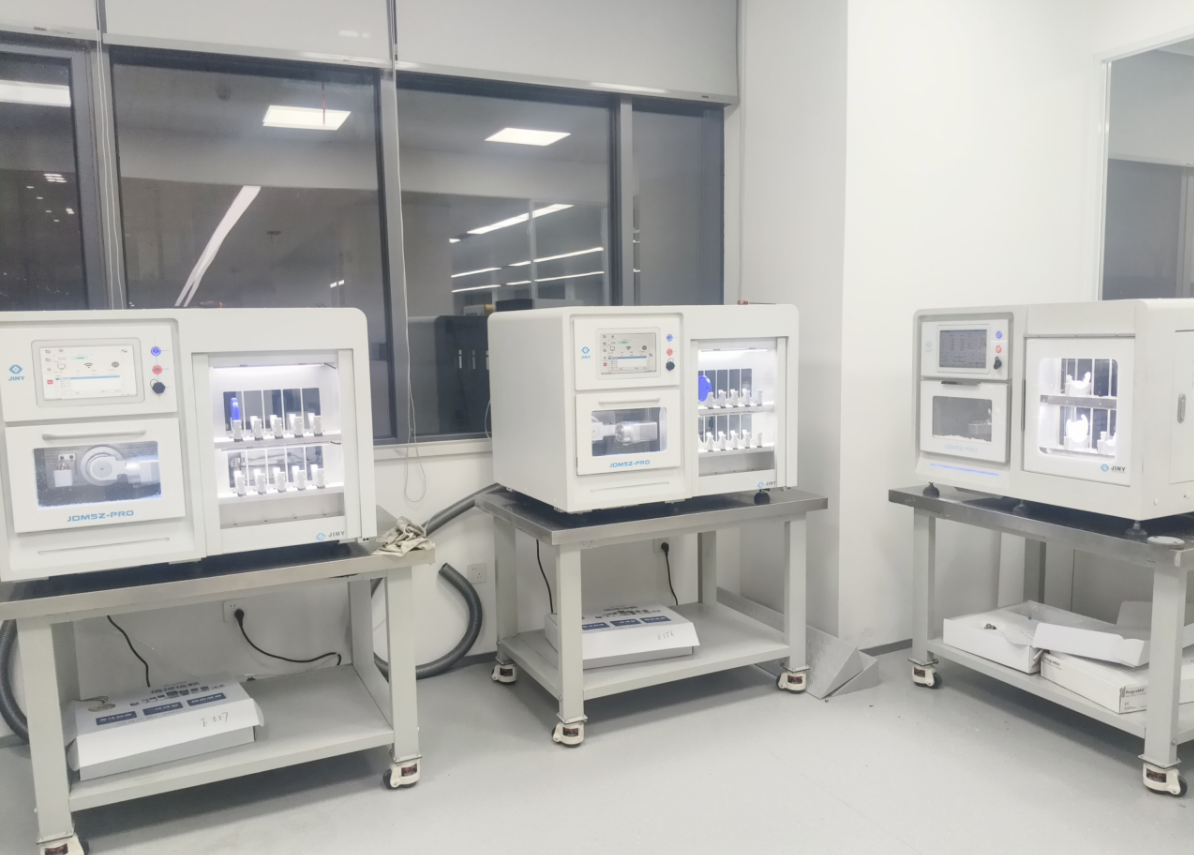
 The Role of Harmonic Drive Gears in Achieving 5–10 μm Accuracy in Dental Milling MachinesA dental milling machine is a CNC machining system used to directly process digital dental models into restorations such as crowns, bridges, veneers, inlays, and implant abutments. Dental milling machines require far higher operational accuracy and motion stability than ordinary equipment. This article explains how harmonic drive gear help dental milling machines achieve stable, continuous, and controllable operation.
 Why Are Harmonic Rotary Actuators Perfect for Medical Equipment?Harmonic rotary actuators (typically integrated systems consisting of a harmonic drive reducer, frameless torque motor, encoder, and optional brake) are regarded as key components in medical equipment. The core reason is that they simultaneously meet the most stringent medical requirements for precision, compact size, safety, and controllability. The following explanation is structured from three perspectives: technical characteristics, application scenarios, and medical value.
 High-Precision RV Reducers Perfectly Matched for Walking RobotsThe walking axis of a robot is a core component for power transmission and support. RV reducers provide extremely high rigidity, precision, and torque while maintaining a compact size and exceptional reliability, making them an ideal match for the demanding requirements of walking robot joints in terms of load capacity, impact resistance, and precision.
![]() CCMT2026 Closes with 37% Rise in Overseas Order IntentionsCCMT2026 drives 37% surge in overseas order intentions — discover how CNC machine tool exporters can leverage localization-based after-sales joint entities for competitive advantage.
CCMT2026 Closes with 37% Rise in Overseas Order IntentionsCCMT2026 drives 37% surge in overseas order intentions — discover how CNC machine tool exporters can leverage localization-based after-sales joint entities for competitive advantage.![]() CCMT2026 Attendance Up 22.7%, Overseas Buyers Rise SharplyCCMT2026 attendance up 22.7% — overseas buyers surge 35%+ from Germany, Mexico & Vietnam. Discover key trends in five-axis machining, harmonic drives & smart tooling.
CCMT2026 Attendance Up 22.7%, Overseas Buyers Rise SharplyCCMT2026 attendance up 22.7% — overseas buyers surge 35%+ from Germany, Mexico & Vietnam. Discover key trends in five-axis machining, harmonic drives & smart tooling. How to Select Robot Joint Modules for Arms, Torso, Head, and Legs in AGV and Humanoid RobotsRobot AGV platforms, lifting legs, folding legs, torso, head, and dual arms each have different functional requirements. Therefore, different types of harmonic gear joint modules and planetary joint modules should be selected accordingly.
 What is a DD Motor? How to Select a DD Motor?DD motor, full name Direct Drive motor, is a motor that directly drives the load without using reduction devices such as gears, belts or ball screws. Its working principle is based on high torque output, allowing it to be directly connected to the moving equipment, thereby eliminating the need for intermediate connection parts such as fasteners, gearboxes and belts.
 How to choose an RV reducer Gearbox?This article will explain the key selection points, advantages and disadvantages, brands and suppliers, as well as the differences between RV reducer gearboxes and harmonic drives.
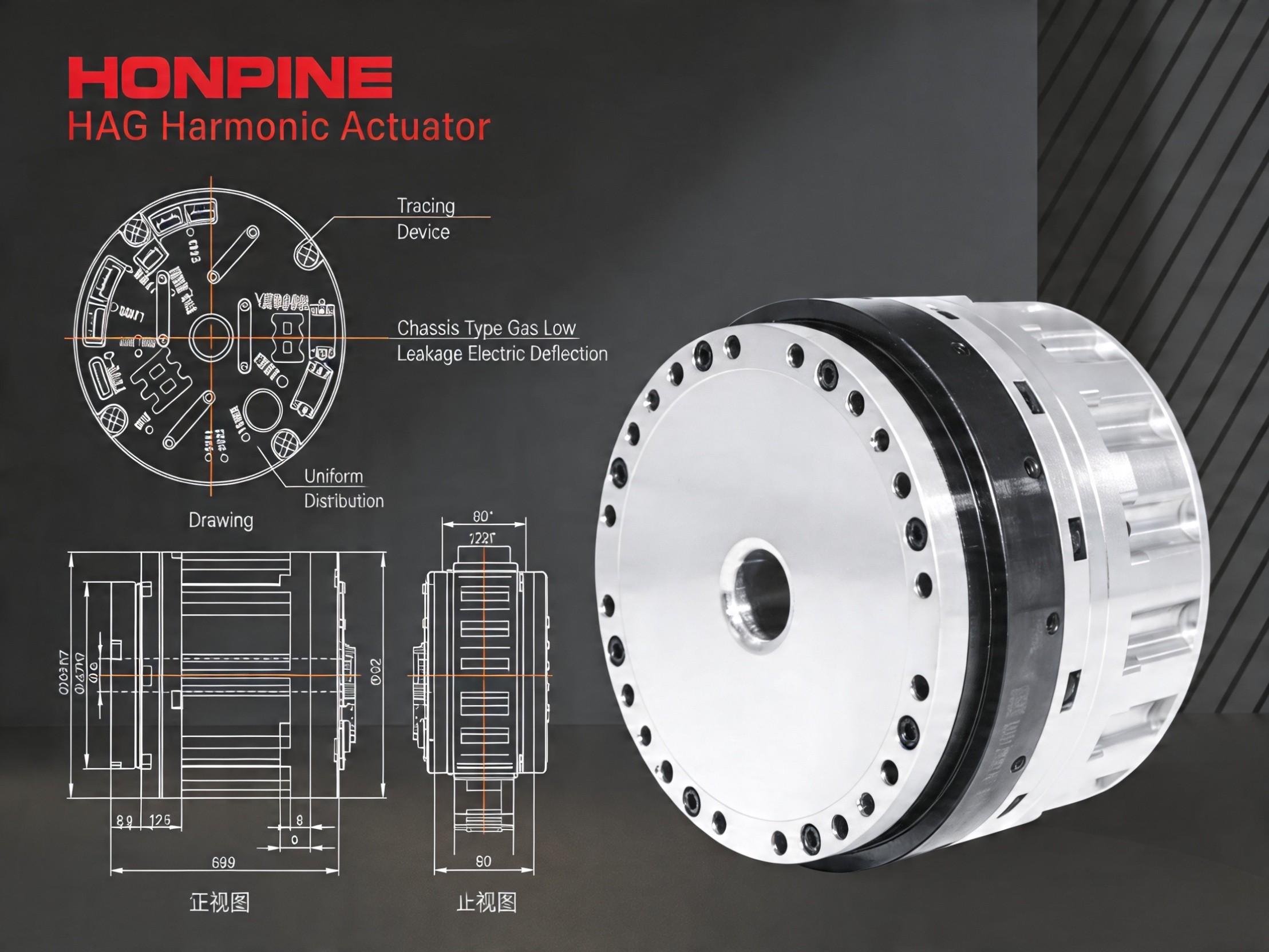
 How to Select the New HONPINE HAG Harmonic Drive Robot Joint Actuator?The newly launched HONPINE HAG harmonic drive robot joint actuator has attracted widespread attention since its release in March 2026 due to its outstanding performance parameters. This article will explain how to select the HONPINE HAG harmonic drive robot joint actuator.

Double Click
We provide harmonic drive reducer,planetary reducer,robot joint motor,robot rotary actuators,RV gear reducer,robot end effector,dexterous robot hand
![]() US Proposes 25% Tariff on Chinese CNC System ComponentsCNC system components face 25% US tariff proposal—key for machine tool OEMs, automation suppliers & global procurement teams. Act now.
US Proposes 25% Tariff on Chinese CNC System ComponentsCNC system components face 25% US tariff proposal—key for machine tool OEMs, automation suppliers & global procurement teams. Act now. FDS-100-XXX-CJ
 FDS-100-XXX-CJ
 FDS-80-XXX-CJ
 FDS-65-XXX-CJ
 FDS-50-XXX-CJ
 FDS-40-XXX-CJ
 FDS-32-XXX-CJ
 FDS-25-XXX-CJ
 FDS-20-XXX-CJ
 FDS-17-XXX-CJ
 FDS-14-XXX-CJ