








CBP Sets New Import Filing Rules for Harmonic Drives
Effective August 1, 2026, a new U.S. Customs and Border Protection requirement will change how harmonic drives under HS Code 8483.40 are cleared into the U.S. market. The measure ties customs filing more closely to origin verification and environmental compliance documentation, which makes it immediately relevant to exporters, U.S. importers, testing-related service providers, procurement teams, and supply chain managers handling deliveries of harmonic drives. For the industry, the issue is not only the rule itself, but also the fact that document readiness may now affect shipment timing and transaction execution.
What the CBP directive specifically requires
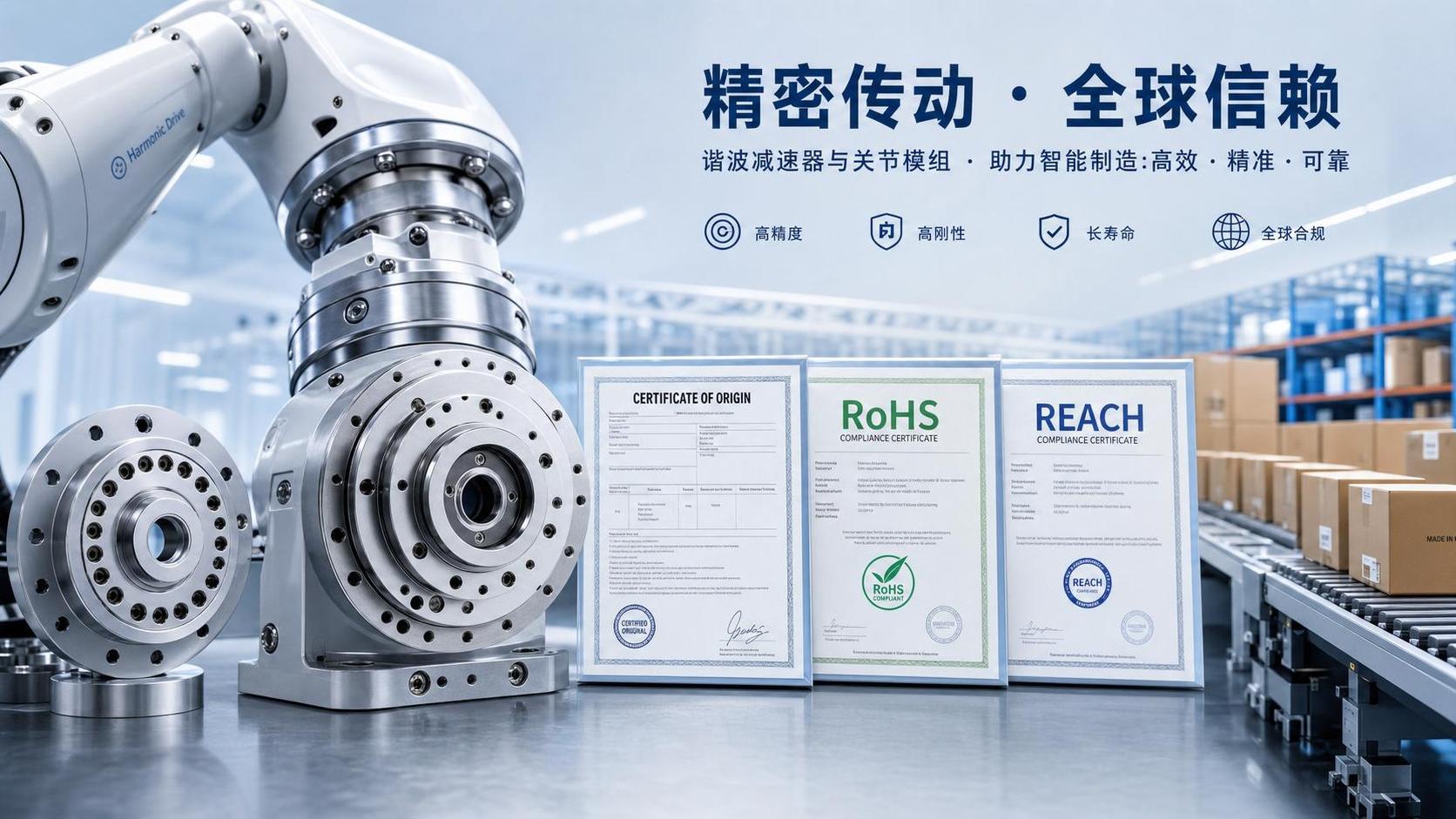
According to the provided information, U.S. Customs and Border Protection issued interim instruction CBP Directive 26-07A on July 7, 2026. The directive requires all importers of harmonic drives classified under HS Code 8483.40 to submit two documents at customs clearance starting on August 1, 2026: a certified declaration of origin and a RoHS/REACH conformity statement issued by a third-party testing body. The stated purpose of the measure is to strengthen supply chain traceability and green compliance review. The provided summary also states that the change directly affects export procedures, delivery lead times, and document preparation costs for Chinese harmonic drive manufacturers shipping to the United States.
Where the operational pressure is likely to appear first
Export transactions may face a higher documentation threshold
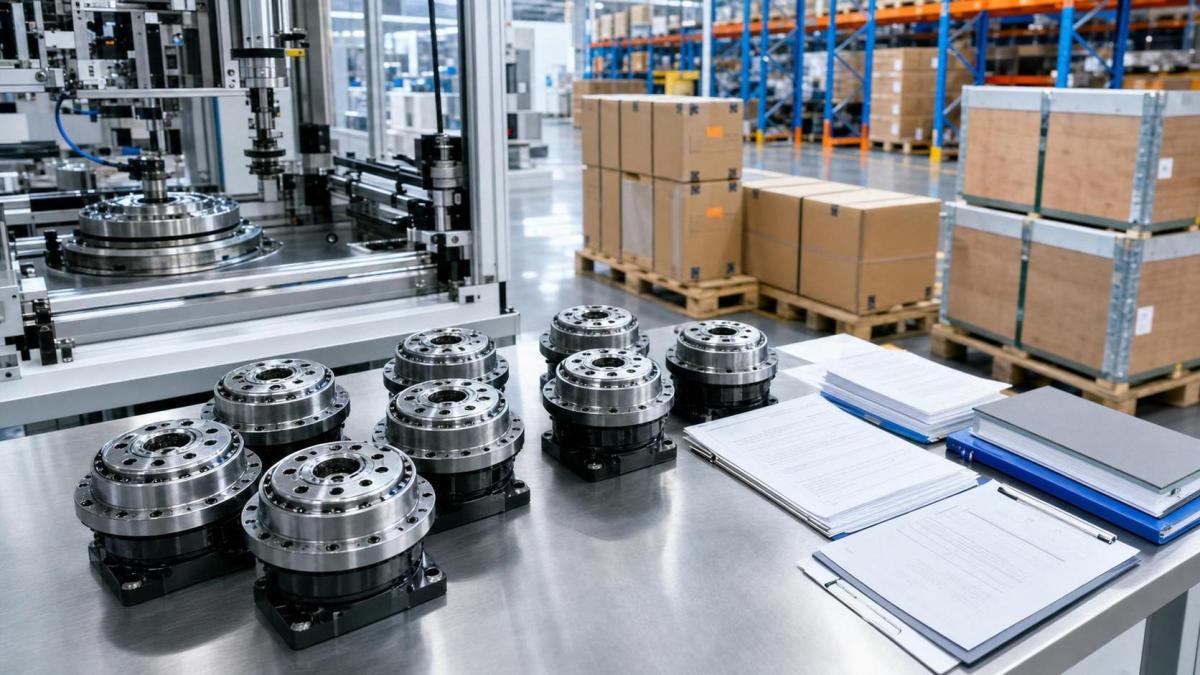
From an industry perspective, exporters involved in U.S.-bound shipments are likely to feel the impact first because the rule moves origin and RoHS/REACH proof into the customs filing stage. That means shipment execution is no longer only about product dispatch and commercial paperwork, but also about whether the required compliance files are complete, consistent, and ready at the point of clearance.
Importers and procurement teams will need tighter pre-shipment coordination
U.S. importers and procurement functions may be affected because the new requirement appears to connect customs release more directly with supplier-side compliance preparation. What deserves closer attention is whether purchase orders, shipment planning, and supplier onboarding documents are aligned early enough to avoid delays caused by missing origin declarations or third-party conformity statements.
Testing and compliance support functions may become part of delivery planning
Testing-related service providers and internal compliance teams may also see a more visible role in transactions involving harmonic drives. Analysis shows that once a third-party RoHS/REACH conformity statement becomes part of import filing expectations, the timing and availability of test-based documentation may influence shipment readiness, document review workflows, and handoff between manufacturing, export, and customs-facing teams.
Supply chain service providers may need closer document control
Logistics coordinators, customs brokers, and broader supply chain service providers may need to monitor whether origin and compliance files are available before cargo reaches the clearance stage. Observably, the impact is not limited to legal compliance alone; it may also extend to handover timing, document sequencing, and the risk of shipment interruption if required files are incomplete or inconsistent.
What companies should monitor before execution stabilizes
Readiness of origin declarations and supporting files
Analysis shows that one immediate priority is document readiness. Companies involved in U.S. shipments of harmonic drives should pay close attention to whether certified origin declarations can be prepared in a form that matches customs filing needs, and whether internal trade documentation is consistent enough to support that declaration without last-minute revisions.
Availability and format of third-party RoHS/REACH statements
Another practical focus is the third-party conformity statement. The provided information confirms that such a statement will be required, but it does not describe detailed submission standards, accepted formats, or review criteria. It is therefore more appropriate to understand this as a confirmed compliance obligation with execution details that still require close monitoring.
Delivery planning and procurement timing
What deserves closer attention is the effect on lead-time management. Because the rule takes effect at customs clearance, companies may need to review whether current procurement and shipping schedules leave enough time for document collection, verification, and coordination across exporter, importer, and service partners. This should be treated as an operational planning issue rather than only a legal filing matter.
Follow-up signals from implementation practice
Observably, the market will need to watch how the requirement is applied in practice after the effective date. Areas worth monitoring include any further official wording, customs-side filing expectations, document review consistency, and whether buyers begin reflecting these requirements in supplier qualification materials, technical documentation requests, or tender-related paperwork.
Why this looks like both a landed rule and an execution signal
Analysis shows that this development should not be read as a general policy discussion or a distant regulatory possibility. The effective date has been specified, the product scope has been identified through HS Code 8483.40, and the required filing documents have been named. At the same time, it would be premature to treat all implementation outcomes as settled, because the provided information does not include detailed enforcement practice or document acceptance standards. It is more appropriate to understand this as a rule that has moved into the execution stage, while practical interpretation still deserves observation.
How the industry should frame this development now
At this stage, the most balanced reading is that CBP has introduced a concrete import compliance requirement for harmonic drives that links customs clearance more directly with origin traceability and RoHS/REACH evidence. For affected businesses, the practical significance lies less in abstract regulatory language and more in whether documentation, testing support, and shipment coordination can keep pace with the new filing expectation. Current industry attention should remain on execution readiness, not on assuming fixed outcomes beyond the facts already provided.
Basis of this article and what still needs verification
This article was generated based on the user-provided news title, effective date, and event summary. Source types commonly relevant to developments of this kind include official notices, releases from regulatory authorities, customs or trade administration information, industry association updates, standards-related documents, and reporting by authoritative trade media. A specific official source link was not provided in the input, so the underlying document path and any later updates still need ongoing verification. What remains important to monitor includes detailed policy wording, certification and documentation interpretation, changes in buyer or tender document requirements, market feedback, and how companies implement the rule in actual export and import workflows.
Read More
Learn more about the story of HONPINE and industry trends related to precision transmission.
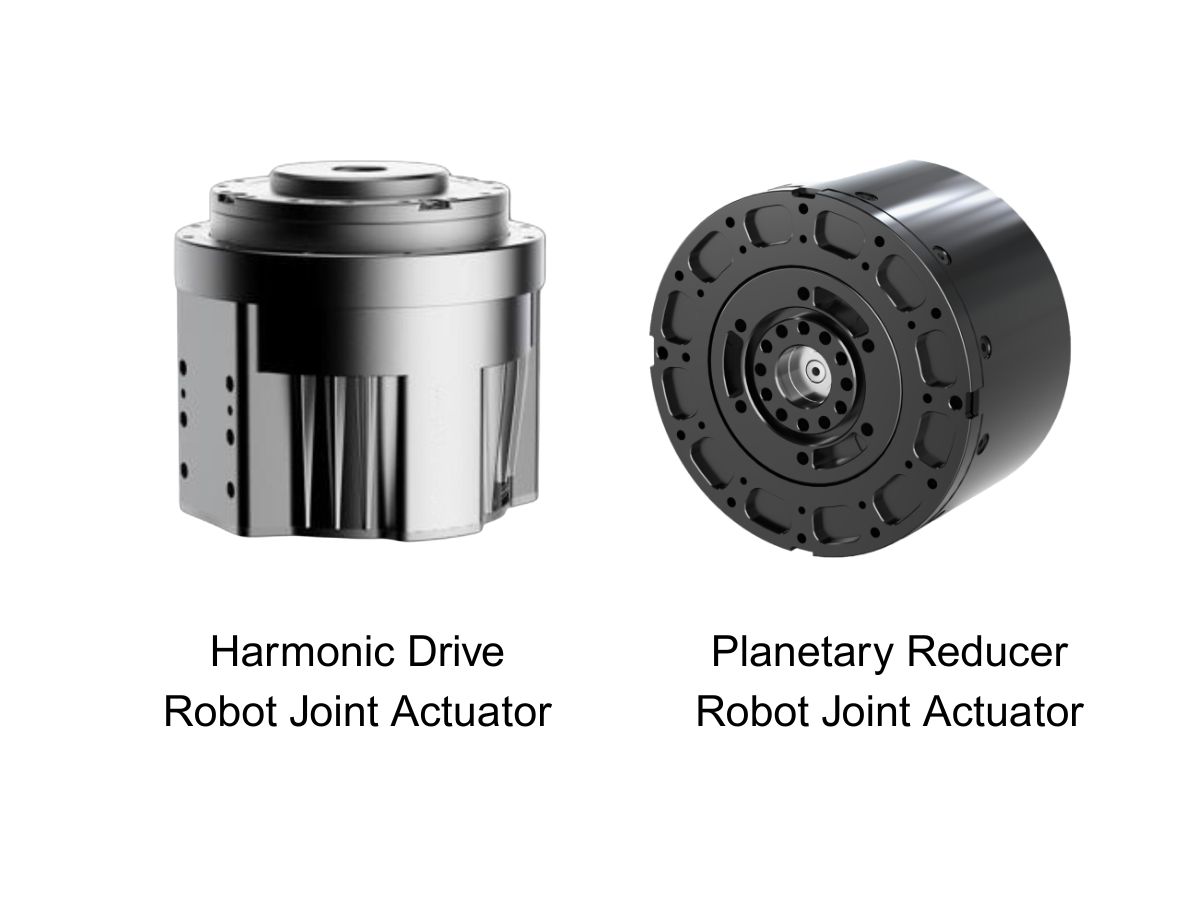
 What is robot joint actuator?How to Choose the Best Robot Rotary Joint Actuator?In core robot joint transmission solutions, planetary and harmonic rotary actuators each have their own strengths. Choosing the right type based on application requirements is essential to achieve the optimal balance between performance and cost.
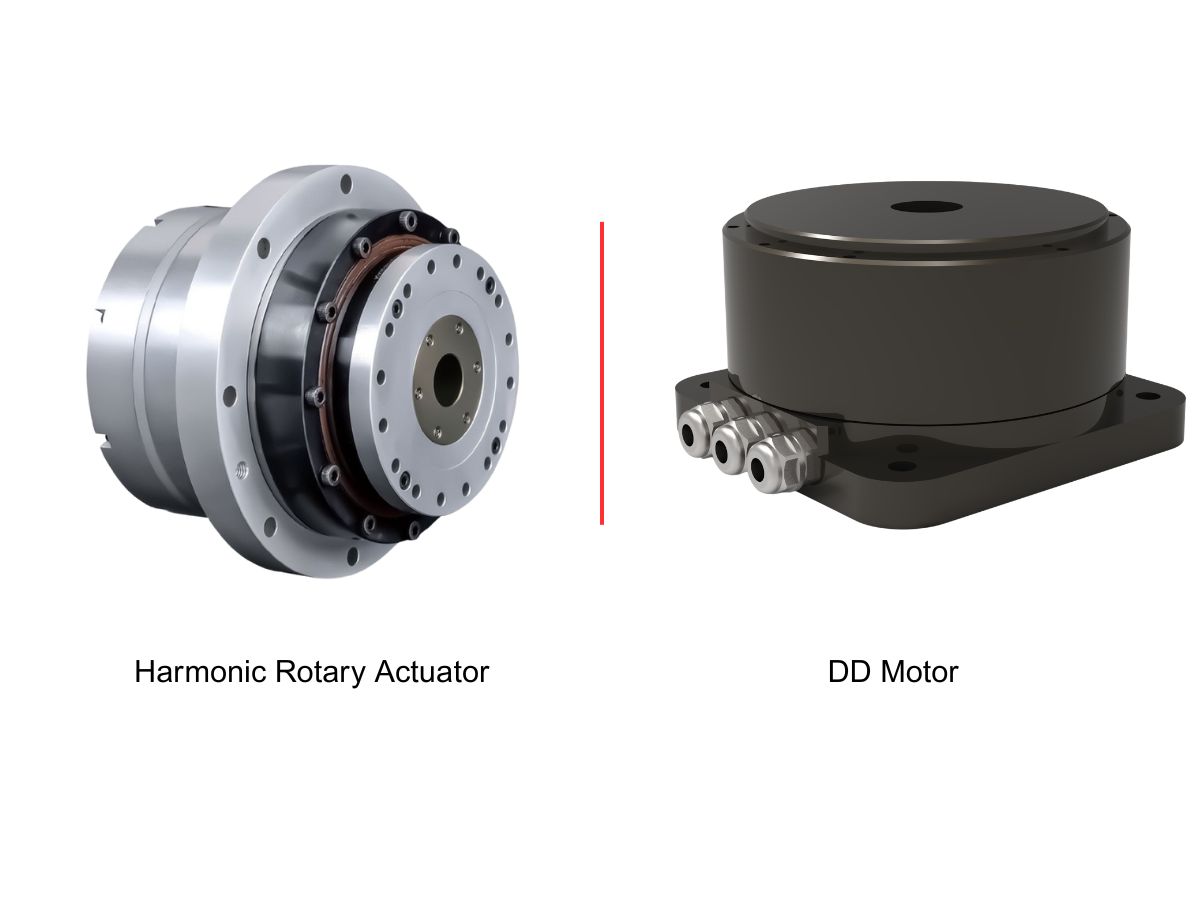
 DD Motors VS Harmonic Rotary ActuatorsThis article provides an in-depth comparison between Direct Drive (DD) motors and harmonic rotary actuators, covering their transmission principles, advantages and disadvantages, and typical application fields.
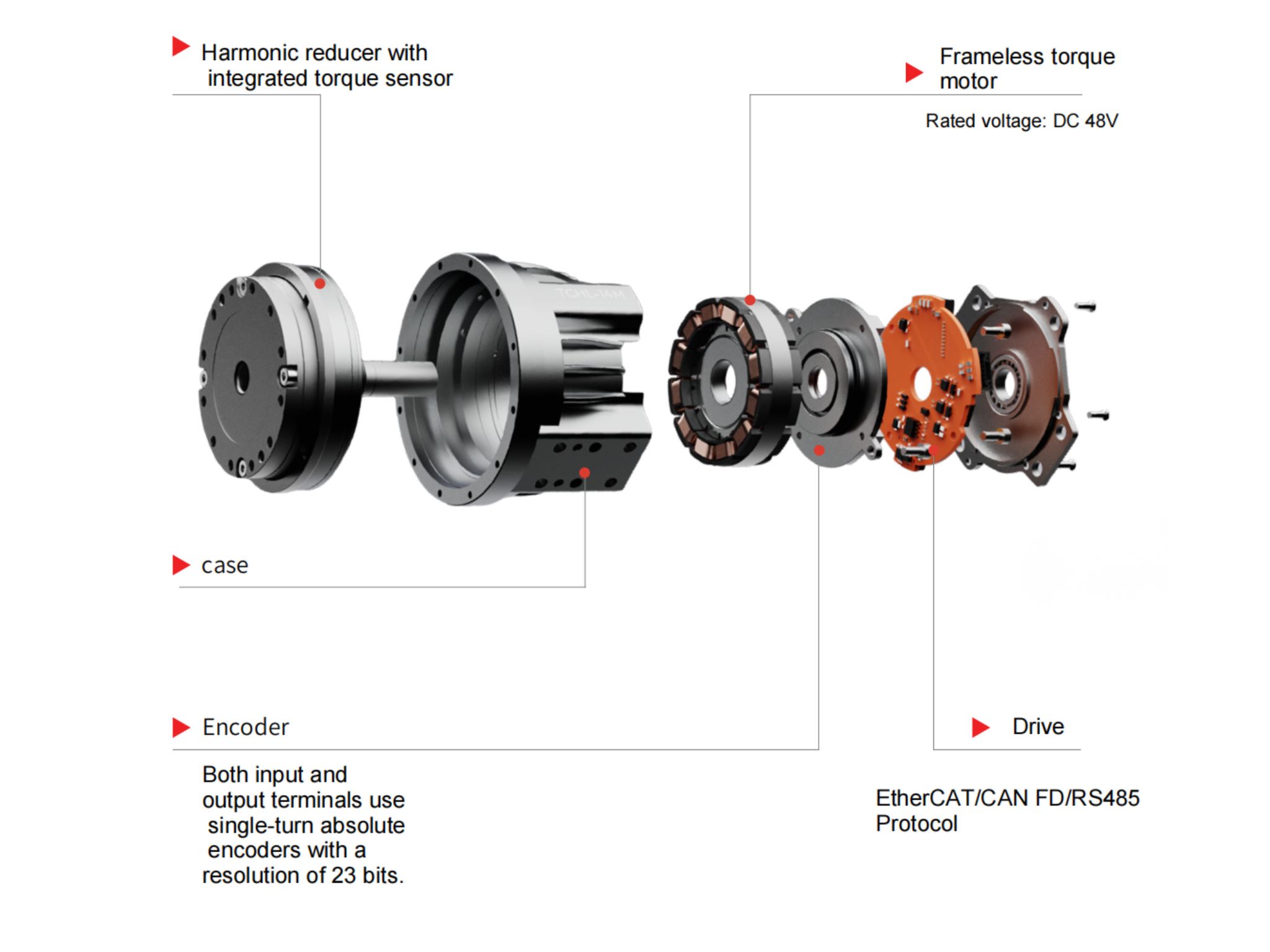
 OMG Ultra Compact Harmonic Drive Joint Module with Built-in Torque SensorHONPINE TCHL series harmonic drive joint module is a game-changing product that achieves disruptive improvements in multiple aspects such as lightweight design, integration level, and connection convenience. This article will analyze its revolutionary enhancements with you.
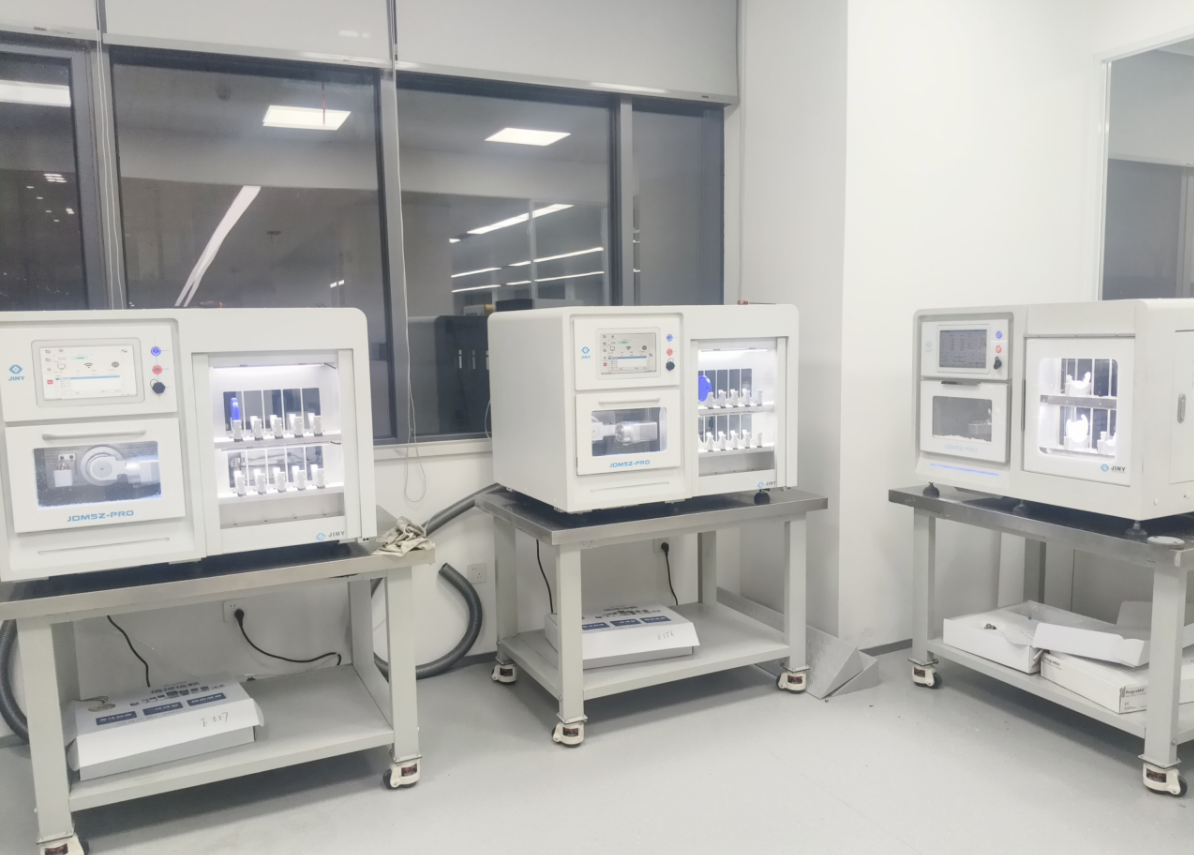
 The Role of Harmonic Drive Gears in Achieving 5–10 μm Accuracy in Dental Milling MachinesA dental milling machine is a CNC machining system used to directly process digital dental models into restorations such as crowns, bridges, veneers, inlays, and implant abutments. Dental milling machines require far higher operational accuracy and motion stability than ordinary equipment. This article explains how harmonic drive gear help dental milling machines achieve stable, continuous, and controllable operation.
 Why Are Harmonic Rotary Actuators Perfect for Medical Equipment?Harmonic rotary actuators (typically integrated systems consisting of a harmonic drive reducer, frameless torque motor, encoder, and optional brake) are regarded as key components in medical equipment. The core reason is that they simultaneously meet the most stringent medical requirements for precision, compact size, safety, and controllability. The following explanation is structured from three perspectives: technical characteristics, application scenarios, and medical value.
 High-Precision RV Reducers Perfectly Matched for Walking RobotsThe walking axis of a robot is a core component for power transmission and support. RV reducers provide extremely high rigidity, precision, and torque while maintaining a compact size and exceptional reliability, making them an ideal match for the demanding requirements of walking robot joints in terms of load capacity, impact resistance, and precision.
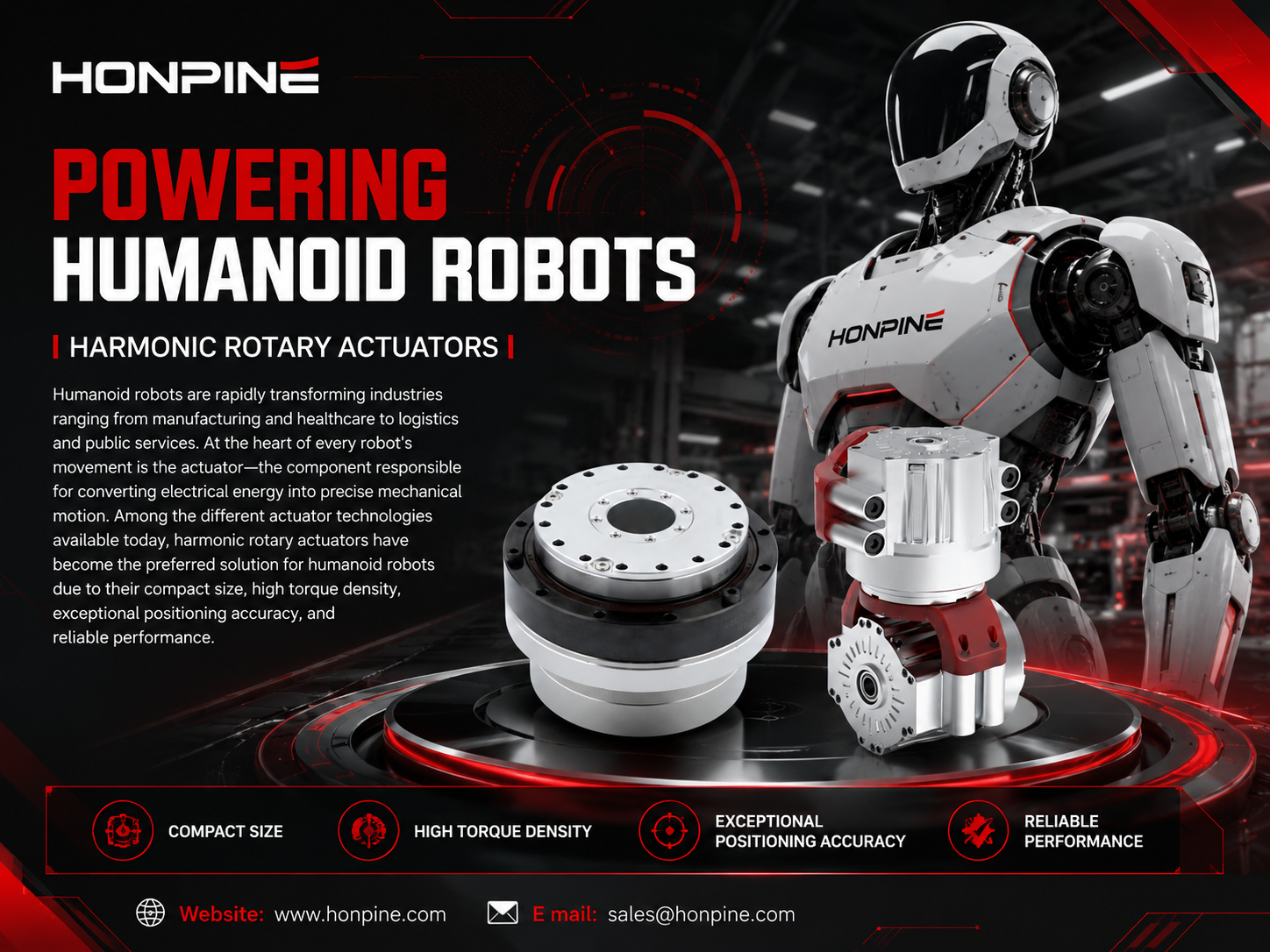
 Harmonic Rotary Actuators for Humanoid Robots: Technology, Applications, and Future DevelopmentHumanoid robots are rapidly transforming industries ranging from manufacturing and healthcare to logistics and public services. At the heart of every robot's movement is the actuator—the component responsible for converting electrical energy into precise mechanical motion. Among the different actuator technologies available today, harmonic rotary actuators have become the preferred solution for humanoid robots due to their compact size, high torque density, exceptional positioning accuracy, and reliable performance.
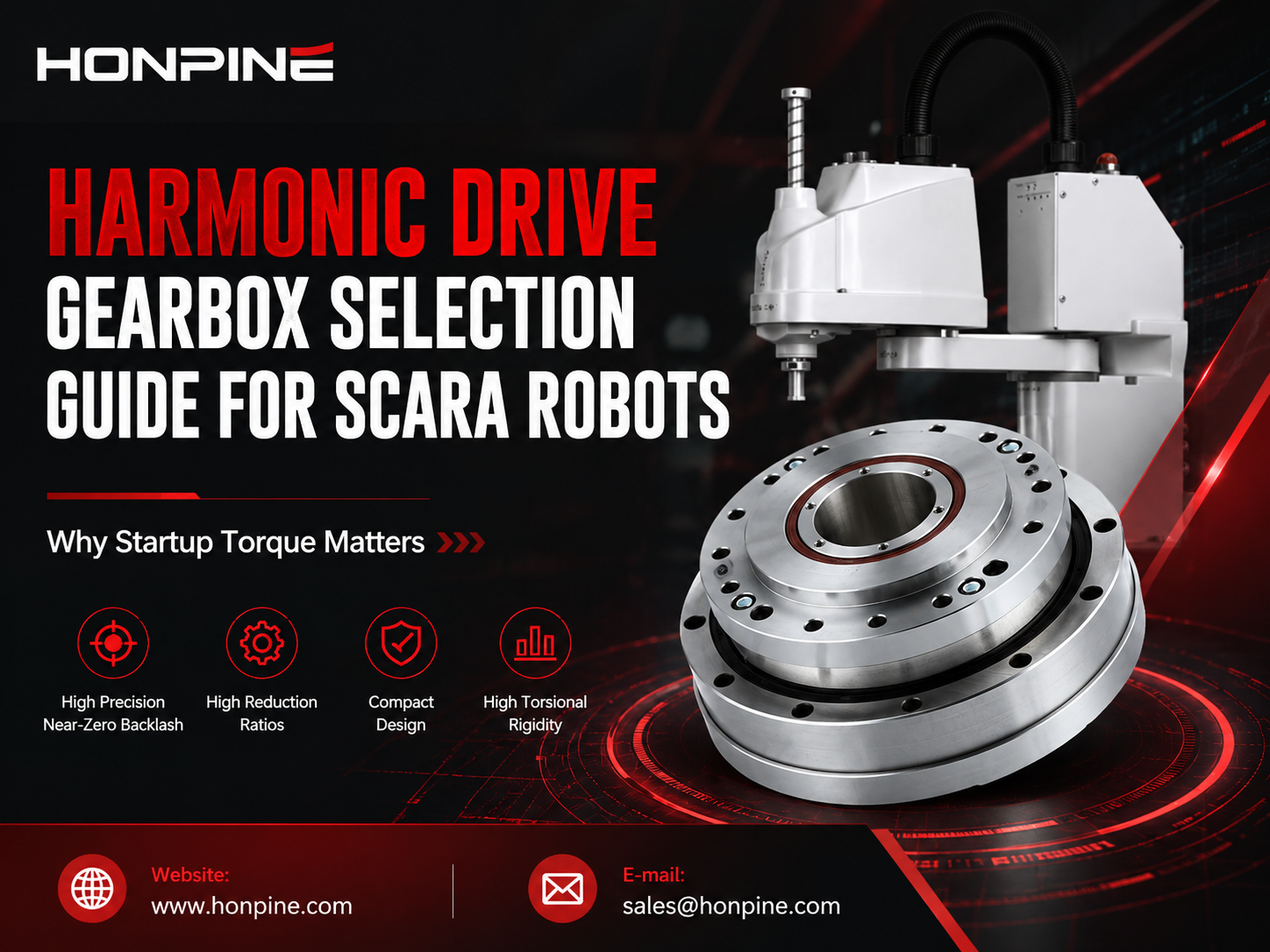
 Startup Torque in Harmonic Drive Gearboxes for SCARA Robots: Definition, Key Factors, and Selection GuideIn SCARA robots, 3C automation equipment, and precision assembly systems, harmonic drive gearboxes have become the preferred transmission solution thanks to their high precision, near-zero backlash, high reduction ratios, and compact design. When selecting a gearbox, engineers typically focus on parameters such as rated torque, reduction ratio, backlash, and torsional rigidity. However, one critical specification that is often overlooked is startup torque.
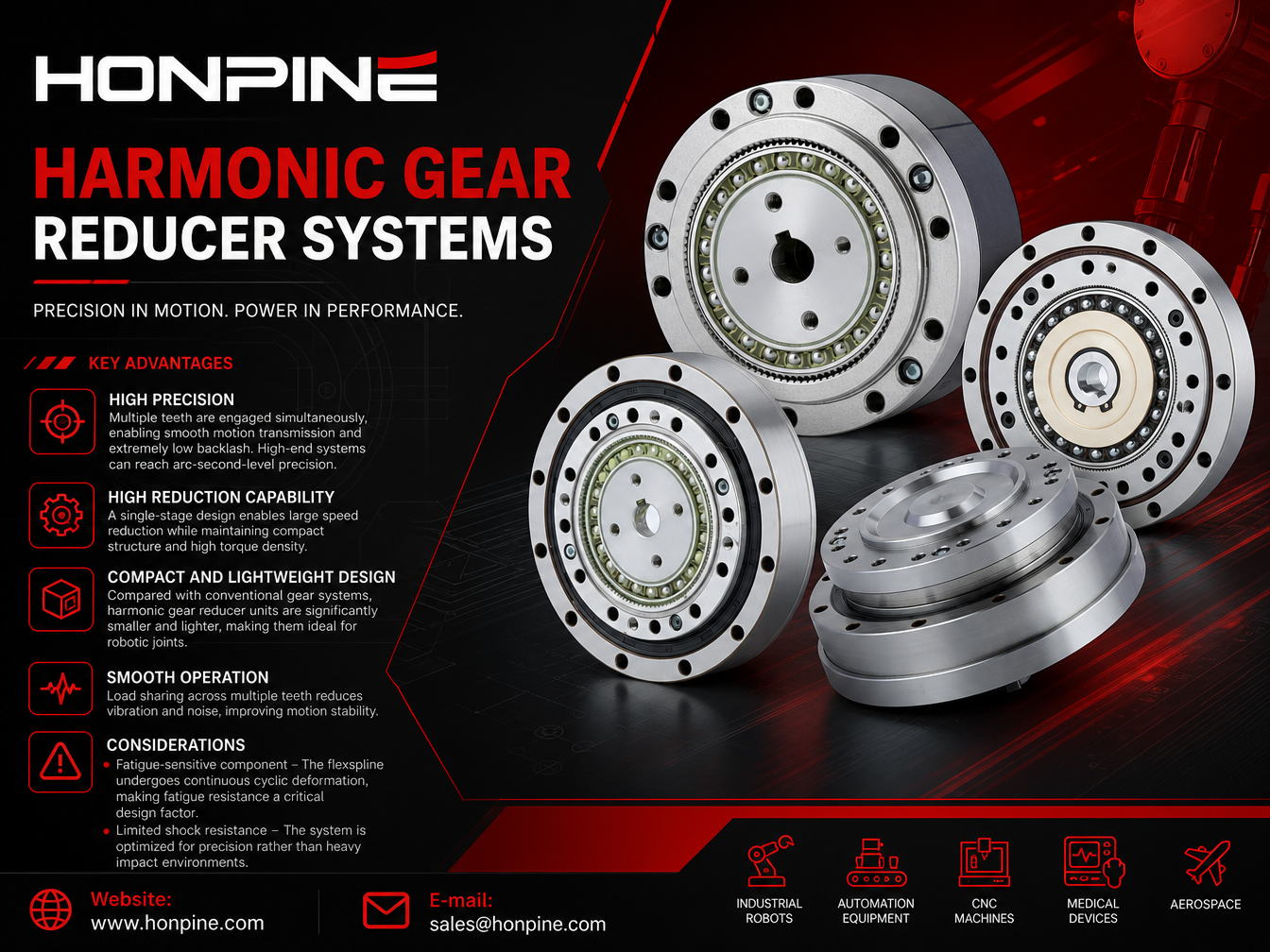
 Harmonic Gear Reducer Technology: Working Principle, Manufacturing Barriers, and Industry InsightsGlobally, only a limited number of manufacturers are capable of producing high-precision harmonic gear reducer systems. This article explains how these precision transmission systems work, why they are difficult to manufacture, and HONPINE’s perspective on the global supply chain.
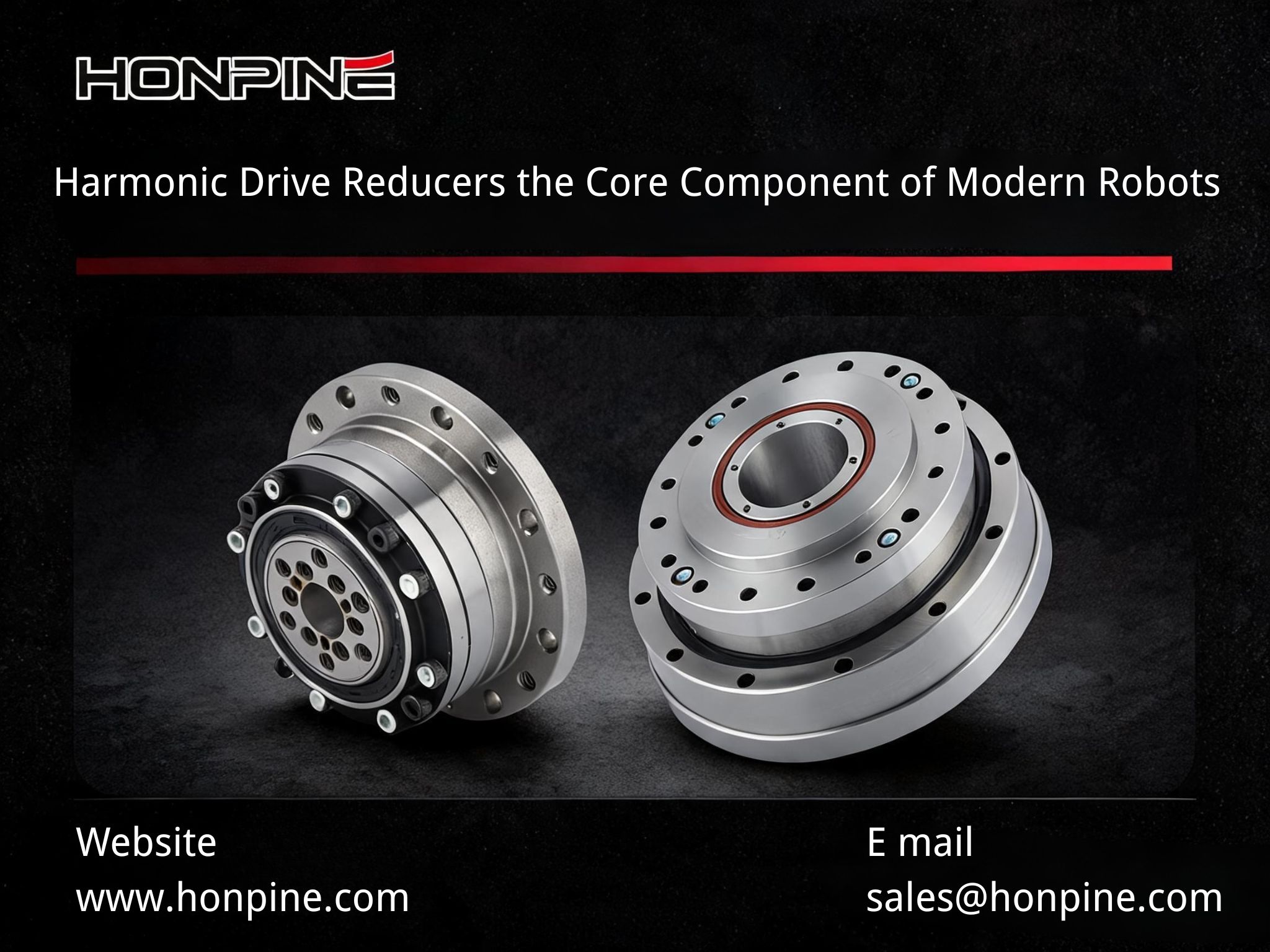
 Why Are Harmonic Drive Reducers the Core Component of Modern Robots?As the core transmission component inside robotic joints, the design, manufacturing quality, and selection of a harmonic drive reducer directly determine a robot's motion accuracy, reliability, and service life. Whether in industrial robots, collaborative robots, or next-generation humanoid robots, harmonic drives have become one of the most critical enabling technologies for high-performance motion control.
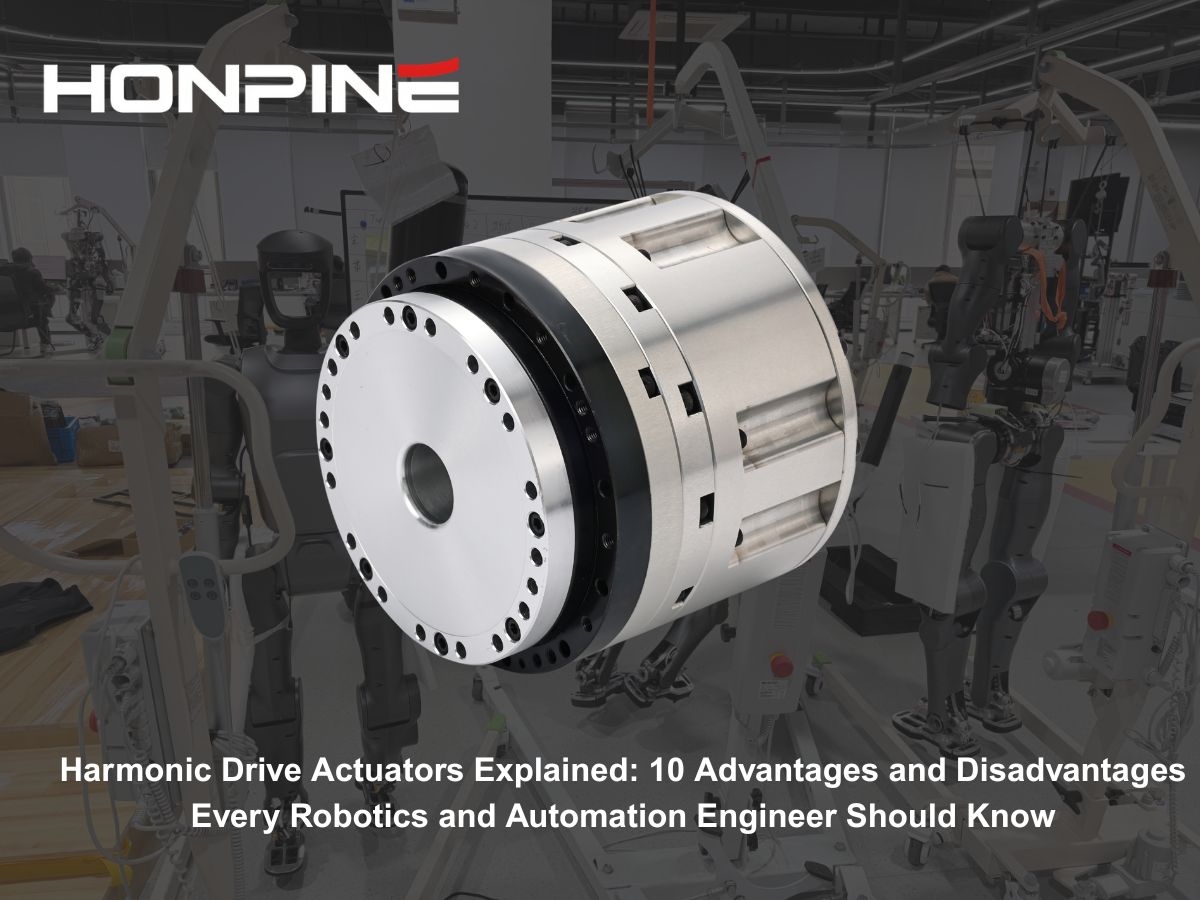
 Harmonic Drive Actuators Explained: 10 Advantages and Disadvantages Every Robotics and Automation Engineer Should KnowWhen selecting a motion control solution, understanding the strengths and limitations of a harmonic rotary actuator is essential. While these actuators are widely recognized for their exceptional precision and compact design, they also have inherent limitations that make them unsuitable for certain heavy-duty applications.
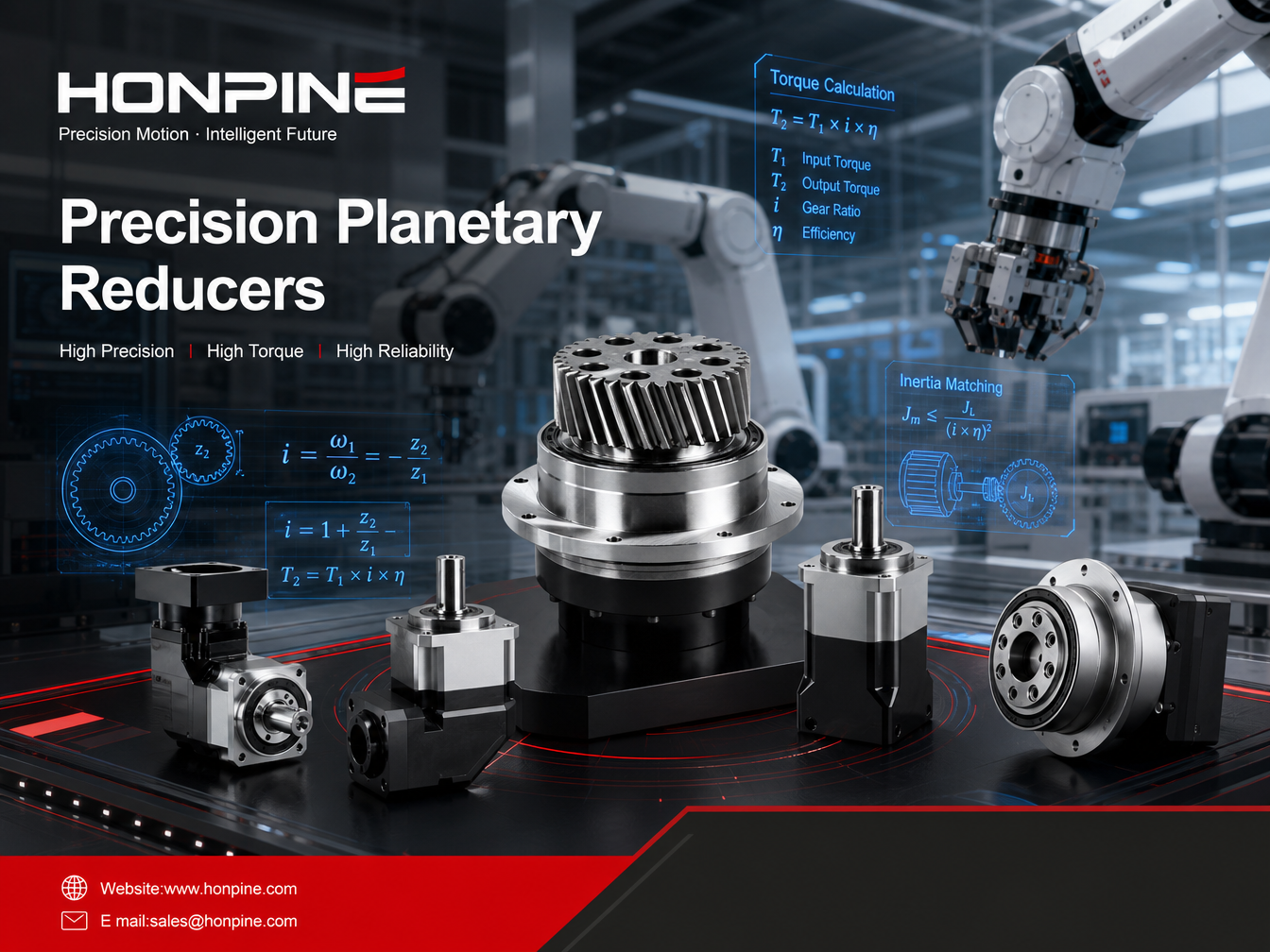
This guide provides a comprehensive overview of the advantages and disadvantages of harmonic actuators, helping engineers choose the right transmission solution based on their specific application requirements. Precision Planetary Reducer Selection Guide: Practical Methods for Gear Ratio, Torque, and Inertia MatchingSelecting the right precision planetary reducer is one of the most important steps in designing a high-performance motion control system. With numerous technical parameters to consider, the selection process can appear complicated. In practice, however, three core factors determine the optimal solution: gear ratio, output torque, and inertia matching.
Double Click
We provide harmonic drive reducer,planetary reducer,robot joint motor,robot rotary actuators,RV gear reducer,robot end effector,dexterous robot hand
 CBP Sets New Import Filing Rules for Harmonic DrivesCBP sets new import filing rules for harmonic drives under HS Code 8483.40, requiring origin and RoHS/REACH documents from Aug 1, 2026. See impacts on importers, exporters, and supply chains.
![]() EU Machinery Rule Adds CE-PEM Mark for Harmonic DrivesEU Machinery Rule Adds CE-PEM Mark for Harmonic Drives: learn how the new EU compliance change impacts industrial robot supply chains, CE access, PEM assessment, and supplier qualification before 2027.
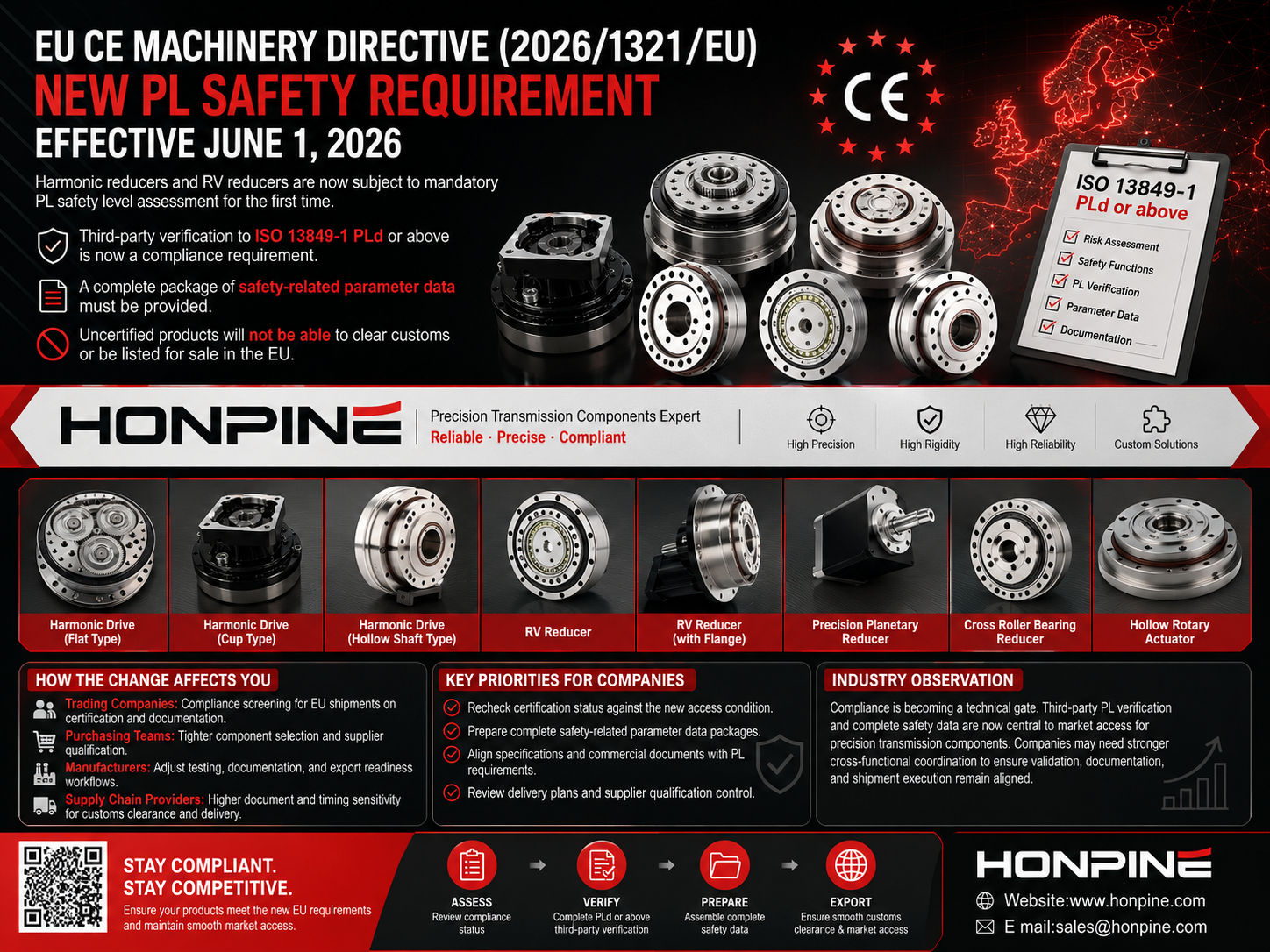
EU Machinery Rule Adds CE-PEM Mark for Harmonic DrivesEU Machinery Rule Adds CE-PEM Mark for Harmonic Drives: learn how the new EU compliance change impacts industrial robot supply chains, CE access, PEM assessment, and supplier qualification before 2027. EU CE Rule Makes PL Certification MandatoryEU CE Rule Makes PL Certification Mandatory: learn how new EU requirements affect harmonic reducers, ISO 13849-1 PLd compliance, customs clearance, and market access.
 harmonic drive reducer certifications