









EU EN ISO 13849-1:2026 Enforceable from 1 June 2026: PL ≥ d Certification Mandatory for CNC Exports to EU
Effective 1 June 2026, the European Union will enforce the updated machinery safety standard EN ISO 13849-1:2026. This requirement directly affects manufacturers and exporters of CNC machine tools and standalone CNC control systems targeting the EU market — particularly those in precision engineering, metalworking equipment, and industrial automation sectors — as compliance is now a prerequisite for CE marking and market access.
Event Overview
On 1 June 2026, EN ISO 13849-1:2026 becomes mandatory across the EU. Under this standard, all numerically controlled (CNC) machine tools and independent CNC control systems placed on the EU market must undergo third-party certification and achieve at least Performance Level (PL) d — equivalent to SIL 2 per IEC 61508. Devices failing to meet this requirement may not bear the CE marking and are prohibited from being placed on the EU market. As of the latest available information, only 12 Chinese CNC system manufacturers have completed the required PL ≥ d certification.
Industries Affected by Segment
Original Equipment Manufacturers (OEMs) of CNC Machine Tools
OEMs integrating CNC controllers into complete machines are directly responsible for the safety-related parts of their control systems. Non-compliant CNC subsystems — even if supplied by third parties — render the entire machine non-certifiable under the Machinery Directive. Impact includes delayed type approval, redesign of safety architectures, and potential liability for non-conforming integrations.
Suppliers of Standalone CNC Control Systems
Vendors supplying CNC controllers as separate functional units (e.g., for retrofitting or modular integration) must obtain individual PL ≥ d certification. This shifts responsibility from end-machine integrators to component suppliers. Affected firms face new technical documentation requirements, validation testing costs, and longer time-to-market for EU-bound products.
Export-Oriented Distributors and Trade Agents
Distributors acting as EU Authorised Representatives or importers assume legal obligations under Regulation (EU) 2019/1020. They must verify that imported CNC systems hold valid PL ≥ d certification before placing them on the market. Failure to do so may result in customs rejection, product withdrawal, or penalties under national market surveillance regimes.
Aftermarket Service and Retrofit Providers
Firms offering safety-critical upgrades, firmware updates, or hardware modifications to existing CNC installations must assess whether such changes affect the certified PL. Any modification altering the safety function’s architecture or behaviour may trigger re-certification — a requirement previously uncommon in legacy support workflows.
Key Considerations and Recommended Actions for Stakeholders
Monitor official interpretations from Notified Bodies and EU national authorities
EN ISO 13849-1:2026 introduces revised methodology for PL determination, including updated assumptions for common cause failures and diagnostic coverage. Stakeholders should track guidance documents issued by EU-recognised Notified Bodies (e.g., TÜV Rheinland, SGS, Dekra) and national market surveillance authorities, as practical application may vary across jurisdictions.
Prioritise certification for high-volume or high-risk export models
Given limited domestic capacity — with only 12 certified Chinese CNC vendors reported — companies should identify which product lines account for the largest share of EU-bound shipments or carry highest safety relevance (e.g., multi-axis milling, laser cutting, or grinding controls). Focusing resources here avoids blanket certification efforts while mitigating immediate market access risk.
Distinguish between transitional provisions and hard deadlines
The standard’s enforcement date applies to new devices placed on the market after 1 June 2026. Units already certified to EN ISO 13849-1:2015 may remain compliant under certain conditions — but only if no substantial changes are made to their safety functions. Stakeholders must verify whether their current certifications qualify for continued validity or require re-assessment under the 2026 edition.
Review supply chain contracts and technical documentation responsibilities
Manufacturers should revisit agreements with CNC controller suppliers to clarify allocation of certification responsibilities, technical file ownership, and access to safety-related design data (e.g., block diagrams, failure mode analyses, diagnostic test procedures). Absent clear contractual terms, OEMs may bear full liability for uncertified subsystems.
Editorial Perspective / Industry Observation
Observably, this regulatory shift signals a tightening of functional safety accountability across the EU machinery value chain — moving emphasis from system-level conformity to granular verification of safety-related control subsystems. Analysis shows it is less a sudden disruption and more a formalisation of long-emerging expectations: EU market surveillance has increasingly cited inadequate validation of CNC safety functions in non-compliance reports since 2022. From an industry perspective, the low number of certified vendors (12) reflects not just technical barriers, but also limited awareness and preparation — suggesting the requirement functions primarily as a forward-looking signal rather than an immediately saturated compliance landscape. Continued attention is warranted as enforcement practices evolve post-2026.
As a concluding observation, this update does not represent a broad-based revision of machinery safety policy, but rather a targeted escalation in verification rigor for programmable electronic control systems within CNC applications. It is best understood not as a one-time compliance hurdle, but as a structural recalibration of technical due diligence expectations for EU-bound industrial automation components.
Source: Official EU regulatory timeline for harmonised standards; publicly reported certification status of Chinese CNC manufacturers (as of latest verified industry disclosure).
Note: Certification capacity, Notified Body interpretation guidelines, and enforcement consistency across Member States remain subjects of ongoing observation.
Read More
Learn more about the story of HONPINE and industry trends related to precision transmission.
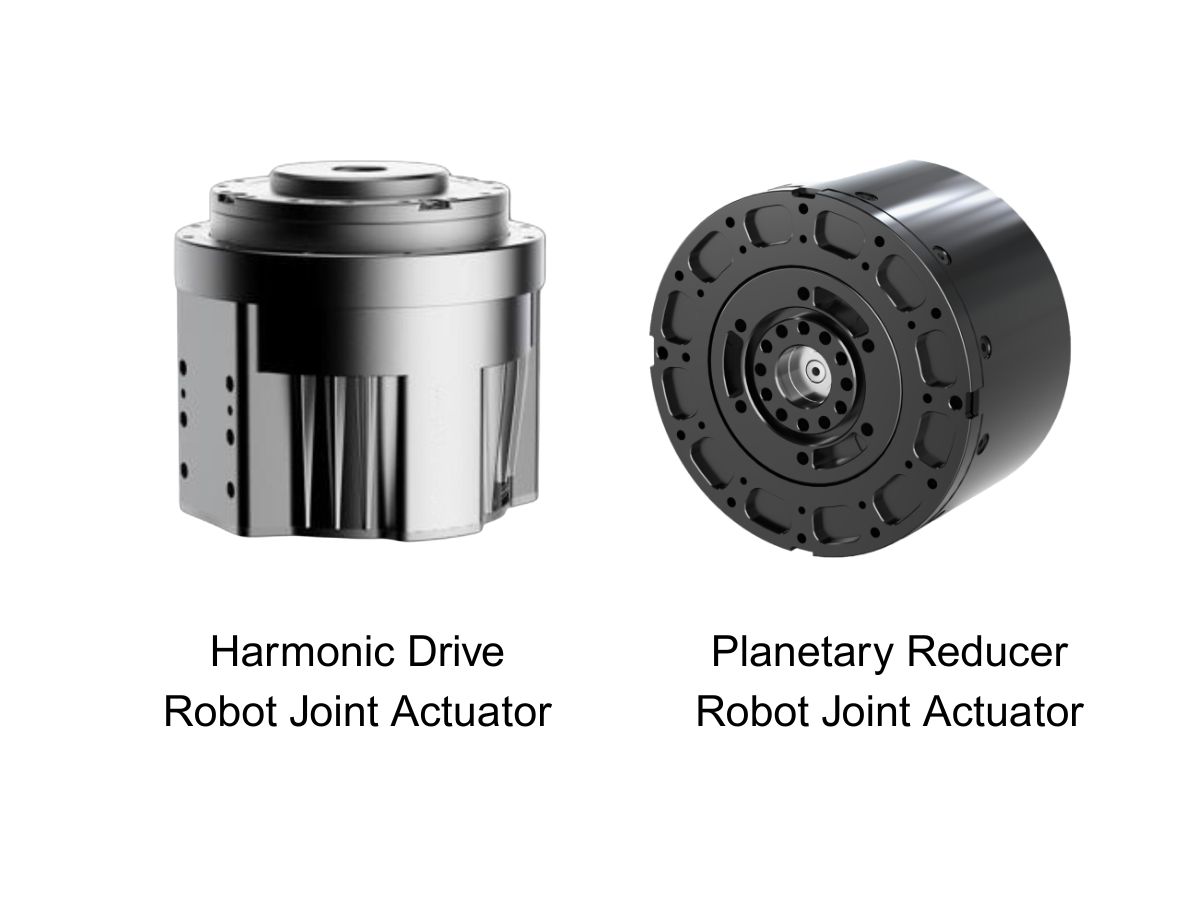
 What is robot joint actuator?How to Choose the Best Robot Rotary Joint Actuator?In core robot joint transmission solutions, planetary and harmonic rotary actuators each have their own strengths. Choosing the right type based on application requirements is essential to achieve the optimal balance between performance and cost.
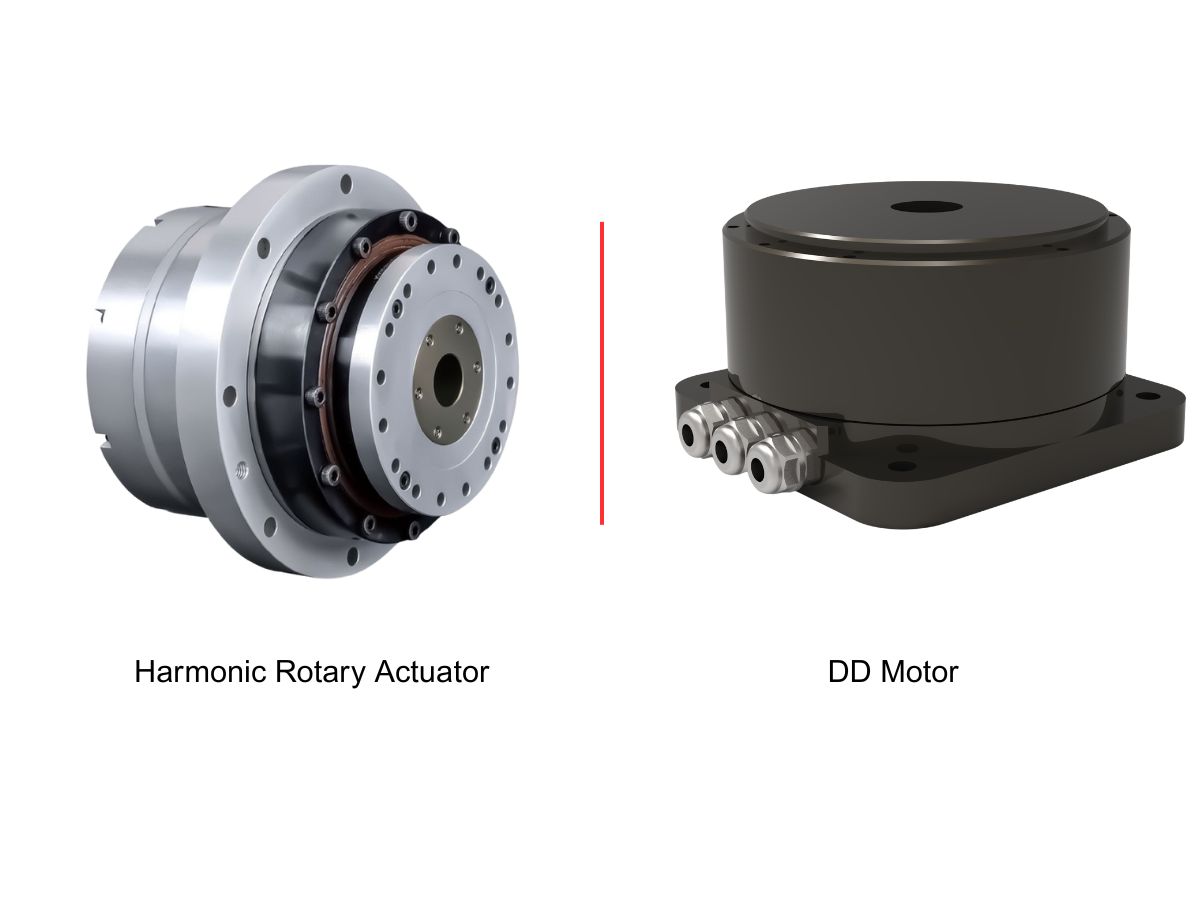
 DD Motors VS Harmonic Rotary ActuatorsThis article provides an in-depth comparison between Direct Drive (DD) motors and harmonic rotary actuators, covering their transmission principles, advantages and disadvantages, and typical application fields.
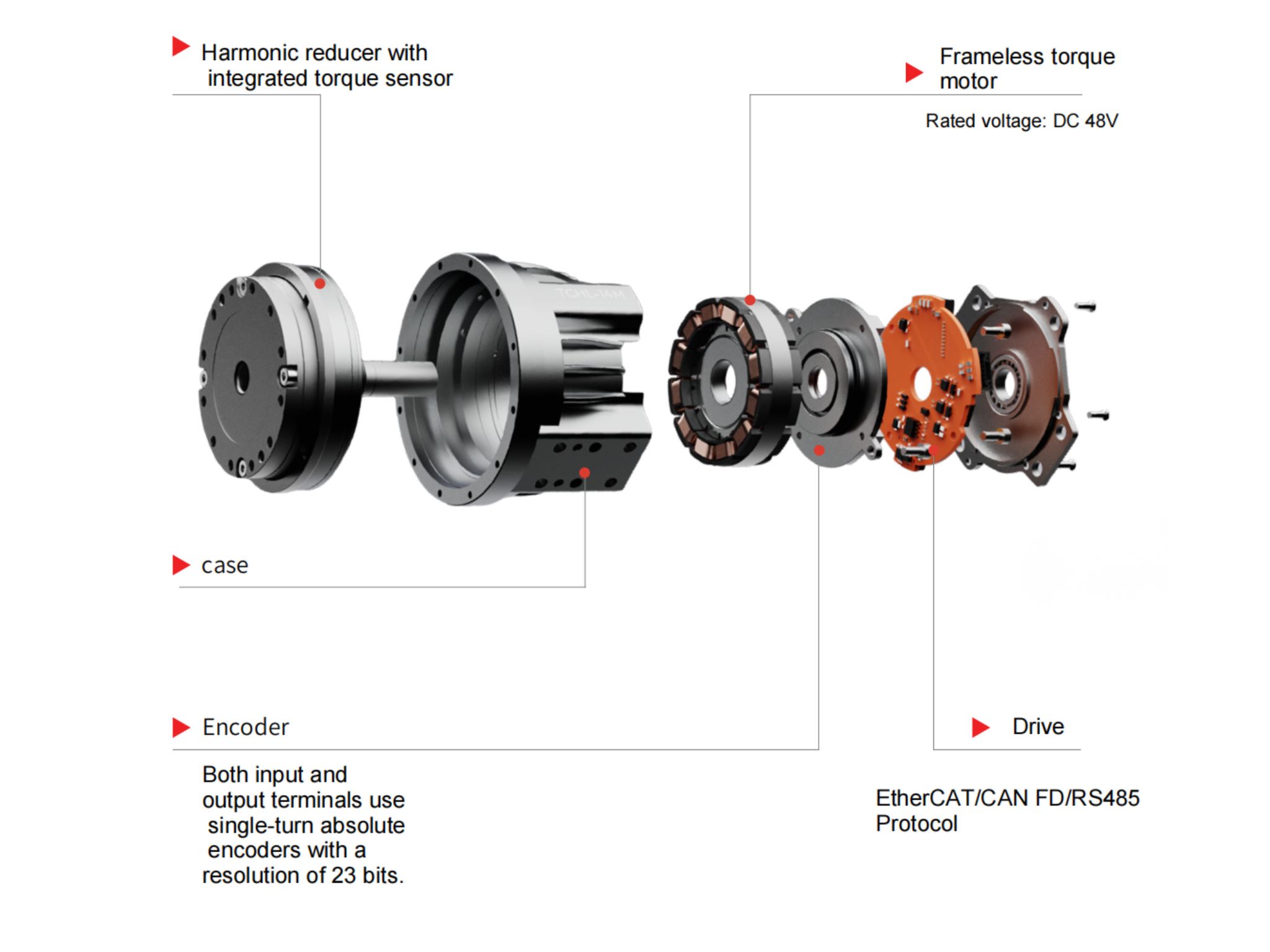
 OMG Ultra Compact Harmonic Drive Joint Module with Built-in Torque SensorHONPINE TCHL series harmonic drive joint module is a game-changing product that achieves disruptive improvements in multiple aspects such as lightweight design, integration level, and connection convenience. This article will analyze its revolutionary enhancements with you.
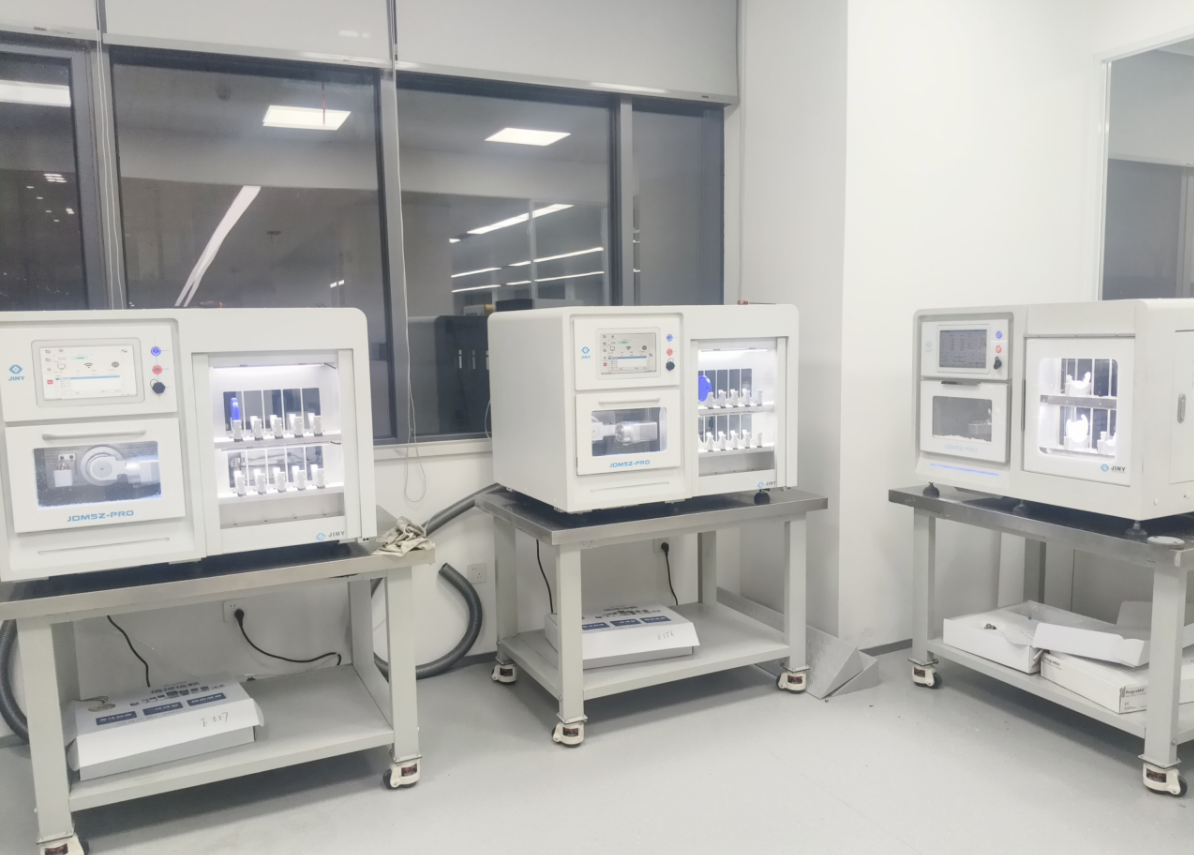
 The Role of Harmonic Drive Gears in Achieving 5–10 μm Accuracy in Dental Milling MachinesA dental milling machine is a CNC machining system used to directly process digital dental models into restorations such as crowns, bridges, veneers, inlays, and implant abutments. Dental milling machines require far higher operational accuracy and motion stability than ordinary equipment. This article explains how harmonic drive gear help dental milling machines achieve stable, continuous, and controllable operation.
 Why Are Harmonic Rotary Actuators Perfect for Medical Equipment?Harmonic rotary actuators (typically integrated systems consisting of a harmonic drive reducer, frameless torque motor, encoder, and optional brake) are regarded as key components in medical equipment. The core reason is that they simultaneously meet the most stringent medical requirements for precision, compact size, safety, and controllability. The following explanation is structured from three perspectives: technical characteristics, application scenarios, and medical value.
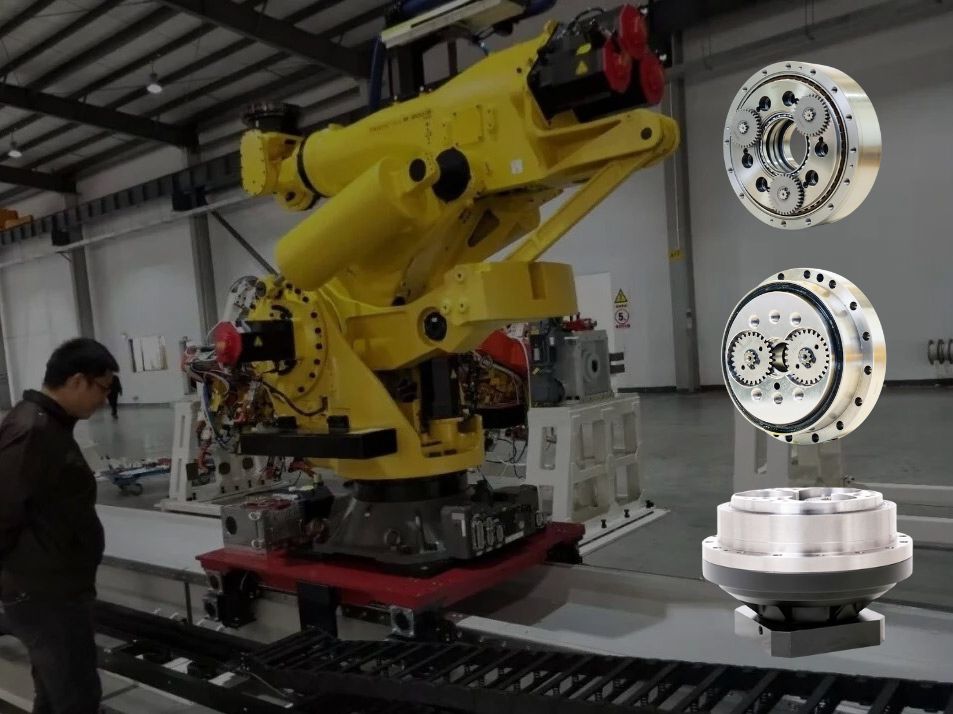
 High-Precision RV Reducers Perfectly Matched for Walking RobotsThe walking axis of a robot is a core component for power transmission and support. RV reducers provide extremely high rigidity, precision, and torque while maintaining a compact size and exceptional reliability, making them an ideal match for the demanding requirements of walking robot joints in terms of load capacity, impact resistance, and precision.
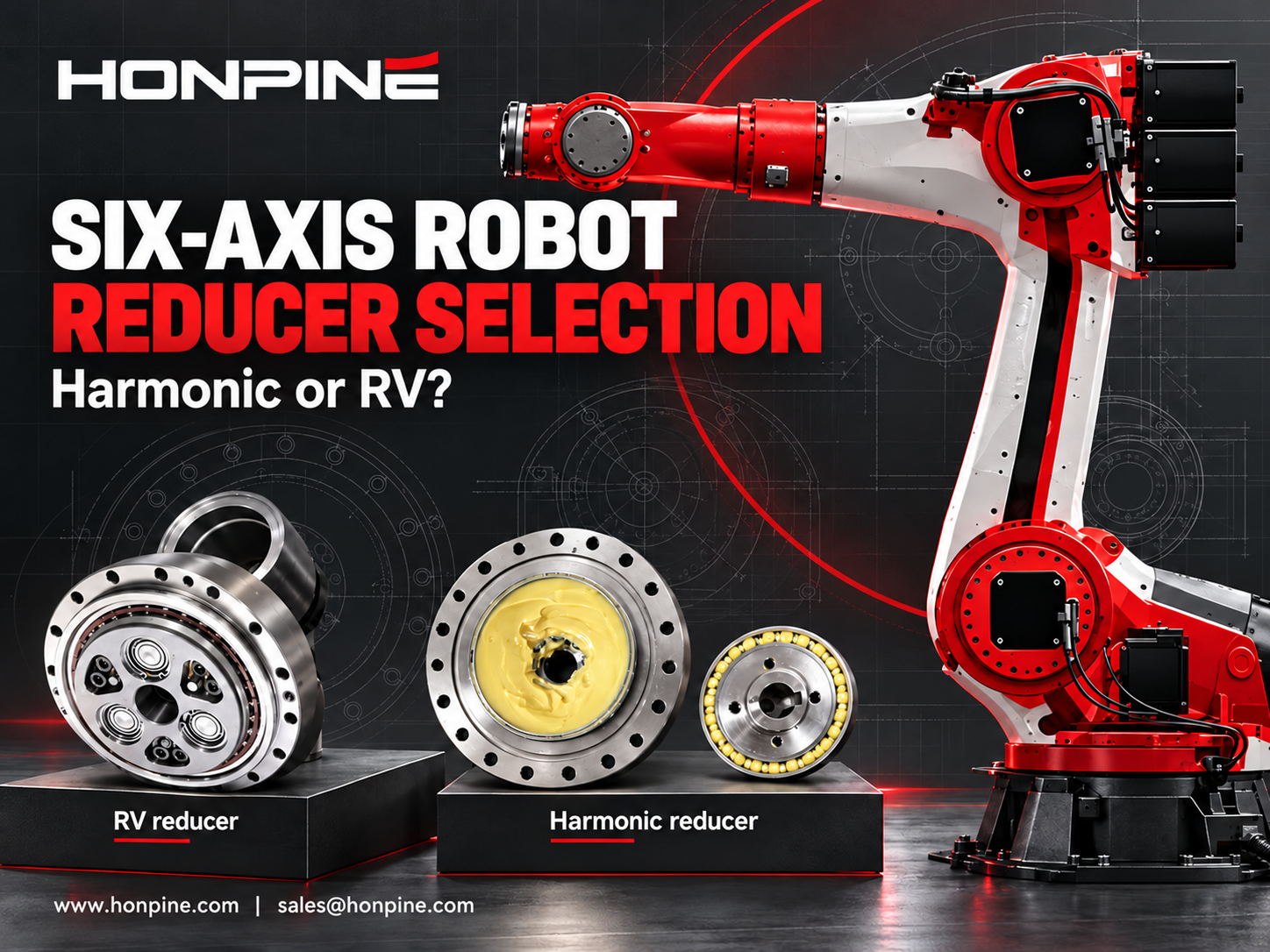
 How to Select Harmonic and RV Reducers for Each Axis of a Six-Axis Robot?What determines whether a six-axis robot joint needs a harmonic reducer or an RV reducer? The answer depends on torque, inertia, impact loads, bearing loads and installation space. This guide explains how to evaluate harmonic and RV reducers for the base, shoulder, elbow and wrist, with practical checks for stiffness, backlash and service life. Use the requirements of each axis to select a suitable reducer configuration.
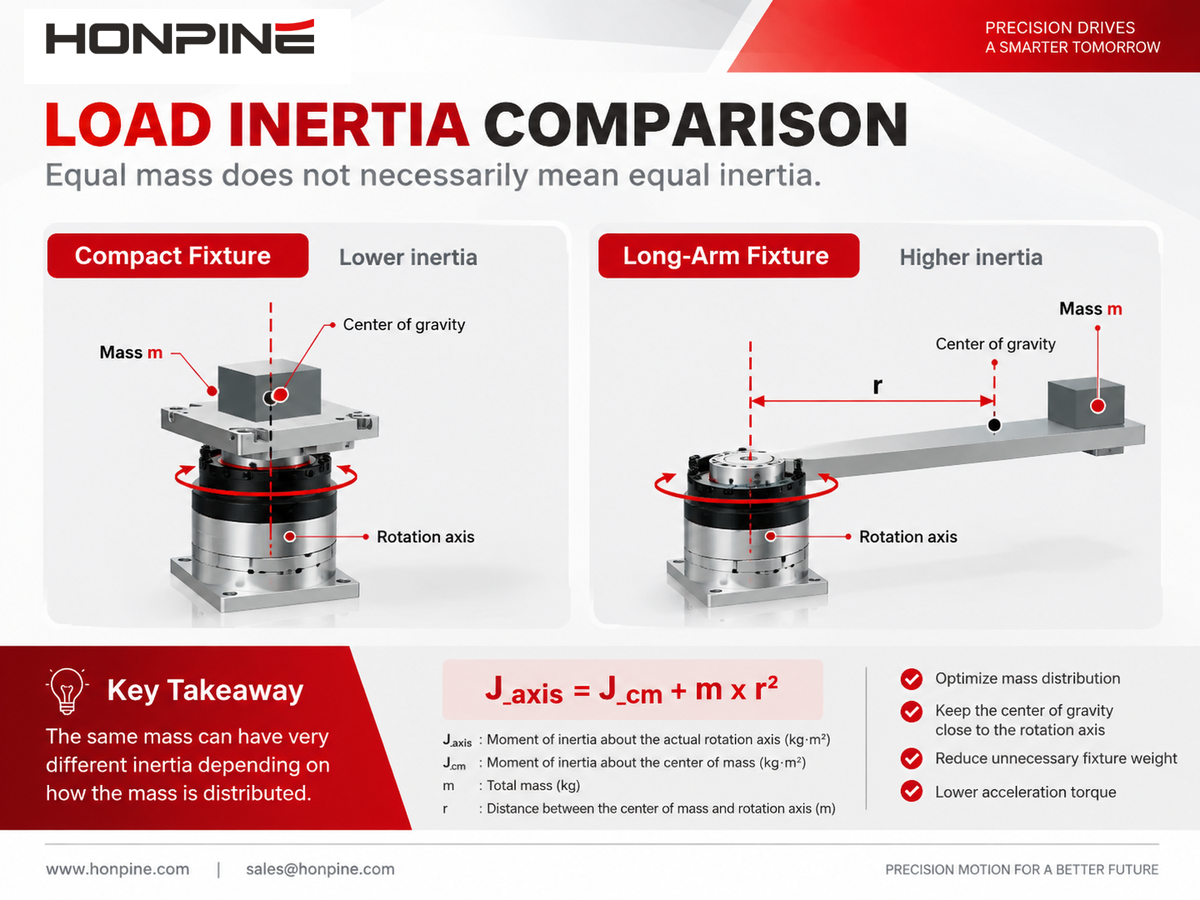
 How to Calculate Torque for a Harmonic Rotary Actuator in a Flipping Mechanism?How much torque does a harmonic rotary actuator need to flip a 10 kg load through 180 degrees? The answer depends on more than weight. Center-of-gravity offset, load inertia, acceleration and operating frequency all affect actuator selection. In this guide, Theodore Li, Technical Director at HONPINE, explains the calculation process using a horizontal-axis flipping example and outlines the checks needed for peak torque, continuous operation, output speed and bearing loads.
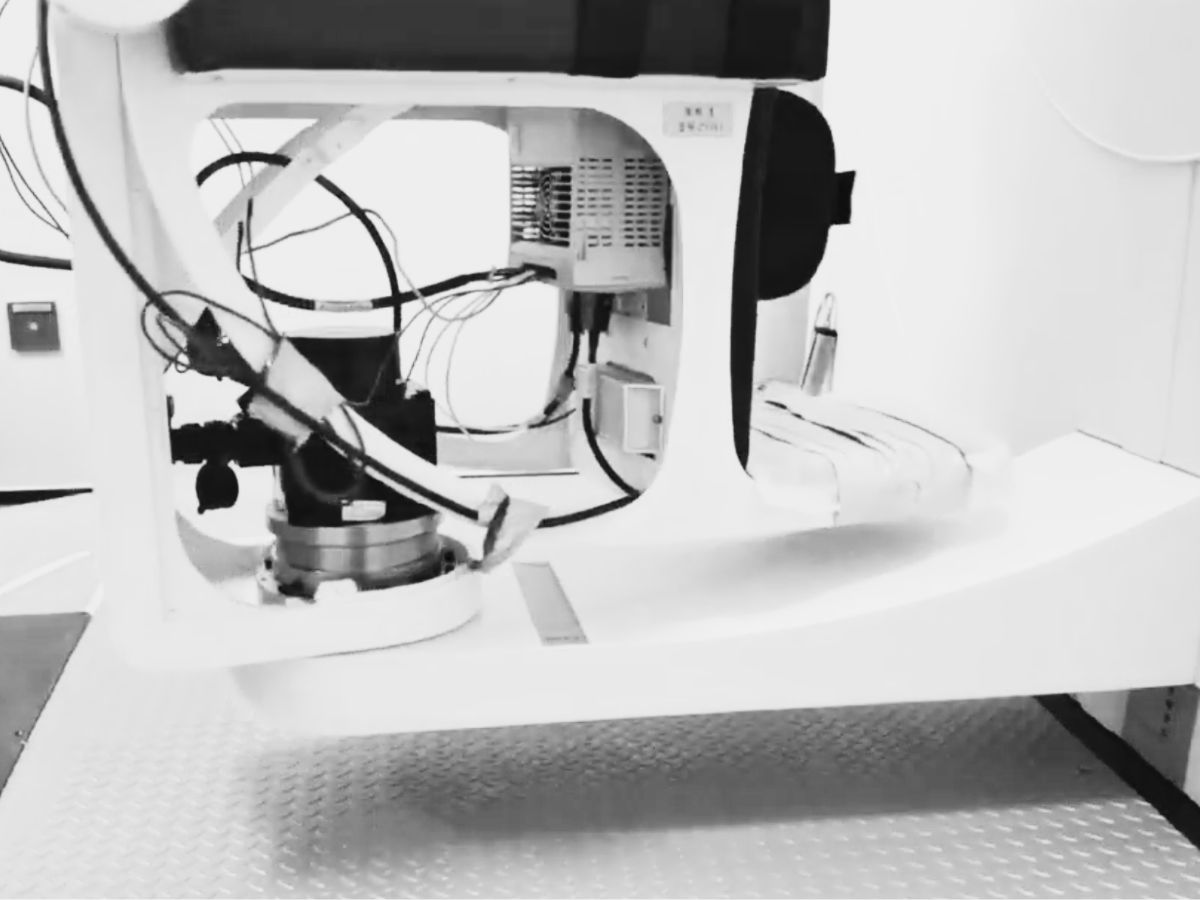
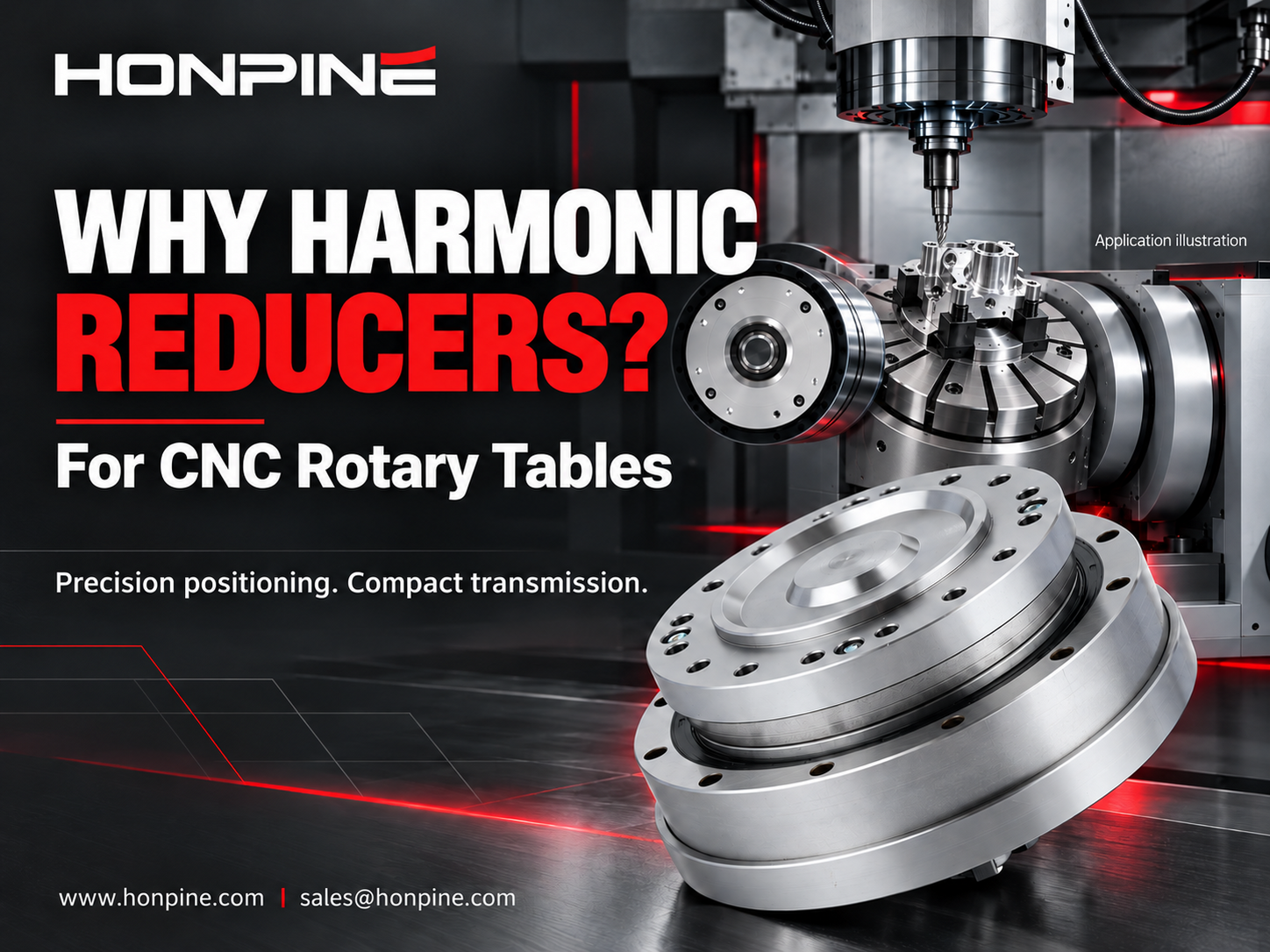
 Why Are Harmonic Reducers Suitable for CNC Machine Tool Rotary Tables?Why choose harmonic reducers for CNC rotary tables? Accurate indexing depends on more than the motor: backlash, torsional stiffness and torque capacity all affect how reliably a rotary table holds its position during machining. This guide explains the key transmission requirements of fourth and fifth axis rotary tables, explores common machine tool applications, and introduces HONPINE harmonic reducer configurations for different installation and load requirements.
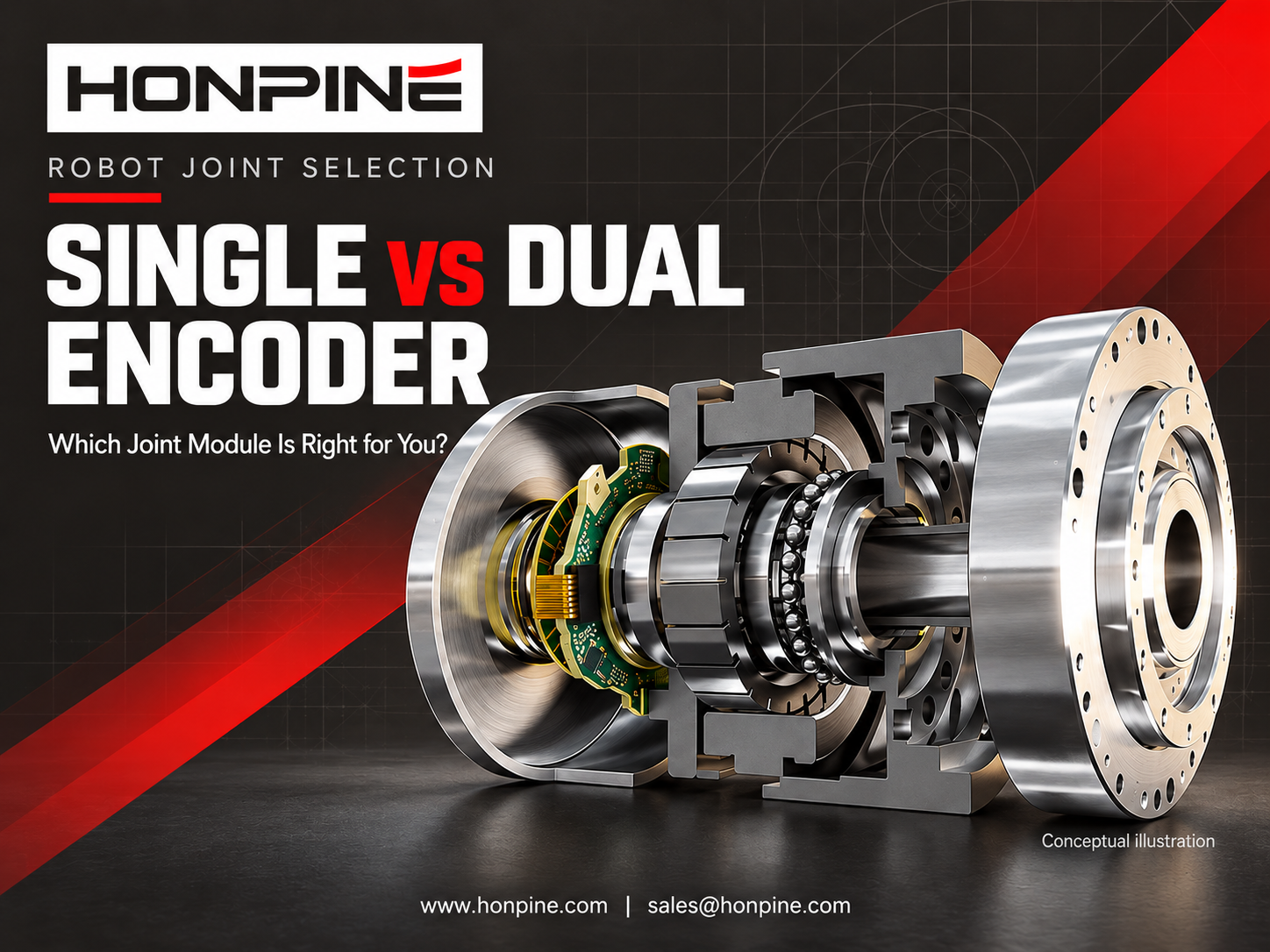
 What’s the Difference Between Single and Dual Encoder Robot Joint Modules?Does your robot need a dual encoder joint module, or is a single encoder enough? The answer depends on positioning requirements, transmission behavior, force control strategy and budget. This guide compares motor-side and output-side feedback, explains where dual encoders can improve control, and examines their costs and limitations. Learn when a single encoder can meet your needs and when additional output feedback is worth considering.
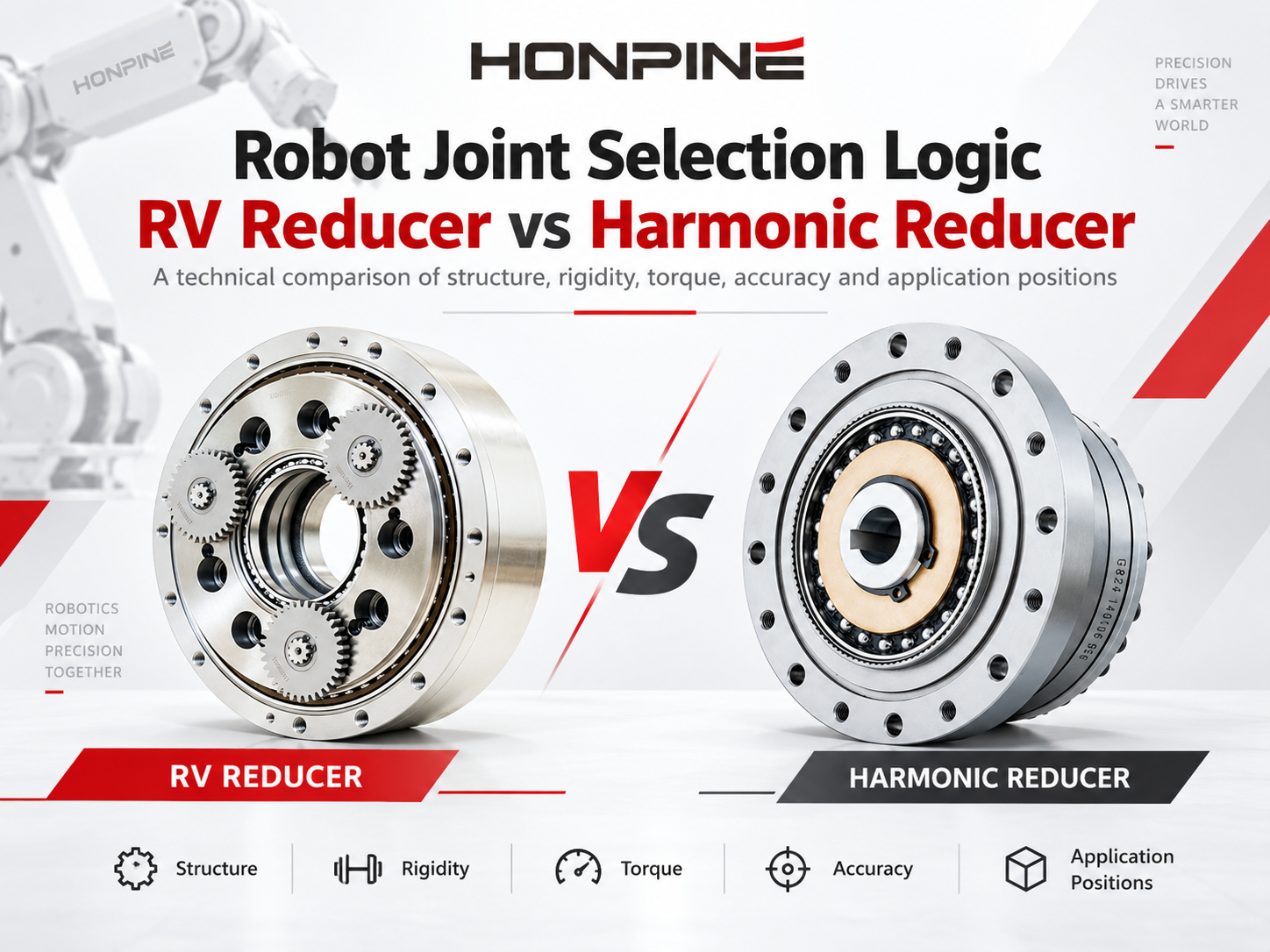
 RV vs Harmonic Reducer: How to Choose the Right Gearbox for Robot Joints?RV vs harmonic reducer: which gearbox is right for your robot joint? The answer depends on torque, rigidity, accuracy, installation space and operating conditions. This guide compares their working principles and five key performance factors, then explains how to evaluate joint loads, reducer life, temperature and lubrication. Whether you are designing a robot base, shoulder, elbow or wrist, use these considerations to match the reducer to the requirements of each joint.
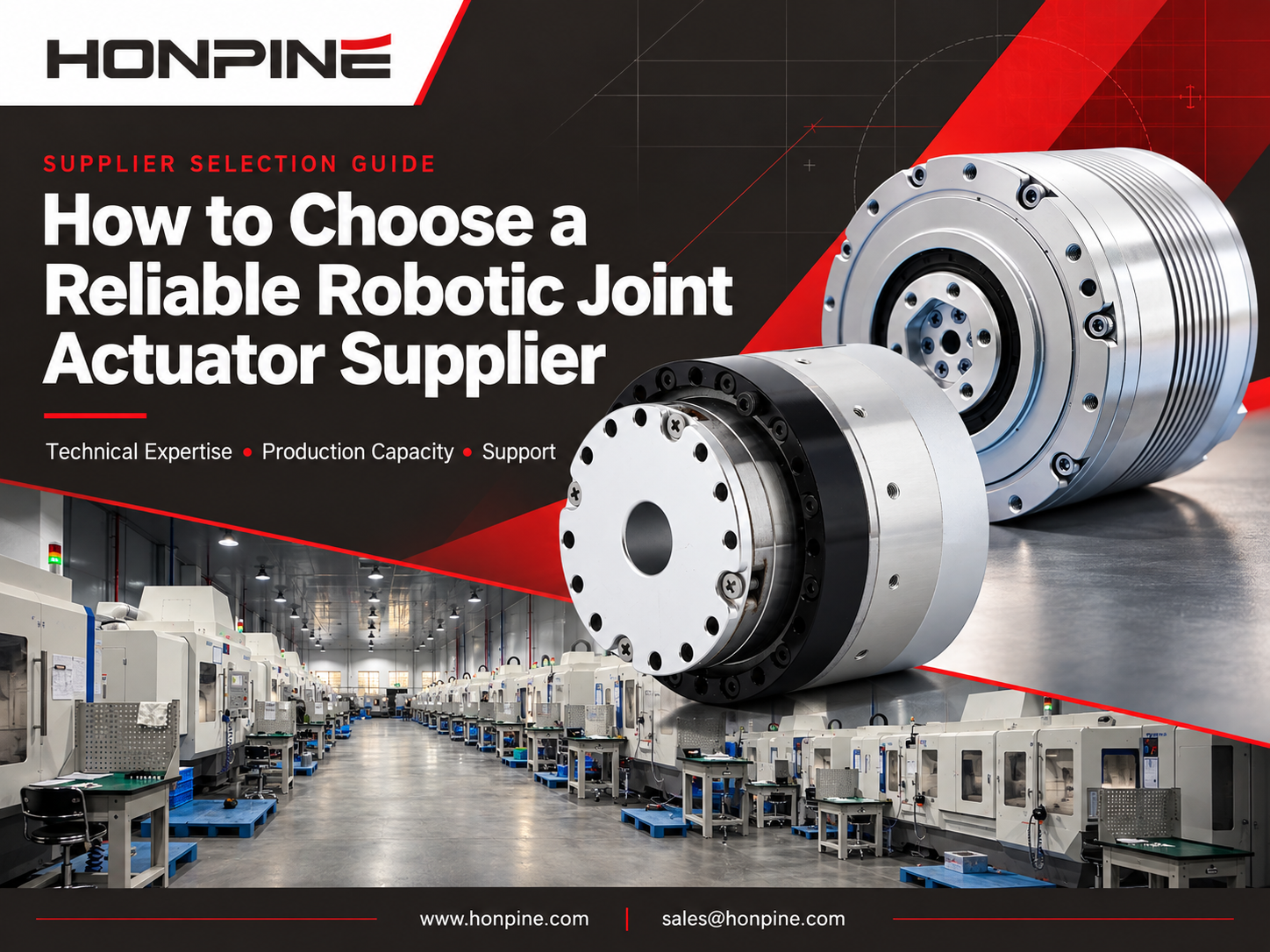
 How to Find a Reliable Robotic Joint Actuator Supplier?Choosing the right robotic joint actuator supplier is essential for reliable performance, smooth integration and long-term project success. Beyond product specifications, you need to understand a supplier’s technical expertise, production capacity and after-sales support. In this guide, Allen Li, Founder of HONPINE, explains how to assess these three factors when sourcing harmonic and planetary joint actuators for robotics and industrial automation.
Double Click
We provide harmonic drive reducer,planetary reducer,robot joint motor,robot rotary actuators,RV gear reducer,robot end effector,dexterous robot hand
 What is robot joint actuator?How to Choose the Best Robot Rotary Joint Actuator?In core robot joint transmission solutions, planetary and harmonic rotary actuators each have their own strengths. Choosing the right type based on application requirements is essential to achieve the optimal balance between performance and cost.
 DD Motors VS Harmonic Rotary ActuatorsThis article provides an in-depth comparison between Direct Drive (DD) motors and harmonic rotary actuators, covering their transmission principles, advantages and disadvantages, and typical application fields.
 OMG Ultra Compact Harmonic Drive Joint Module with Built-in Torque SensorHONPINE TCHL series harmonic drive joint module is a game-changing product that achieves disruptive improvements in multiple aspects such as lightweight design, integration level, and connection convenience. This article will analyze its revolutionary enhancements with you.
 The Role of Harmonic Drive Gears in Achieving 5–10 μm Accuracy in Dental Milling MachinesA dental milling machine is a CNC machining system used to directly process digital dental models into restorations such as crowns, bridges, veneers, inlays, and implant abutments. Dental milling machines require far higher operational accuracy and motion stability than ordinary equipment. This article explains how harmonic drive gear help dental milling machines achieve stable, continuous, and controllable operation.
 Why Are Harmonic Rotary Actuators Perfect for Medical Equipment?Harmonic rotary actuators (typically integrated systems consisting of a harmonic drive reducer, frameless torque motor, encoder, and optional brake) are regarded as key components in medical equipment. The core reason is that they simultaneously meet the most stringent medical requirements for precision, compact size, safety, and controllability. The following explanation is structured from three perspectives: technical characteristics, application scenarios, and medical value.
 High-Precision RV Reducers Perfectly Matched for Walking RobotsThe walking axis of a robot is a core component for power transmission and support. RV reducers provide extremely high rigidity, precision, and torque while maintaining a compact size and exceptional reliability, making them an ideal match for the demanding requirements of walking robot joints in terms of load capacity, impact resistance, and precision.
 How to Select Harmonic and RV Reducers for Each Axis of a Six-Axis Robot?What determines whether a six-axis robot joint needs a harmonic reducer or an RV reducer? The answer depends on torque, inertia, impact loads, bearing loads and installation space. This guide explains how to evaluate harmonic and RV reducers for the base, shoulder, elbow and wrist, with practical checks for stiffness, backlash and service life. Use the requirements of each axis to select a suitable reducer configuration.
 How to Calculate Torque for a Harmonic Rotary Actuator in a Flipping Mechanism?How much torque does a harmonic rotary actuator need to flip a 10 kg load through 180 degrees? The answer depends on more than weight. Center-of-gravity offset, load inertia, acceleration and operating frequency all affect actuator selection. In this guide, Theodore Li, Technical Director at HONPINE, explains the calculation process using a horizontal-axis flipping example and outlines the checks needed for peak torque, continuous operation, output speed and bearing loads.
 Why Are Harmonic Reducers Suitable for CNC Machine Tool Rotary Tables?Why choose harmonic reducers for CNC rotary tables? Accurate indexing depends on more than the motor: backlash, torsional stiffness and torque capacity all affect how reliably a rotary table holds its position during machining. This guide explains the key transmission requirements of fourth and fifth axis rotary tables, explores common machine tool applications, and introduces HONPINE harmonic reducer configurations for different installation and load requirements.
 What’s the Difference Between Single and Dual Encoder Robot Joint Modules?Does your robot need a dual encoder joint module, or is a single encoder enough? The answer depends on positioning requirements, transmission behavior, force control strategy and budget. This guide compares motor-side and output-side feedback, explains where dual encoders can improve control, and examines their costs and limitations. Learn when a single encoder can meet your needs and when additional output feedback is worth considering.
 RV vs Harmonic Reducer: How to Choose the Right Gearbox for Robot Joints?RV vs harmonic reducer: which gearbox is right for your robot joint? The answer depends on torque, rigidity, accuracy, installation space and operating conditions. This guide compares their working principles and five key performance factors, then explains how to evaluate joint loads, reducer life, temperature and lubrication. Whether you are designing a robot base, shoulder, elbow or wrist, use these considerations to match the reducer to the requirements of each joint.
 How to Find a Reliable Robotic Joint Actuator Supplier?Choosing the right robotic joint actuator supplier is essential for reliable performance, smooth integration and long-term project success. Beyond product specifications, you need to understand a supplier’s technical expertise, production capacity and after-sales support. In this guide, Allen Li, Founder of HONPINE, explains how to assess these three factors when sourcing harmonic and planetary joint actuators for robotics and industrial automation.