









China-Europe Railway Express Surpasses 130,000 Trains; Machinery Dominates Cargo, Customs Clearance Cut to Under 30 Minutes
On May 9, 2026, the China-Europe Railway Express reached a milestone of over 130,000 cumulative train departures, with total cargo value exceeding USD 52 billion. This development—driven by accelerated customs clearance and enhanced rail logistics efficiency—is reshaping export strategies for machinery and industrial equipment manufacturers, particularly those targeting Eastern Europe and Central Asia.
Milestone Achievement and Operational Upgrades
As announced by China State Railway Group on May 9, 2026, the China-Europe Railway Express has surpassed 130,000 train operations since its inception, carrying goods valued at more than USD 52 billion. Key border crossings—including Khorgos and Tongjiang—have fully implemented the ‘Railway Fast Clearance’ mode. For machinery-related consignments, average customs clearance time has been reduced to under 30 minutes. Transit duration across the corridor remains consistently stable at 12–16 days. The service is now the preferred logistics channel for exporting used machine tools from China to Eastern Europe and Central Asia.
Impact Across Supply Chain Roles
Direct Exporters
Exporters of industrial machinery benefit directly from faster clearance and predictable transit windows. Reduced dwell time at borders lowers demurrage exposure and enables tighter alignment with overseas buyer delivery schedules—especially critical for time-sensitive after-sales support or project-based deliveries.
Manufacturers and Equipment Producers
Domestic producers of machine tools—particularly those refurbishing or reconditioning equipment for export—face heightened scrutiny on documentation integrity, conformity with destination-market technical requirements, and traceability of service history. Shorter lead times compress internal quality verification cycles, increasing pressure on pre-shipment compliance readiness.
Procurement and Sourcing Entities
Buyers in Eastern Europe and Central Asia are increasingly factoring railway express reliability into tender evaluation criteria. Procurement teams must now assess not only unit cost but also end-to-end logistics assurance—including customs responsiveness, documentation completeness, and equipment certification validity—when selecting Chinese suppliers.
Logistics and Integrated Supply Chain Providers
Third-party logistics providers must adapt operational protocols to meet ‘Railway Fast Clearance’ documentation standards, including standardized electronic data interchange (EDI) submissions and real-time cargo tracking integration. Capacity planning must account for the growing share of oversized or heavy machinery loads requiring specialized rail wagons and handling infrastructure.
Key Operational Priorities for Enterprises
Documentation Standardization for Fast Clearance
Companies must ensure all machinery shipments comply with the ‘Railway Fast Clearance’ documentation framework—including harmonized commodity codes, verified origin declarations, and machine-specific technical annexes. Inconsistent or incomplete paperwork remains the leading cause of manual intervention—even under expedited clearance regimes.
Pre-Certification Alignment with Target Markets
Used machine tools exported to Eastern Europe and Central Asia require careful verification against regional conformity assessment requirements—notably CE marking applicability, safety directive compliance (e.g., Machinery Directive 2006/42/EC), and national registration rules. Retroactive certification delays can nullify transit time gains.
Delivery Cycle Re-Scheduling and Inventory Buffering
With confirmed transit windows now reliably within 12–16 days, enterprises should revise procurement lead times, reorder points, and buffer stock policies. Overreliance on historical sea freight timelines may result in inventory overstock or production bottlenecks during transition phases.
After-Sales Readiness and Technical Traceability
Given the rise in second-hand machine tool exports via this corridor, buyers increasingly demand verifiable maintenance logs, component replacement records, and functional test reports. Suppliers must embed digital traceability mechanisms—such as QR-coded service histories—into packaging and documentation workflows.
Industry Observation: Beyond Speed—A Shift in Trade Architecture
Analysis shows that the sub-30-minute customs clearance for machinery is not merely an administrative improvement—it signals a structural shift toward rail-centric trade architecture for capital goods. Observably, this trend incentivizes modular product design (to simplify border inspections), accelerates adoption of e-certification platforms among Chinese exporters, and raises the baseline expectation for technical transparency in cross-border B2B transactions. It is more appropriate to understand this as a de facto tightening of documentation discipline rather than a relaxation of regulatory oversight.
Strategic Implications for Industrial Exporters
This milestone confirms the China-Europe Railway Express has evolved from a contingency transport option into a core strategic corridor for high-value industrial goods. Its reliability and speed now rival air freight for certain machinery categories—without the associated carbon intensity or cost premiums. However, sustained advantage depends less on infrastructure expansion and more on consistent implementation of digital customs interoperability and harmonized technical acceptance frameworks across participating countries.
Source Attribution and Verification Notes
This article synthesizes the provided title, event date (May 9, 2026), and summary. No specific official source links were provided in the input and should be verified continuously. Stakeholders are advised to monitor updates from China State Railway Group, national customs administrations along the corridor, and regional standardization bodies—particularly regarding enforcement details of the ‘Railway Fast Clearance’ mode, documentation interpretation guidelines, and evolving certification expectations for refurbished industrial equipment.
Read More
Learn more about the story of HONPINE and industry trends related to precision transmission.
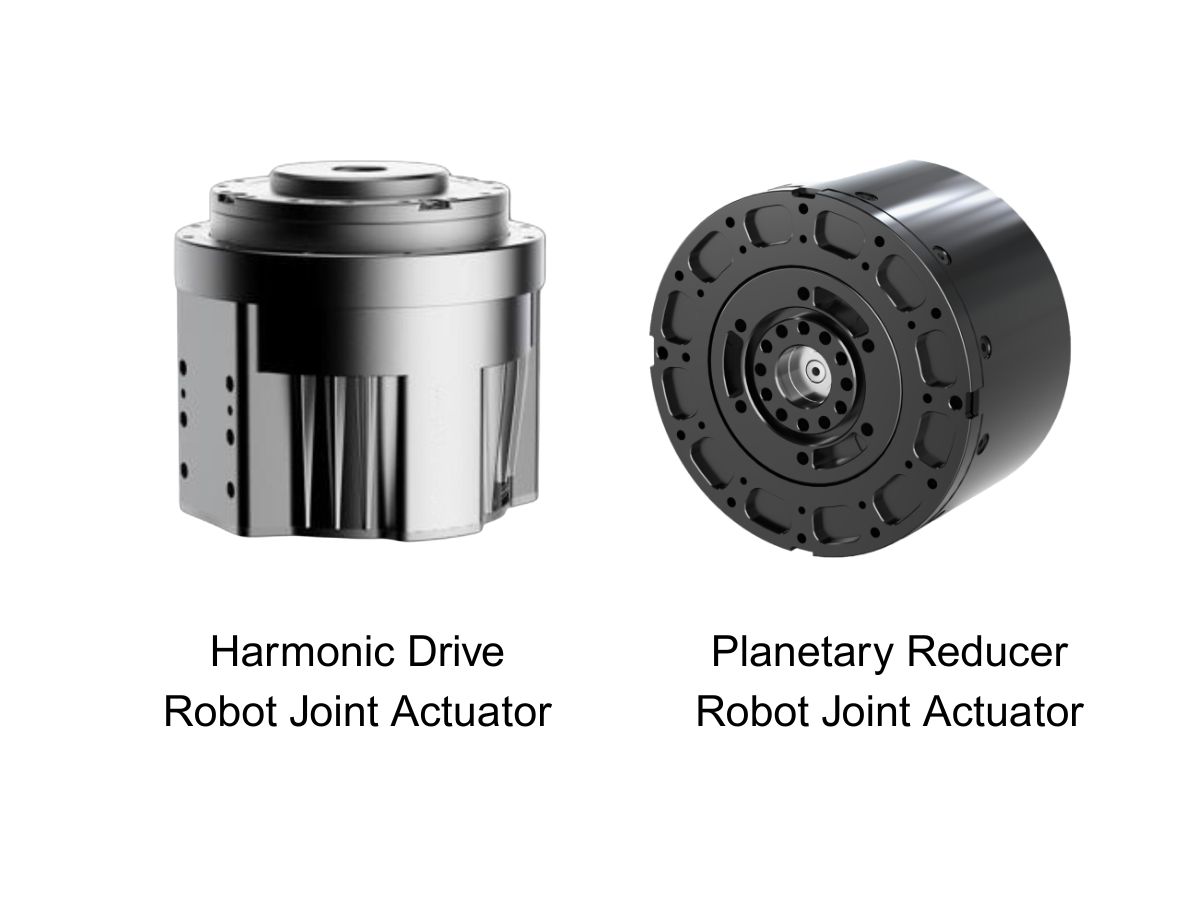
 What is robot joint actuator?How to Choose the Best Robot Rotary Joint Actuator?In core robot joint transmission solutions, planetary and harmonic rotary actuators each have their own strengths. Choosing the right type based on application requirements is essential to achieve the optimal balance between performance and cost.
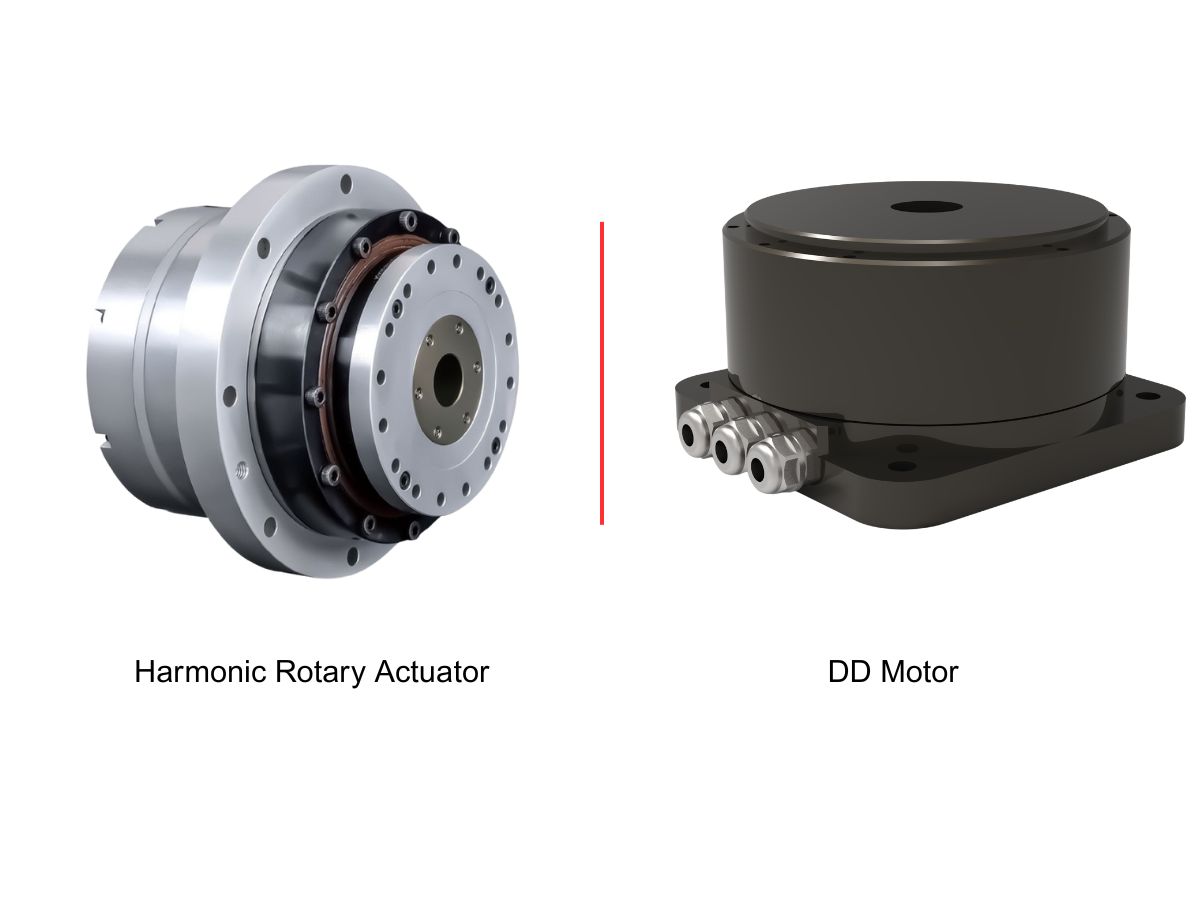
 DD Motors VS Harmonic Rotary ActuatorsThis article provides an in-depth comparison between Direct Drive (DD) motors and harmonic rotary actuators, covering their transmission principles, advantages and disadvantages, and typical application fields.
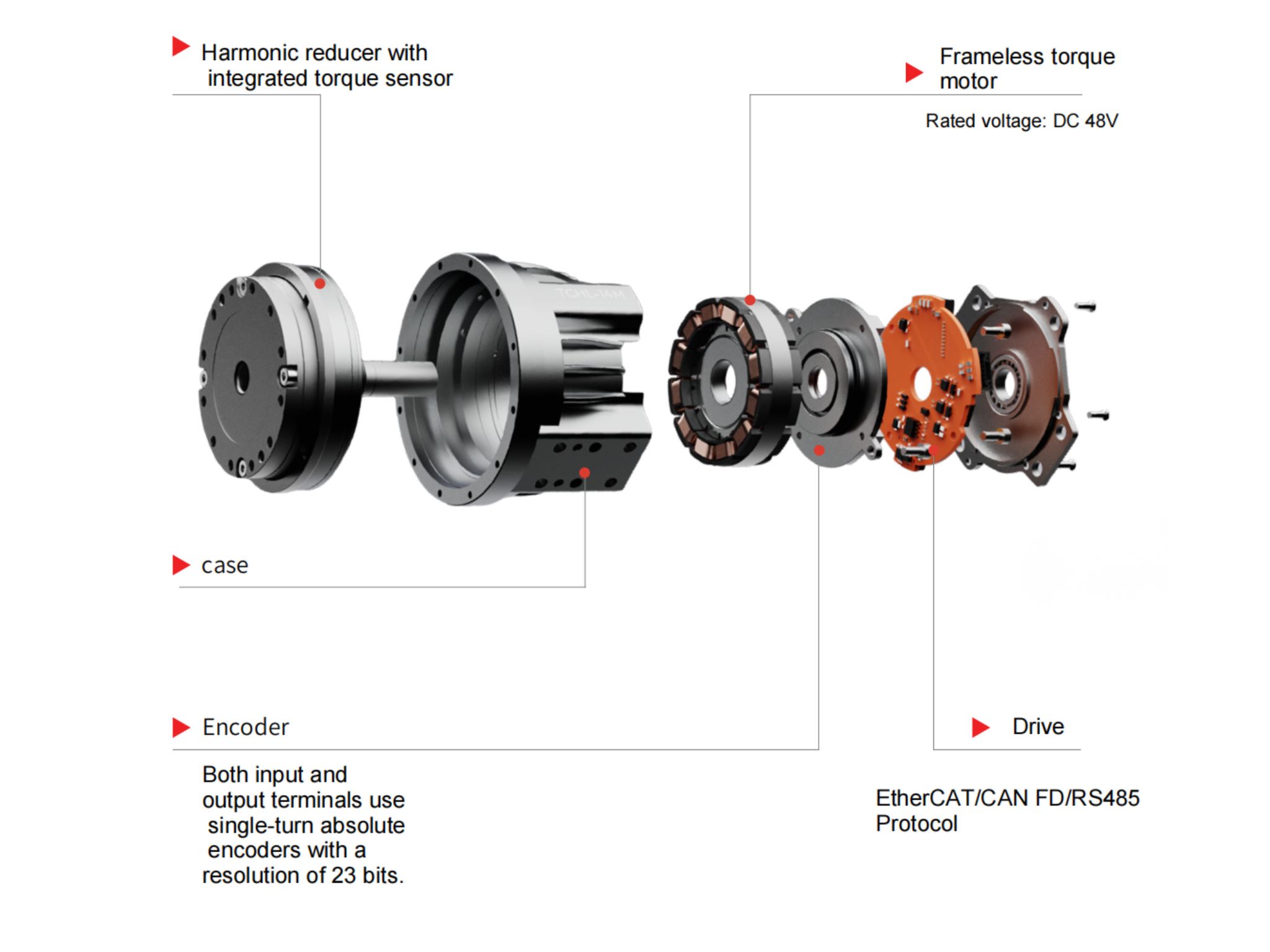
 OMG Ultra Compact Harmonic Drive Joint Module with Built-in Torque SensorHONPINE TCHL series harmonic drive joint module is a game-changing product that achieves disruptive improvements in multiple aspects such as lightweight design, integration level, and connection convenience. This article will analyze its revolutionary enhancements with you.
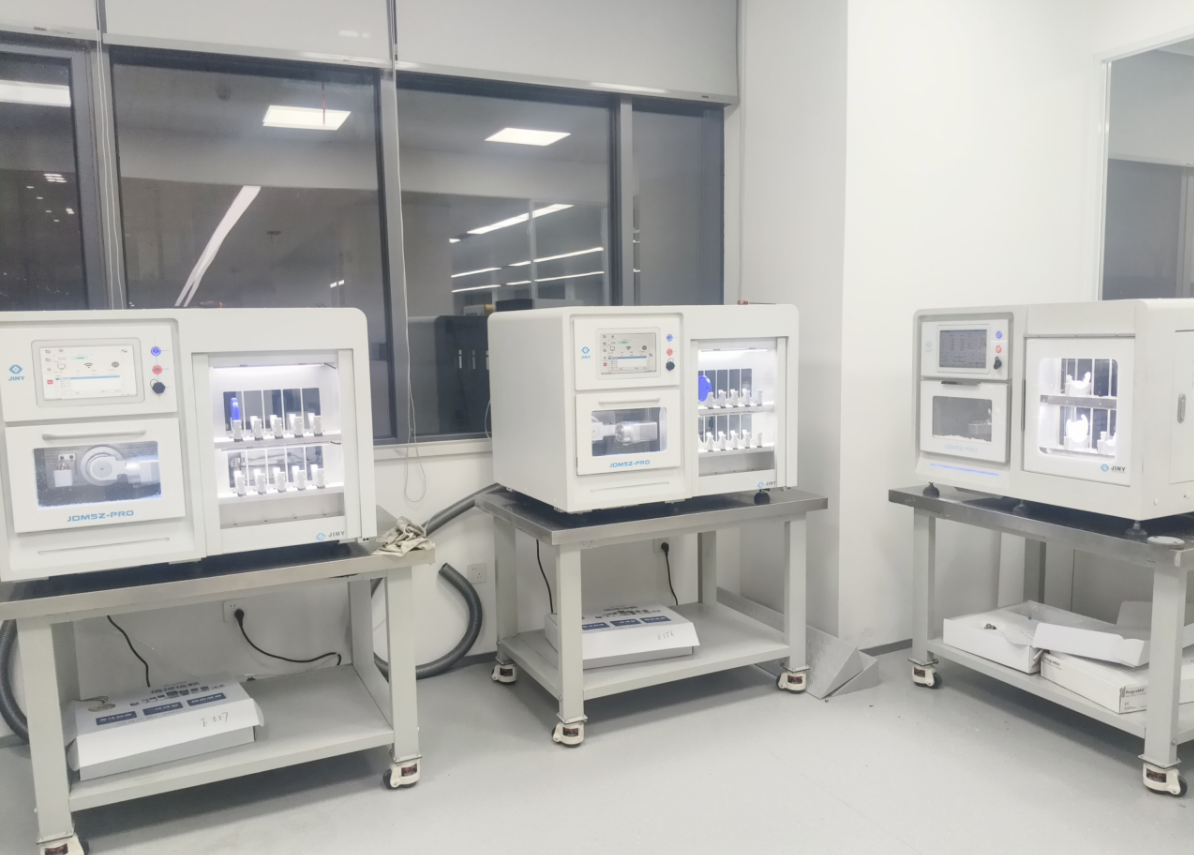
 The Role of Harmonic Drive Gears in Achieving 5–10 μm Accuracy in Dental Milling MachinesA dental milling machine is a CNC machining system used to directly process digital dental models into restorations such as crowns, bridges, veneers, inlays, and implant abutments. Dental milling machines require far higher operational accuracy and motion stability than ordinary equipment. This article explains how harmonic drive gear help dental milling machines achieve stable, continuous, and controllable operation.
 Why Are Harmonic Rotary Actuators Perfect for Medical Equipment?Harmonic rotary actuators (typically integrated systems consisting of a harmonic drive reducer, frameless torque motor, encoder, and optional brake) are regarded as key components in medical equipment. The core reason is that they simultaneously meet the most stringent medical requirements for precision, compact size, safety, and controllability. The following explanation is structured from three perspectives: technical characteristics, application scenarios, and medical value.
 High-Precision RV Reducers Perfectly Matched for Walking RobotsThe walking axis of a robot is a core component for power transmission and support. RV reducers provide extremely high rigidity, precision, and torque while maintaining a compact size and exceptional reliability, making them an ideal match for the demanding requirements of walking robot joints in terms of load capacity, impact resistance, and precision.
 How to Select Harmonic and RV Reducers for Each Axis of a Six-Axis Robot?What determines whether a six-axis robot joint needs a harmonic reducer or an RV reducer? The answer depends on torque, inertia, impact loads, bearing loads and installation space. This guide explains how to evaluate harmonic and RV reducers for the base, shoulder, elbow and wrist, with practical checks for stiffness, backlash and service life. Use the requirements of each axis to select a suitable reducer configuration.
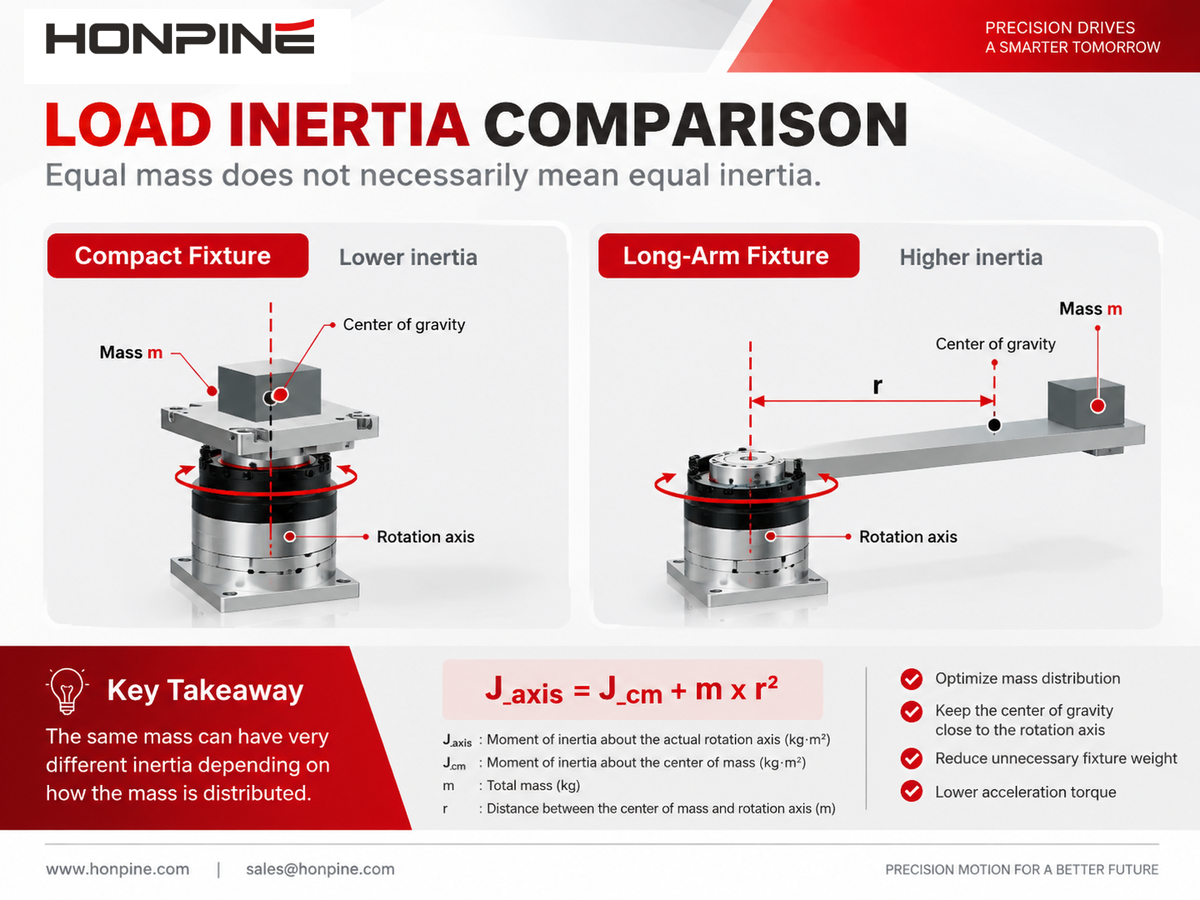
 How to Calculate Torque for a Harmonic Rotary Actuator in a Flipping Mechanism?How much torque does a harmonic rotary actuator need to flip a 10 kg load through 180 degrees? The answer depends on more than weight. Center-of-gravity offset, load inertia, acceleration and operating frequency all affect actuator selection. In this guide, Theodore Li, Technical Director at HONPINE, explains the calculation process using a horizontal-axis flipping example and outlines the checks needed for peak torque, continuous operation, output speed and bearing loads.
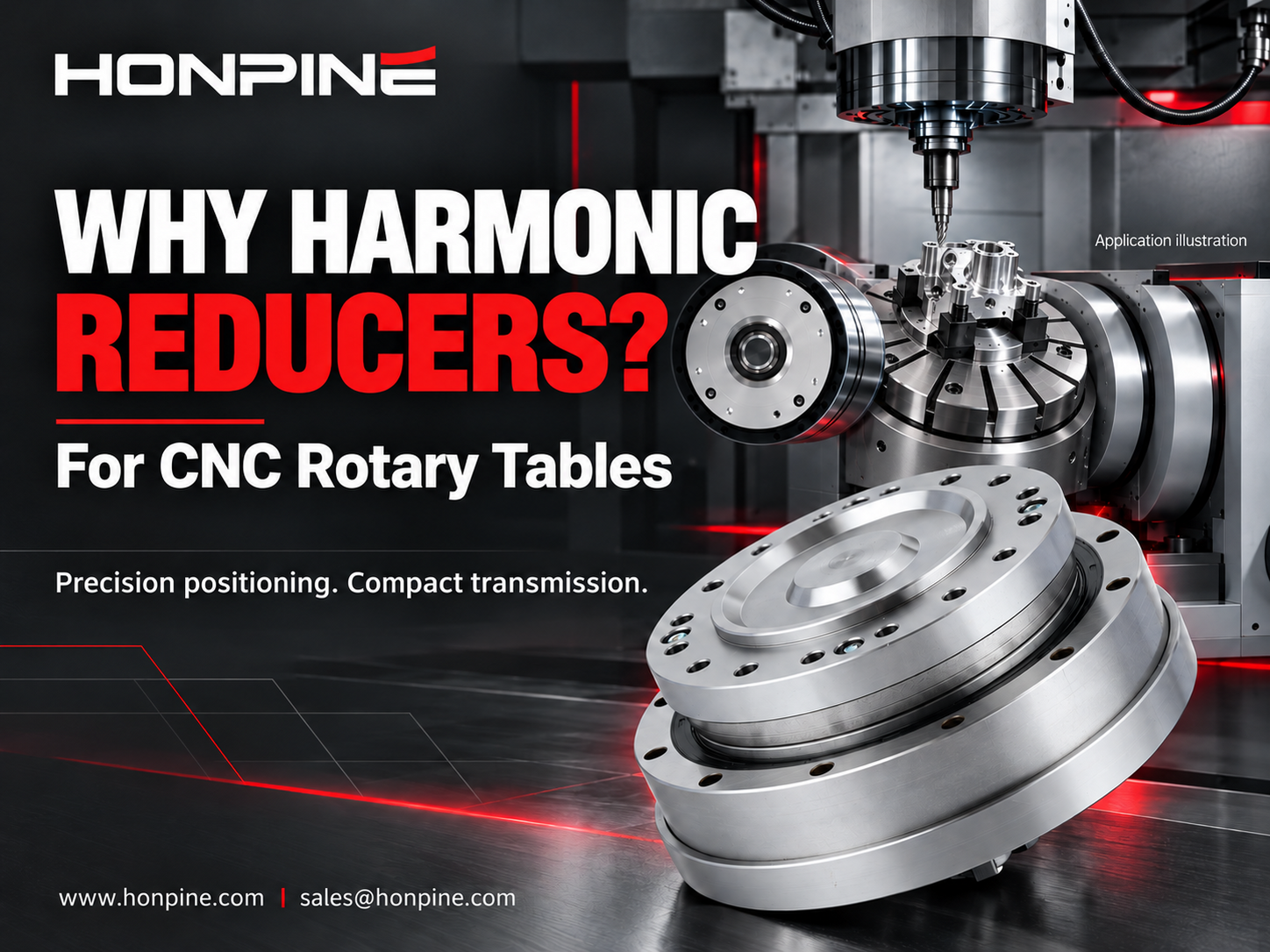
 Why Are Harmonic Reducers Suitable for CNC Machine Tool Rotary Tables?Why choose harmonic reducers for CNC rotary tables? Accurate indexing depends on more than the motor: backlash, torsional stiffness and torque capacity all affect how reliably a rotary table holds its position during machining. This guide explains the key transmission requirements of fourth and fifth axis rotary tables, explores common machine tool applications, and introduces HONPINE harmonic reducer configurations for different installation and load requirements.
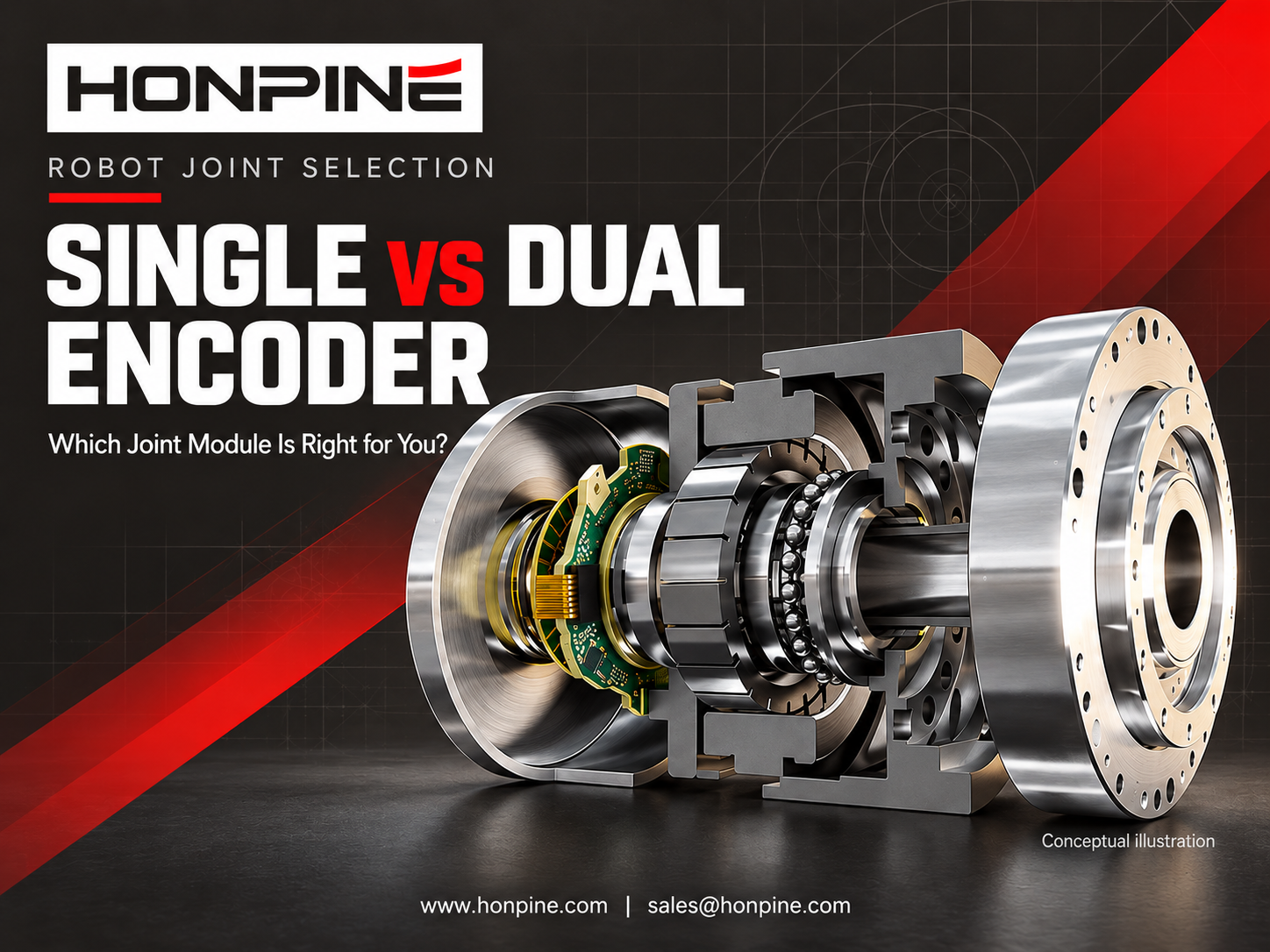
 What’s the Difference Between Single and Dual Encoder Robot Joint Modules?Does your robot need a dual encoder joint module, or is a single encoder enough? The answer depends on positioning requirements, transmission behavior, force control strategy and budget. This guide compares motor-side and output-side feedback, explains where dual encoders can improve control, and examines their costs and limitations. Learn when a single encoder can meet your needs and when additional output feedback is worth considering.
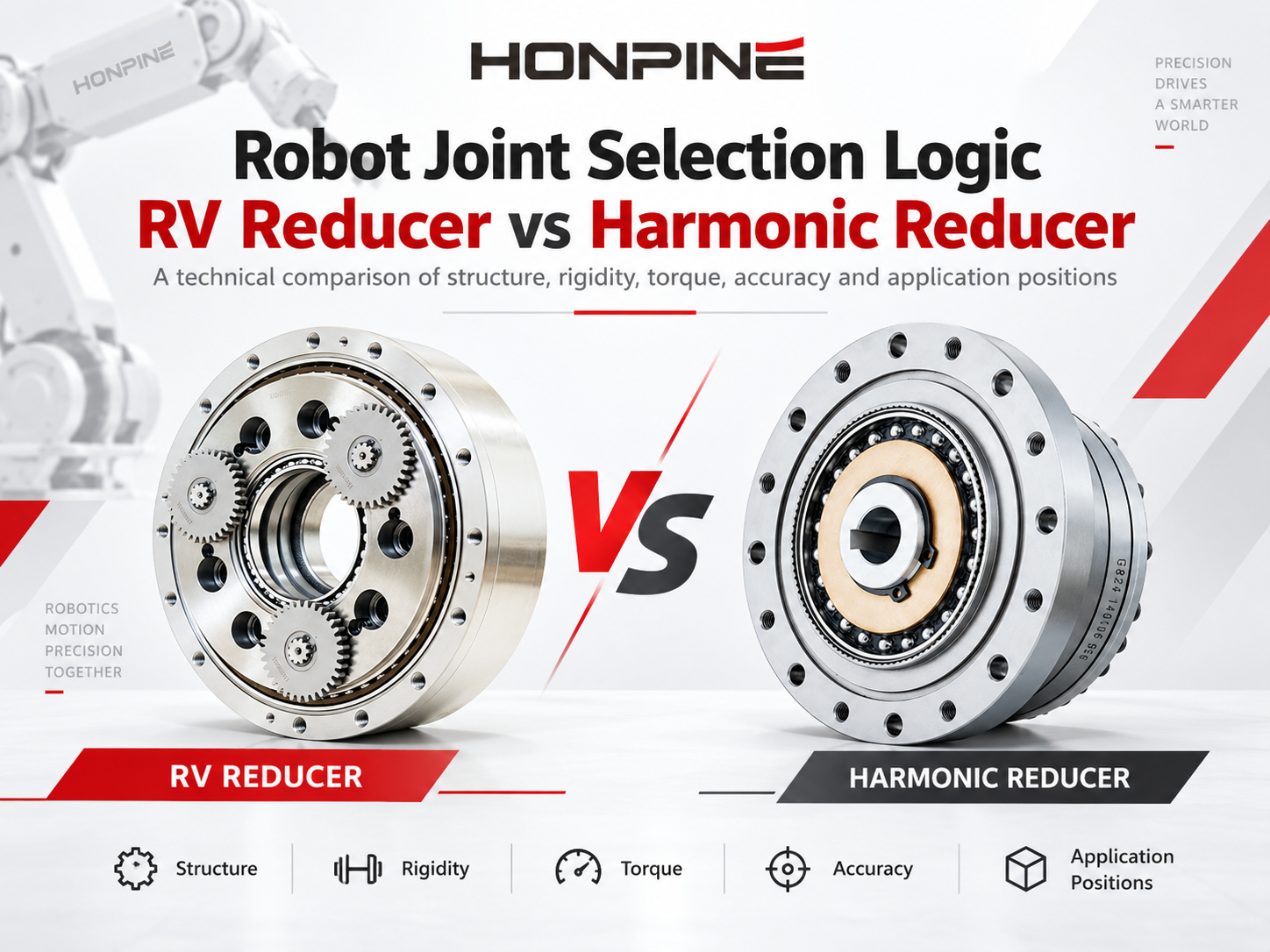
 RV vs Harmonic Reducer: How to Choose the Right Gearbox for Robot Joints?RV vs harmonic reducer: which gearbox is right for your robot joint? The answer depends on torque, rigidity, accuracy, installation space and operating conditions. This guide compares their working principles and five key performance factors, then explains how to evaluate joint loads, reducer life, temperature and lubrication. Whether you are designing a robot base, shoulder, elbow or wrist, use these considerations to match the reducer to the requirements of each joint.
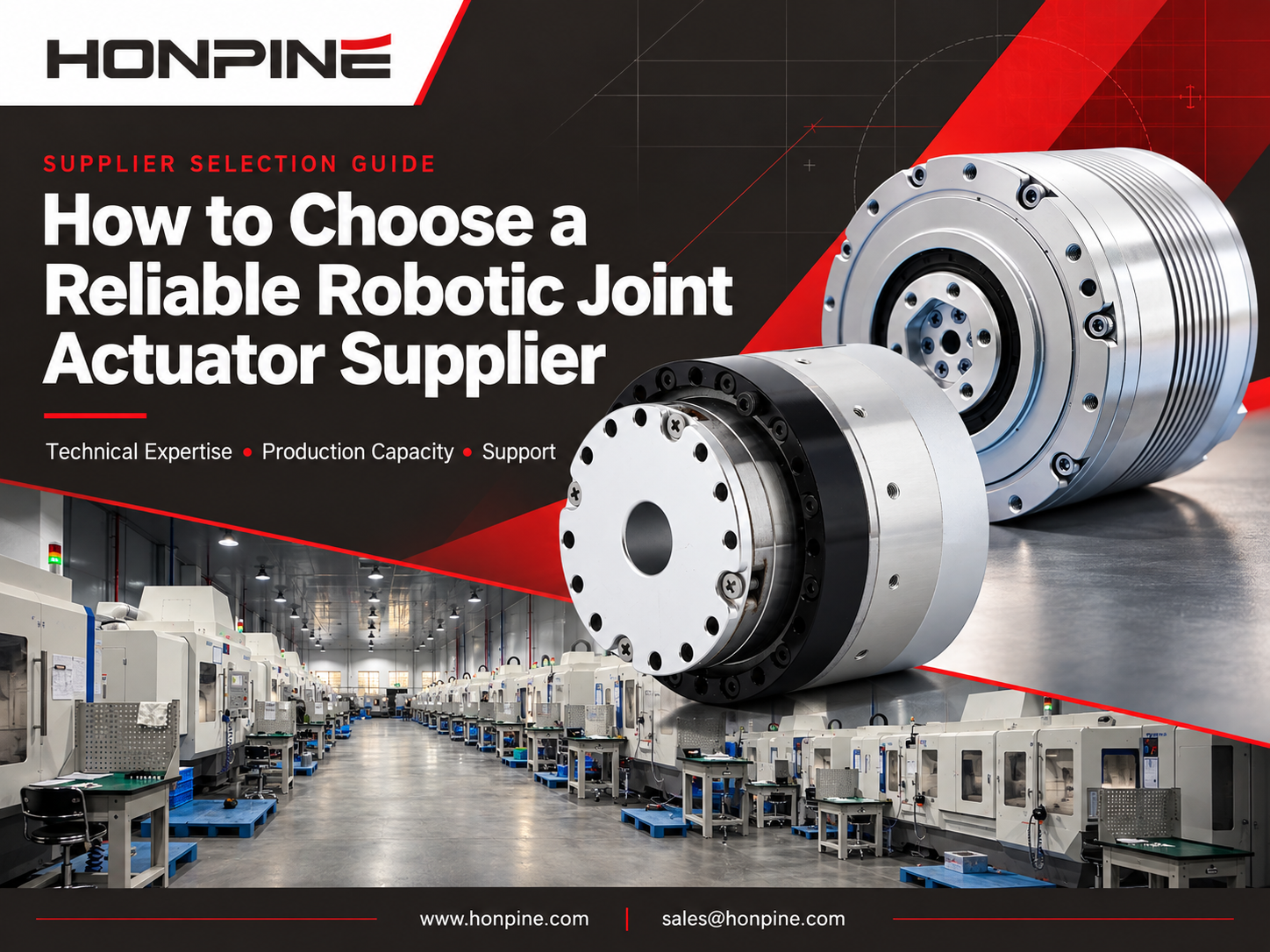
 How to Find a Reliable Robotic Joint Actuator Supplier?Choosing the right robotic joint actuator supplier is essential for reliable performance, smooth integration and long-term project success. Beyond product specifications, you need to understand a supplier’s technical expertise, production capacity and after-sales support. In this guide, Allen Li, Founder of HONPINE, explains how to assess these three factors when sourcing harmonic and planetary joint actuators for robotics and industrial automation.
Double Click
We provide harmonic drive reducer,planetary reducer,robot joint motor,robot rotary actuators,RV gear reducer,robot end effector,dexterous robot hand
 What is robot joint actuator?How to Choose the Best Robot Rotary Joint Actuator?In core robot joint transmission solutions, planetary and harmonic rotary actuators each have their own strengths. Choosing the right type based on application requirements is essential to achieve the optimal balance between performance and cost.
 DD Motors VS Harmonic Rotary ActuatorsThis article provides an in-depth comparison between Direct Drive (DD) motors and harmonic rotary actuators, covering their transmission principles, advantages and disadvantages, and typical application fields.
 OMG Ultra Compact Harmonic Drive Joint Module with Built-in Torque SensorHONPINE TCHL series harmonic drive joint module is a game-changing product that achieves disruptive improvements in multiple aspects such as lightweight design, integration level, and connection convenience. This article will analyze its revolutionary enhancements with you.
 The Role of Harmonic Drive Gears in Achieving 5–10 μm Accuracy in Dental Milling MachinesA dental milling machine is a CNC machining system used to directly process digital dental models into restorations such as crowns, bridges, veneers, inlays, and implant abutments. Dental milling machines require far higher operational accuracy and motion stability than ordinary equipment. This article explains how harmonic drive gear help dental milling machines achieve stable, continuous, and controllable operation.
 Why Are Harmonic Rotary Actuators Perfect for Medical Equipment?Harmonic rotary actuators (typically integrated systems consisting of a harmonic drive reducer, frameless torque motor, encoder, and optional brake) are regarded as key components in medical equipment. The core reason is that they simultaneously meet the most stringent medical requirements for precision, compact size, safety, and controllability. The following explanation is structured from three perspectives: technical characteristics, application scenarios, and medical value.
 High-Precision RV Reducers Perfectly Matched for Walking RobotsThe walking axis of a robot is a core component for power transmission and support. RV reducers provide extremely high rigidity, precision, and torque while maintaining a compact size and exceptional reliability, making them an ideal match for the demanding requirements of walking robot joints in terms of load capacity, impact resistance, and precision.
 How to Select Harmonic and RV Reducers for Each Axis of a Six-Axis Robot?What determines whether a six-axis robot joint needs a harmonic reducer or an RV reducer? The answer depends on torque, inertia, impact loads, bearing loads and installation space. This guide explains how to evaluate harmonic and RV reducers for the base, shoulder, elbow and wrist, with practical checks for stiffness, backlash and service life. Use the requirements of each axis to select a suitable reducer configuration.
 How to Calculate Torque for a Harmonic Rotary Actuator in a Flipping Mechanism?How much torque does a harmonic rotary actuator need to flip a 10 kg load through 180 degrees? The answer depends on more than weight. Center-of-gravity offset, load inertia, acceleration and operating frequency all affect actuator selection. In this guide, Theodore Li, Technical Director at HONPINE, explains the calculation process using a horizontal-axis flipping example and outlines the checks needed for peak torque, continuous operation, output speed and bearing loads.
 Why Are Harmonic Reducers Suitable for CNC Machine Tool Rotary Tables?Why choose harmonic reducers for CNC rotary tables? Accurate indexing depends on more than the motor: backlash, torsional stiffness and torque capacity all affect how reliably a rotary table holds its position during machining. This guide explains the key transmission requirements of fourth and fifth axis rotary tables, explores common machine tool applications, and introduces HONPINE harmonic reducer configurations for different installation and load requirements.
 What’s the Difference Between Single and Dual Encoder Robot Joint Modules?Does your robot need a dual encoder joint module, or is a single encoder enough? The answer depends on positioning requirements, transmission behavior, force control strategy and budget. This guide compares motor-side and output-side feedback, explains where dual encoders can improve control, and examines their costs and limitations. Learn when a single encoder can meet your needs and when additional output feedback is worth considering.
 RV vs Harmonic Reducer: How to Choose the Right Gearbox for Robot Joints?RV vs harmonic reducer: which gearbox is right for your robot joint? The answer depends on torque, rigidity, accuracy, installation space and operating conditions. This guide compares their working principles and five key performance factors, then explains how to evaluate joint loads, reducer life, temperature and lubrication. Whether you are designing a robot base, shoulder, elbow or wrist, use these considerations to match the reducer to the requirements of each joint.
 How to Find a Reliable Robotic Joint Actuator Supplier?Choosing the right robotic joint actuator supplier is essential for reliable performance, smooth integration and long-term project success. Beyond product specifications, you need to understand a supplier’s technical expertise, production capacity and after-sales support. In this guide, Allen Li, Founder of HONPINE, explains how to assess these three factors when sourcing harmonic and planetary joint actuators for robotics and industrial automation.