









China-Europe Express Timetable Trains Lift Per-TEU Value by 41%
Starting in April 2026, 22 China-Europe Express trains operating on fixed timetable schedules have achieved a 41% higher average cargo value per twenty-foot equivalent unit (TEU) compared to conventional services. This development is especially relevant for machinery exporters, logistics service providers, and manufacturers engaged in cross-border equipment trade with Eastern Europe and Russia — as it signals improved reliability and cost-efficiency for high-value industrial goods.
Event Overview
According to data released by China State Railway Group, since April 2026, 22 China-Europe Express trains operating on full-route timetable schedules have delivered an average 41% increase in per-TEU cargo value versus non-timetable services. Machinery accounted for 38% of total freight volume on these routes. Customs clearance at key border ports — including Khorgos and Tongjiang — now takes approximately 30 minutes under the ‘Railway Fast Clearance’ initiative, enabling predictable delivery for high-value used five-axis machine tools and CNC machining centers destined for Eastern Europe and Russia.
Industries Affected
Direct Exporters of Industrial Equipment
These enterprises are directly impacted because the timetable-based service reduces transit time variability and improves delivery certainty — critical for high-value, low-volume capital goods like used five-axis machine tools. The 41% uplift in per-TEU value reflects stronger shipment composition rather than inflationary pricing, indicating growing reliance on this corridor for premium equipment exports.
Manufacturers Sourcing or Supplying Components for Machinery
Suppliers of precision components, control systems, or retrofitting kits may see increased demand linked to export-oriented machinery refurbishment and re-export workflows. The concentration of machinery freight (38%) suggests sustained activity in pre-owned equipment remanufacturing and compliance adaptation for CIS and Eastern European markets.
International Logistics & Multimodal Service Providers
Providers offering end-to-end rail solutions — especially those integrating customs brokerage, equipment handling, and documentation for regulated industrial goods — face both opportunity and operational pressure. The 30-minute ‘Railway Fast Clearance’ window requires precise documentation alignment and real-time coordination with port authorities, raising the bar for service execution.
Third-Party Inspection and Certification Agencies
With used high-precision machinery forming a core cargo segment, demand for pre-shipment inspections, CE/RoHS conformity verification, and technical documentation validation for destination markets is likely to rise. These agencies must align closely with timetable-driven shipment windows to avoid delays.
What Enterprises and Practitioners Should Monitor and Do
Track official updates on timetable route expansion and eligibility criteria
The current rollout covers 22 fixed-schedule routes; future additions — particularly to new origin/destination pairs or inclusion of additional cargo categories — will shape capacity planning. Enterprises should monitor announcements from China State Railway Group and national customs authorities regarding qualification requirements for timetable service access.
Assess exposure to machinery-related export corridors, especially Eastern Europe and Russia
Given that machinery constitutes 38% of freight on these services, companies active in used or refurbished industrial equipment should evaluate whether their current routing and documentation practices align with the accelerated clearance standards at Khorgos and Tongjiang. This includes verifying equipment compliance with destination-market technical regulations ahead of booking.
Distinguish between policy announcement and operational readiness
While ‘30-minute clearance’ is officially reported, actual processing times may vary depending on documentation completeness, equipment classification accuracy, and seasonal port congestion. Companies should treat this as a performance benchmark — not a guaranteed SLA — and build in buffer time for documentation review and contingency planning.
Prepare documentation and compliance packages in advance for high-value equipment shipments
Timetable services reward predictability: delays caused by incomplete certificates of origin, non-standardized technical descriptions, or missing conformity statements can disrupt tightly scheduled departures. Exporters should standardize equipment data templates and pre-validate documentation with customs agents familiar with rail fast-track protocols.
Editorial Perspective / Industry Observation
Observably, this is less a standalone milestone and more a signal of structural recalibration within the China-Europe rail ecosystem — shifting from volume-driven freight transport toward schedule-guaranteed, value-optimized movement of industrial assets. Analysis shows the 41% per-TEU value gain is not primarily driven by rate hikes, but by cargo mix optimization: higher-value, lower-volume consignments displacing bulkier, lower-margin commodities. From an industry perspective, the timetable model appears increasingly viable for capital-intensive, time-sensitive equipment logistics — though its scalability beyond machinery remains unconfirmed. Current evidence supports treating this as an emerging operational standard for specific cargo segments, not yet a wholesale replacement for conventional services.
This development underscores how infrastructure-level improvements — such as synchronized scheduling and streamlined customs — can materially reshape trade economics for niche, high-compliance goods. It also highlights the growing interdependence between rail logistics performance and upstream manufacturing decisions, especially in secondary equipment markets.
For now, the most balanced interpretation is that timetable-based China-Europe Express services have reached functional maturity for select high-value industrial cargo — offering measurable gains in predictability and unit economics, but still requiring careful alignment across regulatory, technical, and logistical domains.
Source: China State Railway Group Co., Ltd. (data effective April 2026).
Note: Ongoing observation is recommended regarding timetable route extensions, cargo category eligibility updates, and real-world clearance consistency at Khorgos and Tongjiang ports.
Read More
Learn more about the story of HONPINE and industry trends related to precision transmission.
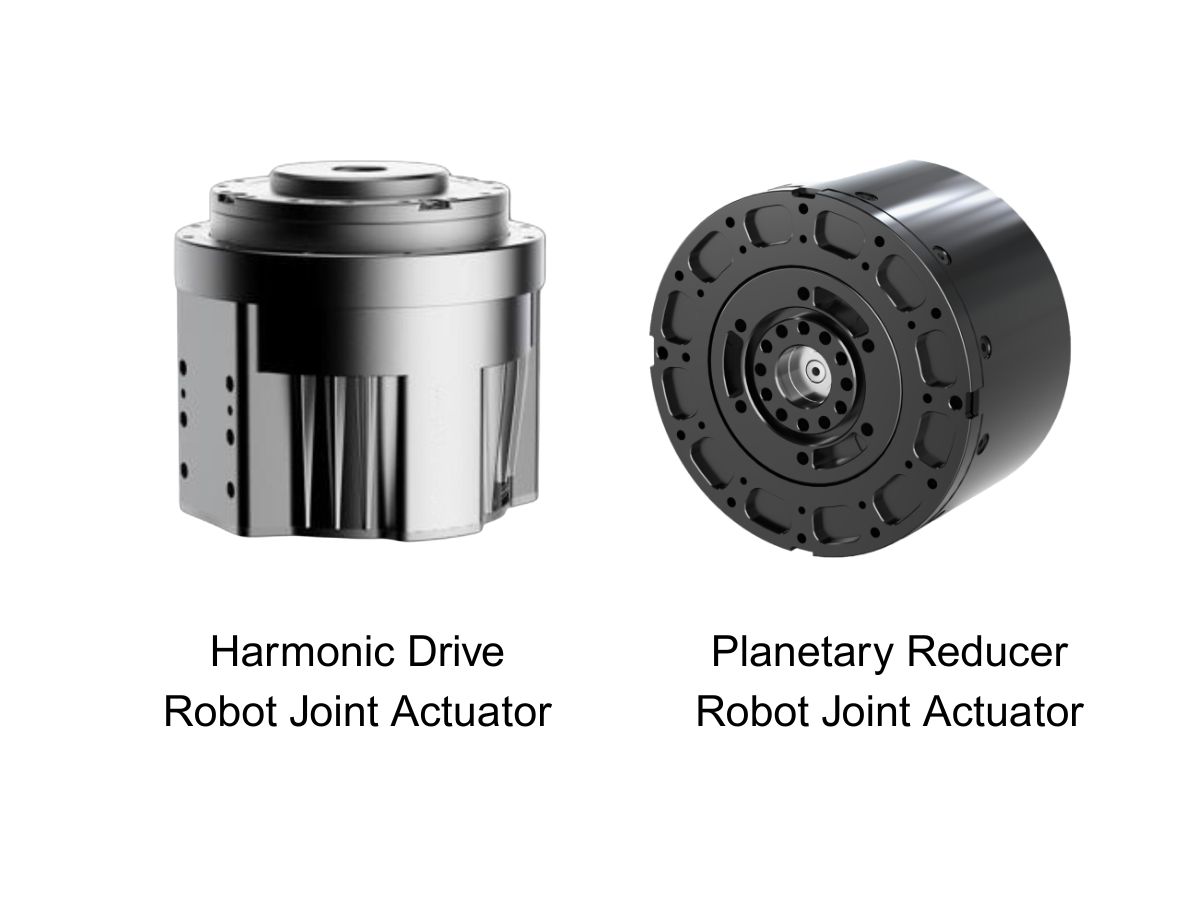
 What is robot joint actuator?How to Choose the Best Robot Rotary Joint Actuator?In core robot joint transmission solutions, planetary and harmonic rotary actuators each have their own strengths. Choosing the right type based on application requirements is essential to achieve the optimal balance between performance and cost.
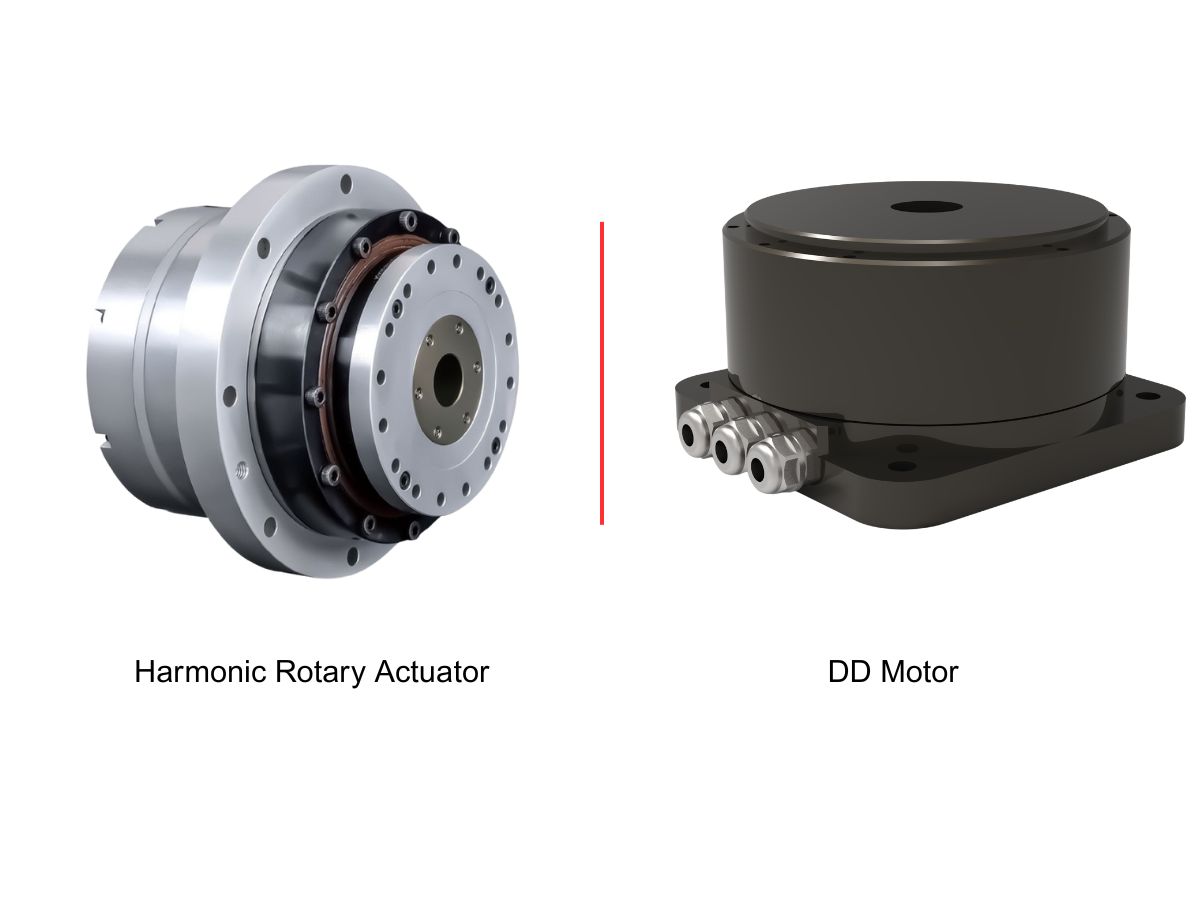
 DD Motors VS Harmonic Rotary ActuatorsThis article provides an in-depth comparison between Direct Drive (DD) motors and harmonic rotary actuators, covering their transmission principles, advantages and disadvantages, and typical application fields.
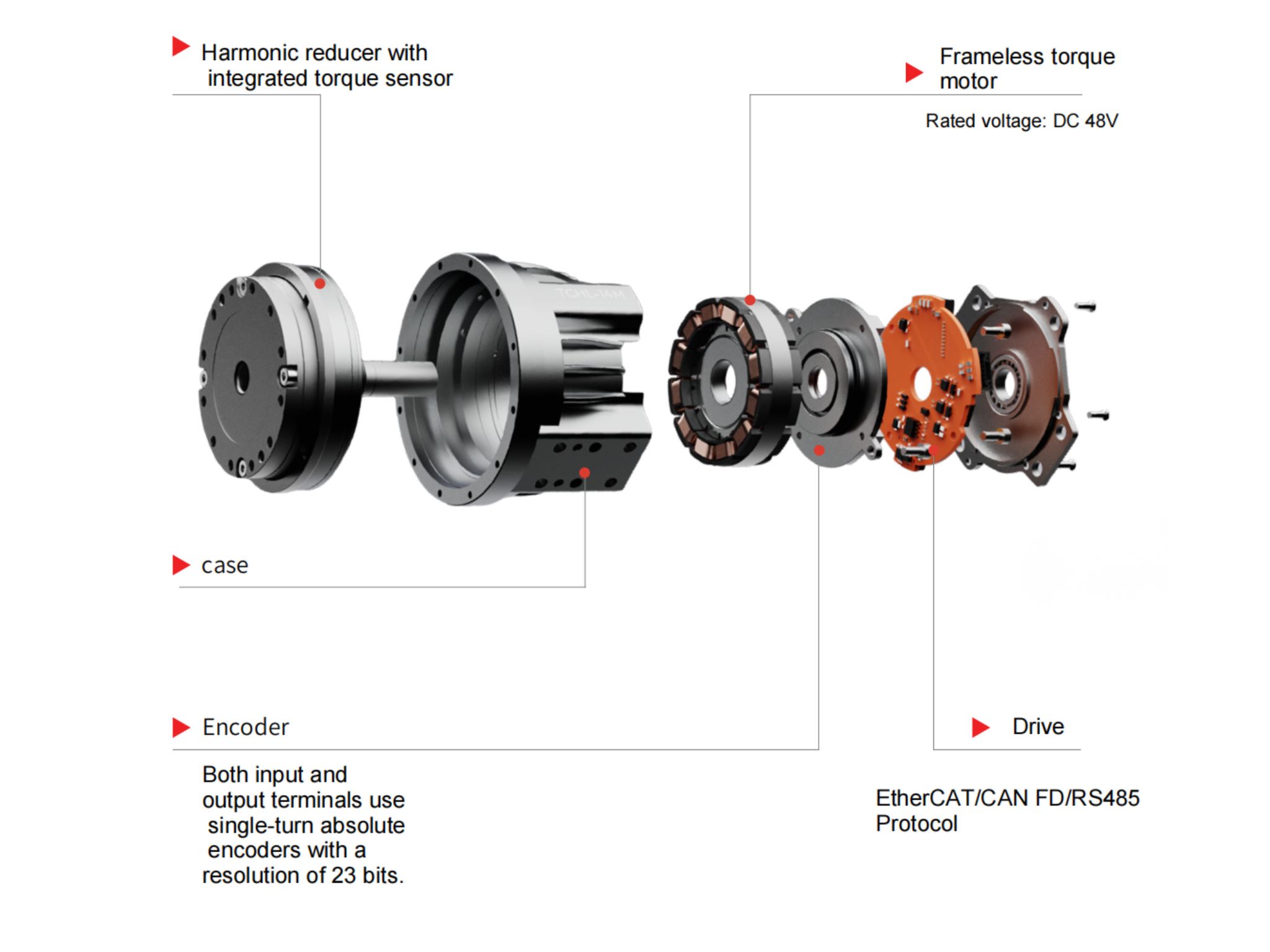
 OMG Ultra Compact Harmonic Drive Joint Module with Built-in Torque SensorHONPINE TCHL series harmonic drive joint module is a game-changing product that achieves disruptive improvements in multiple aspects such as lightweight design, integration level, and connection convenience. This article will analyze its revolutionary enhancements with you.
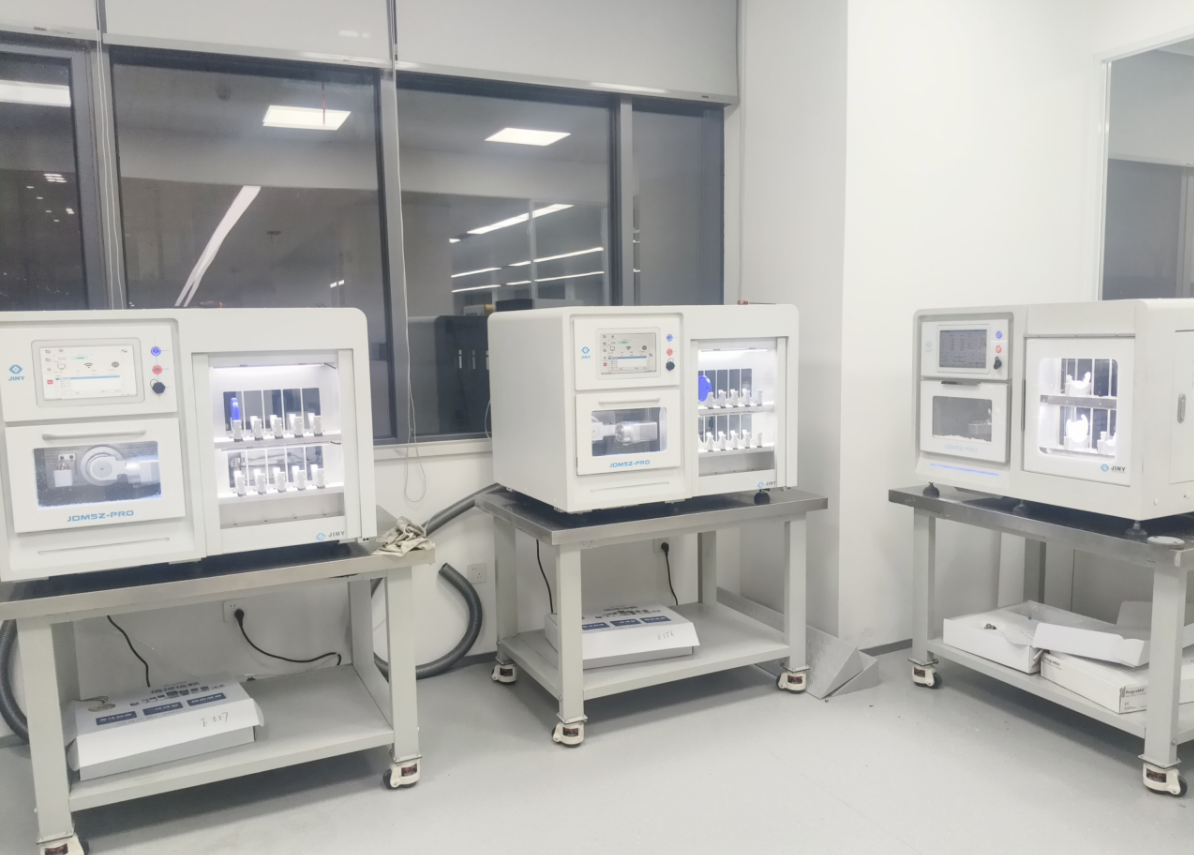
 The Role of Harmonic Drive Gears in Achieving 5–10 μm Accuracy in Dental Milling MachinesA dental milling machine is a CNC machining system used to directly process digital dental models into restorations such as crowns, bridges, veneers, inlays, and implant abutments. Dental milling machines require far higher operational accuracy and motion stability than ordinary equipment. This article explains how harmonic drive gear help dental milling machines achieve stable, continuous, and controllable operation.
 Why Are Harmonic Rotary Actuators Perfect for Medical Equipment?Harmonic rotary actuators (typically integrated systems consisting of a harmonic drive reducer, frameless torque motor, encoder, and optional brake) are regarded as key components in medical equipment. The core reason is that they simultaneously meet the most stringent medical requirements for precision, compact size, safety, and controllability. The following explanation is structured from three perspectives: technical characteristics, application scenarios, and medical value.
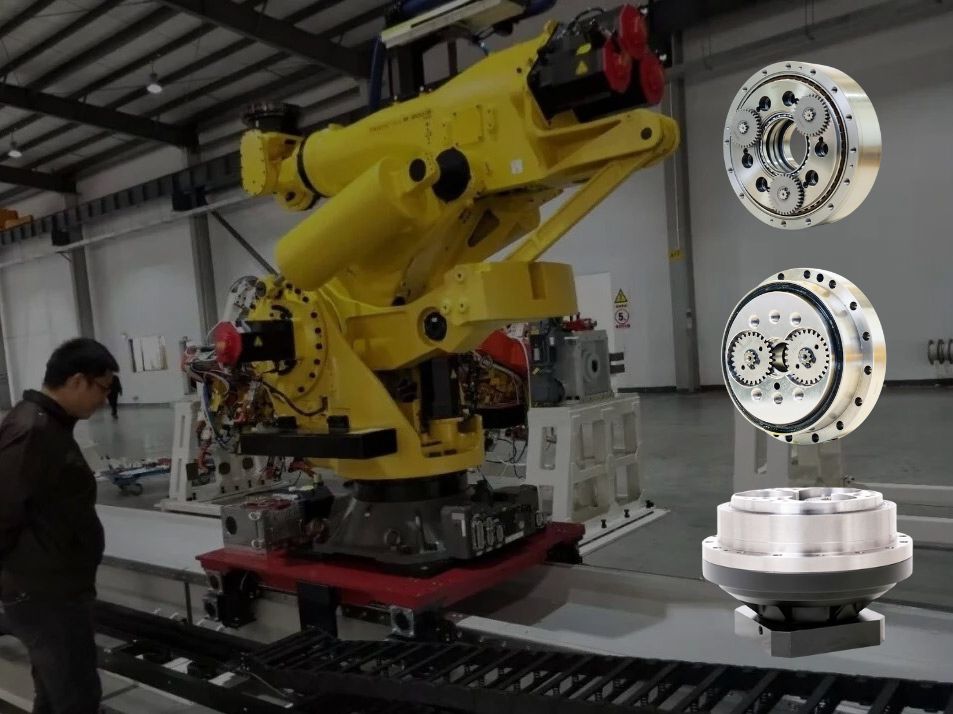
 High-Precision RV Reducers Perfectly Matched for Walking RobotsThe walking axis of a robot is a core component for power transmission and support. RV reducers provide extremely high rigidity, precision, and torque while maintaining a compact size and exceptional reliability, making them an ideal match for the demanding requirements of walking robot joints in terms of load capacity, impact resistance, and precision.
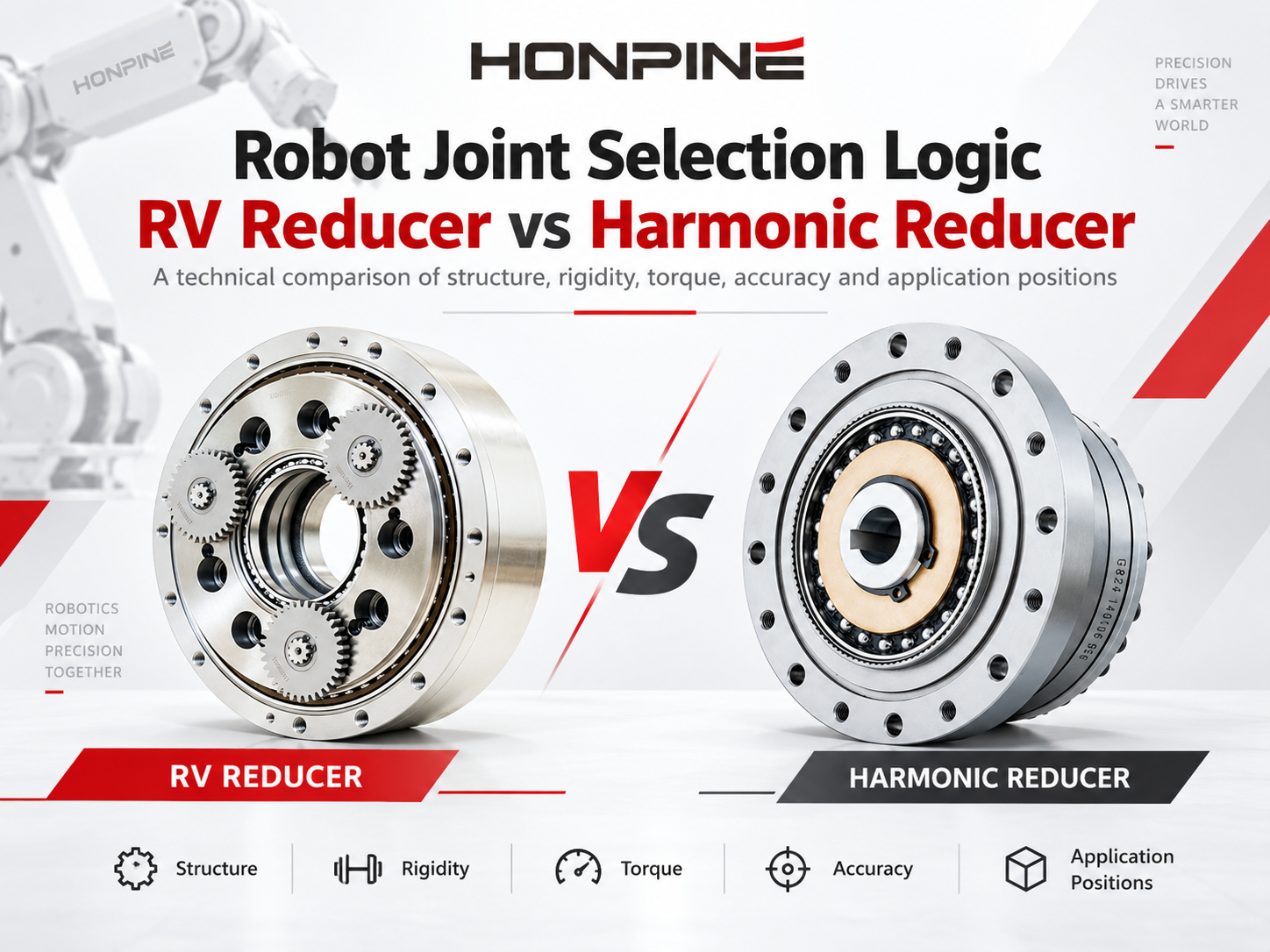
 RV vs Harmonic Reducer: How to Choose the Right Gearbox for Robot Joints?RV vs harmonic reducer: which gearbox is right for your robot joint? The answer depends on torque, rigidity, accuracy, installation space and operating conditions. This guide compares their working principles and five key performance factors, then explains how to evaluate joint loads, reducer life, temperature and lubrication. Whether you are designing a robot base, shoulder, elbow or wrist, use these considerations to match the reducer to the requirements of each joint.
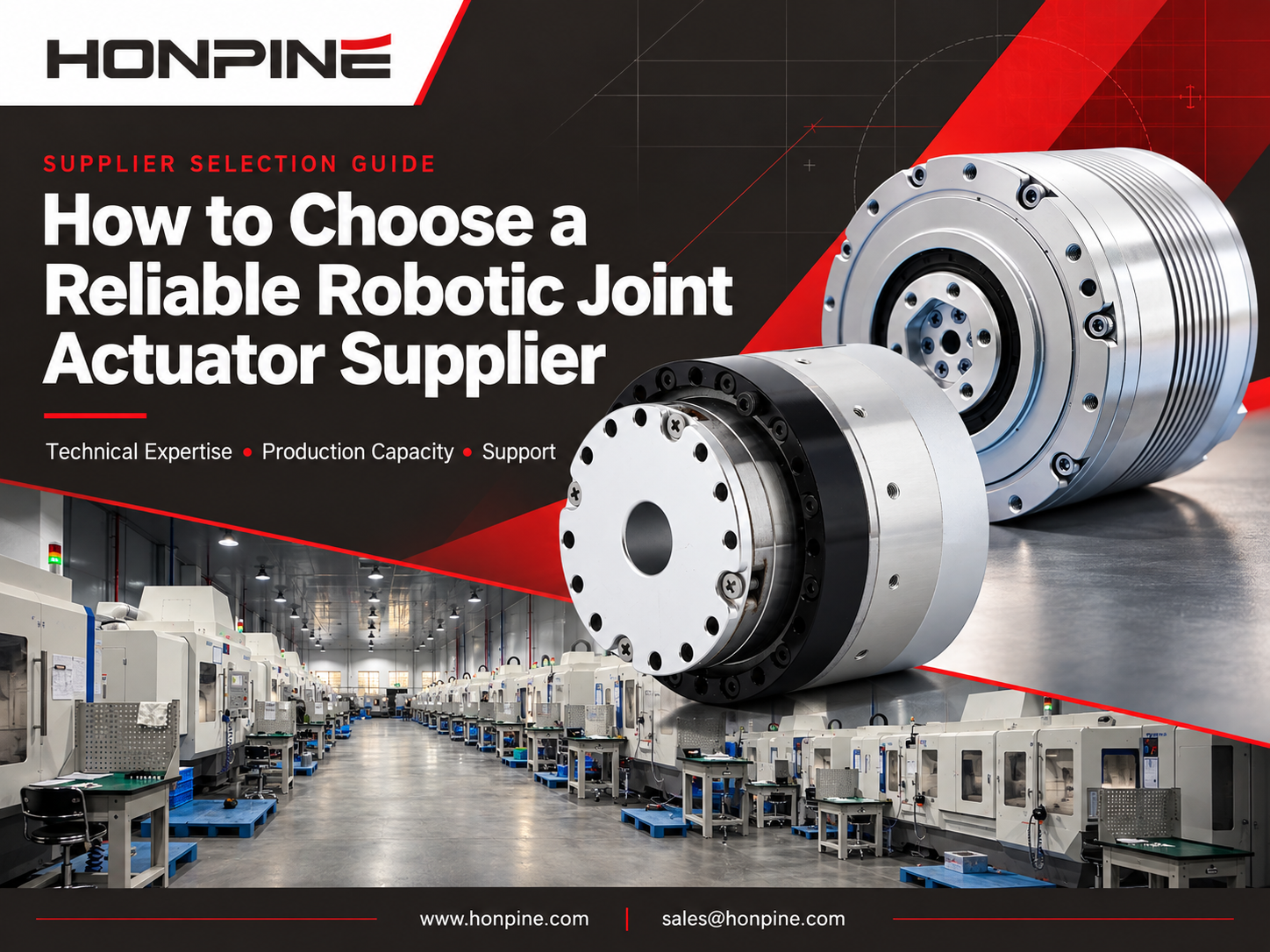
 How to Find a Reliable Robotic Joint Actuator Supplier?Choosing the right robotic joint actuator supplier is essential for reliable performance, smooth integration and long-term project success. Beyond product specifications, you need to understand a supplier’s technical expertise, production capacity and after-sales support. In this guide, Allen Li, Founder of HONPINE, explains how to assess these three factors when sourcing harmonic and planetary joint actuators for robotics and industrial automation.
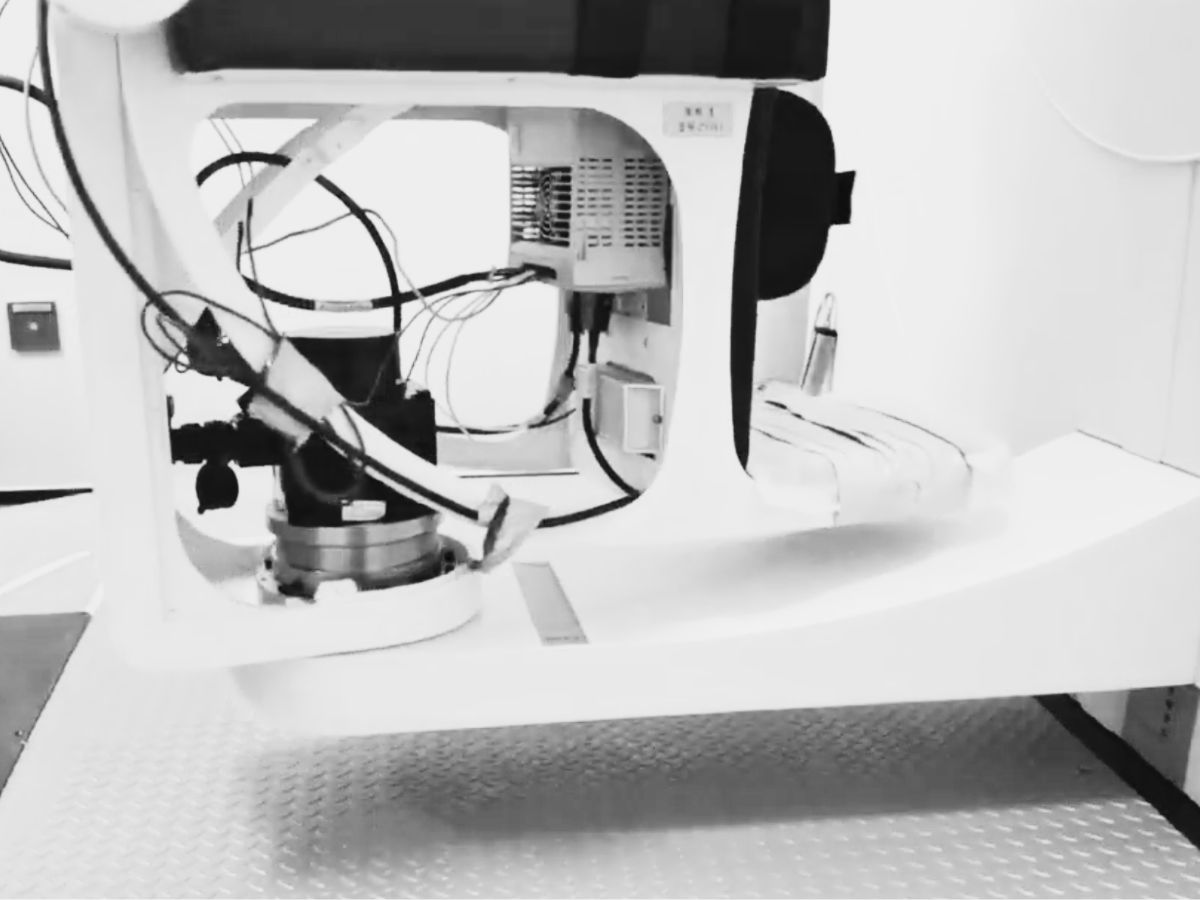
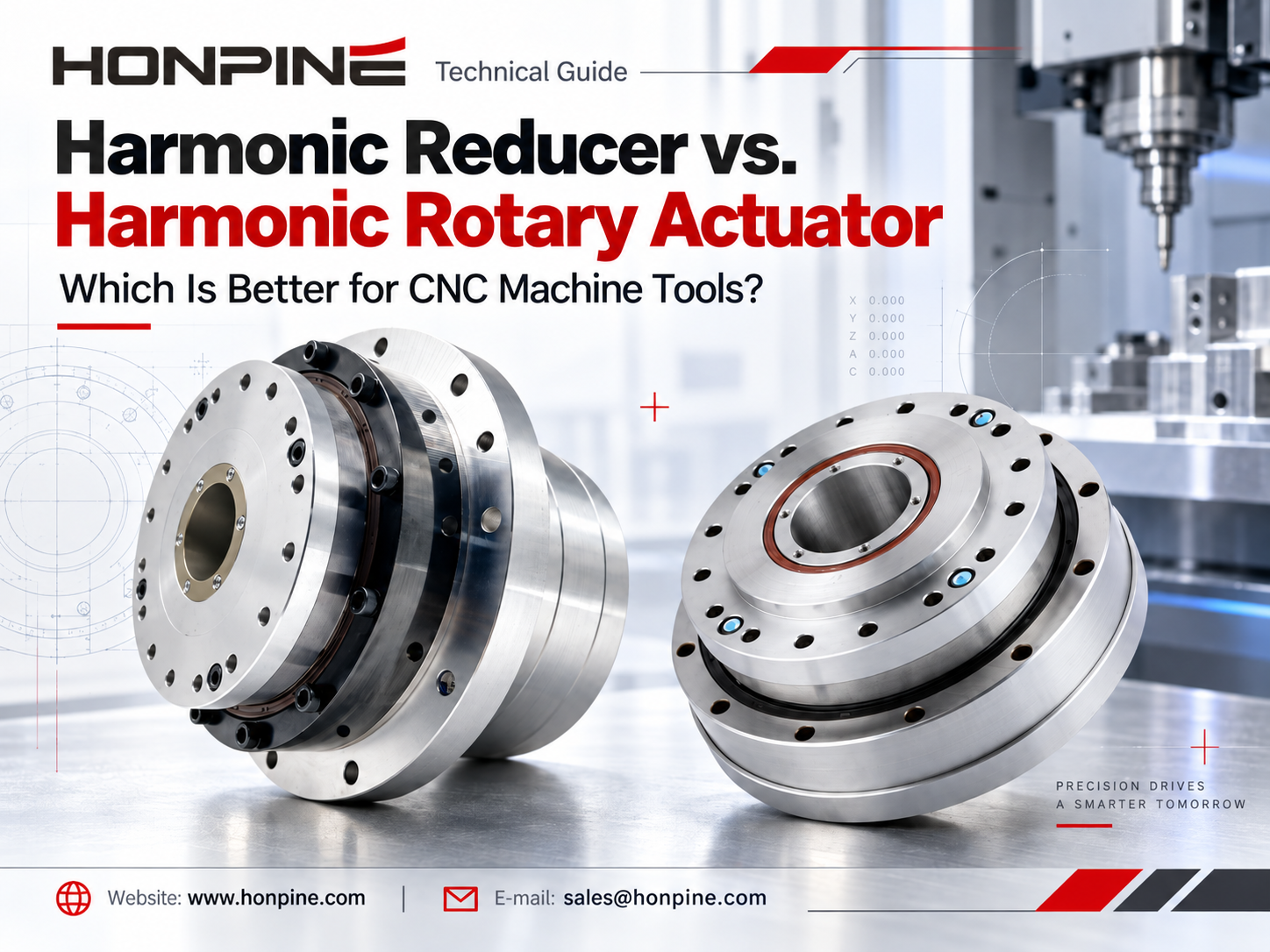
 Harmonic Reducer vs. Harmonic Rotary Actuator: Which Is Better for CNC Machine Tools?Choosing between a harmonic reducer and a harmonic rotary actuator is an important decision in CNC machine tool design. Both solutions offer high-precision motion control, but they differ in integration, installation requirements, rigidity, and system flexibility. For CNC fourth-axis rotary tables and compact five-axis machining systems, selecting the right harmonic drive can significantly influence machine performance. In this article, HONPINE Technical Director Theodore Li compares harmonic reducers and harmonic rotary actuators to help engineers identify the most suitable solution for their CNC applications.
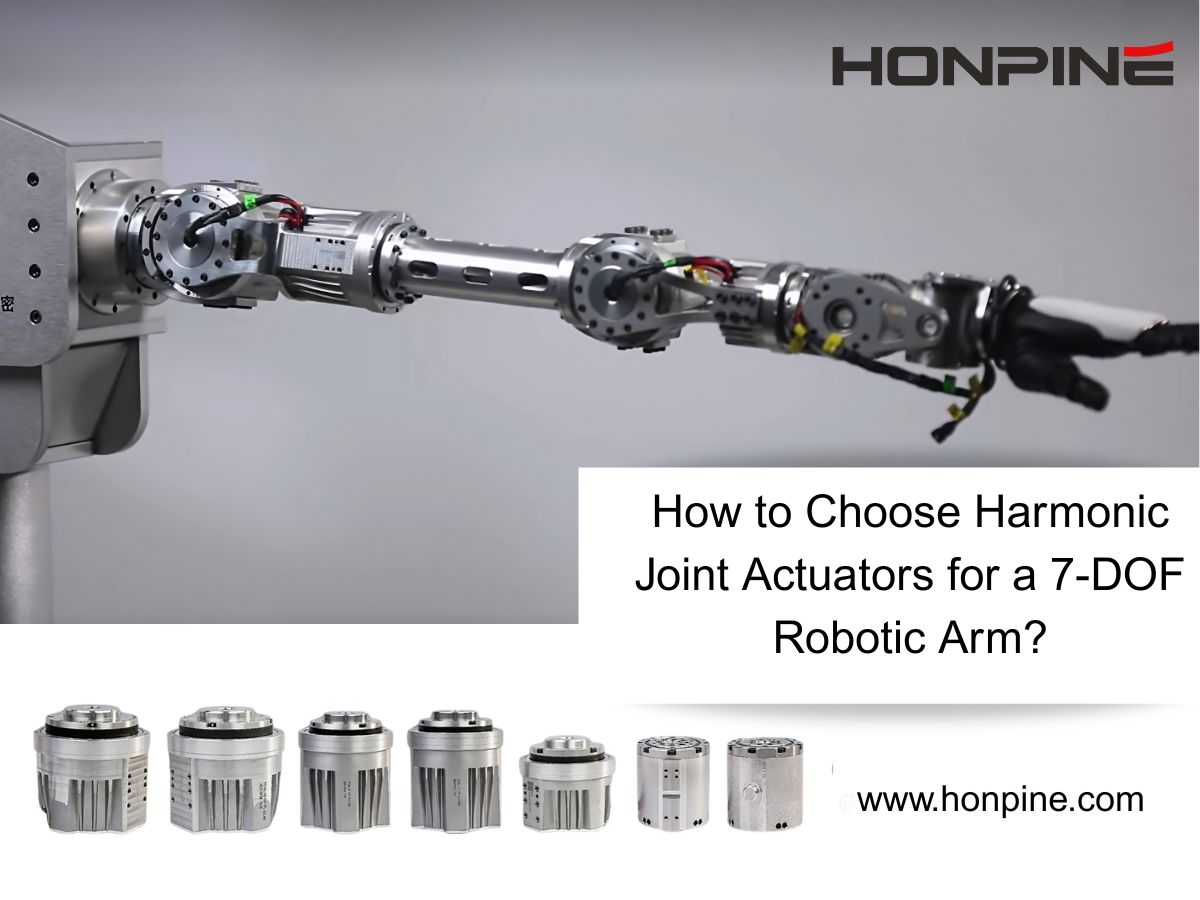
 How to Choose Harmonic Joint Actuators for a 7-DOF Robotic Arm?I'm Theodore Li, Technical Director at HONPINE. Choosing harmonic joint actuators for a 7-DOF robotic arm starts with the torque, weight, and installation needs of each joint. This guide uses a TCHL 20 shoulder and TCHL 14 wrist configuration as an example, then explores torque sensing, compliant control, and HAG Series considerations for demanding robotic applications.
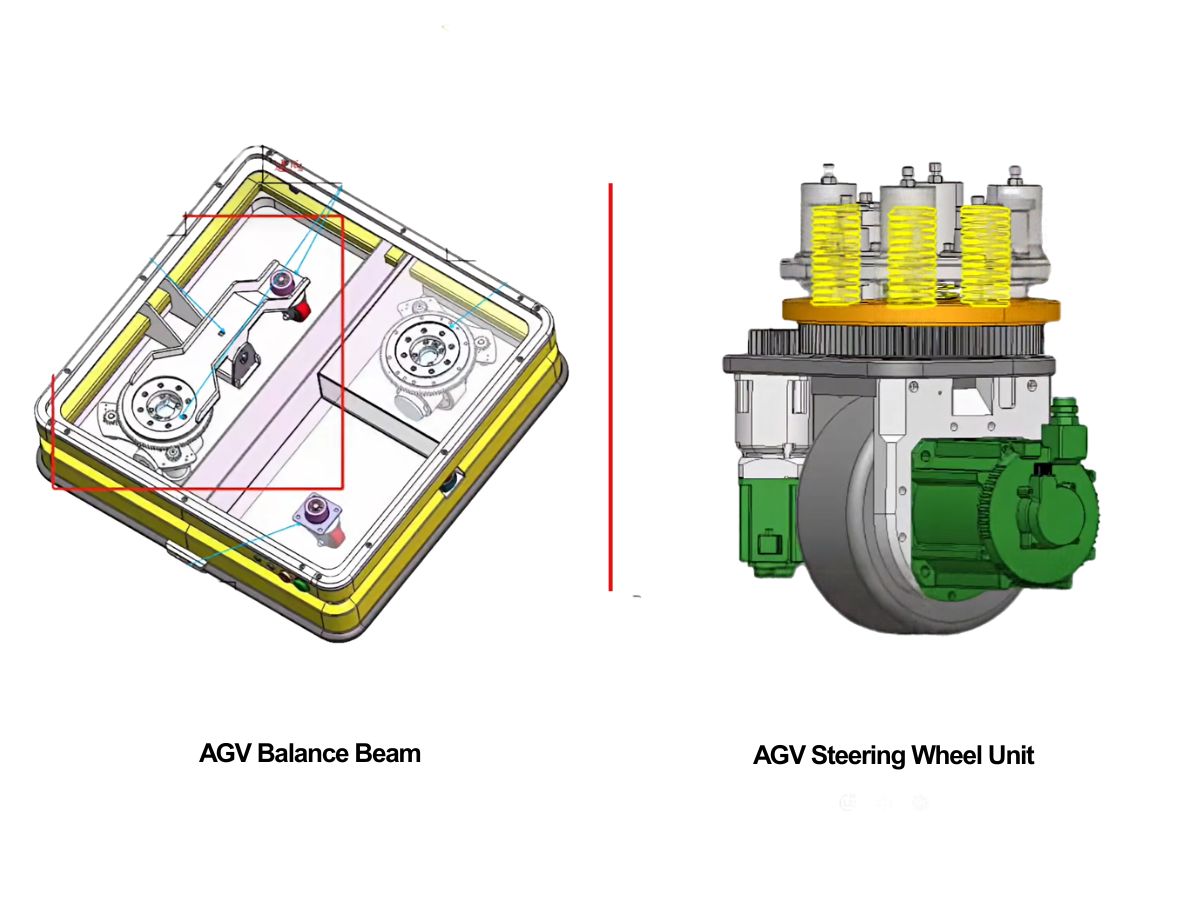
 AGV Suspension: Should You Choose a Balance Beam or a Spring-Loaded Steering Drive Unit?Choosing an AGV suspension system starts with the vehicle’s load range and floor conditions. Balance beams and spring-loaded steering drive units offer different approaches to maintaining wheel contact and managing wheel loads. This HONPINE guide compares both options and explains how to evaluate traction, suspension travel, installation space, and maintenance before choosing a configuration.
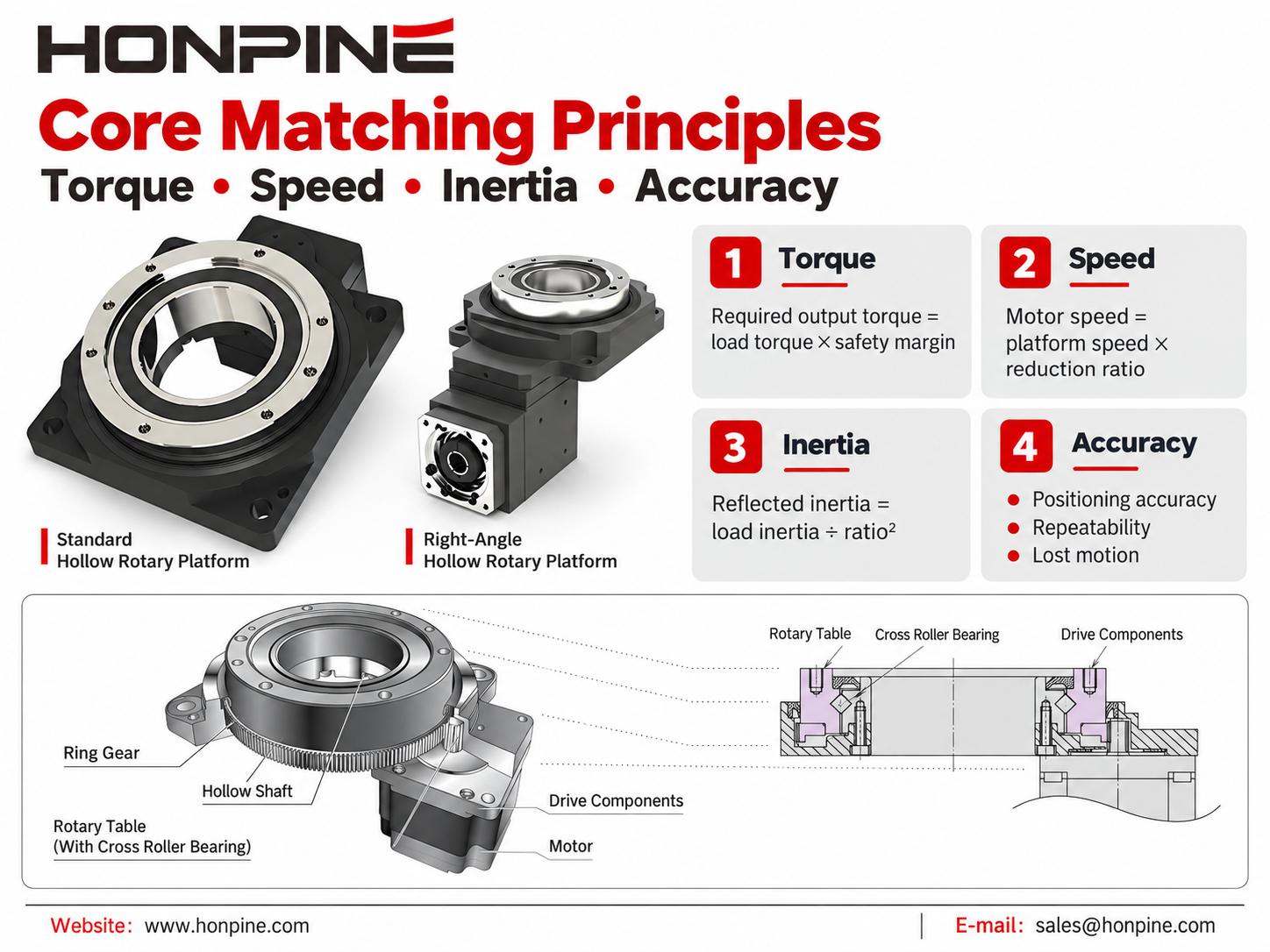
 Hollow Rotary Platform Motor Matching: A Complete GuideSelecting the right motor for a hollow rotary platform is essential for achieving precise positioning, stable operation, and efficient automation. This guide explains how to match servo motors, stepper motors, and brushless DC motors with hollow rotary platforms based on torque, speed, inertia, accuracy, and installation requirements. Explore practical motor selection guidelines, typical application combinations, and space-saving mounting solutions to find the right configuration for your automation project.
Double Click
We provide harmonic drive reducer,planetary reducer,robot joint motor,robot rotary actuators,RV gear reducer,robot end effector,dexterous robot hand
 What is robot joint actuator?How to Choose the Best Robot Rotary Joint Actuator?In core robot joint transmission solutions, planetary and harmonic rotary actuators each have their own strengths. Choosing the right type based on application requirements is essential to achieve the optimal balance between performance and cost.
 DD Motors VS Harmonic Rotary ActuatorsThis article provides an in-depth comparison between Direct Drive (DD) motors and harmonic rotary actuators, covering their transmission principles, advantages and disadvantages, and typical application fields.
 OMG Ultra Compact Harmonic Drive Joint Module with Built-in Torque SensorHONPINE TCHL series harmonic drive joint module is a game-changing product that achieves disruptive improvements in multiple aspects such as lightweight design, integration level, and connection convenience. This article will analyze its revolutionary enhancements with you.
 The Role of Harmonic Drive Gears in Achieving 5–10 μm Accuracy in Dental Milling MachinesA dental milling machine is a CNC machining system used to directly process digital dental models into restorations such as crowns, bridges, veneers, inlays, and implant abutments. Dental milling machines require far higher operational accuracy and motion stability than ordinary equipment. This article explains how harmonic drive gear help dental milling machines achieve stable, continuous, and controllable operation.
 Why Are Harmonic Rotary Actuators Perfect for Medical Equipment?Harmonic rotary actuators (typically integrated systems consisting of a harmonic drive reducer, frameless torque motor, encoder, and optional brake) are regarded as key components in medical equipment. The core reason is that they simultaneously meet the most stringent medical requirements for precision, compact size, safety, and controllability. The following explanation is structured from three perspectives: technical characteristics, application scenarios, and medical value.
 High-Precision RV Reducers Perfectly Matched for Walking RobotsThe walking axis of a robot is a core component for power transmission and support. RV reducers provide extremely high rigidity, precision, and torque while maintaining a compact size and exceptional reliability, making them an ideal match for the demanding requirements of walking robot joints in terms of load capacity, impact resistance, and precision.
 RV vs Harmonic Reducer: How to Choose the Right Gearbox for Robot Joints?RV vs harmonic reducer: which gearbox is right for your robot joint? The answer depends on torque, rigidity, accuracy, installation space and operating conditions. This guide compares their working principles and five key performance factors, then explains how to evaluate joint loads, reducer life, temperature and lubrication. Whether you are designing a robot base, shoulder, elbow or wrist, use these considerations to match the reducer to the requirements of each joint.
 How to Find a Reliable Robotic Joint Actuator Supplier?Choosing the right robotic joint actuator supplier is essential for reliable performance, smooth integration and long-term project success. Beyond product specifications, you need to understand a supplier’s technical expertise, production capacity and after-sales support. In this guide, Allen Li, Founder of HONPINE, explains how to assess these three factors when sourcing harmonic and planetary joint actuators for robotics and industrial automation.
 Harmonic Reducer vs. Harmonic Rotary Actuator: Which Is Better for CNC Machine Tools?Choosing between a harmonic reducer and a harmonic rotary actuator is an important decision in CNC machine tool design. Both solutions offer high-precision motion control, but they differ in integration, installation requirements, rigidity, and system flexibility. For CNC fourth-axis rotary tables and compact five-axis machining systems, selecting the right harmonic drive can significantly influence machine performance. In this article, HONPINE Technical Director Theodore Li compares harmonic reducers and harmonic rotary actuators to help engineers identify the most suitable solution for their CNC applications.
 How to Choose Harmonic Joint Actuators for a 7-DOF Robotic Arm?I'm Theodore Li, Technical Director at HONPINE. Choosing harmonic joint actuators for a 7-DOF robotic arm starts with the torque, weight, and installation needs of each joint. This guide uses a TCHL 20 shoulder and TCHL 14 wrist configuration as an example, then explores torque sensing, compliant control, and HAG Series considerations for demanding robotic applications.
 AGV Suspension: Should You Choose a Balance Beam or a Spring-Loaded Steering Drive Unit?Choosing an AGV suspension system starts with the vehicle’s load range and floor conditions. Balance beams and spring-loaded steering drive units offer different approaches to maintaining wheel contact and managing wheel loads. This HONPINE guide compares both options and explains how to evaluate traction, suspension travel, installation space, and maintenance before choosing a configuration.
 Hollow Rotary Platform Motor Matching: A Complete GuideSelecting the right motor for a hollow rotary platform is essential for achieving precise positioning, stable operation, and efficient automation. This guide explains how to match servo motors, stepper motors, and brushless DC motors with hollow rotary platforms based on torque, speed, inertia, accuracy, and installation requirements. Explore practical motor selection guidelines, typical application combinations, and space-saving mounting solutions to find the right configuration for your automation project.