









Thailand BOI Extends Old Machinery Import Approval to 6 Months
On May 27, 2026, the Thailand Board of Investment (BOI) announced a significant procedural shift: approval timelines for import permits covering used industrial machinery—including CNC lathes, milling machines, and automated production line units—have been extended from 90 days to approximately 180 days. Concurrently, all technical documentation (e.g., operation manuals, safety assessments, energy efficiency reports) must now be submitted in certified Thai-language translations; English or Chinese originals are no longer accepted. This change directly affects machinery importers, equipment refurbishers, and manufacturers relocating or expanding production into Thailand—and signals tightening regulatory scrutiny over used capital goods.
Event Overview
On May 27, 2026, the Thailand Board of Investment (BOI) issued an official notice stating that, effective immediately, the processing time for BOI import permits for used machinery—including CNC turning/milling machines and modular automated production units—has been extended from 90 days to approximately 180 days. Additionally, all supporting technical documents must be provided in Thai-language versions certified by a recognized translation authority. English- or Chinese-language originals are explicitly no longer accepted.
Which Subsectors Are Affected
Direct Trading Firms (Used Machinery Exporters & Importers)
These firms rely on predictable BOI permit timelines to synchronize shipment, customs clearance, and client delivery schedules. The doubling of approval duration introduces material lead-time uncertainty—especially for time-sensitive project deliveries or turnkey installations. The new Thai-only documentation requirement also increases pre-submission preparation time and cost, as certified translations must be secured prior to filing.
Contract Manufacturing & Assembly Facilities (OEM/ODM Plants in Thailand)
Firms importing used CNC machines or legacy automation modules to upgrade capacity—or to meet specific customer requirements—now face extended downtime between equipment procurement and operational deployment. Delays may impact production ramp-up plans, especially for facilities serving global supply chains with fixed launch windows.
Equipment Refurbishment & Integration Service Providers
Companies sourcing, certifying, and reconditioning used machine tools for resale or integration into Thai-based lines must now align their service timelines with the 180-day BOI window. Their quoting, contracting, and logistics planning must incorporate this new regulatory bottleneck—and account for added translation certification costs across multiple document types.
What Relevant Enterprises or Practitioners Should Monitor and Do Now
Track official BOI guidance updates on document certification standards
The notice confirms that Thai translations must be “certified”, but does not specify which authorities qualify (e.g., Thai Ministry of Foreign Affairs, BOI-accredited agencies, or sworn translators). Enterprises should monitor BOI’s official portal and announcements for updated criteria—particularly before initiating translation work for pending applications.
Reassess procurement timing for used machinery intended for BOI-promoted projects
Given the 180-day approval cycle, any used machinery acquisition planned for Q4 2026 or beyond must now initiate the BOI application process no later than mid-Q3 2026. Procurement teams should revise internal timelines accordingly—and avoid assuming expedited review pathways remain available.
Separate policy intent from operational execution in current filings
This change reflects procedural formalization—not necessarily a restriction on eligibility. Analysis shows the BOI continues to approve used machinery imports under existing promotion categories (e.g., Industry 4.0, green manufacturing), provided documentation complies. Applicants should verify whether their equipment qualifies under current BOI promotion codes before investing in translation and submission.
Prepare documentation packages earlier—and validate translation scope comprehensively
Technical files subject to translation include operation manuals, safety evaluations, and energy performance reports. Observation shows some applicants previously submitted partial documentation or relied on English summaries. Under the new rule, completeness and certified Thai equivalence across all required documents are mandatory. Teams should conduct internal pre-checks using a checklist aligned with BOI’s published document requirements.
Editorial Perspective / Industry Observation
This update is best understood not as a sudden policy reversal, but as a procedural consolidation reflecting increased administrative rigor in Thailand’s investment promotion framework. From an industry perspective, it signals growing emphasis on traceability, local compliance readiness, and harmonized technical governance—particularly for assets entering BOI-promoted operations. It is currently more a signal of evolving due diligence expectations than an outright barrier; however, its impact compounds when layered with other recent shifts, such as stricter environmental reporting for imported equipment. Continued monitoring is warranted—not because reversal is likely, but because implementation details (e.g., certification pathways, appeal mechanisms, or phased rollout) may evolve in the coming months.
Conclusion
This BOI announcement marks a structural adjustment in Thailand’s import facilitation regime for used industrial equipment—not a temporary delay nor a categorical restriction. Its primary implication is increased planning horizon and documentation overhead for stakeholders engaged in cross-border machinery transactions tied to BOI-promoted activities. Currently, it is most accurately understood as a procedural recalibration aimed at strengthening technical compliance consistency, rather than a substantive change in eligibility or promotion scope.
Source Attribution
Main source: Official notice issued by the Thailand Board of Investment (BOI), dated May 27, 2026.
Points requiring ongoing observation: Specific criteria for translation certification, potential exemptions for certain equipment categories, and whether transitional arrangements apply to applications filed before May 27, 2026.
Read More
Learn more about the story of HONPINE and industry trends related to precision transmission.
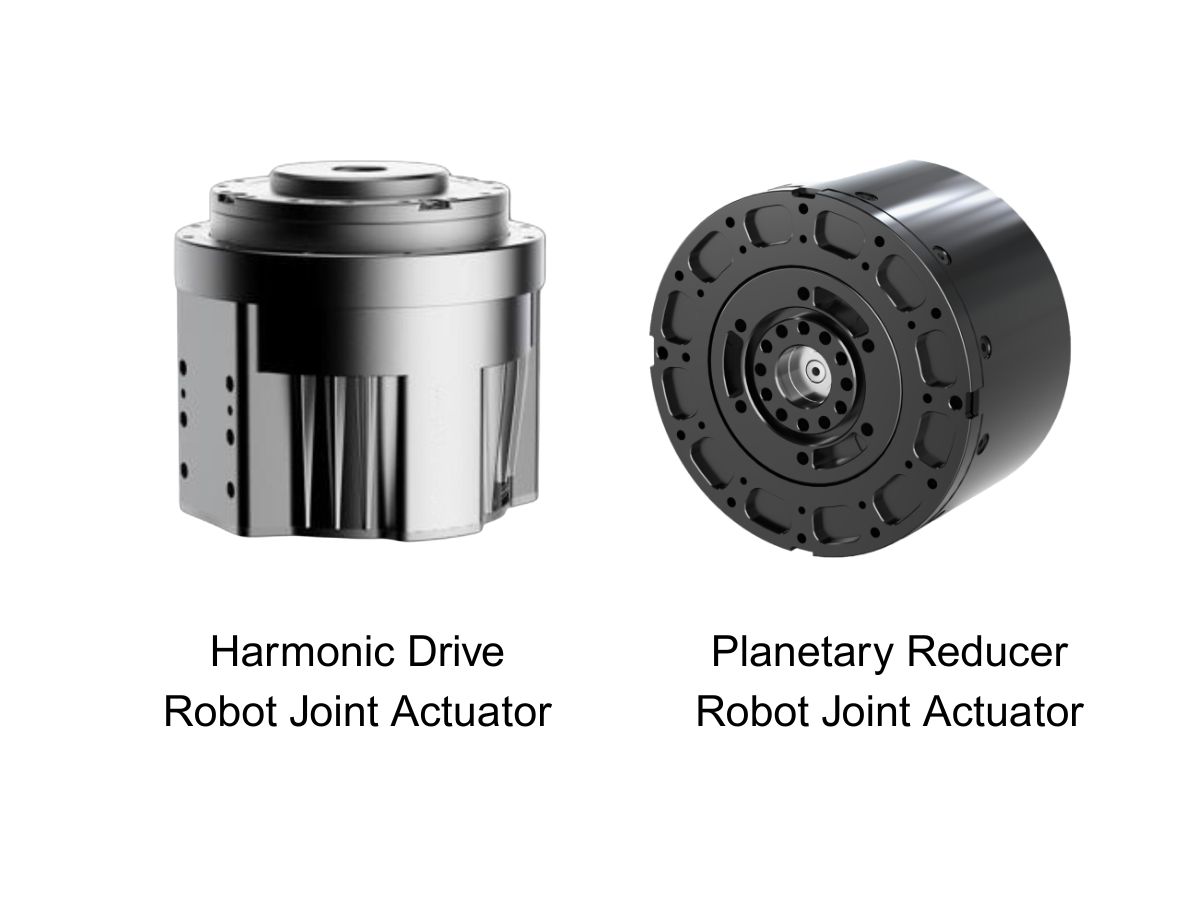
 What is robot joint actuator?How to Choose the Best Robot Rotary Joint Actuator?In core robot joint transmission solutions, planetary and harmonic rotary actuators each have their own strengths. Choosing the right type based on application requirements is essential to achieve the optimal balance between performance and cost.
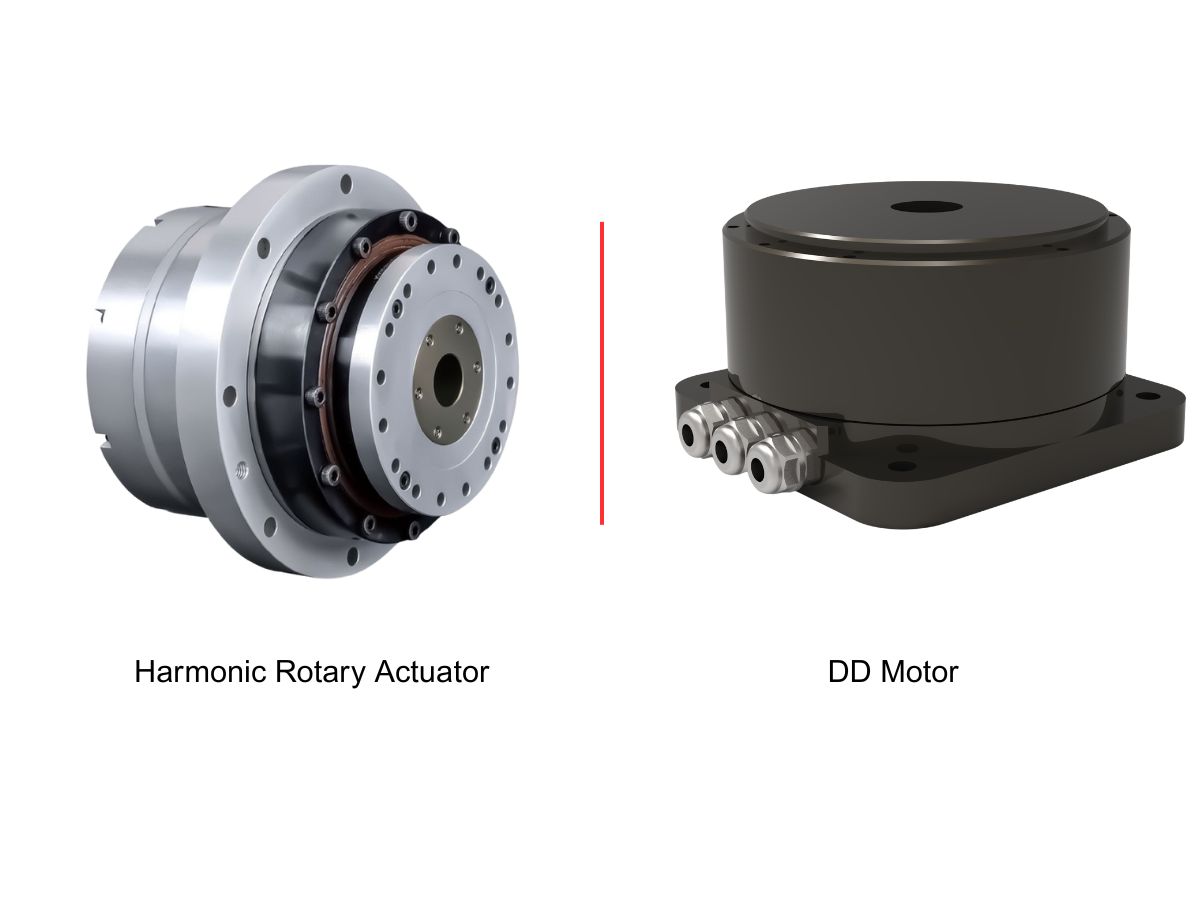
 DD Motors VS Harmonic Rotary ActuatorsThis article provides an in-depth comparison between Direct Drive (DD) motors and harmonic rotary actuators, covering their transmission principles, advantages and disadvantages, and typical application fields.
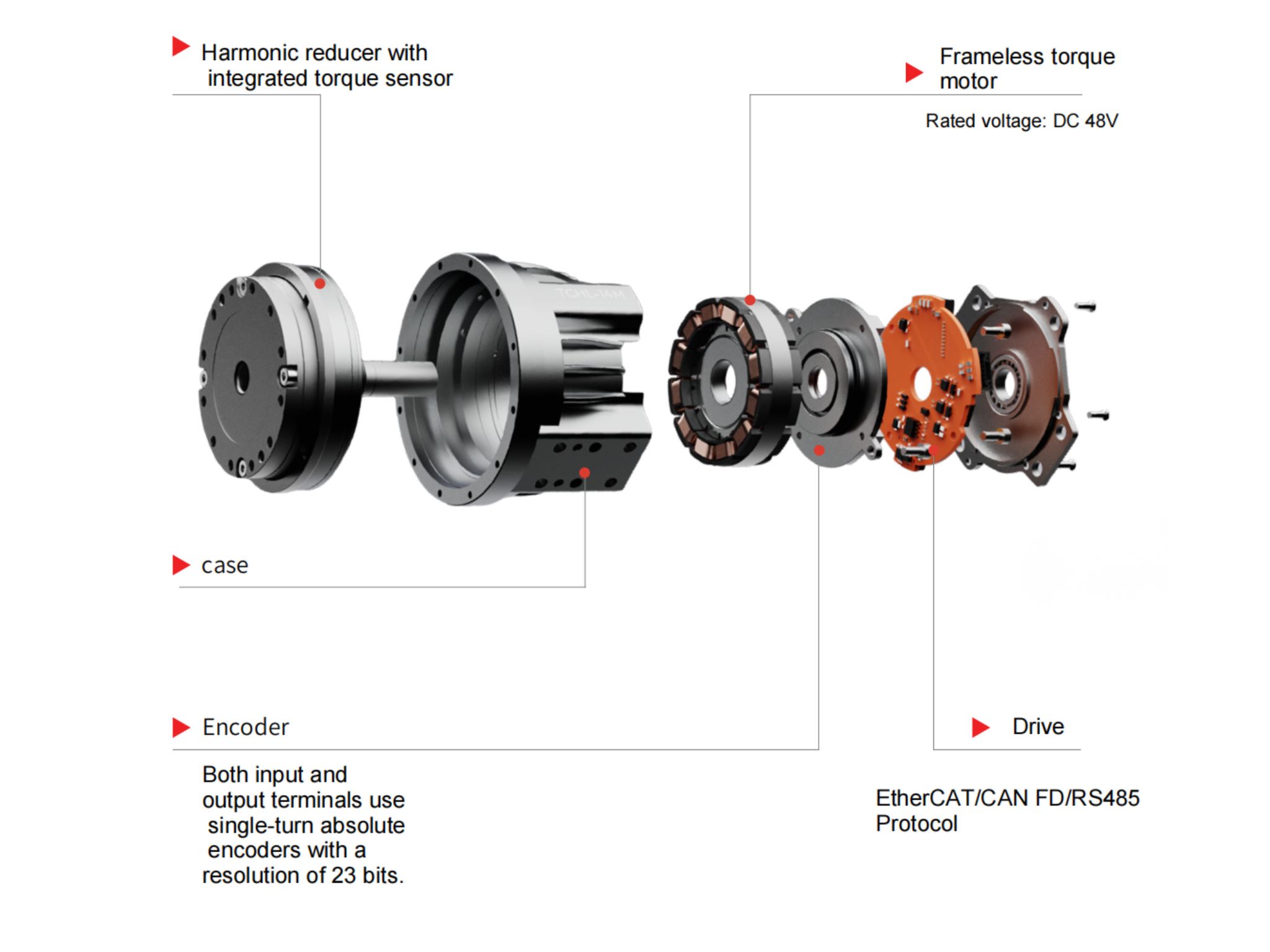
 OMG Ultra Compact Harmonic Drive Joint Module with Built-in Torque SensorHONPINE TCHL series harmonic drive joint module is a game-changing product that achieves disruptive improvements in multiple aspects such as lightweight design, integration level, and connection convenience. This article will analyze its revolutionary enhancements with you.
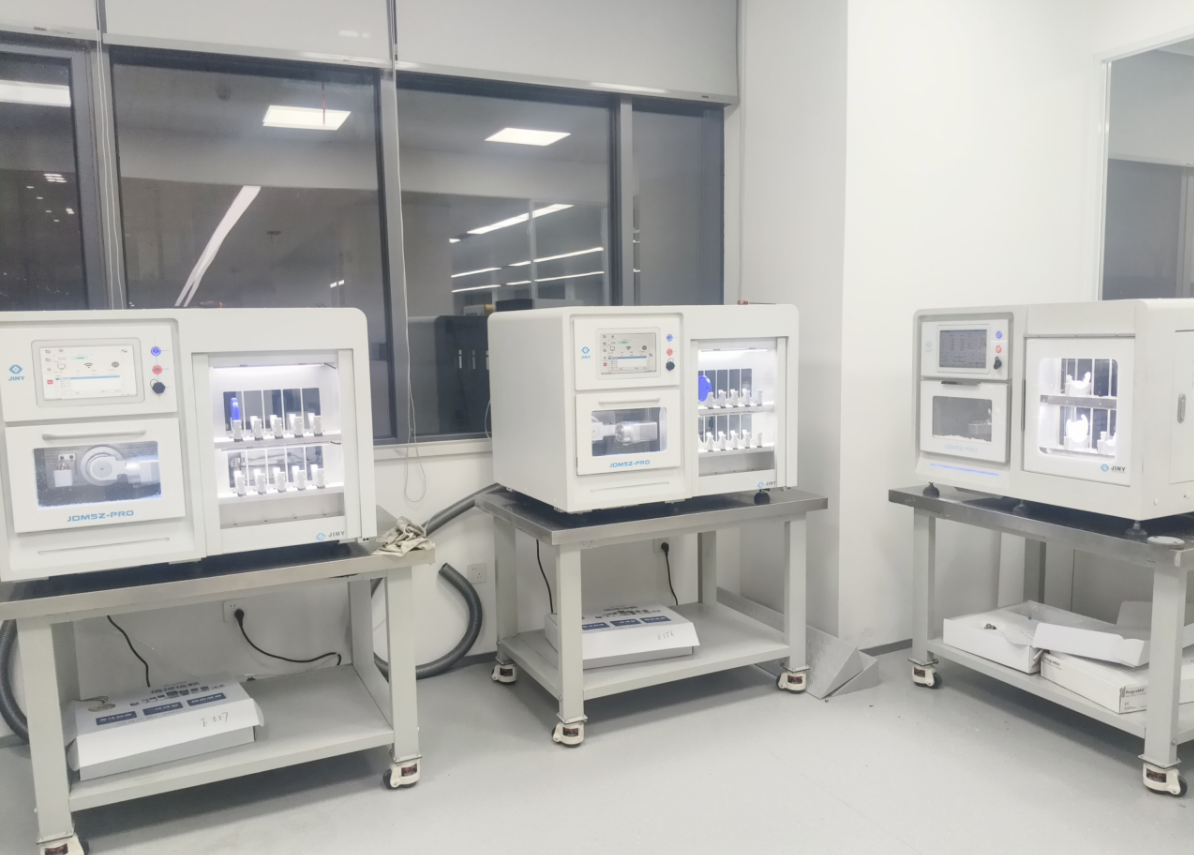
 The Role of Harmonic Drive Gears in Achieving 5–10 μm Accuracy in Dental Milling MachinesA dental milling machine is a CNC machining system used to directly process digital dental models into restorations such as crowns, bridges, veneers, inlays, and implant abutments. Dental milling machines require far higher operational accuracy and motion stability than ordinary equipment. This article explains how harmonic drive gear help dental milling machines achieve stable, continuous, and controllable operation.
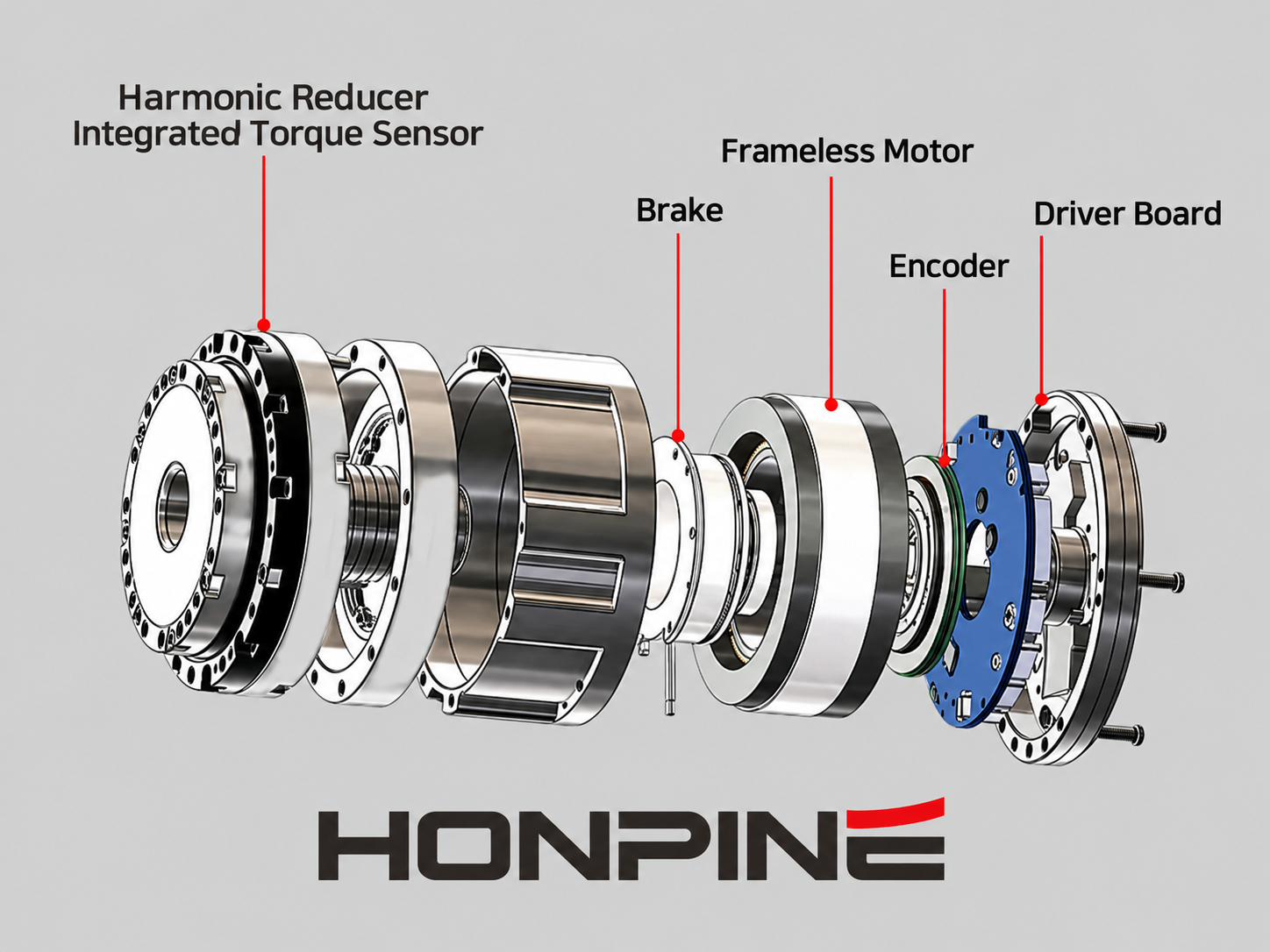
 Why Are Harmonic Rotary Actuators Perfect for Medical Equipment?Harmonic rotary actuators (typically integrated systems consisting of a harmonic drive reducer, frameless torque motor, encoder, and optional brake) are regarded as key components in medical equipment. The core reason is that they simultaneously meet the most stringent medical requirements for precision, compact size, safety, and controllability. The following explanation is structured from three perspectives: technical characteristics, application scenarios, and medical value.
 High-Precision RV Reducers Perfectly Matched for Walking RobotsThe walking axis of a robot is a core component for power transmission and support. RV reducers provide extremely high rigidity, precision, and torque while maintaining a compact size and exceptional reliability, making them an ideal match for the demanding requirements of walking robot joints in terms of load capacity, impact resistance, and precision.
 Harmonic Reducer vs. Harmonic Rotary Actuator: Which Is Better for CNC Machine Tools?Choosing between a harmonic reducer and a harmonic rotary actuator is an important decision in CNC machine tool design. Both solutions offer high-precision motion control, but they differ in integration, installation requirements, rigidity, and system flexibility. For CNC fourth-axis rotary tables and compact five-axis machining systems, selecting the right harmonic drive can significantly influence machine performance. In this article, HONPINE Technical Director Theodore Li compares harmonic reducers and harmonic rotary actuators to help engineers identify the most suitable solution for their CNC applications.
 How to Choose Harmonic Joint Actuators for a 7-DOF Robotic Arm?I'm Theodore Li, Technical Director at HONPINE. Choosing harmonic joint actuators for a 7-DOF robotic arm starts with the torque, weight, and installation needs of each joint. This guide uses a TCHL 20 shoulder and TCHL 14 wrist configuration as an example, then explores torque sensing, compliant control, and HAG Series considerations for demanding robotic applications.
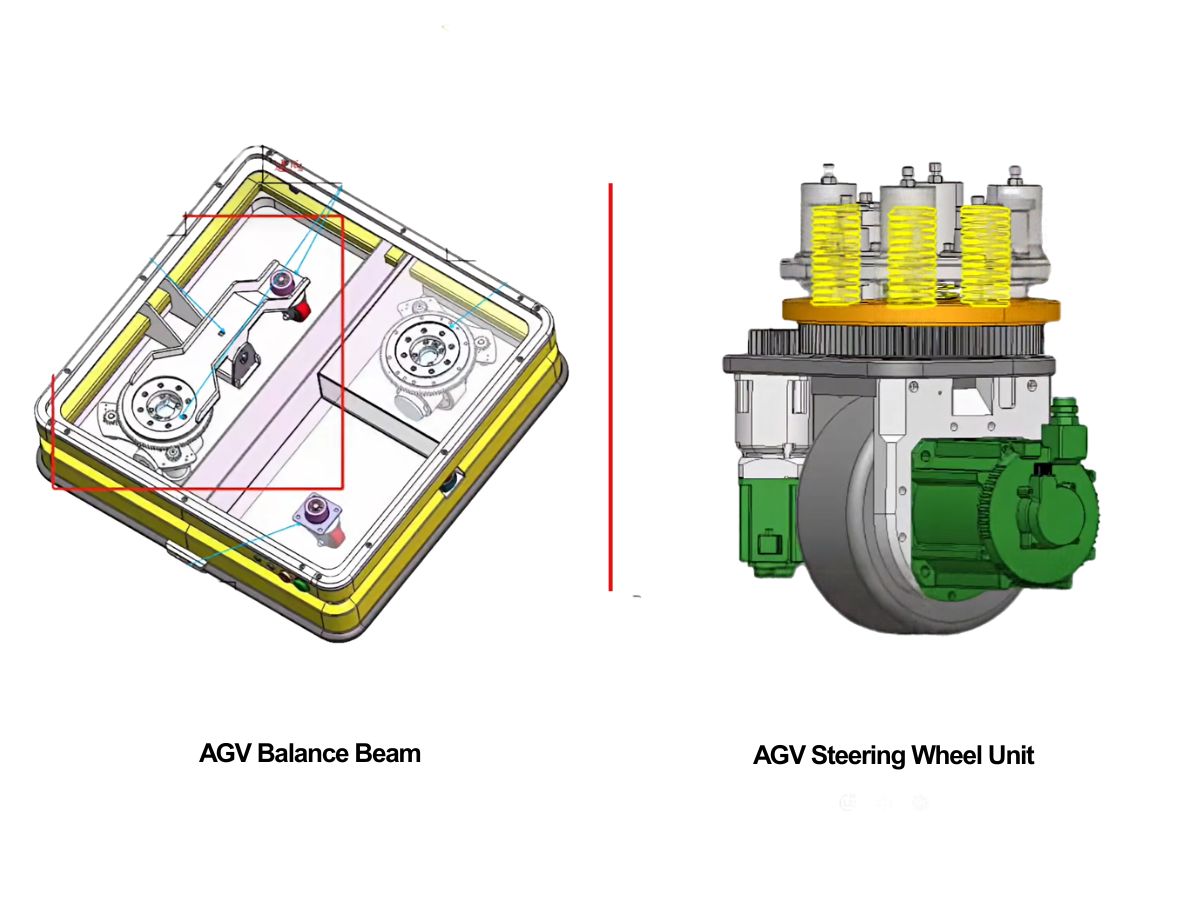
 AGV Suspension: Should You Choose a Balance Beam or a Spring-Loaded Steering Drive Unit?Choosing an AGV suspension system starts with the vehicle’s load range and floor conditions. Balance beams and spring-loaded steering drive units offer different approaches to maintaining wheel contact and managing wheel loads. This HONPINE guide compares both options and explains how to evaluate traction, suspension travel, installation space, and maintenance before choosing a configuration.
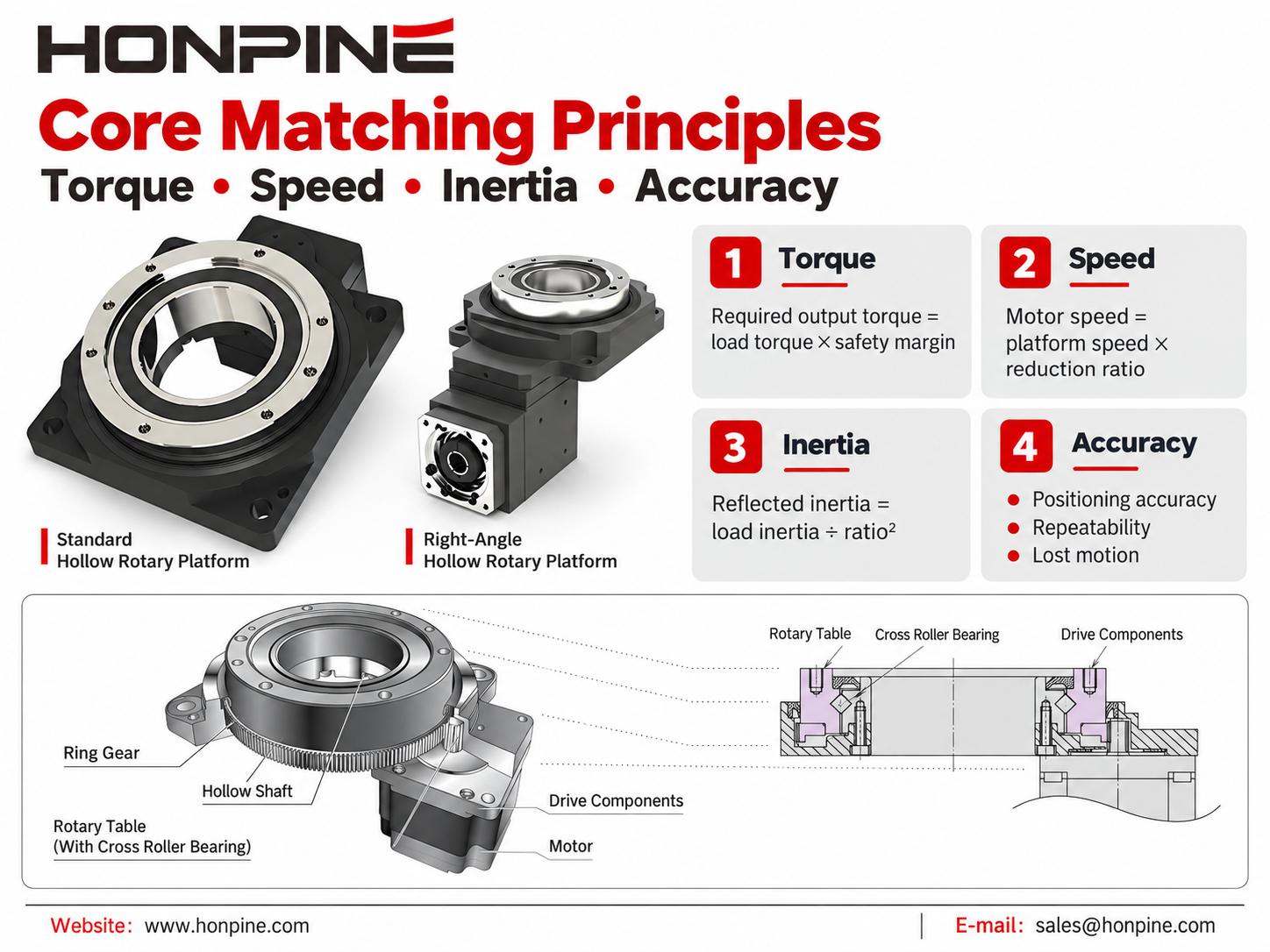
 Hollow Rotary Platform Motor Matching: A Complete GuideSelecting the right motor for a hollow rotary platform is essential for achieving precise positioning, stable operation, and efficient automation. This guide explains how to match servo motors, stepper motors, and brushless DC motors with hollow rotary platforms based on torque, speed, inertia, accuracy, and installation requirements. Explore practical motor selection guidelines, typical application combinations, and space-saving mounting solutions to find the right configuration for your automation project.
 Can Robots Feel Touch? HONPINE HAG Force-Controlled Harmonic Robot Joint MotorsCan robots respond to a gentle touch? The HONPINE HAG robot joint motor with torque sensor combines a harmonic reducer, integrated torque sensing, and closed-loop control to detect external forces and support smooth, compliant motion. In this article, HONPINE founder Allen Li demonstrates the module's response to light contact and hand-guided movement, explains its key force-control technologies, and shares the vision behind joint modules designed for practical industrial robotics.
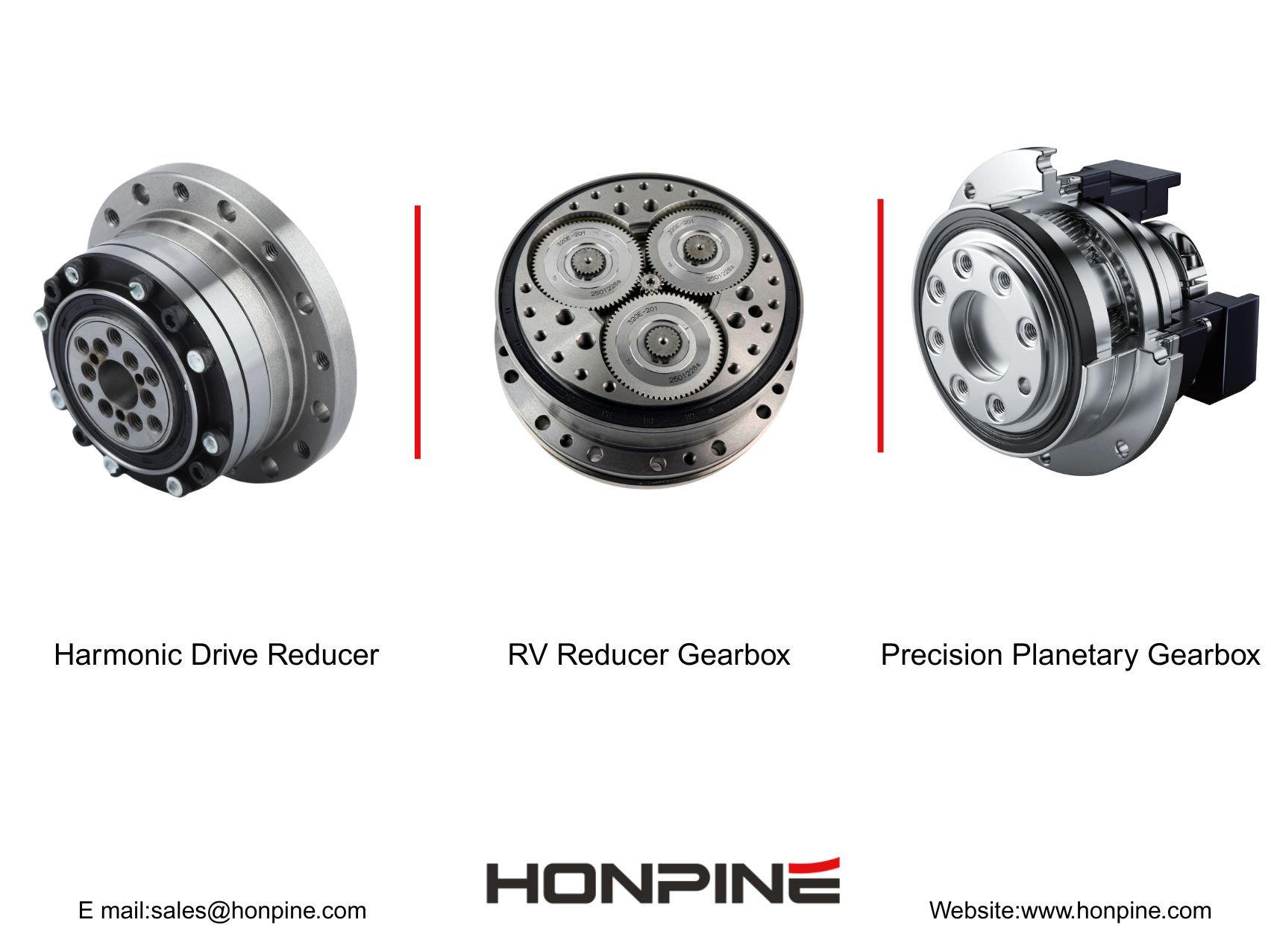
 Does a Higher Gearbox Ratio Mean More Torque? Planetary, Harmonic, and RV Gearboxes ExplainedDoes a higher gearbox ratio mean more torque? This engineering guide explains the relationship between gearbox ratio, output torque, and output speed, and compares planetary gearboxes, harmonic gearboxes, and RV gearboxes. Learn why reduction ratio alone cannot determine gearbox torque capacity, efficiency, dynamic response, precision, or service life, and what engineers should consider when selecting a gearbox for robotics, CNC machines, servo systems, and industrial motion control.
Double Click
We provide harmonic drive reducer,planetary reducer,robot joint motor,robot rotary actuators,RV gear reducer,robot end effector,dexterous robot hand
 What is robot joint actuator?How to Choose the Best Robot Rotary Joint Actuator?In core robot joint transmission solutions, planetary and harmonic rotary actuators each have their own strengths. Choosing the right type based on application requirements is essential to achieve the optimal balance between performance and cost.
 DD Motors VS Harmonic Rotary ActuatorsThis article provides an in-depth comparison between Direct Drive (DD) motors and harmonic rotary actuators, covering their transmission principles, advantages and disadvantages, and typical application fields.
 OMG Ultra Compact Harmonic Drive Joint Module with Built-in Torque SensorHONPINE TCHL series harmonic drive joint module is a game-changing product that achieves disruptive improvements in multiple aspects such as lightweight design, integration level, and connection convenience. This article will analyze its revolutionary enhancements with you.
 The Role of Harmonic Drive Gears in Achieving 5–10 μm Accuracy in Dental Milling MachinesA dental milling machine is a CNC machining system used to directly process digital dental models into restorations such as crowns, bridges, veneers, inlays, and implant abutments. Dental milling machines require far higher operational accuracy and motion stability than ordinary equipment. This article explains how harmonic drive gear help dental milling machines achieve stable, continuous, and controllable operation.
 Why Are Harmonic Rotary Actuators Perfect for Medical Equipment?Harmonic rotary actuators (typically integrated systems consisting of a harmonic drive reducer, frameless torque motor, encoder, and optional brake) are regarded as key components in medical equipment. The core reason is that they simultaneously meet the most stringent medical requirements for precision, compact size, safety, and controllability. The following explanation is structured from three perspectives: technical characteristics, application scenarios, and medical value.
 High-Precision RV Reducers Perfectly Matched for Walking RobotsThe walking axis of a robot is a core component for power transmission and support. RV reducers provide extremely high rigidity, precision, and torque while maintaining a compact size and exceptional reliability, making them an ideal match for the demanding requirements of walking robot joints in terms of load capacity, impact resistance, and precision.
 Harmonic Reducer vs. Harmonic Rotary Actuator: Which Is Better for CNC Machine Tools?Choosing between a harmonic reducer and a harmonic rotary actuator is an important decision in CNC machine tool design. Both solutions offer high-precision motion control, but they differ in integration, installation requirements, rigidity, and system flexibility. For CNC fourth-axis rotary tables and compact five-axis machining systems, selecting the right harmonic drive can significantly influence machine performance. In this article, HONPINE Technical Director Theodore Li compares harmonic reducers and harmonic rotary actuators to help engineers identify the most suitable solution for their CNC applications.
 How to Choose Harmonic Joint Actuators for a 7-DOF Robotic Arm?I'm Theodore Li, Technical Director at HONPINE. Choosing harmonic joint actuators for a 7-DOF robotic arm starts with the torque, weight, and installation needs of each joint. This guide uses a TCHL 20 shoulder and TCHL 14 wrist configuration as an example, then explores torque sensing, compliant control, and HAG Series considerations for demanding robotic applications.
 AGV Suspension: Should You Choose a Balance Beam or a Spring-Loaded Steering Drive Unit?Choosing an AGV suspension system starts with the vehicle’s load range and floor conditions. Balance beams and spring-loaded steering drive units offer different approaches to maintaining wheel contact and managing wheel loads. This HONPINE guide compares both options and explains how to evaluate traction, suspension travel, installation space, and maintenance before choosing a configuration.
 Hollow Rotary Platform Motor Matching: A Complete GuideSelecting the right motor for a hollow rotary platform is essential for achieving precise positioning, stable operation, and efficient automation. This guide explains how to match servo motors, stepper motors, and brushless DC motors with hollow rotary platforms based on torque, speed, inertia, accuracy, and installation requirements. Explore practical motor selection guidelines, typical application combinations, and space-saving mounting solutions to find the right configuration for your automation project.
 Can Robots Feel Touch? HONPINE HAG Force-Controlled Harmonic Robot Joint MotorsCan robots respond to a gentle touch? The HONPINE HAG robot joint motor with torque sensor combines a harmonic reducer, integrated torque sensing, and closed-loop control to detect external forces and support smooth, compliant motion. In this article, HONPINE founder Allen Li demonstrates the module's response to light contact and hand-guided movement, explains its key force-control technologies, and shares the vision behind joint modules designed for practical industrial robotics.
 Does a Higher Gearbox Ratio Mean More Torque? Planetary, Harmonic, and RV Gearboxes ExplainedDoes a higher gearbox ratio mean more torque? This engineering guide explains the relationship between gearbox ratio, output torque, and output speed, and compares planetary gearboxes, harmonic gearboxes, and RV gearboxes. Learn why reduction ratio alone cannot determine gearbox torque capacity, efficiency, dynamic response, precision, or service life, and what engineers should consider when selecting a gearbox for robotics, CNC machines, servo systems, and industrial motion control.