






RCEP Cuts Tariffs to Zero for CNC Fixture & Toolholder Imports in ASEAN from June 2026
Effective 1 June 2026, the Regional Comprehensive Economic Partnership (RCEP) will eliminate import duties on HS code 8466.20—covering machine tool fixtures, toolholders, and turret assemblies—in ASEAN RCEP member states including Vietnam, Thailand, and Malaysia. This change follows the outcomes of the 7th RCEP Joint Committee Technical Consultation and directly impacts manufacturers and exporters of precision fixture systems from China.
Tariff Reduction Confirmed Under RCEP Framework
Per the RCEP Joint Committee’s 7th technical consultation, the import tariff on goods classified under HS 8466.20 will be reduced from the current range of 3%–5% to 0% across ASEAN RCEP countries, effective 1 June 2026. The measure applies specifically to Chinese-origin precision fixture systems—including modular clamping devices, quick-change toolholders, and indexing turrets—and is projected to reduce annual customs clearance costs for exporting enterprises by over RMB 120 million.
Impact Across Supply Chain Roles
Direct Trading Enterprises
Exporters of CNC accessories face immediate cost relief on customs duties, improving gross margins and price competitiveness in ASEAN markets. However, they must verify origin certification compliance (e.g., RCEP Form A) and ensure accurate HS classification to qualify for preferential treatment.
Raw Material Sourcing Firms
Companies sourcing base materials or semi-finished components for fixture production may experience indirect pricing pressure, as downstream demand strengthens. Increased export volumes could tighten supply of high-grade alloy steels or hardened alloys used in collet bodies and chuck housings.
Machining & Assembly Manufacturers
Domestic producers of precision fixtures must align production planning with anticipated order surges post-June 2026. Capacity utilization, lead-time management, and quality consistency across batches become critical to meet rising ASEAN procurement expectations.
Supply Chain Service Providers
Logistics integrators, customs brokers, and trade compliance consultants will see heightened demand for RCEP-specific documentation support—including origin verification, tariff engineering advice, and post-clearance audit readiness—especially for multi-tiered supplier networks.
Key Operational Priorities for Exporters
Validate RCEP Origin Qualification Criteria
Confirm that finished fixtures meet the RCEP product-specific rules of origin—particularly the regional value content (RVC) threshold or change-in-tariff-classification (CTC) requirements—before shipment. Minor assembly or packaging operations alone do not satisfy origin criteria.
Update Technical Documentation & Certifications
Ensure all technical files—including dimensional drawings, material test reports (e.g., hardness, tensile strength), and surface finish specifications—comply with ASEAN national standards referenced in local tender documents, even where no formal certification (e.g., ISO 9001) is mandated.
Reassess Lead Times & Inventory Planning
Anticipate potential order acceleration ahead of the 1 June 2026 implementation date. Adjust procurement cycles for key subcomponents (e.g., hydraulic cylinders, precision bearings) to avoid bottlenecks during peak fulfillment periods.
Strengthen Supplier Traceability Systems
Implement granular traceability for raw materials and critical subassemblies to support origin claims and respond efficiently to customs inquiries or post-import verification requests from ASEAN authorities.
Industry Observation: Beyond Tariff Arbitrage
Analysis shows this zero-tariff measure is more than a short-term cost advantage—it signals a structural shift toward deeper integration of China’s precision component ecosystem into ASEAN’s industrial upgrading cycle. Observably, ASEAN-based machine tool integrators are increasingly specifying Chinese-made modular fixtures in their OEM builds, driven by tighter delivery windows and improved repeatability. What deserves closer attention is how rapidly local distributors and after-sales service networks scale up to support warranty claims, calibration services, and spare part logistics—areas where technical documentation clarity and multilingual support remain uneven across markets.
Strategic Implications for Precision Manufacturing
This adjustment underscores the growing strategic role of standardized, interoperable tooling systems in regional manufacturing resilience. While tariff removal lowers entry barriers, long-term competitiveness hinges less on duty savings and more on demonstrable process reliability, traceable material provenance, and responsiveness to localized technical requirements—not just regulatory ones. A rational view recognizes this as an enabler, not a guarantee, of market share expansion.
Source Attribution & Verification Guidance
This article synthesizes the information provided in the user input: title, event date (2026-06-01), and summary description. Specific official source links were not provided in the input and should be verified continuously. Stakeholders are advised to monitor updates from national customs administrations (e.g., Vietnam General Department of Vietnam Customs), ASEAN Secretariat trade bulletins, and RCEP National Contact Points for implementation guidelines, origin certification procedures, and sectoral interpretation notes—particularly regarding HS 8466.20 subheading granularity and de minimis thresholds for non-originating inputs.
Read More
Learn more about the story of HONPINE and industry trends related to precision transmission.
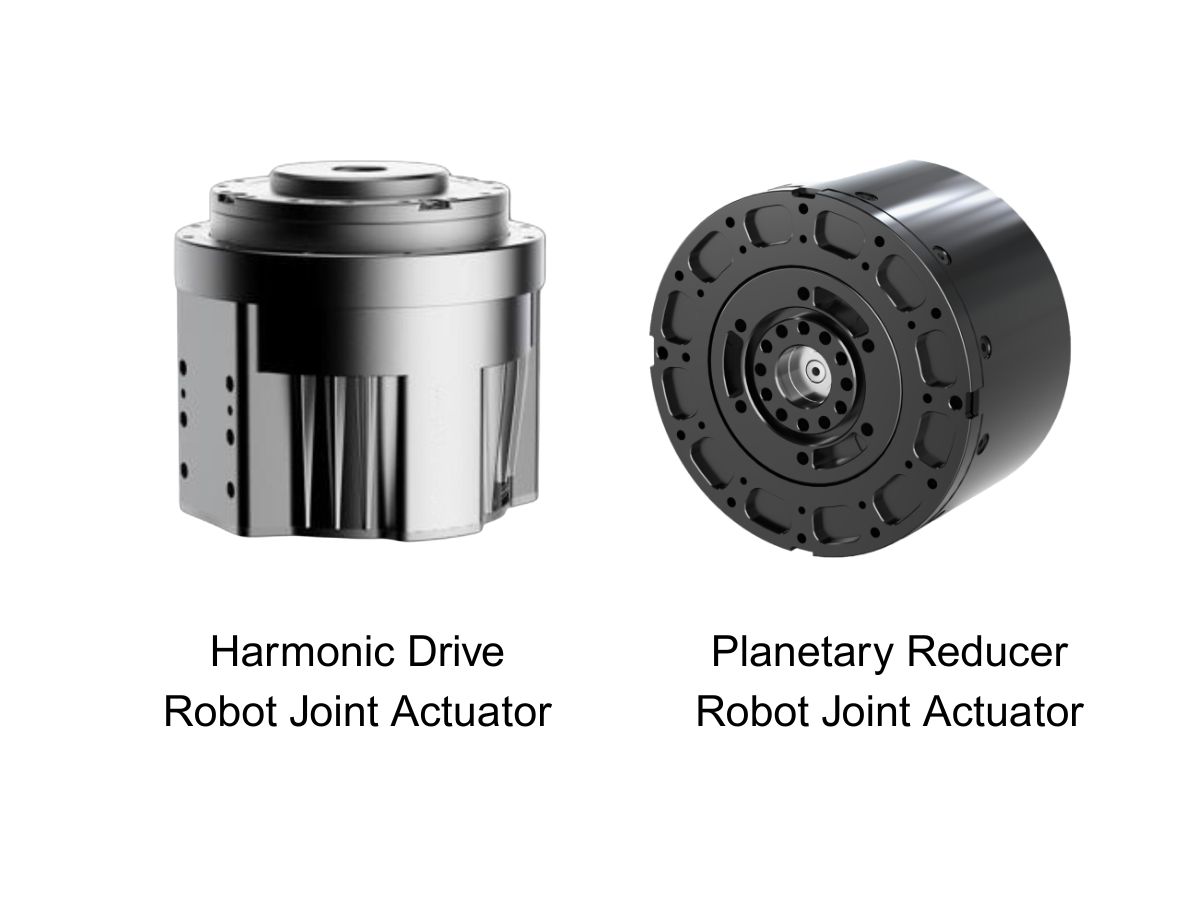
 What is robot joint actuator?How to Choose the Best Robot Rotary Joint Actuator?In core robot joint transmission solutions, planetary and harmonic rotary actuators each have their own strengths. Choosing the right type based on application requirements is essential to achieve the optimal balance between performance and cost.
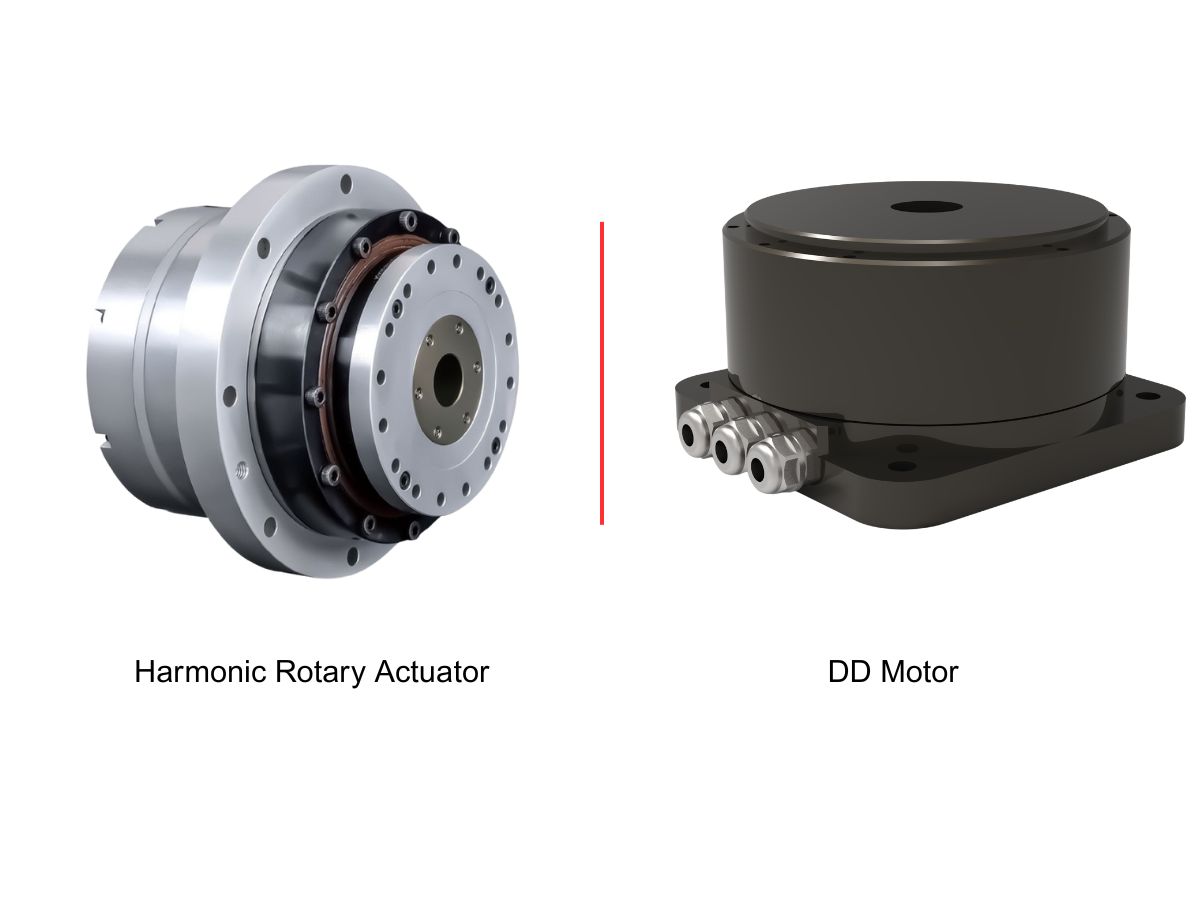
 DD Motors VS Harmonic Rotary ActuatorsThis article provides an in-depth comparison between Direct Drive (DD) motors and harmonic rotary actuators, covering their transmission principles, advantages and disadvantages, and typical application fields.
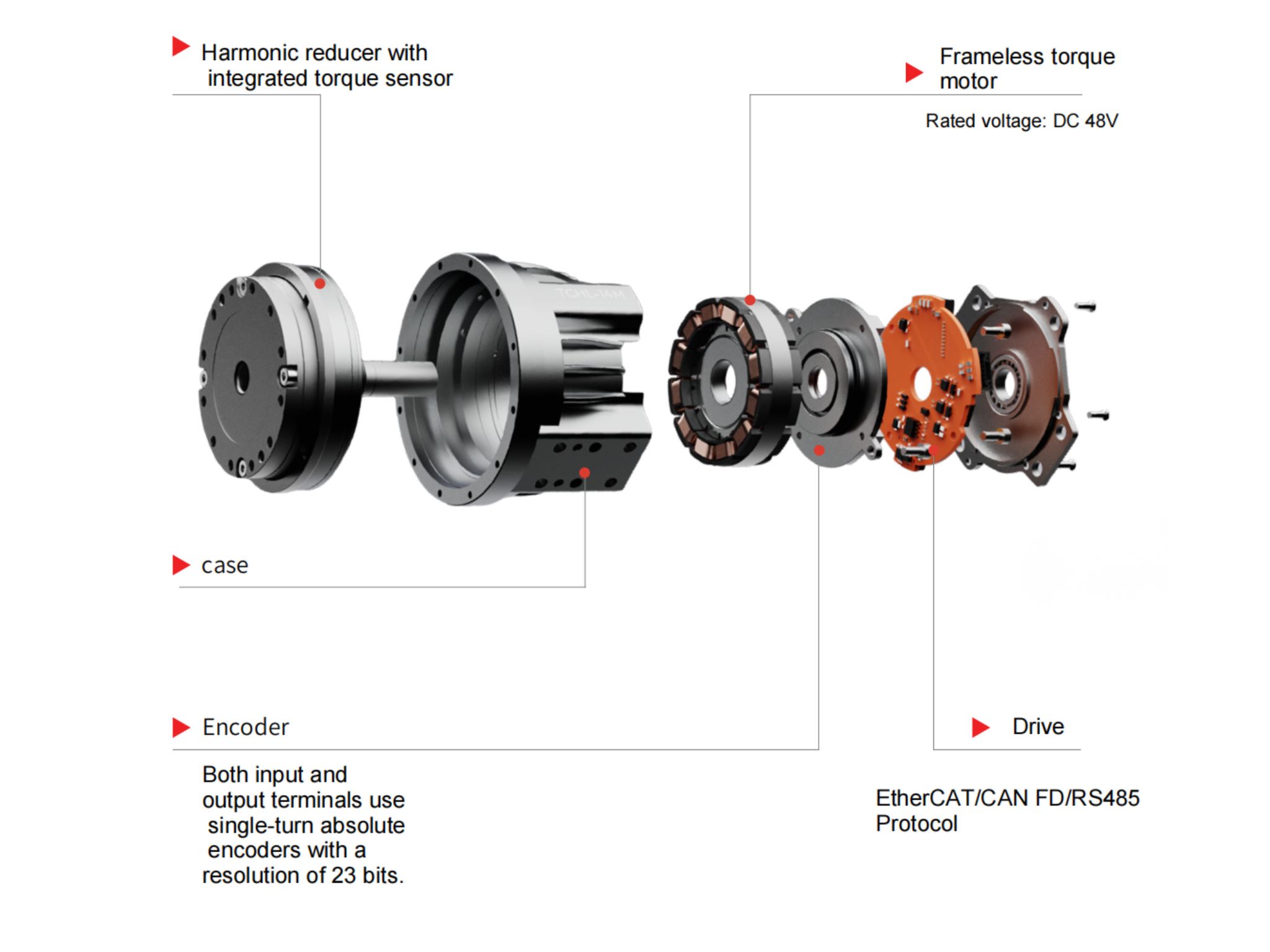
 OMG Ultra Compact Harmonic Drive Joint Module with Built-in Torque SensorHONPINE TCHL series harmonic drive joint module is a game-changing product that achieves disruptive improvements in multiple aspects such as lightweight design, integration level, and connection convenience. This article will analyze its revolutionary enhancements with you.
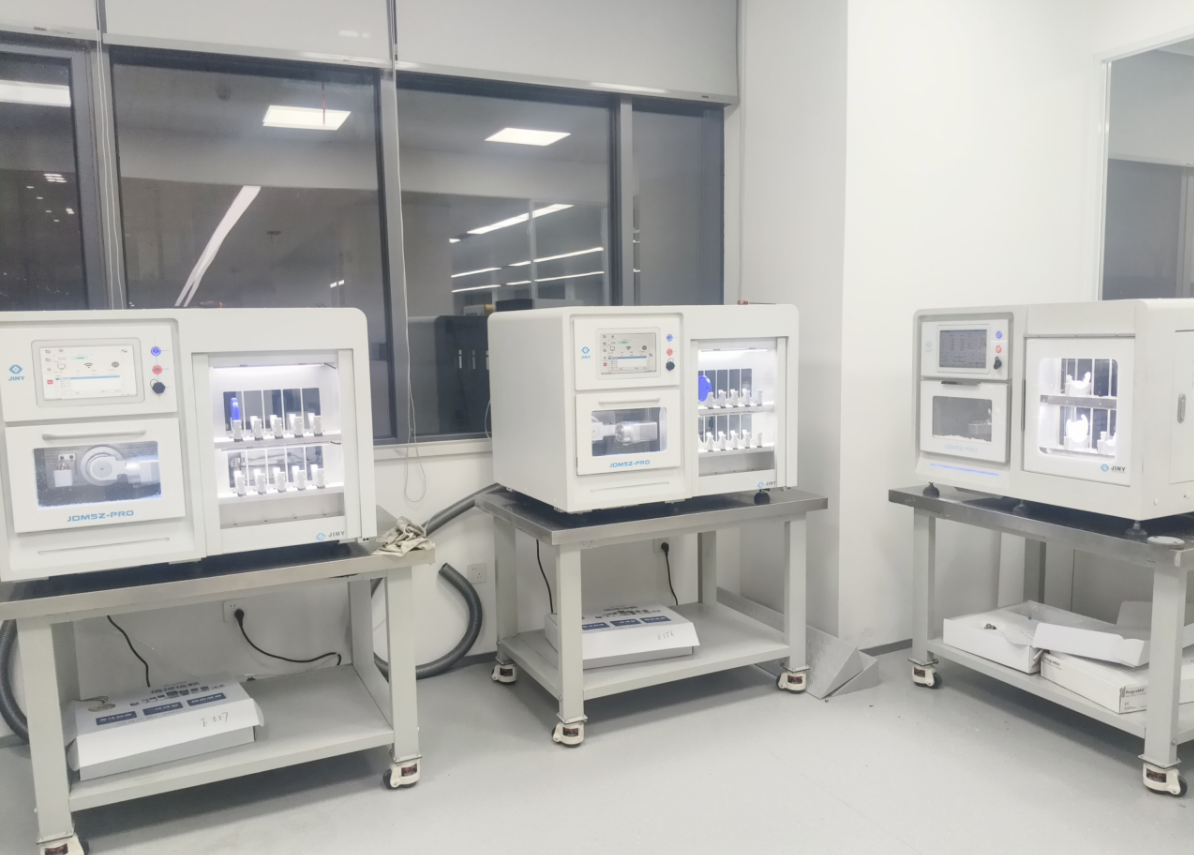
 The Role of Harmonic Drive Gears in Achieving 5–10 μm Accuracy in Dental Milling MachinesA dental milling machine is a CNC machining system used to directly process digital dental models into restorations such as crowns, bridges, veneers, inlays, and implant abutments. Dental milling machines require far higher operational accuracy and motion stability than ordinary equipment. This article explains how harmonic drive gear help dental milling machines achieve stable, continuous, and controllable operation.
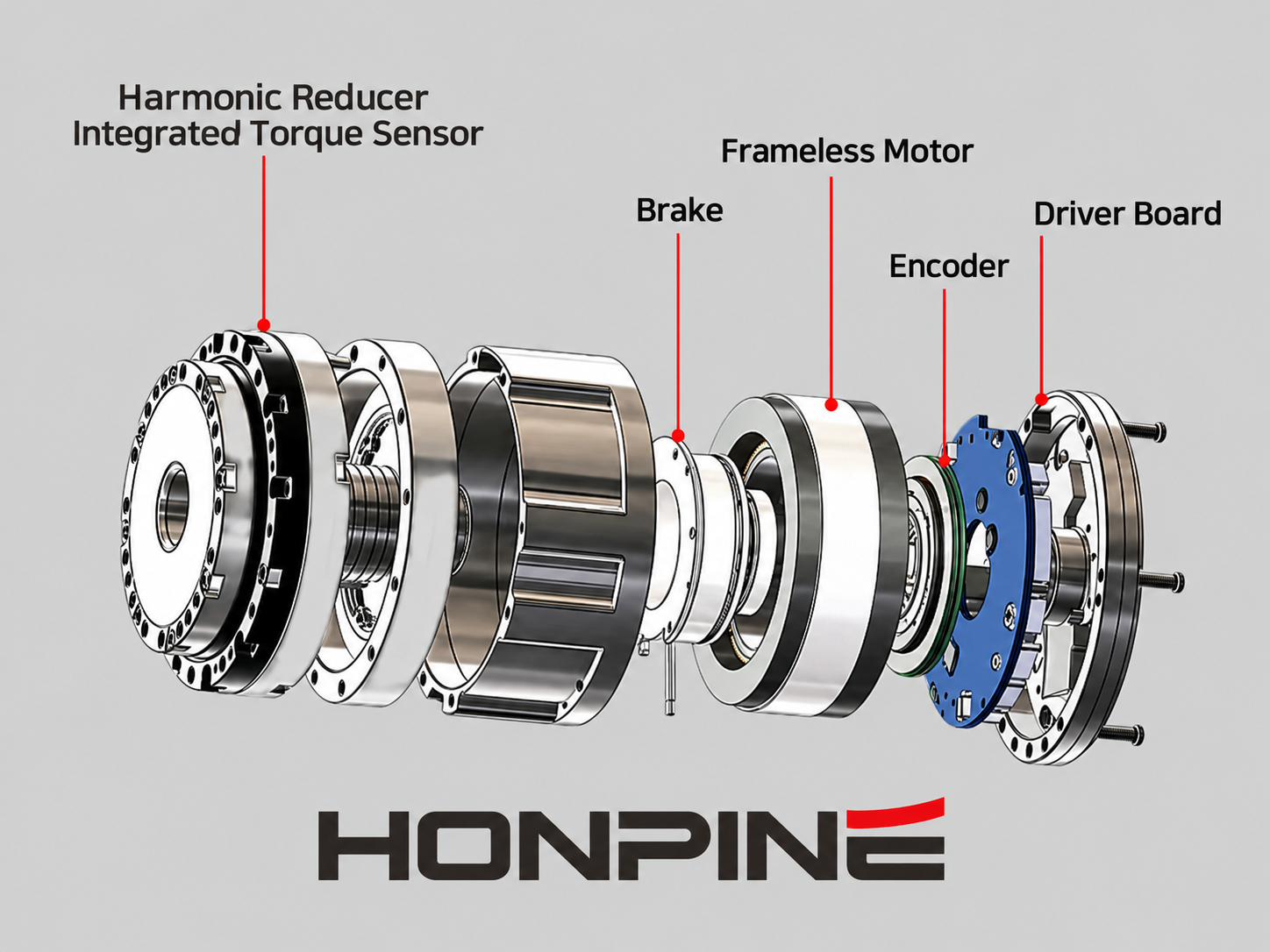
 Why Are Harmonic Rotary Actuators Perfect for Medical Equipment?Harmonic rotary actuators (typically integrated systems consisting of a harmonic drive reducer, frameless torque motor, encoder, and optional brake) are regarded as key components in medical equipment. The core reason is that they simultaneously meet the most stringent medical requirements for precision, compact size, safety, and controllability. The following explanation is structured from three perspectives: technical characteristics, application scenarios, and medical value.
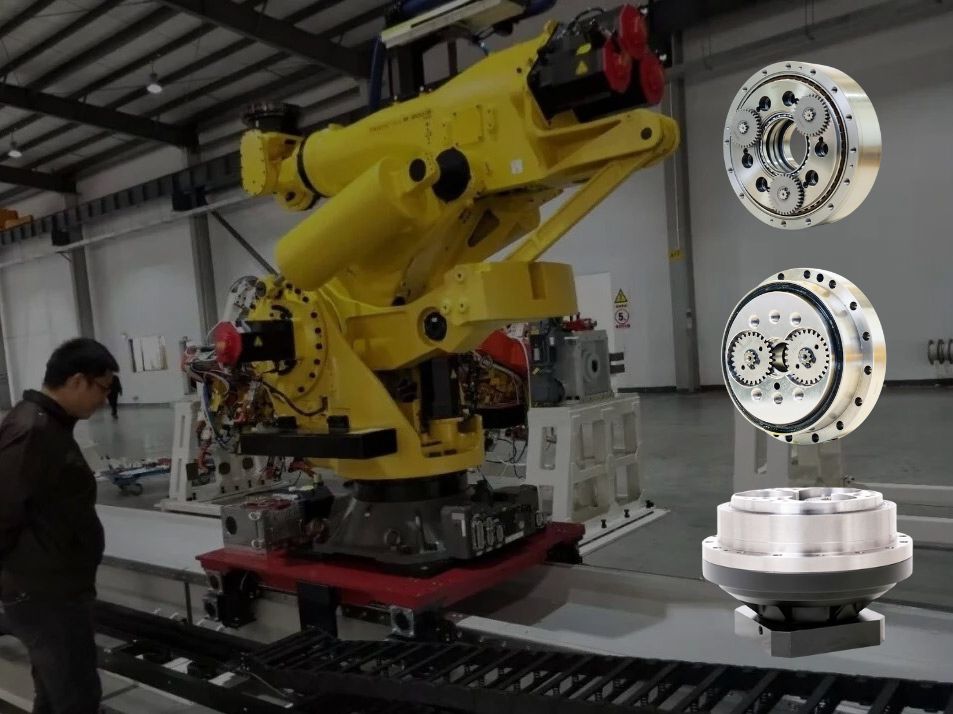
 High-Precision RV Reducers Perfectly Matched for Walking RobotsThe walking axis of a robot is a core component for power transmission and support. RV reducers provide extremely high rigidity, precision, and torque while maintaining a compact size and exceptional reliability, making them an ideal match for the demanding requirements of walking robot joints in terms of load capacity, impact resistance, and precision.
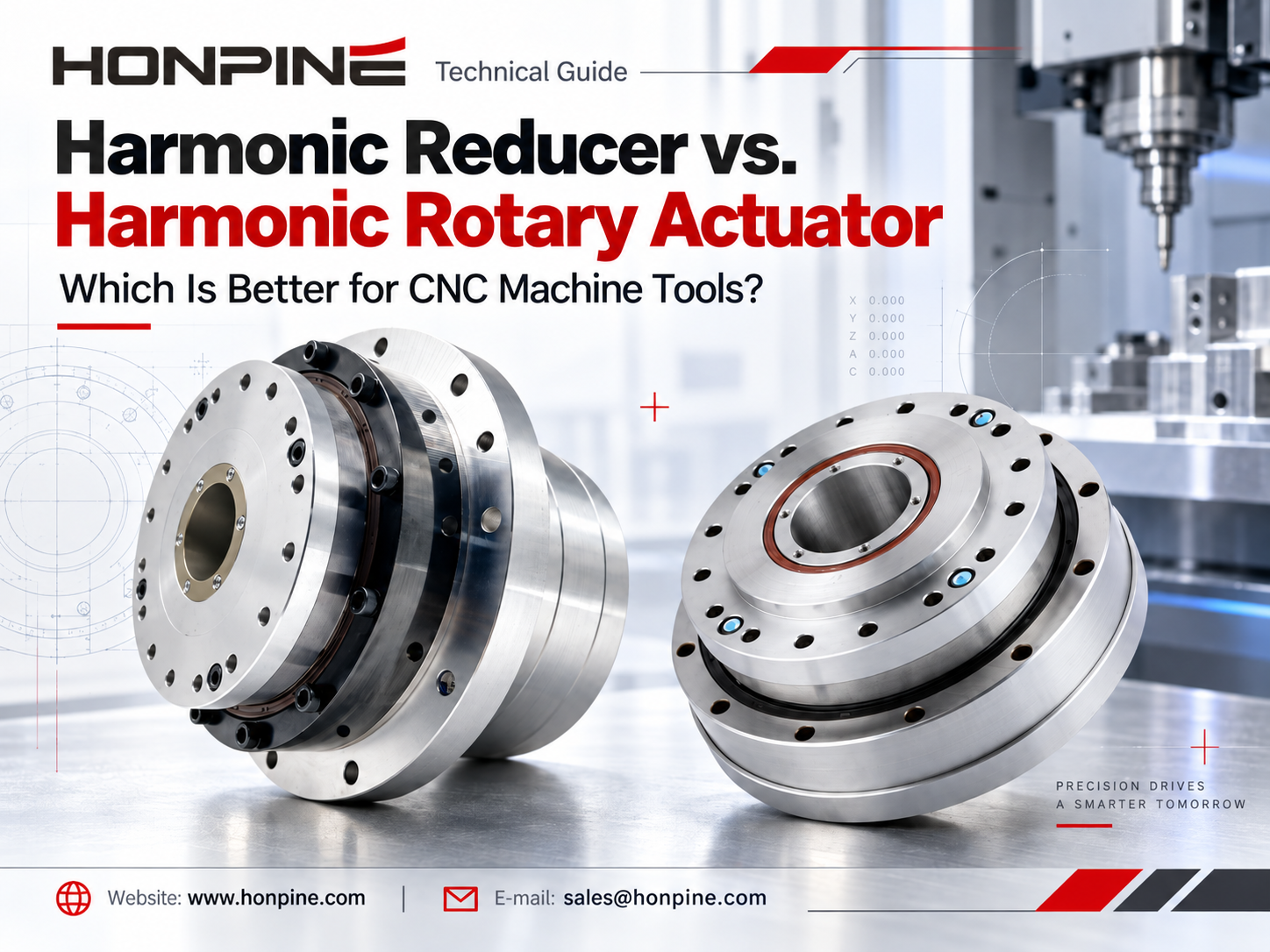
 Harmonic Reducer vs. Harmonic Rotary Actuator: Which Is Better for CNC Machine Tools?Choosing between a harmonic reducer and a harmonic rotary actuator is an important decision in CNC machine tool design. Both solutions offer high-precision motion control, but they differ in integration, installation requirements, rigidity, and system flexibility. For CNC fourth-axis rotary tables and compact five-axis machining systems, selecting the right harmonic drive can significantly influence machine performance. In this article, HONPINE Technical Director Theodore Li compares harmonic reducers and harmonic rotary actuators to help engineers identify the most suitable solution for their CNC applications.
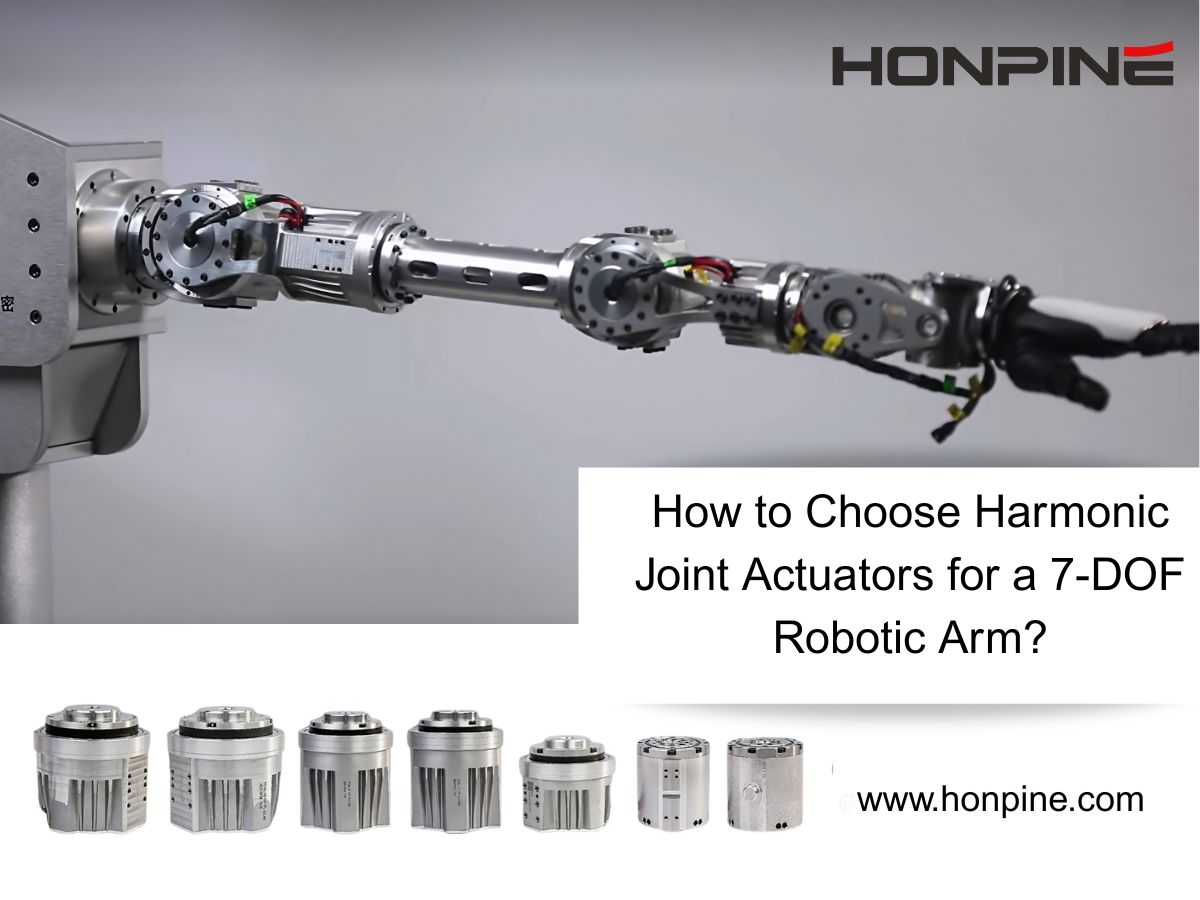
 How to Choose Harmonic Joint Actuators for a 7-DOF Robotic Arm?I'm Theodore Li, Technical Director at HONPINE. Choosing harmonic joint actuators for a 7-DOF robotic arm starts with the torque, weight, and installation needs of each joint. This guide uses a TCHL 20 shoulder and TCHL 14 wrist configuration as an example, then explores torque sensing, compliant control, and HAG Series considerations for demanding robotic applications.
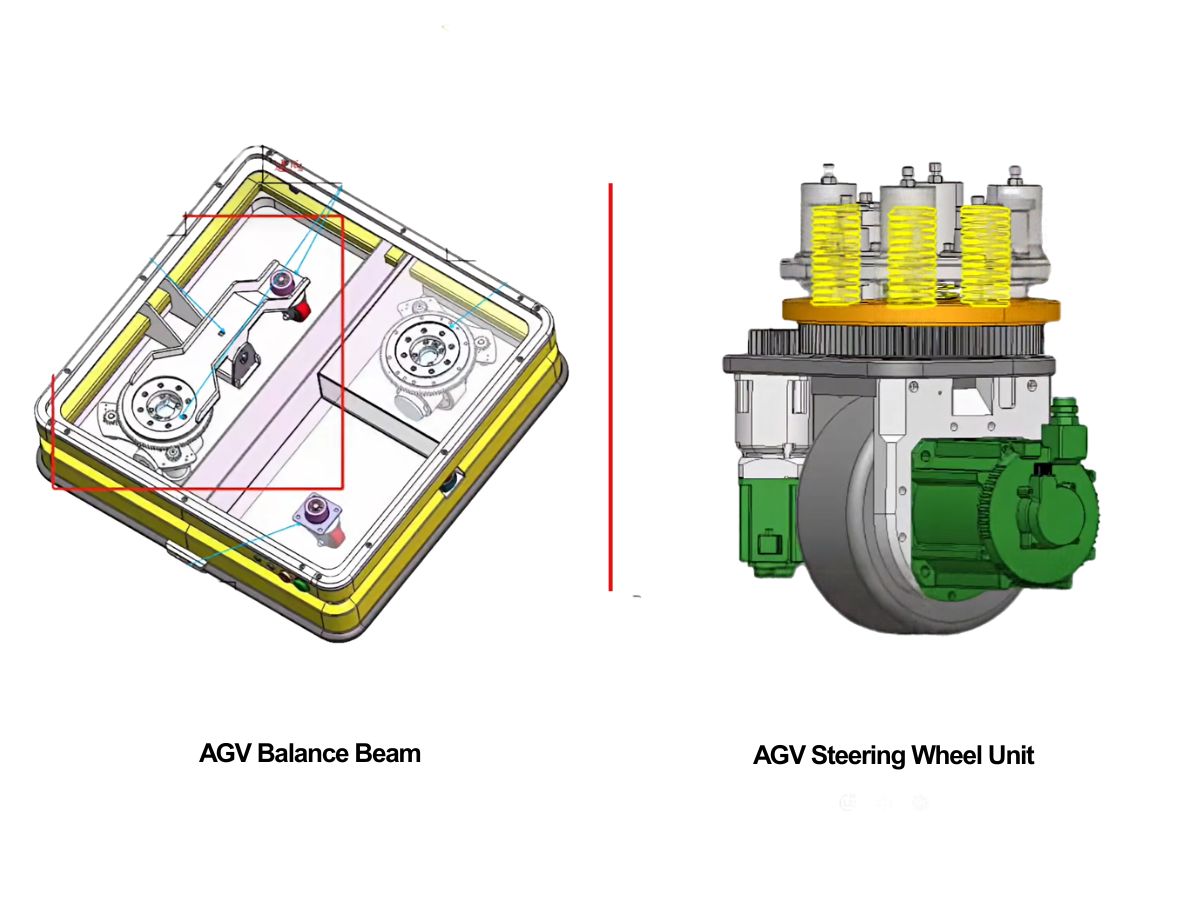
 AGV Suspension: Should You Choose a Balance Beam or a Spring-Loaded Steering Drive Unit?Choosing an AGV suspension system starts with the vehicle’s load range and floor conditions. Balance beams and spring-loaded steering drive units offer different approaches to maintaining wheel contact and managing wheel loads. This HONPINE guide compares both options and explains how to evaluate traction, suspension travel, installation space, and maintenance before choosing a configuration.
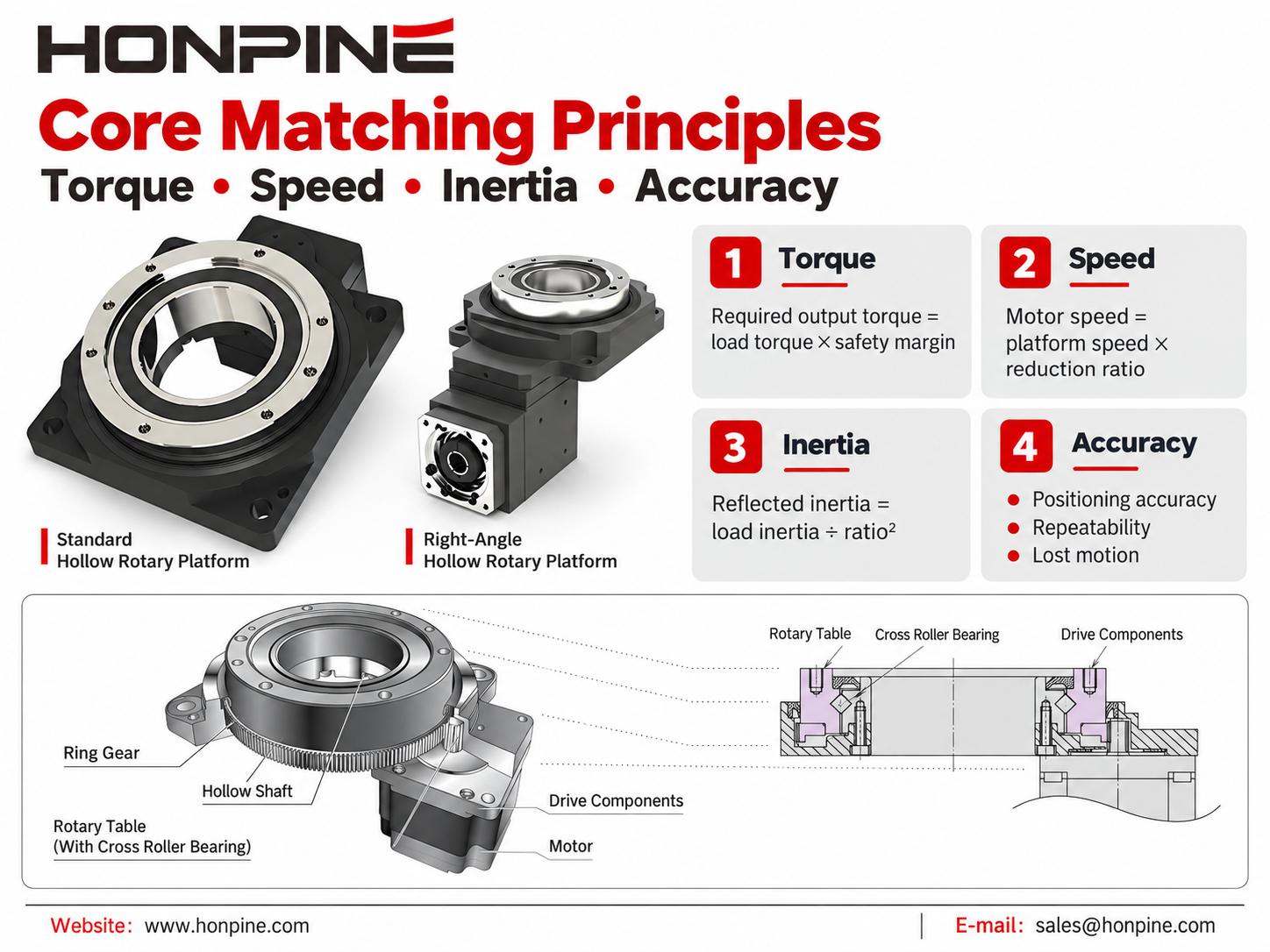
 Hollow Rotary Platform Motor Matching: A Complete GuideSelecting the right motor for a hollow rotary platform is essential for achieving precise positioning, stable operation, and efficient automation. This guide explains how to match servo motors, stepper motors, and brushless DC motors with hollow rotary platforms based on torque, speed, inertia, accuracy, and installation requirements. Explore practical motor selection guidelines, typical application combinations, and space-saving mounting solutions to find the right configuration for your automation project.
 Can Robots Feel Touch? HONPINE HAG Force-Controlled Harmonic Robot Joint MotorsCan robots respond to a gentle touch? The HONPINE HAG robot joint motor with torque sensor combines a harmonic reducer, integrated torque sensing, and closed-loop control to detect external forces and support smooth, compliant motion. In this article, HONPINE founder Allen Li demonstrates the module's response to light contact and hand-guided movement, explains its key force-control technologies, and shares the vision behind joint modules designed for practical industrial robotics.
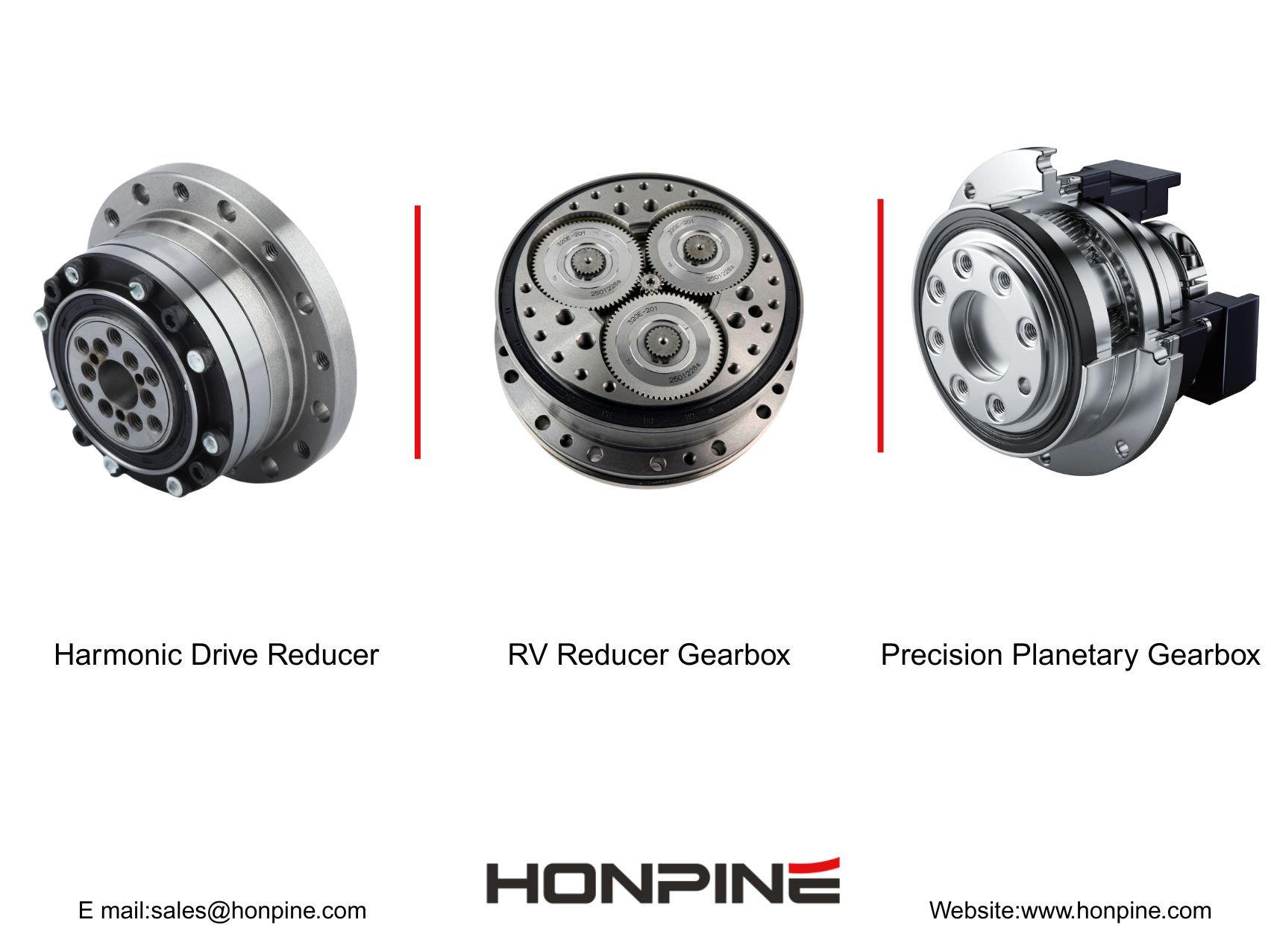
 Does a Higher Gearbox Ratio Mean More Torque? Planetary, Harmonic, and RV Gearboxes ExplainedDoes a higher gearbox ratio mean more torque? This engineering guide explains the relationship between gearbox ratio, output torque, and output speed, and compares planetary gearboxes, harmonic gearboxes, and RV gearboxes. Learn why reduction ratio alone cannot determine gearbox torque capacity, efficiency, dynamic response, precision, or service life, and what engineers should consider when selecting a gearbox for robotics, CNC machines, servo systems, and industrial motion control.
Double Click
We provide harmonic drive reducer,planetary reducer,robot joint motor,robot rotary actuators,RV gear reducer,robot end effector,dexterous robot hand
 What is robot joint actuator?How to Choose the Best Robot Rotary Joint Actuator?In core robot joint transmission solutions, planetary and harmonic rotary actuators each have their own strengths. Choosing the right type based on application requirements is essential to achieve the optimal balance between performance and cost.
 DD Motors VS Harmonic Rotary ActuatorsThis article provides an in-depth comparison between Direct Drive (DD) motors and harmonic rotary actuators, covering their transmission principles, advantages and disadvantages, and typical application fields.
 OMG Ultra Compact Harmonic Drive Joint Module with Built-in Torque SensorHONPINE TCHL series harmonic drive joint module is a game-changing product that achieves disruptive improvements in multiple aspects such as lightweight design, integration level, and connection convenience. This article will analyze its revolutionary enhancements with you.
 The Role of Harmonic Drive Gears in Achieving 5–10 μm Accuracy in Dental Milling MachinesA dental milling machine is a CNC machining system used to directly process digital dental models into restorations such as crowns, bridges, veneers, inlays, and implant abutments. Dental milling machines require far higher operational accuracy and motion stability than ordinary equipment. This article explains how harmonic drive gear help dental milling machines achieve stable, continuous, and controllable operation.
 Why Are Harmonic Rotary Actuators Perfect for Medical Equipment?Harmonic rotary actuators (typically integrated systems consisting of a harmonic drive reducer, frameless torque motor, encoder, and optional brake) are regarded as key components in medical equipment. The core reason is that they simultaneously meet the most stringent medical requirements for precision, compact size, safety, and controllability. The following explanation is structured from three perspectives: technical characteristics, application scenarios, and medical value.
 High-Precision RV Reducers Perfectly Matched for Walking RobotsThe walking axis of a robot is a core component for power transmission and support. RV reducers provide extremely high rigidity, precision, and torque while maintaining a compact size and exceptional reliability, making them an ideal match for the demanding requirements of walking robot joints in terms of load capacity, impact resistance, and precision.
 Harmonic Reducer vs. Harmonic Rotary Actuator: Which Is Better for CNC Machine Tools?Choosing between a harmonic reducer and a harmonic rotary actuator is an important decision in CNC machine tool design. Both solutions offer high-precision motion control, but they differ in integration, installation requirements, rigidity, and system flexibility. For CNC fourth-axis rotary tables and compact five-axis machining systems, selecting the right harmonic drive can significantly influence machine performance. In this article, HONPINE Technical Director Theodore Li compares harmonic reducers and harmonic rotary actuators to help engineers identify the most suitable solution for their CNC applications.
 How to Choose Harmonic Joint Actuators for a 7-DOF Robotic Arm?I'm Theodore Li, Technical Director at HONPINE. Choosing harmonic joint actuators for a 7-DOF robotic arm starts with the torque, weight, and installation needs of each joint. This guide uses a TCHL 20 shoulder and TCHL 14 wrist configuration as an example, then explores torque sensing, compliant control, and HAG Series considerations for demanding robotic applications.
 AGV Suspension: Should You Choose a Balance Beam or a Spring-Loaded Steering Drive Unit?Choosing an AGV suspension system starts with the vehicle’s load range and floor conditions. Balance beams and spring-loaded steering drive units offer different approaches to maintaining wheel contact and managing wheel loads. This HONPINE guide compares both options and explains how to evaluate traction, suspension travel, installation space, and maintenance before choosing a configuration.
 Hollow Rotary Platform Motor Matching: A Complete GuideSelecting the right motor for a hollow rotary platform is essential for achieving precise positioning, stable operation, and efficient automation. This guide explains how to match servo motors, stepper motors, and brushless DC motors with hollow rotary platforms based on torque, speed, inertia, accuracy, and installation requirements. Explore practical motor selection guidelines, typical application combinations, and space-saving mounting solutions to find the right configuration for your automation project.
 Can Robots Feel Touch? HONPINE HAG Force-Controlled Harmonic Robot Joint MotorsCan robots respond to a gentle touch? The HONPINE HAG robot joint motor with torque sensor combines a harmonic reducer, integrated torque sensing, and closed-loop control to detect external forces and support smooth, compliant motion. In this article, HONPINE founder Allen Li demonstrates the module's response to light contact and hand-guided movement, explains its key force-control technologies, and shares the vision behind joint modules designed for practical industrial robotics.
 Does a Higher Gearbox Ratio Mean More Torque? Planetary, Harmonic, and RV Gearboxes ExplainedDoes a higher gearbox ratio mean more torque? This engineering guide explains the relationship between gearbox ratio, output torque, and output speed, and compares planetary gearboxes, harmonic gearboxes, and RV gearboxes. Learn why reduction ratio alone cannot determine gearbox torque capacity, efficiency, dynamic response, precision, or service life, and what engineers should consider when selecting a gearbox for robotics, CNC machines, servo systems, and industrial motion control.