








How to Improve Harmonic Drive Efficiency in Precision Motion Systems?
Introduction
Harmonic drive technologyis widely used in robotic joints, CNC rotary axes, semiconductor equipment, medical devices, precision positioning systems, and industrial automation because it combines a high reduction ratio, low backlash, compact dimensions, high torque density, and accurate motion transmission. However, when engineers evaluate a harmonic drive for a precision motion system, transmission efficiency should not be considered as an isolated specification. The actual efficiency of the system depends on how the harmonic drive interacts with the motor, load, reduction ratio, operating speed, lubrication, thermal conditions, and motion profile.
This distinction becomes increasingly important as automation equipment moves toward higher dynamic performance and more compact mechanical architectures. A harmonic drive with a suitable efficiency specification may still produce poor overall system performance if the motor is incorrectly sized, the reduction ratio is not matched to the required output speed, or the actuator operates continuously under conditions that generate excessive heat. Conversely, a properly matched harmonic drive and motor combination can provide stable torque transmission while allowing the complete motion system to operate within a more favorable efficiency range.
For this reason, improving Harmonic Drive Efficiency should not be treated simply as a gearbox optimization problem. It is better understood as a system-level engineering problem involving mechanical transmission, motor performance, control strategy, thermal management, and the actual duty cycle of the machine.
What Actually Determines Harmonic Drive Efficiency?
The efficiency of a harmonic drive is influenced by the way mechanical power passes through the transmission. Unlike a simple rigid gear train, a harmonic drive relies on the controlled elastic deformation of its transmission elements and continuous engagement between the main gear components. Friction, deformation, bearing losses, lubrication resistance, and other mechanical effects consume part of the input energy before it reaches the output.
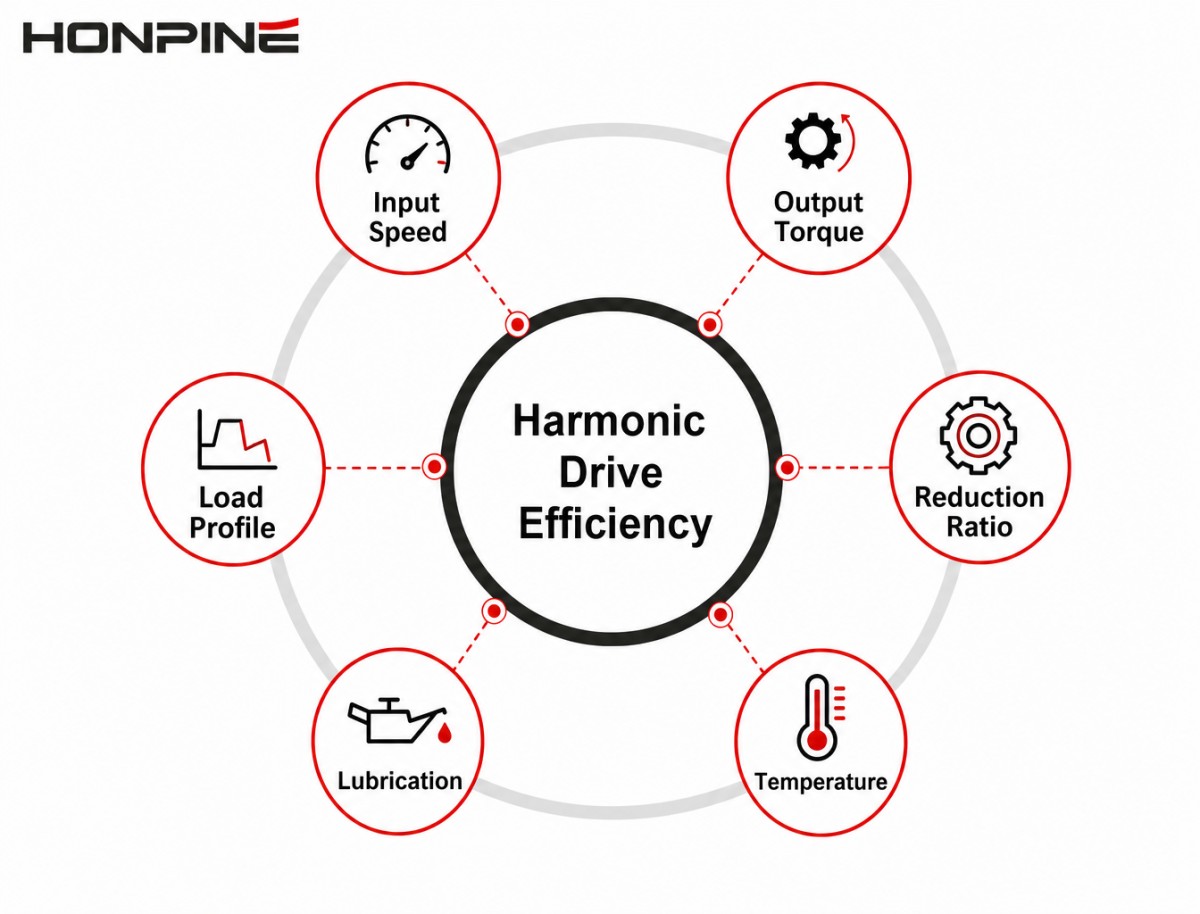
This means that the efficiency observed in an actual application can change according to operating conditions. Input speed, output torque, reduction ratio, temperature, lubrication condition, and load profile all influence the transmission behavior. Therefore, engineers should be careful when comparing harmonic drive efficiency figures from different products or operating conditions. A value measured under one speed and load condition does not necessarily represent the efficiency that will be achieved in a real robot joint or industrial machine.
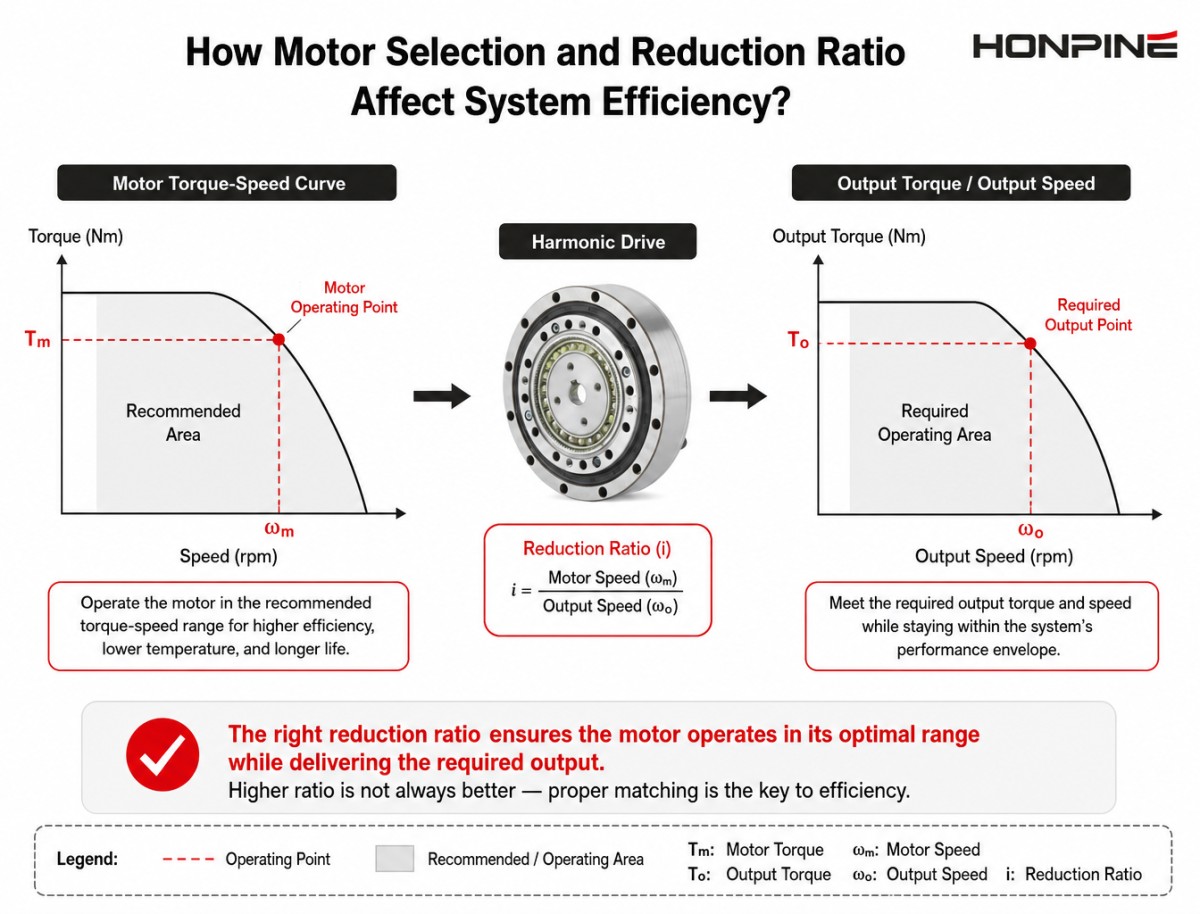
Reduction ratio is particularly important because it determines the relationship between motor speed and output speed. A high reduction ratio allows a relatively small motor to generate high output torque, which is one of the reasons harmonic drives are so useful in robotic joints. However, choosing an excessively high reduction ratio may force the motor to operate at a higher input speed than necessary when the application requires relatively high output speed. On the other hand, selecting a reduction ratio that is too low may require a larger motor to achieve the required output torque. The most suitable ratio is therefore the one that allows the motor and harmonic drive to operate within an appropriate torque-speed range while satisfying the application's dynamic requirements.
Load and operating speed must also be evaluated together. A harmonic drive operating continuously at high speed and high load can generate considerably more heat than one operating intermittently at moderate speed. If the resulting temperature becomes excessive, lubricant behavior, bearing performance, motor temperature, and long-term reliability may all be affected. Consequently, the efficiency of a harmonic drive should always be evaluated under the actual operating conditions of the machine rather than only according to a nominal specification.
How Motor Selection and Reduction Ratio Affect System Efficiency?
One of the most important factors in improving harmonic drive efficiency is the relationship between the motor and the reducer. A harmonic drive does not generate power by itself; it transforms the torque and speed supplied by the motor into the required output motion. If the motor is poorly matched to the reduction ratio, the system may consume unnecessary energy even when the harmonic drive itself is functioning correctly.
Consider a robotic joint that requires high output torque but relatively low output speed. A suitable reduction ratio can allow the motor to operate at a higher speed where it can generate the required torque efficiently, while the harmonic drive converts this input into lower-speed, higher-torque output motion. If the ratio is selected without considering the motor's torque-speed characteristics, the motor may spend much of its operating time near a less favorable region of its performance curve.
The same principle applies to acceleration and deceleration. A heavy robotic arm or rotary table may require significantly more torque during acceleration than during steady-state rotation. If the motor and harmonic drive are selected only according to continuous torque, the actuator may become thermally overloaded during repeated acceleration cycles even though the average load appears acceptable.
For this reason, engineers should evaluate the complete relationship between motor torque, motor speed, reduction ratio, output torque, output speed, load inertia, acceleration, and duty cycle. This approach provides a much more realistic basis for improving system efficiency than comparing gearbox efficiency percentages alone.
Why Load Inertia Matters When Optimizing Harmonic Drive Efficiency?
Load inertia is another factor that can significantly influence the actual energy consumption of a precision motion system.
A large workpiece, rotary table, robotic arm, or positioning fixture may require relatively little torque once it is rotating at a constant speed, but substantially more torque when accelerating or decelerating. The additional torque required to change the rotational state of the load is directly related to its inertia and the required angular acceleration.
This is particularly relevant to CNC rotary tables and robot joints. A heavy workpiece may need to rotate through several angular positions during a machining cycle. If the mechanism repeatedly accelerates, stops, and reverses direction, the motor must continuously overcome the dynamic effects of the load inertia.
Therefore, a harmonic drive should not be selected only according to the maximum static load. Engineers should analyze the complete motion profile, including acceleration time, deceleration time, positioning frequency, peak torque, continuous torque, and the inertia ratio between the motor and the load.
A properly matched system can reduce unnecessary motor loading and avoid excessive thermal stress. In applications with highly dynamic motion, this can have a greater influence on practical system efficiency than focusing on the gearbox efficiency value alone.
Why Thermal Management Is Critical to Harmonic Drive Efficiency?
Mechanical efficiency and thermal performance are closely connected.
Every transmission produces some degree of mechanical loss, and the energy associated with these losses is ultimately converted into heat. At the same time, the motor and drive electronics generate their own heat. When the machine operates continuously, these heat sources accumulate and must be transferred through the actuator housing and surrounding machine structure.
For a precision motion system operating several hours per day, this may be manageable. However, for industrial equipment operating continuously or close to a 24/7 duty cycle, thermal management becomes much more important.
Excessive temperature can affect lubricant properties, bearing performance, motor winding temperature, encoder stability, and the long-term reliability of the complete actuator. In addition, changes in temperature can influence mechanical clearances and the behavior of precision transmission components.
Therefore, improving Harmonic Drive Efficiency should also involve evaluating the complete thermal path from the motor and harmonic transmission through the actuator housing and into the surrounding machine structure.
An efficient motion system is not simply one that has low mechanical losses under laboratory conditions. It should also maintain stable performance under the actual thermal conditions of continuous industrial operation.
Why Integrated Harmonic Actuators Change the Efficiency Discussion?
At this point, it is important to distinguish between harmonic drive efficiency and overall actuator efficiency.
A conventional robotic joint may consist of a servo motor, harmonic reducer, encoder, coupling, brake, drive, housing, and several electrical and mechanical interfaces. Each component has its own design requirements, and the final system must accommodate all of them.
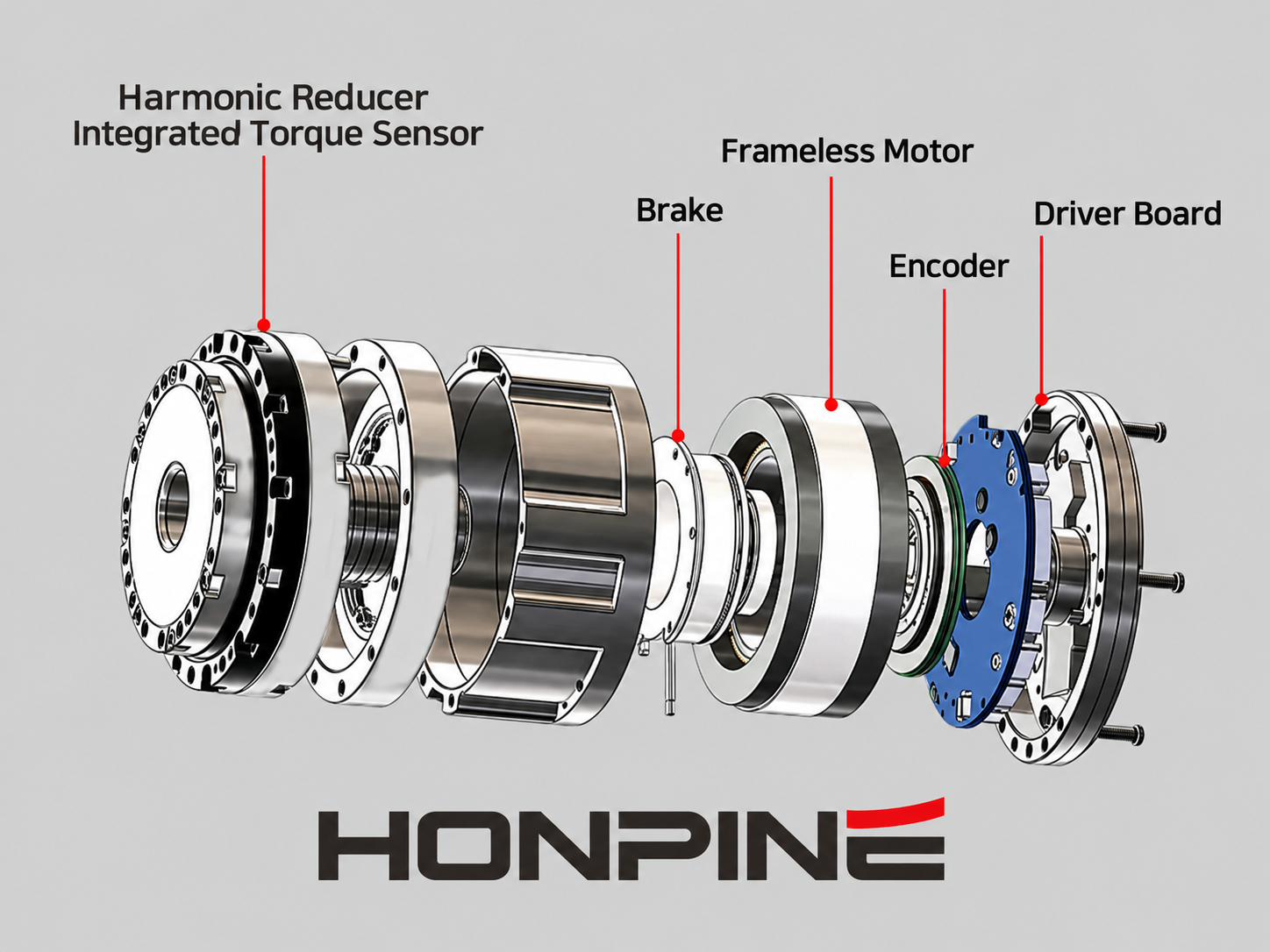
An integrated Harmonic Actuator takes a different approach by combining several of these components into a single motion unit. Depending on the actuator architecture, the motor, harmonic transmission, encoder, brake, and drive electronics can be integrated into a compact housing.
The purpose of this integration is not to claim that the harmonic transmission itself suddenly becomes loss-free. The mechanical losses inherent in harmonic transmission still exist. Instead, the advantage is that the complete actuator can be designed and matched as a unified system.
This can reduce unnecessary mechanical interfaces, simplify installation, shorten the external transmission chain, reduce wiring complexity, and allow the motor and harmonic transmission to be selected as a matched combination. For robotic applications, reducing actuator size and weight can also reduce the inertia and dynamic load of the overall robot.
This is why a Harmonic Actuator should be evaluated from a broader perspective than the transmission efficiency of the harmonic drive alone.
How Harmonic Actuator Integration Can Improve System-Level Efficiency?
The integration of a motor and harmonic drive can influence efficiency in several ways.
First, it reduces the number of external mechanical connections. A traditional arrangement may require a motor, coupling, reducer, additional shaft components, and supporting mechanical structures. Each additional interface increases the complexity of assembly and may introduce alignment requirements, friction, or mechanical compliance.
An integrated harmonic actuator can combine these functions into a single structural unit. This does not eliminate all mechanical losses, but it can reduce the number of components that must be considered when optimizing the motion architecture.
Second, integration makes motor-reducer matching more important and potentially more effective. Instead of selecting a motor and gearbox independently, the actuator can be designed around the actual output torque, speed, inertia, and duty cycle required by the application.
Third, encoder integration can improve the feedback architecture. For high-precision motion applications, motor-side and output-side feedback provide different information. An output-side absolute encoder can measure the actual position of the actuator output, allowing the control system to compensate more effectively for motion errors within the complete transmission system.
These advantages demonstrate why system-level efficiency should not be reduced to a single gearbox efficiency number. In many robotic applications, the efficiency of the complete actuator depends on mechanical integration, motor operating conditions, control performance, thermal behavior, and load characteristics.
Why Actuator Weight Can Also Influence Robot Energy Consumption?
The relationship between actuator efficiency and robot energy consumption becomes even more interesting in humanoid robots and other multi-axis robotic systems.
A robot joint is itself part of a moving mechanism. When the mass of an actuator is reduced, the robot may need less torque to accelerate the joint and the components attached to it. The effect can also propagate to neighboring joints because each joint contributes to the overall mass and inertia of the robot.
This creates a system-level relationship:
Lower actuator mass → Lower moving inertia → Lower dynamic torque requirement → Potentially lower energy consumption
This does not mean that a lighter actuator is automatically more energy efficient. A lightweight actuator still needs sufficient torque, stiffness, thermal capacity, and reliability for the application.
However, when designing humanoid robots, collaborative robots, and other lightweight robotic platforms, actuator mass becomes an important part of the overall energy equation.
This is one reason integrated Harmonic Actuators are increasingly relevant to robotic joint design. The objective is not simply to make the harmonic gearbox smaller. The goal is to integrate the complete joint drive system while maintaining the required torque density, positioning accuracy, stiffness, dynamic response, and thermal performance.
Harmonic Drive Efficiency in CNC and Precision Automation
CNC rotary tables and precision automation equipment have somewhat different requirements from mobile robots.
In CNC applications, the rotating load may be extremely heavy, and the axis may need to resist external machining forces while maintaining accurate angular positioning. In this situation, efficiency must be considered together with torsional stiffness, positioning accuracy, repeatability, load capacity, and thermal stability.
A harmonic drive with excellent transmission efficiency may not be the best solution if its mechanical characteristics do not meet the required machining conditions.
The same principle applies to semiconductor and optical equipment. These systems may use relatively small loads but require extremely precise angular positioning and smooth low-speed movement. Mechanical friction, thermal drift, encoder feedback, and transmission compliance can become more important than simply maximizing power efficiency.
Therefore, the correct approach is to determine which performance parameters are most critical to the application and then optimize the complete motion architecture accordingly.
Can Higher Harmonic Drive Efficiency Reduce Motor Size?
A higher transmission efficiency can potentially reduce the input power required to achieve a particular output condition, but it does not automatically mean that a smaller motor can be selected.
Motor sizing still depends on continuous torque, peak torque, acceleration torque, maximum speed, thermal limits, load inertia, and duty cycle.
For example, a robot joint may require a high peak torque for rapid acceleration even though its average torque is relatively low. In this situation, the motor must still provide the required peak performance regardless of the gearbox's nominal efficiency.
The correct approach is therefore to calculate the complete torque-speed profile of the application and then determine the appropriate motor, harmonic drive ratio, and actuator configuration.
This is another reason why integrated Harmonic Actuator solutions can be useful. Instead of treating the motor and gearbox as independent components, the actuator can be evaluated as a complete motion unit according to the actual requirements of the robot or automation system.
How to Select a Harmonic Actuator for Better System Performance?
Selecting a Harmonic Actuator should begin with the application's motion requirements rather than with a catalog specification.
The first consideration is the required output torque and speed. Continuous torque determines the actuator's ability to operate under normal conditions, while peak torque determines its ability to handle acceleration, deceleration, transient loads, and external disturbances.
The next consideration is load inertia. A high-inertia load may require substantially greater peak torque during acceleration, even when the continuous torque requirement remains relatively moderate.
Positioning accuracy and repeatability must then be considered together with backlash and torsional stiffness. In applications involving frequent direction changes, transmission characteristics can have a significant influence on actual positioning performance.
The actuator's operating cycle is equally important. An actuator used intermittently in a laboratory mechanism has very different thermal requirements from one operating continuously on an industrial production line.
Finally, engineers should consider mechanical integration. If the application requires compact installation, integrated drive electronics, absolute encoder feedback, brake functions, or hollow-shaft cable routing, these requirements should be included in the actuator selection process from the beginning.
This application-based approach is more reliable than selecting an actuator based on torque alone.
How HONPINE Approaches Harmonic Actuator Design?
For HONPINE, the development of a Harmonic Actuator is not simply a matter of combining a motor with a harmonic reducer.
The actuator needs to function as a complete motion-control unit. Its motor, harmonic transmission, encoder configuration, mechanical structure, drive electronics, and communication interface must work together according to the actual requirements of the application.
Different applications can require very different actuator characteristics. A humanoid robot joint may prioritize torque density, low weight, compact dimensions, and dynamic response. A CNC rotary axis may place greater emphasis on stiffness, positioning accuracy, thermal stability, and continuous operation. A semiconductor or medical device may require compact integration, smooth motion, precise feedback, and controlled mechanical behavior.
Therefore, the appropriate actuator configuration should be determined by the relationship between torque, speed, load inertia, reduction ratio, duty cycle, positioning accuracy, installation space, and control requirements.
This is also why a Harmonic Actuator should not be evaluated only according to one parameter such as harmonic drive efficiency. The more important question is whether the complete actuator architecture is optimized for the actual machine.
From Harmonic Drive Efficiency to Complete Motion-System Optimization
The most effective way to improve motion-system efficiency is to stop treating the gearbox as an isolated component.
A harmonic drive is part of a larger system that includes the motor, encoder, drive, bearings, load, mechanical structure, and control strategy. Improving one component while ignoring the others may produce limited results.
For some applications, a conventional motor plus harmonic reducer may remain the most appropriate architecture. For others, an integrated Harmonic Actuator can simplify the mechanical structure and provide a better balance between torque density, weight, positioning performance, control integration, and installation efficiency.
The right solution depends on the machine.
For engineers developing robotic joints, CNC rotary axes, semiconductor equipment, medical equipment, and precision automation systems, the objective should therefore be to optimize the complete motion architecture rather than chasing the highest individual efficiency number.
Conclusion
Improving Harmonic Drive Efficiency requires more than selecting a gearbox with a higher efficiency specification. Actual system performance depends on the relationship between reduction ratio, motor operating point, output torque, speed, load inertia, lubrication, thermal conditions, and duty cycle.
Correct motor and harmonic drive matching is one of the most important factors. A properly selected reduction ratio can allow the motor to operate within a more suitable torque-speed range, while correct consideration of load inertia and operating cycles can prevent unnecessary peak loading and thermal stress.
At the same time, the development of integrated Harmonic Actuators provides another way to approach motion-system optimization. By integrating the harmonic transmission with the motor, encoder, drive electronics, and other components, an actuator can reduce mechanical complexity and provide a more coordinated solution for compact robotic and automation systems.
The key distinction is that Harmonic Drive Efficiency describes the efficiency of the transmission, while actuator or system efficiency describes how effectively the entire motion architecture converts electrical input into useful mechanical motion.
For equipment manufacturers, this broader perspective makes it possible to select a motion solution based not only on gearbox efficiency, but also on torque density, positioning accuracy, stiffness, dynamic response, thermal performance, weight, integration requirements, and long-term reliability.
That is where application-specific Harmonic Actuator design becomes valuable: the goal is not simply to achieve a high efficiency number, but to create a motion system that performs efficiently and reliably under the actual conditions of the machine.
Read More
Learn more about the story of HONPINE and industry trends related to precision transmission.
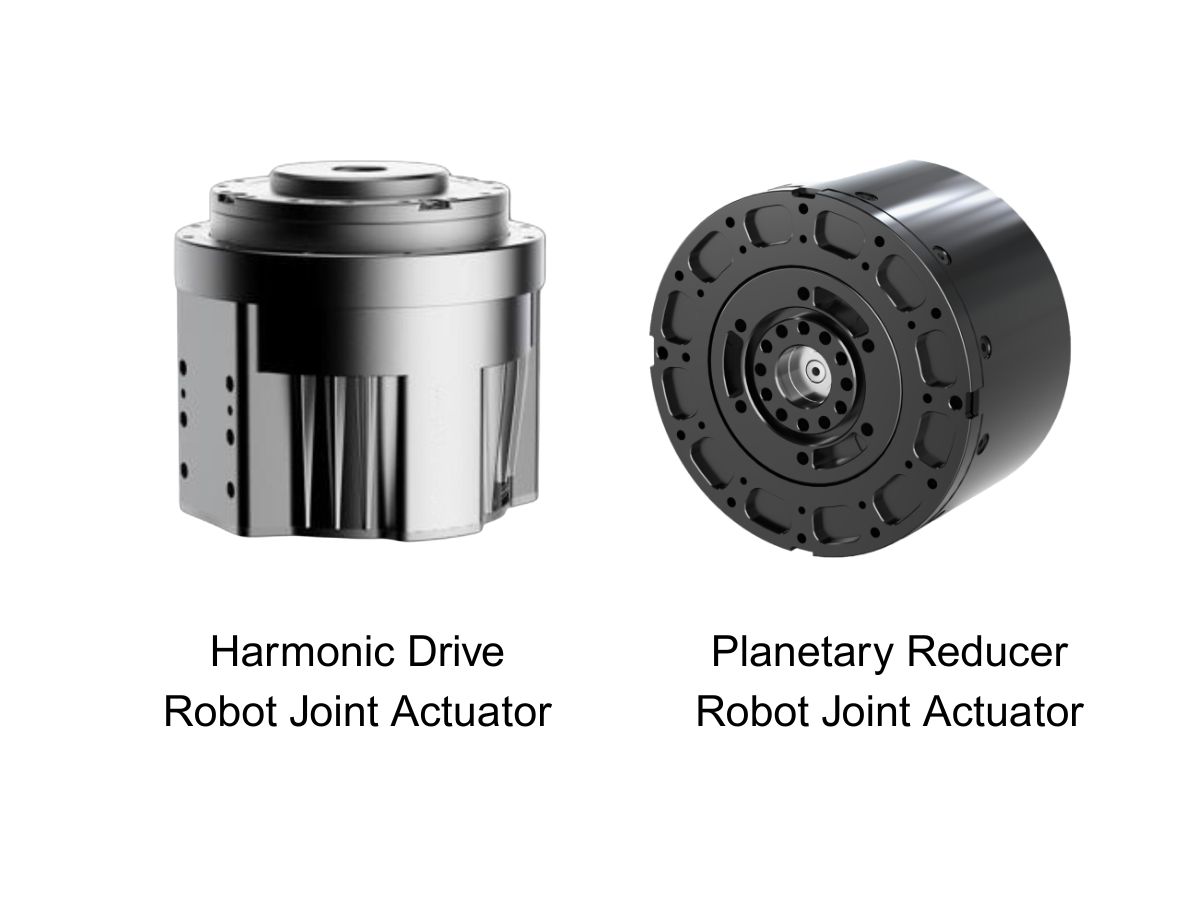
 What is robot joint actuator?How to Choose the Best Robot Rotary Joint Actuator?In core robot joint transmission solutions, planetary and harmonic rotary actuators each have their own strengths. Choosing the right type based on application requirements is essential to achieve the optimal balance between performance and cost.
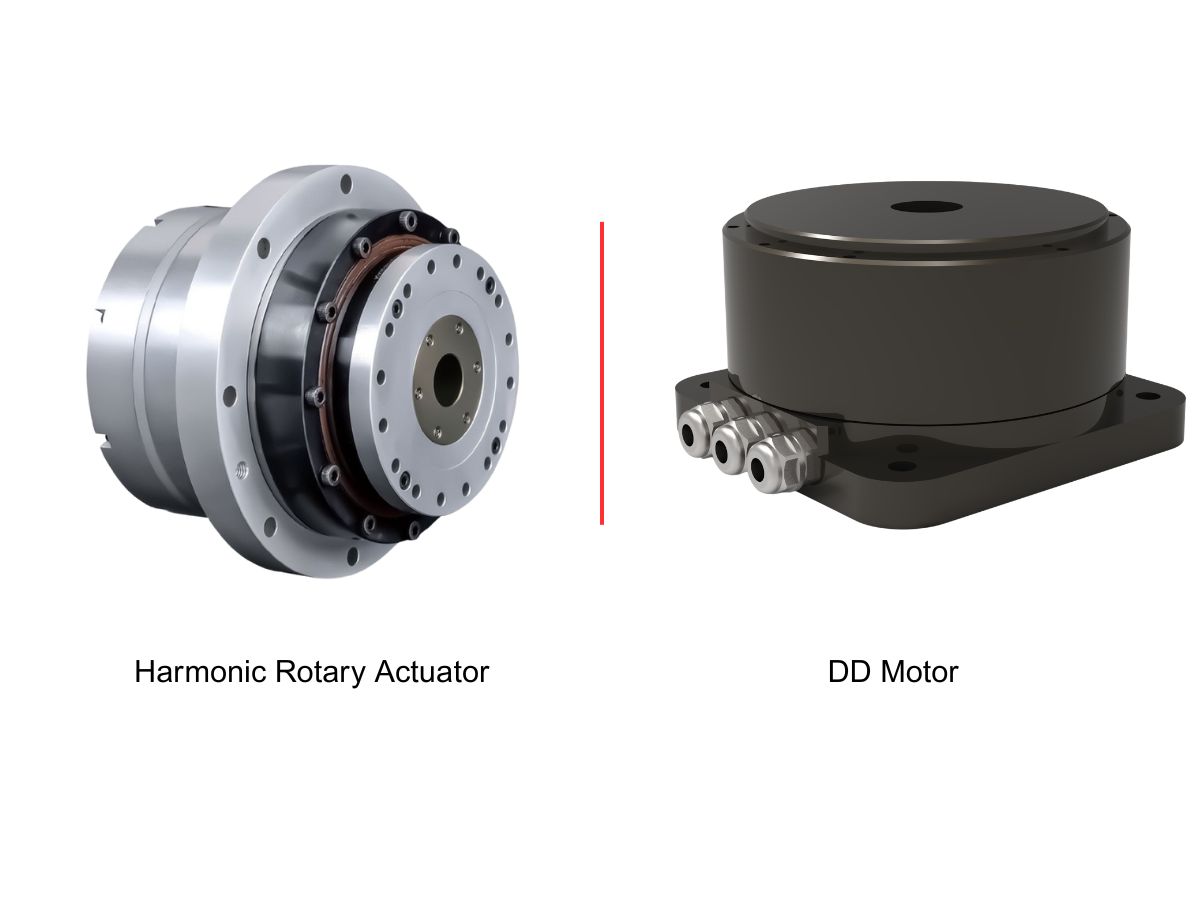
 DD Motors VS Harmonic Rotary ActuatorsThis article provides an in-depth comparison between Direct Drive (DD) motors and harmonic rotary actuators, covering their transmission principles, advantages and disadvantages, and typical application fields.
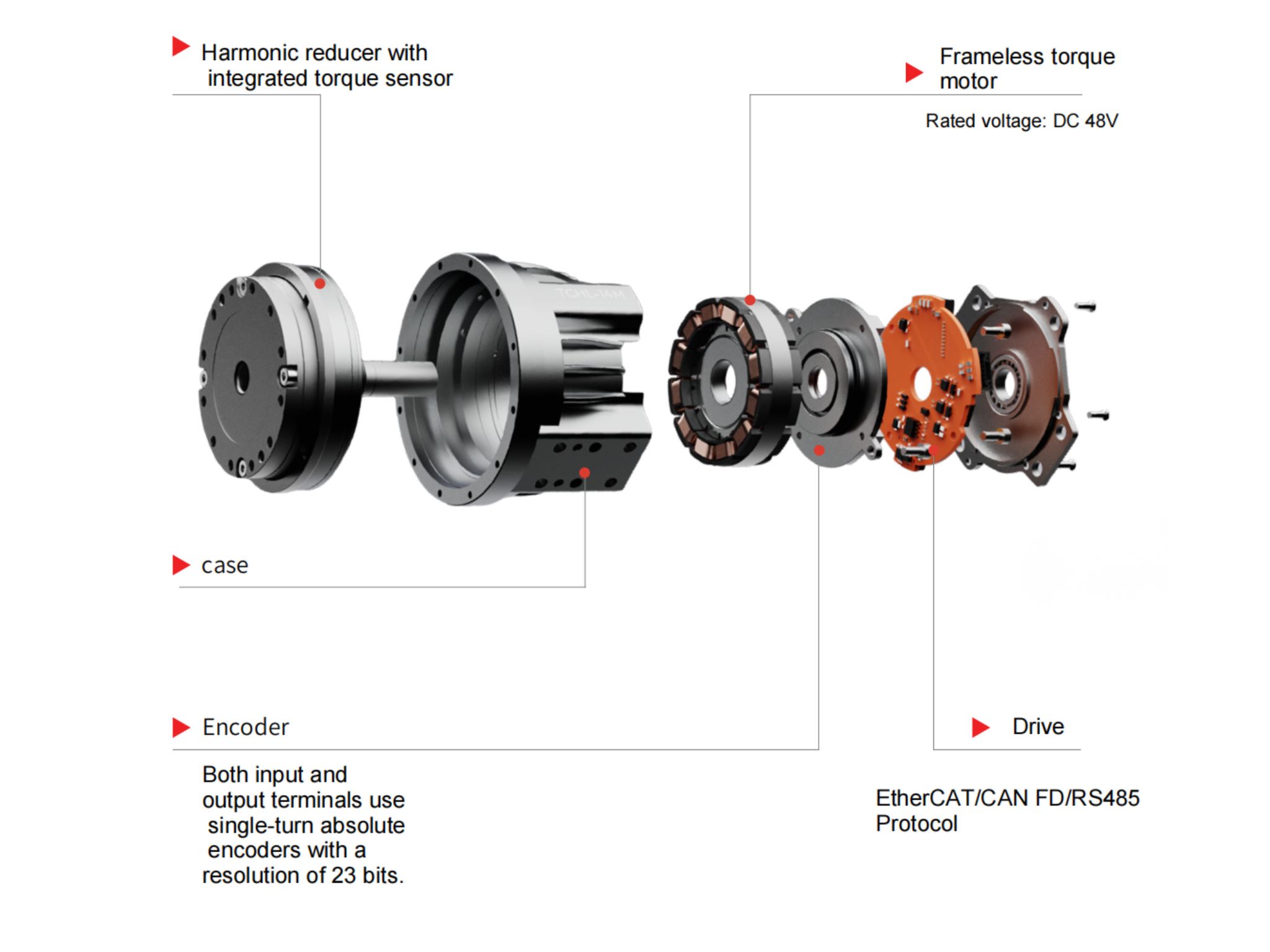
 OMG Ultra Compact Harmonic Drive Joint Module with Built-in Torque SensorHONPINE TCHL series harmonic drive joint module is a game-changing product that achieves disruptive improvements in multiple aspects such as lightweight design, integration level, and connection convenience. This article will analyze its revolutionary enhancements with you.
 The Role of Harmonic Drive Gears in Achieving 5–10 μm Accuracy in Dental Milling MachinesA dental milling machine is a CNC machining system used to directly process digital dental models into restorations such as crowns, bridges, veneers, inlays, and implant abutments. Dental milling machines require far higher operational accuracy and motion stability than ordinary equipment. This article explains how harmonic drive gear help dental milling machines achieve stable, continuous, and controllable operation.
 Why Are Harmonic Rotary Actuators Perfect for Medical Equipment?Harmonic rotary actuators (typically integrated systems consisting of a harmonic drive reducer, frameless torque motor, encoder, and optional brake) are regarded as key components in medical equipment. The core reason is that they simultaneously meet the most stringent medical requirements for precision, compact size, safety, and controllability. The following explanation is structured from three perspectives: technical characteristics, application scenarios, and medical value.
 High-Precision RV Reducers Perfectly Matched for Walking RobotsThe walking axis of a robot is a core component for power transmission and support. RV reducers provide extremely high rigidity, precision, and torque while maintaining a compact size and exceptional reliability, making them an ideal match for the demanding requirements of walking robot joints in terms of load capacity, impact resistance, and precision.
 RV vs Harmonic Reducer: How to Choose the Right Gearbox for Robot Joints?RV vs harmonic reducer: which gearbox is right for your robot joint? The answer depends on torque, rigidity, accuracy, installation space and operating conditions. This guide compares their working principles and five key performance factors, then explains how to evaluate joint loads, reducer life, temperature and lubrication. Whether you are designing a robot base, shoulder, elbow or wrist, use these considerations to match the reducer to the requirements of each joint.
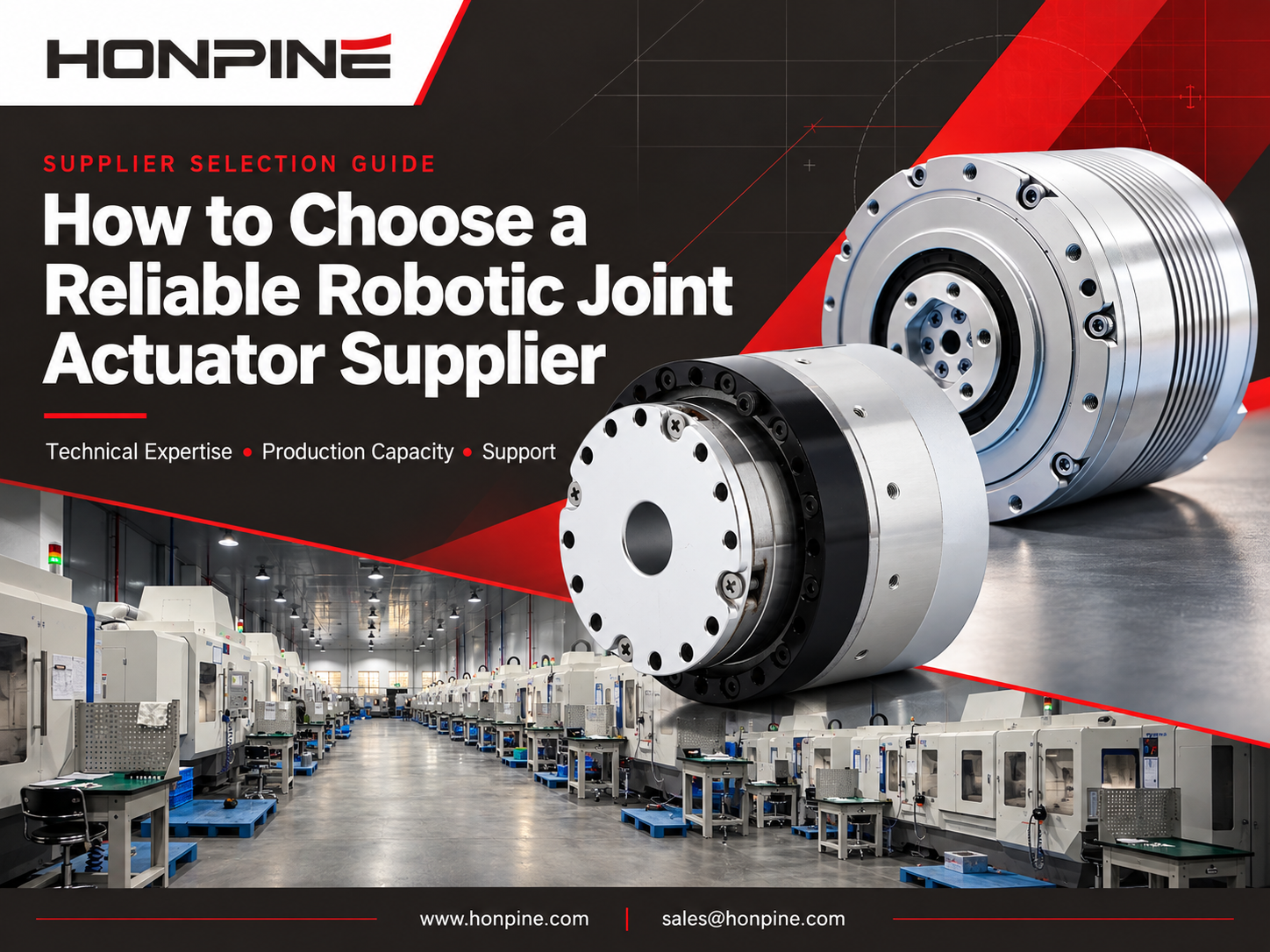
 How to Find a Reliable Robotic Joint Actuator Supplier?Choosing the right robotic joint actuator supplier is essential for reliable performance, smooth integration and long-term project success. Beyond product specifications, you need to understand a supplier’s technical expertise, production capacity and after-sales support. In this guide, Allen Li, Founder of HONPINE, explains how to assess these three factors when sourcing harmonic and planetary joint actuators for robotics and industrial automation.
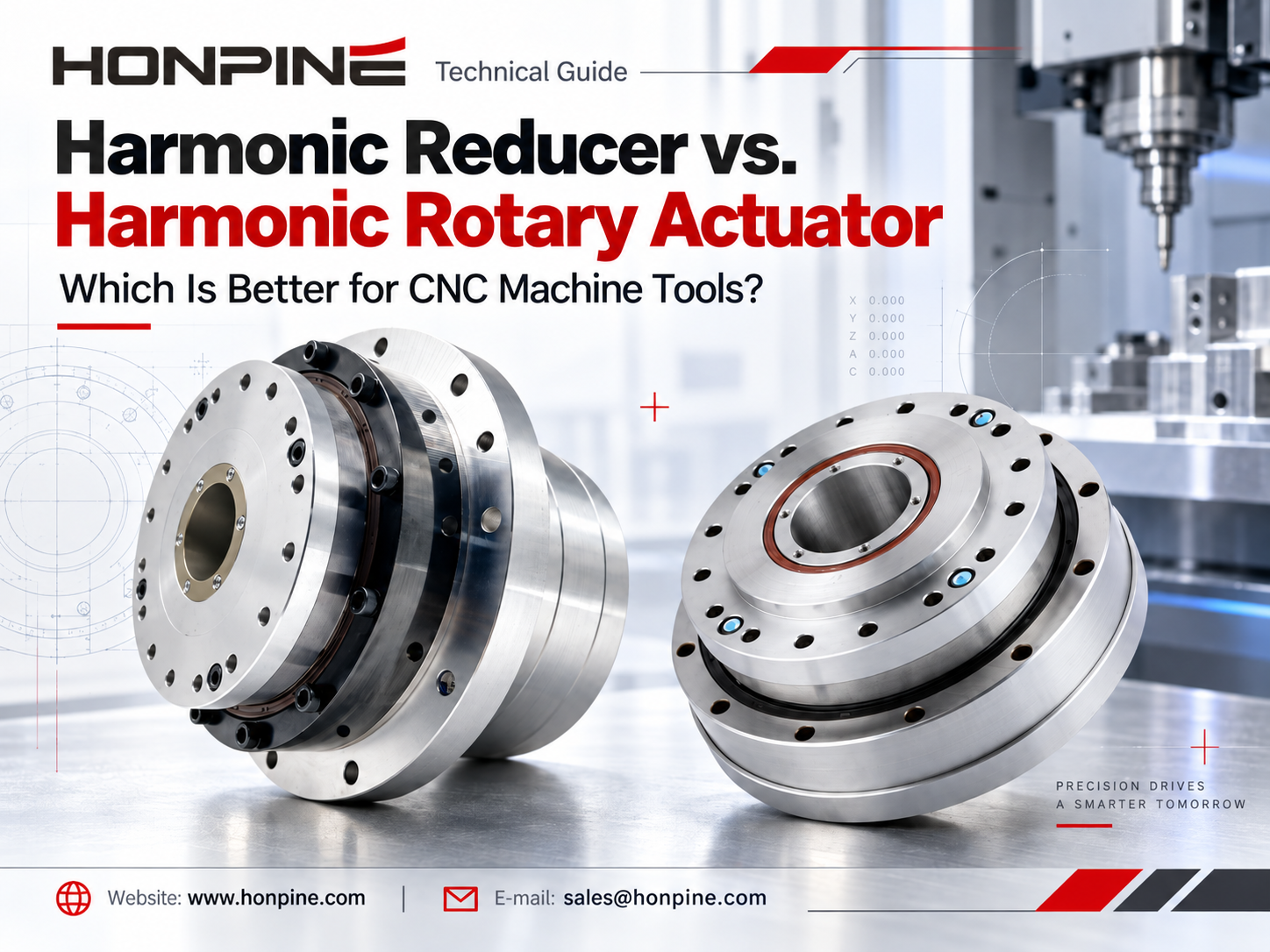
 Harmonic Reducer vs. Harmonic Rotary Actuator: Which Is Better for CNC Machine Tools?Choosing between a harmonic reducer and a harmonic rotary actuator is an important decision in CNC machine tool design. Both solutions offer high-precision motion control, but they differ in integration, installation requirements, rigidity, and system flexibility. For CNC fourth-axis rotary tables and compact five-axis machining systems, selecting the right harmonic drive can significantly influence machine performance. In this article, HONPINE Technical Director Theodore Li compares harmonic reducers and harmonic rotary actuators to help engineers identify the most suitable solution for their CNC applications.
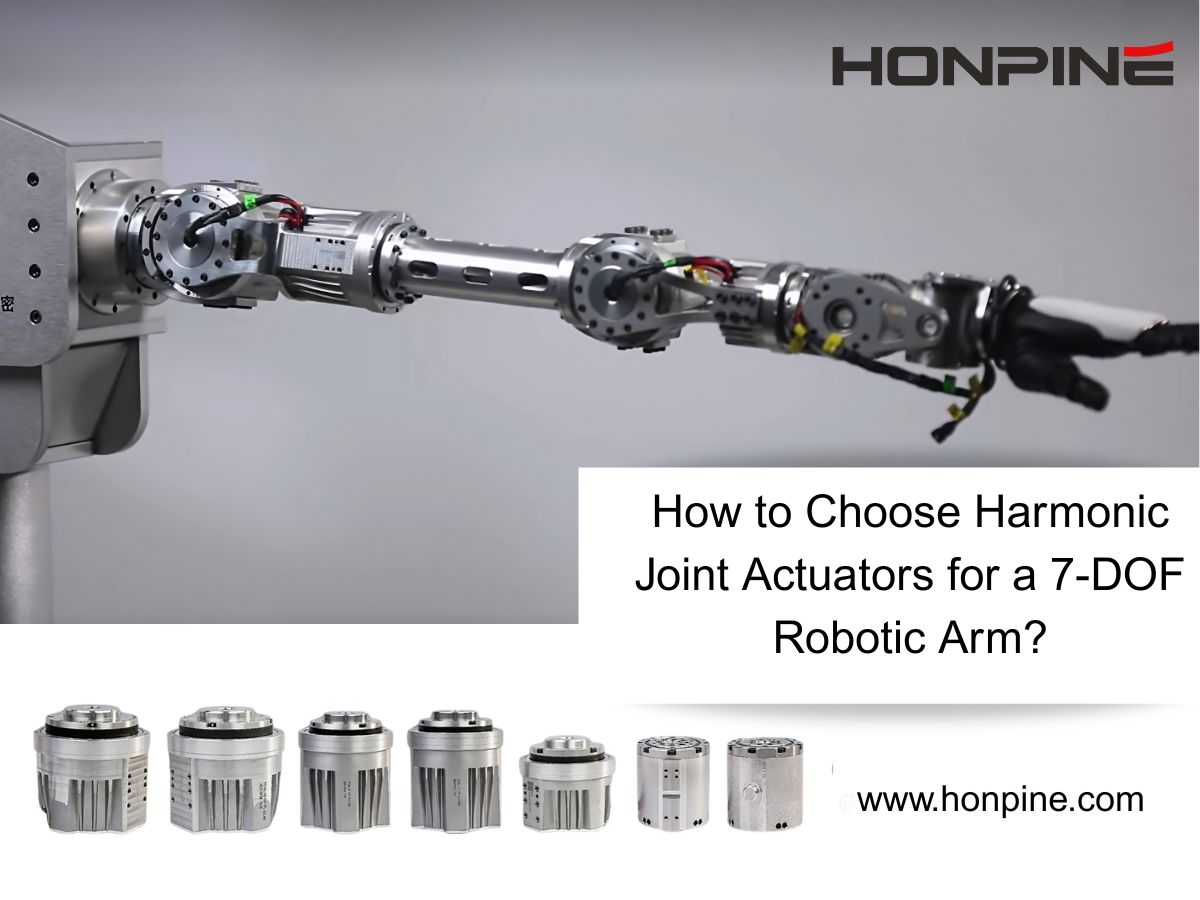
 How to Choose Harmonic Joint Actuators for a 7-DOF Robotic Arm?I'm Theodore Li, Technical Director at HONPINE. Choosing harmonic joint actuators for a 7-DOF robotic arm starts with the torque, weight, and installation needs of each joint. This guide uses a TCHL 20 shoulder and TCHL 14 wrist configuration as an example, then explores torque sensing, compliant control, and HAG Series considerations for demanding robotic applications.
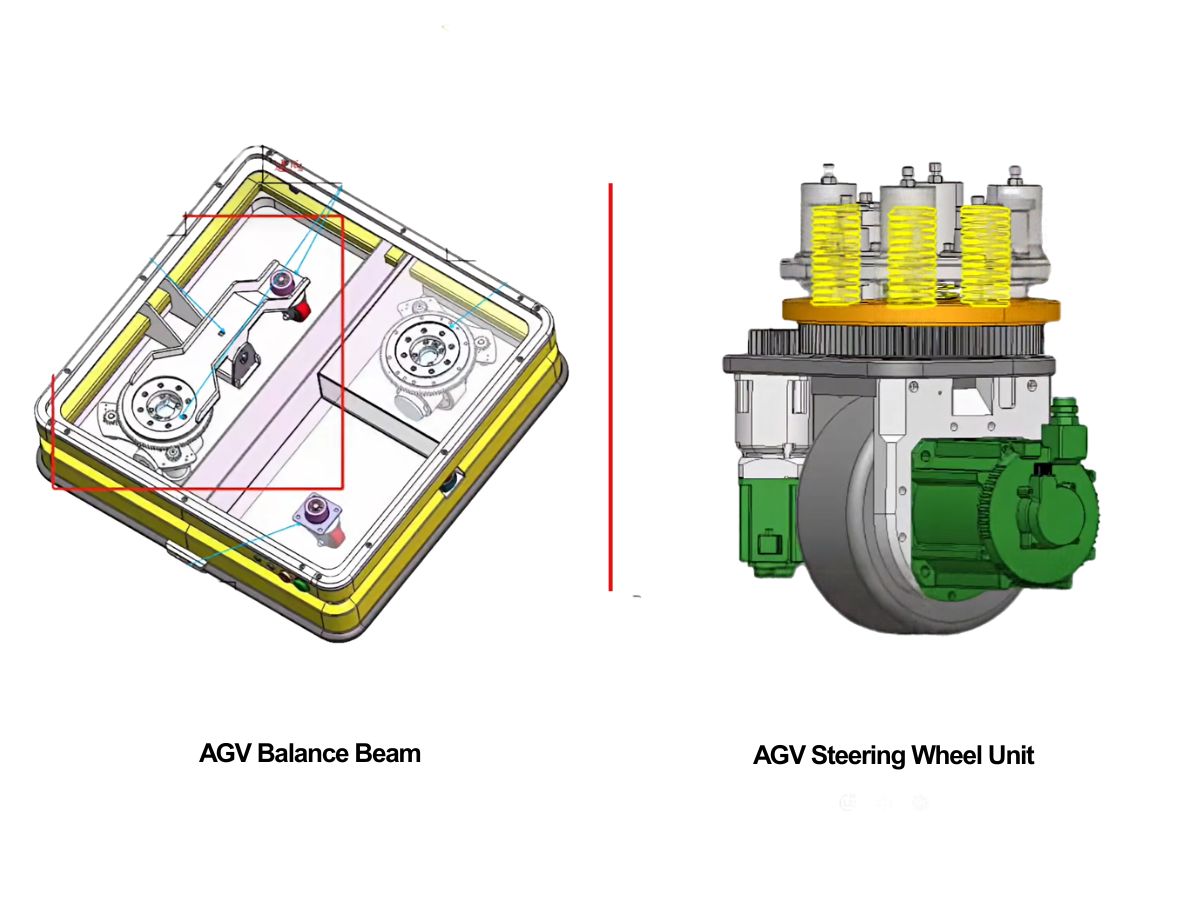
 AGV Suspension: Should You Choose a Balance Beam or a Spring-Loaded Steering Drive Unit?Choosing an AGV suspension system starts with the vehicle’s load range and floor conditions. Balance beams and spring-loaded steering drive units offer different approaches to maintaining wheel contact and managing wheel loads. This HONPINE guide compares both options and explains how to evaluate traction, suspension travel, installation space, and maintenance before choosing a configuration.
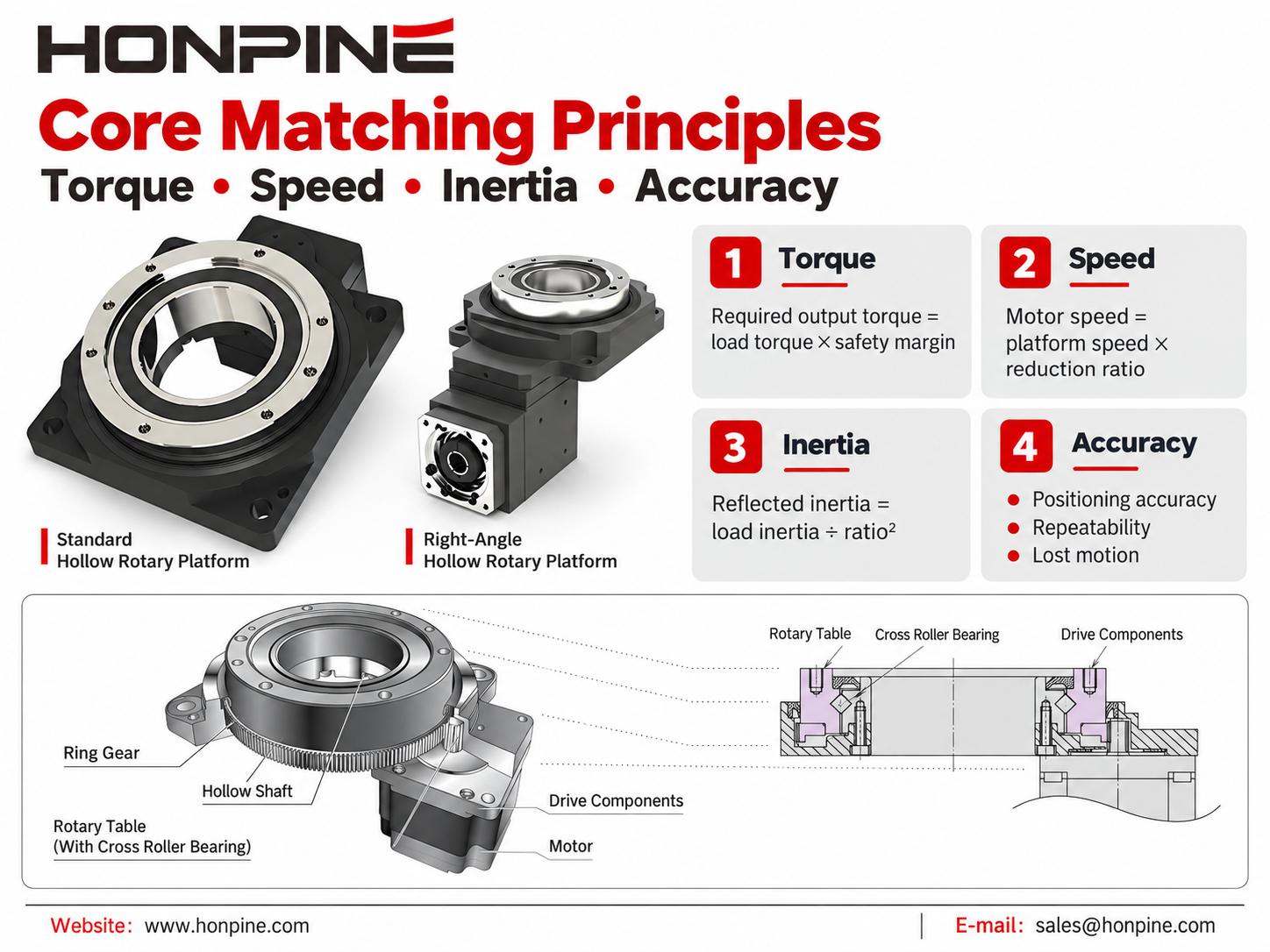
 Hollow Rotary Platform Motor Matching: A Complete GuideSelecting the right motor for a hollow rotary platform is essential for achieving precise positioning, stable operation, and efficient automation. This guide explains how to match servo motors, stepper motors, and brushless DC motors with hollow rotary platforms based on torque, speed, inertia, accuracy, and installation requirements. Explore practical motor selection guidelines, typical application combinations, and space-saving mounting solutions to find the right configuration for your automation project.
Double Click
We provide harmonic drive reducer,planetary reducer,robot joint motor,robot rotary actuators,RV gear reducer,robot end effector,dexterous robot hand
 What is robot joint actuator?How to Choose the Best Robot Rotary Joint Actuator?In core robot joint transmission solutions, planetary and harmonic rotary actuators each have their own strengths. Choosing the right type based on application requirements is essential to achieve the optimal balance between performance and cost.
 DD Motors VS Harmonic Rotary ActuatorsThis article provides an in-depth comparison between Direct Drive (DD) motors and harmonic rotary actuators, covering their transmission principles, advantages and disadvantages, and typical application fields.
 OMG Ultra Compact Harmonic Drive Joint Module with Built-in Torque SensorHONPINE TCHL series harmonic drive joint module is a game-changing product that achieves disruptive improvements in multiple aspects such as lightweight design, integration level, and connection convenience. This article will analyze its revolutionary enhancements with you.
 RV vs Harmonic Reducer: How to Choose the Right Gearbox for Robot Joints?RV vs harmonic reducer: which gearbox is right for your robot joint? The answer depends on torque, rigidity, accuracy, installation space and operating conditions. This guide compares their working principles and five key performance factors, then explains how to evaluate joint loads, reducer life, temperature and lubrication. Whether you are designing a robot base, shoulder, elbow or wrist, use these considerations to match the reducer to the requirements of each joint.
 How to Find a Reliable Robotic Joint Actuator Supplier?Choosing the right robotic joint actuator supplier is essential for reliable performance, smooth integration and long-term project success. Beyond product specifications, you need to understand a supplier’s technical expertise, production capacity and after-sales support. In this guide, Allen Li, Founder of HONPINE, explains how to assess these three factors when sourcing harmonic and planetary joint actuators for robotics and industrial automation.
 Harmonic Reducer vs. Harmonic Rotary Actuator: Which Is Better for CNC Machine Tools?Choosing between a harmonic reducer and a harmonic rotary actuator is an important decision in CNC machine tool design. Both solutions offer high-precision motion control, but they differ in integration, installation requirements, rigidity, and system flexibility. For CNC fourth-axis rotary tables and compact five-axis machining systems, selecting the right harmonic drive can significantly influence machine performance. In this article, HONPINE Technical Director Theodore Li compares harmonic reducers and harmonic rotary actuators to help engineers identify the most suitable solution for their CNC applications.
 How to Choose Harmonic Joint Actuators for a 7-DOF Robotic Arm?I'm Theodore Li, Technical Director at HONPINE. Choosing harmonic joint actuators for a 7-DOF robotic arm starts with the torque, weight, and installation needs of each joint. This guide uses a TCHL 20 shoulder and TCHL 14 wrist configuration as an example, then explores torque sensing, compliant control, and HAG Series considerations for demanding robotic applications.
 AGV Suspension: Should You Choose a Balance Beam or a Spring-Loaded Steering Drive Unit?Choosing an AGV suspension system starts with the vehicle’s load range and floor conditions. Balance beams and spring-loaded steering drive units offer different approaches to maintaining wheel contact and managing wheel loads. This HONPINE guide compares both options and explains how to evaluate traction, suspension travel, installation space, and maintenance before choosing a configuration.
 Hollow Rotary Platform Motor Matching: A Complete GuideSelecting the right motor for a hollow rotary platform is essential for achieving precise positioning, stable operation, and efficient automation. This guide explains how to match servo motors, stepper motors, and brushless DC motors with hollow rotary platforms based on torque, speed, inertia, accuracy, and installation requirements. Explore practical motor selection guidelines, typical application combinations, and space-saving mounting solutions to find the right configuration for your automation project.
 Can Robots Feel Touch? HONPINE HAG Force-Controlled Harmonic Robot Joint MotorsCan robots respond to a gentle touch? The HONPINE HAG robot joint motor with torque sensor combines a harmonic reducer, integrated torque sensing, and closed-loop control to detect external forces and support smooth, compliant motion. In this article, HONPINE founder Allen Li demonstrates the module's response to light contact and hand-guided movement, explains its key force-control technologies, and shares the vision behind joint modules designed for practical industrial robotics.
 Does a Higher Gearbox Ratio Mean More Torque? Planetary, Harmonic, and RV Gearboxes ExplainedDoes a higher gearbox ratio mean more torque? This engineering guide explains the relationship between gearbox ratio, output torque, and output speed, and compares planetary gearboxes, harmonic gearboxes, and RV gearboxes. Learn why reduction ratio alone cannot determine gearbox torque capacity, efficiency, dynamic response, precision, or service life, and what engineers should consider when selecting a gearbox for robotics, CNC machines, servo systems, and industrial motion control.
 High-Precision Hollow Harmonic Rotary Actuator for CNC Machines and Heavy-Duty Rotary AxesHONPINE 58 Series Hollow Harmonic Rotary Actuator is designed for CNC rotary tables, precision rotary axes, laser processing equipment, and heavy-duty rotary positioning applications. With a 50 mm hollow bore, up to 2,722 N·m peak torque, integrated crossed roller bearing, multi-turn absolute encoder options, positioning accuracy below 30 arcsec, and repeat positioning accuracy below 5 arcsec, it combines high torque capacity with precision rotary motion and flexible mechanical integration.