









Indonesia Tightens SNI Rules for Used Machine Tool Imports
On May 26, 2026, the Indonesian National Standardization Agency (BSN) updated its Technical Guidelines for Importing Used Machinery, imposing stricter compliance requirements for used machine tools entering Indonesia — particularly affecting international traders, equipment refurbishers, and manufacturers exporting legacy industrial assets to the Indonesian market.
Event Overview
The Indonesian National Standardization Agency (BSN) issued an updated version of the Technical Guidelines for Importing Used Machinery on May 26, 2026. The revision mandates that all imported used machine tools must hold a valid SNI conformity certificate prior to customs clearance. Additionally, technical parameters listed on the customs declaration, packing list, and supporting technical documentation must match the data engraved on the equipment’s nameplate without deviation. A newly introduced ‘high-pollution equipment’ category explicitly includes older grinding and milling machines with high hydraulic oil leakage risk or lacking VOC treatment systems; such units are now subject to 100% physical inspection at Indonesian ports.
Which Subsectors Are Affected
Direct Trading Enterprises
Companies engaged in cross-border trade of used industrial machinery face immediate operational impact: non-compliant shipments risk rejection or extended detention. The requirement for pre-import SNI certification adds lead time and third-party verification costs, especially for sellers without existing local conformity assessment partnerships.
Equipment Refurbishment & Resale Firms
Firms specializing in refurbishing legacy machine tools (e.g., lathes, grinders, milling machines) must now verify nameplate accuracy against all export documentation before shipment. Discrepancies — even minor ones like unit notation (mm vs. inches), model suffix variations, or missing serial number fields — may trigger non-acceptance under the new consistency rule.
Manufacturers Exporting Surplus/Decommissioned Assets
Original equipment manufacturers (OEMs) and end-user facilities disposing of in-house machinery must assess whether their surplus assets fall under the newly defined ‘high-pollution equipment’ list. Units lacking VOC abatement or exhibiting known hydraulic system vulnerabilities require either remediation or formal exclusion from Indonesian-bound consignments.
Supply Chain & Compliance Service Providers
Logistics providers, customs brokers, and SNI certification support agencies will see increased demand for nameplate verification services and pre-clearance technical audits. However, no official guidance has yet been published on accepted verification methods or accredited third-party bodies for pre-certification — creating near-term uncertainty in service delivery.
What Relevant Enterprises or Practitioners Should Focus On
Monitor Official Clarifications on Certification Pathways
BSN has not yet published implementation guidelines detailing how foreign-based exporters can obtain SNI conformity certificates for used machine tools. Observably, the absence of procedural clarity means current applications may face inconsistent treatment across ports. Enterprises should track BSN circulars and consult Indonesian customs brokers for emerging interpretation patterns.
Identify and Isolate High-Risk Equipment Categories Early
Analysis shows that hydraulic-leak-prone grinding and milling machines — especially those manufactured before 2010 and lacking documented VOC control features — are most likely to be flagged as ‘high-pollution’. Exporters should audit inventory against this definition before initiating shipping preparations.
Distinguish Between Policy Signal and Enforceable Requirement
The mandate for full nameplate-documentation alignment is enforceable immediately per the May 26, 2026 effective date. In contrast, the ‘high-pollution’ classification remains defined only by illustrative examples in the guideline — not a closed regulatory list. From industry perspective, this suggests enforcement may evolve case-by-case rather than follow a fixed itemized schedule.
Pre-verify Nameplate Data Across All Documentation Layers
Current best practice requires cross-checking nameplate details (model number, serial number, year of manufacture, voltage, weight, dimensions) against three documents: commercial invoice, packing list, and technical specification sheet. Any mismatch — including typographical errors or inconsistent capitalization — should be corrected before submission to avoid customs hold.
Editorial Perspective / Industry Observation
This update is better understood as a signal of tightening regulatory oversight in Indonesia’s used industrial equipment segment — not merely a procedural refinement. Analysis shows it reflects BSN’s broader shift toward linking environmental performance criteria (e.g., VOC handling, fluid containment integrity) with product conformity, extending SNI’s scope beyond safety and performance into lifecycle environmental impact. Observably, the 100% inspection requirement for high-pollution categories indicates prioritization of enforcement capacity where environmental risk is perceived as highest — suggesting future expansions may target other legacy equipment types (e.g., compressors, pumps) if similar risk profiles emerge. Industry should treat this as an early indicator of increasing due diligence expectations for used asset exports to Indonesia, rather than an isolated compliance event.
Indonesia’s revised SNI import requirements for used machine tools mark a measurable escalation in documentation rigor and environmental accountability. While the policy is narrowly scoped to specific equipment categories and verification points, its operational implications are concrete for exporters, traders, and compliance intermediaries. It is more appropriately interpreted as a calibrated step toward harmonizing used machinery imports with national environmental and technical standards — not a temporary administrative adjustment.
Source: Indonesian National Standardization Agency (BSN), Technical Guidelines for Importing Used Machinery, updated May 26, 2026. Note: Implementation details for SNI certification pathways and official recognition of third-party conformity assessment bodies remain pending further BSN publication and are subject to ongoing observation.
Read More
Learn more about the story of HONPINE and industry trends related to precision transmission.
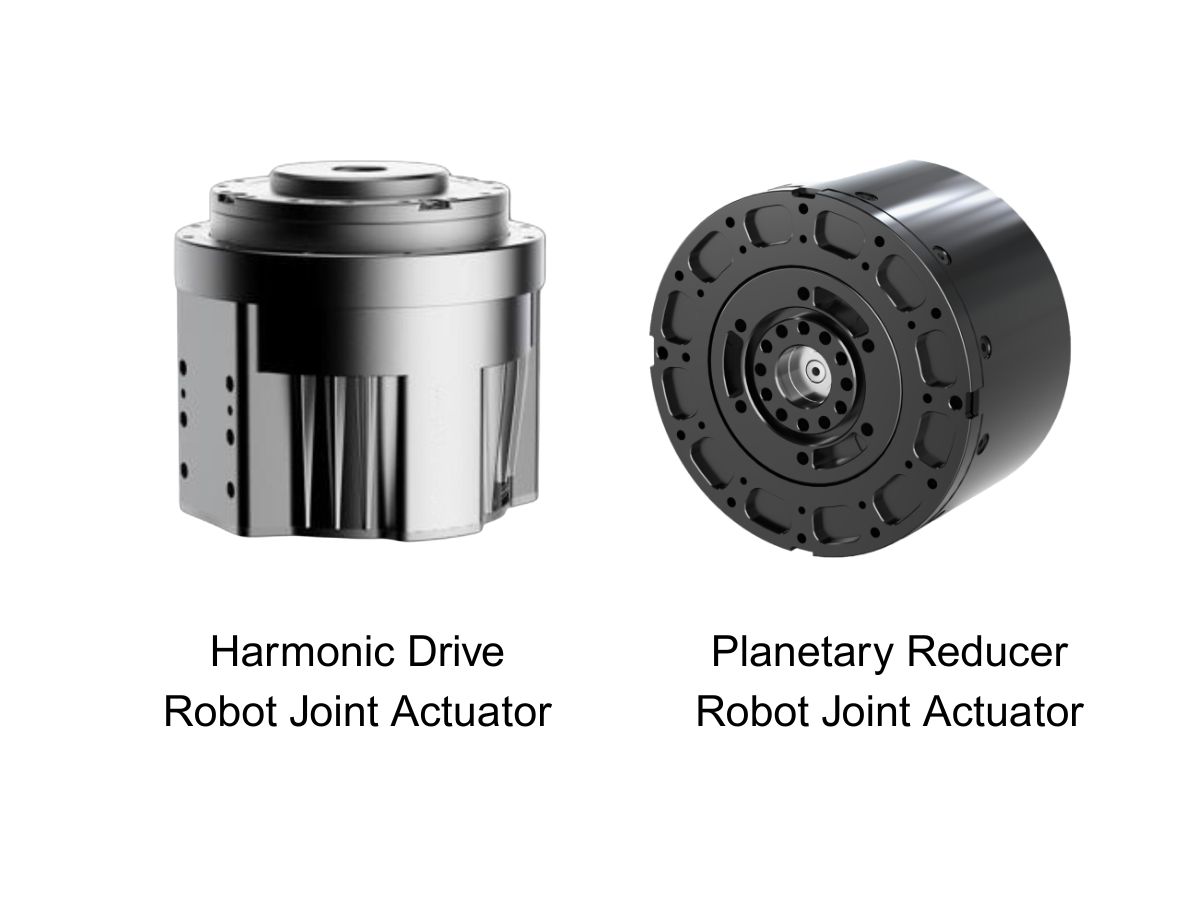
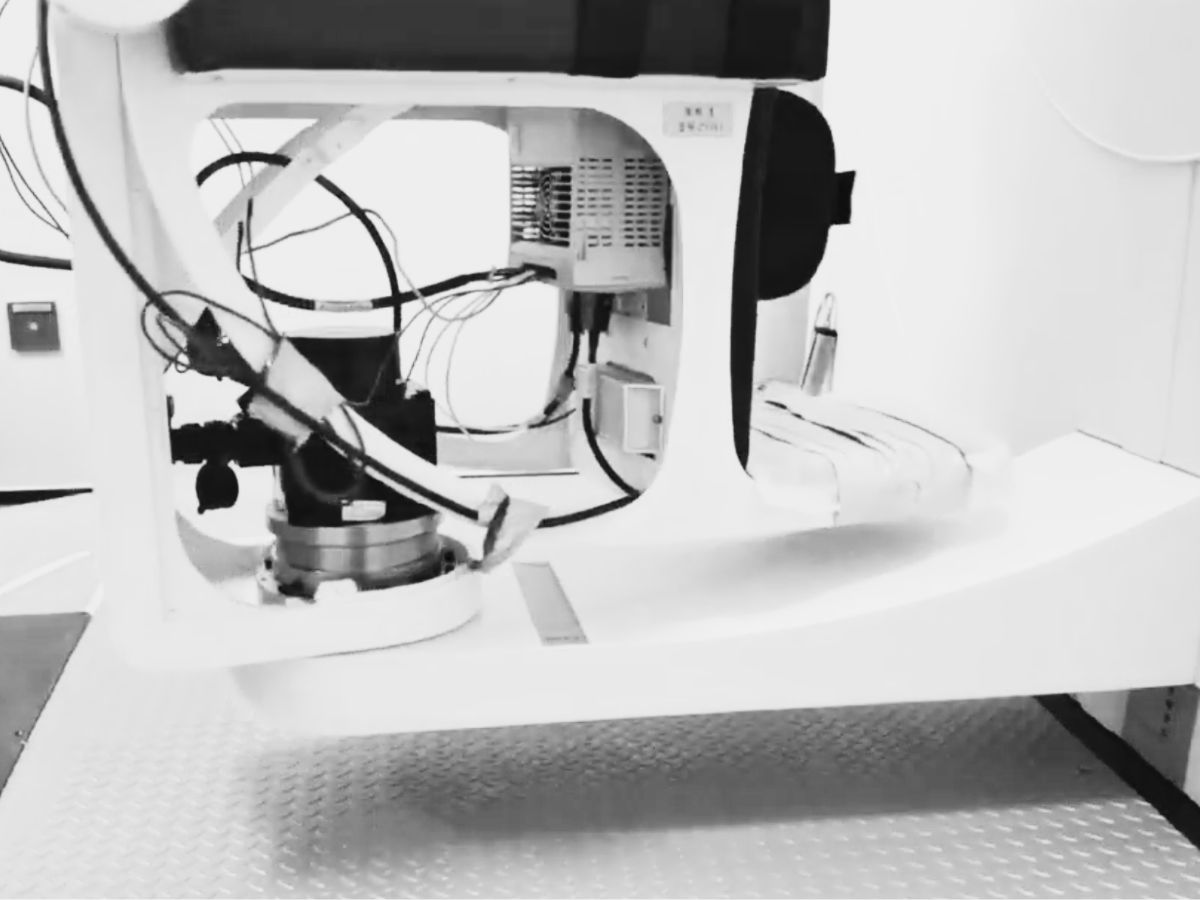
 What is robot joint actuator?How to Choose the Best Robot Rotary Joint Actuator?In core robot joint transmission solutions, planetary and harmonic rotary actuators each have their own strengths. Choosing the right type based on application requirements is essential to achieve the optimal balance between performance and cost.
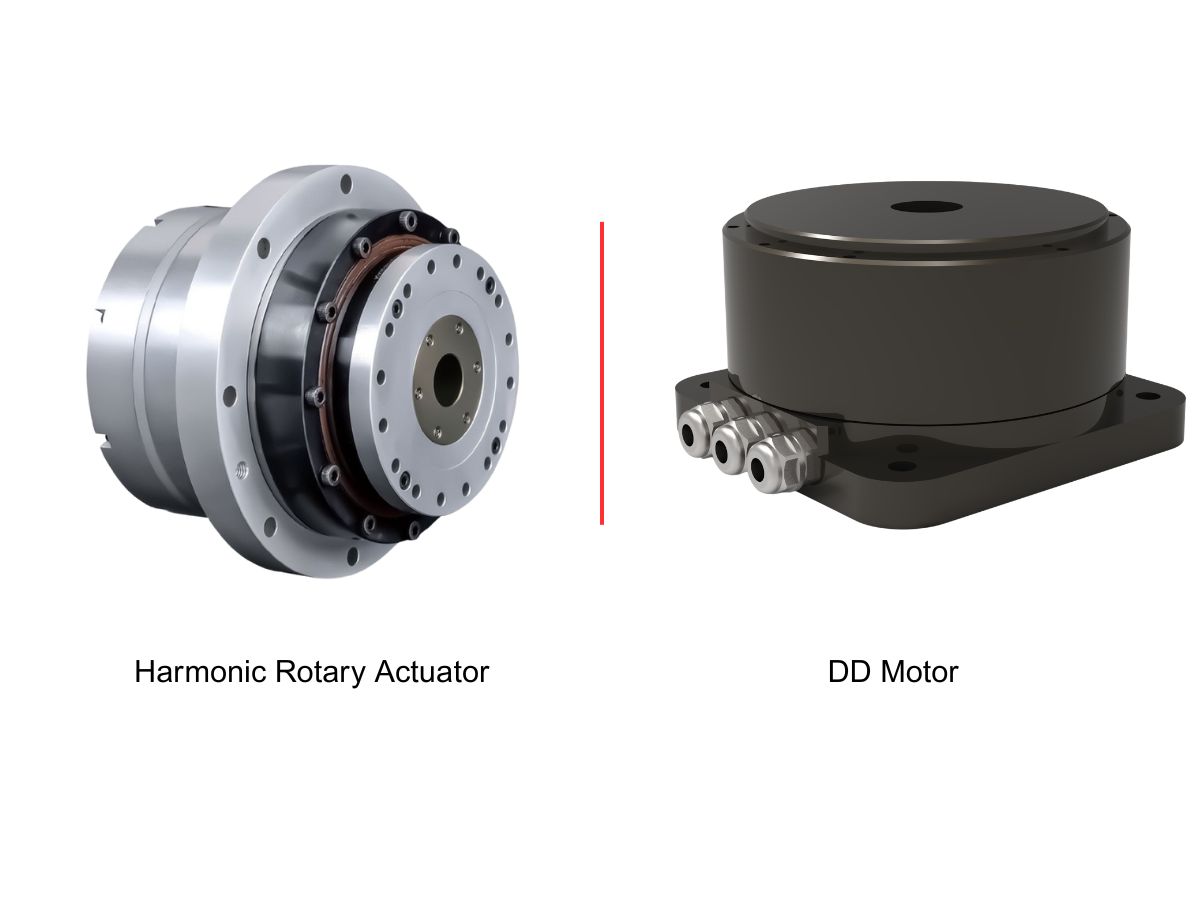
 DD Motors VS Harmonic Rotary ActuatorsThis article provides an in-depth comparison between Direct Drive (DD) motors and harmonic rotary actuators, covering their transmission principles, advantages and disadvantages, and typical application fields.
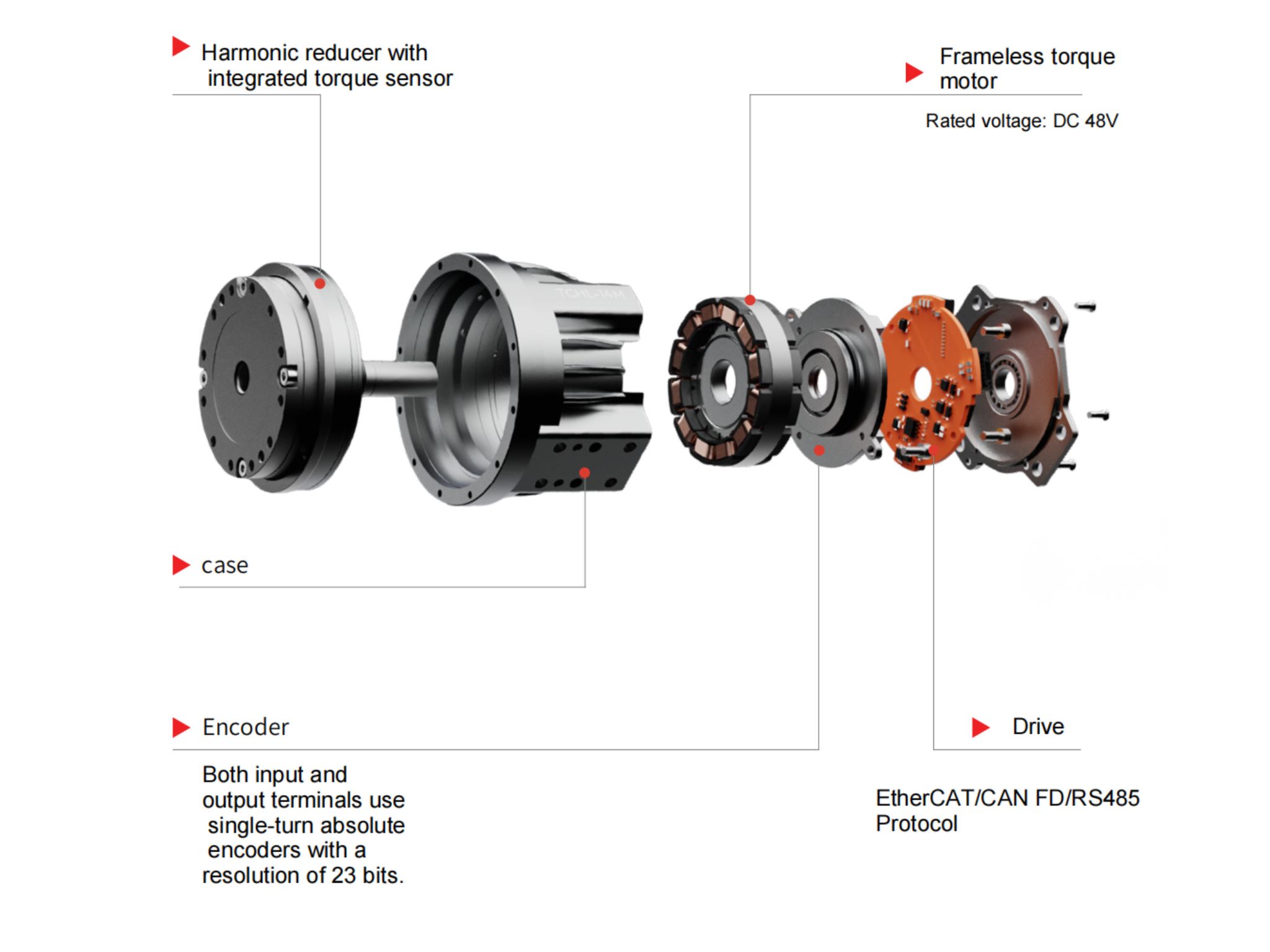
 OMG Ultra Compact Harmonic Drive Joint Module with Built-in Torque SensorHONPINE TCHL series harmonic drive joint module is a game-changing product that achieves disruptive improvements in multiple aspects such as lightweight design, integration level, and connection convenience. This article will analyze its revolutionary enhancements with you.
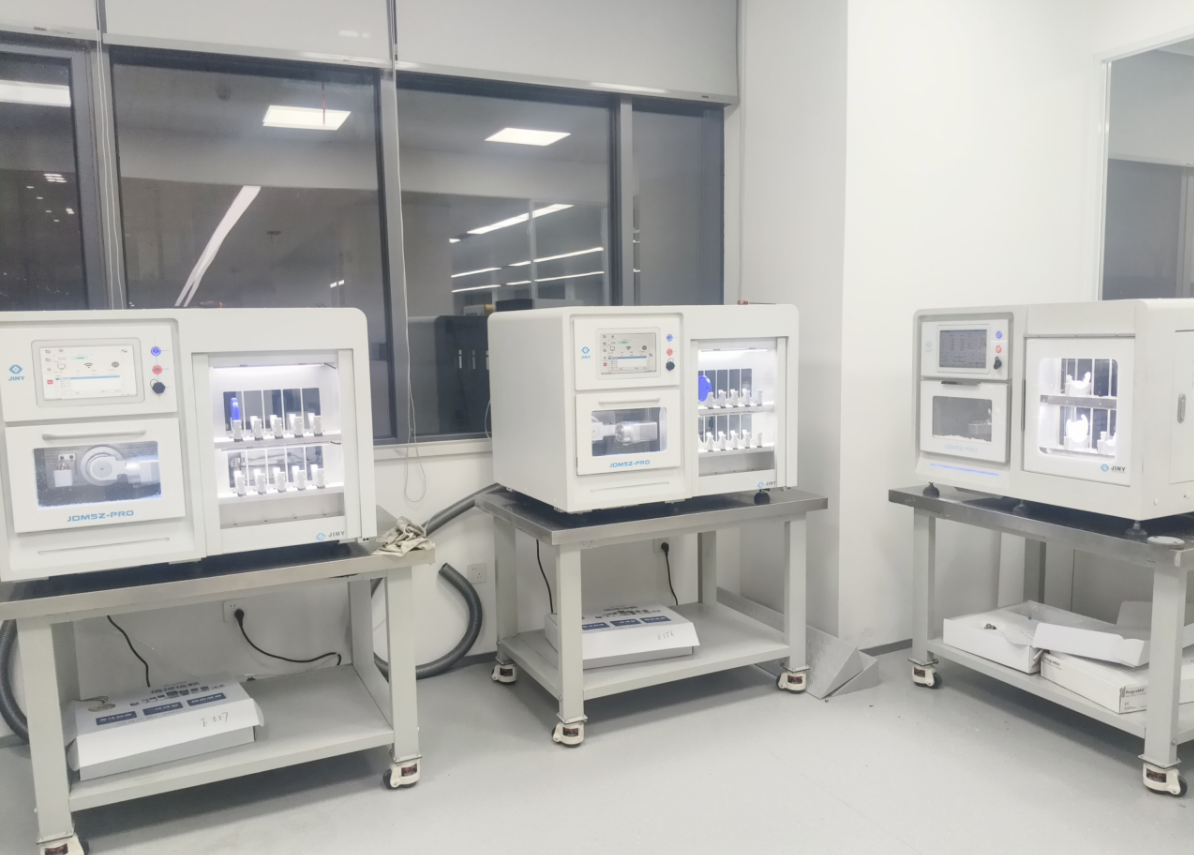
 The Role of Harmonic Drive Gears in Achieving 5–10 μm Accuracy in Dental Milling MachinesA dental milling machine is a CNC machining system used to directly process digital dental models into restorations such as crowns, bridges, veneers, inlays, and implant abutments. Dental milling machines require far higher operational accuracy and motion stability than ordinary equipment. This article explains how harmonic drive gear help dental milling machines achieve stable, continuous, and controllable operation.
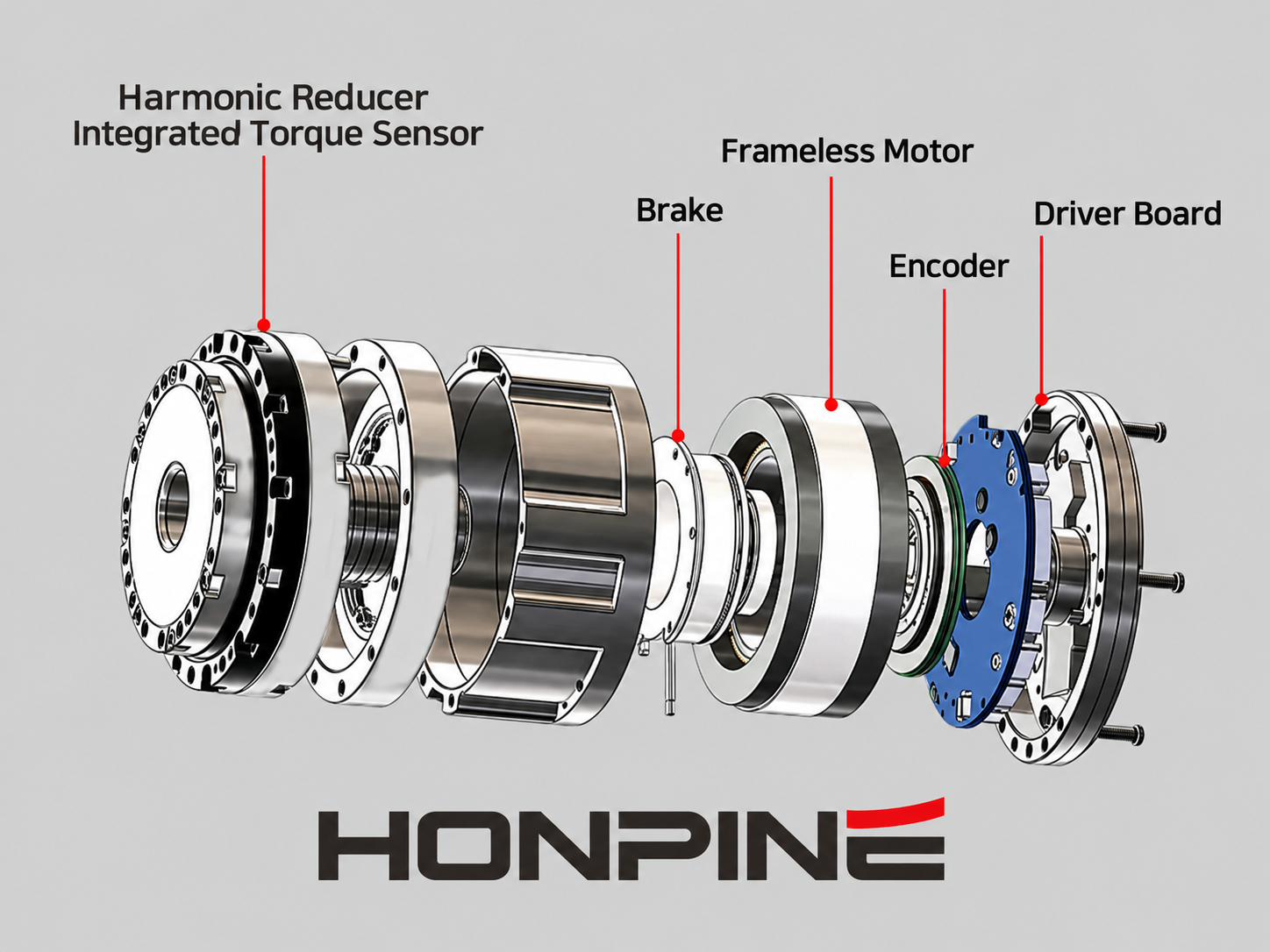
 Why Are Harmonic Rotary Actuators Perfect for Medical Equipment?Harmonic rotary actuators (typically integrated systems consisting of a harmonic drive reducer, frameless torque motor, encoder, and optional brake) are regarded as key components in medical equipment. The core reason is that they simultaneously meet the most stringent medical requirements for precision, compact size, safety, and controllability. The following explanation is structured from three perspectives: technical characteristics, application scenarios, and medical value.
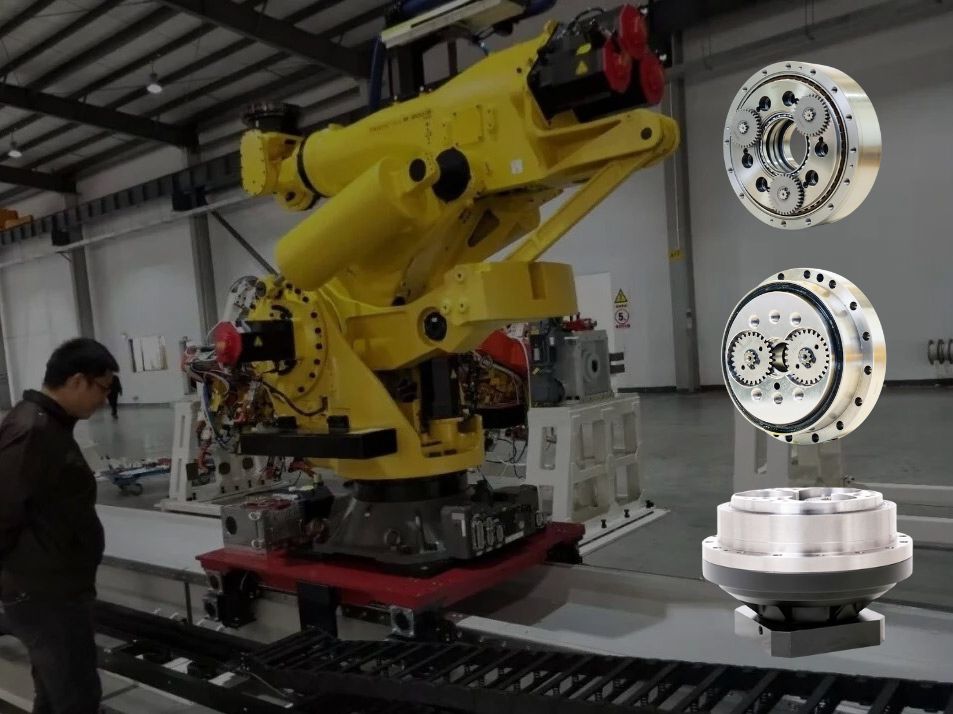
 High-Precision RV Reducers Perfectly Matched for Walking RobotsThe walking axis of a robot is a core component for power transmission and support. RV reducers provide extremely high rigidity, precision, and torque while maintaining a compact size and exceptional reliability, making them an ideal match for the demanding requirements of walking robot joints in terms of load capacity, impact resistance, and precision.
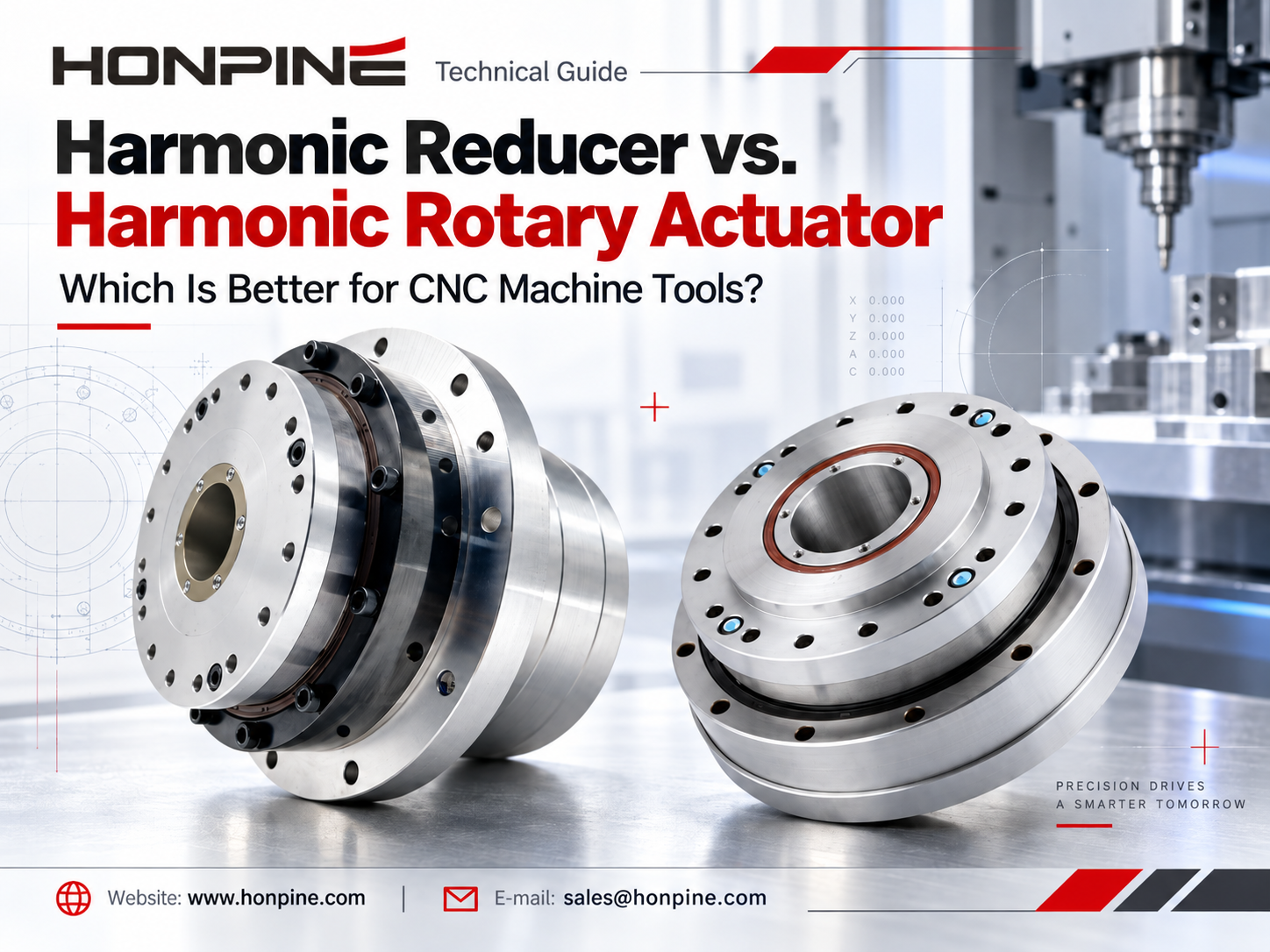
 Harmonic Reducer vs. Harmonic Rotary Actuator: Which Is Better for CNC Machine Tools?Choosing between a harmonic reducer and a harmonic rotary actuator is an important decision in CNC machine tool design. Both solutions offer high-precision motion control, but they differ in integration, installation requirements, rigidity, and system flexibility. For CNC fourth-axis rotary tables and compact five-axis machining systems, selecting the right harmonic drive can significantly influence machine performance. In this article, HONPINE Technical Director Theodore Li compares harmonic reducers and harmonic rotary actuators to help engineers identify the most suitable solution for their CNC applications.
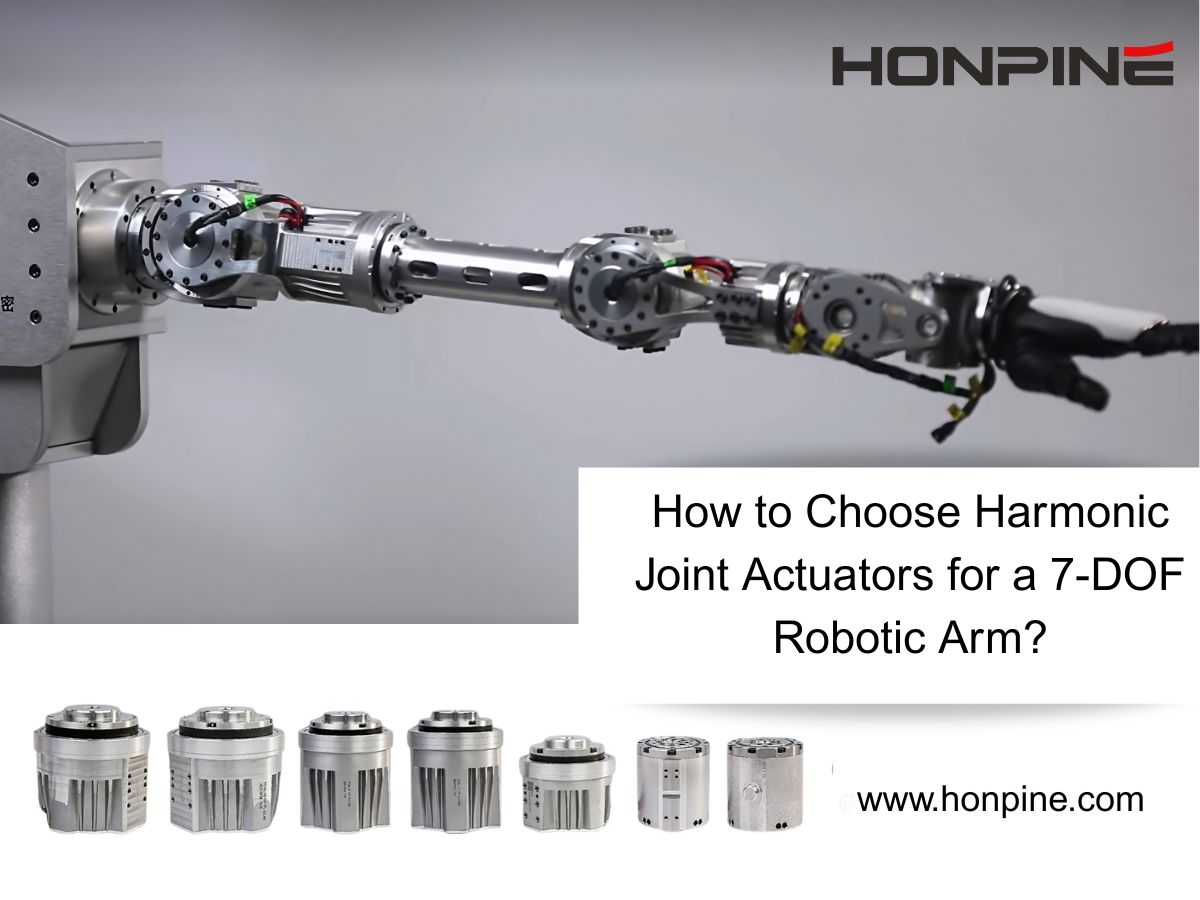
 How to Choose Harmonic Joint Actuators for a 7-DOF Robotic Arm?I'm Theodore Li, Technical Director at HONPINE. Choosing harmonic joint actuators for a 7-DOF robotic arm starts with the torque, weight, and installation needs of each joint. This guide uses a TCHL 20 shoulder and TCHL 14 wrist configuration as an example, then explores torque sensing, compliant control, and HAG Series considerations for demanding robotic applications.
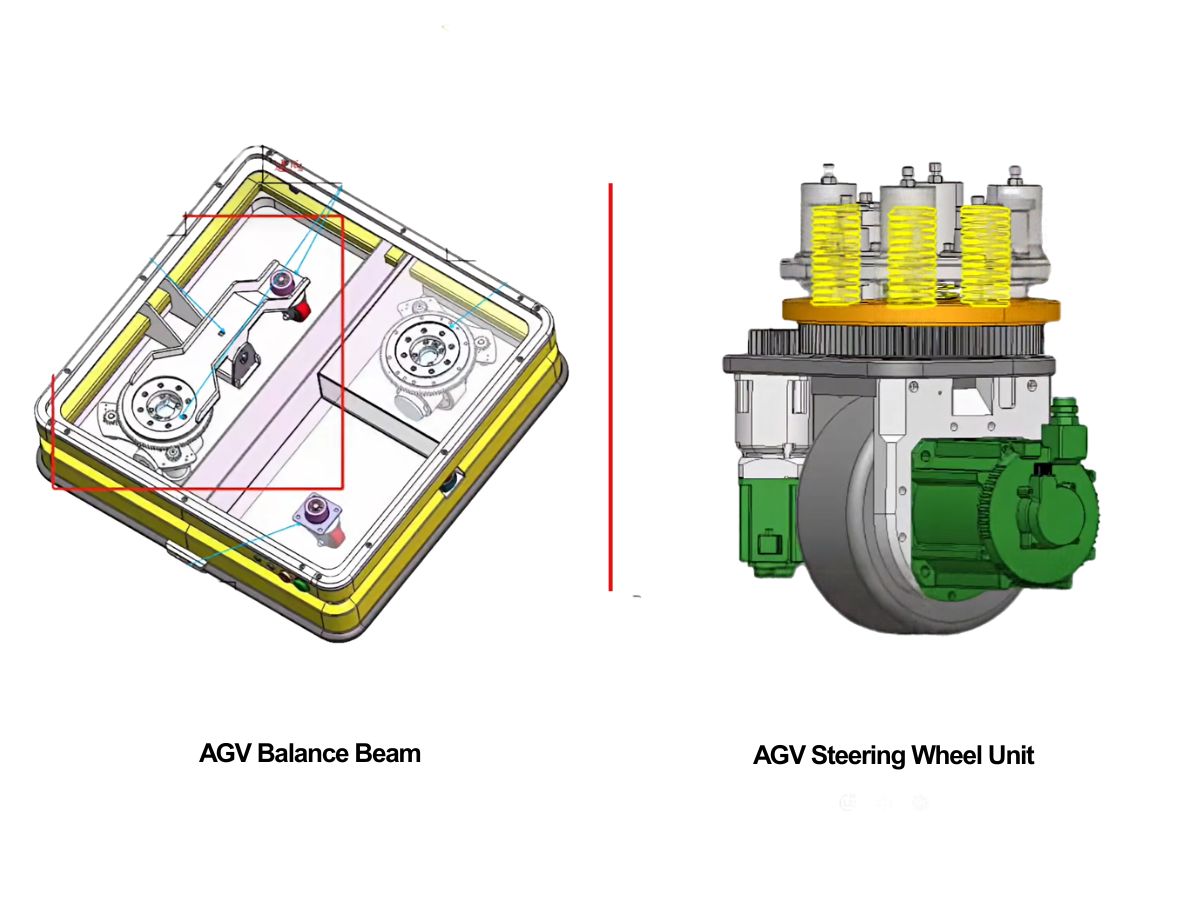
 AGV Suspension: Should You Choose a Balance Beam or a Spring-Loaded Steering Drive Unit?Choosing an AGV suspension system starts with the vehicle’s load range and floor conditions. Balance beams and spring-loaded steering drive units offer different approaches to maintaining wheel contact and managing wheel loads. This HONPINE guide compares both options and explains how to evaluate traction, suspension travel, installation space, and maintenance before choosing a configuration.
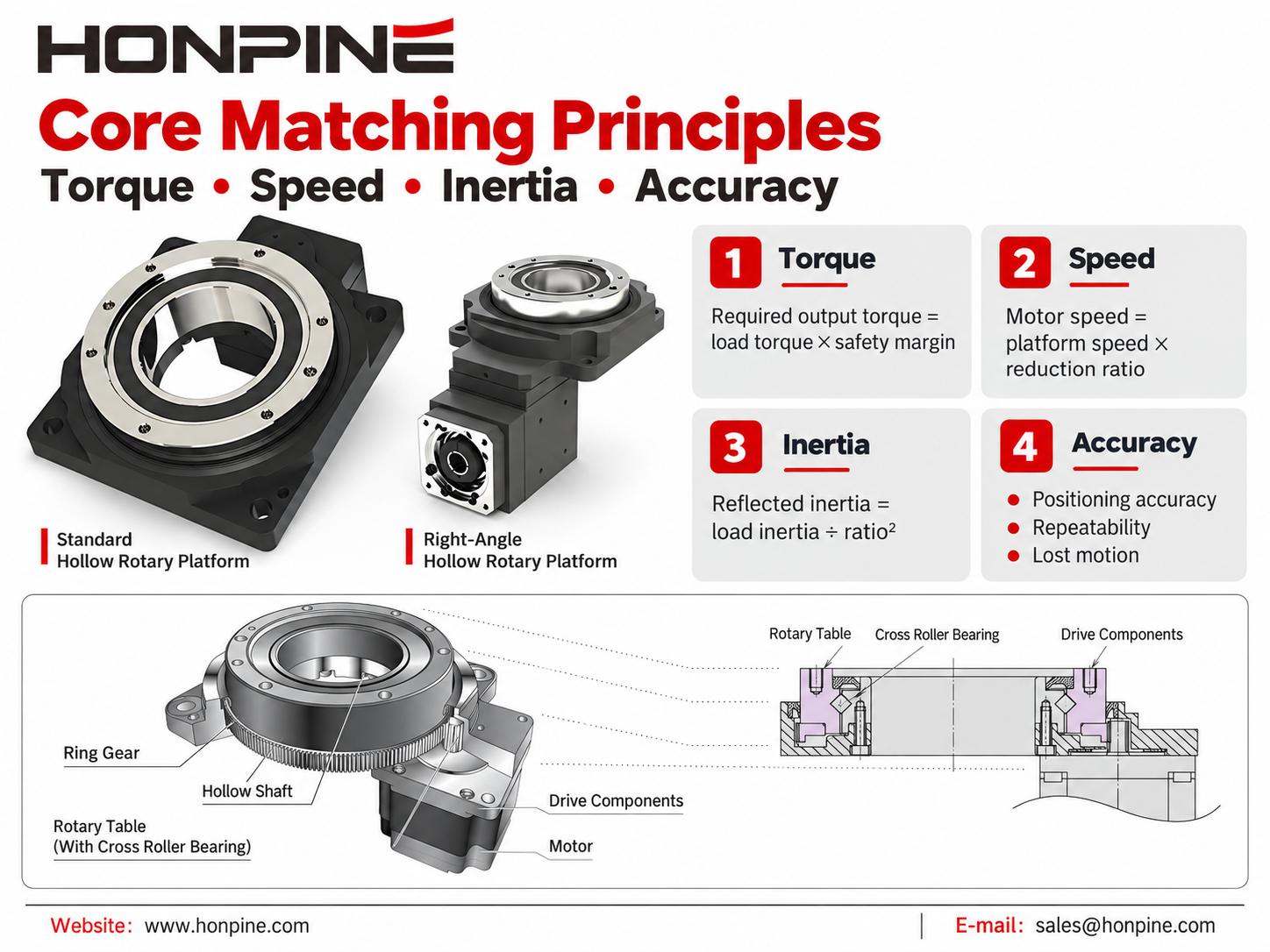
 Hollow Rotary Platform Motor Matching: A Complete GuideSelecting the right motor for a hollow rotary platform is essential for achieving precise positioning, stable operation, and efficient automation. This guide explains how to match servo motors, stepper motors, and brushless DC motors with hollow rotary platforms based on torque, speed, inertia, accuracy, and installation requirements. Explore practical motor selection guidelines, typical application combinations, and space-saving mounting solutions to find the right configuration for your automation project.
 Can Robots Feel Touch? HONPINE HAG Force-Controlled Harmonic Robot Joint MotorsCan robots respond to a gentle touch? The HONPINE HAG robot joint motor with torque sensor combines a harmonic reducer, integrated torque sensing, and closed-loop control to detect external forces and support smooth, compliant motion. In this article, HONPINE founder Allen Li demonstrates the module's response to light contact and hand-guided movement, explains its key force-control technologies, and shares the vision behind joint modules designed for practical industrial robotics.
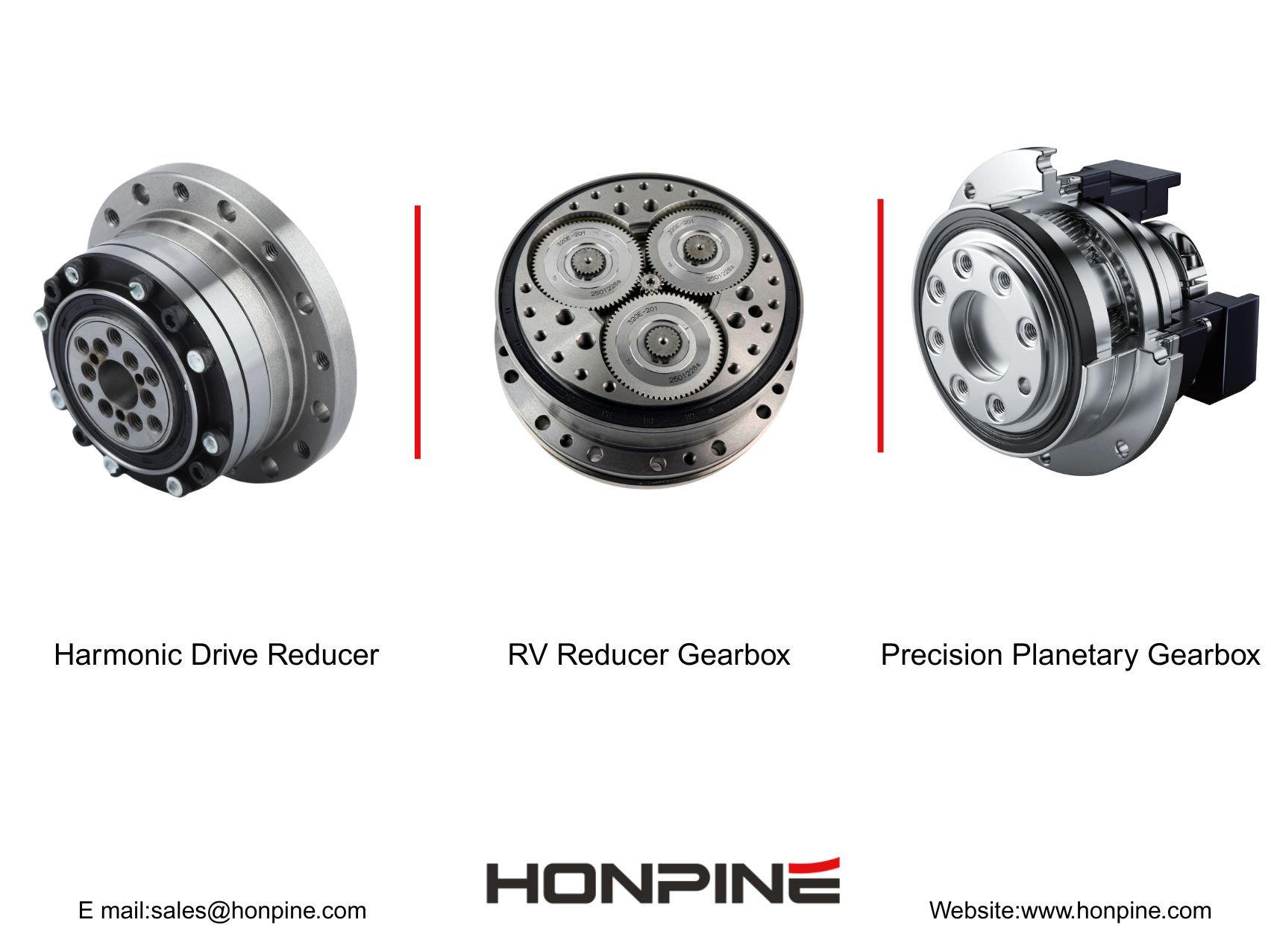
 Does a Higher Gearbox Ratio Mean More Torque? Planetary, Harmonic, and RV Gearboxes ExplainedDoes a higher gearbox ratio mean more torque? This engineering guide explains the relationship between gearbox ratio, output torque, and output speed, and compares planetary gearboxes, harmonic gearboxes, and RV gearboxes. Learn why reduction ratio alone cannot determine gearbox torque capacity, efficiency, dynamic response, precision, or service life, and what engineers should consider when selecting a gearbox for robotics, CNC machines, servo systems, and industrial motion control.
Double Click
We provide harmonic drive reducer,planetary reducer,robot joint motor,robot rotary actuators,RV gear reducer,robot end effector,dexterous robot hand
 What is robot joint actuator?How to Choose the Best Robot Rotary Joint Actuator?In core robot joint transmission solutions, planetary and harmonic rotary actuators each have their own strengths. Choosing the right type based on application requirements is essential to achieve the optimal balance between performance and cost.
 DD Motors VS Harmonic Rotary ActuatorsThis article provides an in-depth comparison between Direct Drive (DD) motors and harmonic rotary actuators, covering their transmission principles, advantages and disadvantages, and typical application fields.
 OMG Ultra Compact Harmonic Drive Joint Module with Built-in Torque SensorHONPINE TCHL series harmonic drive joint module is a game-changing product that achieves disruptive improvements in multiple aspects such as lightweight design, integration level, and connection convenience. This article will analyze its revolutionary enhancements with you.
 The Role of Harmonic Drive Gears in Achieving 5–10 μm Accuracy in Dental Milling MachinesA dental milling machine is a CNC machining system used to directly process digital dental models into restorations such as crowns, bridges, veneers, inlays, and implant abutments. Dental milling machines require far higher operational accuracy and motion stability than ordinary equipment. This article explains how harmonic drive gear help dental milling machines achieve stable, continuous, and controllable operation.
 Why Are Harmonic Rotary Actuators Perfect for Medical Equipment?Harmonic rotary actuators (typically integrated systems consisting of a harmonic drive reducer, frameless torque motor, encoder, and optional brake) are regarded as key components in medical equipment. The core reason is that they simultaneously meet the most stringent medical requirements for precision, compact size, safety, and controllability. The following explanation is structured from three perspectives: technical characteristics, application scenarios, and medical value.
 High-Precision RV Reducers Perfectly Matched for Walking RobotsThe walking axis of a robot is a core component for power transmission and support. RV reducers provide extremely high rigidity, precision, and torque while maintaining a compact size and exceptional reliability, making them an ideal match for the demanding requirements of walking robot joints in terms of load capacity, impact resistance, and precision.
 Harmonic Reducer vs. Harmonic Rotary Actuator: Which Is Better for CNC Machine Tools?Choosing between a harmonic reducer and a harmonic rotary actuator is an important decision in CNC machine tool design. Both solutions offer high-precision motion control, but they differ in integration, installation requirements, rigidity, and system flexibility. For CNC fourth-axis rotary tables and compact five-axis machining systems, selecting the right harmonic drive can significantly influence machine performance. In this article, HONPINE Technical Director Theodore Li compares harmonic reducers and harmonic rotary actuators to help engineers identify the most suitable solution for their CNC applications.
 How to Choose Harmonic Joint Actuators for a 7-DOF Robotic Arm?I'm Theodore Li, Technical Director at HONPINE. Choosing harmonic joint actuators for a 7-DOF robotic arm starts with the torque, weight, and installation needs of each joint. This guide uses a TCHL 20 shoulder and TCHL 14 wrist configuration as an example, then explores torque sensing, compliant control, and HAG Series considerations for demanding robotic applications.
 AGV Suspension: Should You Choose a Balance Beam or a Spring-Loaded Steering Drive Unit?Choosing an AGV suspension system starts with the vehicle’s load range and floor conditions. Balance beams and spring-loaded steering drive units offer different approaches to maintaining wheel contact and managing wheel loads. This HONPINE guide compares both options and explains how to evaluate traction, suspension travel, installation space, and maintenance before choosing a configuration.
 Hollow Rotary Platform Motor Matching: A Complete GuideSelecting the right motor for a hollow rotary platform is essential for achieving precise positioning, stable operation, and efficient automation. This guide explains how to match servo motors, stepper motors, and brushless DC motors with hollow rotary platforms based on torque, speed, inertia, accuracy, and installation requirements. Explore practical motor selection guidelines, typical application combinations, and space-saving mounting solutions to find the right configuration for your automation project.
 Can Robots Feel Touch? HONPINE HAG Force-Controlled Harmonic Robot Joint MotorsCan robots respond to a gentle touch? The HONPINE HAG robot joint motor with torque sensor combines a harmonic reducer, integrated torque sensing, and closed-loop control to detect external forces and support smooth, compliant motion. In this article, HONPINE founder Allen Li demonstrates the module's response to light contact and hand-guided movement, explains its key force-control technologies, and shares the vision behind joint modules designed for practical industrial robotics.
 Does a Higher Gearbox Ratio Mean More Torque? Planetary, Harmonic, and RV Gearboxes ExplainedDoes a higher gearbox ratio mean more torque? This engineering guide explains the relationship between gearbox ratio, output torque, and output speed, and compares planetary gearboxes, harmonic gearboxes, and RV gearboxes. Learn why reduction ratio alone cannot determine gearbox torque capacity, efficiency, dynamic response, precision, or service life, and what engineers should consider when selecting a gearbox for robotics, CNC machines, servo systems, and industrial motion control.