






Indonesia Enforces SNI Certification as Import Prerequisite for Used Machinery
Effective 1 May 2026, Indonesia will implement a new regulatory requirement mandating SNI (Standar Nasional Indonesia) certification for all imported machinery—including injection molding machines and machine tools—prior to submission of the SPPT (Surat Persetujuan Penggunaan Barang Impor) import approval letter. Equipment older than 10 years is outright prohibited from importation. The measure targets enhanced safety, energy efficiency, and environmental compliance, with immediate implications for global exporters and regional supply chain actors.
New Regulatory Requirements Effective 1 May 2026
Starting 1 May 2026, Indonesia prohibits the import of any used mechanical equipment with an operational age exceeding 10 years, specifically including injection molding machines and machine tools. For all other eligible machinery, obtaining an SNI national standard compliance certificate is now a mandatory precondition before applying for the SPPT import approval letter. Documentation—including model numbers, manufacturing dates, and technical specifications—must match the physical equipment nameplate exactly. Concurrently, Indonesian customs authorities have formally defined a ‘high-pollution equipment’ category and intensified physical inspection protocols at ports of entry.
Impact Across Supply Chain Roles
Direct Trading Companies
Exporters and international trading firms must now verify SNI eligibility prior to shipment—not after arrival. Non-compliant documentation or mismatched铭牌 (nameplate) data will trigger automatic rejection during SPPT processing, increasing pre-shipment administrative burden and delaying clearance timelines.
Raw Material Procurement Firms
While not directly importing machinery, procurement entities supporting capital-intensive manufacturing may face revised supplier qualification criteria. Buyers increasingly require evidence of SNI-readiness in vendor prequalification packages, especially where end-use involves Indonesian production facilities.
Contract Manufacturing & Production Facilities
Local and foreign-owned manufacturers operating in Indonesia must reassess equipment renewal cycles and spare-part sourcing strategies. Retrofitting older machines to meet SNI requirements is not permitted; only newly certified or compliant units qualify for import. This accelerates replacement demand but constrains short-term capacity expansion plans.
Supply Chain Service Providers
Logistics coordinators, customs brokers, and conformity assessment support providers must integrate SNI verification into their pre-clearance workflows. Certificate authenticity checks, nameplate–document alignment audits, and classification against the new ‘high-pollution’ list are now essential service components—not optional add-ons.
Key Compliance Actions for Exporters
Verify Equipment Age and Eligibility Before Shipment
Manufacturers and exporters must retain verifiable records—such as original invoices, maintenance logs, or factory commissioning reports—to substantiate equipment age. Units exceeding 10 years in service cannot be submitted for SNI evaluation under this regulation.
Secure SNI Certification Prior to SPPT Application
SNI certification must be completed and validated by an accredited body before initiating the SPPT process. Applications lacking valid SNI certificates will be rejected without review. Certification scope must explicitly cover all functional and safety parameters referenced in the SPPT application.
Ensure Full Nameplate–Documentation Consistency
All commercial invoices, packing lists, technical datasheets, and test reports must replicate nameplate information character-for-character—including serial number formatting, unit of measurement symbols, and language conventions (e.g., use of Latin script only). Discrepancies—even minor typographical ones—constitute grounds for non-acceptance.
Prepare for Enhanced Customs Scrutiny
Importers should anticipate longer dwell times at customs checkpoints. Pre-submission coordination with Indonesian customs agents is recommended, particularly for shipments containing equipment falling within the newly defined ‘high-pollution’ category (e.g., high-energy-consumption or non-catalytic exhaust systems).
Industry Perspective: A Strategic Shift Toward Technical Due Diligence
Analysis shows this regulation signals more than a procedural update—it reflects Indonesia’s deliberate move toward embedding technical standards into trade gatekeeping. From an industry perspective, the SNI prerequisite effectively converts equipment importation into a two-stage compliance pathway: first, technical validation (SNI), then administrative authorization (SPPT). What deserves closer attention is the implied reduction in tolerance for post-arrival corrections: unlike previous regimes, there is no provision for conditional clearance or retroactive certification. Observably, lead times for SNI assessment—particularly for complex machinery—may now become a critical path item in export planning. It is more appropriate to understand this as a structural tightening of market access thresholds, rather than a temporary administrative adjustment.
Strategic Implications for Global Machinery Markets
This policy elevates Indonesia’s machinery import regime to one of the most technically prescriptive in Southeast Asia. While aligned with broader ASEAN harmonization goals on product safety, its strict age cutoff and zero-tolerance documentation policy introduce new friction points—notably for second-hand equipment markets and OEMs serving cost-sensitive industrial segments. The regulation does not ban technology transfer or local assembly, but it does raise the bar for imported capital goods entering final production stages. Rational interpretation suggests that long-term competitiveness will increasingly hinge on proactive standard alignment—not reactive compliance.
Source Information and Verification Notes
This article was generated exclusively from the provided title, effective date (1 May 2026), and event summary. Specific official source links were not provided in the input and should be verified continuously. Stakeholders are advised to monitor updates from Badan Standardisasi Nasional (BSN), Directorate General of Customs and Excise (DJBC), and Ministry of Industry of the Republic of Indonesia. Further clarification is expected regarding SNI certification pathways for legacy equipment models, enforcement granularity for mixed-batch shipments, and formal publication of the ‘high-pollution equipment’ classification criteria.
Read More
Learn more about the story of HONPINE and industry trends related to precision transmission.
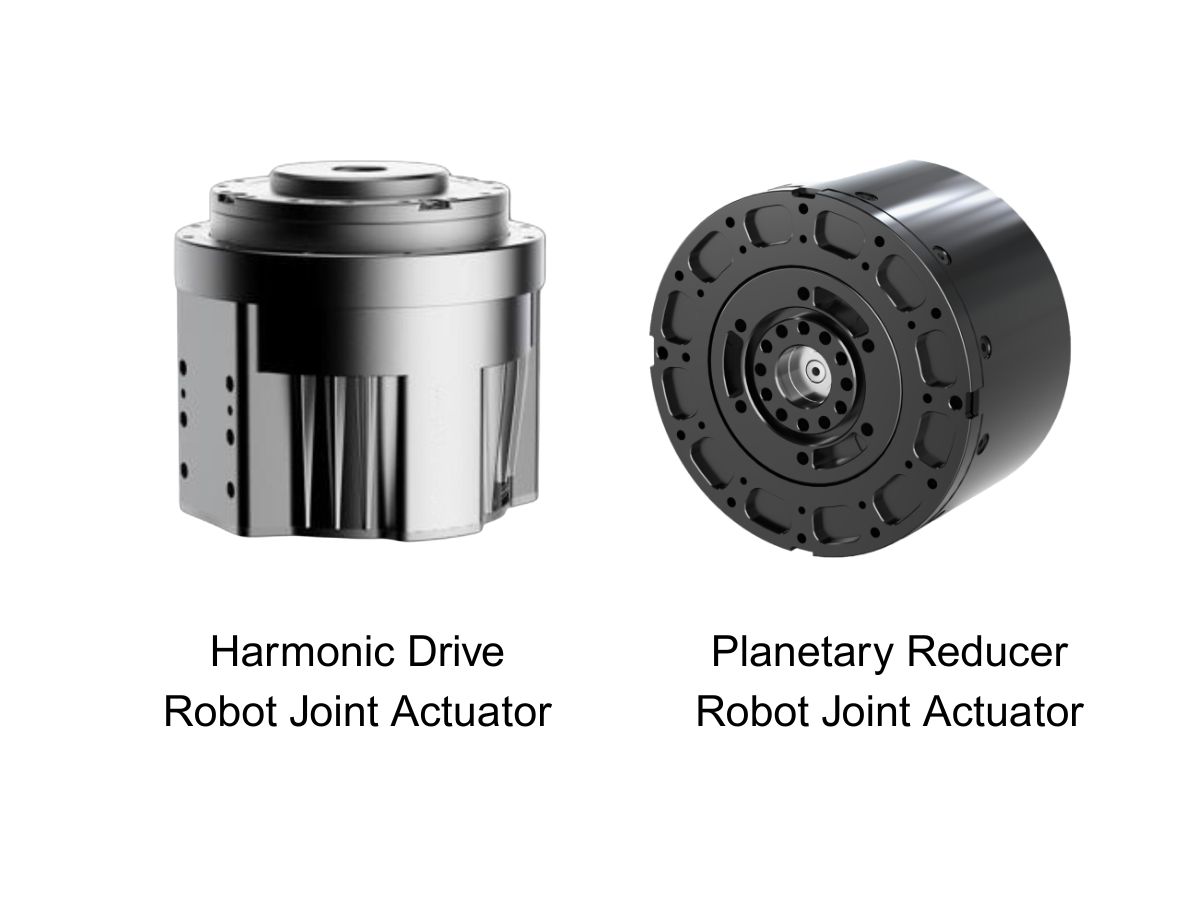
 What is robot joint actuator?How to Choose the Best Robot Rotary Joint Actuator?In core robot joint transmission solutions, planetary and harmonic rotary actuators each have their own strengths. Choosing the right type based on application requirements is essential to achieve the optimal balance between performance and cost.
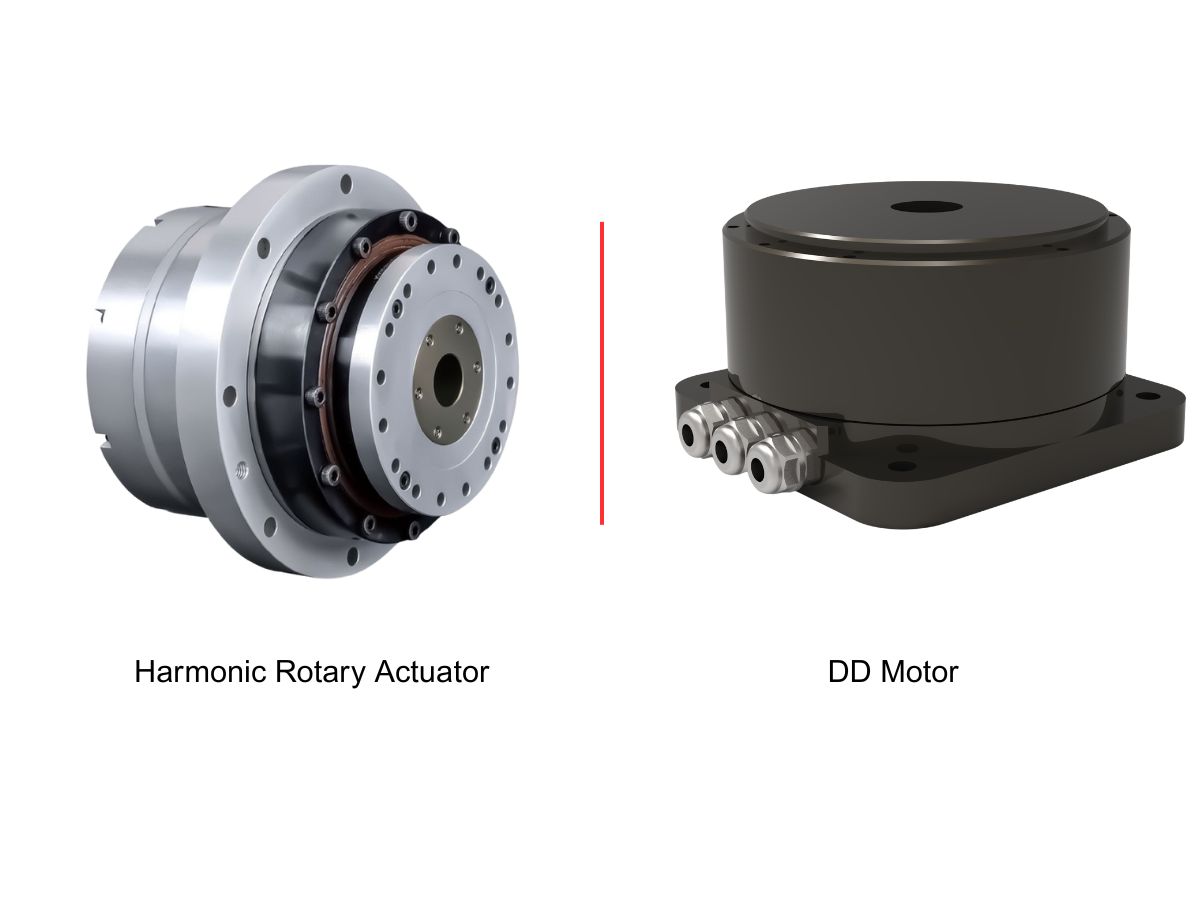
 DD Motors VS Harmonic Rotary ActuatorsThis article provides an in-depth comparison between Direct Drive (DD) motors and harmonic rotary actuators, covering their transmission principles, advantages and disadvantages, and typical application fields.
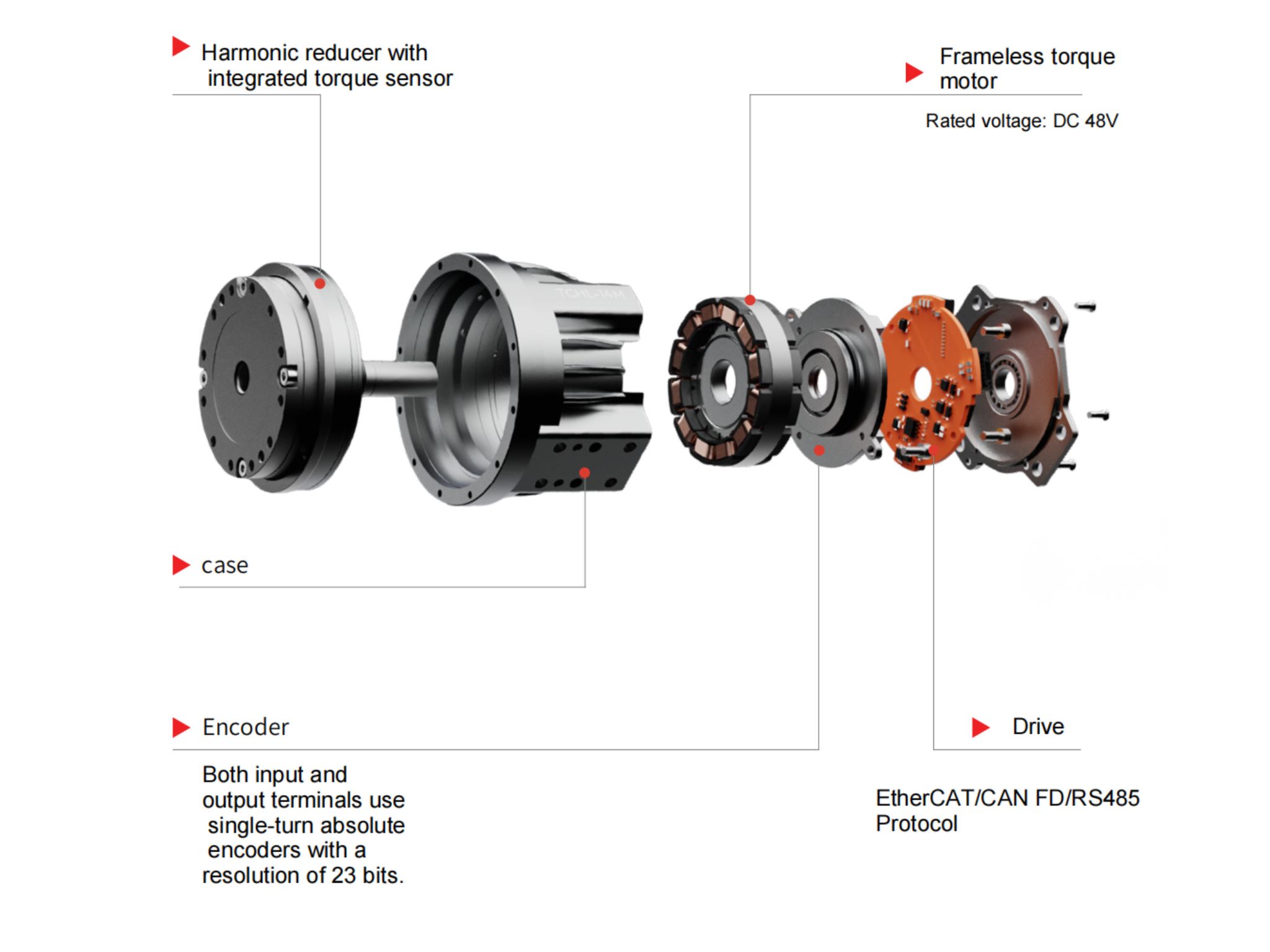
 OMG Ultra Compact Harmonic Drive Joint Module with Built-in Torque SensorHONPINE TCHL series harmonic drive joint module is a game-changing product that achieves disruptive improvements in multiple aspects such as lightweight design, integration level, and connection convenience. This article will analyze its revolutionary enhancements with you.
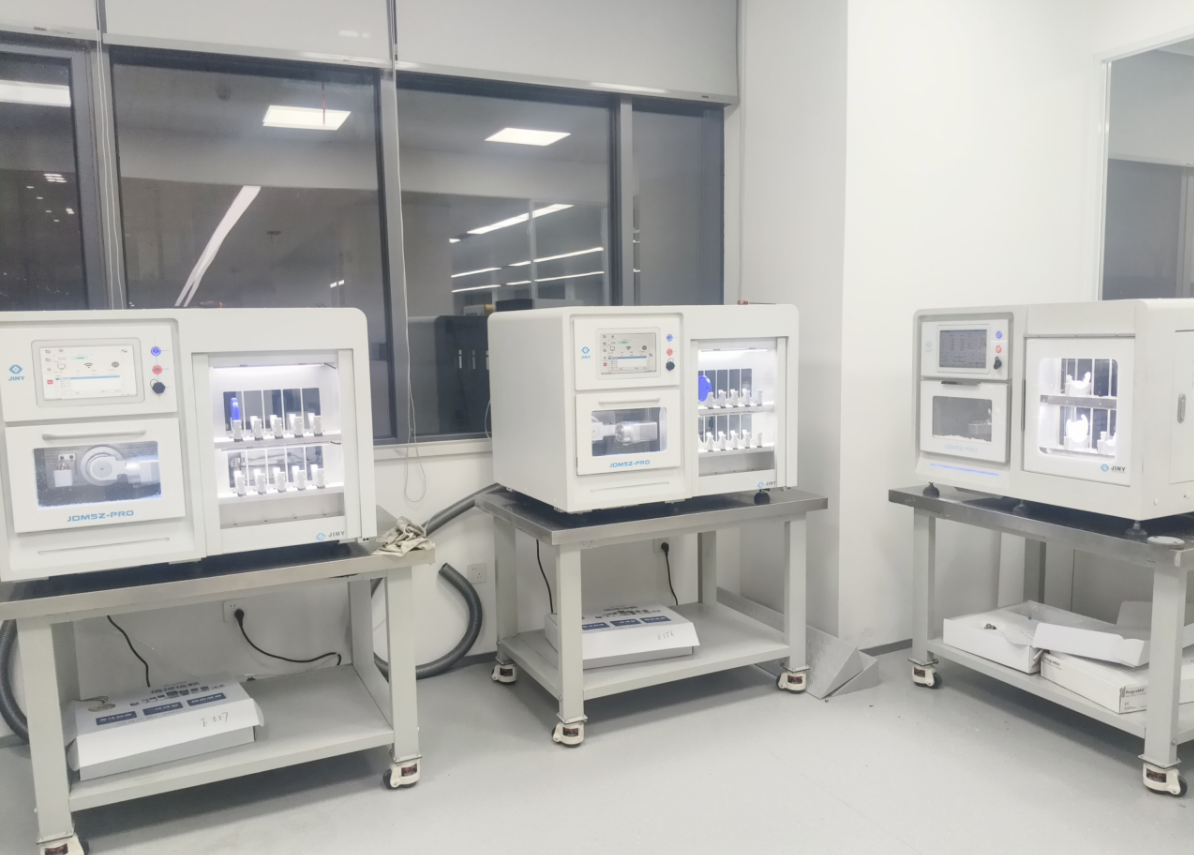
 The Role of Harmonic Drive Gears in Achieving 5–10 μm Accuracy in Dental Milling MachinesA dental milling machine is a CNC machining system used to directly process digital dental models into restorations such as crowns, bridges, veneers, inlays, and implant abutments. Dental milling machines require far higher operational accuracy and motion stability than ordinary equipment. This article explains how harmonic drive gear help dental milling machines achieve stable, continuous, and controllable operation.
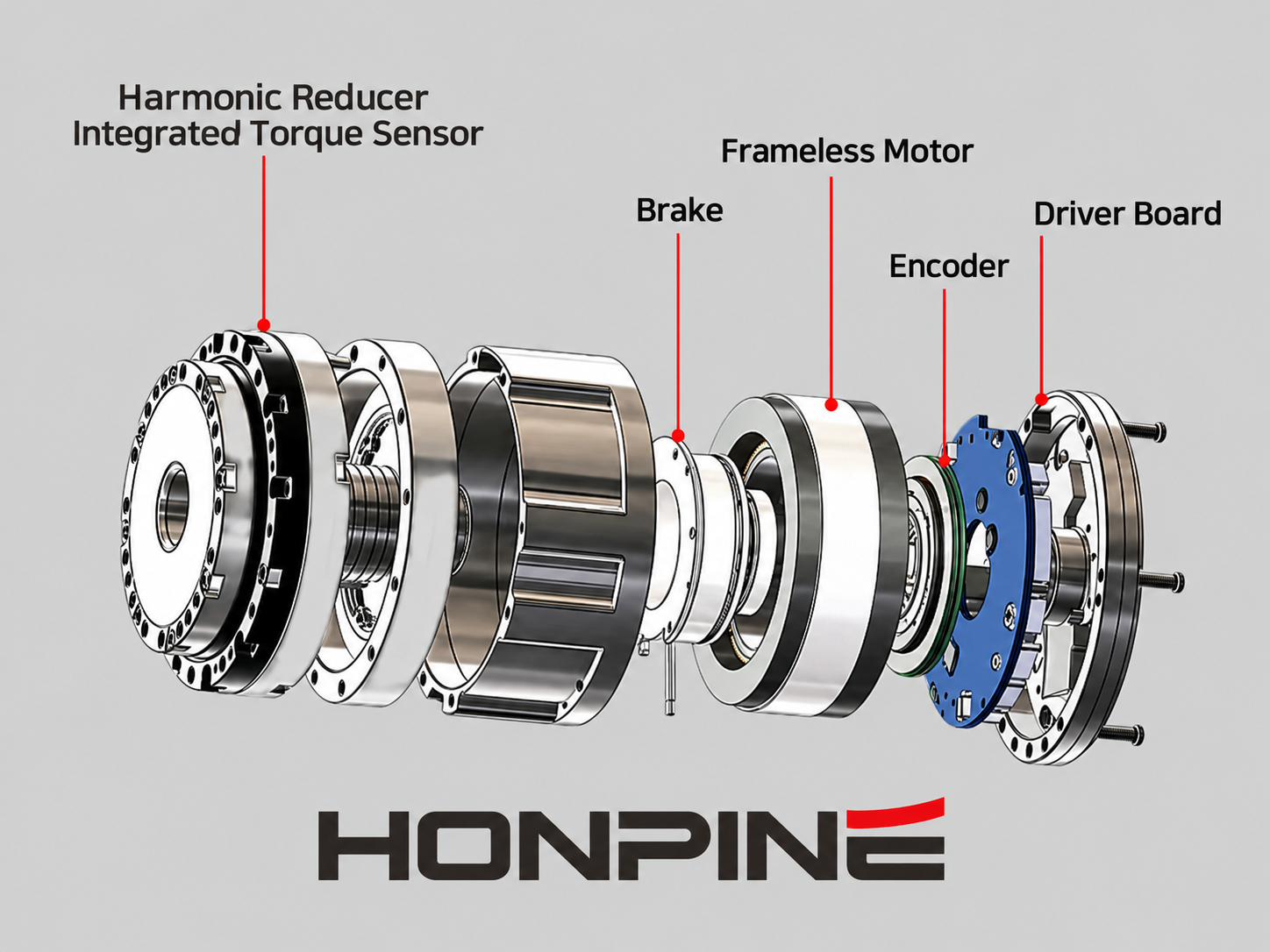
 Why Are Harmonic Rotary Actuators Perfect for Medical Equipment?Harmonic rotary actuators (typically integrated systems consisting of a harmonic drive reducer, frameless torque motor, encoder, and optional brake) are regarded as key components in medical equipment. The core reason is that they simultaneously meet the most stringent medical requirements for precision, compact size, safety, and controllability. The following explanation is structured from three perspectives: technical characteristics, application scenarios, and medical value.
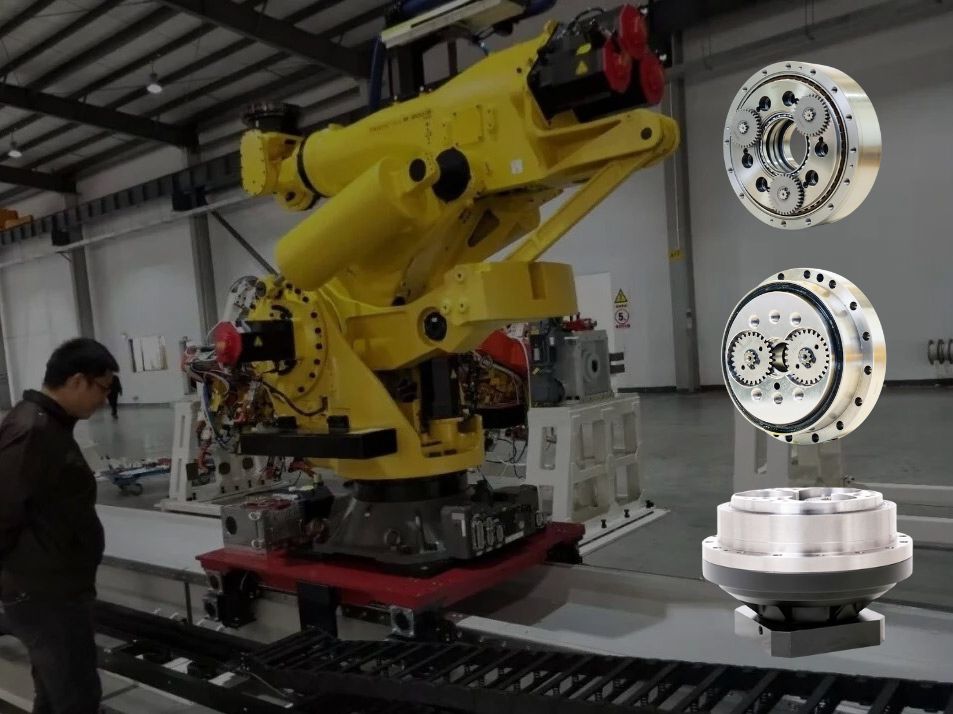
 High-Precision RV Reducers Perfectly Matched for Walking RobotsThe walking axis of a robot is a core component for power transmission and support. RV reducers provide extremely high rigidity, precision, and torque while maintaining a compact size and exceptional reliability, making them an ideal match for the demanding requirements of walking robot joints in terms of load capacity, impact resistance, and precision.
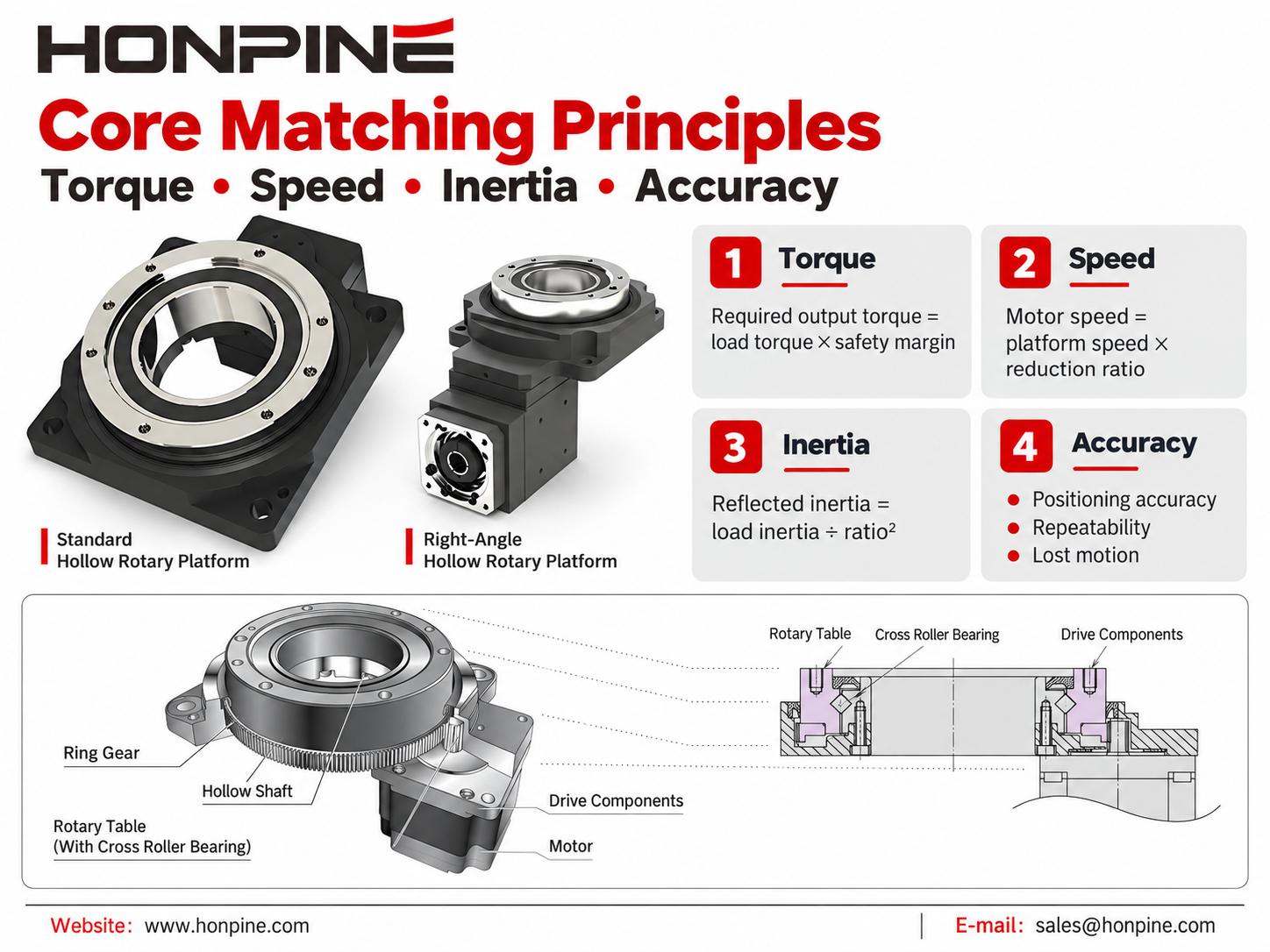
 Hollow Rotary Platform Motor Matching: A Complete GuideSelecting the right motor for a hollow rotary platform is essential for achieving precise positioning, stable operation, and efficient automation. This guide explains how to match servo motors, stepper motors, and brushless DC motors with hollow rotary platforms based on torque, speed, inertia, accuracy, and installation requirements. Explore practical motor selection guidelines, typical application combinations, and space-saving mounting solutions to find the right configuration for your automation project.
 Can Robots Feel Touch? HONPINE HAG Force-Controlled Harmonic Robot Joint MotorsCan robots respond to a gentle touch? The HONPINE HAG robot joint motor with torque sensor combines a harmonic reducer, integrated torque sensing, and closed-loop control to detect external forces and support smooth, compliant motion. In this article, HONPINE founder Allen Li demonstrates the module's response to light contact and hand-guided movement, explains its key force-control technologies, and shares the vision behind joint modules designed for practical industrial robotics.
 Does a Higher Gearbox Ratio Mean More Torque? Planetary, Harmonic, and RV Gearboxes ExplainedDoes a higher gearbox ratio mean more torque? This engineering guide explains the relationship between gearbox ratio, output torque, and output speed, and compares planetary gearboxes, harmonic gearboxes, and RV gearboxes. Learn why reduction ratio alone cannot determine gearbox torque capacity, efficiency, dynamic response, precision, or service life, and what engineers should consider when selecting a gearbox for robotics, CNC machines, servo systems, and industrial motion control.
 High-Precision Hollow Harmonic Rotary Actuator for CNC Machines and Heavy-Duty Rotary AxesHONPINE 58 Series Hollow Harmonic Rotary Actuator is designed for CNC rotary tables, precision rotary axes, laser processing equipment, and heavy-duty rotary positioning applications. With a 50 mm hollow bore, up to 2,722 N·m peak torque, integrated crossed roller bearing, multi-turn absolute encoder options, positioning accuracy below 30 arcsec, and repeat positioning accuracy below 5 arcsec, it combines high torque capacity with precision rotary motion and flexible mechanical integration.
 How Does the HONPINE JRM Planetary Robot Joint Module Address Temperature Rise in Continuous Operation?HONPINE JRM planetary robot joint modules are designed for long-duration and high-load robotic operation. This article examines how motor electromagnetic optimization, high-efficiency planetary transmission, GaN-based drive technology, and system-level low-loss design help control temperature rise. Using the C6345 planetary robot joint module as a test example, HONPINE also presents full-load thermal validation under continuous operation, including motor efficiency up to 92%, planetary gearbox efficiency up to 97%, and a final equilibrium temperature of 61.42°C at a 25°C ambient temperature.
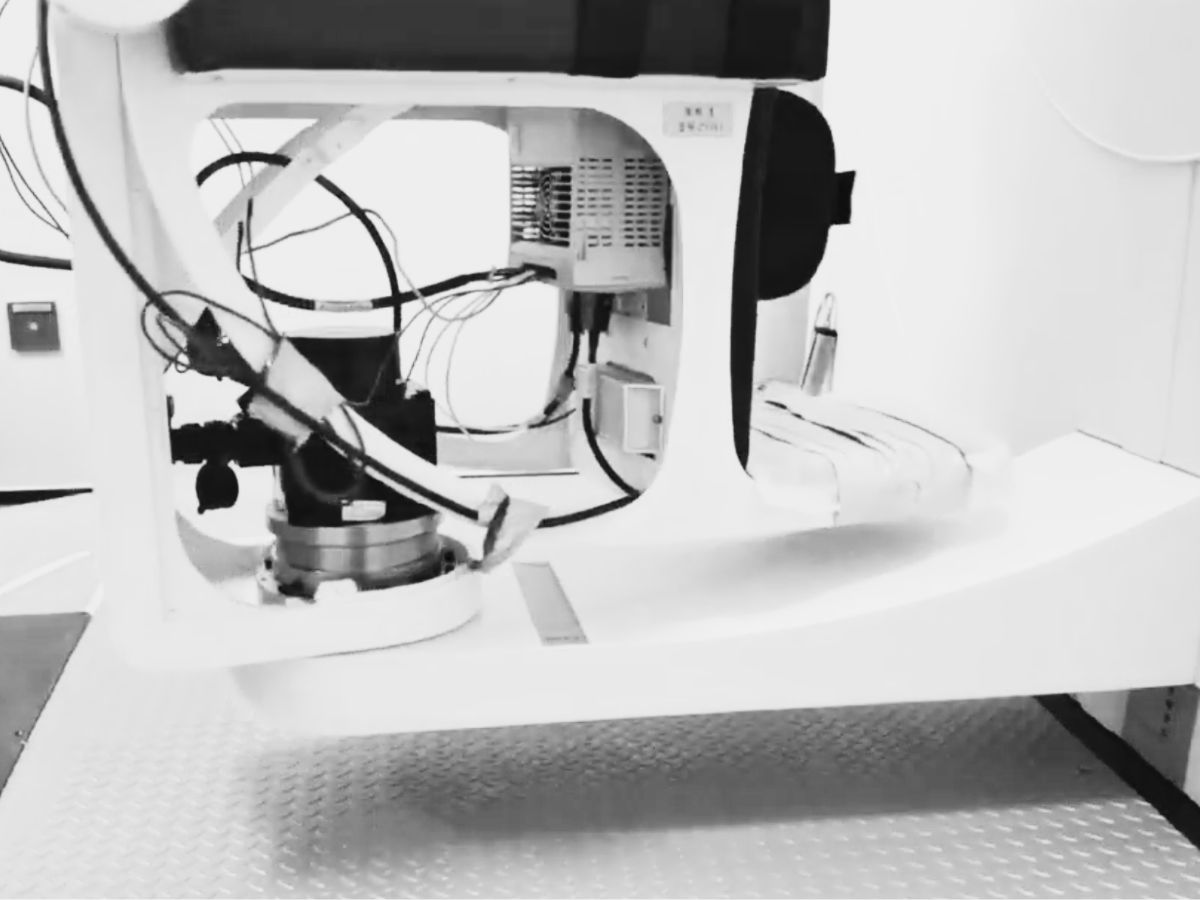
 Direct Drive Motor Sizing: A Complete Guide to Torque Calculation and SelectionSelecting a direct drive motor for a precision rotary system requires more than matching motor torque to the equipment weight. Engineers need to evaluate gravity torque, inertial torque, wind torque, friction, rotational inertia, speed, acceleration, duty cycle, and positioning requirements. In this guide, Theodore Li, Technical Director at HONPINE, explains a practical approach to direct drive motor sizing and torque calculation using an azimuth and elevation turntable as an engineering example. The article covers continuous and peak torque calculation, motor selection criteria, and the application of frameless direct drive motors in integrated rotary systems.
Double Click
We provide harmonic drive reducer,planetary reducer,robot joint motor,robot rotary actuators,RV gear reducer,robot end effector,dexterous robot hand
 What is robot joint actuator?How to Choose the Best Robot Rotary Joint Actuator?In core robot joint transmission solutions, planetary and harmonic rotary actuators each have their own strengths. Choosing the right type based on application requirements is essential to achieve the optimal balance between performance and cost.
 DD Motors VS Harmonic Rotary ActuatorsThis article provides an in-depth comparison between Direct Drive (DD) motors and harmonic rotary actuators, covering their transmission principles, advantages and disadvantages, and typical application fields.
 OMG Ultra Compact Harmonic Drive Joint Module with Built-in Torque SensorHONPINE TCHL series harmonic drive joint module is a game-changing product that achieves disruptive improvements in multiple aspects such as lightweight design, integration level, and connection convenience. This article will analyze its revolutionary enhancements with you.
 The Role of Harmonic Drive Gears in Achieving 5–10 μm Accuracy in Dental Milling MachinesA dental milling machine is a CNC machining system used to directly process digital dental models into restorations such as crowns, bridges, veneers, inlays, and implant abutments. Dental milling machines require far higher operational accuracy and motion stability than ordinary equipment. This article explains how harmonic drive gear help dental milling machines achieve stable, continuous, and controllable operation.
 Why Are Harmonic Rotary Actuators Perfect for Medical Equipment?Harmonic rotary actuators (typically integrated systems consisting of a harmonic drive reducer, frameless torque motor, encoder, and optional brake) are regarded as key components in medical equipment. The core reason is that they simultaneously meet the most stringent medical requirements for precision, compact size, safety, and controllability. The following explanation is structured from three perspectives: technical characteristics, application scenarios, and medical value.
 High-Precision RV Reducers Perfectly Matched for Walking RobotsThe walking axis of a robot is a core component for power transmission and support. RV reducers provide extremely high rigidity, precision, and torque while maintaining a compact size and exceptional reliability, making them an ideal match for the demanding requirements of walking robot joints in terms of load capacity, impact resistance, and precision.
 Hollow Rotary Platform Motor Matching: A Complete GuideSelecting the right motor for a hollow rotary platform is essential for achieving precise positioning, stable operation, and efficient automation. This guide explains how to match servo motors, stepper motors, and brushless DC motors with hollow rotary platforms based on torque, speed, inertia, accuracy, and installation requirements. Explore practical motor selection guidelines, typical application combinations, and space-saving mounting solutions to find the right configuration for your automation project.
 Can Robots Feel Touch? HONPINE HAG Force-Controlled Harmonic Robot Joint MotorsCan robots respond to a gentle touch? The HONPINE HAG robot joint motor with torque sensor combines a harmonic reducer, integrated torque sensing, and closed-loop control to detect external forces and support smooth, compliant motion. In this article, HONPINE founder Allen Li demonstrates the module's response to light contact and hand-guided movement, explains its key force-control technologies, and shares the vision behind joint modules designed for practical industrial robotics.
 Does a Higher Gearbox Ratio Mean More Torque? Planetary, Harmonic, and RV Gearboxes ExplainedDoes a higher gearbox ratio mean more torque? This engineering guide explains the relationship between gearbox ratio, output torque, and output speed, and compares planetary gearboxes, harmonic gearboxes, and RV gearboxes. Learn why reduction ratio alone cannot determine gearbox torque capacity, efficiency, dynamic response, precision, or service life, and what engineers should consider when selecting a gearbox for robotics, CNC machines, servo systems, and industrial motion control.
 High-Precision Hollow Harmonic Rotary Actuator for CNC Machines and Heavy-Duty Rotary AxesHONPINE 58 Series Hollow Harmonic Rotary Actuator is designed for CNC rotary tables, precision rotary axes, laser processing equipment, and heavy-duty rotary positioning applications. With a 50 mm hollow bore, up to 2,722 N·m peak torque, integrated crossed roller bearing, multi-turn absolute encoder options, positioning accuracy below 30 arcsec, and repeat positioning accuracy below 5 arcsec, it combines high torque capacity with precision rotary motion and flexible mechanical integration.
 How Does the HONPINE JRM Planetary Robot Joint Module Address Temperature Rise in Continuous Operation?HONPINE JRM planetary robot joint modules are designed for long-duration and high-load robotic operation. This article examines how motor electromagnetic optimization, high-efficiency planetary transmission, GaN-based drive technology, and system-level low-loss design help control temperature rise. Using the C6345 planetary robot joint module as a test example, HONPINE also presents full-load thermal validation under continuous operation, including motor efficiency up to 92%, planetary gearbox efficiency up to 97%, and a final equilibrium temperature of 61.42°C at a 25°C ambient temperature.
 Direct Drive Motor Sizing: A Complete Guide to Torque Calculation and SelectionSelecting a direct drive motor for a precision rotary system requires more than matching motor torque to the equipment weight. Engineers need to evaluate gravity torque, inertial torque, wind torque, friction, rotational inertia, speed, acceleration, duty cycle, and positioning requirements. In this guide, Theodore Li, Technical Director at HONPINE, explains a practical approach to direct drive motor sizing and torque calculation using an azimuth and elevation turntable as an engineering example. The article covers continuous and peak torque calculation, motor selection criteria, and the application of frameless direct drive motors in integrated rotary systems.