



EU MDR 2026 Revision Effective: CNC Firmware Traceability to v2.1.0 Required
On 1 May 2026, the European Union implemented the revised Machinery Directive (MDR 2026), introducing mandatory software version traceability for network-connected CNC systems — requiring all such devices exported to the EU to run firmware verifiable back to version V2.1.0 or later. This development directly affects Chinese CNC equipment manufacturers, firmware developers, and exporters engaged in EU market access, particularly where remote diagnostics, PLC integration, or HMI connectivity are embedded.
Event Overview
The EU’s MDR 2026 revision entered into force on 1 May 2026. It explicitly mandates that all numerically controlled machinery with networking capabilities — including integrated PLCs, HMIs, and remote diagnostic modules — must use software versions traceable to V2.1.0 or higher. Affected manufacturers must provide complete change logs and documented cybersecurity test reports as part of CE conformity assessment. No further implementation timelines or transitional provisions beyond this date have been publicly confirmed.
Industries Affected by Segment
Direct Exporters of CNC Equipment
Exporters supplying finished CNC machine tools or integrated control cabinets to EU customers face immediate compliance pressure. Because firmware version history and cybersecurity documentation are now prerequisites for CE marking, previously accepted legacy versions (e.g., V1.x series) no longer meet regulatory entry conditions — even if functionally equivalent.
Firmware Development & Update Providers
Third-party or in-house firmware teams supporting Chinese OEMs must now maintain auditable version lineage from V2.1.0 forward. This includes version-controlled source repositories, dated release notes, and formal test evidence covering secure boot, update integrity, and vulnerability scanning — not merely functional validation.
Contract Manufacturers & ODMs
ODMs producing control units or embedded controllers for multiple OEM brands must ensure firmware builds shipped to EU-bound assemblies comply uniformly. Divergent versioning across customer SKUs — common in cost-optimized production — now introduces non-compliance risk unless standardized at or above V2.1.0 baseline.
Aftermarket Service & Upgrade Providers
Companies offering field firmware upgrades, remote maintenance, or retrofit packages must verify that any updated software meets the V2.1.0+ traceability requirement — including full change documentation and retested cybersecurity evidence. Pre-2026 upgrade kits lacking such documentation may no longer be deployable in EU-regulated installations.
Key Focus Areas and Practical Responses
Monitor official EU guidance on retrospective application
While the revision is effective as of 1 May 2026, it remains unclear whether Notified Bodies will require V2.1.0 traceability for machines placed on the EU market before that date but undergoing post-market updates. Exporters should track updates from the European Commission and national market surveillance authorities.
Validate current firmware baseline across product families
Manufacturers should audit all active CNC control firmware versions in production and support pipelines. If any models rely on pre-V2.1.0 codebases, migration planning — including regression testing, documentation generation, and Notified Body consultation — must begin immediately.
Distinguish between regulatory signal and operational readiness
The MDR 2026 revision signals tightening cybersecurity integration in industrial machinery regulation, but its enforcement depends on Notified Body interpretation and audit scope. Companies should treat V2.1.0 traceability as a minimum threshold for new submissions, not assume blanket retroactive validation of older deployments.
Prepare documentation infrastructure ahead of next CE renewal cycle
Change logs and cybersecurity test reports must be structured, versioned, and stored in alignment with ISO/IEC 62443-4-2 requirements. Firms without existing secure development lifecycle (SDL) documentation practices should prioritize establishing traceable build records and vulnerability disclosure protocols — not just one-off test reports.
Editorial Perspective / Industry Observation
Observably, the MDR 2026 revision marks a procedural shift — not a technical overhaul. It does not mandate new security features per se, but elevates documentation rigor and version accountability to statutory requirements. Analysis shows this reflects broader EU policy convergence between machinery safety and cybersecurity governance, notably aligning with the Cyber Resilience Act (CRA) framework. From an industry perspective, this is less a sudden disruption and more a formalized escalation of expectations already emerging in high-integrity industrial sectors. Current implementation remains dependent on Notified Body capacity and interpretation — meaning real-world impact will vary across certification pathways and product classes.
Consequently, this revision is best understood as a regulatory signal — indicating long-term direction — rather than an immediate, uniform compliance outcome. Its significance lies in institutionalizing firmware provenance as a core conformity element, thereby reshaping how CNC software development, validation, and lifecycle management are resourced and governed within export-oriented firms.
Conclusion: The MDR 2026 revision establishes firmware version traceability to V2.1.0 as a foundational requirement for EU market access of connected CNC systems — not a temporary measure, but a structural component of future conformity assessments. For affected stakeholders, the priority is not reactive patching, but systematic alignment of software development practices with auditable, security-aware documentation standards. This is best approached as an incremental capability upgrade, grounded in current regulatory language and verified through engagement with accredited conformity assessment bodies.
Information Source: Official text of Regulation (EU) 2026/XXX amending Directive 2006/42/EC (Machinery Directive), published in the Official Journal of the European Union, entry into force 1 May 2026. Note: Specific annexes detailing required cybersecurity test scope remain under ongoing clarification by EU Commission working groups; continued monitoring is advised.
Read More
Learn more about the story of HONPINE and industry trends related to precision transmission.
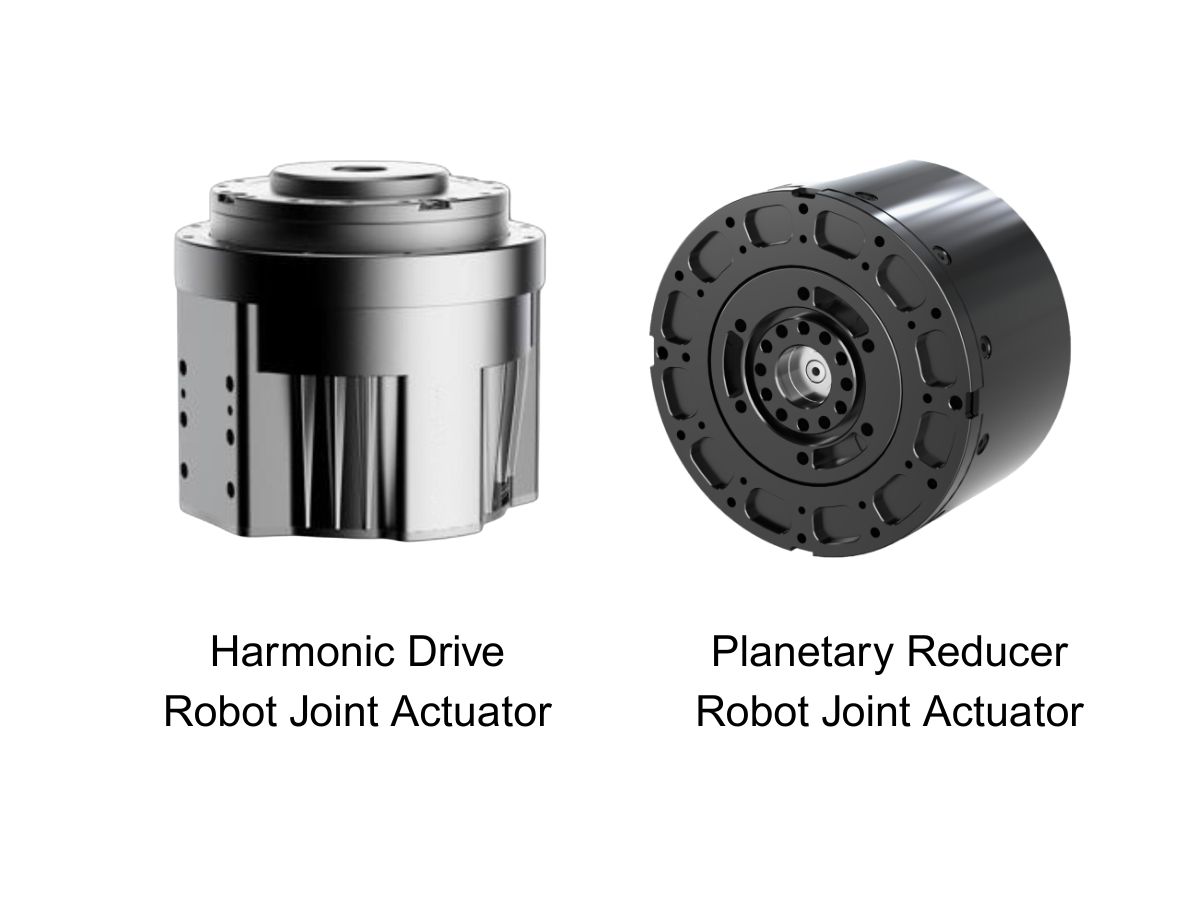
 What is robot joint actuator?How to Choose the Best Robot Rotary Joint Actuator?In core robot joint transmission solutions, planetary and harmonic rotary actuators each have their own strengths. Choosing the right type based on application requirements is essential to achieve the optimal balance between performance and cost.
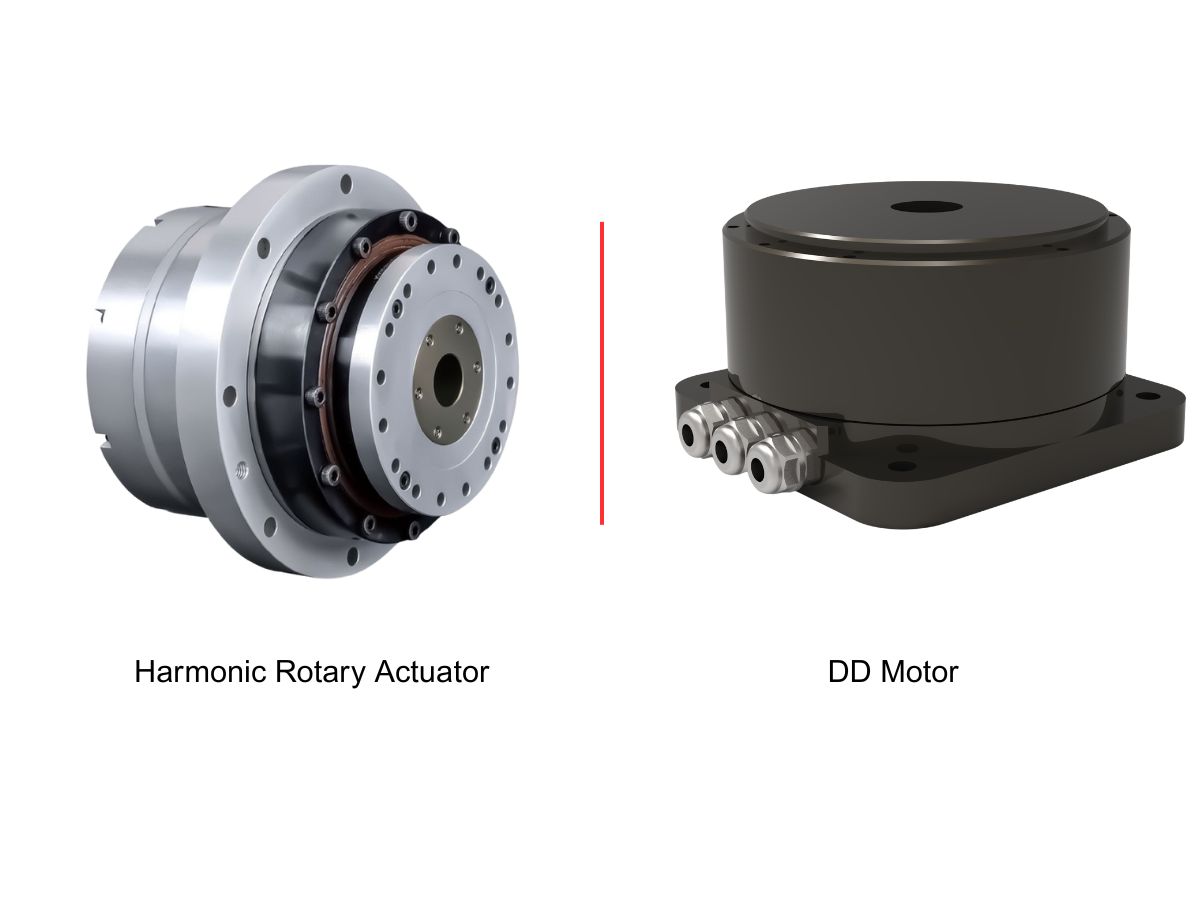
 DD Motors VS Harmonic Rotary ActuatorsThis article provides an in-depth comparison between Direct Drive (DD) motors and harmonic rotary actuators, covering their transmission principles, advantages and disadvantages, and typical application fields.
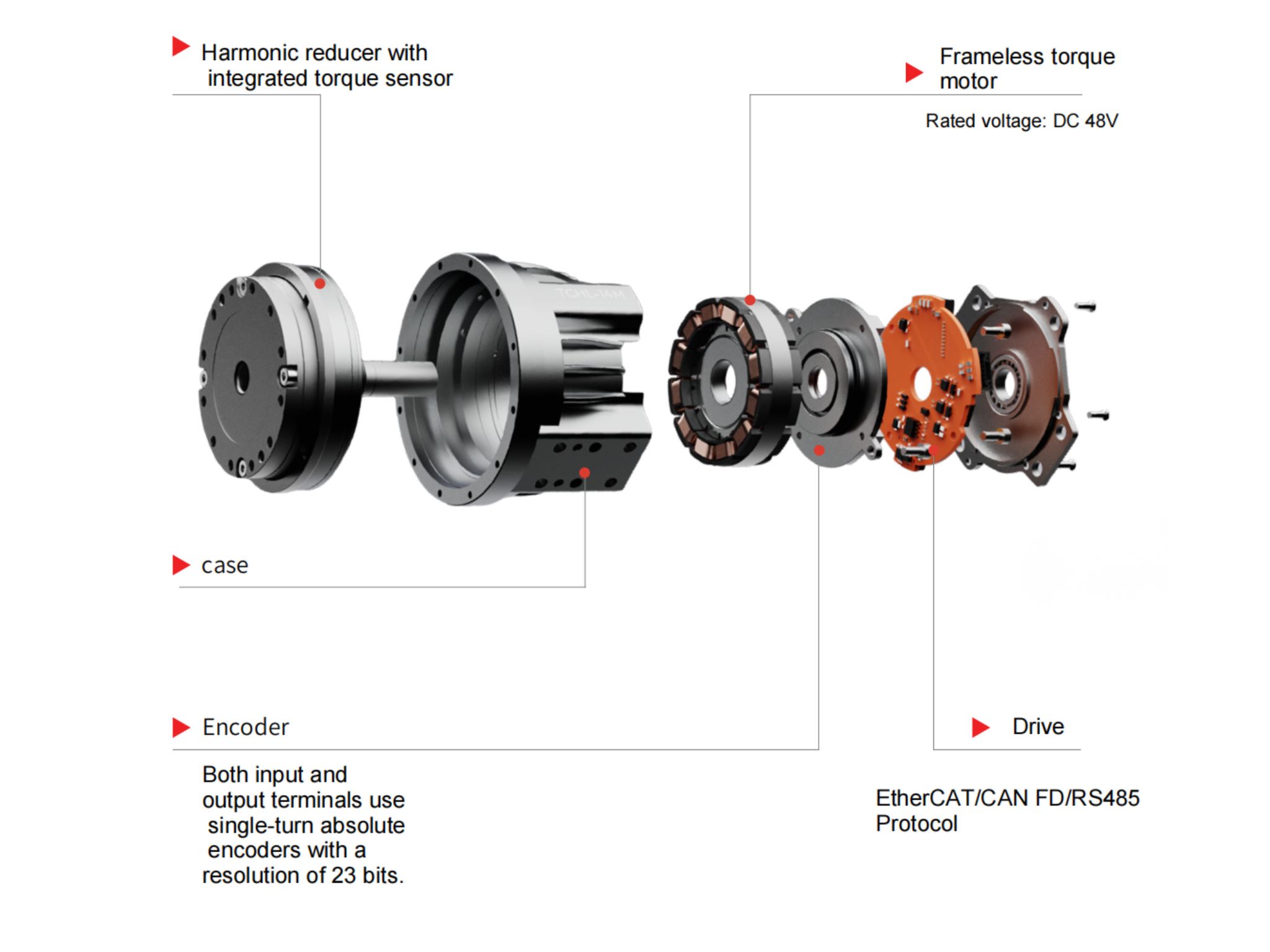
 OMG Ultra Compact Harmonic Drive Joint Module with Built-in Torque SensorHONPINE TCHL series harmonic drive joint module is a game-changing product that achieves disruptive improvements in multiple aspects such as lightweight design, integration level, and connection convenience. This article will analyze its revolutionary enhancements with you.
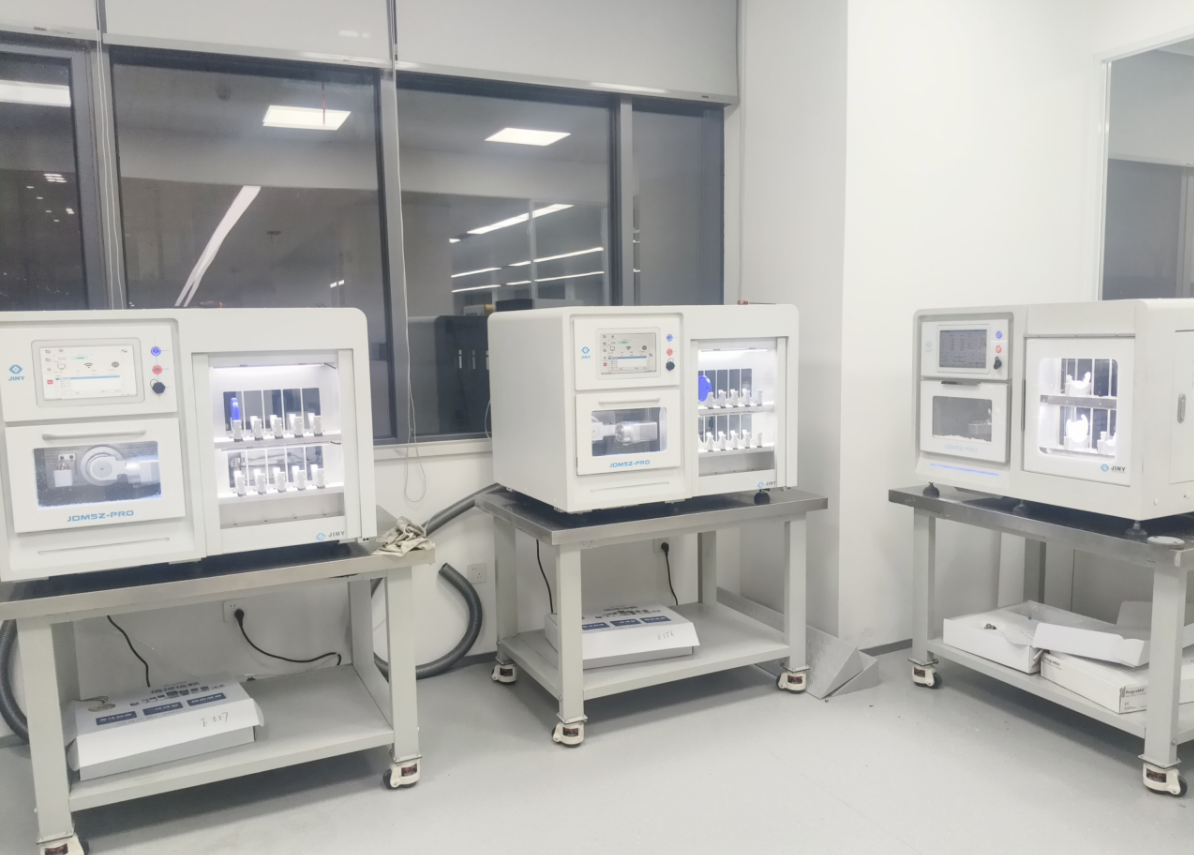
 The Role of Harmonic Drive Gears in Achieving 5–10 μm Accuracy in Dental Milling MachinesA dental milling machine is a CNC machining system used to directly process digital dental models into restorations such as crowns, bridges, veneers, inlays, and implant abutments. Dental milling machines require far higher operational accuracy and motion stability than ordinary equipment. This article explains how harmonic drive gear help dental milling machines achieve stable, continuous, and controllable operation.
 Why Are Harmonic Rotary Actuators Perfect for Medical Equipment?Harmonic rotary actuators (typically integrated systems consisting of a harmonic drive reducer, frameless torque motor, encoder, and optional brake) are regarded as key components in medical equipment. The core reason is that they simultaneously meet the most stringent medical requirements for precision, compact size, safety, and controllability. The following explanation is structured from three perspectives: technical characteristics, application scenarios, and medical value.
 High-Precision RV Reducers Perfectly Matched for Walking RobotsThe walking axis of a robot is a core component for power transmission and support. RV reducers provide extremely high rigidity, precision, and torque while maintaining a compact size and exceptional reliability, making them an ideal match for the demanding requirements of walking robot joints in terms of load capacity, impact resistance, and precision.
![]() Chongqing Xuerui YS3118CNC5 Gear Hobbing Machine Gains SASO Energy Efficiency CertificationYS3118CNC5 gear hobbing machine achieves SASO energy efficiency certification — a key advantage for exporters and Middle East gear manufacturers seeking compliant, high-precision CNC machine tools.
Chongqing Xuerui YS3118CNC5 Gear Hobbing Machine Gains SASO Energy Efficiency CertificationYS3118CNC5 gear hobbing machine achieves SASO energy efficiency certification — a key advantage for exporters and Middle East gear manufacturers seeking compliant, high-precision CNC machine tools.![]() Taizhou Industrial Expo 2026: Laser & Cobots Surge, ODM for Global DistributorsTaizhou Industrial Expo 2026: Laser cutting systems & cobots surge—ODM for global distributors with CE/UKCA + 60-day sea freight.
Taizhou Industrial Expo 2026: Laser & Cobots Surge, ODM for Global DistributorsTaizhou Industrial Expo 2026: Laser cutting systems & cobots surge—ODM for global distributors with CE/UKCA + 60-day sea freight.![]() CIMES 2026 Beijing: 1300+ Global Exhibitors Focus on 5-Axis & 10kW Laser Export ComplianceCIMES 2026 Beijing highlights 5-axis & 10kW laser export compliance — 1300+ global exhibitors showcase certified CNC solutions for EU, GCC & ASEAN markets.
CIMES 2026 Beijing: 1300+ Global Exhibitors Focus on 5-Axis & 10kW Laser Export ComplianceCIMES 2026 Beijing highlights 5-axis & 10kW laser export compliance — 1300+ global exhibitors showcase certified CNC solutions for EU, GCC & ASEAN markets.![]() DMG MORI Halts Five-Axis CNC Supply to Russia & BelarusDMG MORI halts five-axis CNC supply to Russia & Belarus—impact on precision machining, CELOS systems, and alternatives like BYJC GT1200 Pro.
DMG MORI Halts Five-Axis CNC Supply to Russia & BelarusDMG MORI halts five-axis CNC supply to Russia & Belarus—impact on precision machining, CELOS systems, and alternatives like BYJC GT1200 Pro.![]() CCMT2026: Middle East Demand for ATEX/IECEx Five-Axis Machining Centers Surges 370%ATEX/IECEx five-axis machining centers see 370% surge in Middle East demand at CCMT2026 — unlock explosive growth in energy & petrochemical markets.
CCMT2026: Middle East Demand for ATEX/IECEx Five-Axis Machining Centers Surges 370%ATEX/IECEx five-axis machining centers see 370% surge in Middle East demand at CCMT2026 — unlock explosive growth in energy & petrochemical markets.![]() CCMT2026: Middle East Buyers Seek ATEX/IECEx-Certified 5-Axis Machining CentersATEX/IECEx-certified 5-axis machining centers in high demand at CCMT2026—Middle East buyers seek certified solutions for oil & gas infrastructure. Act now!
CCMT2026: Middle East Buyers Seek ATEX/IECEx-Certified 5-Axis Machining CentersATEX/IECEx-certified 5-axis machining centers in high demand at CCMT2026—Middle East buyers seek certified solutions for oil & gas infrastructure. Act now!

Double Click
We provide harmonic drive reducer,planetary reducer,robot joint motor,robot rotary actuators,RV gear reducer,robot end effector,dexterous robot hand
![]() EU MDR 2026 Revision Effective: CNC Firmware Traceability to v2.1.0 RequiredEU MDR 2026 mandates CNC firmware traceability to v2.1.0 for CE marking—critical for Chinese机床设备 exporters. Act now to ensure compliance, avoid shipment delays & secure EU market access.
EU MDR 2026 Revision Effective: CNC Firmware Traceability to v2.1.0 RequiredEU MDR 2026 mandates CNC firmware traceability to v2.1.0 for CE marking—critical for Chinese机床设备 exporters. Act now to ensure compliance, avoid shipment delays & secure EU market access.![]() EN ISO 13849-1:2026 Enters Force in EU on May 1, 2026EN ISO 13849-1:2026 takes effect May 1, 2026 — critical for machine tool OEMs, safety component suppliers & exporters to the EU. Act now to ensure compliance, avoid delays & pass audits smoothly.
EN ISO 13849-1:2026 Enters Force in EU on May 1, 2026EN ISO 13849-1:2026 takes effect May 1, 2026 — critical for machine tool OEMs, safety component suppliers & exporters to the EU. Act now to ensure compliance, avoid delays & pass audits smoothly.![]() VOSA Certification Rejection: 3 Chinese VMCs Returned at Ho Chi Minh PortVOSA Certification rejection hits 3 Chinese VMCs at Ho Chi Minh Port — learn why Vietnamese UI, manuals & certificate copies are now mandatory for CNC machine exports.
VOSA Certification Rejection: 3 Chinese VMCs Returned at Ho Chi Minh PortVOSA Certification rejection hits 3 Chinese VMCs at Ho Chi Minh Port — learn why Vietnamese UI, manuals & certificate copies are now mandatory for CNC machine exports.![]() EU CE Machinery Regulation Update: CNC Machine Re-Certification SurgesCNC machine re-certification surges amid EU CE Machinery Regulation update—EN ISO 13857:2026 enforcement triggers urgent compliance action for exporters & OEMs.
EU CE Machinery Regulation Update: CNC Machine Re-Certification SurgesCNC machine re-certification surges amid EU CE Machinery Regulation update—EN ISO 13857:2026 enforcement triggers urgent compliance action for exporters & OEMs.![]() EN ISO 13857:2026 Enters Force for EU Machinery CE MarkingEN ISO 13857:2026 takes effect 1 May 2026 — mandatory for CE marking of CNC lathes, machining centers & press brakes exported to the EU. Act now!
EN ISO 13857:2026 Enters Force for EU Machinery CE MarkingEN ISO 13857:2026 takes effect 1 May 2026 — mandatory for CE marking of CNC lathes, machining centers & press brakes exported to the EU. Act now!![]() EU EN ISO 13857:2026 Takes Effect May 2026 for Machine ToolsEU EN ISO 13857:2026 takes effect May 2026 for machine tools—key update on protective distances, apertures & e-stop timing. Act now to secure CE marking.
EU EN ISO 13857:2026 Takes Effect May 2026 for Machine ToolsEU EN ISO 13857:2026 takes effect May 2026 for machine tools—key update on protective distances, apertures & e-stop timing. Act now to secure CE marking.![]() Italy Pavilion at CCMT2026: 22 Machine Tool Firms Focus on Green Manufacturing & CE 2026 ComplianceItaly Pavilion at CCMT2026: 22 machine tool firms showcase green manufacturing & CE 2026-compliant CNC systems, drives, and carbon-traceable machining centers.
Italy Pavilion at CCMT2026: 22 Machine Tool Firms Focus on Green Manufacturing & CE 2026 ComplianceItaly Pavilion at CCMT2026: 22 machine tool firms showcase green manufacturing & CE 2026-compliant CNC systems, drives, and carbon-traceable machining centers.