

EN ISO 13857:2026 Enters Force for EU Machinery CE Marking
Effective 1 May 2026, the revised European standard EN ISO 13857:2026 becomes mandatory for CE marking of machinery exported to the EU — with direct implications for Chinese CNC lathes, machining centers, press brakes, and other metalworking machine tools.
Event Overview
On 1 May 2026, the European Union formally enforces EN ISO 13857:2026, superseding EN ISO 13857:2019. This updated standard introduces stricter requirements for safety-related parameters, including minimum protective distances, maximum permissible emergency stop response times, and verification procedures for human–machine collaborative zones. The standard applies to machinery covered under the EU Machinery Regulation (2006/42/EC), and its compliance is a prerequisite for valid CE marking of complete machines.
Industries Affected by Sector
Machine Tool Exporters (Direct Trade Enterprises)
Chinese manufacturers exporting finished machine tools — such as CNC turning centers, vertical/horizontal machining centers, and hydraulic press brakes — are directly affected because EN ISO 13857:2026 governs the safety assessment basis for whole-machine CE certification. Non-updated certificates will no longer support customs clearance or market placement in the EU after the effective date.
Contract Manufacturers & OEM Suppliers
Suppliers providing critical subsystems — e.g., control panels with integrated safety logic, guarding systems, or collaborative robot interfaces — may face requalification demands if their components influence the machine’s overall protective distance calculation or stop-time performance. Their test reports must now align with the 2026 edition’s measurement protocols.
CE Certification Bodies & Technical File Reviewers
Notified Bodies authorized to issue CE certificates must apply EN ISO 13857:2026 for all new assessments and major technical file revisions submitted on or after 1 May 2026. Existing certificates issued under the 2019 version remain valid only until next scheduled surveillance or significant product modification — at which point re-evaluation against the 2026 edition is required.
What Enterprises and Practitioners Should Monitor and Do Now
Verify certificate version and scope coverage immediately
Exporters should cross-check current CE certificates and supporting test reports to confirm whether they explicitly reference EN ISO 13857:2026 — or at minimum, whether the testing laboratory applied the 2026 edition’s calculation methods for protective distances and stop-time validation. Certificates citing only the 2019 version do not satisfy the new requirement.
Prioritize re-certification for high-volume or high-risk models
Given limited Notified Body capacity ahead of the deadline, manufacturers should identify top-exported models (e.g., mid-range CNC lathes, compact machining centers) and initiate technical file updates and functional safety testing early — especially where existing designs rely on legacy guard positioning or non-documented stop-time measurements.
Review supply chain documentation for subcomponents
Where machines integrate third-party safety components (e.g., light curtains, safety relays, collaborative motion controllers), procurement teams must obtain updated declarations of conformity referencing EN ISO 13857:2026 — particularly for any element affecting the determination of ‘reach distance’ or ‘stopping performance’ per Annex A and Annex B of the standard.
Editorial Observation / Industry Perspective
Observably, the enforcement of EN ISO 13857:2026 signals a tightening of harmonized safety expectations for physical human–machine interaction — not merely an editorial update. Analysis shows this revision reflects growing regulatory focus on quantifiable, test-validated safety performance rather than prescriptive design rules alone. From an industry perspective, it functions less as a one-time compliance checkpoint and more as a structural shift toward traceable, measurement-based verification across the entire mechanical safety lifecycle. Current attention should therefore focus less on ‘passing’ a test and more on embedding verifiable safety data into technical documentation workflows.
Conclusion
This regulation marks a defined inflection point for exporters reliant on CE-marked machine tools in the EU. Its significance lies not in introducing entirely new hazard categories, but in raising the evidentiary bar for demonstrating compliance — especially regarding measurable parameters like protective distance and stopping time. It is best understood not as an isolated deadline, but as a reinforced expectation of documented, reproducible safety validation embedded within product development and certification processes.
Information Source
Primary source: Official publication of EN ISO 13857:2026 in the EU Official Journal (C series), dated 2025; confirmed implementation date of 1 May 2026 by the European Commission’s Machinery Directive Guidance Document v2.3 (2025 edition). Ongoing monitoring is advised for potential transitional arrangements announced by individual Notified Bodies — a point not yet confirmed in publicly available guidance.
Read More
Learn more about the story of HONPINE and industry trends related to precision transmission.
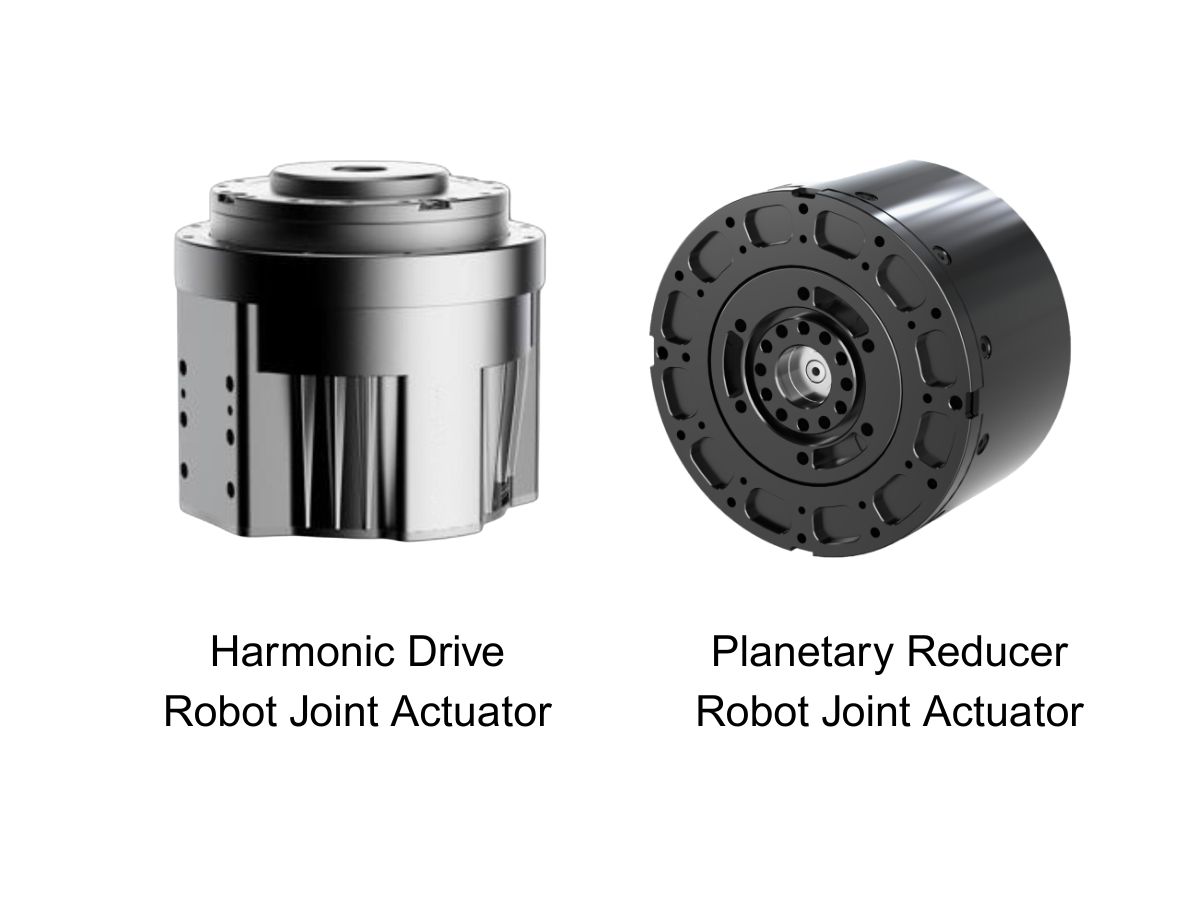
 What is robot joint actuator?How to Choose the Best Robot Rotary Joint Actuator?In core robot joint transmission solutions, planetary and harmonic rotary actuators each have their own strengths. Choosing the right type based on application requirements is essential to achieve the optimal balance between performance and cost.
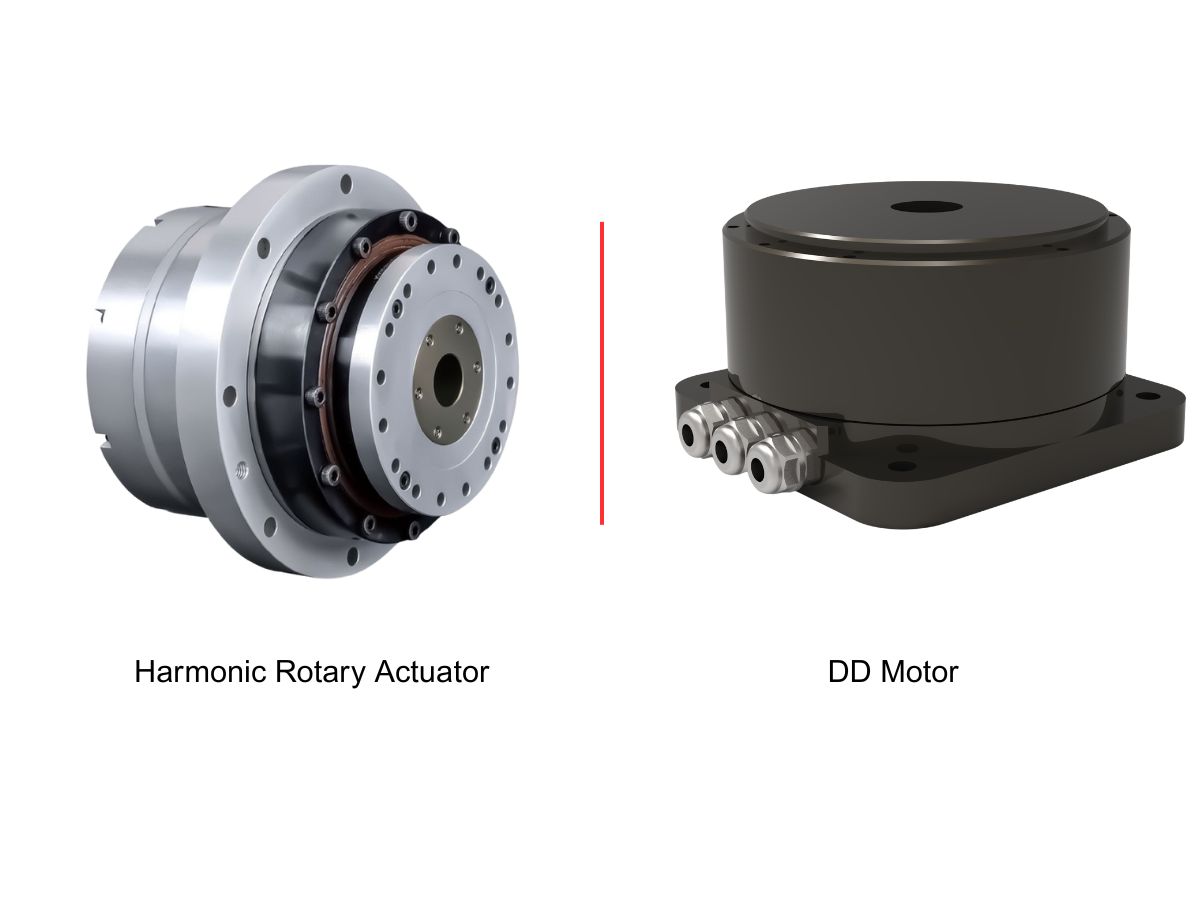
 DD Motors VS Harmonic Rotary ActuatorsThis article provides an in-depth comparison between Direct Drive (DD) motors and harmonic rotary actuators, covering their transmission principles, advantages and disadvantages, and typical application fields.
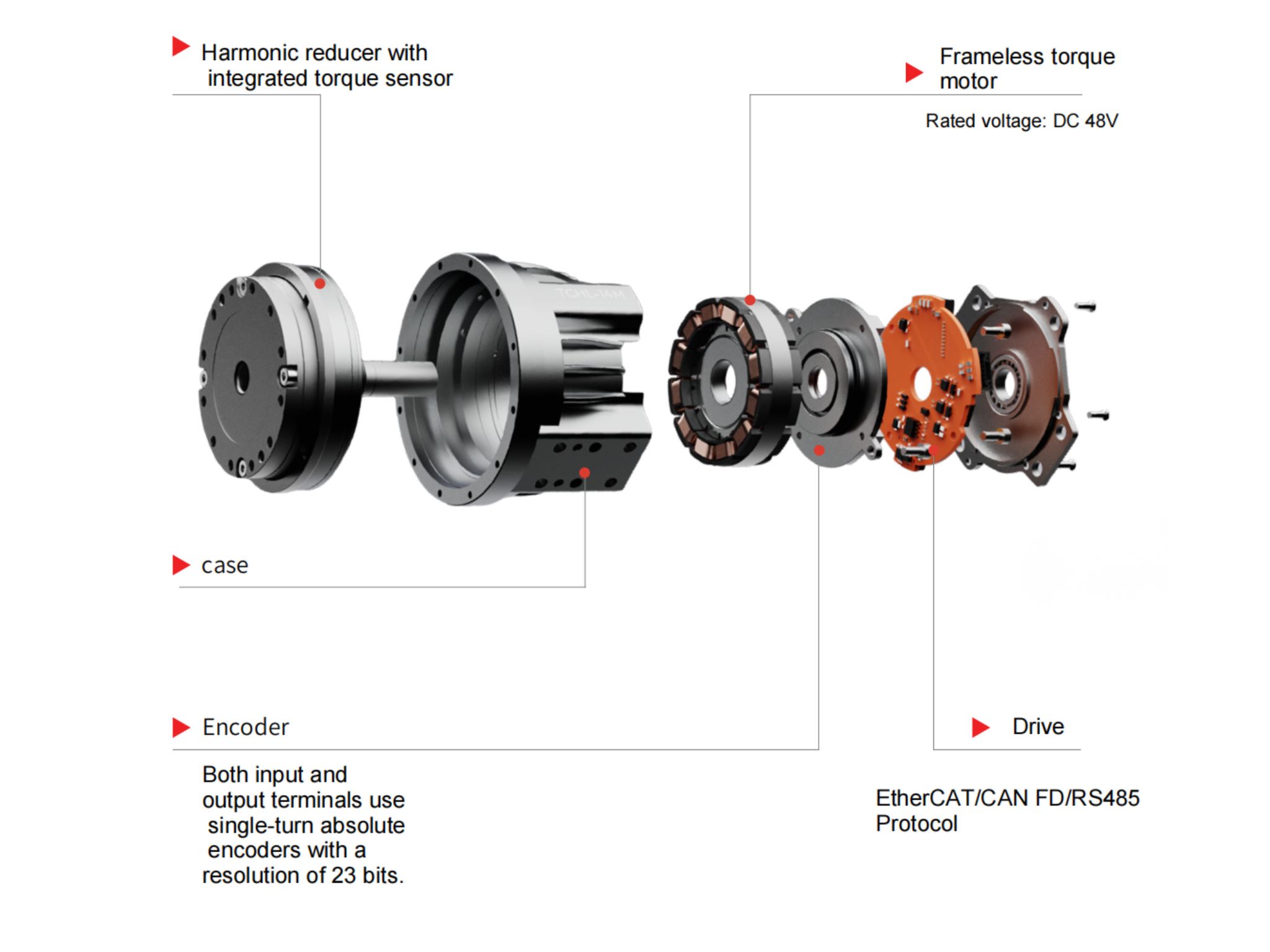
 OMG Ultra Compact Harmonic Drive Joint Module with Built-in Torque SensorHONPINE TCHL series harmonic drive joint module is a game-changing product that achieves disruptive improvements in multiple aspects such as lightweight design, integration level, and connection convenience. This article will analyze its revolutionary enhancements with you.
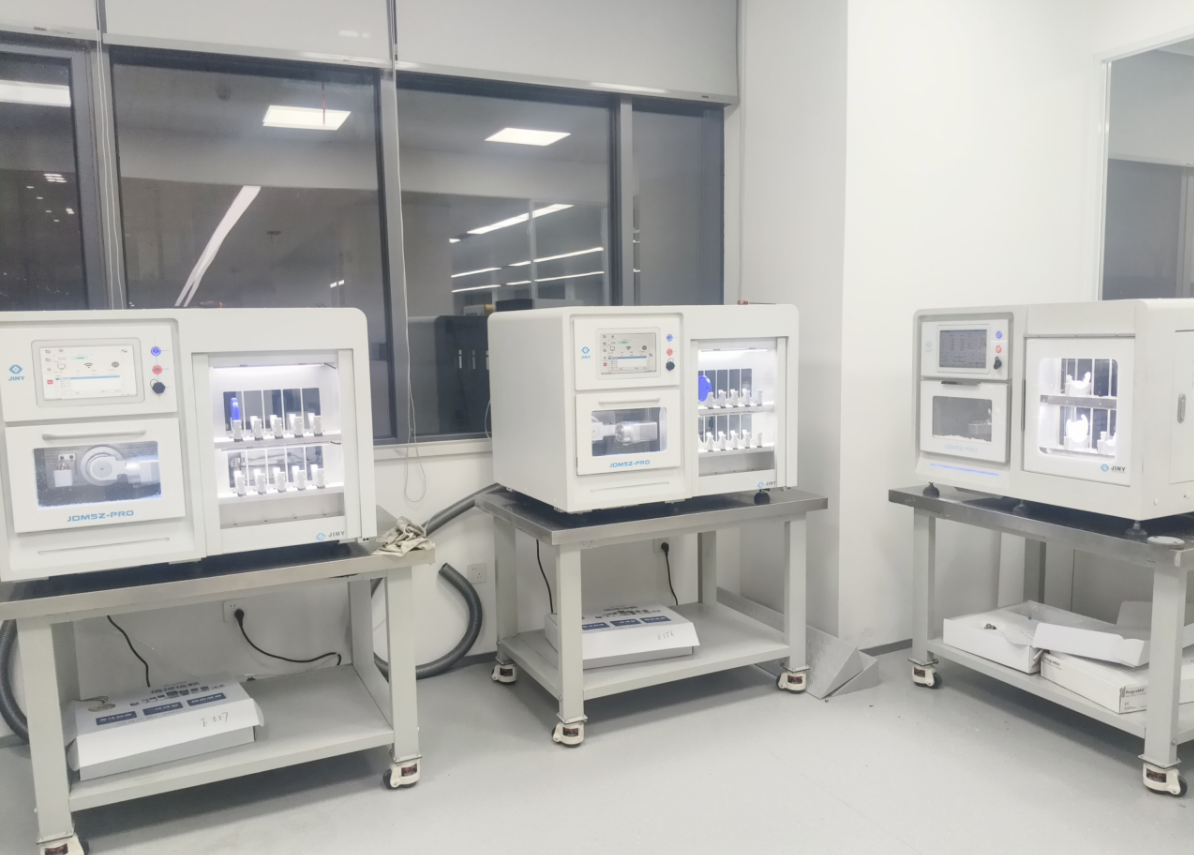
 The Role of Harmonic Drive Gears in Achieving 5–10 μm Accuracy in Dental Milling MachinesA dental milling machine is a CNC machining system used to directly process digital dental models into restorations such as crowns, bridges, veneers, inlays, and implant abutments. Dental milling machines require far higher operational accuracy and motion stability than ordinary equipment. This article explains how harmonic drive gear help dental milling machines achieve stable, continuous, and controllable operation.
 Why Are Harmonic Rotary Actuators Perfect for Medical Equipment?Harmonic rotary actuators (typically integrated systems consisting of a harmonic drive reducer, frameless torque motor, encoder, and optional brake) are regarded as key components in medical equipment. The core reason is that they simultaneously meet the most stringent medical requirements for precision, compact size, safety, and controllability. The following explanation is structured from three perspectives: technical characteristics, application scenarios, and medical value.
 High-Precision RV Reducers Perfectly Matched for Walking RobotsThe walking axis of a robot is a core component for power transmission and support. RV reducers provide extremely high rigidity, precision, and torque while maintaining a compact size and exceptional reliability, making them an ideal match for the demanding requirements of walking robot joints in terms of load capacity, impact resistance, and precision.
![]() CCMT2026: 37% Order Intent Rise from MENA & LatAm, Local After-sales Consortium Demand SurgesCCMT2026 reveals 37% order intent surge from MENA & LatAm — with 62.3% of buyers demanding Local After-sales Consortium models. Discover strategic implications for machine tool exporters and service providers.
CCMT2026: 37% Order Intent Rise from MENA & LatAm, Local After-sales Consortium Demand SurgesCCMT2026 reveals 37% order intent surge from MENA & LatAm — with 62.3% of buyers demanding Local After-sales Consortium models. Discover strategic implications for machine tool exporters and service providers.![]() CCMT2026 Closes with 37% Rise in Overseas Order IntentionsCCMT2026 drives 37% surge in overseas order intentions — discover how CNC machine tool exporters can leverage localization-based after-sales joint entities for competitive advantage.
CCMT2026 Closes with 37% Rise in Overseas Order IntentionsCCMT2026 drives 37% surge in overseas order intentions — discover how CNC machine tool exporters can leverage localization-based after-sales joint entities for competitive advantage.![]() CCMT2026 Attendance Up 22.7%, Overseas Buyers Rise SharplyCCMT2026 attendance up 22.7% — overseas buyers surge 35%+ from Germany, Mexico & Vietnam. Discover key trends in five-axis machining, harmonic drives & smart tooling.
CCMT2026 Attendance Up 22.7%, Overseas Buyers Rise SharplyCCMT2026 attendance up 22.7% — overseas buyers surge 35%+ from Germany, Mexico & Vietnam. Discover key trends in five-axis machining, harmonic drives & smart tooling. How to Select Robot Joint Modules for Arms, Torso, Head, and Legs in AGV and Humanoid RobotsRobot AGV platforms, lifting legs, folding legs, torso, head, and dual arms each have different functional requirements. Therefore, different types of harmonic gear joint modules and planetary joint modules should be selected accordingly.
 What is a DD Motor? How to Select a DD Motor?DD motor, full name Direct Drive motor, is a motor that directly drives the load without using reduction devices such as gears, belts or ball screws. Its working principle is based on high torque output, allowing it to be directly connected to the moving equipment, thereby eliminating the need for intermediate connection parts such as fasteners, gearboxes and belts.
 How to choose an RV reducer Gearbox?This article will explain the key selection points, advantages and disadvantages, brands and suppliers, as well as the differences between RV reducer gearboxes and harmonic drives.

Double Click
We provide harmonic drive reducer,planetary reducer,robot joint motor,robot rotary actuators,RV gear reducer,robot end effector,dexterous robot hand
![]() EN ISO 13857:2026 Enters Force for EU Machinery CE MarkingEN ISO 13857:2026 takes effect 1 May 2026 — mandatory for CE marking of CNC lathes, machining centers & press brakes exported to the EU. Act now!
EN ISO 13857:2026 Enters Force for EU Machinery CE MarkingEN ISO 13857:2026 takes effect 1 May 2026 — mandatory for CE marking of CNC lathes, machining centers & press brakes exported to the EU. Act now!![]() EU EN ISO 13857:2026 Takes Effect May 2026 for Machine ToolsEU EN ISO 13857:2026 takes effect May 2026 for machine tools—key update on protective distances, apertures & e-stop timing. Act now to secure CE marking.
EU EN ISO 13857:2026 Takes Effect May 2026 for Machine ToolsEU EN ISO 13857:2026 takes effect May 2026 for machine tools—key update on protective distances, apertures & e-stop timing. Act now to secure CE marking.![]() Italy Pavilion at CCMT2026: 22 Machine Tool Firms Focus on Green Manufacturing & CE 2026 ComplianceItaly Pavilion at CCMT2026: 22 machine tool firms showcase green manufacturing & CE 2026-compliant CNC systems, drives, and carbon-traceable machining centers.
Italy Pavilion at CCMT2026: 22 Machine Tool Firms Focus on Green Manufacturing & CE 2026 ComplianceItaly Pavilion at CCMT2026: 22 machine tool firms showcase green manufacturing & CE 2026-compliant CNC systems, drives, and carbon-traceable machining centers.