



VOSA Certification Rejection: 3 Chinese VMCs Returned at Ho Chi Minh Port
On April 30, 2026, Ho Chi Minh City Customs rejected three shipments of Chinese-made vertical machining centers (VMCs) for non-compliance with Vietnam’s newly enforced VOSA certification requirements — marking the first publicly reported enforcement action since the regulation took effect on May 1, 2026. Exporters and importers of industrial machinery into Vietnam, particularly those handling CNC machine tools, should treat this as an early operational signal for regulatory readiness in Southeast Asian markets.
Event Overview
According to a notice issued by Vietnam’s Ministry of Industry and Trade on May 3, 2026, Ho Chi Minh City Customs returned three batches of Chinese vertical machining centers in late April 2026. The stated reasons were: (1) absence of pre-installed Vietnamese-language user interface (UI) on control panels; (2) lack of Vietnamese-language maintenance manuals; and (3) failure to include a copy of the VOSA type-approval certificate. This incident occurred just before the official implementation date of the updated VOSA regulation — May 1, 2026 — and represents the first confirmed case of physical shipment rejection under the new framework.
Which Subsectors Are Affected
Direct Exporters (China-based Machinery Manufacturers)
These companies face immediate shipment delays, potential demurrage costs, and reputational risk with Vietnamese distributors. Impact manifests in rework cycles (e.g., UI localization, manual translation, certificate preparation) and possible contract penalties if delivery timelines are missed.
Importers & Distributors (Vietnam-based Channel Operators)
Distributors holding inventory or managing just-in-time delivery schedules may experience stock shortages and project postponements. Since the rejected units were likely committed to downstream customers, the incident directly affects their ability to fulfill orders and maintain service-level agreements.
OEM/ODM Suppliers Supporting Exporters
Suppliers providing control systems, HMI modules, or technical documentation services must now align deliverables with VOSA’s language and certification requirements. Any mismatch in UI firmware versioning or manual revision control could cascade into compliance failures.
Logistics & Compliance Service Providers
Firms offering customs clearance, technical conformity support, or documentation auditing in Vietnam need to verify whether client submissions include all three mandatory elements: Vietnamese UI, Vietnamese manuals, and VOSA certificate copies. Gaps previously overlooked during pre-shipment checks are now material to release outcomes.
What Relevant Companies or Practitioners Should Focus On Now
Monitor official VOSA guidance updates from Vietnam’s General Department of Standards, Metrology and Quality (STAMEQ)
The May 3 notice is preliminary. Further circulars — especially regarding transitional arrangements, acceptable UI implementation methods (e.g., firmware update vs. factory pre-install), or accepted formats for translated manuals — remain pending. Companies should subscribe to STAMEQ’s public notifications and cross-check with local customs offices.
Prioritize Vietnamese UI localization and manual translation for high-volume export SKUs
Analysis shows that VOSA’s enforcement focuses first on human-machine interaction touchpoints. For CNC machine exporters, Vietnamese UI is not merely a software add-on but a functional requirement tied to operator safety and traceability. Firms should treat UI and manual localization as integral to product configuration — not post-shipment documentation.
Distinguish between VOSA type-approval (mandatory) and voluntary quality certifications
Observably, some exporters conflate VOSA’s mandatory type-approval with other Vietnamese standards (e.g., QCVN for electrical safety). The rejected shipments lacked the VOSA certificate *copy* — not proof of general conformity. Companies must ensure the specific VOSA-type approval document is included in every commercial invoice package, physically attached or digitally embedded per customs instruction.
Verify documentation completeness before vessel departure — not upon arrival
Current practice in many export workflows treats documentation as a customs house task upon arrival. This case confirms that Ho Chi Minh City Customs is conducting pre-release verification. Exporters and forwarders should implement a final ‘VOSA readiness checklist’ prior to container loading — including UI verification screenshots, bilingual manual PDFs, and certified VOSA certificate copies.
Editorial Perspective / Industry Observation
This incident is better understood as an enforcement signal — not yet a systemic barrier. From an industry perspective, it reflects the shift from policy announcement to frontline implementation in Vietnam’s industrial equipment market. While only three units were affected, the specificity of the grounds (UI language, manual language, certificate presence) indicates that VOSA is applying narrow, repeatable criteria — making compliance more predictable than discretionary. That said, the timing — days before formal rollout — suggests customs authorities are using early cases to calibrate internal procedures and communicate expectations. Continued monitoring over the next 60 days will clarify whether enforcement remains strictly procedural or begins incorporating broader conformity assessments (e.g., labeling, CE alignment, or factory audit linkage).
Conclusion
This VOSA rejection event signals the operationalization of Vietnam’s regulatory gatekeeping for industrial machinery — not a one-off anomaly. It underscores that language localization and documentary rigor are now enforceable conditions of market access, not optional enhancements. For stakeholders, the appropriate stance is neither alarm nor dismissal, but structured readiness: treating Vietnamese UI, manuals, and VOSA certificates as non-negotiable, pre-shipment deliverables — aligned with actual production and logistics milestones.
Information Sources
Main source: Vietnam Ministry of Industry and Trade (MOIT), official notice dated May 3, 2026.
Additional context: Vietnam General Department of Standards, Metrology and Quality (STAMEQ) — VOSA regulatory framework, effective May 1, 2026.
Note: Ongoing developments — including potential exemptions, grace periods, or revised implementation guidelines — remain subject to official updates and are not yet confirmed.
Read More
Learn more about the story of HONPINE and industry trends related to precision transmission.
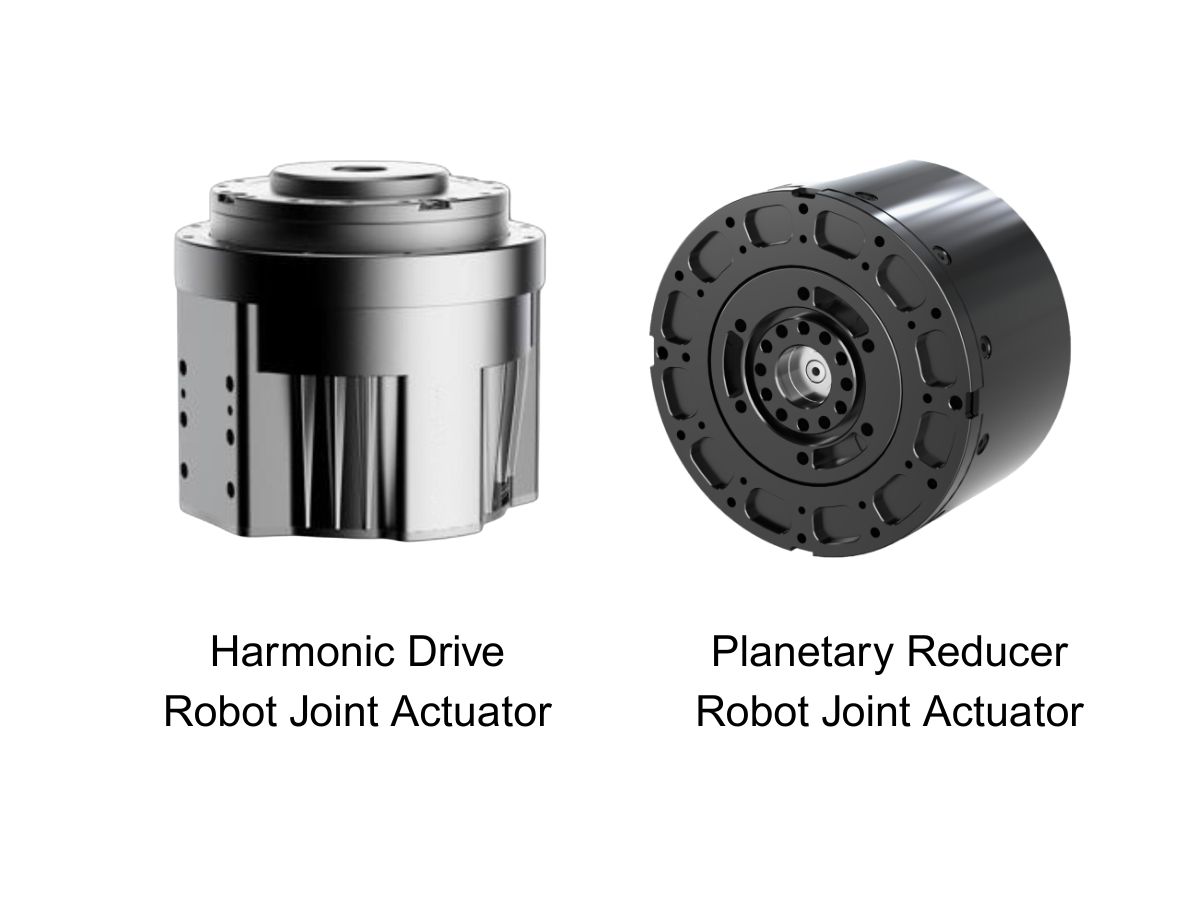
 What is robot joint actuator?How to Choose the Best Robot Rotary Joint Actuator?In core robot joint transmission solutions, planetary and harmonic rotary actuators each have their own strengths. Choosing the right type based on application requirements is essential to achieve the optimal balance between performance and cost.
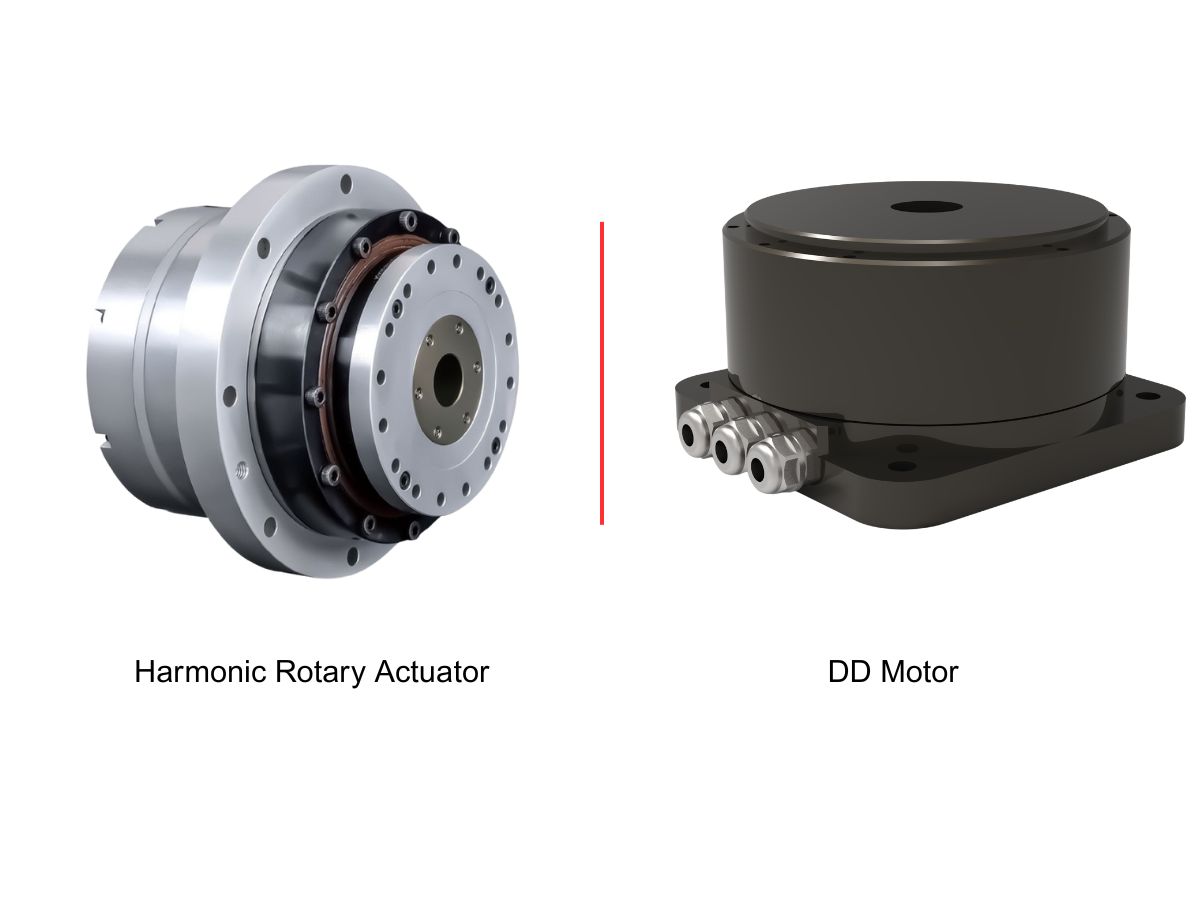
 DD Motors VS Harmonic Rotary ActuatorsThis article provides an in-depth comparison between Direct Drive (DD) motors and harmonic rotary actuators, covering their transmission principles, advantages and disadvantages, and typical application fields.
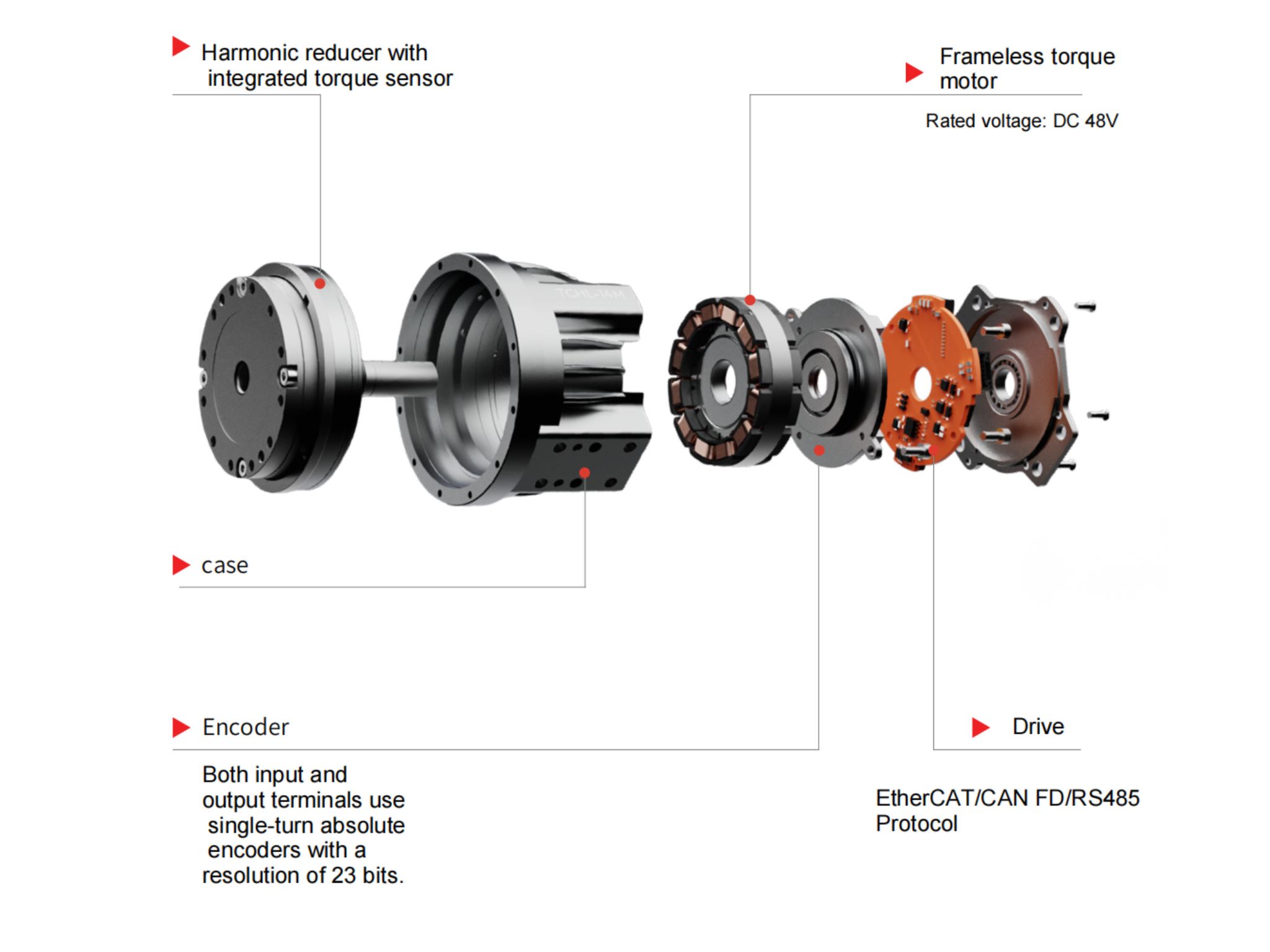
 OMG Ultra Compact Harmonic Drive Joint Module with Built-in Torque SensorHONPINE TCHL series harmonic drive joint module is a game-changing product that achieves disruptive improvements in multiple aspects such as lightweight design, integration level, and connection convenience. This article will analyze its revolutionary enhancements with you.
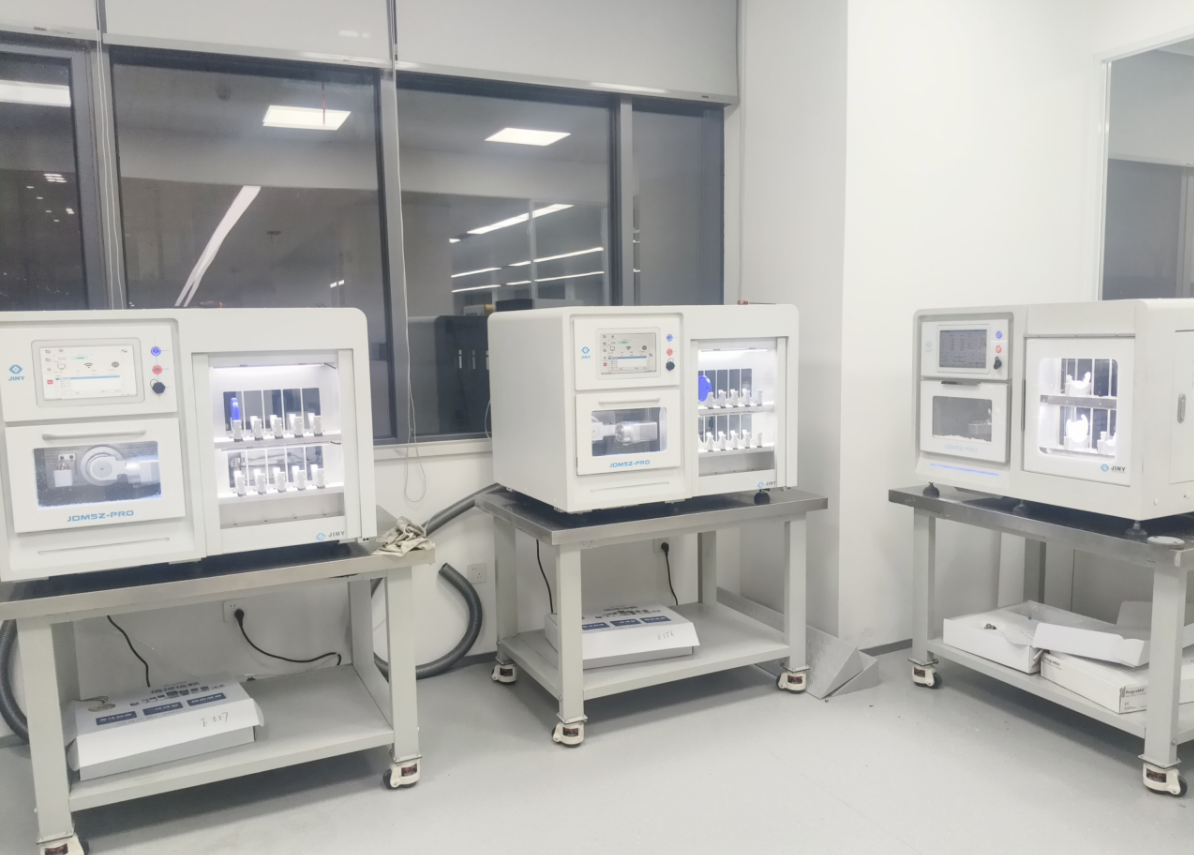
 The Role of Harmonic Drive Gears in Achieving 5–10 μm Accuracy in Dental Milling MachinesA dental milling machine is a CNC machining system used to directly process digital dental models into restorations such as crowns, bridges, veneers, inlays, and implant abutments. Dental milling machines require far higher operational accuracy and motion stability than ordinary equipment. This article explains how harmonic drive gear help dental milling machines achieve stable, continuous, and controllable operation.
 Why Are Harmonic Rotary Actuators Perfect for Medical Equipment?Harmonic rotary actuators (typically integrated systems consisting of a harmonic drive reducer, frameless torque motor, encoder, and optional brake) are regarded as key components in medical equipment. The core reason is that they simultaneously meet the most stringent medical requirements for precision, compact size, safety, and controllability. The following explanation is structured from three perspectives: technical characteristics, application scenarios, and medical value.
 High-Precision RV Reducers Perfectly Matched for Walking RobotsThe walking axis of a robot is a core component for power transmission and support. RV reducers provide extremely high rigidity, precision, and torque while maintaining a compact size and exceptional reliability, making them an ideal match for the demanding requirements of walking robot joints in terms of load capacity, impact resistance, and precision.
![]() CCMT2026: Middle East Buyers Seek ATEX/IECEx-Certified 5-Axis Machining CentersATEX/IECEx-certified 5-axis machining centers in high demand at CCMT2026—Middle East buyers seek certified solutions for oil & gas infrastructure. Act now!
CCMT2026: Middle East Buyers Seek ATEX/IECEx-Certified 5-Axis Machining CentersATEX/IECEx-certified 5-axis machining centers in high demand at CCMT2026—Middle East buyers seek certified solutions for oil & gas infrastructure. Act now!![]() CCMT2026: 37% Order Intent Rise from MENA & LatAm, Local After-sales Consortium Demand SurgesCCMT2026 reveals 37% order intent surge from MENA & LatAm — with 62.3% of buyers demanding Local After-sales Consortium models. Discover strategic implications for machine tool exporters and service providers.
CCMT2026: 37% Order Intent Rise from MENA & LatAm, Local After-sales Consortium Demand SurgesCCMT2026 reveals 37% order intent surge from MENA & LatAm — with 62.3% of buyers demanding Local After-sales Consortium models. Discover strategic implications for machine tool exporters and service providers.![]() CCMT2026 Closes with 37% Rise in Overseas Order IntentionsCCMT2026 drives 37% surge in overseas order intentions — discover how CNC machine tool exporters can leverage localization-based after-sales joint entities for competitive advantage.
CCMT2026 Closes with 37% Rise in Overseas Order IntentionsCCMT2026 drives 37% surge in overseas order intentions — discover how CNC machine tool exporters can leverage localization-based after-sales joint entities for competitive advantage.![]() CCMT2026 Attendance Up 22.7%, Overseas Buyers Rise SharplyCCMT2026 attendance up 22.7% — overseas buyers surge 35%+ from Germany, Mexico & Vietnam. Discover key trends in five-axis machining, harmonic drives & smart tooling.
CCMT2026 Attendance Up 22.7%, Overseas Buyers Rise SharplyCCMT2026 attendance up 22.7% — overseas buyers surge 35%+ from Germany, Mexico & Vietnam. Discover key trends in five-axis machining, harmonic drives & smart tooling. How to Select Robot Joint Modules for Arms, Torso, Head, and Legs in AGV and Humanoid RobotsRobot AGV platforms, lifting legs, folding legs, torso, head, and dual arms each have different functional requirements. Therefore, different types of harmonic gear joint modules and planetary joint modules should be selected accordingly.
 What is a DD Motor? How to Select a DD Motor?DD motor, full name Direct Drive motor, is a motor that directly drives the load without using reduction devices such as gears, belts or ball screws. Its working principle is based on high torque output, allowing it to be directly connected to the moving equipment, thereby eliminating the need for intermediate connection parts such as fasteners, gearboxes and belts.

Double Click
We provide harmonic drive reducer,planetary reducer,robot joint motor,robot rotary actuators,RV gear reducer,robot end effector,dexterous robot hand
![]() VOSA Certification Rejection: 3 Chinese VMCs Returned at Ho Chi Minh PortVOSA Certification rejection hits 3 Chinese VMCs at Ho Chi Minh Port — learn why Vietnamese UI, manuals & certificate copies are now mandatory for CNC machine exports.
VOSA Certification Rejection: 3 Chinese VMCs Returned at Ho Chi Minh PortVOSA Certification rejection hits 3 Chinese VMCs at Ho Chi Minh Port — learn why Vietnamese UI, manuals & certificate copies are now mandatory for CNC machine exports.![]() EU CE Machinery Regulation Update: CNC Machine Re-Certification SurgesCNC machine re-certification surges amid EU CE Machinery Regulation update—EN ISO 13857:2026 enforcement triggers urgent compliance action for exporters & OEMs.
EU CE Machinery Regulation Update: CNC Machine Re-Certification SurgesCNC machine re-certification surges amid EU CE Machinery Regulation update—EN ISO 13857:2026 enforcement triggers urgent compliance action for exporters & OEMs.![]() EN ISO 13857:2026 Enters Force for EU Machinery CE MarkingEN ISO 13857:2026 takes effect 1 May 2026 — mandatory for CE marking of CNC lathes, machining centers & press brakes exported to the EU. Act now!
EN ISO 13857:2026 Enters Force for EU Machinery CE MarkingEN ISO 13857:2026 takes effect 1 May 2026 — mandatory for CE marking of CNC lathes, machining centers & press brakes exported to the EU. Act now!![]() EU EN ISO 13857:2026 Takes Effect May 2026 for Machine ToolsEU EN ISO 13857:2026 takes effect May 2026 for machine tools—key update on protective distances, apertures & e-stop timing. Act now to secure CE marking.
EU EN ISO 13857:2026 Takes Effect May 2026 for Machine ToolsEU EN ISO 13857:2026 takes effect May 2026 for machine tools—key update on protective distances, apertures & e-stop timing. Act now to secure CE marking.![]() Italy Pavilion at CCMT2026: 22 Machine Tool Firms Focus on Green Manufacturing & CE 2026 ComplianceItaly Pavilion at CCMT2026: 22 machine tool firms showcase green manufacturing & CE 2026-compliant CNC systems, drives, and carbon-traceable machining centers.
Italy Pavilion at CCMT2026: 22 Machine Tool Firms Focus on Green Manufacturing & CE 2026 ComplianceItaly Pavilion at CCMT2026: 22 machine tool firms showcase green manufacturing & CE 2026-compliant CNC systems, drives, and carbon-traceable machining centers.