



EN ISO 13849-1:2026 Enters Force in EU on May 1, 2026
On May 1, 2026, the revised functional safety standard EN ISO 13849-1:2026 becomes mandatory for all new machinery and safety-related control systems placed on the EU market — affecting machine tool manufacturers, safety component suppliers, and exporters from China and other third countries.
Event Overview
The European Committee for Standardization (CEN) has published EN ISO 13849-1:2026, superseding the 2015 version. It enters into force on May 1, 2026. From that date, all new machines and safety-related control systems (e.g., emergency stop modules, safety PLCs, light curtain interfaces) placed on the EU market must comply with the updated Performance Level (PL) verification requirements defined in the standard.
Industries Affected by Sector
Machine Tool Original Equipment Manufacturers (OEMs)
OEMs exporting to the EU must redesign or revalidate safety architectures to meet the revised PL calculation and documentation requirements. The change directly impacts type approval timelines and technical file completeness.
Suppliers of Safety-Control Components
Manufacturers of safety PLCs, emergency stop modules, and optical protective devices (e.g., light curtains, laser scanners) face stricter validation protocols. Certification bodies now require full traceability of failure mode assumptions and diagnostic coverage claims — increasing testing scope and documentation burden.
Exporters of Integrated HMI+PLC Systems
Chinese exporters offering pre-integrated human-machine interface (HMI) and programmable logic controller (PLC) kits report heightened risk of customs delays in EU ports if PL ratings were not pre-assessed under the 2026 edition. Unverified combinations may trigger conformity assessment re-evaluation upon import.
Third-Party Certification and Testing Service Providers
Testing labs and notified bodies confirm extended lead times: average certification cycles have increased from six weeks to 10–14 weeks. This reflects additional validation steps for architecture decomposition, common cause failure analysis, and diagnostic coverage verification per Annex K of the 2026 edition.
What Enterprises and Practitioners Should Monitor and Do Now
Verify current product certification status against the 2026 edition timeline
Confirm whether existing CE declarations reference EN ISO 13849-1:2015 or earlier versions. Products certified before May 1, 2026 under the prior edition remain valid only for machines placed on the market before that date; new placements require 2026-compliant assessments.
Prioritize PL validation for high-risk subsystems in integrated safety chains
Focus initial efforts on components where PL assignment is most sensitive — e.g., safety-rated communication interfaces between HMI and PLC, or dual-channel sensor inputs feeding into emergency stop logic. These are common points of nonconformity during audits.
Engage notified bodies early for pre-submission review of technical documentation
Given the 10–14 week average certification window, initiate dialogue with accredited bodies no later than Q1 2026 for products scheduled for EU market launch after May 1. Submit preliminary architecture schematics and failure mode tables for feedback before formal application.
Update internal design control procedures to align with Annex K requirements
Revise internal safety lifecycle processes to explicitly address the 2026 edition’s enhanced treatment of common cause failures (CCF), diagnostic coverage evidence, and category/PL mapping consistency — particularly where legacy designs used simplified assumptions.
Editorial Observation / Industry Perspective
Observably, EN ISO 13849-1:2026 represents a tightening of verification rigor rather than a conceptual shift — it refines existing methodology rather than introducing new safety principles. Analysis shows the extended certification timeline stems primarily from procedural depth (e.g., mandatory CCF analysis for all Category 3/4 architectures), not fundamental re-engineering. From an industry perspective, this is less a sudden regulatory shock and more a signal of the EU’s ongoing emphasis on demonstrable, auditable safety evidence across the supply chain. Continuous monitoring is warranted, as interpretation guidance from national accreditation bodies (e.g., UKAS, DAkkS) and EU Commission clarifications may follow in early 2026.
Concluding, EN ISO 13849-1:2026 does not alter the core framework of machinery functional safety but raises the evidentiary bar for compliance. It is best understood not as a new requirement, but as a more stringent enforcement of existing safety accountability — especially for distributed, integrated, or supplier-assembled safety systems. Current readiness hinges less on technical feasibility and more on documentation discipline and cross-supplier alignment.
Source: Official CEN publication record for EN ISO 13849-1:2026; public statements from EU-based notified bodies (as reported by Chinese export associations); verified feedback from manufacturing enterprises in Guangdong and Jiangsu provinces. Clarifications on transitional arrangements for multi-vendor systems remain pending and will be monitored through Q1 2026.
Read More
Learn more about the story of HONPINE and industry trends related to precision transmission.
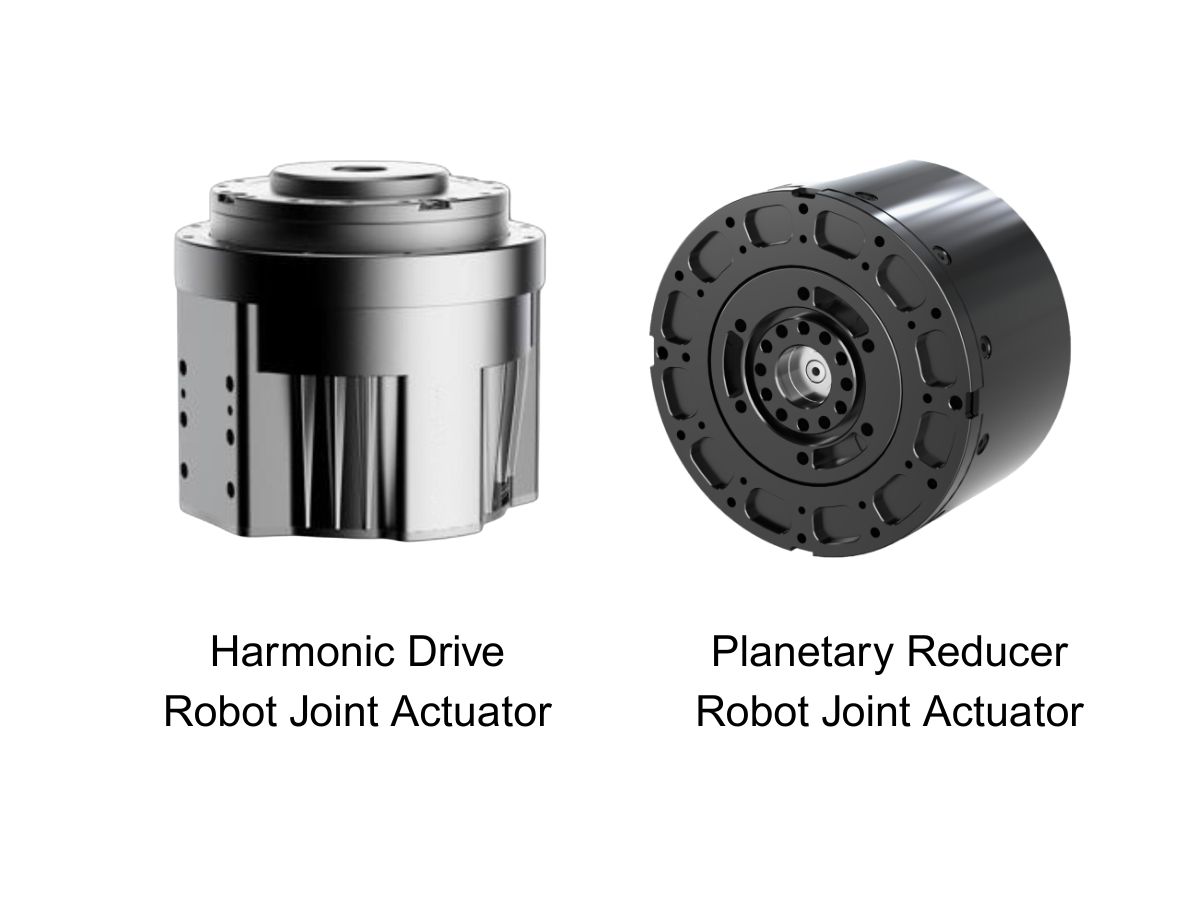
 What is robot joint actuator?How to Choose the Best Robot Rotary Joint Actuator?In core robot joint transmission solutions, planetary and harmonic rotary actuators each have their own strengths. Choosing the right type based on application requirements is essential to achieve the optimal balance between performance and cost.
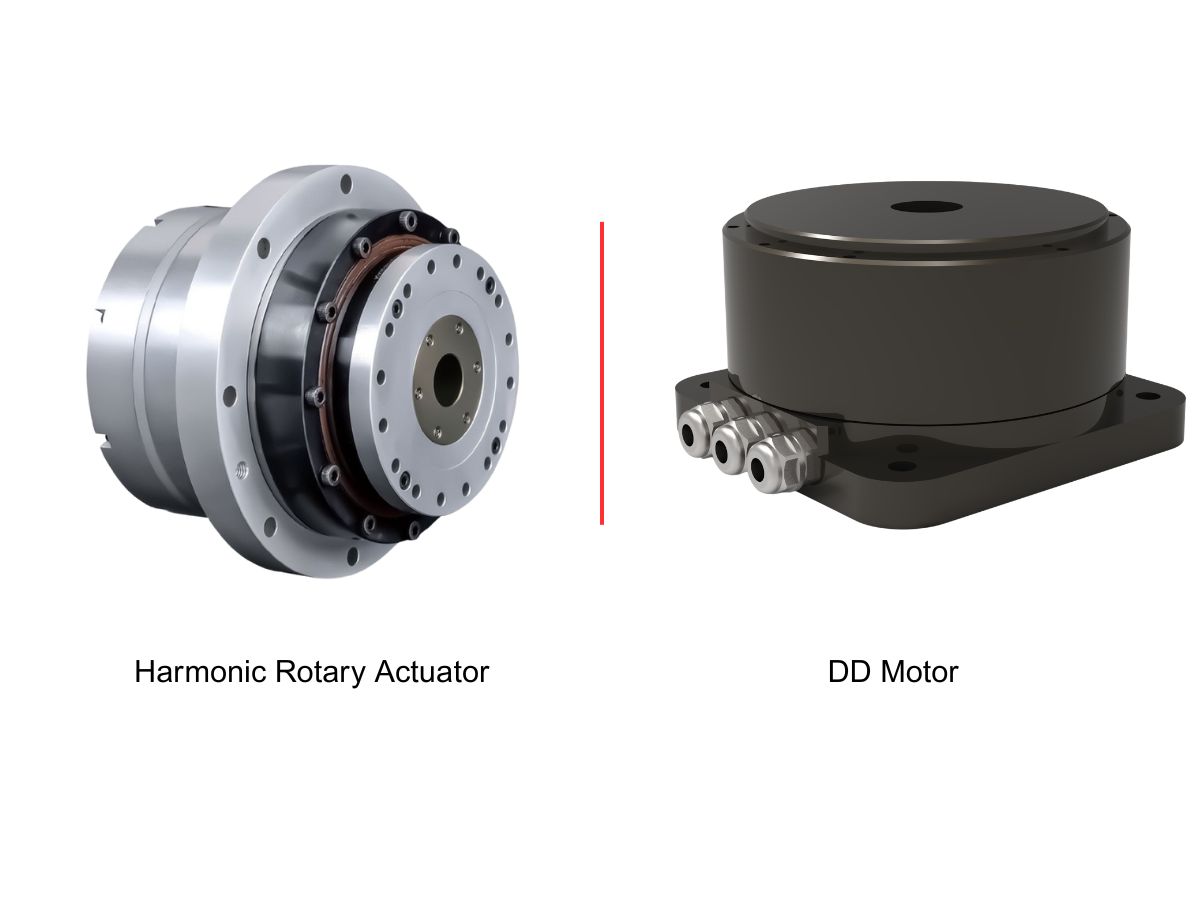
 DD Motors VS Harmonic Rotary ActuatorsThis article provides an in-depth comparison between Direct Drive (DD) motors and harmonic rotary actuators, covering their transmission principles, advantages and disadvantages, and typical application fields.
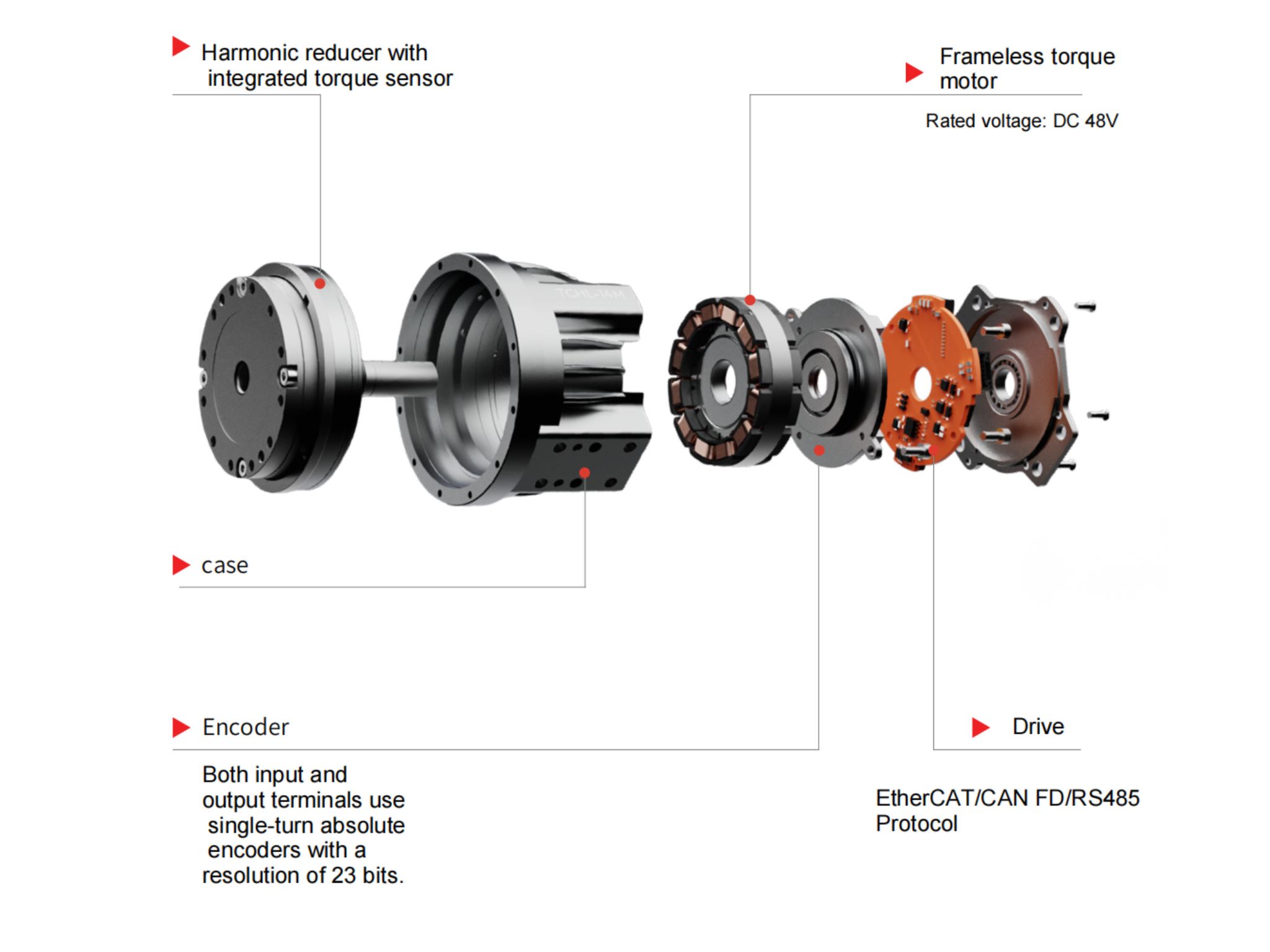
 OMG Ultra Compact Harmonic Drive Joint Module with Built-in Torque SensorHONPINE TCHL series harmonic drive joint module is a game-changing product that achieves disruptive improvements in multiple aspects such as lightweight design, integration level, and connection convenience. This article will analyze its revolutionary enhancements with you.
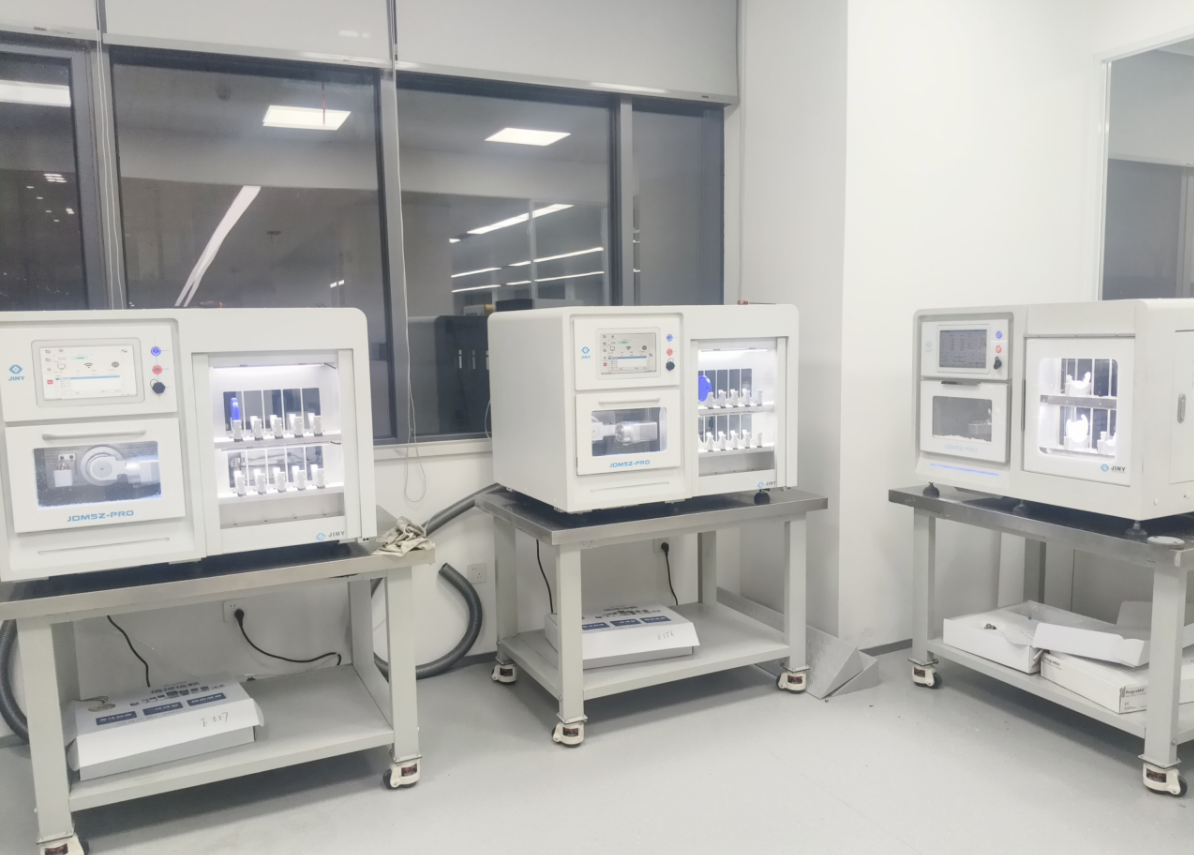
 The Role of Harmonic Drive Gears in Achieving 5–10 μm Accuracy in Dental Milling MachinesA dental milling machine is a CNC machining system used to directly process digital dental models into restorations such as crowns, bridges, veneers, inlays, and implant abutments. Dental milling machines require far higher operational accuracy and motion stability than ordinary equipment. This article explains how harmonic drive gear help dental milling machines achieve stable, continuous, and controllable operation.
 Why Are Harmonic Rotary Actuators Perfect for Medical Equipment?Harmonic rotary actuators (typically integrated systems consisting of a harmonic drive reducer, frameless torque motor, encoder, and optional brake) are regarded as key components in medical equipment. The core reason is that they simultaneously meet the most stringent medical requirements for precision, compact size, safety, and controllability. The following explanation is structured from three perspectives: technical characteristics, application scenarios, and medical value.
 High-Precision RV Reducers Perfectly Matched for Walking RobotsThe walking axis of a robot is a core component for power transmission and support. RV reducers provide extremely high rigidity, precision, and torque while maintaining a compact size and exceptional reliability, making them an ideal match for the demanding requirements of walking robot joints in terms of load capacity, impact resistance, and precision.
![]() DMG MORI Halts Five-Axis CNC Supply to Russia & BelarusDMG MORI halts five-axis CNC supply to Russia & Belarus—impact on precision machining, CELOS systems, and alternatives like BYJC GT1200 Pro.
DMG MORI Halts Five-Axis CNC Supply to Russia & BelarusDMG MORI halts five-axis CNC supply to Russia & Belarus—impact on precision machining, CELOS systems, and alternatives like BYJC GT1200 Pro.![]() CCMT2026: Middle East Demand for ATEX/IECEx Five-Axis Machining Centers Surges 370%ATEX/IECEx five-axis machining centers see 370% surge in Middle East demand at CCMT2026 — unlock explosive growth in energy & petrochemical markets.
CCMT2026: Middle East Demand for ATEX/IECEx Five-Axis Machining Centers Surges 370%ATEX/IECEx five-axis machining centers see 370% surge in Middle East demand at CCMT2026 — unlock explosive growth in energy & petrochemical markets.![]() CCMT2026: Middle East Buyers Seek ATEX/IECEx-Certified 5-Axis Machining CentersATEX/IECEx-certified 5-axis machining centers in high demand at CCMT2026—Middle East buyers seek certified solutions for oil & gas infrastructure. Act now!
CCMT2026: Middle East Buyers Seek ATEX/IECEx-Certified 5-Axis Machining CentersATEX/IECEx-certified 5-axis machining centers in high demand at CCMT2026—Middle East buyers seek certified solutions for oil & gas infrastructure. Act now!![]() CCMT2026: 37% Order Intent Rise from MENA & LatAm, Local After-sales Consortium Demand SurgesCCMT2026 reveals 37% order intent surge from MENA & LatAm — with 62.3% of buyers demanding Local After-sales Consortium models. Discover strategic implications for machine tool exporters and service providers.
CCMT2026: 37% Order Intent Rise from MENA & LatAm, Local After-sales Consortium Demand SurgesCCMT2026 reveals 37% order intent surge from MENA & LatAm — with 62.3% of buyers demanding Local After-sales Consortium models. Discover strategic implications for machine tool exporters and service providers.![]() CCMT2026 Closes with 37% Rise in Overseas Order IntentionsCCMT2026 drives 37% surge in overseas order intentions — discover how CNC machine tool exporters can leverage localization-based after-sales joint entities for competitive advantage.
CCMT2026 Closes with 37% Rise in Overseas Order IntentionsCCMT2026 drives 37% surge in overseas order intentions — discover how CNC machine tool exporters can leverage localization-based after-sales joint entities for competitive advantage.![]() CCMT2026 Attendance Up 22.7%, Overseas Buyers Rise SharplyCCMT2026 attendance up 22.7% — overseas buyers surge 35%+ from Germany, Mexico & Vietnam. Discover key trends in five-axis machining, harmonic drives & smart tooling.
CCMT2026 Attendance Up 22.7%, Overseas Buyers Rise SharplyCCMT2026 attendance up 22.7% — overseas buyers surge 35%+ from Germany, Mexico & Vietnam. Discover key trends in five-axis machining, harmonic drives & smart tooling.

Double Click
We provide harmonic drive reducer,planetary reducer,robot joint motor,robot rotary actuators,RV gear reducer,robot end effector,dexterous robot hand
![]() EN ISO 13849-1:2026 Enters Force in EU on May 1, 2026EN ISO 13849-1:2026 takes effect May 1, 2026 — critical for machine tool OEMs, safety component suppliers & exporters to the EU. Act now to ensure compliance, avoid delays & pass audits smoothly.
EN ISO 13849-1:2026 Enters Force in EU on May 1, 2026EN ISO 13849-1:2026 takes effect May 1, 2026 — critical for machine tool OEMs, safety component suppliers & exporters to the EU. Act now to ensure compliance, avoid delays & pass audits smoothly.![]() VOSA Certification Rejection: 3 Chinese VMCs Returned at Ho Chi Minh PortVOSA Certification rejection hits 3 Chinese VMCs at Ho Chi Minh Port — learn why Vietnamese UI, manuals & certificate copies are now mandatory for CNC machine exports.
VOSA Certification Rejection: 3 Chinese VMCs Returned at Ho Chi Minh PortVOSA Certification rejection hits 3 Chinese VMCs at Ho Chi Minh Port — learn why Vietnamese UI, manuals & certificate copies are now mandatory for CNC machine exports.![]() EU CE Machinery Regulation Update: CNC Machine Re-Certification SurgesCNC machine re-certification surges amid EU CE Machinery Regulation update—EN ISO 13857:2026 enforcement triggers urgent compliance action for exporters & OEMs.
EU CE Machinery Regulation Update: CNC Machine Re-Certification SurgesCNC machine re-certification surges amid EU CE Machinery Regulation update—EN ISO 13857:2026 enforcement triggers urgent compliance action for exporters & OEMs.![]() EN ISO 13857:2026 Enters Force for EU Machinery CE MarkingEN ISO 13857:2026 takes effect 1 May 2026 — mandatory for CE marking of CNC lathes, machining centers & press brakes exported to the EU. Act now!
EN ISO 13857:2026 Enters Force for EU Machinery CE MarkingEN ISO 13857:2026 takes effect 1 May 2026 — mandatory for CE marking of CNC lathes, machining centers & press brakes exported to the EU. Act now!![]() EU EN ISO 13857:2026 Takes Effect May 2026 for Machine ToolsEU EN ISO 13857:2026 takes effect May 2026 for machine tools—key update on protective distances, apertures & e-stop timing. Act now to secure CE marking.
EU EN ISO 13857:2026 Takes Effect May 2026 for Machine ToolsEU EN ISO 13857:2026 takes effect May 2026 for machine tools—key update on protective distances, apertures & e-stop timing. Act now to secure CE marking.![]() Italy Pavilion at CCMT2026: 22 Machine Tool Firms Focus on Green Manufacturing & CE 2026 ComplianceItaly Pavilion at CCMT2026: 22 machine tool firms showcase green manufacturing & CE 2026-compliant CNC systems, drives, and carbon-traceable machining centers.
Italy Pavilion at CCMT2026: 22 Machine Tool Firms Focus on Green Manufacturing & CE 2026 ComplianceItaly Pavilion at CCMT2026: 22 machine tool firms showcase green manufacturing & CE 2026-compliant CNC systems, drives, and carbon-traceable machining centers.