









INNOPROM 2026 China Booth Booking Closes Early
On June 1, 2026, the INNOPROM organizing committee in Russia announced that booth booking for the China pavilion at INNOPROM 2026 will close early on June 10, ahead of the July 6–9 exhibition. The update is particularly relevant to machinery and electronics exporters, smart manufacturing solution providers, industrial software companies, CNC system suppliers, and trade service providers, as it reflects stronger-than-expected participation from Chinese enterprises and a broader shift toward higher value-added industrial solutions.
Event Overview
According to information released on June 1, 2026, the INNOPROM 2026 booth reservation channel for the China pavilion will close on June 10 due to participation demand from Chinese companies exceeding expectations.
The exhibition is scheduled to take place from July 6 to July 9, 2026. The China Chamber of Commerce for Import and Export of Machinery and Electronic Products also disclosed that the China pavilion will expand by 50% this year.
Another confirmed update is the first-time establishment of a joint exhibition area for smart production line solutions. The area will focus on higher value-added supporting exports, including CNC systems, industrial software, and digital twin commissioning services.
Which Segments May Be Affected
Machinery and Electronic Product Exporters
Export-oriented machinery and electronic product companies are directly affected because the early booth booking deadline narrows the time window for participation planning. The impact is mainly reflected in exhibition scheduling, customer meeting arrangements, product display preparation, and coordination with overseas teams or partners.
From an industry perspective, the 50% expansion of the China pavilion may indicate that competition for attention within the pavilion will become more concentrated. Companies that have not completed booth reservation or internal approval may need to make decisions more quickly before the June 10 cutoff.
CNC System and Industrial Automation Companies
Companies supplying CNC systems and industrial automation-related products are relevant to this update because the new smart production line solutions area specifically includes CNC systems as a focus. The impact may appear in product positioning, technical presentation planning, and the need to show compatibility with broader production line scenarios.
Analysis shows that the event is not only about individual equipment display. The dedicated area may push exhibitors to present solutions in a more integrated way, especially where CNC systems are connected with software, commissioning, or production line optimization services.
Industrial Software Providers
Industrial software companies are also directly connected to the new exhibition area. Since industrial software is listed among the focus categories, providers in this segment may face stronger demand for clear use cases, deployment explanations, and collaboration models with hardware suppliers.
What deserves closer attention now is whether software providers can communicate their role within smart production line solutions rather than presenting software as a standalone product. This may affect how technical materials, demonstrations, and customer discussions are prepared for the exhibition.
Digital Twin Commissioning Service Providers
Digital twin commissioning services are named as one of the high value-added supporting export areas in the new joint exhibition zone. Providers in this field may see greater visibility, but they also need to clarify how their services connect with equipment suppliers, system integrators, and end-user production requirements.
Observably, the inclusion of digital twin commissioning services suggests that service capabilities are becoming part of the export discussion around industrial equipment. However, this should be understood as a signal from the exhibition arrangement, not as confirmed market demand beyond the disclosed information.
Trade, Exhibition, and Supply Chain Service Providers
Trade service providers, exhibition agencies, logistics coordinators, and cross-border support teams may be affected by the shortened booking period and the expanded pavilion scale. Their work may involve faster document preparation, booth service coordination, sample delivery planning, and communication between exhibitors and event organizers.
From an industry perspective, the earlier cutoff may increase pressure on service timelines. Companies supporting exhibitors should focus on confirmed schedules and official requirements rather than relying on assumptions about possible extensions.
Key Points for Companies and Practitioners to Monitor and Respond To
Confirm Participation Decisions Before the June 10 Deadline
Companies intending to join the China pavilion should treat June 10 as the key operational deadline based on the information currently released. Internal approval, booth selection, travel planning, and exhibition material preparation should be aligned with this date.
For companies still evaluating participation, it is more practical to separate confirmed event information from broader expectations. The confirmed facts are the early closure date, the July 6–9 exhibition schedule, the 50% pavilion expansion, and the new smart production line solutions area.
Align Product Displays With the Smart Production Line Theme
Exhibitors related to CNC systems, industrial software, and digital twin commissioning services should review whether their planned displays match the theme of smart production line solutions. This includes preparing technical descriptions, application scenarios, and cooperation models that can be understood by industrial buyers and partners.
Analysis shows that the new joint area may place more emphasis on integrated solution capability. Companies should avoid presenting only isolated product specifications if their offering can be positioned within production line upgrading, system integration, or commissioning workflows.
Distinguish Exhibition Signals From Business Outcomes
The pavilion expansion and early booth booking closure indicate strong participation interest from Chinese companies, but they do not by themselves confirm order growth, market expansion, or commercial results. Companies should avoid overinterpreting the event as a completed business outcome.
It is more appropriate to understand this as an exhibition and industry participation signal. Business teams should continue to evaluate actual buyer engagement, follow-up inquiries, and cooperation opportunities after the exhibition begins.
Prepare Communication and Coordination Plans in Advance
Because the booth reservation channel is closing earlier than originally expected, exhibitors and supporting service providers should prepare communication plans around official schedules, booth arrangements, and product demonstration requirements. This is especially important for companies joining the smart production line solutions area, where multiple technologies and service categories may need to be presented together.
What deserves closer attention now is the coordination between hardware, software, and service capabilities. Companies should ensure that sales, technical, and overseas communication teams use consistent descriptions when explaining CNC systems, industrial software, or digital twin commissioning services.
Editor’s View / Industry Observation
Observably, this update shows that INNOPROM 2026 is becoming a more important platform for Chinese machinery and electronics companies to present industrial solutions rather than only individual products. The 50% expansion of the China pavilion and the creation of a smart production line solutions area are the most relevant signals within the disclosed information.
From an industry perspective, the current news is better understood as a participation and positioning signal. It suggests stronger attention to high value-added supporting exports such as CNC systems, industrial software, and digital twin commissioning services, but it does not yet represent confirmed commercial results.
Analysis shows that companies should pay close attention to how the new exhibition area is implemented, what types of enterprises participate, and how buyers respond during the July 6–9 exhibition. These follow-up developments will be more useful for assessing the practical industry impact.
Conclusion
The early closing of booth booking for the China pavilion at INNOPROM 2026 reflects stronger-than-expected participation from Chinese enterprises and highlights a more solution-oriented direction within machinery and electronic product exports. The new smart production line solutions area makes CNC systems, industrial software, and digital twin commissioning services especially important to watch.
At this stage, it is more appropriate to understand the update as a clear industry signal rather than a finalized market result. Companies should respond by confirming participation plans, aligning product presentations with the smart production line theme, and monitoring official follow-up information as the exhibition date approaches.
Information Source Statement
Main sources: INNOPROM organizing committee announcement released on June 1, 2026; China Chamber of Commerce for Import and Export of Machinery and Electronic Products disclosure on the China pavilion expansion and the new smart production line solutions area.
Items requiring continued observation: subsequent official statements on booth booking arrangements, detailed implementation of the smart production line solutions area, and actual industry response during the July 6–9, 2026 exhibition.
Read More
Learn more about the story of HONPINE and industry trends related to precision transmission.
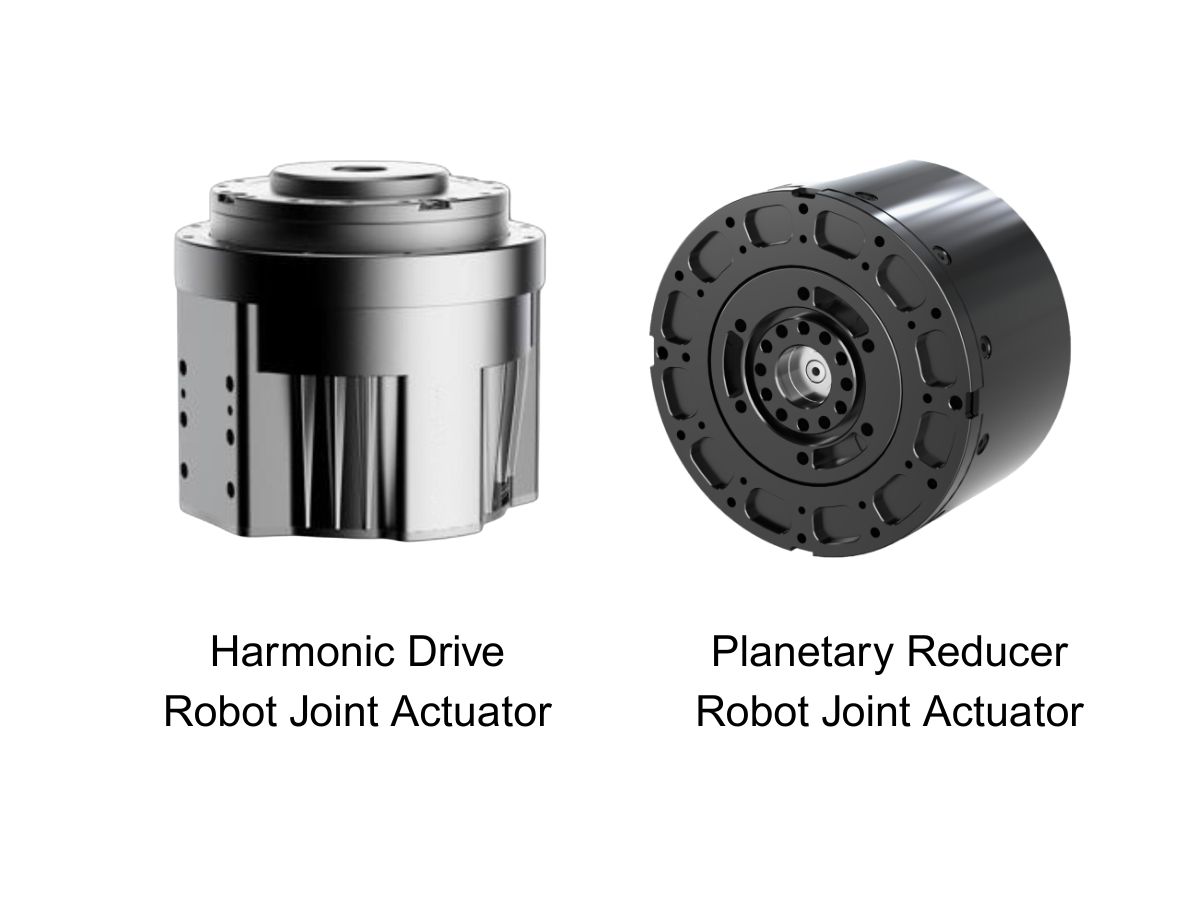
 What is robot joint actuator?How to Choose the Best Robot Rotary Joint Actuator?In core robot joint transmission solutions, planetary and harmonic rotary actuators each have their own strengths. Choosing the right type based on application requirements is essential to achieve the optimal balance between performance and cost.
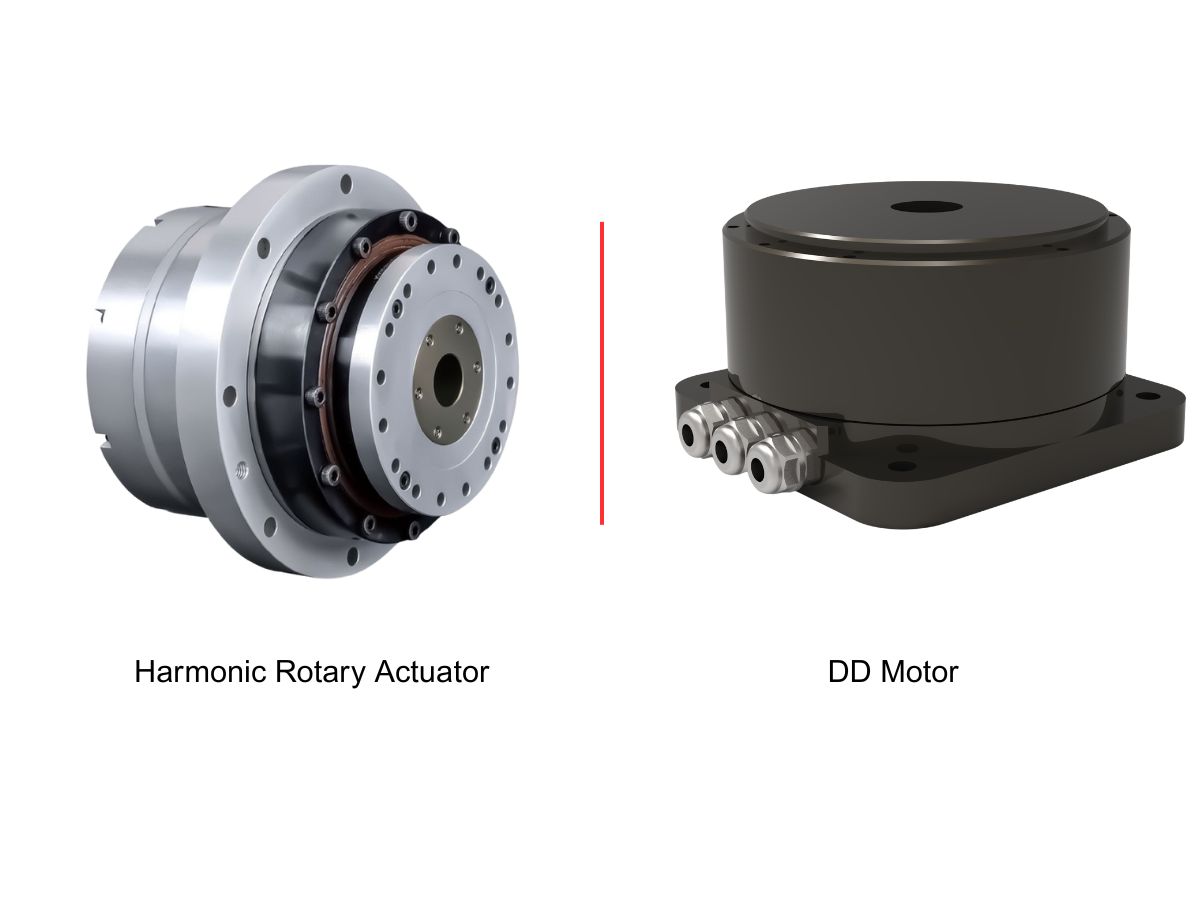
 DD Motors VS Harmonic Rotary ActuatorsThis article provides an in-depth comparison between Direct Drive (DD) motors and harmonic rotary actuators, covering their transmission principles, advantages and disadvantages, and typical application fields.
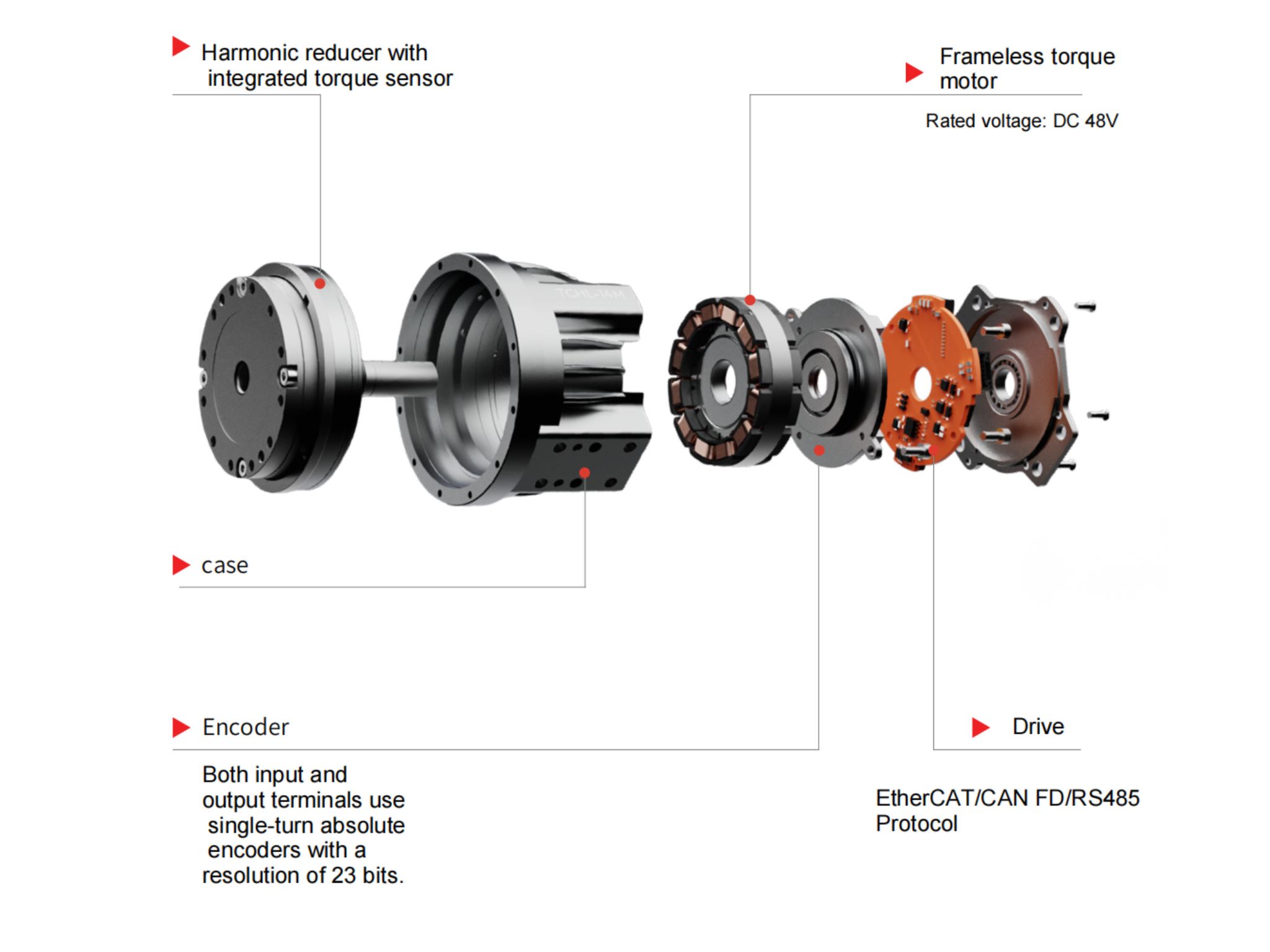
 OMG Ultra Compact Harmonic Drive Joint Module with Built-in Torque SensorHONPINE TCHL series harmonic drive joint module is a game-changing product that achieves disruptive improvements in multiple aspects such as lightweight design, integration level, and connection convenience. This article will analyze its revolutionary enhancements with you.
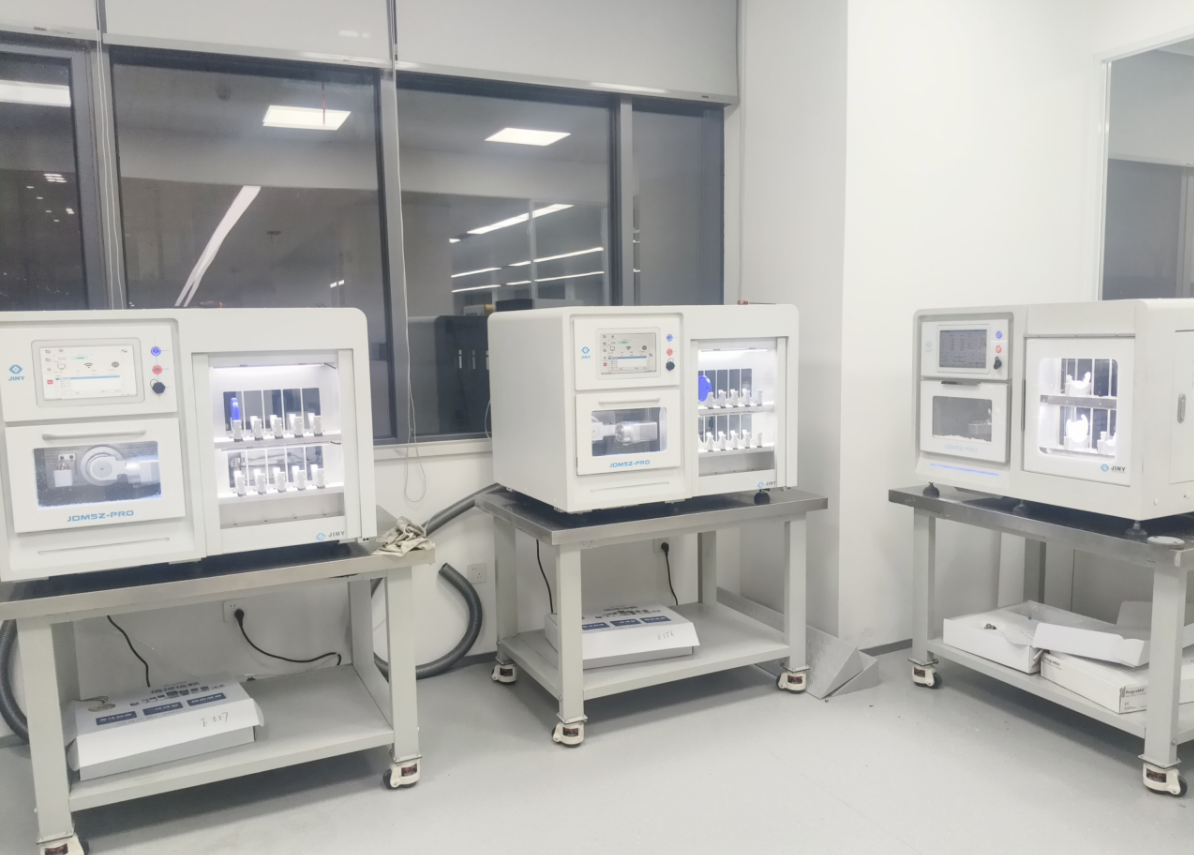
 The Role of Harmonic Drive Gears in Achieving 5–10 μm Accuracy in Dental Milling MachinesA dental milling machine is a CNC machining system used to directly process digital dental models into restorations such as crowns, bridges, veneers, inlays, and implant abutments. Dental milling machines require far higher operational accuracy and motion stability than ordinary equipment. This article explains how harmonic drive gear help dental milling machines achieve stable, continuous, and controllable operation.
 Why Are Harmonic Rotary Actuators Perfect for Medical Equipment?Harmonic rotary actuators (typically integrated systems consisting of a harmonic drive reducer, frameless torque motor, encoder, and optional brake) are regarded as key components in medical equipment. The core reason is that they simultaneously meet the most stringent medical requirements for precision, compact size, safety, and controllability. The following explanation is structured from three perspectives: technical characteristics, application scenarios, and medical value.
 High-Precision RV Reducers Perfectly Matched for Walking RobotsThe walking axis of a robot is a core component for power transmission and support. RV reducers provide extremely high rigidity, precision, and torque while maintaining a compact size and exceptional reliability, making them an ideal match for the demanding requirements of walking robot joints in terms of load capacity, impact resistance, and precision.
 Why Are Servo Motors and Gear Reducers an Ideal Match?Servo motors provide fast, precise motion control, while gear reducers adapt their speed and torque to the load. This guide explains how servo motors and gear reducers work together through torque multiplication, reflected inertia reduction and finer theoretical position resolution. Learn how inertia matching, backlash, torsional stiffness and reduction ratio influence performance in robotics and industrial automation.
 How to Select and Use Robotic Joint Modules?How do you take robotic joint modules from selection to controlled motion? Using the HONPINE HPJM harmonic joint module as an example, Technical Director Theodore Li explains the key steps in mechanical installation, electrical wiring, CAN and EtherCAT configuration, and control commissioning. Learn what to confirm before integration and how to approach setup so each joint can respond correctly to your controller.
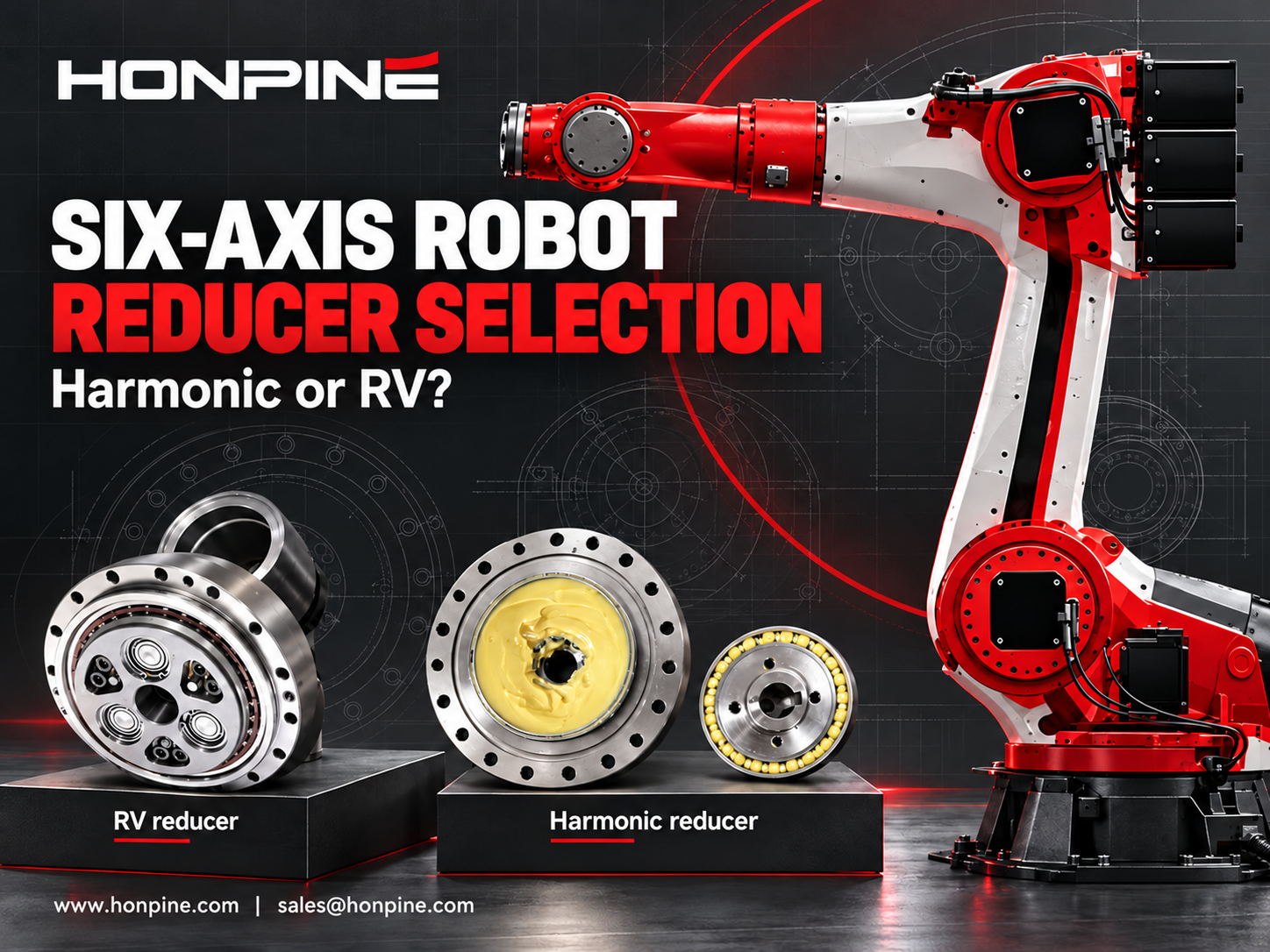
 How to Select Harmonic and RV Reducers for Each Axis of a Six-Axis Robot?What determines whether a six-axis robot joint needs a harmonic reducer or an RV reducer? The answer depends on torque, inertia, impact loads, bearing loads and installation space. This guide explains how to evaluate harmonic and RV reducers for the base, shoulder, elbow and wrist, with practical checks for stiffness, backlash and service life. Use the requirements of each axis to select a suitable reducer configuration.
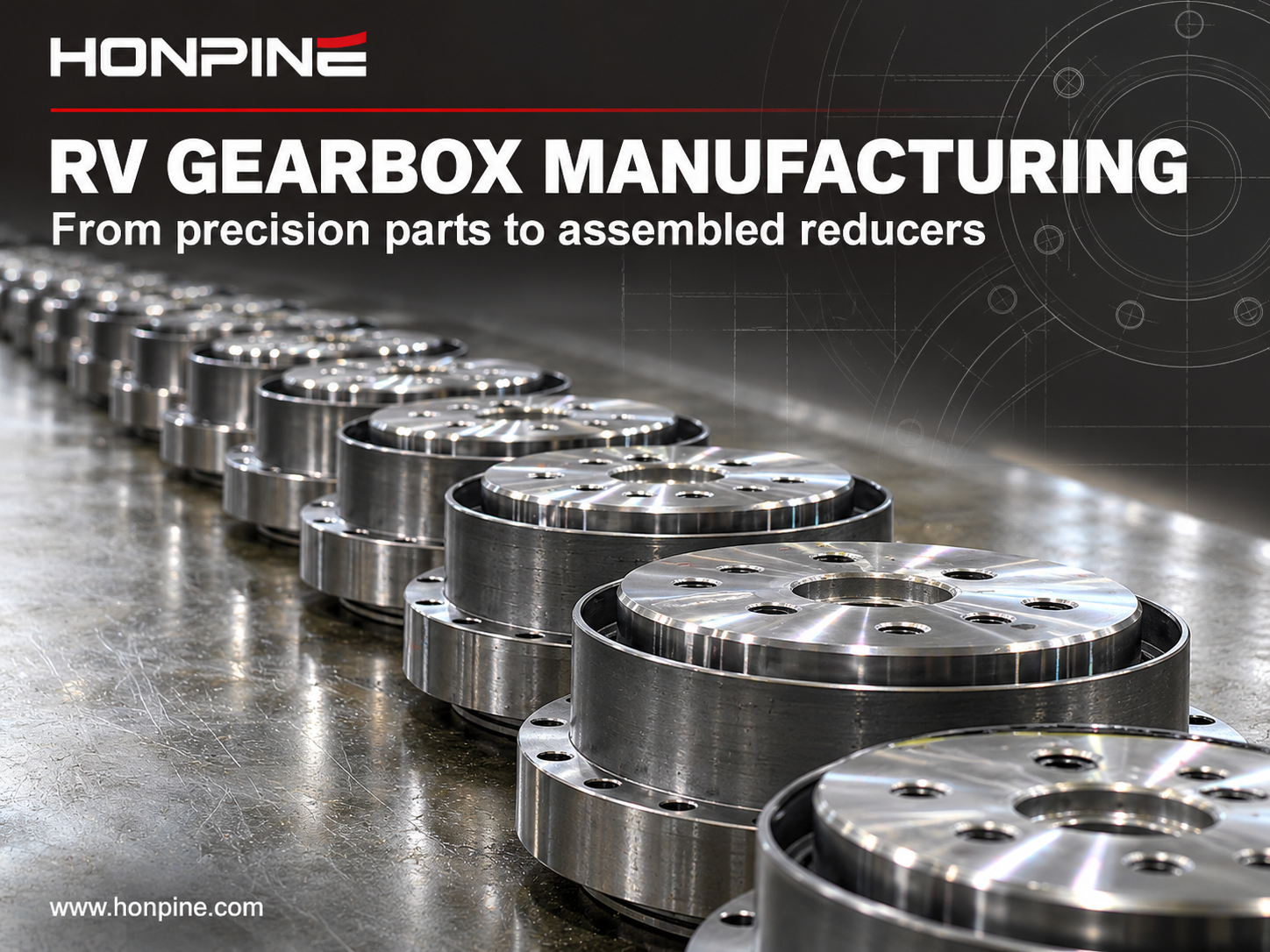
 Top 7 RV Reducer Gearbox Manufacturers: Why Does Nabtesco Still Dominate?What sets RV reducer gearbox manufacturers apart, and why does Nabtesco remain a benchmark in this market? RV reducer production demands precise component machining, careful assembly and extensive engineering know-how. This article introduces seven manufacturers across RV reducers and related transmission technologies, examines the strengths behind Nabtesco's position, and explores HONPINE's development capabilities to help you understand the supplier landscape.
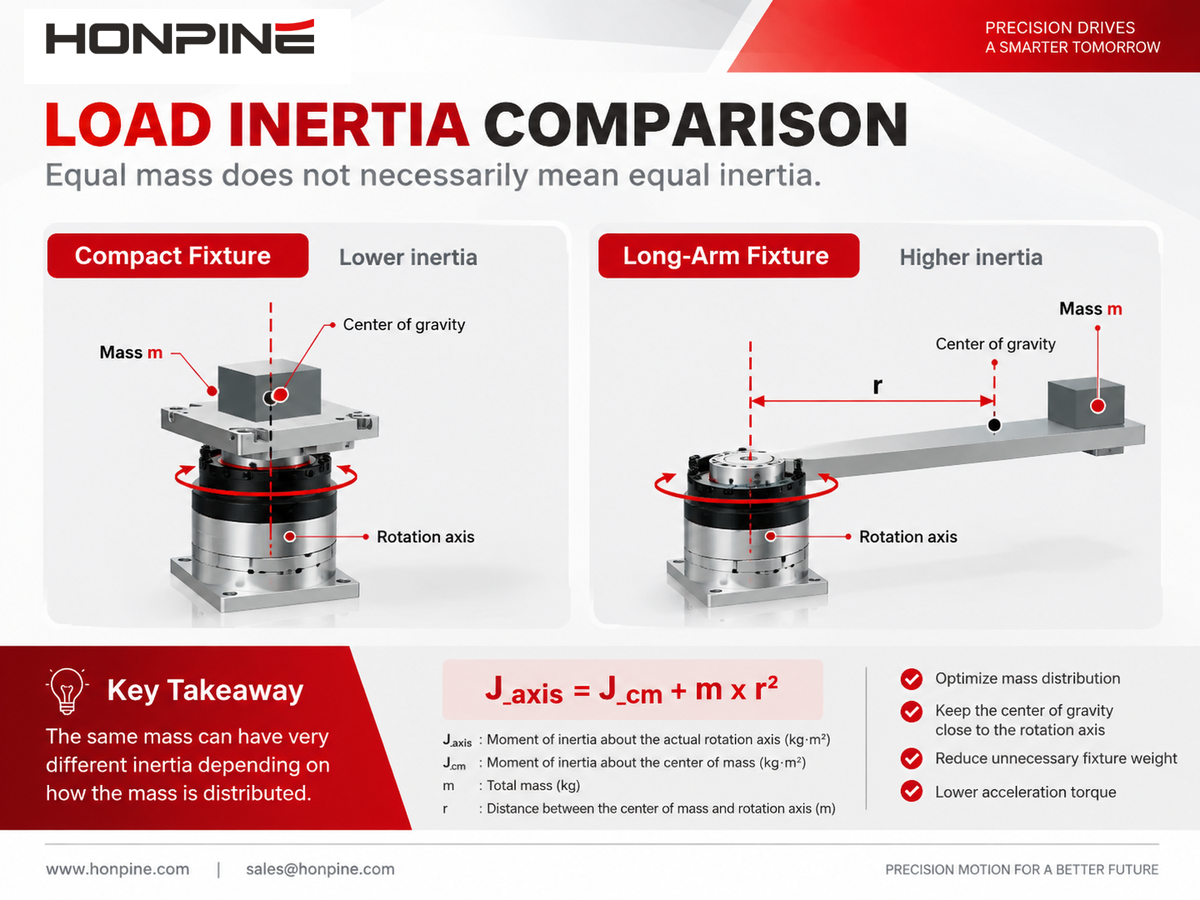
 How to Calculate Torque for a Harmonic Rotary Actuator in a Flipping Mechanism?How much torque does a harmonic rotary actuator need to flip a 10 kg load through 180 degrees? The answer depends on more than weight. Center-of-gravity offset, load inertia, acceleration and operating frequency all affect actuator selection. In this guide, Theodore Li, Technical Director at HONPINE, explains the calculation process using a horizontal-axis flipping example and outlines the checks needed for peak torque, continuous operation, output speed and bearing loads.
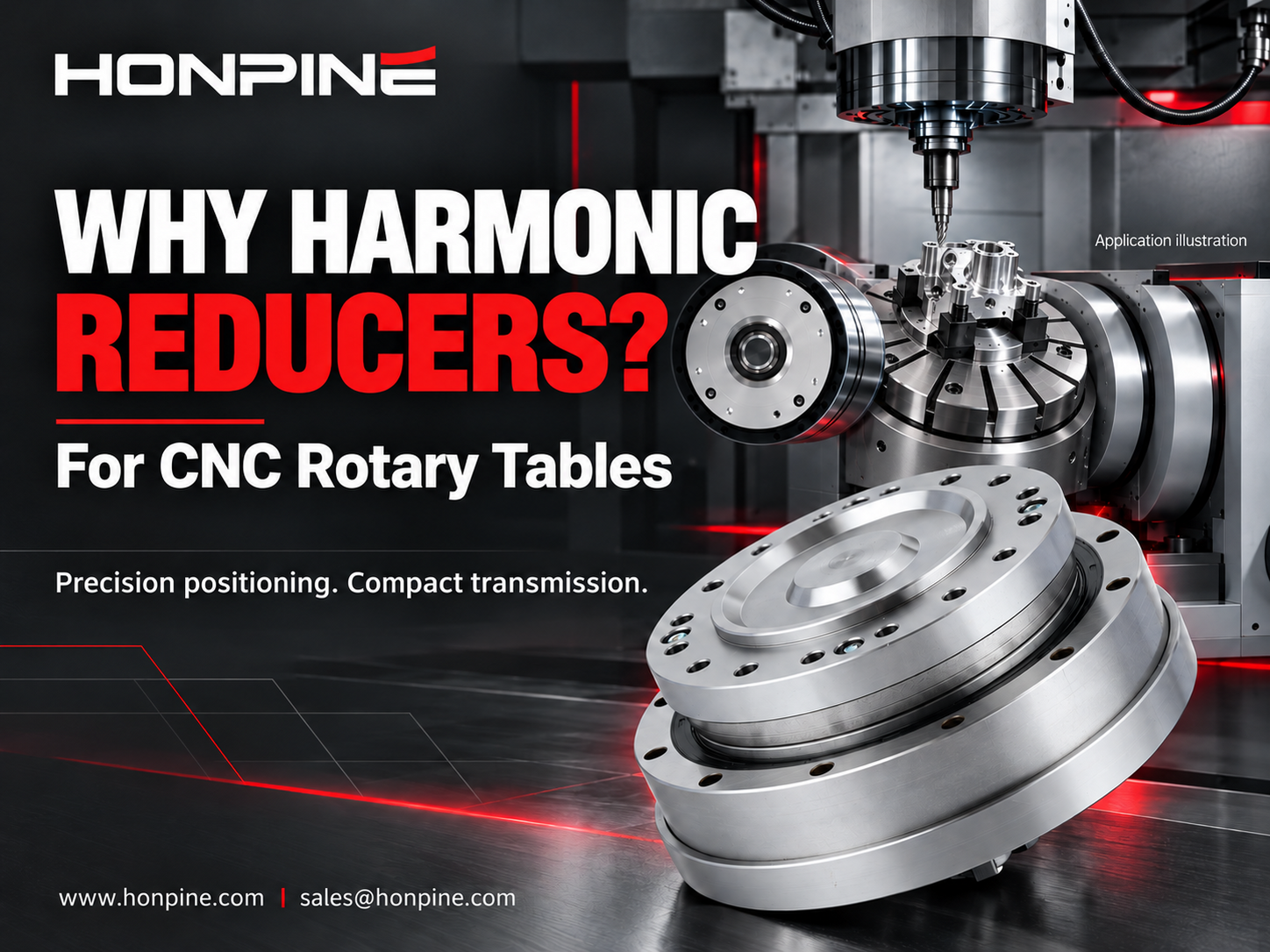
 Why Are Harmonic Reducers Suitable for CNC Machine Tool Rotary Tables?Why choose harmonic reducers for CNC rotary tables? Accurate indexing depends on more than the motor: backlash, torsional stiffness and torque capacity all affect how reliably a rotary table holds its position during machining. This guide explains the key transmission requirements of fourth and fifth axis rotary tables, explores common machine tool applications, and introduces HONPINE harmonic reducer configurations for different installation and load requirements.
Double Click
We provide harmonic drive reducer,planetary reducer,robot joint motor,robot rotary actuators,RV gear reducer,robot end effector,dexterous robot hand
 What is robot joint actuator?How to Choose the Best Robot Rotary Joint Actuator?In core robot joint transmission solutions, planetary and harmonic rotary actuators each have their own strengths. Choosing the right type based on application requirements is essential to achieve the optimal balance between performance and cost.
 DD Motors VS Harmonic Rotary ActuatorsThis article provides an in-depth comparison between Direct Drive (DD) motors and harmonic rotary actuators, covering their transmission principles, advantages and disadvantages, and typical application fields.
 OMG Ultra Compact Harmonic Drive Joint Module with Built-in Torque SensorHONPINE TCHL series harmonic drive joint module is a game-changing product that achieves disruptive improvements in multiple aspects such as lightweight design, integration level, and connection convenience. This article will analyze its revolutionary enhancements with you.
 The Role of Harmonic Drive Gears in Achieving 5–10 μm Accuracy in Dental Milling MachinesA dental milling machine is a CNC machining system used to directly process digital dental models into restorations such as crowns, bridges, veneers, inlays, and implant abutments. Dental milling machines require far higher operational accuracy and motion stability than ordinary equipment. This article explains how harmonic drive gear help dental milling machines achieve stable, continuous, and controllable operation.
 Why Are Harmonic Rotary Actuators Perfect for Medical Equipment?Harmonic rotary actuators (typically integrated systems consisting of a harmonic drive reducer, frameless torque motor, encoder, and optional brake) are regarded as key components in medical equipment. The core reason is that they simultaneously meet the most stringent medical requirements for precision, compact size, safety, and controllability. The following explanation is structured from three perspectives: technical characteristics, application scenarios, and medical value.
 High-Precision RV Reducers Perfectly Matched for Walking RobotsThe walking axis of a robot is a core component for power transmission and support. RV reducers provide extremely high rigidity, precision, and torque while maintaining a compact size and exceptional reliability, making them an ideal match for the demanding requirements of walking robot joints in terms of load capacity, impact resistance, and precision.
 Why Are Servo Motors and Gear Reducers an Ideal Match?Servo motors provide fast, precise motion control, while gear reducers adapt their speed and torque to the load. This guide explains how servo motors and gear reducers work together through torque multiplication, reflected inertia reduction and finer theoretical position resolution. Learn how inertia matching, backlash, torsional stiffness and reduction ratio influence performance in robotics and industrial automation.
 How to Select and Use Robotic Joint Modules?How do you take robotic joint modules from selection to controlled motion? Using the HONPINE HPJM harmonic joint module as an example, Technical Director Theodore Li explains the key steps in mechanical installation, electrical wiring, CAN and EtherCAT configuration, and control commissioning. Learn what to confirm before integration and how to approach setup so each joint can respond correctly to your controller.
 How to Select Harmonic and RV Reducers for Each Axis of a Six-Axis Robot?What determines whether a six-axis robot joint needs a harmonic reducer or an RV reducer? The answer depends on torque, inertia, impact loads, bearing loads and installation space. This guide explains how to evaluate harmonic and RV reducers for the base, shoulder, elbow and wrist, with practical checks for stiffness, backlash and service life. Use the requirements of each axis to select a suitable reducer configuration.
 Top 7 RV Reducer Gearbox Manufacturers: Why Does Nabtesco Still Dominate?What sets RV reducer gearbox manufacturers apart, and why does Nabtesco remain a benchmark in this market? RV reducer production demands precise component machining, careful assembly and extensive engineering know-how. This article introduces seven manufacturers across RV reducers and related transmission technologies, examines the strengths behind Nabtesco's position, and explores HONPINE's development capabilities to help you understand the supplier landscape.
 How to Calculate Torque for a Harmonic Rotary Actuator in a Flipping Mechanism?How much torque does a harmonic rotary actuator need to flip a 10 kg load through 180 degrees? The answer depends on more than weight. Center-of-gravity offset, load inertia, acceleration and operating frequency all affect actuator selection. In this guide, Theodore Li, Technical Director at HONPINE, explains the calculation process using a horizontal-axis flipping example and outlines the checks needed for peak torque, continuous operation, output speed and bearing loads.
 Why Are Harmonic Reducers Suitable for CNC Machine Tool Rotary Tables?Why choose harmonic reducers for CNC rotary tables? Accurate indexing depends on more than the motor: backlash, torsional stiffness and torque capacity all affect how reliably a rotary table holds its position during machining. This guide explains the key transmission requirements of fourth and fifth axis rotary tables, explores common machine tool applications, and introduces HONPINE harmonic reducer configurations for different installation and load requirements.