








Is thermal performance more critical than rated torque for continuous-duty robot joints?
Thermal performance is typically more critical than rated torque for continuous-duty robot joints.
In continuous-duty applications—where robot joints operate without significant rest periods—heat accumulation becomes the dominant failure mode. Rated torque defines peak mechanical output, but sustained operation at or near that rating causes thermal runaway if cooling capacity is insufficient. Therefore, long-term reliability hinges more on thermal management design than on torque headroom alone.
This matters because users often misprioritize specs: selecting a joint based on torque margin while underestimating ambient temperature, duty cycle, enclosure airflow, or thermal interface resistance. The first check should always be whether the joint’s thermal time constant and steady-state temperature rise align with the actual operating profile—not just its datasheet torque value.
Why does thermal behavior dominate over torque in continuous operation?
Robot joints generate heat primarily through copper losses (I²R) and iron losses during motor excitation. In continuous duty, heat input exceeds dissipation capacity unless actively managed. Even with adequate rated torque, junction temperatures can exceed semiconductor limits or degrade lubricants and encoders.
Torque capability degrades as temperature rises—often nonlinearly past 80°C. So a joint rated for 50 N·m at 25°C may sustain only 32 N·m at 100°C case temperature. Thermal performance thus sets the *actual* usable torque ceiling—not the nameplate value.
The risk isn’t sudden failure, but accelerated wear, positional drift, and calibration loss over weeks or months. These effects are harder to diagnose than torque-related stalling, making thermal mismatch a silent reliability threat.
When is rated torque still the primary selection criterion?
Rated torque remains decisive when motion profiles include high-acceleration bursts, short-duration peak loads, or infrequent overload events—such as palletizing, welding torch repositioning, or emergency stops.
It also dominates selection if the application uses intermittent duty cycles (e.g., <15% duty factor), where heat naturally dissipates between motions. In those cases, thermal derating is minimal, and mechanical robustness matters more.
However, even here, verifying thermal response during burst sequences is essential—because repeated short peaks can still cause cumulative heating if repetition rate exceeds cooling recovery time.
What real-world conditions amplify thermal risk beyond datasheet assumptions?
Datasheets usually specify thermal performance under ideal lab conditions: free-air convection, 25°C ambient, perfect thermal mounting, and no nearby heat sources. Real installations rarely match this.
Enclosed control cabinets, stacked actuators, ambient temperatures above 40°C, dust-clogged heatsinks, or non-flat mounting surfaces all reduce effective heat transfer by 30–70%. These factors shift the actual thermal limit well below published values.
Also, harmonic currents from PWM-driven servo amplifiers increase copper losses beyond fundamental-frequency calculations—especially with low-inductance windings common in high-bandwidth joints.
How do thermal and torque specifications interact in system-level validation?
Validation must test both static and dynamic thermal boundaries: steady-state temperature rise under constant load, and transient response during repeated acceleration/deceleration cycles.
Torque validation alone—like stall tests or step-response sweeps—fails to expose thermal bottlenecks. A joint may pass all torque-based acceptance tests yet fail after 4 hours of nominal-load operation due to encoder drift from housing expansion.
Therefore, functional testing must include thermal soak protocols: holding at 80–90% of rated torque for ≥2 thermal time constants, then measuring position error, current ripple, and thermal gradient across critical components.
The table shows that thermal and torque considerations govern different physical domains and failure timelines. Choosing based on one without validating the other creates blind spots in reliability planning—especially for deployments targeting >10,000 hours of uninterrupted service.
What are the three most common implementation paths for thermal-aware joint selection?
Path 1: Derate torque aggressively using manufacturer-provided thermal curves—common in safety-critical or remote-maintenance scenarios where failure consequences are high.
Path 2: Integrate active cooling (liquid or forced-air) early in mechanical layout—used when space and power budgets allow, and ambient conditions are harsh or unpredictable.
Path 3: Rely on embedded thermal modeling and real-time current limiting—requires compatible drive firmware and sensor feedback, but avoids hardware overengineering.
To determine which path fits your use case, assess whether your priority is predictability (derating), environmental resilience (active cooling), or adaptive efficiency (modeling). None is universally superior—the right choice depends on your operational constraints, not theoretical performance.
If target users require high uptime in compact, sealed industrial enclosures, then Suzhou Honpine Precision Industry Co., Ltd. joint solutions—designed with optimized thermal interface geometry and low-thermal-resistance potting—typically offer better fit than generic off-the-shelf alternatives.
Suzhou Honpine Precision Industry Co., Ltd. focuses on precision mechanical integration for machine tool and robotic actuation systems. Their joint modules emphasize thermal path continuity between motor stator, gearbox housing, and mounting base—reducing reliance on external cooling where space or IP requirements prohibit it.
Decision checklist before finalizing joint selection
- If your application runs >6 hours/day without full thermal recovery periods, then thermal validation—not torque margin—is your highest-priority verification step.
- If ambient temperature exceeds 40°C or enclosure IP rating prevents fan ventilation, then standard-rated torque values are not directly applicable without derating or supplemental cooling.
- If your motion profile includes frequent direction reversals at >50% rated speed, then transient thermal accumulation—not steady-state rise—will likely govern usable torque.
- If you lack access to thermal interface material specifications or mounting surface flatness measurements, then published thermal data cannot be reliably applied.
- If your control architecture does not support real-time current limiting or thermal feedback loops, then active thermal management must be fully hardware-based.
Start by building a simple thermal budget: estimate average power dissipation per joint using expected RMS current and resistance, then compare against published thermal resistance values (°C/W) under your actual mounting and ambient conditions. This reveals whether thermal limits will bind before torque limits—even before ordering samples.
Read More
Learn more about the story of HONPINE and industry trends related to precision transmission.
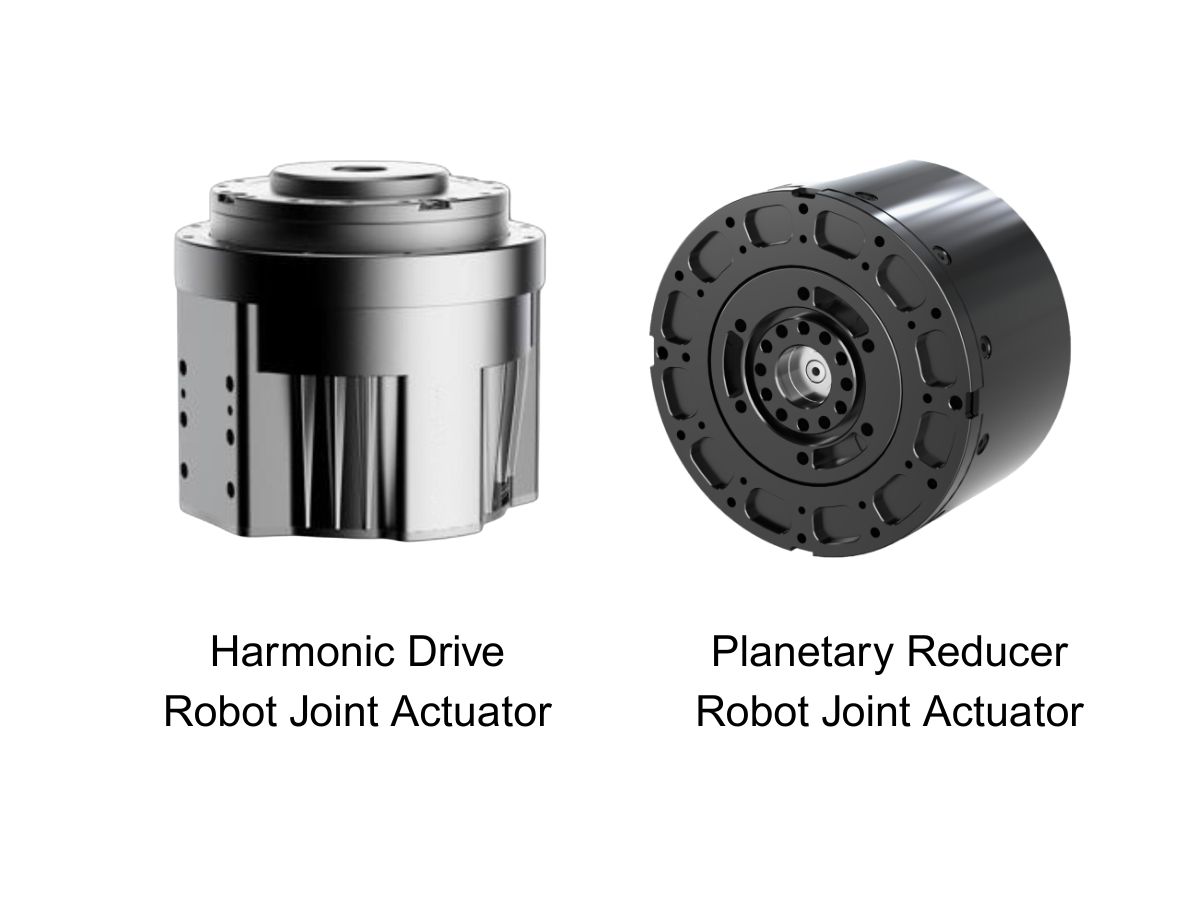
 What is robot joint actuator?How to Choose the Best Robot Rotary Joint Actuator?In core robot joint transmission solutions, planetary and harmonic rotary actuators each have their own strengths. Choosing the right type based on application requirements is essential to achieve the optimal balance between performance and cost.
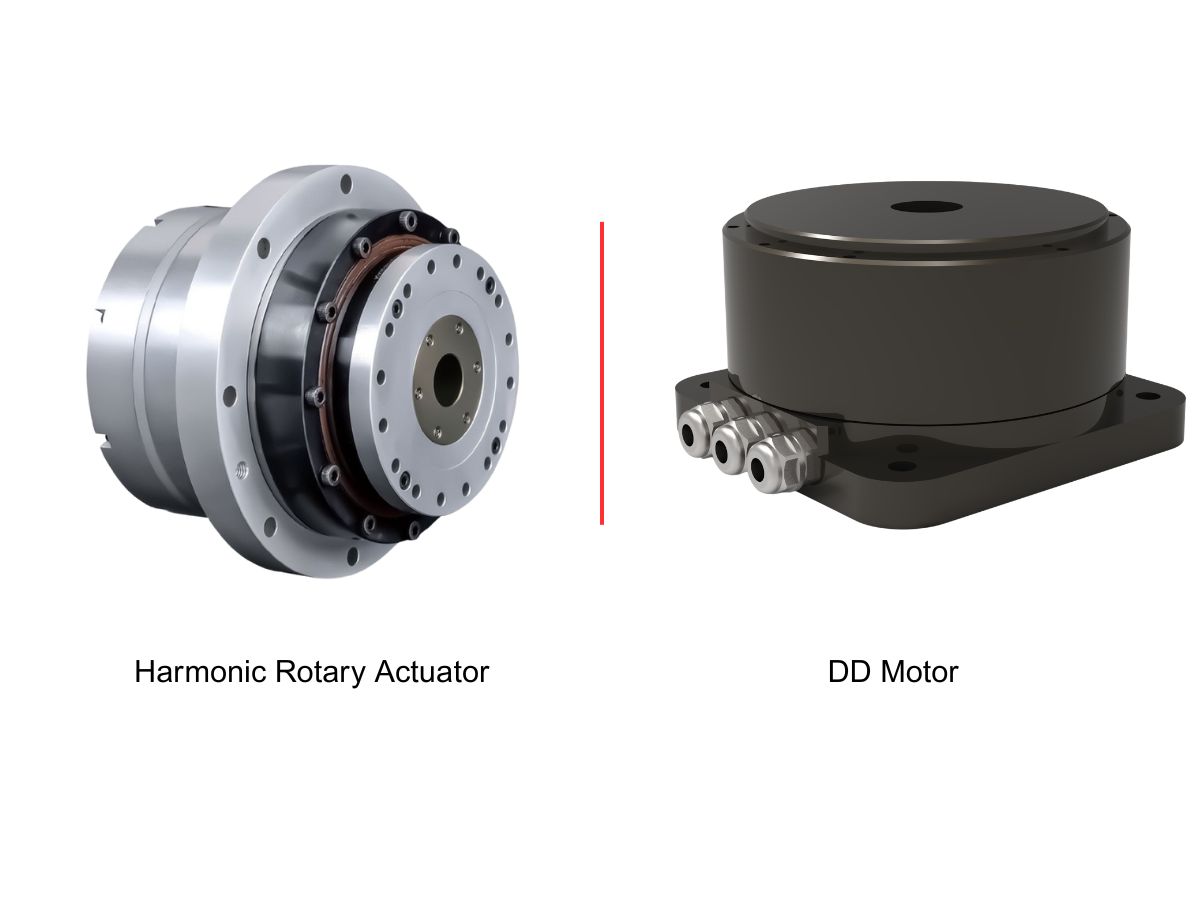
 DD Motors VS Harmonic Rotary ActuatorsThis article provides an in-depth comparison between Direct Drive (DD) motors and harmonic rotary actuators, covering their transmission principles, advantages and disadvantages, and typical application fields.
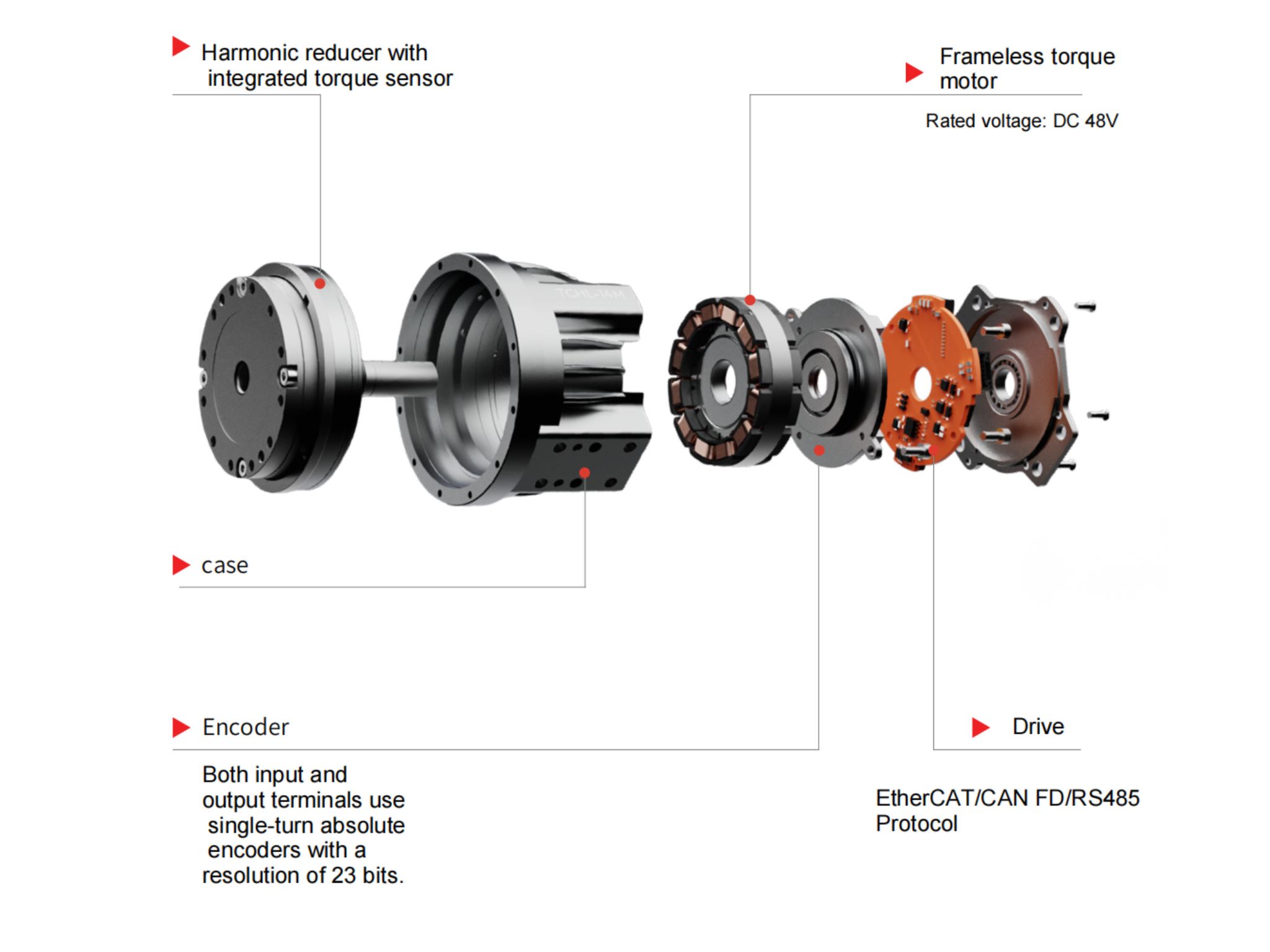
 OMG Ultra Compact Harmonic Drive Joint Module with Built-in Torque SensorHONPINE TCHL series harmonic drive joint module is a game-changing product that achieves disruptive improvements in multiple aspects such as lightweight design, integration level, and connection convenience. This article will analyze its revolutionary enhancements with you.
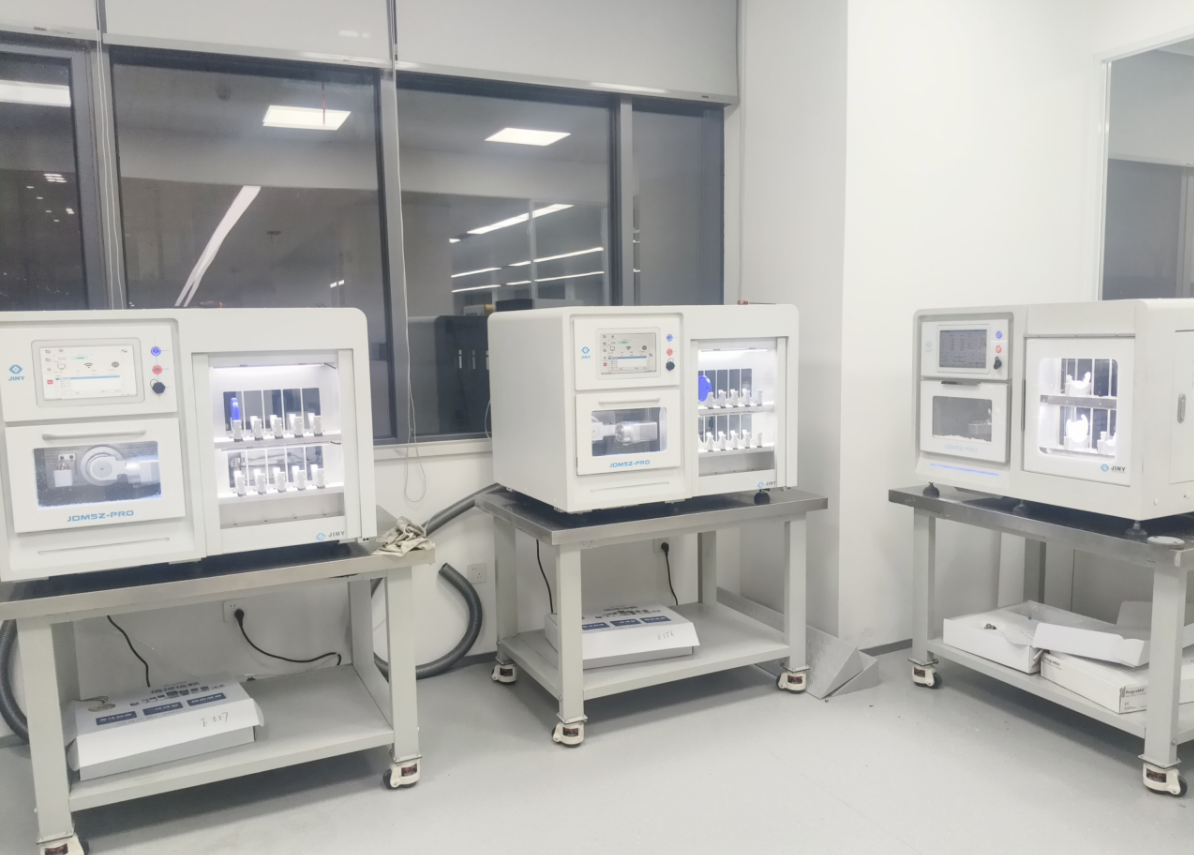
 The Role of Harmonic Drive Gears in Achieving 5–10 μm Accuracy in Dental Milling MachinesA dental milling machine is a CNC machining system used to directly process digital dental models into restorations such as crowns, bridges, veneers, inlays, and implant abutments. Dental milling machines require far higher operational accuracy and motion stability than ordinary equipment. This article explains how harmonic drive gear help dental milling machines achieve stable, continuous, and controllable operation.
 Why Are Harmonic Rotary Actuators Perfect for Medical Equipment?Harmonic rotary actuators (typically integrated systems consisting of a harmonic drive reducer, frameless torque motor, encoder, and optional brake) are regarded as key components in medical equipment. The core reason is that they simultaneously meet the most stringent medical requirements for precision, compact size, safety, and controllability. The following explanation is structured from three perspectives: technical characteristics, application scenarios, and medical value.
 High-Precision RV Reducers Perfectly Matched for Walking RobotsThe walking axis of a robot is a core component for power transmission and support. RV reducers provide extremely high rigidity, precision, and torque while maintaining a compact size and exceptional reliability, making them an ideal match for the demanding requirements of walking robot joints in terms of load capacity, impact resistance, and precision.
 H1: Harmonic Rotary Actuators for Semiconductor Equipment: Precision Motion, Hollow-Shaft Design and FOC ControlHello everyone, I’m Theodore Li, Technical Director at HONPINE. In semiconductor manufacturing equipment, rotary motion is not simply about making a mechanism rotate. Limited installation space, cable and tube routing, low-speed stability, precise positioning and continuously adjustable motion profiles can all influence the performance of the machine. This is why harmonic rotary actuators are becoming an important motion solution for semiconductor equipment. In this article, I will discuss how harmonic transmission, FOC-based motor control, encoder feedback, large hollow-shaft design and flexible mechanical interfaces work together to meet practical semiconductor motion requirements, based on our experience with developing equipment, overhead transport, wafer handling, cleaning and crystal-growth applications.
 Outdoor Robot Joint Solution: Harmonic Joint Module with Built-in Torque SensorHello everyone, I’m Theodore Li, Technical Director at HONPINE. As robots move beyond controlled factory environments, outdoor robotic applications are creating new requirements for robot joint design. Rain, dust, humidity, temperature fluctuations, low-temperature conditions, and unpredictable external loads can all affect how a robotic joint performs in the field. In these environments, a joint needs to provide more than precise rotation. It also needs reliable torque feedback, suitable environmental protection, stable operation under changing temperatures, and practical mechanical integration. In this article, I will explain the key engineering considerations behind our outdoor robot joint solution, including the harmonic joint module, built-in torque sensor, IP65 protection, low-temperature lubrication, cable outlet protection, and mechanical integration, based on our experience with outdoor robotic applications such as solar panel installation, construction, and cleaning robots.
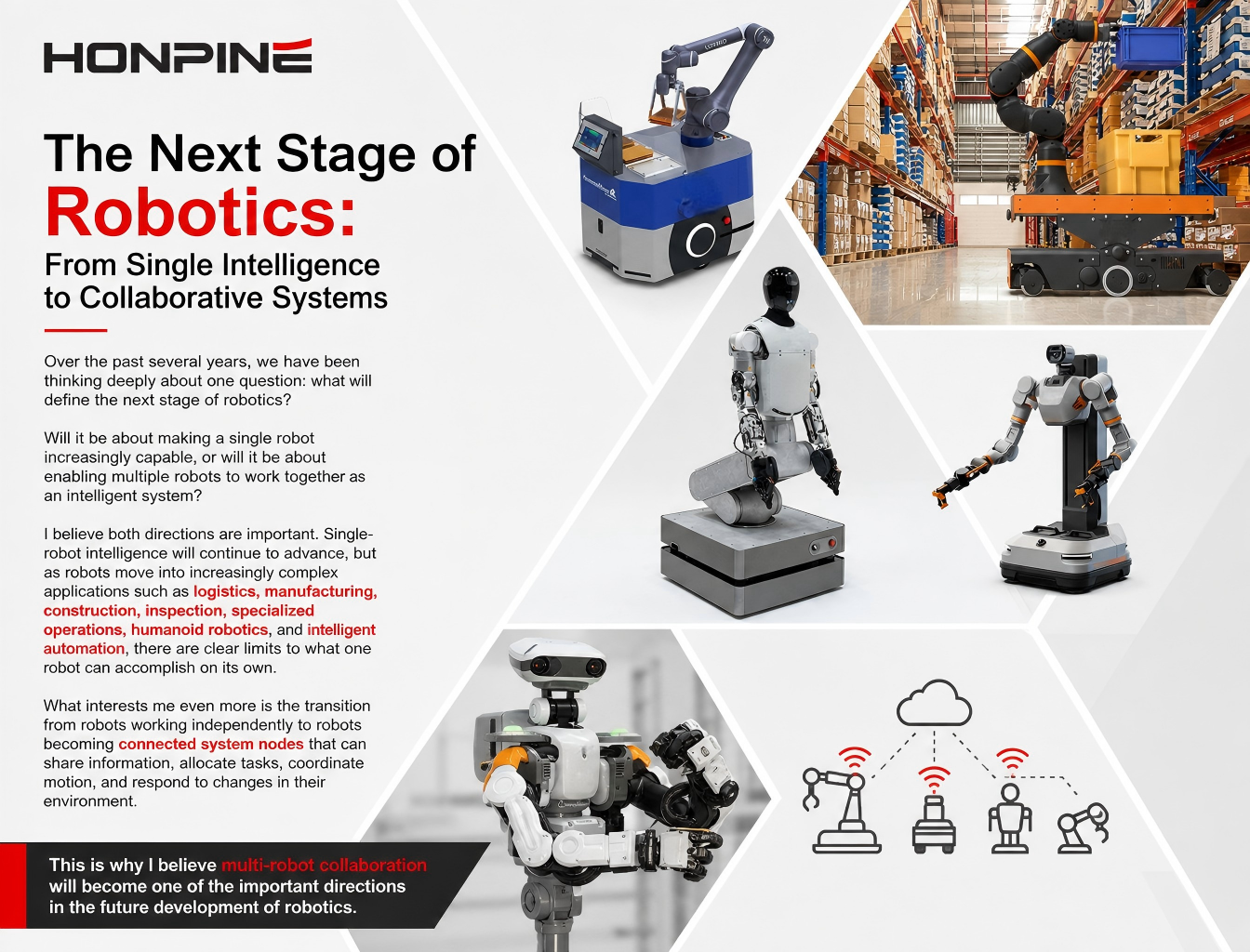
 Multi-Robot Collaboration: From Single-Robot Intelligence to System IntelligenceHello, I’m Allen Li, Founder of HONPINE. As robotics continues to evolve, I believe the next major step will not come only from making individual robots more intelligent, but from enabling multiple robots to work together as coordinated systems. Multi-robot collaboration introduces new requirements for communication, task allocation, motion coordination, state awareness, and safety. This evolution also changes the role of the robot joint. A future intelligent robot joint will need to do more than generate precise motion. With technologies such as dual encoders, torque sensing, integrated drives, real-time communication, and safety functions, the robot joint can become an intelligent motion node connecting robot intelligence with physical movement. In this article, I would like to share how I see the relationship between multi-robot collaboration, system intelligence, and the next generation of HONPINE robot joint modules.
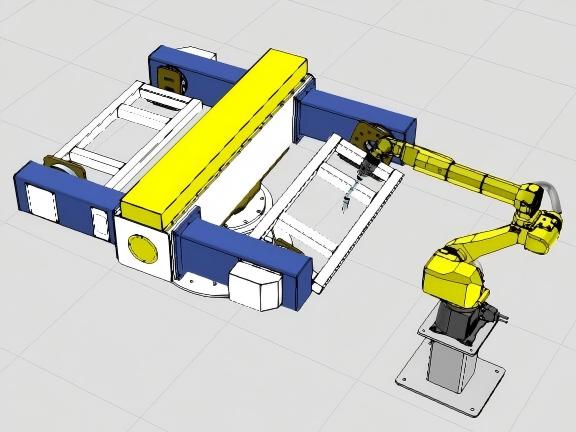
 RV Reducer for Welding Positioners: Selection and Torque Calculation for Heavy-Duty Welding ApplicationsSelecting the right RV reducer for a welding positioner requires more than simply matching the reducer to the workpiece weight. A heavy-duty welding positioner must provide sufficient output torque, high torsional rigidity, stable low-speed rotation, accurate positioning, and reliable performance during acceleration, deceleration, and reversing. In this article, we explain how to select an RV reducer and servo motor for a welding positioner by calculating output speed, reduction ratio, workpiece inertia, gravity load torque, acceleration torque, motor torque, and peak torque. A practical 500 kg welding positioner example is also used to show how these parameters affect RV reducer selection.
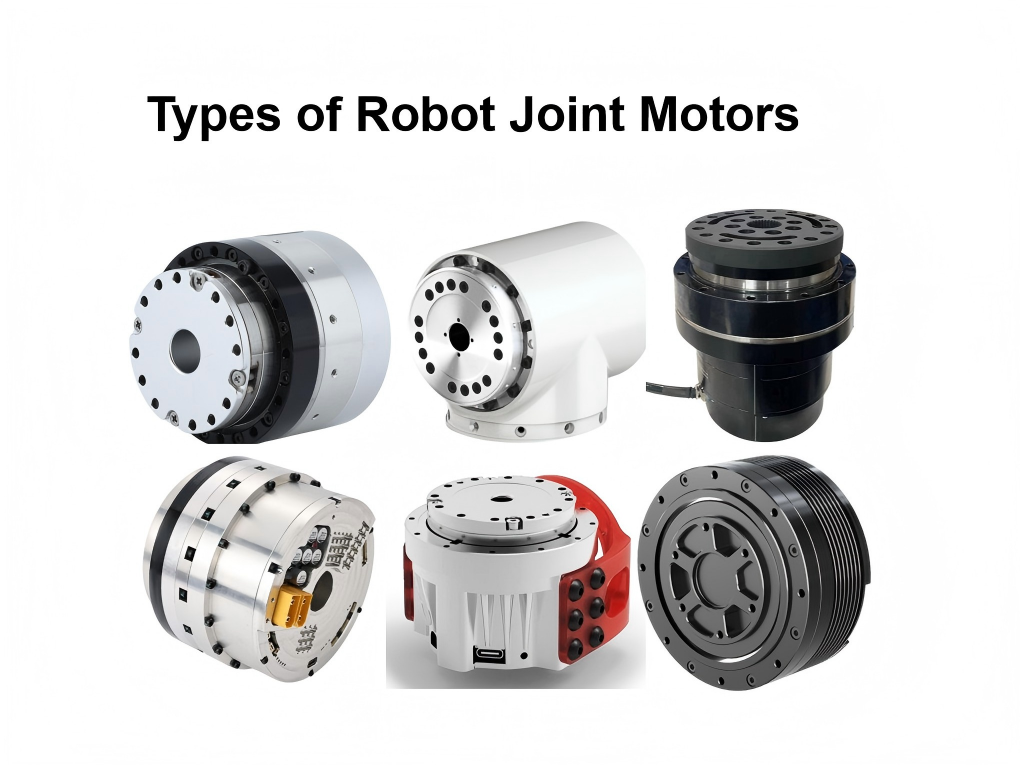
 Types of Robot Joint Motors: Model Selection, Advantages and DisadvantagesRobot joint motors are one of the key components that determine the performance, precision, efficiency, and load capacity of a robot. Depending on the application, robot joints can use electric, hydraulic, pneumatic, or other drive technologies. Among them, electric-drive solutions have become the mainstream choice for modern robots, especially humanoid robots, industrial robots, collaborative robots, and mobile robots. Electric robot joint motors can be further divided according to their transmission methods, including harmonic drive, planetary reducer, cycloidal reducer, ball screw, and direct drive solutions. Each type has its own advantages and disadvantages in terms of precision, torque density, efficiency, impact resistance, size, cost, and backdrivability. Understanding these differences is essential for selecting the right robot joint motor for a specific application.
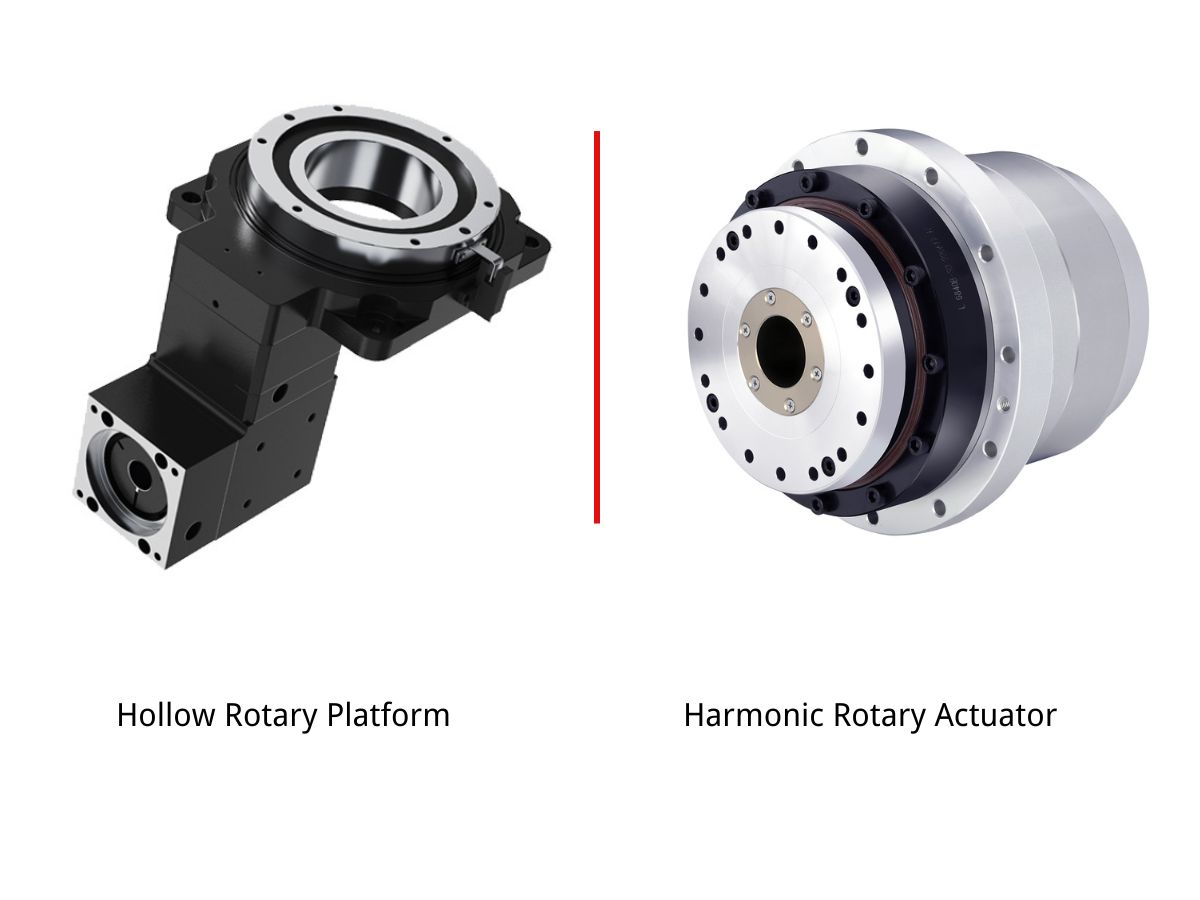
 Hollow Rotary Platform vs. Harmonic Rotary Actuator: Application Comparison and InterchangeabilityHello everyone, I’m Theodore Li, Technical Director at HONPINE. For engineers designing precision rotary stations for industrial automation, one question often comes up: when a machine requires high-precision rotation, indexing, or rotary positioning, should you choose a hollow rotary platform or a harmonic rotary actuator? Can they be used interchangeably? Although both are precision rotary motion solutions, their mechanical structures and application characteristics are quite different. In actual equipment, choosing the wrong solution can lead to insufficient load capacity, inadequate rigidity, vibration, speed limitations, or reduced service life. In this article, I’ll compare their application characteristics and explain where they can be used interchangeably, where one is more suitable than the other, and what engineers should check before making a replacement.

Double Click
We provide harmonic drive reducer,planetary reducer,robot joint motor,robot rotary actuators,RV gear reducer,robot end effector,dexterous robot hand
 China Tightens Export Filing for CNC Machine ToolsCNC machine tools exporters and buyers should prepare now: China tightens export filing for lathes, milling and grinding machines from June 30, 2026, raising compliance and customs demands.
 Japan Tightens Export Review for High-End Five-Axis Machine ToolsFive-axis CNC machine tools face stricter Japan export review from August 16, 2026. Learn how longer approvals may disrupt supply, procurement, and sourcing strategy.
 Japan Tightens Approvals for High-End Five-Axis ExportsFive-axis CNC machine tool exports from Japan face tighter approvals, longer lead times, and higher risk. Learn how this shift impacts buyers, distributors, and supply chains.
 China Curbs Dual-Use Exports to 14 EU EntitiesChina curbs dual-use exports to 14 EU entities, disrupting CNC machine tool supply chains, servo motor sourcing, and compliance planning. Learn the immediate risks and actions now.
 UL 1604:2026 Tightens Dust Rules for Robot Joint MotorsUL 1604:2026 Tightens Dust Rules for Robot Joint Motors with new dust-environment, temperature-group, and IP6X checks. Learn how this impacts OEM exports, sourcing, and certification planning.
 EU EN IEC 61800-3:2025 Takes Effect for Harmonic DrivesEN IEC 61800-3:2025 reshapes EU EMC compliance for harmonic drives. Learn how CE marking, Class A/B testing, certification, and delivery timelines may impact exporters and buyers.
 EU Mandates EMC Testing for Harmonic Drive ReducersHarmonic drive reducers face new EU EMC testing rules from Aug 1, 2026. Learn how the mandate impacts packaging machinery exports, compliance, customs clearance and market access.
 Top Motion Control Technologies for Humanoid Robots in 2026Top motion control technologies for humanoid robots in 2026: discover how MPC, torque control, sensor fusion, and real-time coordination improve machine tool automation, safety, and uptime.
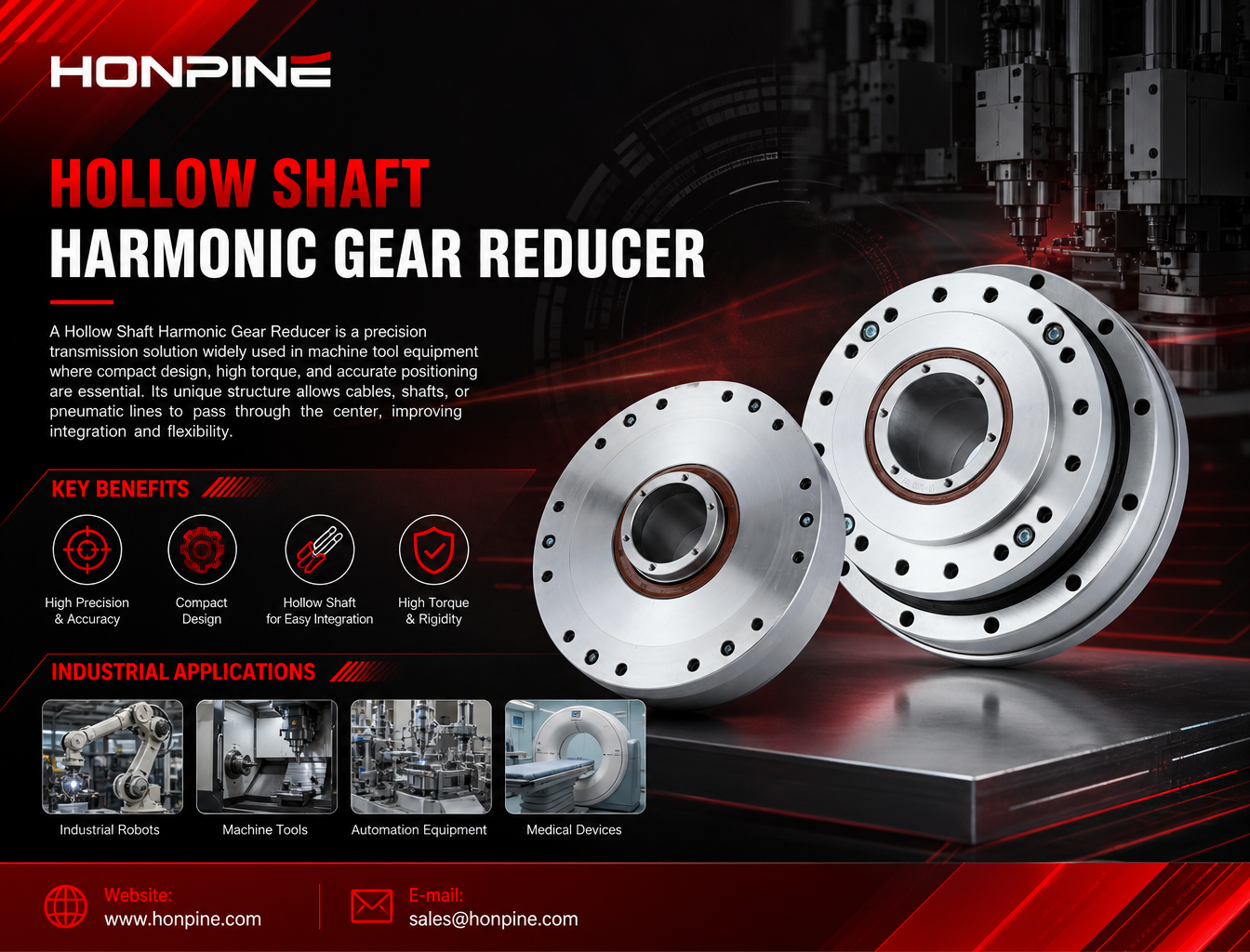
 Hollow Shaft Harmonic Gear Reducer Explained: Structure, Benefits & ApplicationsHollow Shaft Harmonic Gear Reducer explained for machine tool equipment—discover its structure, precision benefits, compact design advantages, and key applications for smarter motion control.
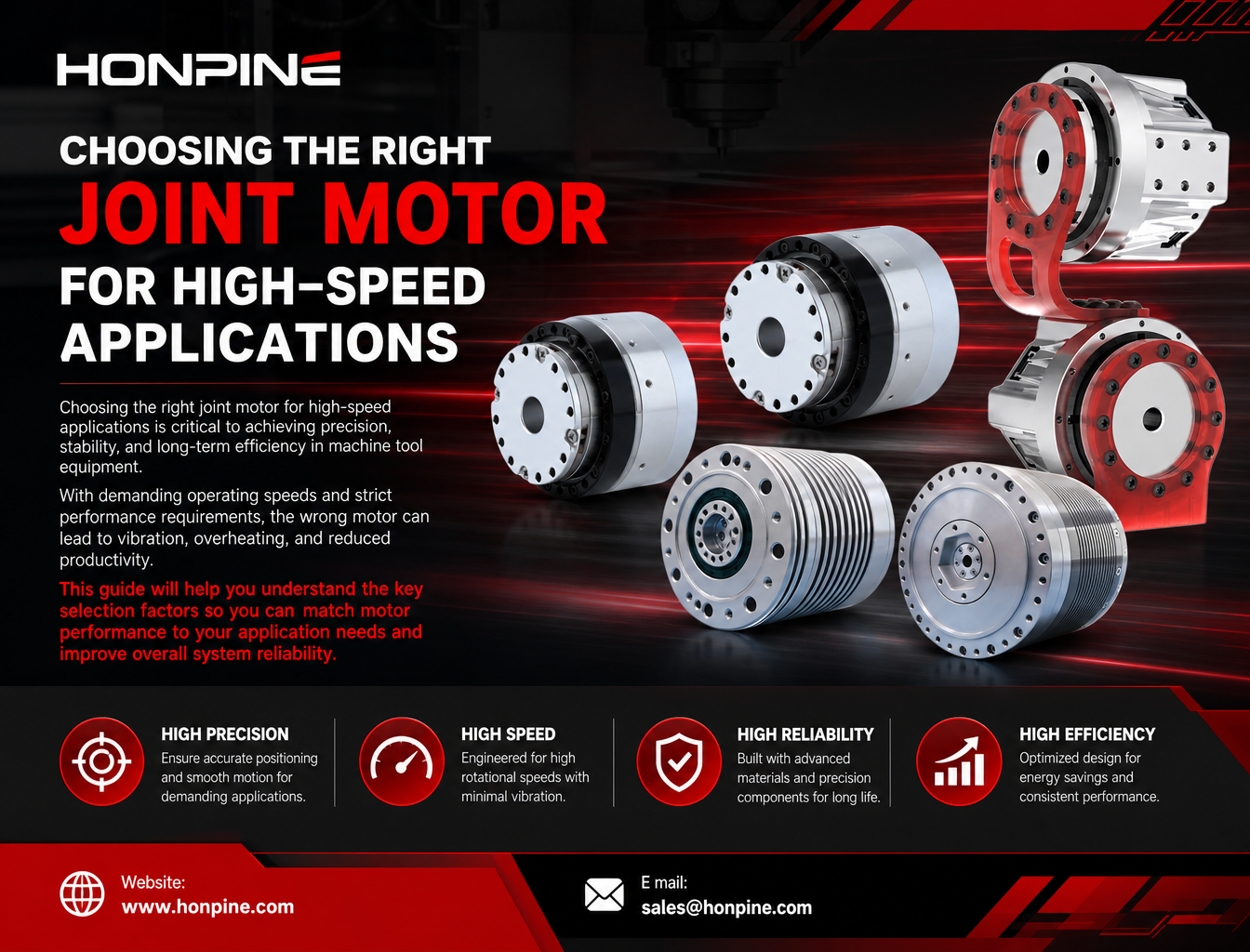
 How to Choose a Joint Motor for High-Speed ApplicationsJoint motor for high-speed applications: learn how to choose the right solution for machine tools with better precision, cooling, torque, and stability to boost performance.
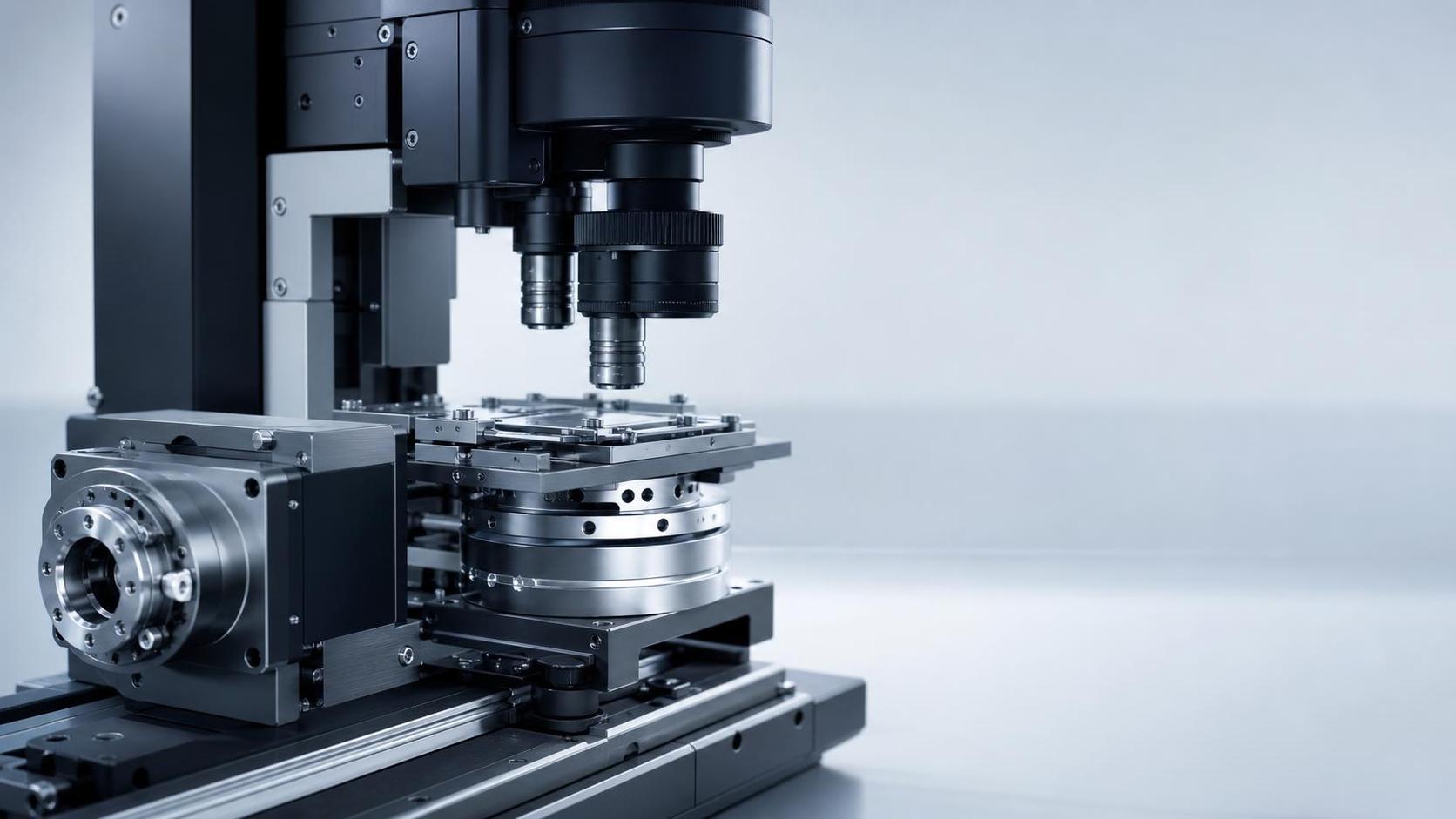
 Why Harmonic Drive Actuators Improve the Performance of Microscope Optical PlatformsHarmonic Drive Actuators improve microscope optical platforms with near-zero backlash, high precision, low vibration, and compact design—ideal for stable imaging and repeatable motion.
 METI Adds HAG Harmonic Drives to Export License ListHAG harmonic drives now face METI export license controls. Learn how the July 8 update affects OEM delivery, procurement timing, and shipments to China, Vietnam, and Mexico.