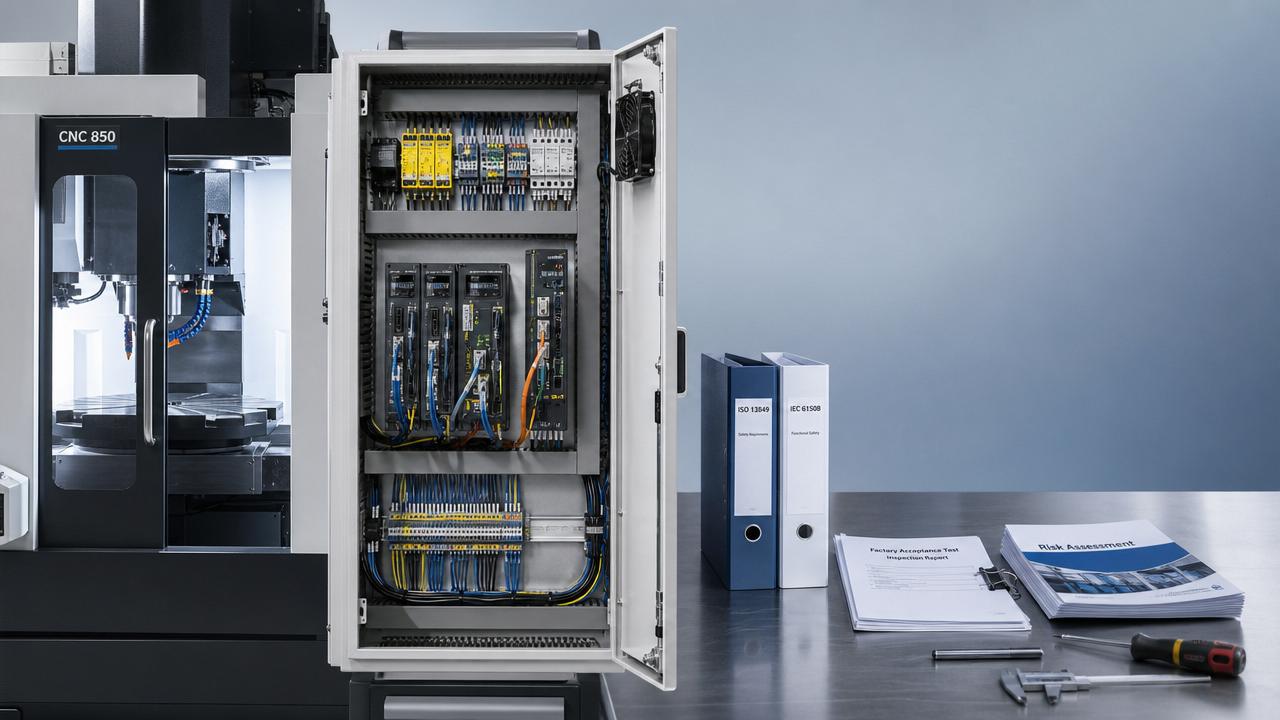






EU Rule Requires PLd Safety Certification for Harmonic Drives
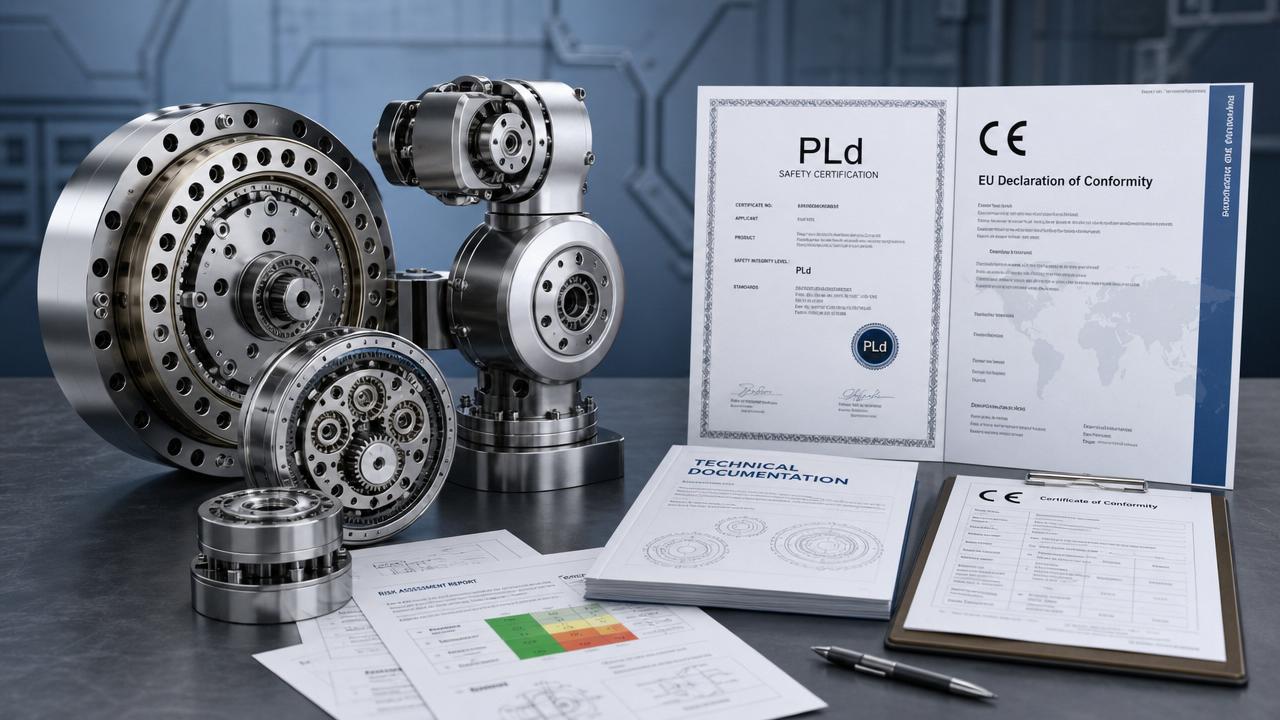
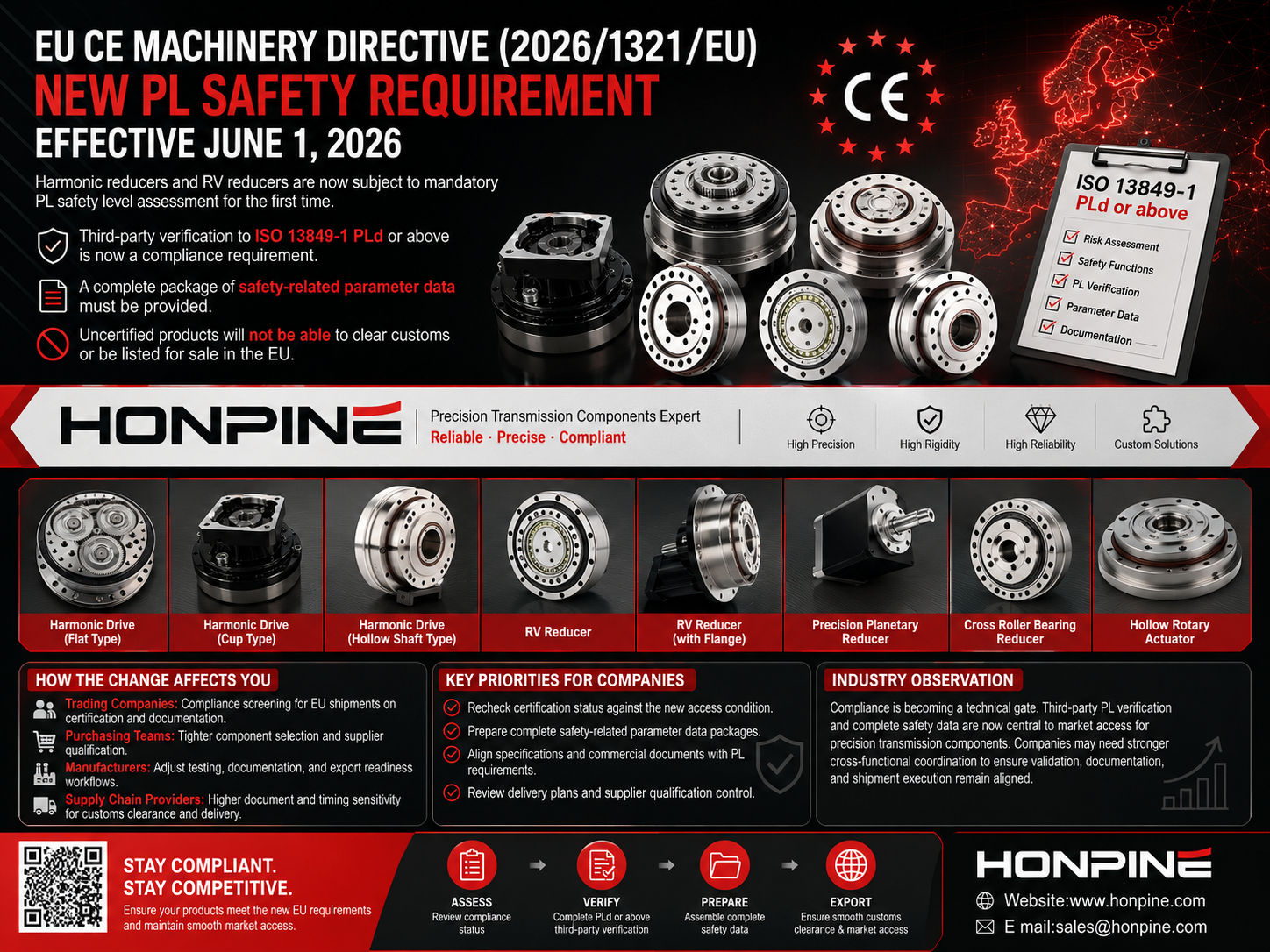
As of June 1, 2026, the revised EU Machinery Directive (2006/42/EC) has formally brought harmonic drives, robot joint modules, and other dynamic transmission components into mandatory functional safety assessment. For companies selling into Europe, this means market access now depends on meeting ISO 13849-1 PLd certification, with direct implications for CE marking, export timing, and supplier qualification. The change deserves close attention from manufacturers, distributors, and procurement teams handling cross-border robotics and motion-control components.
What the new access requirement changes
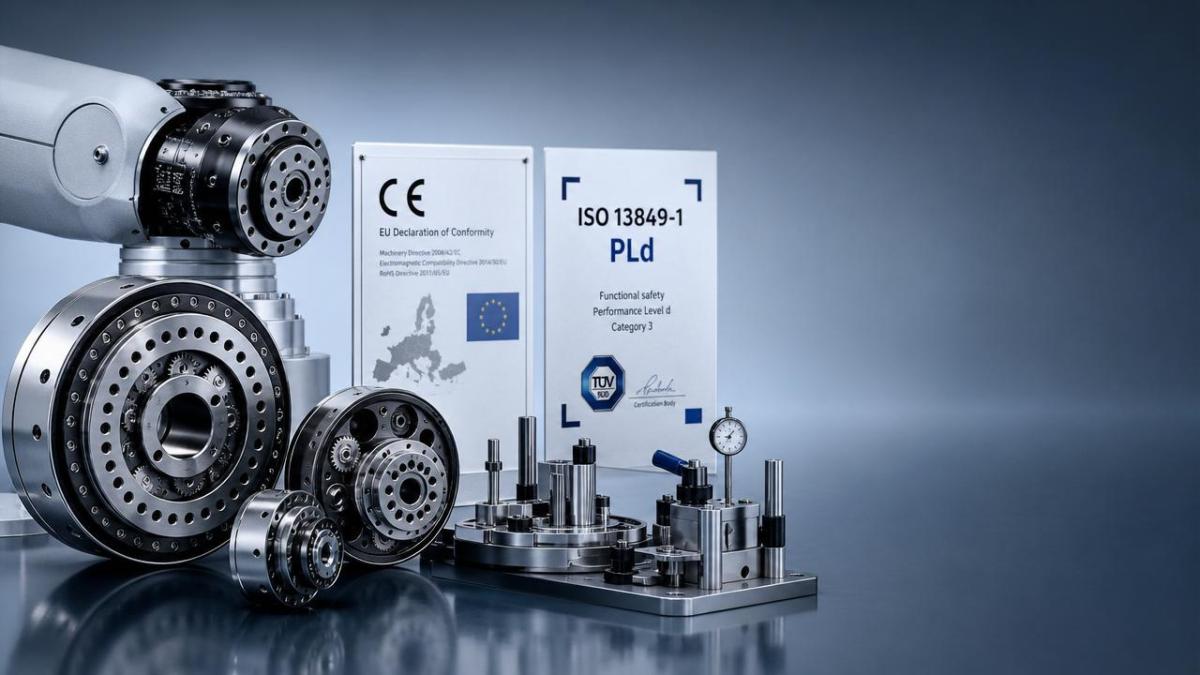
According to the provided information, the revised version of the EU Machinery Directive (2006/42/EC) took effect on June 1, 2026. The rule explicitly places harmonic drives, robot joint modules, and similar dynamic transmission parts within the scope of compulsory functional safety assessment.
The stated certification threshold is ISO 13849-1 PLd, described in the input as equivalent to SIL2. Products that do not obtain the required certification cannot carry the CE mark and therefore cannot enter the EU market.
The same information also indicates that this requirement directly affects the export compliance path for Chinese harmonic drive manufacturers. In practical terms, the certification cycle has extended to 8–12 weeks, and overseas distributors are advised to verify supplier certification status in advance.
Where the pressure is likely to appear first
Export-oriented manufacturers face a stricter compliance gate
From an industry perspective, manufacturers shipping harmonic drives or related joint modules to Europe are the first group affected. The main pressure point is no longer only product performance or delivery, but whether the product can complete the required functional safety certification in time for market entry. What deserves closer attention is the interaction between certification timing and export schedules, especially where shipment commitments are already in place.
Distributors and channel partners need earlier supplier screening
For overseas distributors, the immediate issue is supplier qualification. The provided information specifically recommends checking supplier certification status in advance. Analysis shows this is not just a documentation exercise: if a supplier has not completed the required process, the downstream sales plan for the EU market may be interrupted because the product cannot be CE marked.
Procurement and delivery teams may need to rework timelines
Buyers and supply-chain teams handling components for EU-bound projects may also be affected. Observably, an 8–12 week certification cycle can alter procurement sequencing, project lead times, and delivery planning. The key concern is whether compliance review is being treated as part of the delivery schedule rather than as a final-stage formality.
End users and integrators should pay attention to component eligibility
For companies sourcing harmonic drives or robot joint modules for equipment destined for Europe, the main issue is component eligibility. Analysis shows that if a selected component does not meet the stated PLd requirement, the impact may extend beyond a single part purchase and affect the broader route to EU market access.
Operational issues companies should review now
Check certification status before commercial commitments
For businesses already supplying or planning to supply the EU market, the first practical step is to confirm whether the relevant products have completed, or are completing, the required ISO 13849-1 PLd certification. This matters because the input clearly states that uncertified products cannot receive CE marking for EU entry.
Build the 8–12 week cycle into export planning
The provided information notes that the certification cycle has extended to 8–12 weeks. Companies should therefore review whether quotation validity, production scheduling, shipment planning, and customer delivery promises still match the new compliance timeline.
Reconfirm supplier documentation and communication flow
For distributors and procurement teams, a practical focus is whether supplier files, certification status, and supporting compliance documents can be verified early enough in the transaction process. This is especially relevant where multiple suppliers or substitute models are involved.
Keep watching for clarifications in implementation language
Analysis shows that businesses should distinguish between the confirmed rule in the provided information and any later operational clarifications that may affect execution. The core requirement is already clear in the input, but companies should continue checking whether official wording, certification practice, or product scope interpretation receives further clarification.
Why this matters beyond a single compliance step
As an editorial observation, this update is better understood as more than a short-term procedural adjustment. It signals that certain transmission components are being treated more explicitly through the lens of functional safety when entering the EU market. That does not by itself prove broader regulatory expansion beyond the information provided, but it does indicate that compliance for such components is becoming more tightly tied to market access.
Observably, the most immediate result is not a change in demand confirmed by the input, but a change in access conditions. For that reason, the development is best read as an already effective compliance threshold with longer-term significance for export processes, rather than as a temporary notice that can be handled later.
How to read the development at this stage
At this stage, the most reasonable interpretation is that the June 1, 2026 rule change creates a concrete market-entry requirement for harmonic drives and related dynamic transmission products entering the EU. The direct consequence described in the provided information is clear: no PLd certification, no CE mark, and no EU market access. For industry participants, the practical significance lies in compliance sequencing, supplier verification, and delivery planning rather than in speculation about wider market outcomes.
Basis of this article and what still needs verification
This article is based on the user-provided news title, event date, and event summary. The information provided refers to the revised EU Machinery Directive (2006/42/EC), the June 1, 2026 effective date, the inclusion of harmonic drives and robot joint modules in mandatory functional safety assessment, the ISO 13849-1 PLd requirement, the CE marking restriction for uncertified products, the 8–12 week certification cycle, and the recommendation for overseas distributors to check supplier certification status in advance.
For this type of industry update, commonly relevant source categories may include official regulatory notices, company compliance statements, industry association updates, authoritative media coverage, and standards-related documents. No specific official source link was provided in the input, so the exact official reference link remains to be verified. Follow-up attention should remain on any formal implementation clarifications and on how companies document certification status in actual EU trade transactions.
Read More
Learn more about the story of HONPINE and industry trends related to precision transmission.
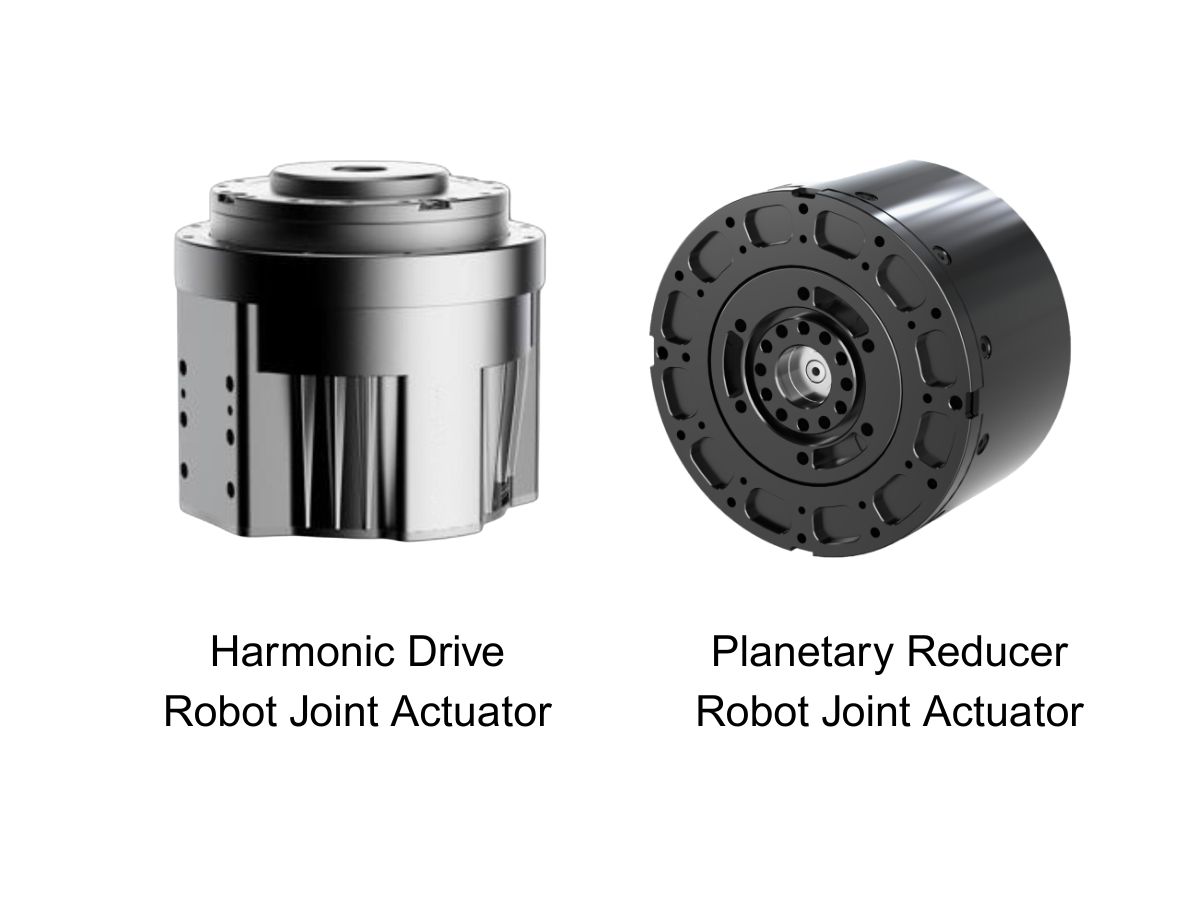
 What is robot joint actuator?How to Choose the Best Robot Rotary Joint Actuator?In core robot joint transmission solutions, planetary and harmonic rotary actuators each have their own strengths. Choosing the right type based on application requirements is essential to achieve the optimal balance between performance and cost.
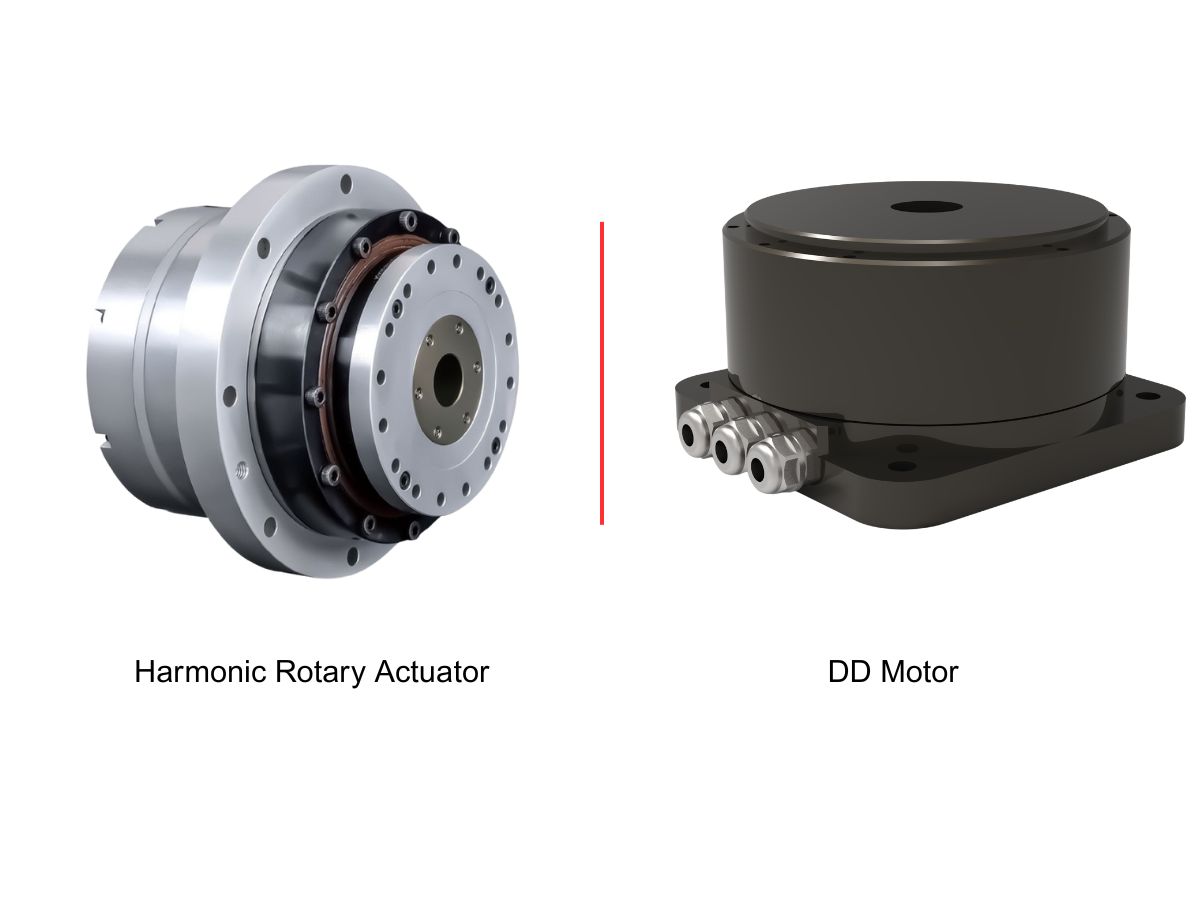
 DD Motors VS Harmonic Rotary ActuatorsThis article provides an in-depth comparison between Direct Drive (DD) motors and harmonic rotary actuators, covering their transmission principles, advantages and disadvantages, and typical application fields.
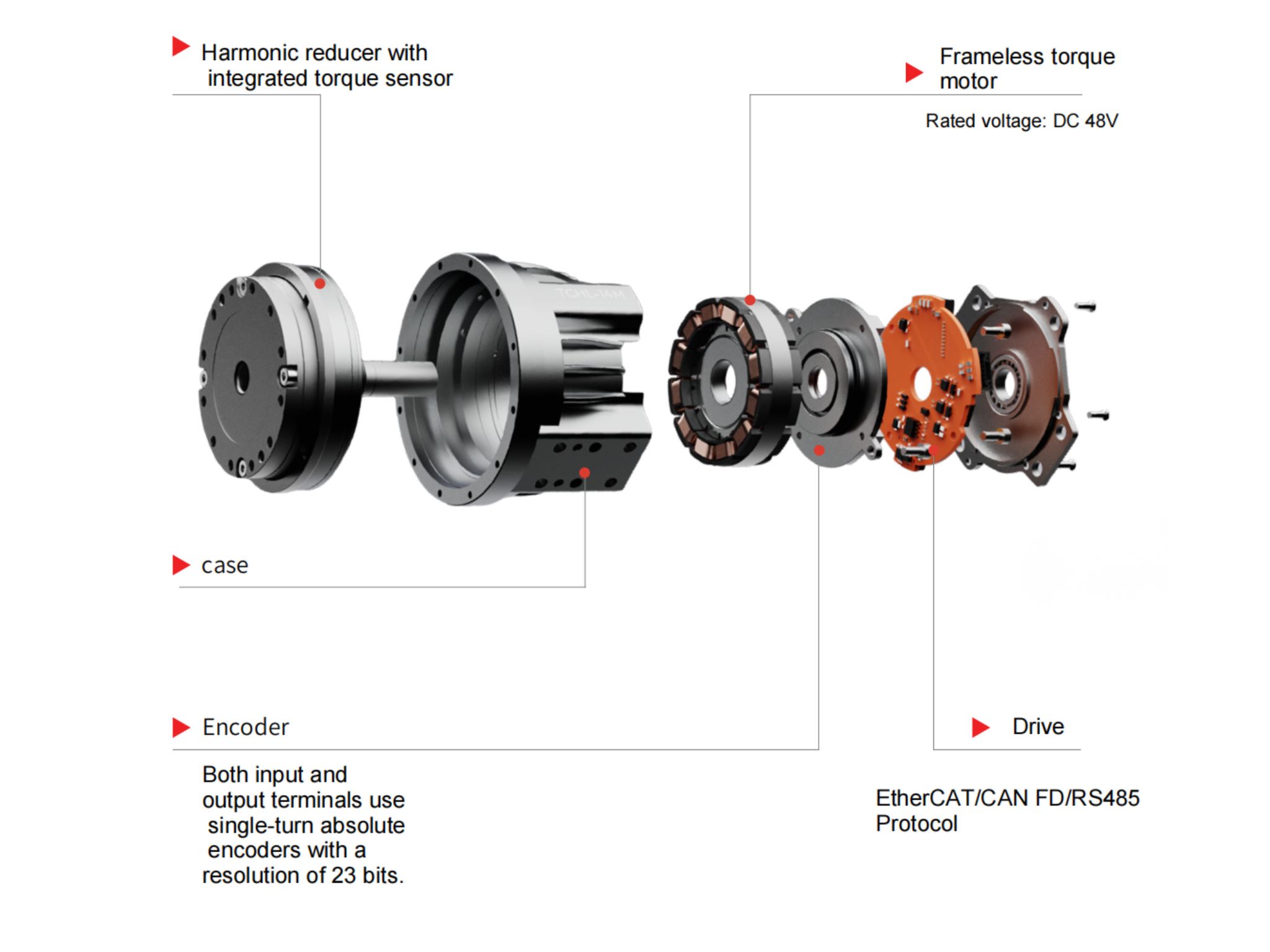
 OMG Ultra Compact Harmonic Drive Joint Module with Built-in Torque SensorHONPINE TCHL series harmonic drive joint module is a game-changing product that achieves disruptive improvements in multiple aspects such as lightweight design, integration level, and connection convenience. This article will analyze its revolutionary enhancements with you.
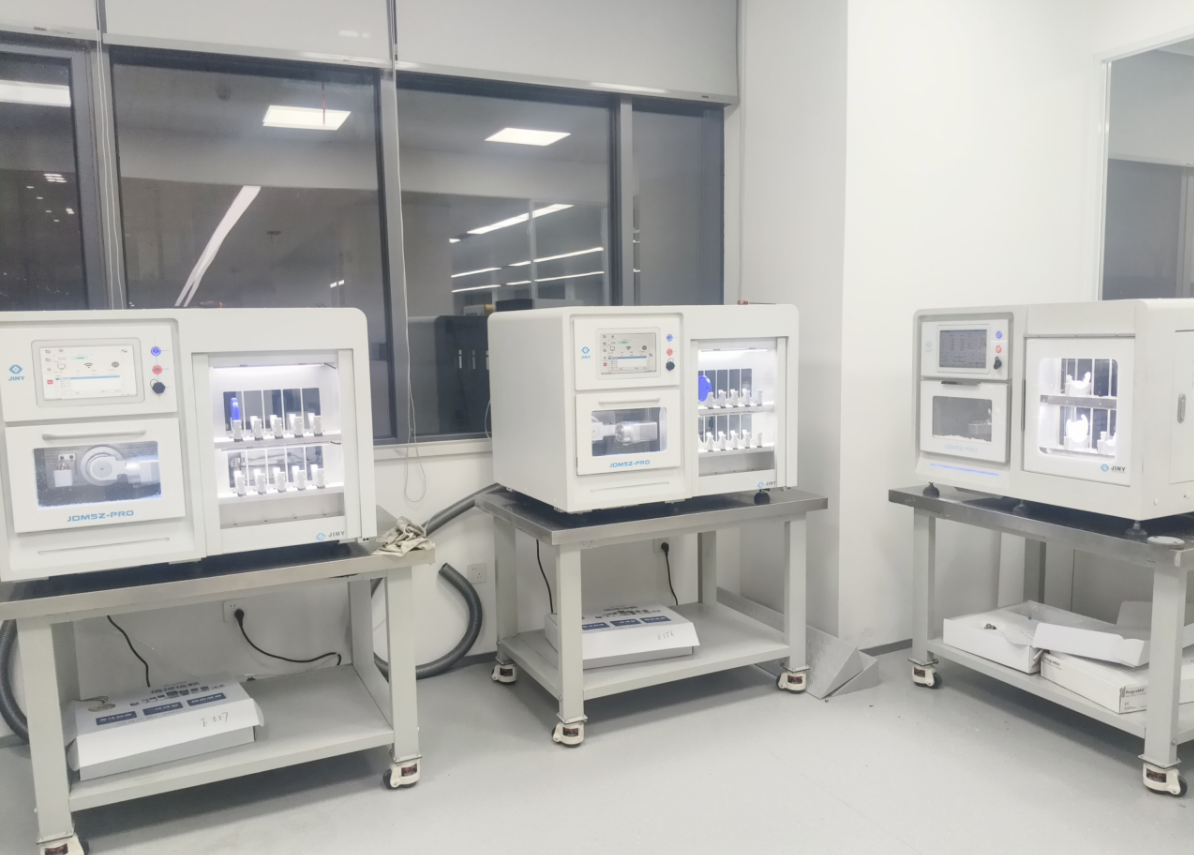
 The Role of Harmonic Drive Gears in Achieving 5–10 μm Accuracy in Dental Milling MachinesA dental milling machine is a CNC machining system used to directly process digital dental models into restorations such as crowns, bridges, veneers, inlays, and implant abutments. Dental milling machines require far higher operational accuracy and motion stability than ordinary equipment. This article explains how harmonic drive gear help dental milling machines achieve stable, continuous, and controllable operation.
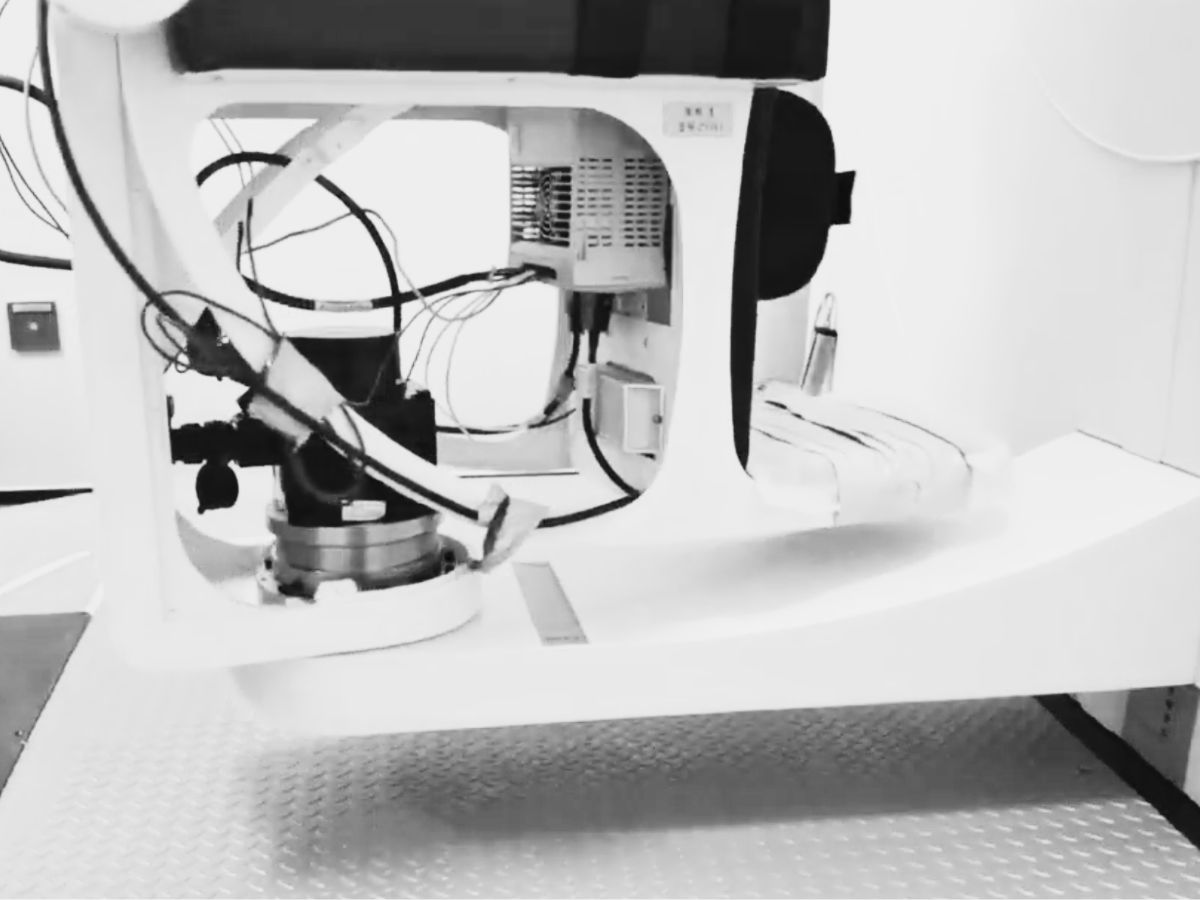
 Why Are Harmonic Rotary Actuators Perfect for Medical Equipment?Harmonic rotary actuators (typically integrated systems consisting of a harmonic drive reducer, frameless torque motor, encoder, and optional brake) are regarded as key components in medical equipment. The core reason is that they simultaneously meet the most stringent medical requirements for precision, compact size, safety, and controllability. The following explanation is structured from three perspectives: technical characteristics, application scenarios, and medical value.
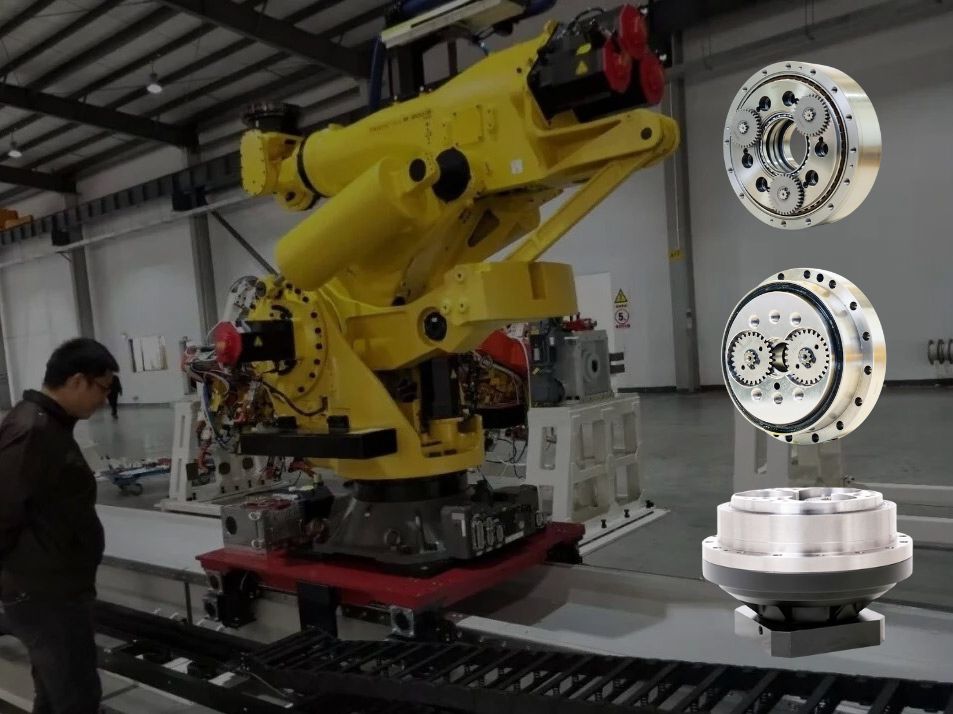
 High-Precision RV Reducers Perfectly Matched for Walking RobotsThe walking axis of a robot is a core component for power transmission and support. RV reducers provide extremely high rigidity, precision, and torque while maintaining a compact size and exceptional reliability, making them an ideal match for the demanding requirements of walking robot joints in terms of load capacity, impact resistance, and precision.
 EU CE Rule Makes PL Certification MandatoryEU CE Rule Makes PL Certification Mandatory: learn how new EU requirements affect harmonic reducers, ISO 13849-1 PLd compliance, customs clearance, and market access.
 China Pavilion at INNOPROM 2026 Expands by 50%China Pavilion at INNOPROM 2026 expands by 50%, spotlighting AI smart factory solutions, CNC machine tools, robotics, and new opportunities for Russia-CIS industrial markets.
 China Tightens Five-Axis CNC Export ControlsChina five-axis CNC export controls now affect high-precision machine tool licensing, customs clearance, and global procurement planning. Learn key risks and compliance steps.
 India Tops China Machine Tool Exports, Up 41.2%India tops China machine tool exports as Q1 shipments rise 41.2%. See what this shift means for CNC suppliers, tenders, delivery risks, and after-sales strategy.
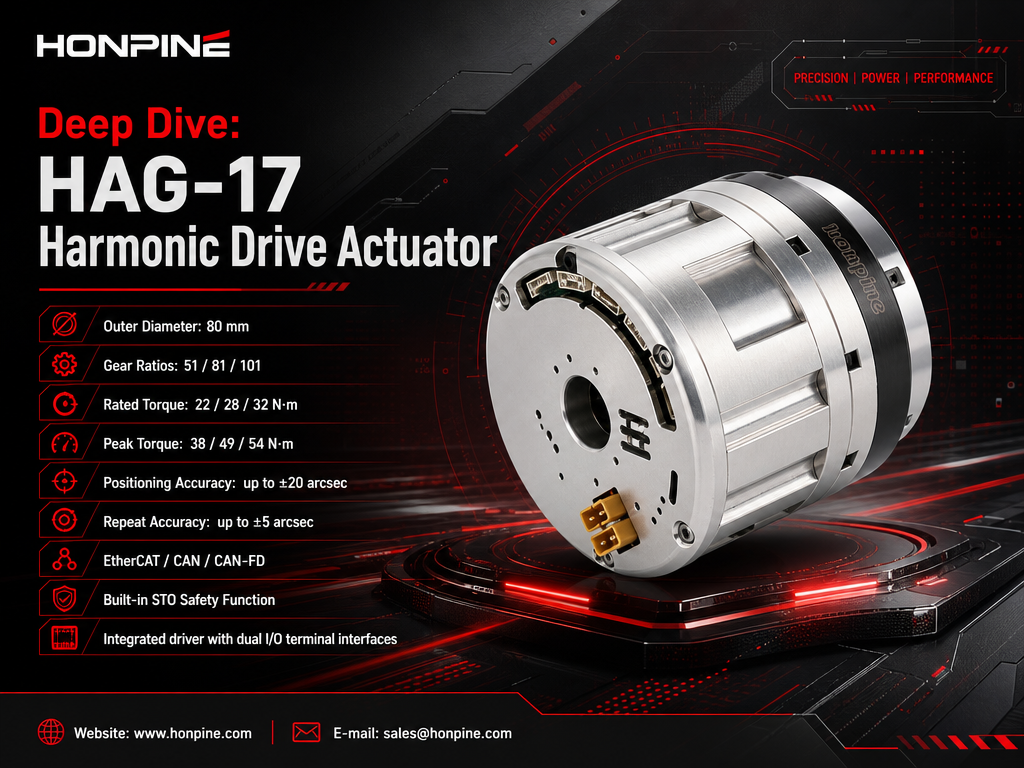
 What Makes HONPINE HAG Harmonic Actuators Different from Traditional Robot Joints?HONPINE has successfully developed seven HAG series harmonic reducer robotic servo actuators, including sizes 11, 14, 17, 20, 25, 32, and 40. These products can cover humanoid robot applications such as neck joints, upper limbs, waist joints, hip joints, and knee joints, with a torque range from 4.6 N·m to 556 N·m.
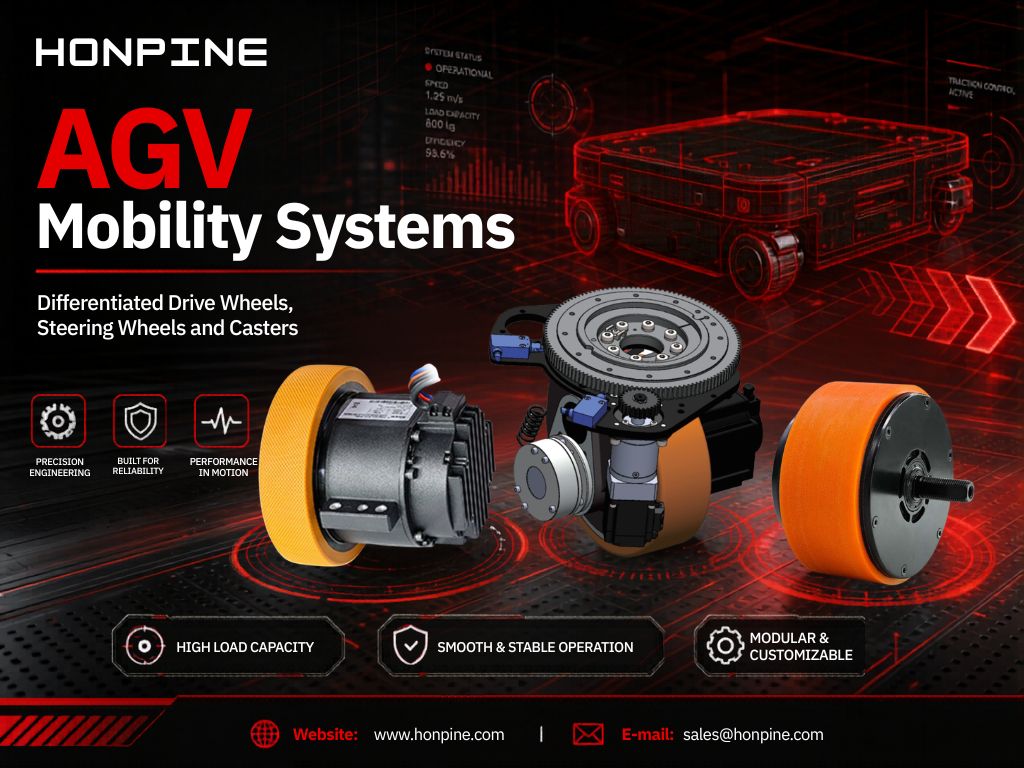
 In-Depth Analysis of Core AGV Mobility Components: Technical Applications and Selection Logic of Drive Wheels, Steering Wheels, and CastersThe article analyzes the technical characteristics, advantages, limitations, and selection logic of AGV drive wheels, steering wheels, and casters, explaining how these three core mobility components determine AGV precision, flexibility, load capacity, and overall system performance.
Double Click
We provide harmonic drive reducer,planetary reducer,robot joint motor,robot rotary actuators,RV gear reducer,robot end effector,dexterous robot hand
 EU Rule Requires PLd Safety Certification for Harmonic DrivesEU rule requires PLd safety certification for harmonic drives starting June 1, 2026. Learn how ISO 13849-1 affects CE marking, exports, suppliers, and EU market access.
 Malaysia Sets SSM Match Rule for Used Machine ToolsMalaysia’s new SSM match rule for used machine tools tightens import documentation. Learn how to avoid customs rejection and keep equipment shipments on schedule.
 EU CE Update Makes CNC PL Certification MandatoryEU CE update makes CNC PL certification mandatory: learn how EN ISO 13849-1:2026, PLd/PLe validation and FSR records affect CNC machine tool exports to Europe.
 Malaysia Tightens Used Machine Tool Import LettersMalaysia tightens used machine tool import letters with PDF, e-signature and SSM matching rules. Learn compliance steps to avoid shipment returns and costly delays.
 EU EN ISO 13849-1:2026 Mandates CNC PL CertificationEU EN ISO 13849-1:2026 now makes CNC PL certification essential for EU market access. Learn compliance risks, CE impact, and export preparation priorities.