






Harmonic Joint Motor/Actuator/Module
HONPINE harmonic drive joint motors are characterized by high precision, high torque, and large hollow core diameter, often providing solutions for applications in confined spaces. Customization is supported, and these motors are frequently used in the field of specialized robotics.
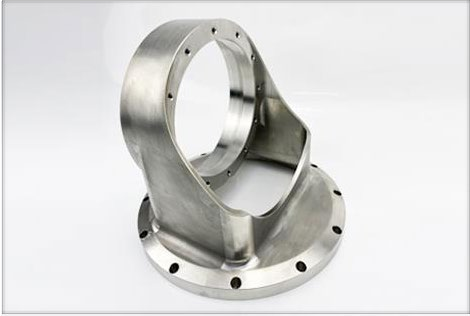
 Custom Design Humanoid Robot Metal ComponentsMachining examples of humanoid robot metal components include humanoid robot thigh support brackets, leg connectors, leg joints, and special robot joint parts. Custom manufacturing can be carried out according to customer-provided drawings.Details
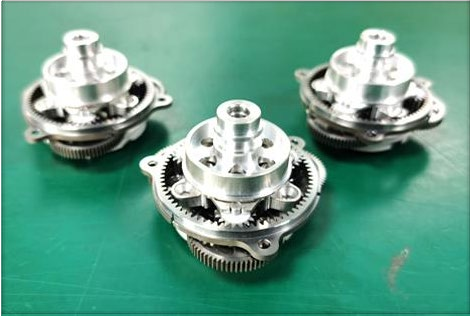
 Custom Design Robot Reducer Gear Assemblies PartsExamples of robot reducer gear assembly products include high-end motor housing assemblies, reducer gears, reducer gear sets, reducer gear assemblies, and complete robot reducer assemblies. We offer custom machining services based on customer-provided drawings.Details
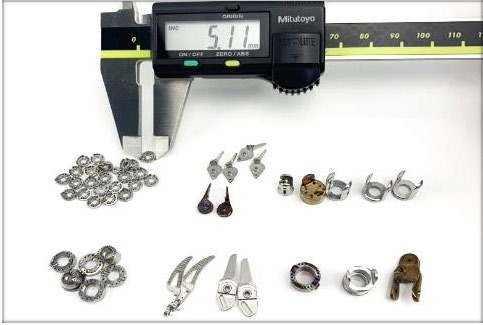
 Customized High Precision Medical Robot ComponentsHigh-precision medical robot end-effector components include metal parts such as puncture robot end components, medical robot end-effector assemblies, and surgical robot components. We offer customized machining and mass production based on customer-provided drawings.Details
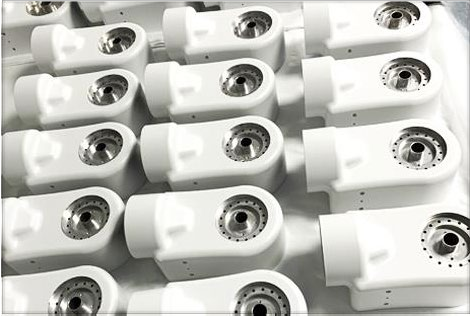
 Lightweight Customized Metal Components for 7-axis Robotic ArmsWe provide customized metal component machining services for customers, including parts for 7-axis collaborative robots, lightweight 7-axis robotic arms, collaborative robot components, and 7-axis robotic arm housings. We can carry out custom processing based on the drawings provided by customers.Details
Planetary Joint Motor/Actuator/Module
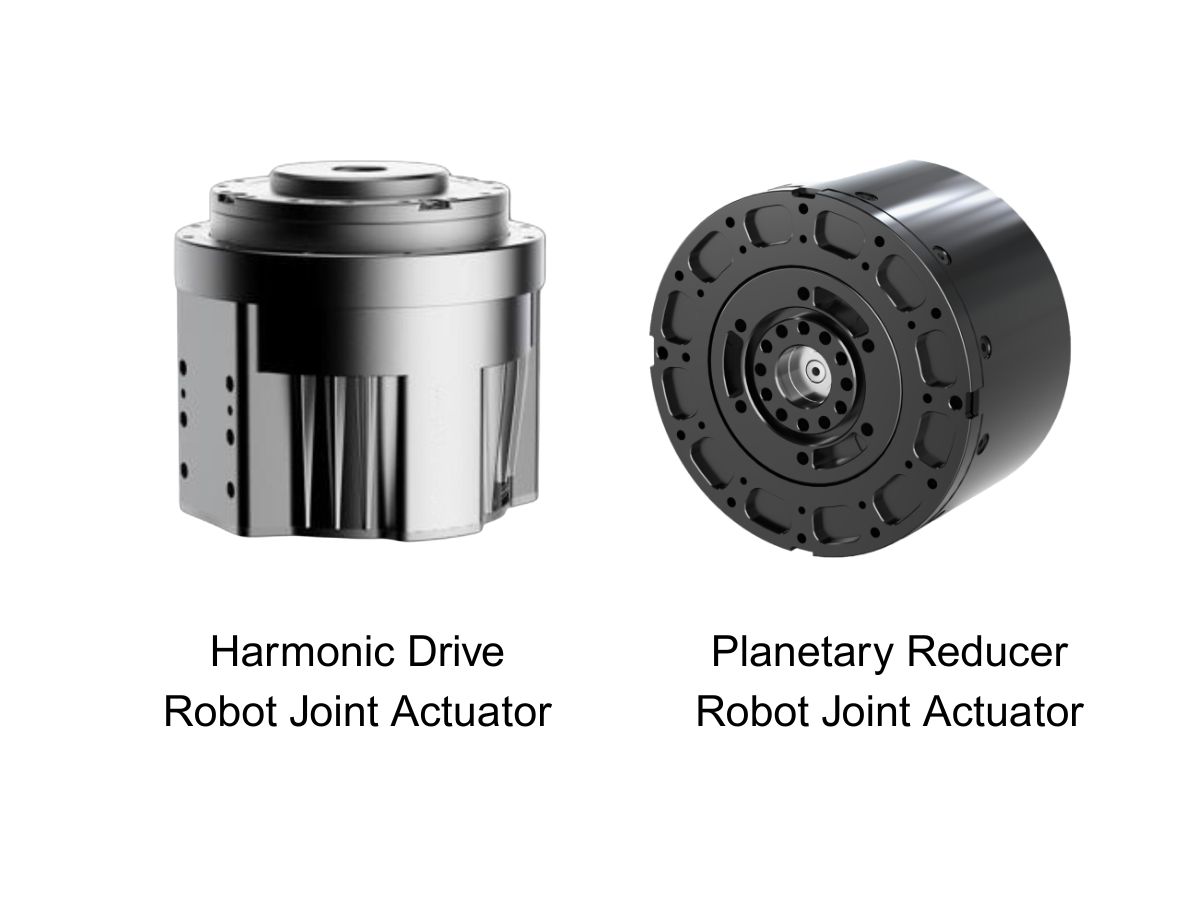
The planetary joint motor is also a core component of robotic power systems. Compared to harmonic joint modules, it features a smaller reduction ratio, higher output speed, and greater rigidity, though with slightly lower overall output accuracy. Through highly integrated components including planetary reducers, frameless torque motors, brakes, encoders, and drivers, its size and weight are significantly optimized, enabling precise joint motion control. This results in higher torque, more compact dimensions, and lighter weight. Planetary joint motors typically support a wide voltage range, adapting to low-voltage DC 24V~48V. We also offer customized solutions based on individual customer requirements.
 Heavy-Duty Explosion-Proof Robotic Dog Planetary Joint ActuatorHONPINE’s heavy-duty explosion-proof planetary joint actuators have officially entered mass production. This series of joints has been successfully integrated into multiple quadruped robot (robotic dog) platforms and deployed in hazardous environments such as petrochemical plants, natural gas inspection sites, and emergency rescue operations—areas that previously relied heavily on manual labor or imported components.
Application-Specific Integration Support: Customized mechanical structures and control parameters tailored to different robot configurations and mission requirements.
Explosion-Proof Certification Assistance: Support throughout the certification process, helping customers avoid common design pitfalls and accelerate compliance.
Rapid Technical Support: Technical service centers located across major industrial regions nationwide, providing on-site response within 48 hours.Details Highest Torque Output Light Weight Planetary Joint ModulesHONPINE PA Series Planetary Joint Modules feature three exclusive invention patents and seven utility model patents. With an ingenious structural design, they deliver the highest torque output among products of the same class, offering powerful and stable performance.
HONPINE provides extensive product resources and technical support, enabling rapid deployment across various application scenarios while significantly reducing the time, effort, and cost required during the project pre-research stage.
The modules adopt a power-and-signal shared input/output design, greatly simplifying the connection between drive units. Combined with a hollow-through wiring structure, the application and integration of the drive units become more convenient and efficient.Details High Speed Impact Resistance Compact Lightweight Planetary Joint ModuleThe Standard Planetary Joint Module is a core component of robotic power systems. Through highly integrated design combining a planetary reducer, frameless torque motor, brake, encoder, and driver, it achieves significant optimization in volume and weight, enabling precise motion control of the joint. This results in greater torque, smaller size, and lighter weight. Compared to harmonic joint modules, the planetary joint module features a smaller reduction ratio, higher output speed, and greater torque density, making it more suitable for medium-to-low load applications. We also provide customization services tailored to clients’ specific requirements.
With core advantages such as high-speed performance, impact resistance, and compact lightweight design, the Standard Planetary Joint Module has become the preferred solution for high-load drives in humanoid robots, specialized robots, logistics AGVs, and industrial automation, driving advancements in robotic performance and broader application scenarios.Details
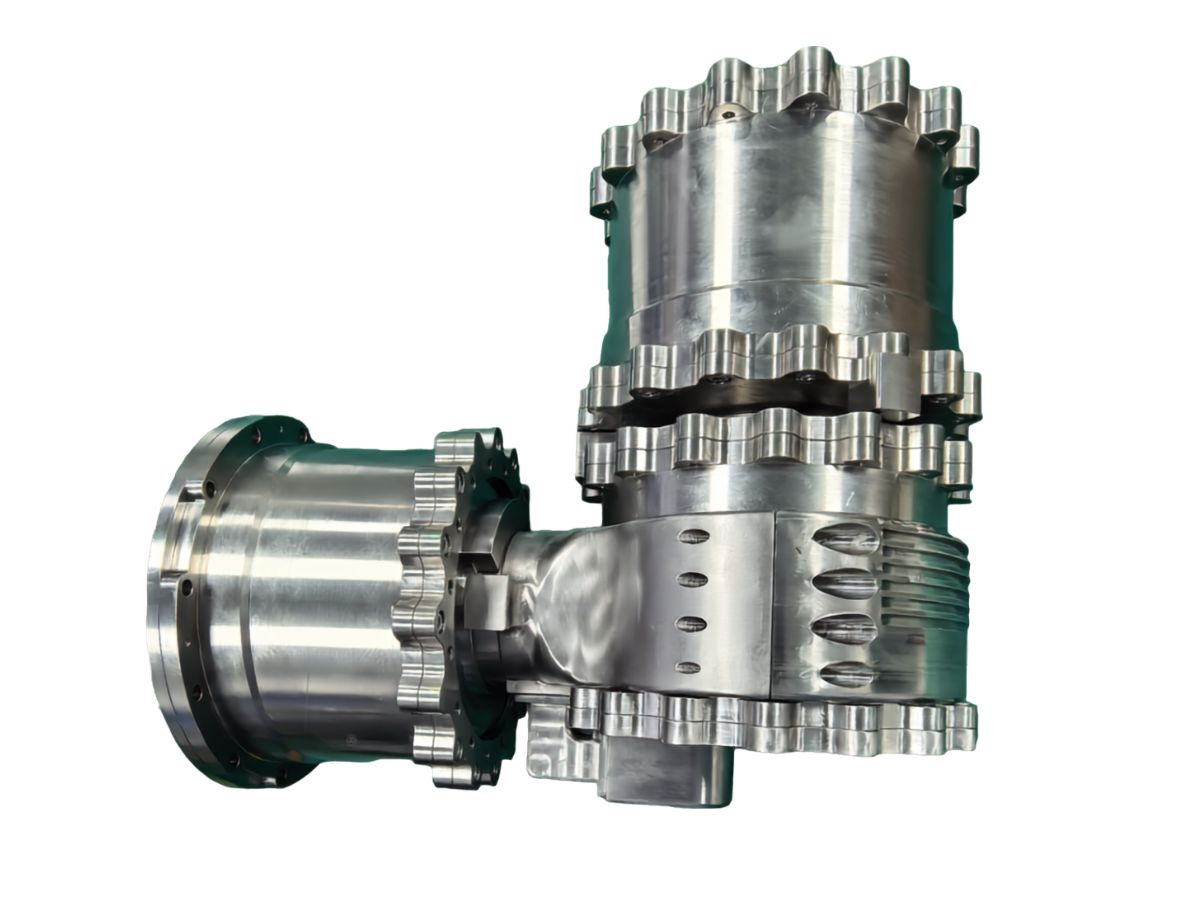
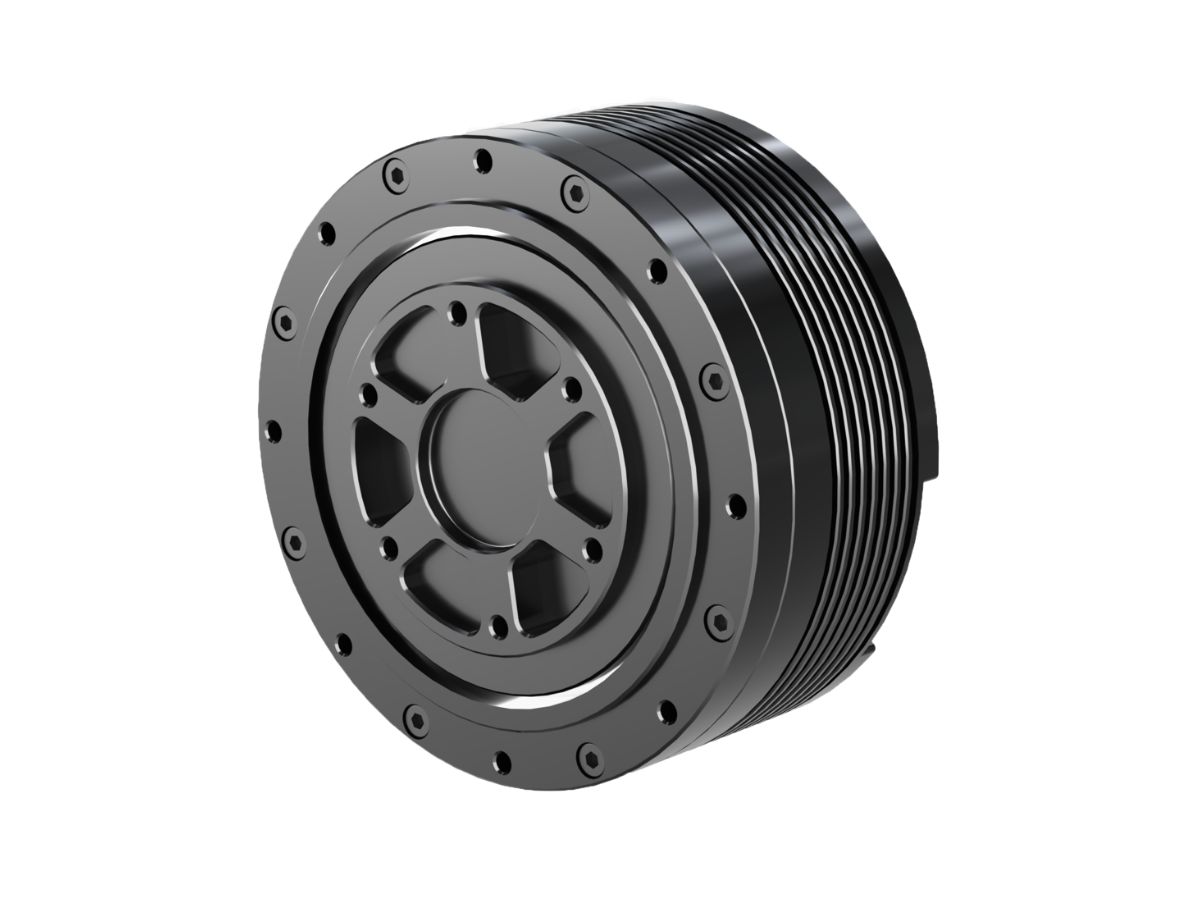
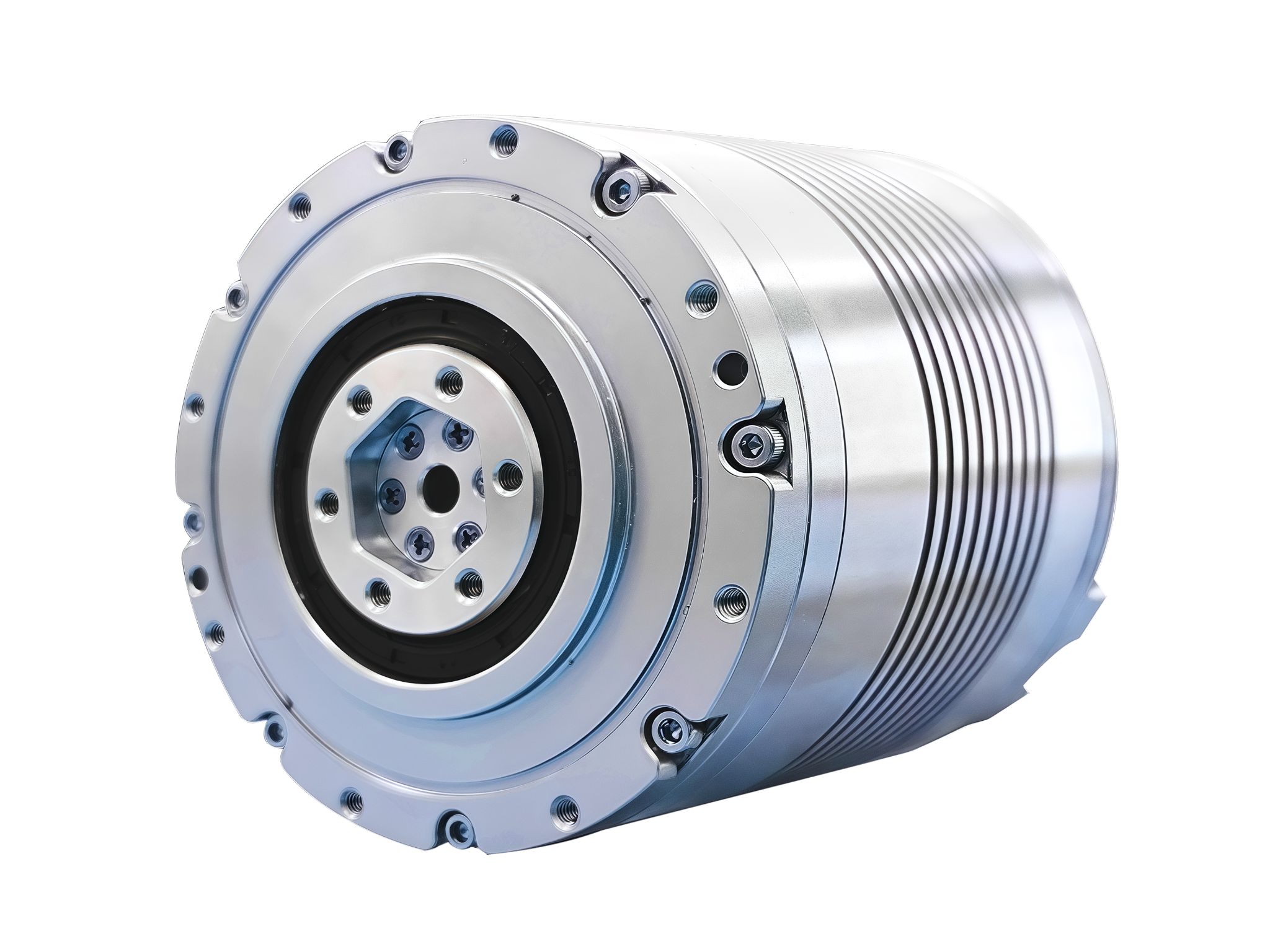
What is a robot joint module?
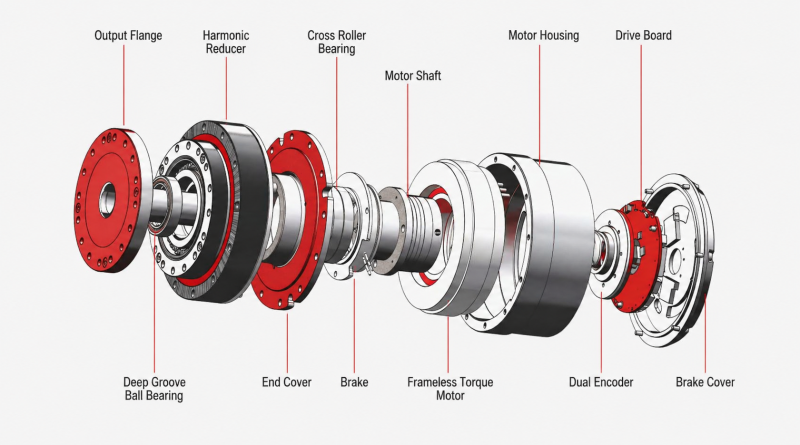
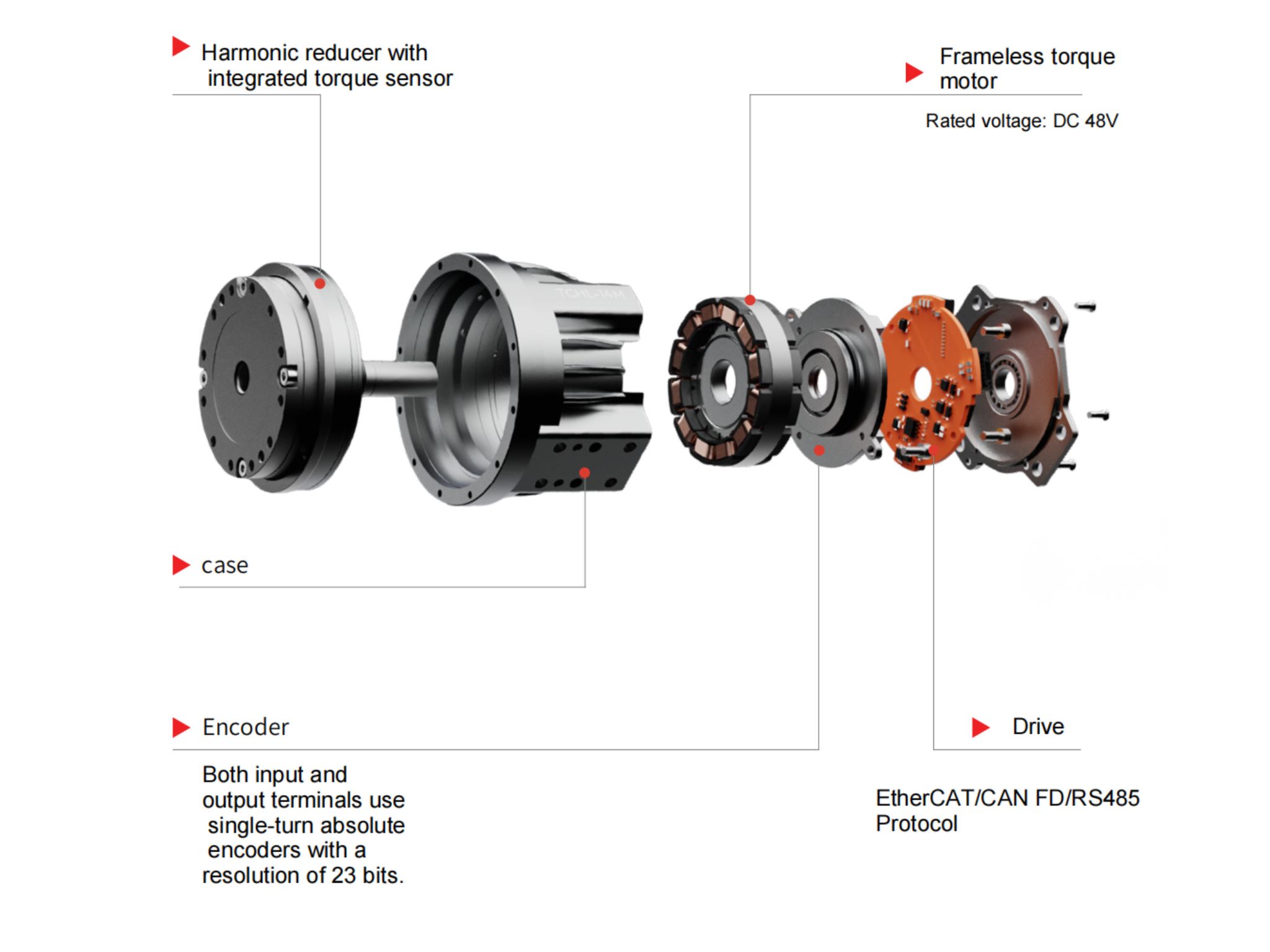
The robot joint module achieves integrated components including harmonic drive/planetary reducer, frameless torque motor, brake, encoder, and drive unit, with optimized size and weight.The HONPINE harmonic joint motor offers flexible configuration options to meet diverse application needs, including dual encoders, STO (Safe Torque Off), holding brakes, and integrated torque sensors.
Harmonic Joint Actuator Model Selection
To meet diverse market demands, HONPINE harmonic drive robot joint modules are currently divided into three main series: HPJM, TCHL, HAU and HAG.
This guide provides an initial overview to help you select the most suitable actuator for your application based on factors such as cost control, lead time, and baseline performance requirements.
For detailed selection and technical support, please feel free to contact us for further discussion.
Key Features
This series has been on the market for over 5 years, offering a fully developed and mature humanoid robot joint solution. It integrates a harmonic reducer, driver, encoder, and frameless torque motor. Dual encoders and brake options are available. Supports CAN (proprietary), CANopen, and EtherCAT communication protocols.
Key Advantages
Highly compact design, allowing more space for system integration under equivalent performance requirements
Optional low-temperature grease, suitable for harsh environments down to -40°C
Average lead time ≤ 4 weeks, ensuring strong production capacity
Applications
Ideal for projects requiring stable and reliable performance, fast batch delivery, or operation in low-temperature environments.
Notes
This series was not originally designed with torque sensors or waterproofing. Customization is available if such features are required, but additional cost and longer lead time should be expected.
Key Features
This new series, to be launched at the end of 2025, adopts a self-developed harmonic reducer, enabling better cost control. It comes standard with dual encoders (single-turn absolute, 23-bit resolution) and supports CAN FD and EtherCAT communication protocols. Optional features include a brake and torque sensor. The integrated terminal harness supports hollow shaft cable routing and module cascading.
Key Advantages
Significant cost advantage
Supports front, side, and rear mounting configurations, offering high structural flexibility
Harness design facilitates easy system integration
Applications
Ideal for cost-sensitive projects with high requirements for installation flexibility.
Notes
Currently, only a 101 gear ratio is available. The full range of gear ratios is expected to be launched in June 2026. The current lead time is approximately 6 weeks.
Key Features
Launched in 2026, this new series is equipped with STO (Safe Torque Off) functionality to meet specific safety requirements. It adopts harmonic reducers from leading domestic brands, ensuring high product reliability. Supports CANopen and EtherCAT communication protocols, with optional brake and torque sensor.
Key Advantages
Meets higher safety standards
Excellent performance and reliable quality of core reducer components
Applications
Ideal for projects with clear safety requirements or where reducer reliability is a top priority.
Notes
As a newly launched series, production capacity is still ramping up. The current lead time is approximately 8–10 weeks.
Key Features
The HAU Series harmonic joint module is an improved version of the HAG Series harmonic joint module. It does not include a torque sensor, making it more cost-effective than the HAG Series.
Key Advantages
The HAU Series harmonic joint module features a large hollow bore, high positioning accuracy, and high overload capacity.
Applications
The HAU Series harmonic joint module is suitable for high-precision robotic arms, humanoid robots, and special-purpose robots.
Planetary Joint Actuator Model Selection
HONPINE planetary joint modules are widely used in quadruped robots, robotic dogs, AGV drive wheels, and other applications. Based on different customer requirements and performance specifications, HONPINE offers JRM, HPA, and explosion-proof planetary joint module series.
The HONPINE JRM planetary joint module has undergone engineering validation and extensive testing. Currently, approximately 80% of JRM shipments are used in quadruped robots, commonly known as robotic dogs.
In testing, a quadruped robot equipped with HONPINE JRM planetary joint modules was operated under a load equivalent to two cases of bottled water for two hours. The housing temperature remained at approximately 60°C. This test demonstrates the JRM joint module's ability to deliver high torque while maintaining relatively low heat generation under heavy-load operation, making it well suited for high-load quadruped robots.
The HONPINE HPA Series planetary servo joint achieves a peak torque density of up to 210 N·m/kg and features a lightweight design with a two-stage high-precision planetary reduction system. It supports multiple control modes, including position, velocity, torque, and force-position control.
HONPINE planetary joints offer advantages in cost efficiency, transmission efficiency, reliability, and impact resistance. A humanoid robot typically uses approximately 31 joint modules. Lower-torque models are mainly used in the upper body, while higher-torque models are used in the lower body, including the hip and knee joints. HONPINE planetary joint modules are also currently shipped in significant volumes for AGV drive wheels.
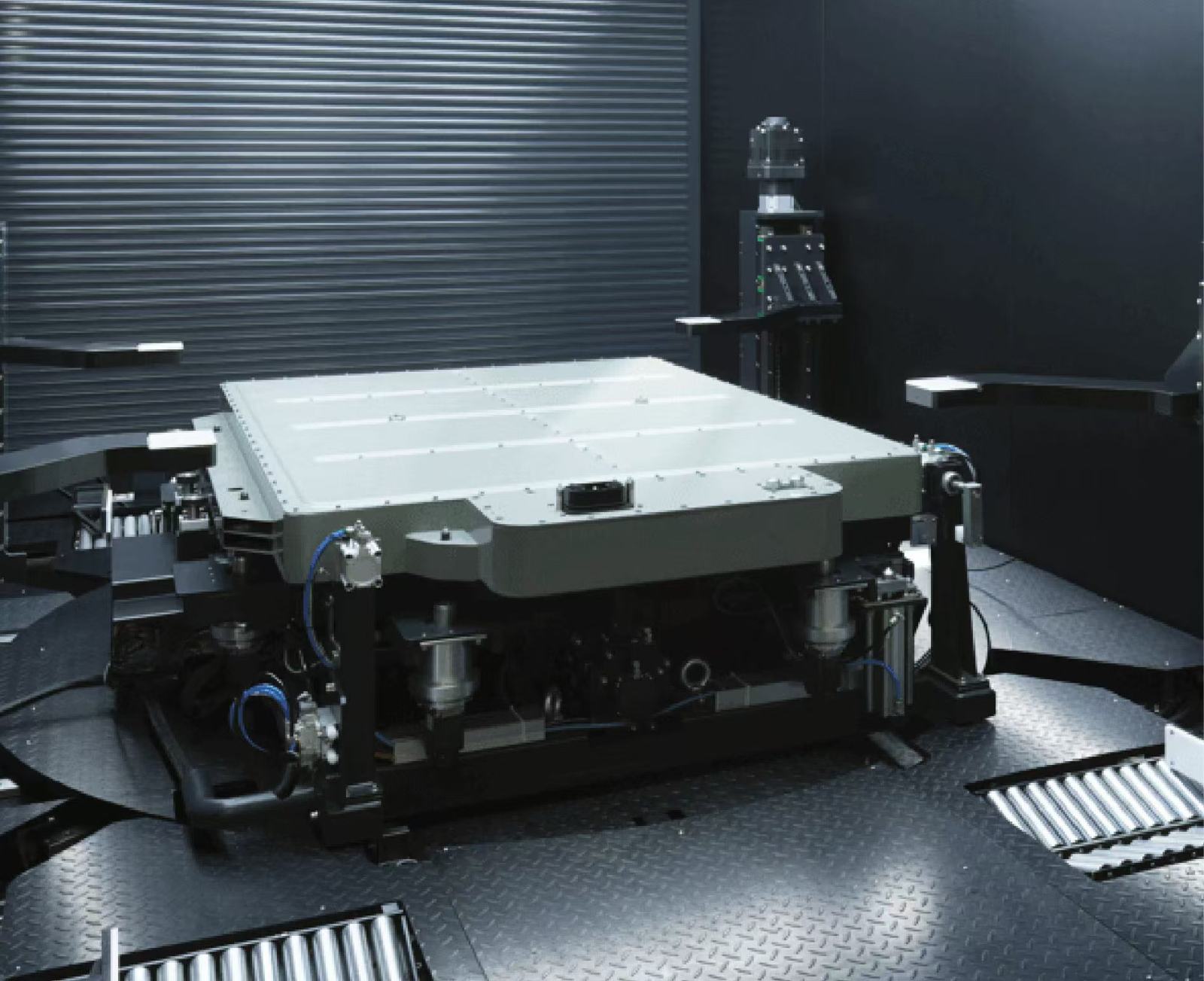
This production line incorporates manufacturing processes and equipment experience derived from automotive transmission production. These technologies are used to improve production efficiency and product durability while increasing production capacity to meet the growing demand driven by the development of embodied intelligence.
The explosion-proof joint motor series covers three major joint types: knee joints, pitch joints, and roll joints. It provides a peak torque of up to 450 N·m and a rated torque of 110 N·m, supporting continuous operation with robot payloads exceeding 20 kg.
The products are designed to meet multiple explosion-proof operating conditions, including Ex d IIB T4 and Ex d IIC T6, providing a high level of operational safety. They can be used in a wide range of hazardous environments, including petroleum and chemical industries, as well as complex outdoor and ground-based operating conditions.
The explosion-proof joint motors have been successfully adapted to multiple quadruped robot platforms and have entered high-risk restricted areas such as petrochemical facilities, natural gas inspection sites, and emergency rescue operations, where tasks have traditionally relied on human workers or imported components. These applications represent an important technological advancement for explosion-proof robotic dogs.
Robot Joint Motor Solutions and Application
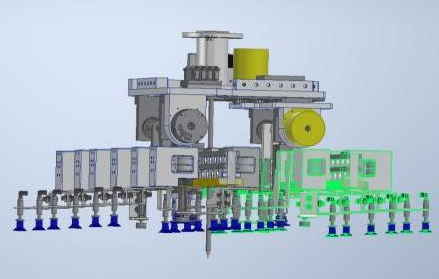
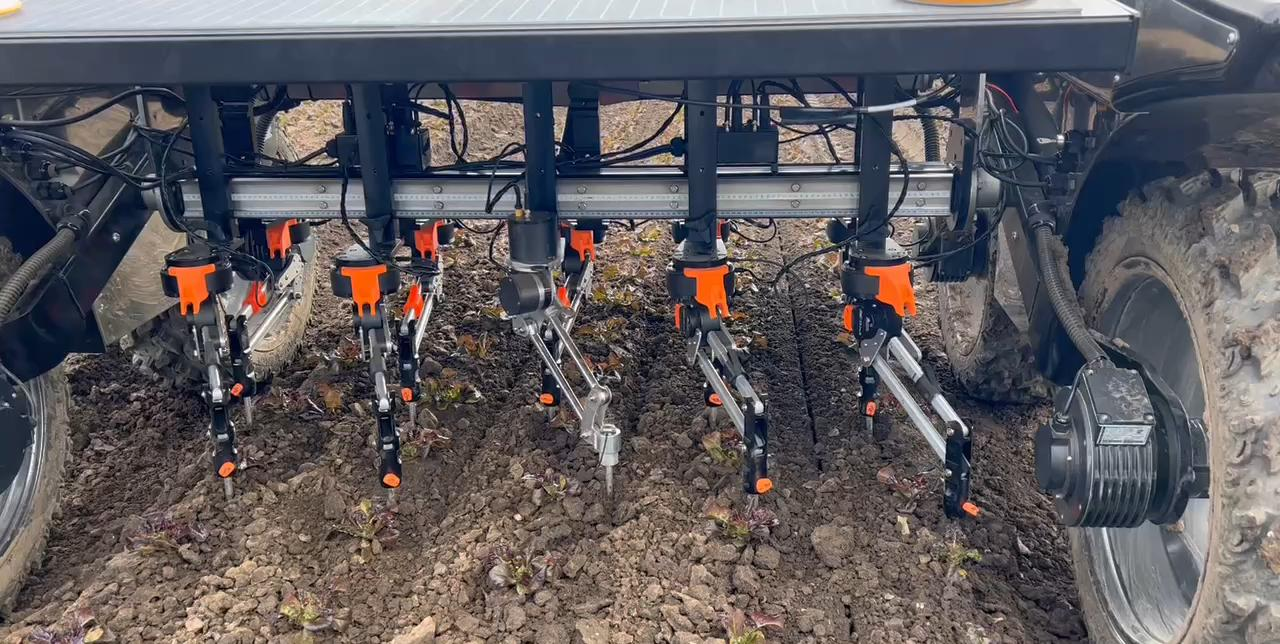
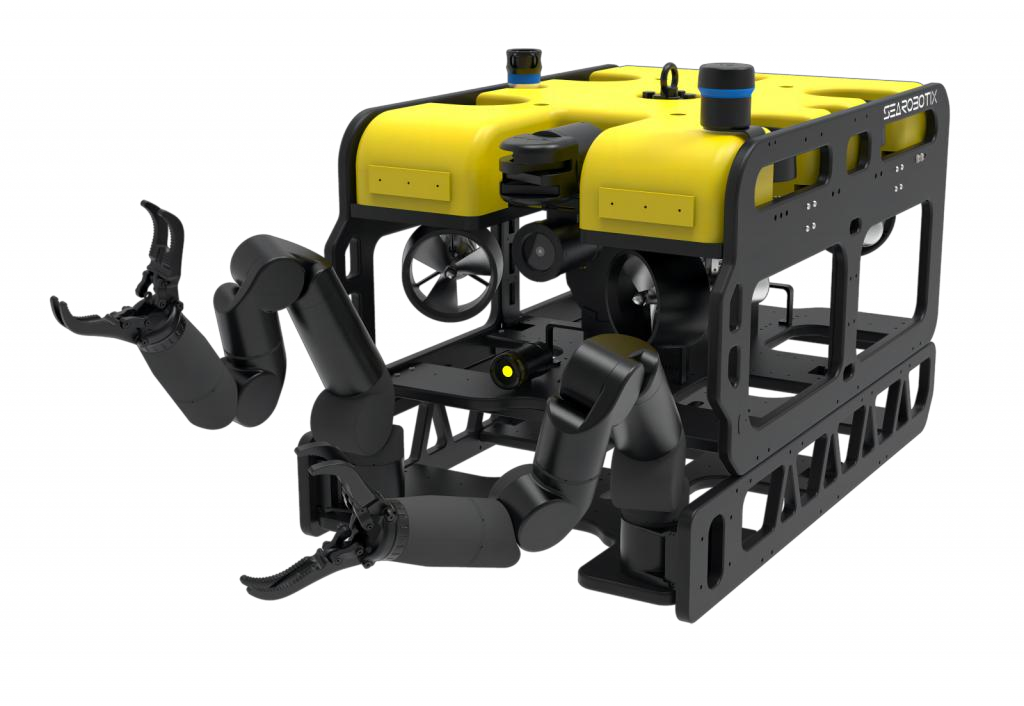
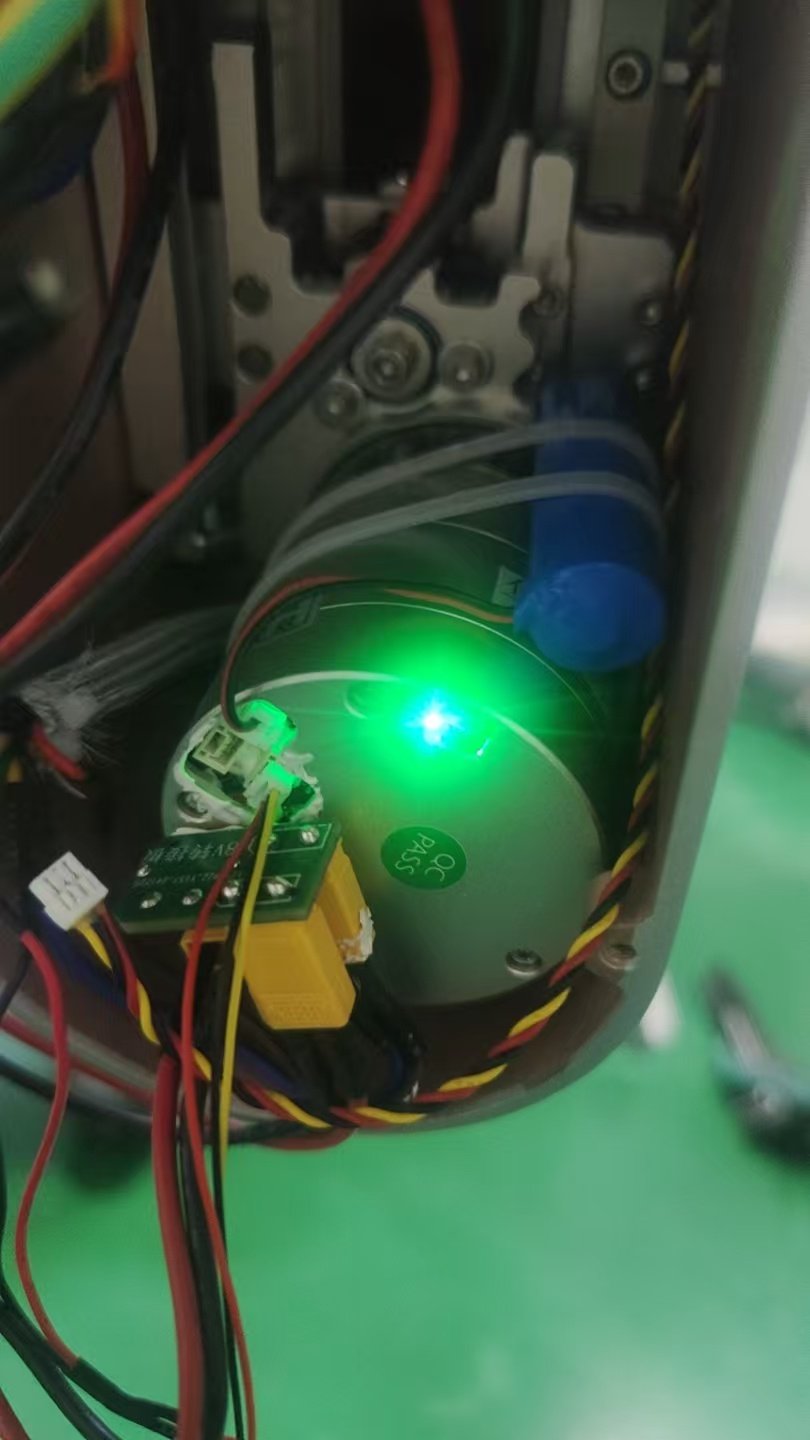
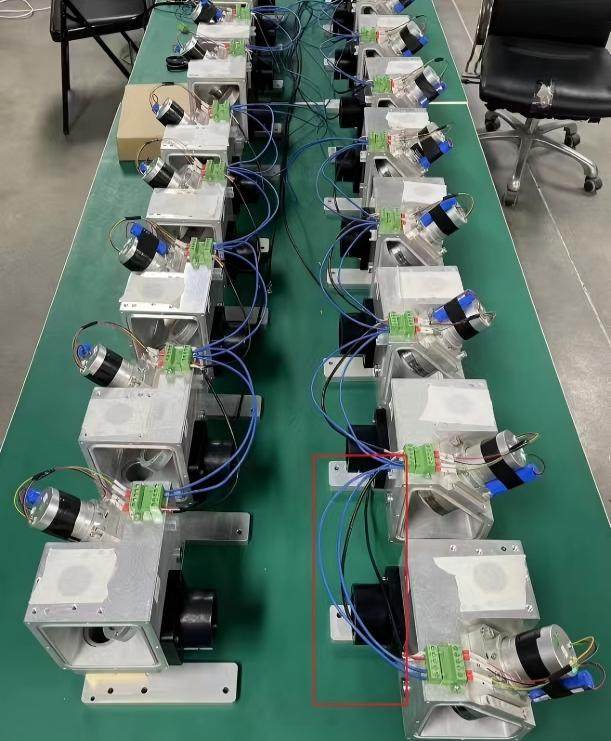
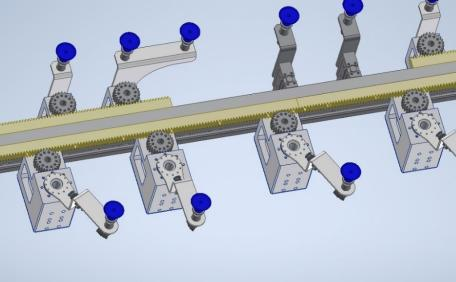
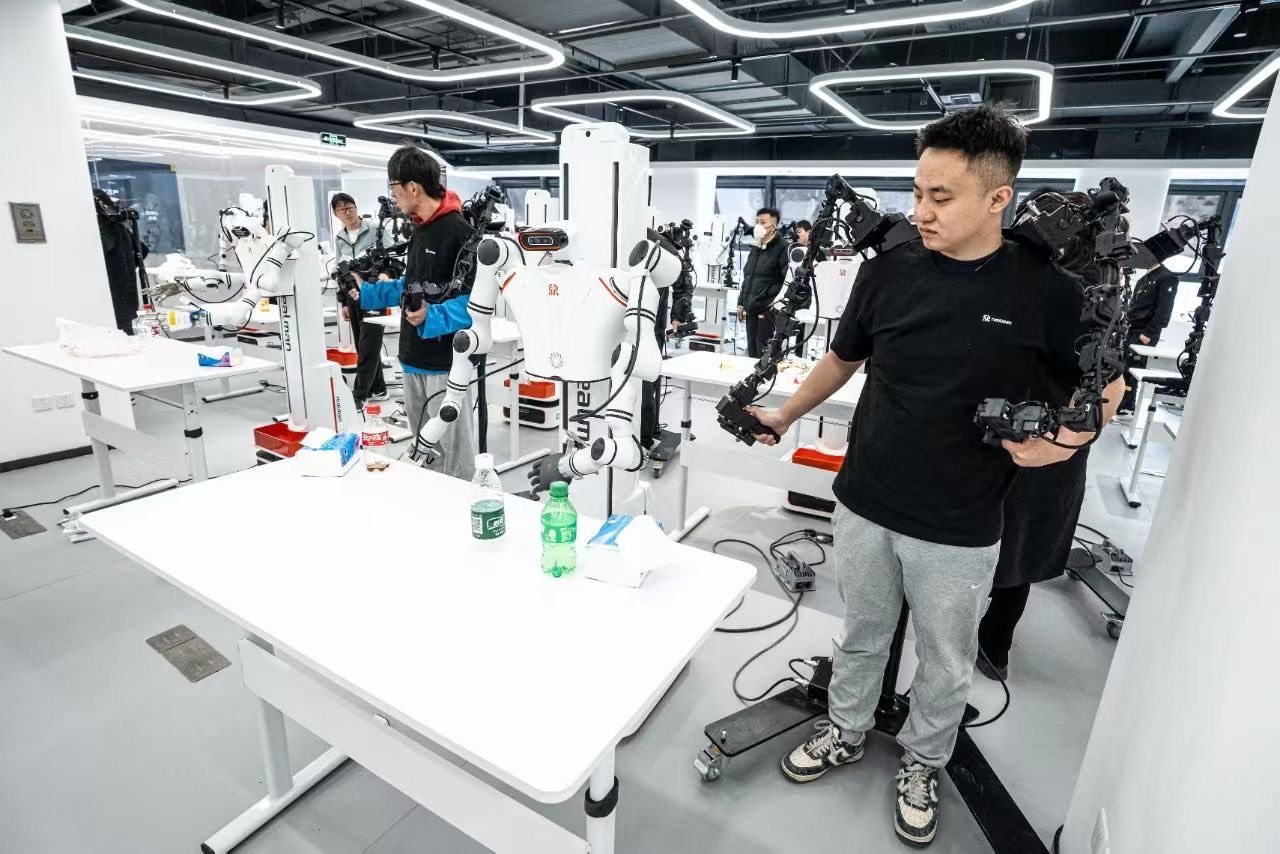
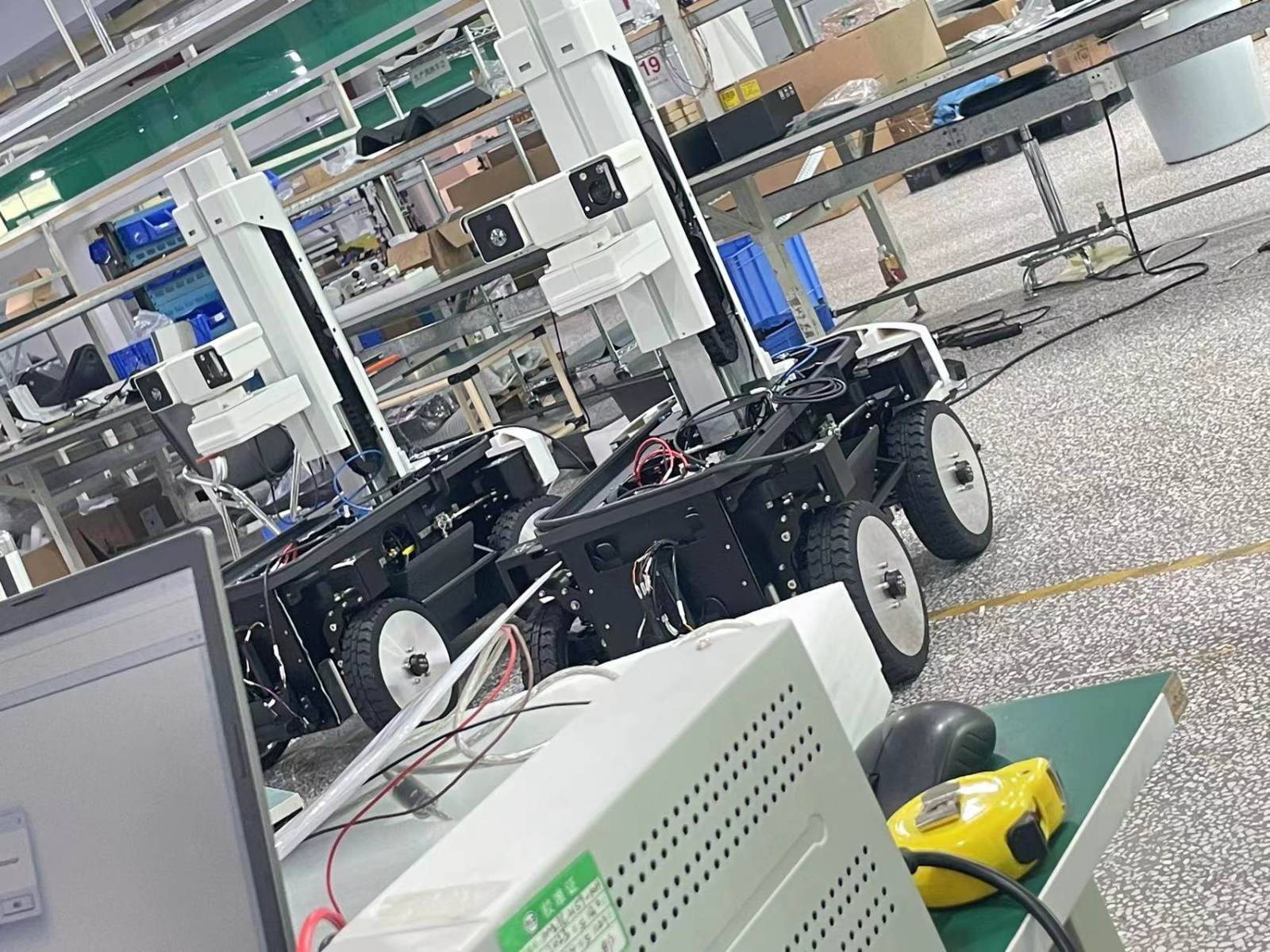
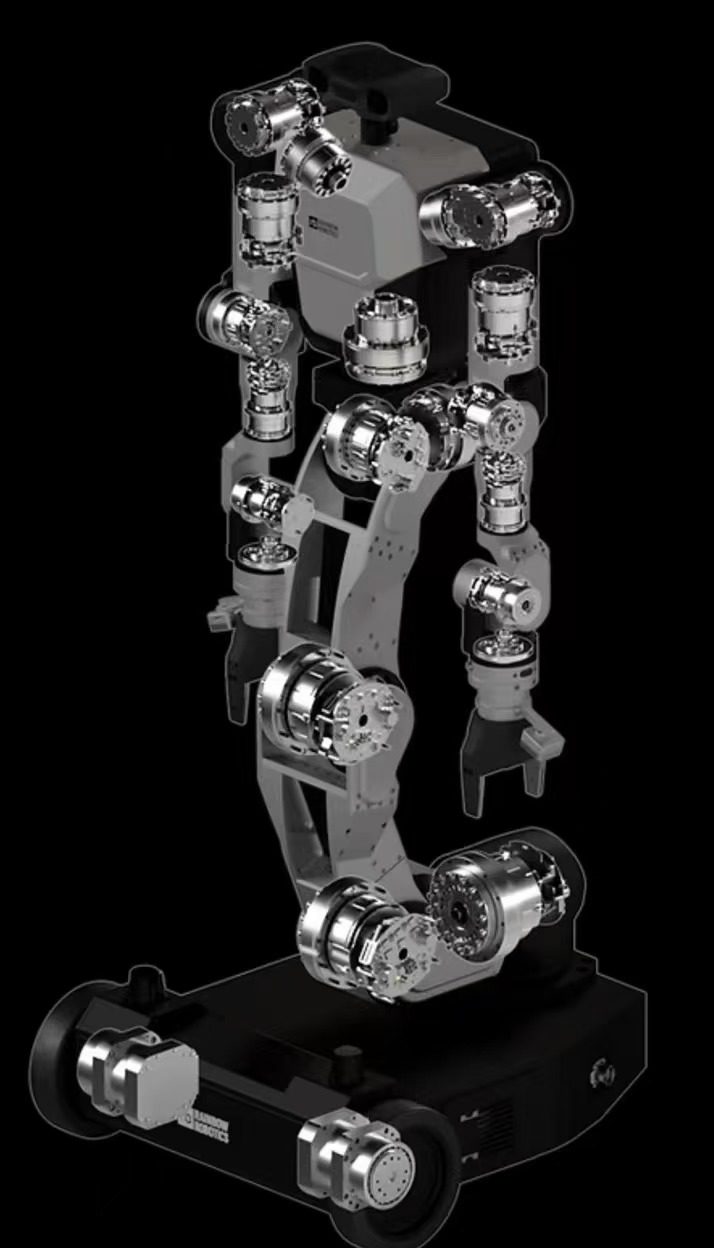
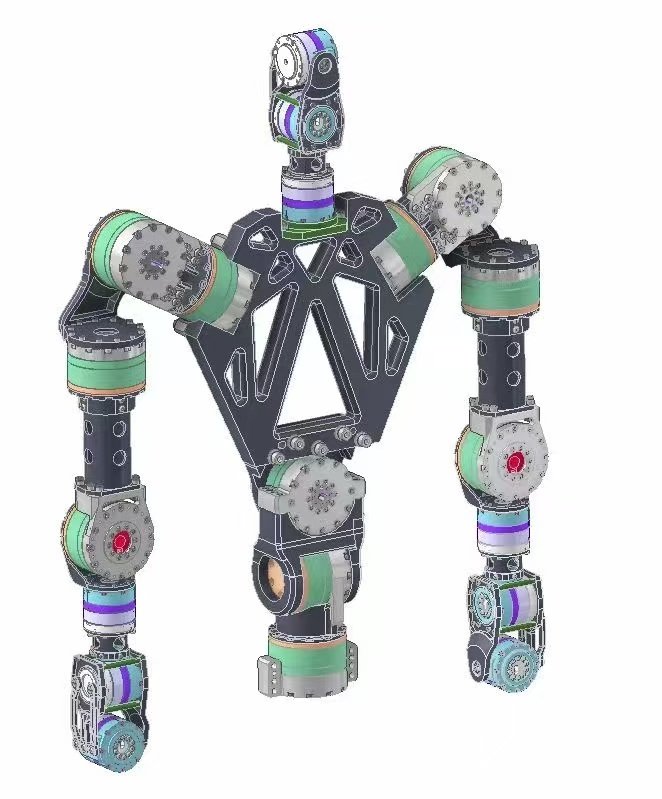
For many years, HONPINE has applied harmonic robot joint motors and planetary joint motors to various fields, including humanoid robots, dual-arm robots, wheeled robots, drones, agricultural machinery, nuclear equipment, industrial robots, and industrial automation equipment, providing joint motor solutions and supporting customization for these industries. Its HPJM, TCHL, HAG, and other series of robot joint motors are developed based on experience gained from practical service.
‹



›
What are Advantages and Disadvantage of Harmonic Joint Motor
Advantages of Harmonic Joint Motors
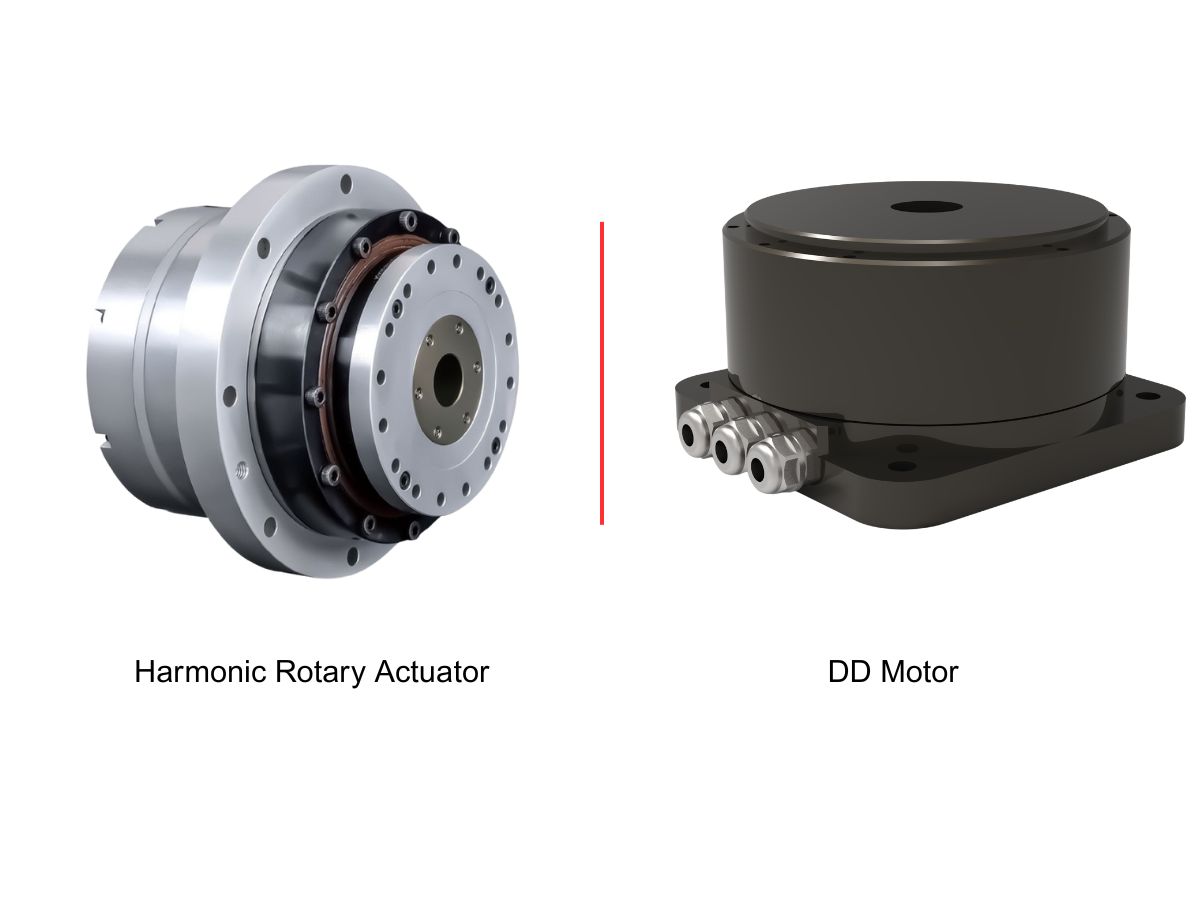
With their highly integrated design, harmonic actuator modules are becoming the preferred alternative to traditional harmonic reducer and servo motor combinations, offering a more compact structure, easier installation, and improved system integration.
Ultra-High Precision
Minimal transmission backlash with repeat positioning accuracy up to ±0.01 mm, making it essential for precise robotic operations.
High Reduction Ratio
A large single-stage reduction ratio enables high torque output from a compact size, achieving effective “low-speed, high-load” performance.
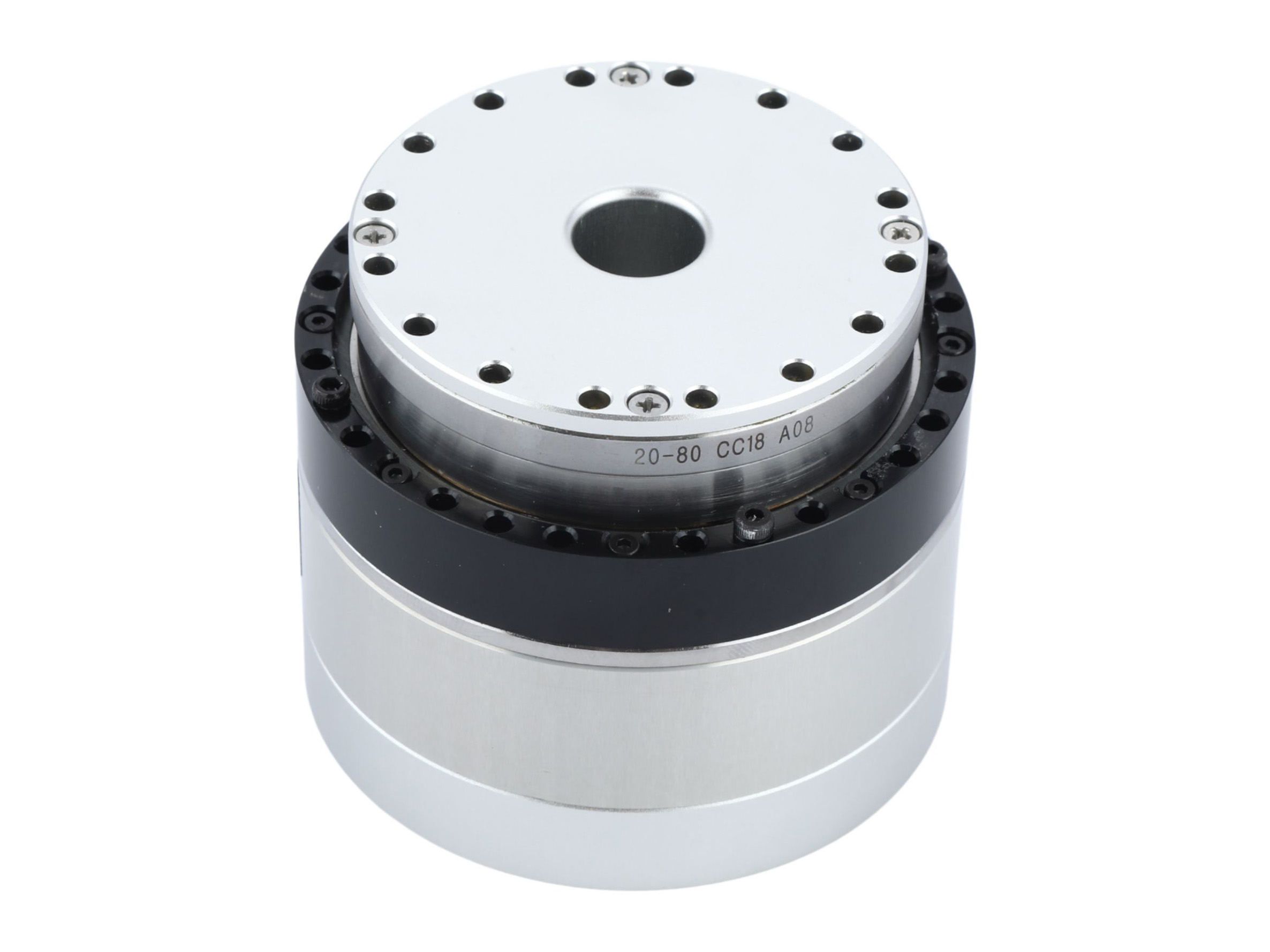
Extremely Compact Design
Simple structure, small size, and lightweight construction, making it highly suitable for space-constrained robotic parts such as wrists and hands.
High Integration Capability
Often sold as integrated modules combining motors, encoders, and other components, allowing convenient installation and maintenance while supporting modular design.
Disadvantages of Harmonic Joint Motors
The harmonic reducer and torque sensor of the harmonic joint motor are custom-developed, making it difficult to reduce the price. However, in the near future, when demand and production capacity reach a certain level, the price may be reduced.
Harmonic Drive Robot Joint Module - FAQ
HONPINE harmonic DC joint motors are harmonic actuators specifically designed for embodied intelligence. hpjm was the first harmonic actuator to be released, and currently boasts the most stable performance and fastest delivery time. To meet customer needs, we have recently released two new harmonic DC joint motors: TCHL and HAG. Contact us for the latest product brochures.
Planetary Joint Motor - FAQ
The JRM planetary joint motor is a military-grade product from HONPINE, commonly used in high-performance robotic dogs. Currently, for humanoid robot bionics, the HPJM harmonic joint motor is about to be launched, featuring a more compact design and a larger hollow cavity.
Harmonic Drive Actuators for Humanoid Robots- FAQ
These are some of the most common technical and purchasing questions customers ask when evaluating humanoid robot joint modules and actuator systems. Topics include torque selection, reducer ratios, motion control, communication protocols, thermal management, dynamic walking performance, and integration with humanoid robot platforms.
This guide is intended to help engineers, robotics developers, and procurement teams better understand how to select suitable joint solutions for different humanoid robot sizes, payload requirements, and application scenarios.
More humanoid robot solutions please contact honpine
Precautions for using robot joint modules
For more information about pre-sales and after-sales matters regarding joint modules, please contact us. HONPINE will provide one-on-one technical support.
● Safe Operation: Do not plug or unplug cables while powered on. Before disconnecting capacitors, ensure they are fully discharged.
● Equipment Installation: Confirm that the installation structure has sufficient mechanical strength to support the weight of the integrated joint and ensure secure mounting.
● Screw Fastening: When fastening screws between the motor and structural components, thread-locking adhesive and a torque wrench must be used. Strictly follow the torque specifications provided in the motor manual.
● Wiring Standards: Perform wiring strictly according to the pin definition. Do not rely on cable colors for identification, and ensure proper resistance matching.
● Power Supply Usage: Verify that the power supply voltage matches the rated voltage of the integrated joint. When users connect external lithium batteries, if the rated voltage is 48V, the fully charged battery voltage may exceed 60V during startup, which could affect motor operation or even damage the motor. Preventive measures include installing electrolytic capacitors for voltage smoothing or connecting a voltage regulation module in series with the motor power input to stabilize the supply voltage.
● Battery Power Supply Systems: In battery-powered systems, the battery itself can absorb reverse current and help prevent the voltage from exceeding the rated limit.
● Switching Power Supply Systems: In switching power supply systems, the integrated motor may generate regenerative energy during rapid deceleration or when driven by gravity loads, causing the DC bus voltage to rise and potentially trigger overvoltage alarms. To prevent this, it is recommended to install large-capacity electrolytic capacitors in parallel or add braking resistors to reduce voltage spikes.
● Avoid Electric Shock and Crushing Injuries: When the motor is powered on, running, or connected to structural components, never touch the motor directly by hand to avoid electric shock or crushing injuries caused by moving structures.
● Motor Disassembly: Unauthorized disassembly of the motor is prohibited. Disassembly is only permitted under special circumstances after consultation and under professional guidance. Unauthorized disassembly will void the warranty.
● Transportation After Disassembly: If the motor is disassembled under guidance and needs to be returned, ensure all original screws are properly reinstalled and secured before shipping to prevent transportation damage caused by vibration or impact, including reducer screws, rear cover screws, and other fastening components.
Industry Trends
- 00
0000-00
What is robot joint actuator?How to Choose the Best Robot Rotary Joint Actuator?
- 00
0000-00
DD Motors VS Harmonic Rotary Actuators
- 00
0000-00
OMG Ultra Compact Harmonic Drive Joint Module with Built-in Torque Sensor
- 00
0000-00
The Role of Harmonic Drive Gears in Achieving 5–10 μm Accuracy in Dental Milling Machines
- 00
0000-00
Why Are Harmonic Rotary Actuators Perfect for Medical Equipment?
Industry Trends
- 00
0000-00
What is robot joint actuator?How to Choose the Best Robot Rotary Joint Actuator?
- 00
0000-00
DD Motors VS Harmonic Rotary Actuators
- 00
0000-00
OMG Ultra Compact Harmonic Drive Joint Module with Built-in Torque Sensor
- 00
0000-00
The Role of Harmonic Drive Gears in Achieving 5–10 μm Accuracy in Dental Milling Machines
- 00
0000-00
Why Are Harmonic Rotary Actuators Perfect for Medical Equipment?