

Humanoid Robot Stocks Surge as Demand for Harmonic Reducers and Other Key Parts Accelerates
Humanoid robot stocks rose sharply in early trading on October 20, 2026, according to the supplied information, drawing attention to demand for harmonic reducers and other core components as downstream manufacturers advance mass-production plans. For component suppliers, robot manufacturers and procurement teams, the development raises questions about sourcing capacity, supplier qualification and delivery planning. The input identifies no specific policy, regulatory, certification or trade-rule change, so its immediate significance is best assessed as a market and supply-chain signal.
Production Plans Bring Harmonic Reducers into Focus
The supplied account reports a sharp rise in the humanoid robot sector during the morning session on October 20, 2026. It cites analysis linking stronger industry expectations to progress in mass-production plans at downstream robot manufacturers, including Tesla.
That analysis identifies harmonic reducers as important transmission components in robot joints. It describes a tight supply-demand balance for core components and substantial scope for domestic substitution, supporting a stronger outlook for the industrial supply chain. The input does not identify a new legal requirement, standard, certification obligation or trade measure associated with the market move.
Supply Pressure Could Shape Purchasing and Qualification Decisions
Robot manufacturers may need firmer delivery commitments
Analysis suggests that, if production plans translate into component orders, robot manufacturers and equipment integrators could face greater pressure to align purchasing schedules with supplier capacity. Procurement teams may therefore need to examine whether quoted delivery dates, available volumes and agreed specifications support their own production milestones. These are potential commercial implications; the supplied information does not establish that procurement terms or delivery requirements have already changed.
Component suppliers could face closer scrutiny of production readiness
From an industry perspective, stronger demand expectations could lead buyers to examine harmonic reducer suppliers more closely before expanding orders. Relevant discussions may include production consistency, technical documentation and the ability to deliver repeat orders. Suppliers should verify each customer's actual qualification criteria, since the input provides no evidence of a new industry-wide approval process or mandatory certification.
Domestic alternatives may require customer-specific validation
Analysis suggests that the reported opportunity for domestic substitution could encourage buyers to assess additional suppliers. Any sourcing decision would still depend on whether an alternative component meets the purchaser's technical and delivery requirements. The market assessment alone does not establish that alternative products have completed customer validation or obtained any required approvals.
Practical Checks Before Expanding Component Commitments
Separate production plans from confirmed purchasing demand
As a procurement recommendation, companies should distinguish downstream production intentions from confirmed orders and agreed delivery schedules. Before committing additional capacity or inventory, suppliers could seek clearer purchasing forecasts and order milestones. Buyers could similarly check whether supplier commitments reflect available production capacity.
Confirm the requirements that apply to each purchase
As a compliance and contracting recommendation, companies should review the technical specifications, qualification records and acceptance conditions relevant to each transaction. Any proposed change in certification, documentation or testing expectations should be checked against the applicable customer documents or authoritative requirements. No additional mandatory procedure can be inferred from the reported stock-market movement.
Validate substitution before relying on delivery assumptions
For companies considering domestic alternatives, a prudent approach would be to assess technical compatibility and customer acceptance before treating a supplier change as a confirmed solution to supply pressure. Procurement planning could allow time for any validation requested by the purchaser. The input does not establish how long such assessments would take or whether they have already occurred.
The Market Signal Does Not Establish a New Regulatory Framework
Editorial analysis: this development is more appropriately understood as stronger market expectations around component demand than as evidence of implemented policy or regulatory change. The supplied material does not support a conclusion that certification thresholds, trade conditions or supplier admission requirements have been revised.
What deserves closer attention is whether downstream plans produce confirmed orders and whether buyers subsequently change their purchasing specifications, qualification procedures or delivery conditions. Such developments could affect suppliers' operating decisions, but they remain matters for verification. Any later official rule or standard announcement would require a separate assessment of its scope and implementation terms.
Capacity Decisions Need Evidence Beyond the Share-Price Move
Analysis suggests that the reported rally highlights the commercial importance of harmonic reducers as humanoid robot production plans advance. It also brings supplier availability and the validation of domestic alternatives into sharper focus. Companies can use the development as a reason to review sourcing readiness and delivery assumptions, while grounding commitments in confirmed demand, verified requirements and demonstrated supplier capability.
Basis of This Report and Developments to Verify
This article is based solely on the user-provided news title, event date and event summary. No specific official source links were supplied, and the underlying account remains subject to further verification. The supply-demand assessment and domestic substitution opportunity are attributed to the analysis described in that input.
Further verification could draw on company announcements and authoritative reporting concerning production plans, orders and supplier delivery performance. If subsequent policy, standards, certification or trade developments emerge, the relevant official publications would be needed to establish their requirements. Customer qualification documents, purchasing terms and industry feedback would also help determine whether market expectations are translating into changes in business practice.
Read More
Learn more about the story of HONPINE and industry trends related to precision transmission.
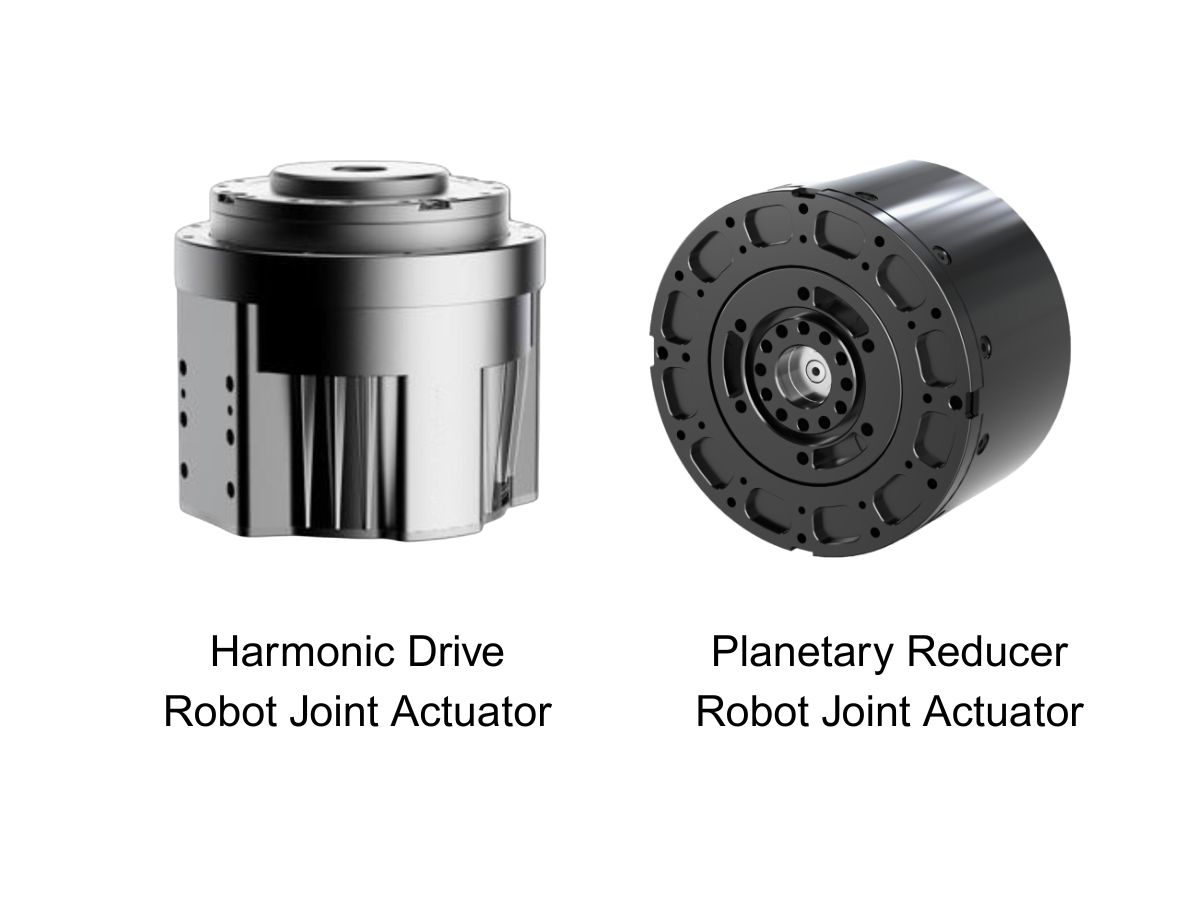
 What is robot joint actuator?How to Choose the Best Robot Rotary Joint Actuator?In core robot joint transmission solutions, planetary and harmonic rotary actuators each have their own strengths. Choosing the right type based on application requirements is essential to achieve the optimal balance between performance and cost.
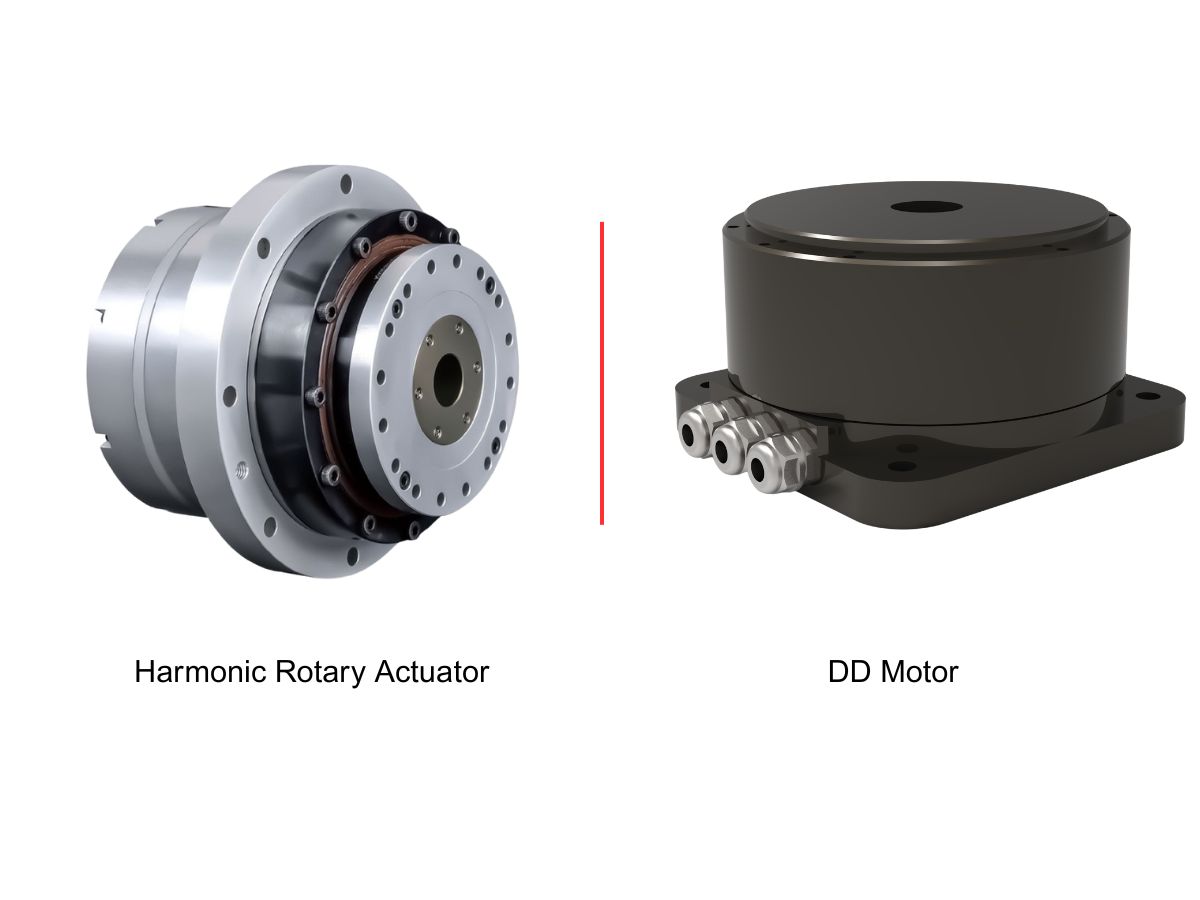
 DD Motors VS Harmonic Rotary ActuatorsThis article provides an in-depth comparison between Direct Drive (DD) motors and harmonic rotary actuators, covering their transmission principles, advantages and disadvantages, and typical application fields.
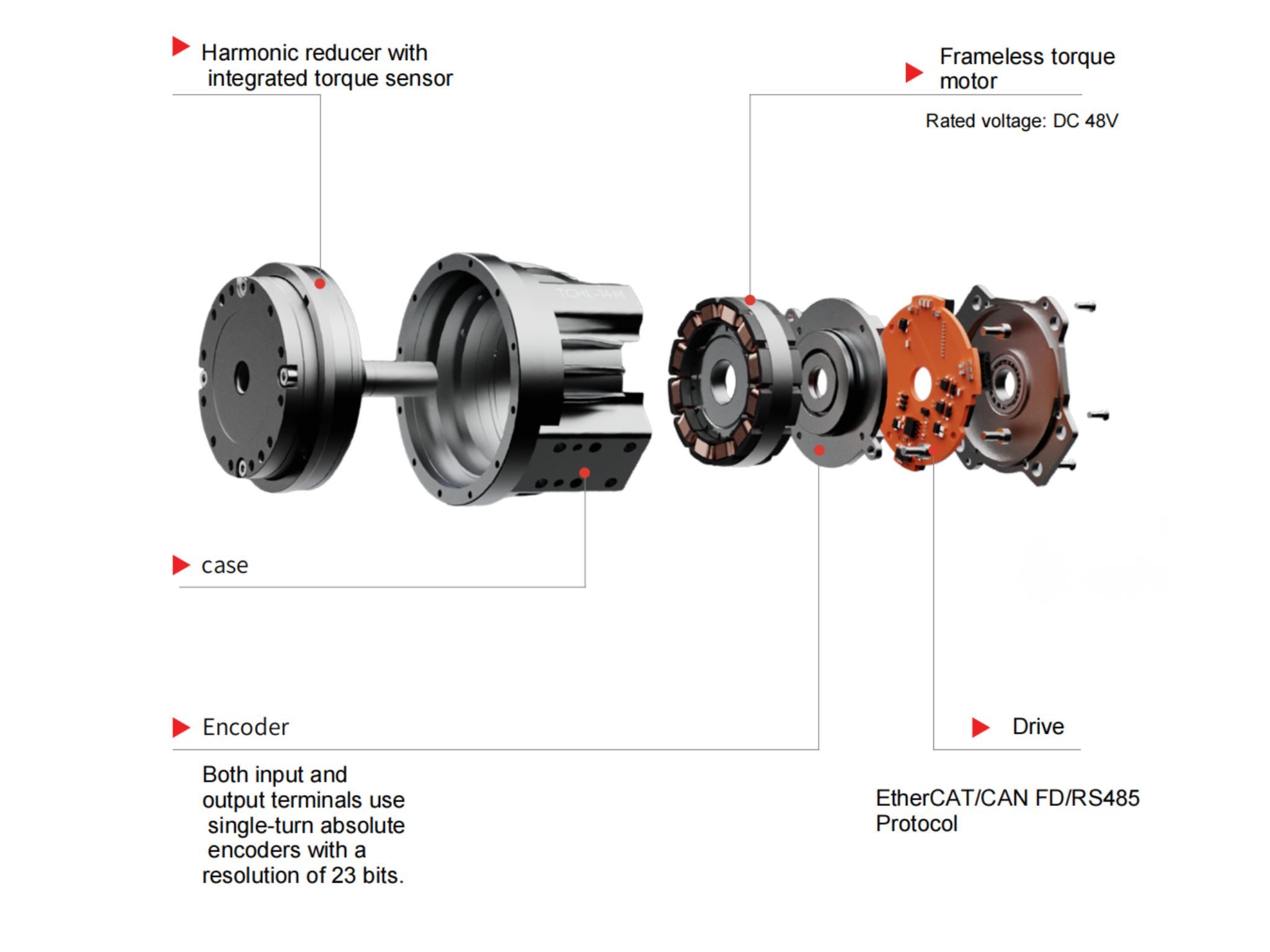
 OMG Ultra Compact Harmonic Drive Joint Module with Built-in Torque SensorHONPINE TCHL series harmonic drive joint module is a game-changing product that achieves disruptive improvements in multiple aspects such as lightweight design, integration level, and connection convenience. This article will analyze its revolutionary enhancements with you.
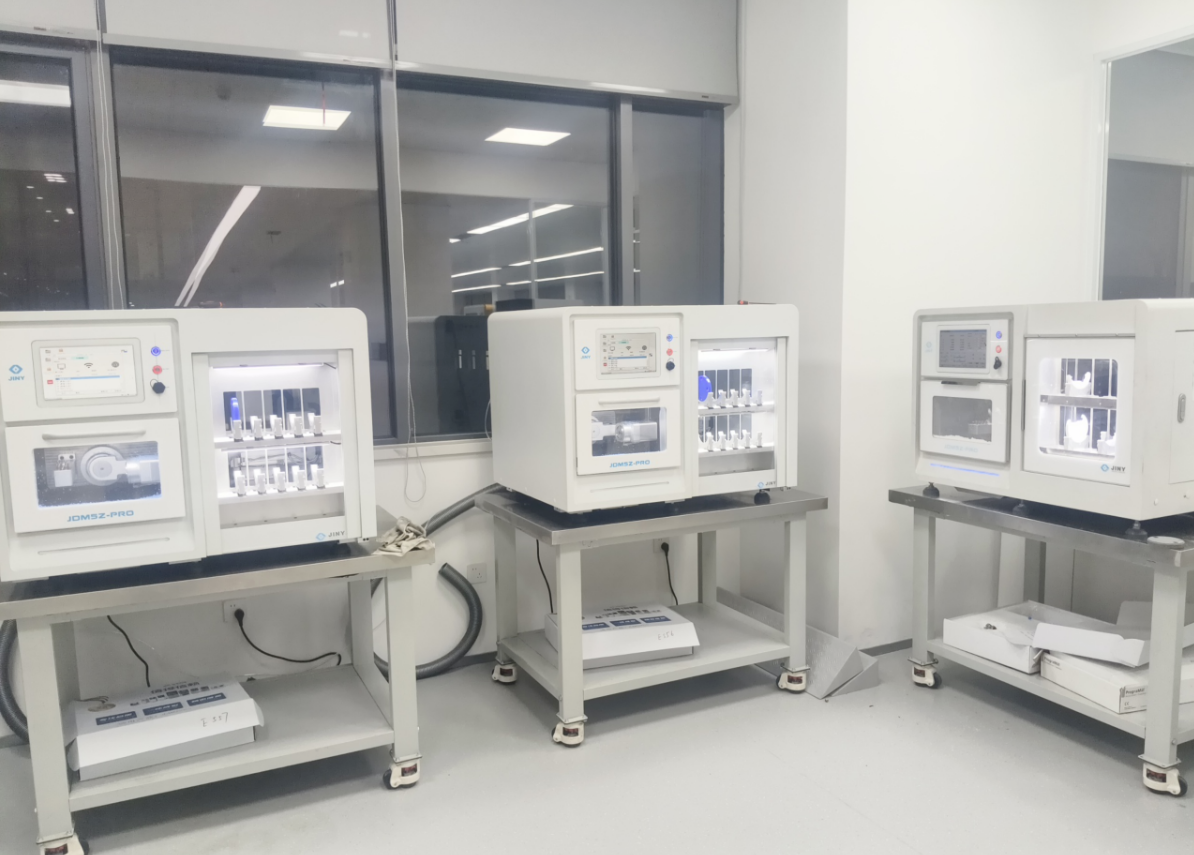
 The Role of Harmonic Drive Gears in Achieving 5–10 μm Accuracy in Dental Milling MachinesA dental milling machine is a CNC machining system used to directly process digital dental models into restorations such as crowns, bridges, veneers, inlays, and implant abutments. Dental milling machines require far higher operational accuracy and motion stability than ordinary equipment. This article explains how harmonic drive gear help dental milling machines achieve stable, continuous, and controllable operation.
 Why Are Harmonic Rotary Actuators Perfect for Medical Equipment?Harmonic rotary actuators (typically integrated systems consisting of a harmonic drive reducer, frameless torque motor, encoder, and optional brake) are regarded as key components in medical equipment. The core reason is that they simultaneously meet the most stringent medical requirements for precision, compact size, safety, and controllability. The following explanation is structured from three perspectives: technical characteristics, application scenarios, and medical value.
 High-Precision RV Reducers Perfectly Matched for Walking RobotsThe walking axis of a robot is a core component for power transmission and support. RV reducers provide extremely high rigidity, precision, and torque while maintaining a compact size and exceptional reliability, making them an ideal match for the demanding requirements of walking robot joints in terms of load capacity, impact resistance, and precision.
 Ningbo Dongli Hits Limit Up on Robot Reducer Business and Strong First-Half EarningsExplore Ningbo Dongli's reported limit-up rally, robot reducer business and strong first-half earnings, plus essential supplier checks for equipment buyers.
 CNC Maker 07688.HK Announces Deal to Acquire at Least 70% of Machine Tool FirmCNC maker 07688.HK announces a deal to acquire at least 70% of a machine tool firm. Explore its five-axis expansion plans and what buyers should verify before ordering.
 Nidec Machine Tool Launches MVR-5X Gantry-Type Five-Axis MachineDiscover Nidec Machine Tool's MVR-5X gantry-type five-axis machine, featuring a compact head with approximately 20 times its predecessor's spindle torque. Explore its machining potential.
 Harmonic Drive Backlash in Arcmin: What the Specification Really Tells YouChoosing the right force control harmonic joint actuator involves more than comparing torque and dimensions. Torque sensor specifications, encoder feedback, communication protocols, functional safety, and hollow-shaft size can all affect system integration and control performance. In this guide, HONPINE Technical Director compares the TCHL and HAG harmonic joint actuator series, explaining their key differences and providing a practical selection framework for humanoid robots, collaborative manipulators, precision assembly, polishing, and other force-controlled applications.
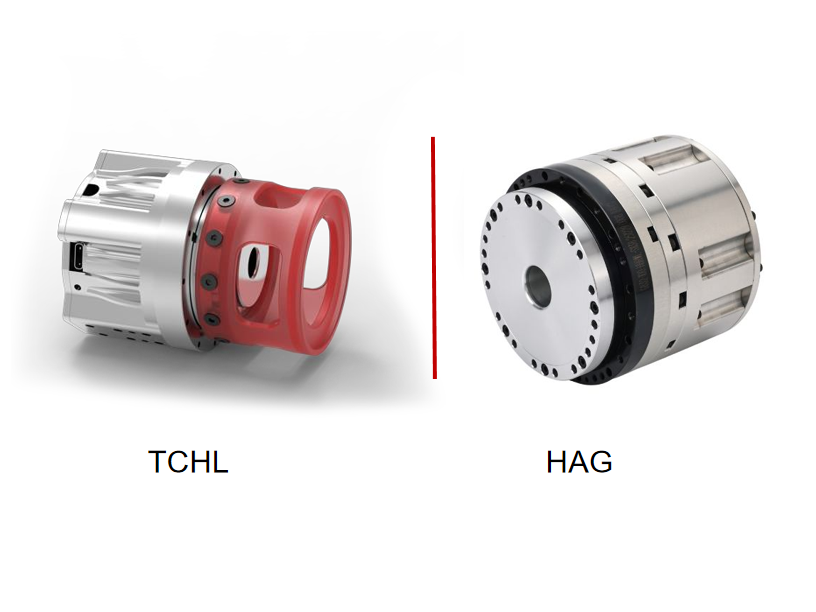
 How to Choose a Force Control Harmonic Joint Actuator? An In-Depth Comparison of HONPINE TCHL and HAGChoosing the right force control harmonic joint actuator involves more than comparing torque and dimensions. Torque sensor specifications, encoder feedback, communication protocols, functional safety, and hollow-shaft size can all affect system integration and control performance. In this guide, HONPINE Technical Director compares the TCHL and HAG harmonic joint actuator series, explaining their key differences and providing a practical selection framework for humanoid robots, collaborative manipulators, precision assembly, polishing, and other force-controlled applications.
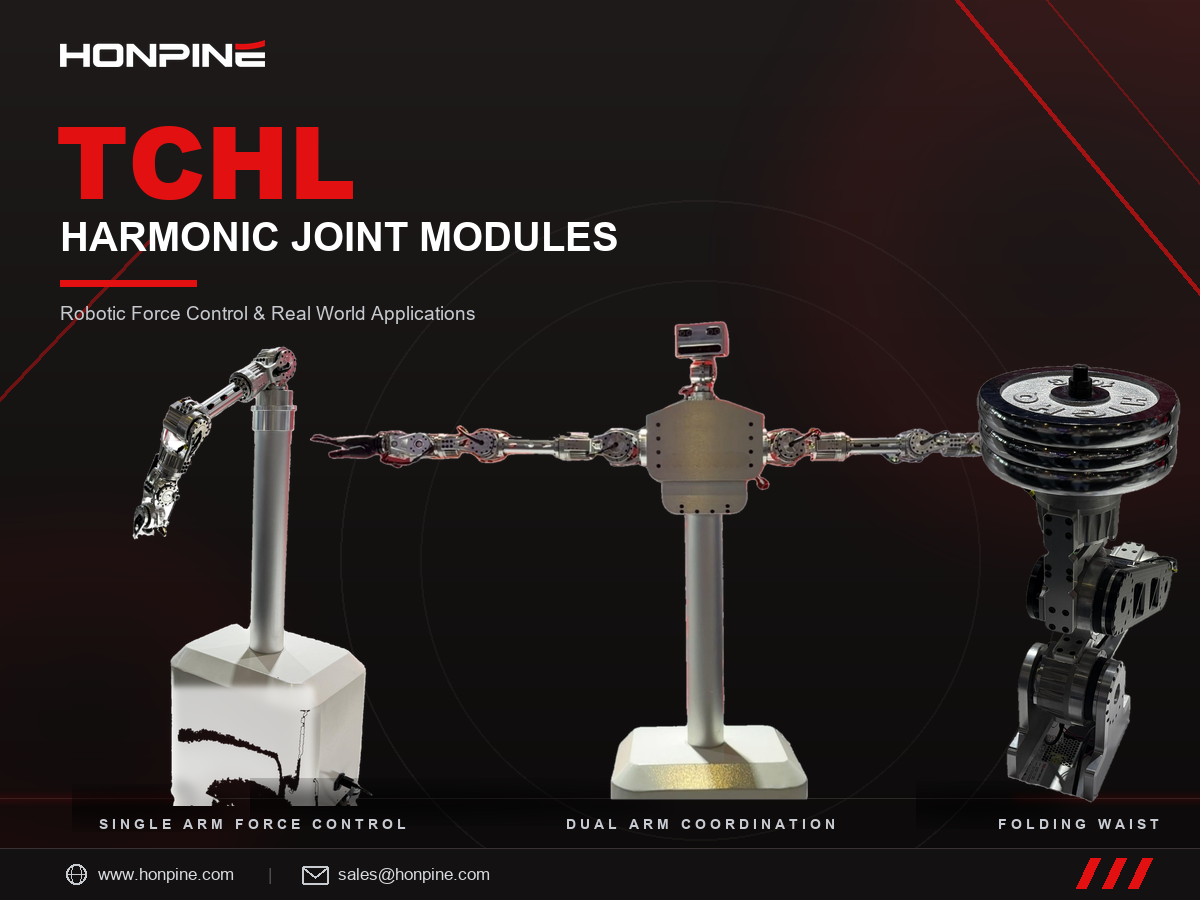
 HONPINE TCHL Harmonic Joint Modules: Robotic Force Control and Real-World ApplicationsHello everyone, I’m Theodore Li, Technical Director at HONPINE.
HONPINE TCHL harmonic joint modules have been deployed in a range of robotic motion-control applications, including dual-arm humanoid robots, single-arm compliant force control, and folding waist mechanisms for wheeled humanoid robots. As integrated motion components, they support a wide range of applications in robotics, intelligent manufacturing, and industrial automation.
From core components to integrated motion units, HONPINE showcases the possibilities of precision transmission technology across different robotic applications through a diverse product portfolio and practical motion demonstrations.
Double Click
We provide harmonic drive reducer,planetary reducer,robot joint motor,robot rotary actuators,RV gear reducer,robot end effector,dexterous robot hand
 Humanoid Robot Stocks Surge as Demand for Harmonic Reducers and Other Key Parts AcceleratesHumanoid robot stocks surge as harmonic reducer demand gains momentum. Explore sourcing risks, supplier readiness and procurement insights to plan your next move.
 HPJM-RE80-110-PRO-XXX-B-V_B0
 HPJM-RE80-110-PRO-XXX-B-V_B0
 HPJM-RE80-97-PRO-XXX-V_B0
 HPJM-RE80-97-PRO-XXX-V_B0
 HPJM-RE80-97-PRO-XXX-B-V_B0
 HPJM-RE80-97-PRO-XXX-B-V_B0
 HPJM-RE70-90-PRO-XXX-C0
 HPJM-RE70-90-PRO-XXX-C0
 HPJM-RE70-90-PRO-XXX-B-V_C0
 HPJM-RE70-90-PRO-XXX-B-V_C0
 HPJM-RE70-80-PRO-XXX-V_B0