

VOSA Certification Update: Arabic/Spanish UI Required for Machine Tools in Vietnam
Vietnam’s Ministry of Industry and Trade updated VOSA certification requirements on May 4, 2026, mandating Arabic or Spanish language support—alongside Vietnamese and English—in human-machine interface (HMI) software for machine tools. This change directly affects exporters and manufacturers supplying to Vietnam’s industrial equipment market, particularly those engaged in metalworking, automation integration, and precision machinery trade.
Event Overview
On May 4, 2026, the Vietnam Office for Standardization and Accreditation (VOSA) issued Technical Notice No. 08/2026, amending HMI language requirements for machine tool equipment seeking VOSA certification. Effective July 1, 2026, all newly registered models must include either Arabic or Spanish as a supported UI language, in addition to Vietnamese and English. The notice confirms that three Chinese manufacturing firms experienced customs clearance delays at Ho Chi Minh City Port due to non-compliant firmware versions lacking the newly required language option.
Which Subsectors Are Affected
Direct Exporters of Machine Tools
Exporters submitting new model registrations to VOSA after July 1, 2026, must ensure firmware includes Arabic or Spanish UI support. Non-compliance will block certification, delaying market entry and triggering re-submission cycles. This applies specifically to CNC machine tools, lathes, milling machines, and related industrial equipment with embedded HMI systems.
Equipment Manufacturers with Integrated HMIs
Manufacturers embedding proprietary or third-party HMIs into their machines are responsible for verifying language coverage in final firmware builds. Unlike standalone software vendors, these firms bear full regulatory accountability under VOSA’s product conformity framework—even if the HMI component is sourced externally.
Aftermarket Firmware & Localization Providers
Third-party vendors offering UI localization, firmware updates, or HMI customization services now face increased demand for Arabic and Spanish language packs compatible with common industrial controller platforms (e.g., Siemens SINUMERIK, Fanuc, Mitsubishi). Their deliverables must align with VOSA’s technical validation criteria—not just linguistic accuracy but also functional equivalence across all UI layers.
Distribution & Import Agents Handling Customs Clearance
Import agents processing shipments through Ho Chi Minh City Port must verify VOSA certificate validity against the actual firmware version installed on delivered units. The recent port delays indicate that physical verification—including boot-up language menu inspection—is now part of routine customs conformity checks for newly registered models.
What Relevant Companies or Practitioners Should Monitor and Do Now
Track official VOSA implementation guidance and firmware validation protocols
VOSA has not yet published detailed test procedures for Arabic/Spanish UI compliance (e.g., character rendering, RTL support for Arabic, date/number formatting conventions). Stakeholders should monitor VOSA’s official portal and authorized testing laboratories for upcoming technical bulletins before initiating firmware upgrades.
Identify affected product lines and prioritize firmware revision timelines
Companies should cross-reference current VOSA-certified model numbers against production schedules ending before July 1, 2026. Models scheduled for registration after that date require immediate firmware assessment—especially those using legacy HMI platforms with limited multilingual architecture.
Distinguish between certification requirement and operational deployment
The regulation mandates language support, not mandatory activation or default selection. Analysis shows that VOSA’s enforcement focuses on presence and usability of the language option—not regional deployment strategy. Firms targeting only Vietnamese/English-speaking users may retain those as defaults while still meeting compliance.
Prepare documentation and coordinate with firmware suppliers early
Firmware updates involving language packs often require updated user manuals, safety labels, and declaration of conformity documents. Companies relying on external HMI vendors should initiate contractual alignment now—not after certification submission—to avoid bottlenecks in document synchronization.
Editorial Perspective / Industry Observation
Observably, this update signals Vietnam’s broader alignment with export-oriented markets where Arabic- and Spanish-speaking buyers represent growing procurement shares—particularly in infrastructure projects across the Middle East and Latin America. From an industry perspective, it reflects a shift from purely domestic usability standards toward export-readiness benchmarks embedded in local certification regimes. Analysis suggests this is currently a targeted regulatory signal rather than a fully scaled enforcement regime; however, the documented port delays confirm real-world operational impact. Continued monitoring is warranted as VOSA may extend similar language requirements to other industrial equipment categories in future notices.
Conclusion
This VOSA update does not introduce a broad-based language mandate across all imported goods, but rather refines technical conformity expectations for a specific high-value segment: certified machine tools with interactive interfaces. It is best understood not as a sudden barrier, but as a calibrated adjustment reflecting Vietnam’s evolving role in global industrial supply chains—where local certification increasingly mirrors international market readiness criteria. Stakeholders should treat it as a procedural checkpoint requiring targeted firmware and documentation review—not a strategic pivot.
Information Source
Main source: Vietnam Office for Standardization and Accreditation (VOSA), Technical Notice No. 08/2026, issued May 4, 2026. Pending observation: Official validation methodology and laboratory testing criteria for Arabic/Spanish UI compliance have not yet been published by VOSA and remain under active monitoring.
Read More
Learn more about the story of HONPINE and industry trends related to precision transmission.
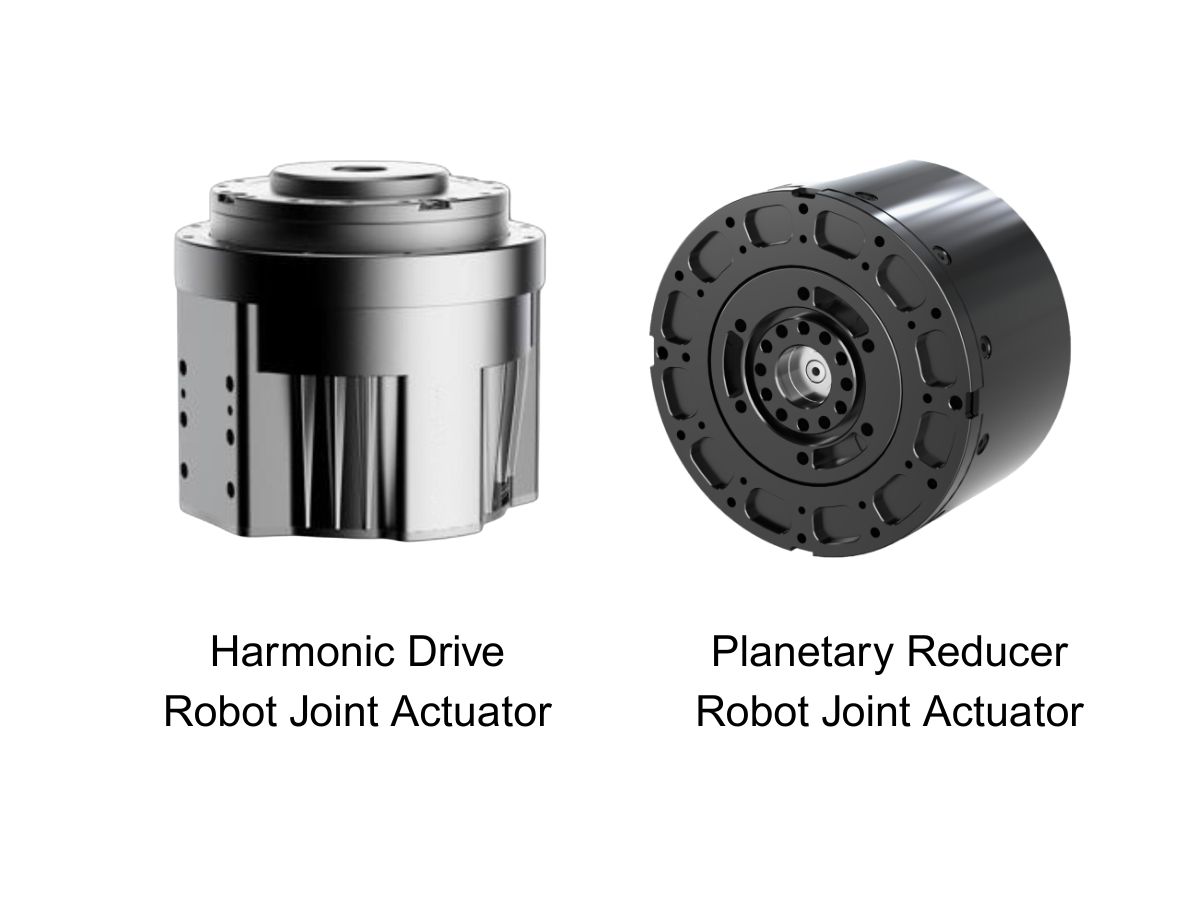
 What is robot joint actuator?How to Choose the Best Robot Rotary Joint Actuator?In core robot joint transmission solutions, planetary and harmonic rotary actuators each have their own strengths. Choosing the right type based on application requirements is essential to achieve the optimal balance between performance and cost.
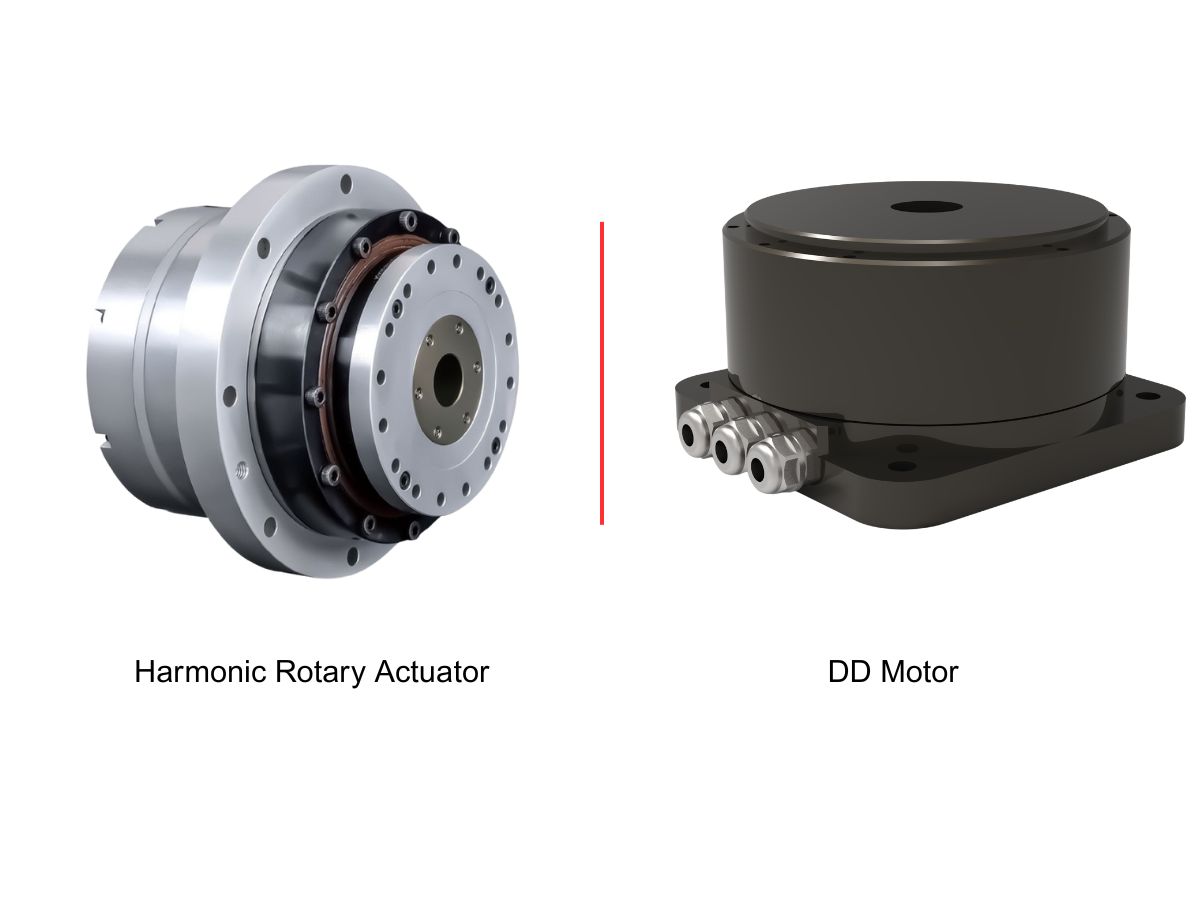
 DD Motors VS Harmonic Rotary ActuatorsThis article provides an in-depth comparison between Direct Drive (DD) motors and harmonic rotary actuators, covering their transmission principles, advantages and disadvantages, and typical application fields.
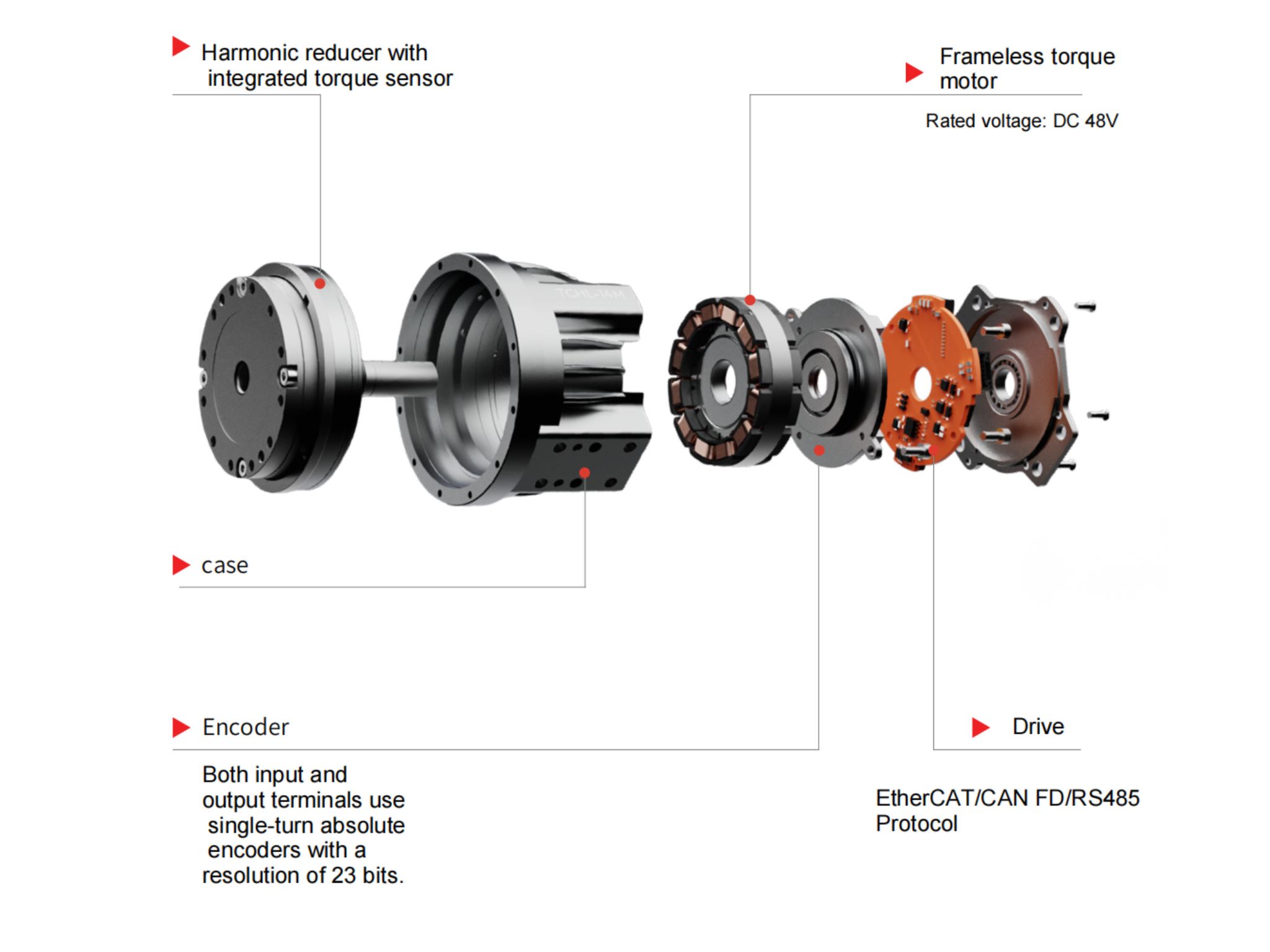
 OMG Ultra Compact Harmonic Drive Joint Module with Built-in Torque SensorHONPINE TCHL series harmonic drive joint module is a game-changing product that achieves disruptive improvements in multiple aspects such as lightweight design, integration level, and connection convenience. This article will analyze its revolutionary enhancements with you.
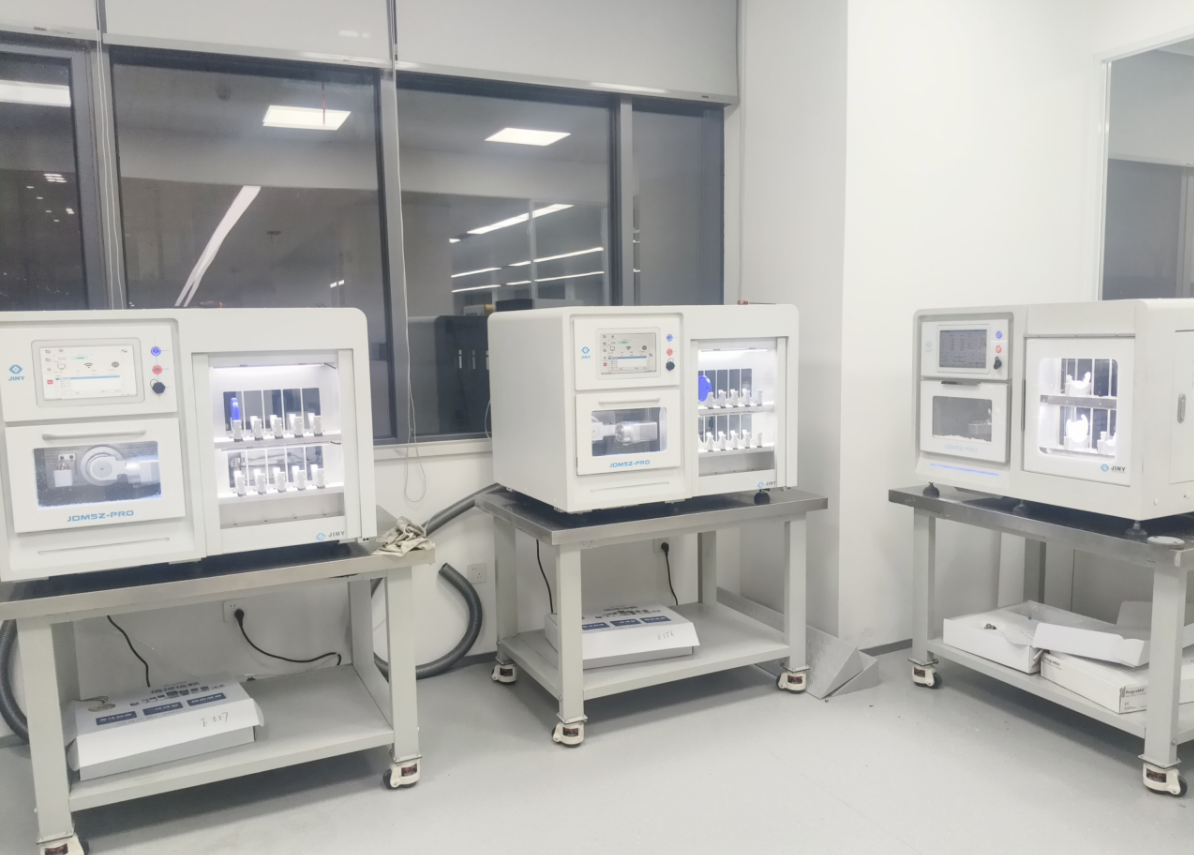
 The Role of Harmonic Drive Gears in Achieving 5–10 μm Accuracy in Dental Milling MachinesA dental milling machine is a CNC machining system used to directly process digital dental models into restorations such as crowns, bridges, veneers, inlays, and implant abutments. Dental milling machines require far higher operational accuracy and motion stability than ordinary equipment. This article explains how harmonic drive gear help dental milling machines achieve stable, continuous, and controllable operation.
 Why Are Harmonic Rotary Actuators Perfect for Medical Equipment?Harmonic rotary actuators (typically integrated systems consisting of a harmonic drive reducer, frameless torque motor, encoder, and optional brake) are regarded as key components in medical equipment. The core reason is that they simultaneously meet the most stringent medical requirements for precision, compact size, safety, and controllability. The following explanation is structured from three perspectives: technical characteristics, application scenarios, and medical value.
 High-Precision RV Reducers Perfectly Matched for Walking RobotsThe walking axis of a robot is a core component for power transmission and support. RV reducers provide extremely high rigidity, precision, and torque while maintaining a compact size and exceptional reliability, making them an ideal match for the demanding requirements of walking robot joints in terms of load capacity, impact resistance, and precision.
![]() DMG MORI Halts Five-Axis CNC Supply to Russia & BelarusDMG MORI halts five-axis CNC supply to Russia & Belarus—impact on precision machining, CELOS systems, and alternatives like BYJC GT1200 Pro.
DMG MORI Halts Five-Axis CNC Supply to Russia & BelarusDMG MORI halts five-axis CNC supply to Russia & Belarus—impact on precision machining, CELOS systems, and alternatives like BYJC GT1200 Pro.![]() CCMT2026: Middle East Demand for ATEX/IECEx Five-Axis Machining Centers Surges 370%ATEX/IECEx five-axis machining centers see 370% surge in Middle East demand at CCMT2026 — unlock explosive growth in energy & petrochemical markets.
CCMT2026: Middle East Demand for ATEX/IECEx Five-Axis Machining Centers Surges 370%ATEX/IECEx five-axis machining centers see 370% surge in Middle East demand at CCMT2026 — unlock explosive growth in energy & petrochemical markets.![]() CCMT2026: Middle East Buyers Seek ATEX/IECEx-Certified 5-Axis Machining CentersATEX/IECEx-certified 5-axis machining centers in high demand at CCMT2026—Middle East buyers seek certified solutions for oil & gas infrastructure. Act now!
CCMT2026: Middle East Buyers Seek ATEX/IECEx-Certified 5-Axis Machining CentersATEX/IECEx-certified 5-axis machining centers in high demand at CCMT2026—Middle East buyers seek certified solutions for oil & gas infrastructure. Act now!![]() CCMT2026: 37% Order Intent Rise from MENA & LatAm, Local After-sales Consortium Demand SurgesCCMT2026 reveals 37% order intent surge from MENA & LatAm — with 62.3% of buyers demanding Local After-sales Consortium models. Discover strategic implications for machine tool exporters and service providers.
CCMT2026: 37% Order Intent Rise from MENA & LatAm, Local After-sales Consortium Demand SurgesCCMT2026 reveals 37% order intent surge from MENA & LatAm — with 62.3% of buyers demanding Local After-sales Consortium models. Discover strategic implications for machine tool exporters and service providers.![]() CCMT2026 Closes with 37% Rise in Overseas Order IntentionsCCMT2026 drives 37% surge in overseas order intentions — discover how CNC machine tool exporters can leverage localization-based after-sales joint entities for competitive advantage.
CCMT2026 Closes with 37% Rise in Overseas Order IntentionsCCMT2026 drives 37% surge in overseas order intentions — discover how CNC machine tool exporters can leverage localization-based after-sales joint entities for competitive advantage.![]() CCMT2026 Attendance Up 22.7%, Overseas Buyers Rise SharplyCCMT2026 attendance up 22.7% — overseas buyers surge 35%+ from Germany, Mexico & Vietnam. Discover key trends in five-axis machining, harmonic drives & smart tooling.
CCMT2026 Attendance Up 22.7%, Overseas Buyers Rise SharplyCCMT2026 attendance up 22.7% — overseas buyers surge 35%+ from Germany, Mexico & Vietnam. Discover key trends in five-axis machining, harmonic drives & smart tooling.

Double Click
We provide harmonic drive reducer,planetary reducer,robot joint motor,robot rotary actuators,RV gear reducer,robot end effector,dexterous robot hand
![]() VOSA Certification Update: Arabic/Spanish UI Required for Machine Tools in VietnamVOSA certification update for machine tools in Vietnam now requires Arabic or Spanish UI—plus Vietnamese & English. Act now to avoid customs delays and ensure compliance.
VOSA Certification Update: Arabic/Spanish UI Required for Machine Tools in VietnamVOSA certification update for machine tools in Vietnam now requires Arabic or Spanish UI—plus Vietnamese & English. Act now to avoid customs delays and ensure compliance.![]() Vietnam VOSA Certification Rules for Industrial Machine Tools Take Effect May 2026Vietnam VOSA certification for industrial machine tools takes effect May 2026 — mandatory Vietnamese GUI, manuals & Type Approval. Act now to avoid port delays.
Vietnam VOSA Certification Rules for Industrial Machine Tools Take Effect May 2026Vietnam VOSA certification for industrial machine tools takes effect May 2026 — mandatory Vietnamese GUI, manuals & Type Approval. Act now to avoid port delays. FSD-32-XX-U-I-ø32
 FSD-25-XX-U-I-ø24
 FSD-20-XX-U-I
 FSD-17-XX-U-I
 FSD-14-XX-U-I
 LSG-20-XX-U-I
 FSD-32-XX-U-I
 FSD-25-XX-U-I
 FSD-20-XX-U-I
 FSD-17-XX-U-I