

Shanghai–Rotterdam Freight Rates Hit $3,850/FEU, CNC Machine Export Delays Extend
On May 3, 2026, the Shanghai Containerized Freight Index (SCFI) for the Europe route surged to $3,852 per FEU — the highest level since 2024 — prompting extended delivery timelines for machine tool exports from China, particularly affecting precision manufacturing and international trade stakeholders.
Event Overview
According to data released by the Shanghai Shipping Exchange on May 3, 2026, the SCFI Europe line index stood at $3,852 per forty-foot equivalent unit (FEU). This reflects a new high since 2024. Concurrently, Rotterdam port yard congestion and uncertainty surrounding ongoing labor negotiations have led major shipping lines to cancel reserved container slots for early May. As reported by leading Chinese machine tool exporters, standard container shipments are now scheduled for mid-June, while delivery cycles for custom large-scale equipment — such as gantry machining centers — have lengthened by an average of 11 days compared to April 2026, due to combined inland transport and ocean freight delays.
Industries Affected
Direct Exporters (CNC Machine Tool Manufacturers)
These firms face direct pressure on order fulfillment timelines and contractual commitments. The cancellation of early-May container allocations and yard saturation in Rotterdam delay shipment confirmation and customs clearance, increasing risk of late delivery penalties and customer renegotiation.
Export-Oriented Contract Manufacturers (OEM/ODM)
Manufacturers producing machine tools or components under foreign brand contracts are exposed to cascading schedule slippage. Longer lead times compress production planning windows and may trigger inventory build-up or expedited air-freight cost absorption if just-in-time delivery clauses apply.
International Freight Forwarders & NVOCCs
Forwarders handling machine tool logistics report tighter slot availability and rising spot-rate volatility. Their capacity to guarantee transit dates — especially for oversized or heavy-lift cargo requiring specialized stowage — has diminished, impacting service-level agreements and quotation validity periods.
Importers & Distributors in EU Markets
European distributors of Chinese machine tools face delayed stock replenishment and potential gaps in project execution schedules. With standard containers now booked through mid-June, rescheduling of installation, commissioning, or after-sales support activities becomes necessary.
Key Considerations and Practical Responses
Monitor official port and carrier advisories closely
Rotterdam port authority updates and carrier-specific slot allocation policies (e.g., Maersk, MSC, CMA CGM) should be tracked daily. Changes in yard gate appointment systems or labor negotiation outcomes may signal short-term capacity shifts — not reflected in headline SCFI figures.
Reassess shipment timing for high-value, low-volume equipment
For custom large-format machinery, confirm whether inland transport coordination (e.g., road permits, axle load approvals) remains synchronized with revised ocean departure windows. Delays often originate upstream of port entry — not at the terminal alone.
Review Incoterms and insurance coverage triggers
Under FOB or CIF terms, extended pre-shipment holding periods may affect cargo insurance validity or storage liability clauses. Verify whether current policies cover extended dwell time at origin depots or intermediate hubs.
Pre-qualify alternative routing options — with caution
While alternate ports (e.g., Hamburg, Bremerhaven) or transshipment via North Africa or Southern Europe are sometimes proposed, analysis shows most lack comparable handling infrastructure for oversized machine tools. Routing changes require physical validation of crane capacity, rail interface, and customs pre-clearance readiness — not just theoretical TEU availability.
Editorial Observation / Industry Perspective
This rate surge and associated delay is currently best understood as a structural bottleneck signal — not yet a sustained market shift. Observably, it reflects acute port operational constraints rather than broad-based demand-driven capacity shortage. From an industry perspective, the $3,850/FEU level appears tied to specific congestion dynamics at Rotterdam and near-term labor uncertainty, rather than indicative of a generalized upward revision in long-haul European freight pricing. Current more relevant indicators include weekly slot cancellation rates, average dwell time at Rotterdam’s Maasvlakte terminals, and the frequency of vessel re-routings — all of which remain under active observation.
What makes this episode notable is its disproportionate impact on capital goods logistics: unlike consumer goods, machine tools cannot be easily consolidated, substituted, or air-freighted without severe cost or technical penalty. That asymmetry amplifies the operational consequence of even temporary maritime friction.
Therefore, the event signals growing vulnerability in the end-to-end delivery chain for high-precision industrial equipment — one where maritime leg reliability is increasingly interdependent with inland regulatory coordination and port-specific infrastructure limits.
Conclusion
The Shanghai–Rotterdam freight escalation reflects a localized but operationally significant disruption, not a wholesale market inflection point. It underscores that for capital-intensive export sectors — particularly machine tools — maritime logistics performance remains tightly coupled to terminal-level conditions and labor stability, not just headline index values. Current conditions are better interpreted as a near-term scheduling constraint requiring tactical adaptation, rather than a fundamental recalibration of global equipment trade flows.
Information Sources
Primary source: Shanghai Shipping Exchange (SCFI data, May 3, 2026). Additional inputs derived exclusively from verified statements by representative Chinese machine tool exporters regarding shipment scheduling and delivery cycle extensions. Ongoing developments related to Rotterdam port labor negotiations and yard utilization metrics remain under observation and are not yet confirmed in official public releases.
Read More
Learn more about the story of HONPINE and industry trends related to precision transmission.
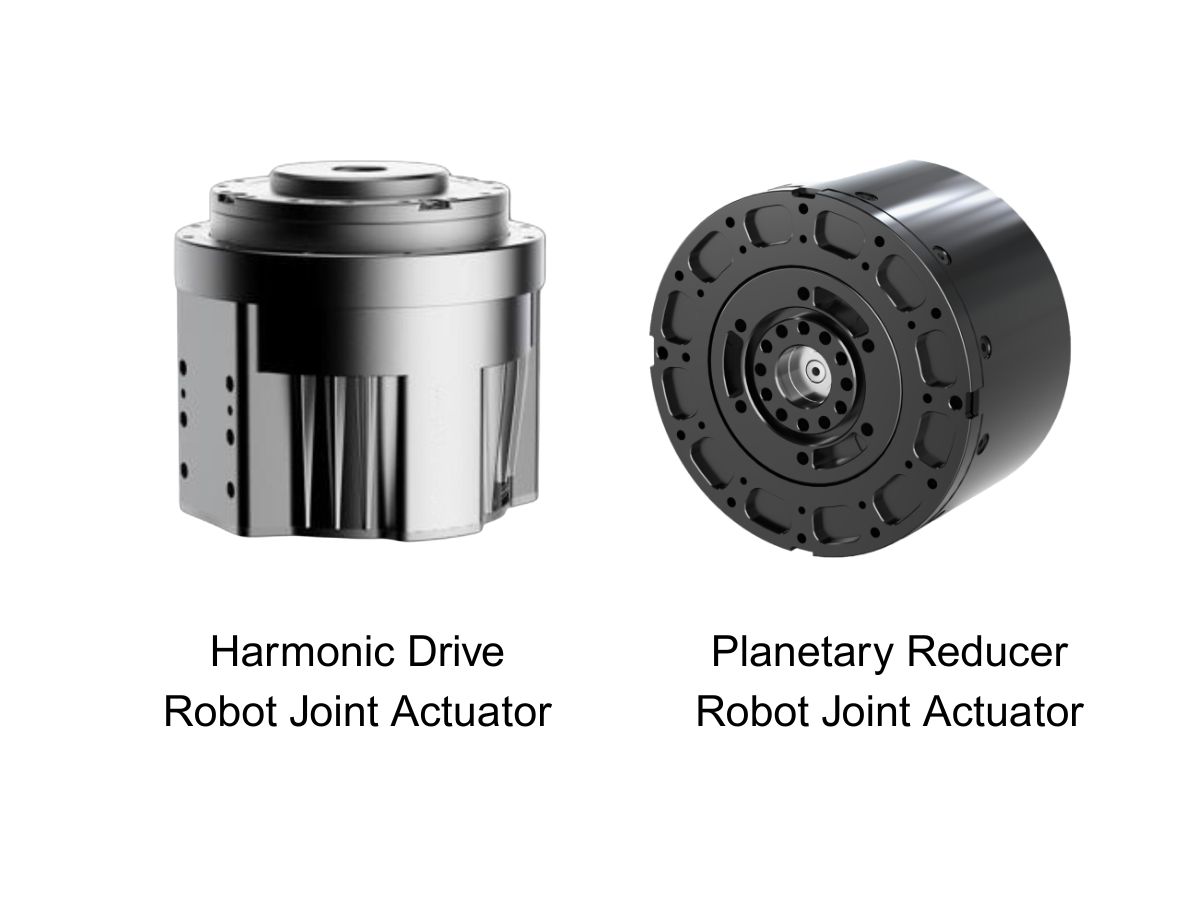
 What is robot joint actuator?How to Choose the Best Robot Rotary Joint Actuator?In core robot joint transmission solutions, planetary and harmonic rotary actuators each have their own strengths. Choosing the right type based on application requirements is essential to achieve the optimal balance between performance and cost.
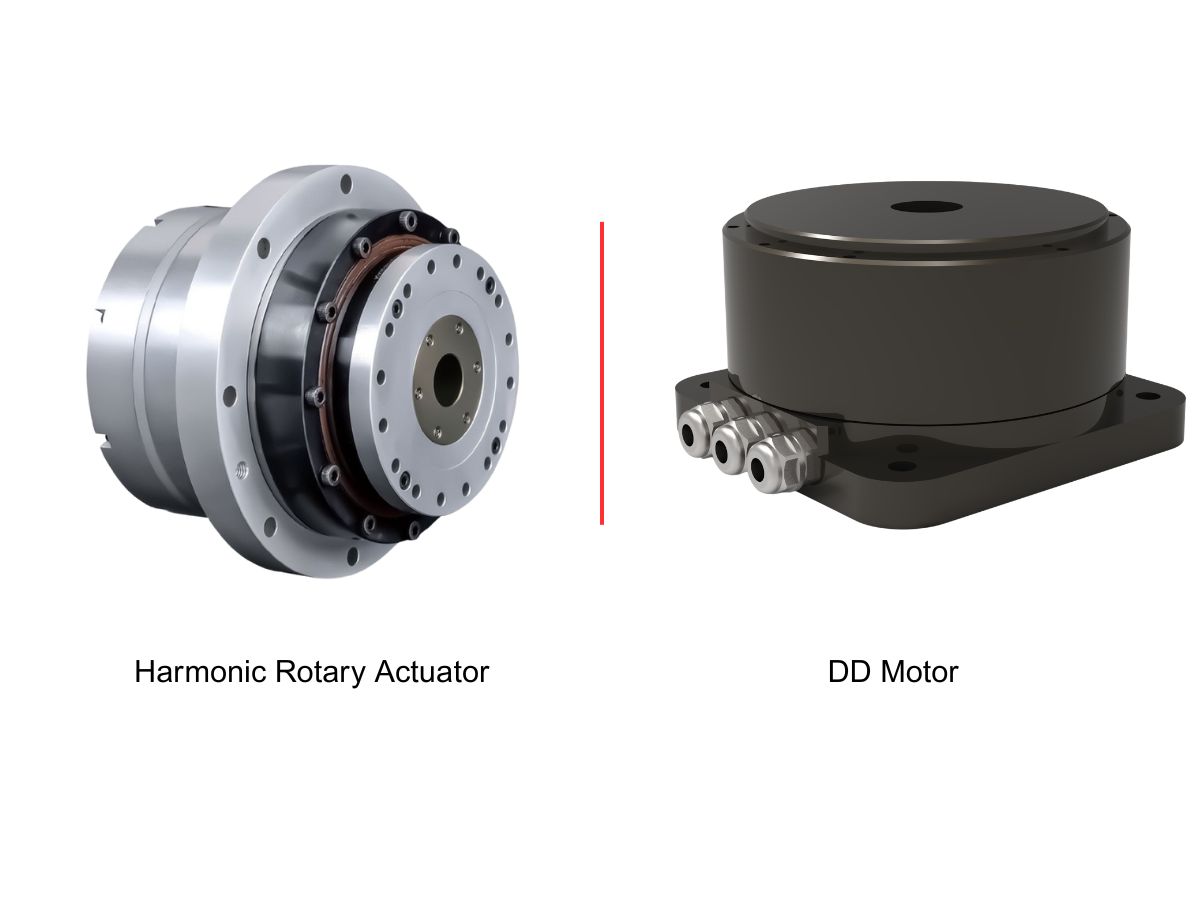
 DD Motors VS Harmonic Rotary ActuatorsThis article provides an in-depth comparison between Direct Drive (DD) motors and harmonic rotary actuators, covering their transmission principles, advantages and disadvantages, and typical application fields.
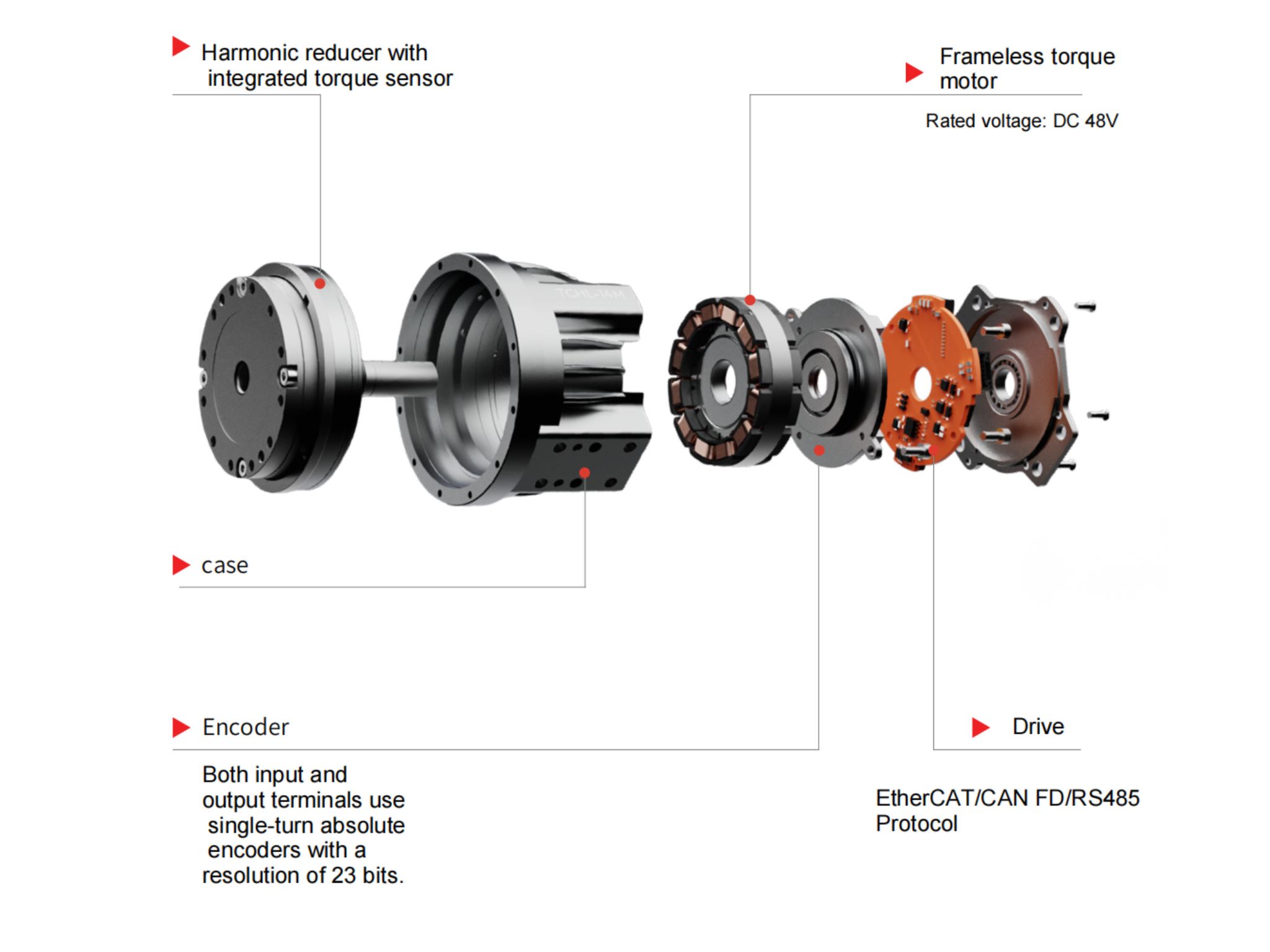
 OMG Ultra Compact Harmonic Drive Joint Module with Built-in Torque SensorHONPINE TCHL series harmonic drive joint module is a game-changing product that achieves disruptive improvements in multiple aspects such as lightweight design, integration level, and connection convenience. This article will analyze its revolutionary enhancements with you.
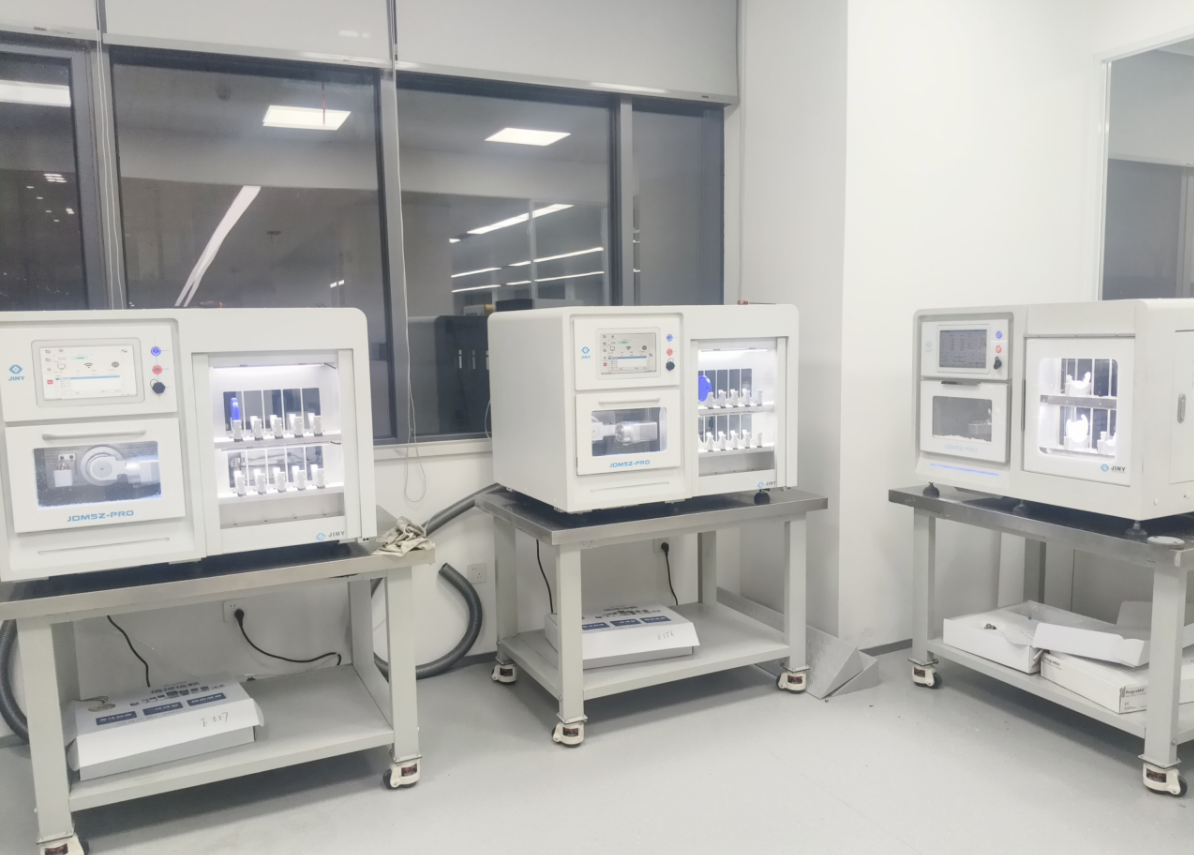
 The Role of Harmonic Drive Gears in Achieving 5–10 μm Accuracy in Dental Milling MachinesA dental milling machine is a CNC machining system used to directly process digital dental models into restorations such as crowns, bridges, veneers, inlays, and implant abutments. Dental milling machines require far higher operational accuracy and motion stability than ordinary equipment. This article explains how harmonic drive gear help dental milling machines achieve stable, continuous, and controllable operation.
 Why Are Harmonic Rotary Actuators Perfect for Medical Equipment?Harmonic rotary actuators (typically integrated systems consisting of a harmonic drive reducer, frameless torque motor, encoder, and optional brake) are regarded as key components in medical equipment. The core reason is that they simultaneously meet the most stringent medical requirements for precision, compact size, safety, and controllability. The following explanation is structured from three perspectives: technical characteristics, application scenarios, and medical value.
 High-Precision RV Reducers Perfectly Matched for Walking RobotsThe walking axis of a robot is a core component for power transmission and support. RV reducers provide extremely high rigidity, precision, and torque while maintaining a compact size and exceptional reliability, making them an ideal match for the demanding requirements of walking robot joints in terms of load capacity, impact resistance, and precision.
![]() CCMT2026: Middle East Buyers Seek ATEX/IECEx-Certified 5-Axis Machining CentersATEX/IECEx-certified 5-axis machining centers in high demand at CCMT2026—Middle East buyers seek certified solutions for oil & gas infrastructure. Act now!
CCMT2026: Middle East Buyers Seek ATEX/IECEx-Certified 5-Axis Machining CentersATEX/IECEx-certified 5-axis machining centers in high demand at CCMT2026—Middle East buyers seek certified solutions for oil & gas infrastructure. Act now!![]() CCMT2026: 37% Order Intent Rise from MENA & LatAm, Local After-sales Consortium Demand SurgesCCMT2026 reveals 37% order intent surge from MENA & LatAm — with 62.3% of buyers demanding Local After-sales Consortium models. Discover strategic implications for machine tool exporters and service providers.
CCMT2026: 37% Order Intent Rise from MENA & LatAm, Local After-sales Consortium Demand SurgesCCMT2026 reveals 37% order intent surge from MENA & LatAm — with 62.3% of buyers demanding Local After-sales Consortium models. Discover strategic implications for machine tool exporters and service providers.![]() CCMT2026 Closes with 37% Rise in Overseas Order IntentionsCCMT2026 drives 37% surge in overseas order intentions — discover how CNC machine tool exporters can leverage localization-based after-sales joint entities for competitive advantage.
CCMT2026 Closes with 37% Rise in Overseas Order IntentionsCCMT2026 drives 37% surge in overseas order intentions — discover how CNC machine tool exporters can leverage localization-based after-sales joint entities for competitive advantage.![]() CCMT2026 Attendance Up 22.7%, Overseas Buyers Rise SharplyCCMT2026 attendance up 22.7% — overseas buyers surge 35%+ from Germany, Mexico & Vietnam. Discover key trends in five-axis machining, harmonic drives & smart tooling.
CCMT2026 Attendance Up 22.7%, Overseas Buyers Rise SharplyCCMT2026 attendance up 22.7% — overseas buyers surge 35%+ from Germany, Mexico & Vietnam. Discover key trends in five-axis machining, harmonic drives & smart tooling. How to Select Robot Joint Modules for Arms, Torso, Head, and Legs in AGV and Humanoid RobotsRobot AGV platforms, lifting legs, folding legs, torso, head, and dual arms each have different functional requirements. Therefore, different types of harmonic gear joint modules and planetary joint modules should be selected accordingly.
 What is a DD Motor? How to Select a DD Motor?DD motor, full name Direct Drive motor, is a motor that directly drives the load without using reduction devices such as gears, belts or ball screws. Its working principle is based on high torque output, allowing it to be directly connected to the moving equipment, thereby eliminating the need for intermediate connection parts such as fasteners, gearboxes and belts.

Double Click
We provide harmonic drive reducer,planetary reducer,robot joint motor,robot rotary actuators,RV gear reducer,robot end effector,dexterous robot hand
![]() Shanghai–Rotterdam Freight Rates Hit $3,850/FEU, CNC Machine Export Delays ExtendCNC machine export delays surge as Shanghai–Rotterdam freight rates hit $3,850/FEU—impacting delivery timelines, contracts & EU project schedules.
Shanghai–Rotterdam Freight Rates Hit $3,850/FEU, CNC Machine Export Delays ExtendCNC machine export delays surge as Shanghai–Rotterdam freight rates hit $3,850/FEU—impacting delivery timelines, contracts & EU project schedules.![]() Shanghai–Rotterdam Freight Rates Hit $3,820/FEUShanghai–Rotterdam freight rates hit $3,820/FEU — critical alert for machine tool exporters. Rising costs, tighter capacity & 18–22-day lead times demand urgent logistics action.
Shanghai–Rotterdam Freight Rates Hit $3,820/FEUShanghai–Rotterdam freight rates hit $3,820/FEU — critical alert for machine tool exporters. Rising costs, tighter capacity & 18–22-day lead times demand urgent logistics action.![]() SCFI Surges for 5 Weeks; Shanghai-Rotterdam Freight Hits $3,800/FEUMachine tool exporters face rising Shanghai-Rotterdam freight costs ($3,800/FEU) and SCFI surge—learn actionable logistics strategies to protect margins and delivery commitments.
SCFI Surges for 5 Weeks; Shanghai-Rotterdam Freight Hits $3,800/FEUMachine tool exporters face rising Shanghai-Rotterdam freight costs ($3,800/FEU) and SCFI surge—learn actionable logistics strategies to protect margins and delivery commitments. LCSG-40-XXX-RDB-22-55-110-145-M8
 LCSG-40-XXX-RDB-22-55-110-145-M8
 LCSG-32-XXX-RDB-19-40-70-90-M5
 LCSG-32-XXX-RDB-19-40-70-90-M5
 LCSG-32-XXX-RDB-14-30-50-70-M5
 LCSG-32-XXX-RDB-14-30-50-70-M5
 LCSG-25-XXX-RDB-14-30-50-70-M5
 LCSG-25-XXX-RDB-14-30-50-70-M5
 LCSG-25-XXX-RDB-14-30-50-70-M4