



SCFI Surges for 5 Weeks; Shanghai-Rotterdam Freight Hits $3,800/FEU
From April 26 to April 30, 2026, the Shanghai Containerized Freight Index (SCFI) rose for five consecutive weeks, reaching 3,821 points — the highest level since early 2025. This development directly affects exporters of capital goods, particularly machine tool manufacturers and their global distribution partners, due to sharply rising ocean freight costs and constrained vessel capacity on key trade lanes.
Event Overview
As of April 30, 2026, the SCFI stood at 3,821 points. The increase is attributed to ongoing Red Sea shipping disruptions and recent port strikes in Europe. Major container carriers have suspended acceptance of full-container-load (FCL) bookings for machinery shipments scheduled for departure before mid-May 2026. Chinese machine tool exporters report extended delivery lead times of 2–3 weeks; some overseas buyers have shifted orders to assembly facilities in Southeast Asia.
Industries Affected by Segment
Direct Exporters (e.g., Machine Tool Manufacturers)
These firms face immediate pressure on delivery commitments and landed cost competitiveness. With carrier capacity frozen for mid-May departures, confirmed orders cannot be shipped as scheduled. The $3,800/FEU rate on the Shanghai–Rotterdam route significantly raises landed pricing in European markets, potentially eroding order margins or prompting renegotiation.
Supply Chain & Logistics Service Providers
Freight forwarders and NVOCCs servicing industrial equipment exports are encountering tighter slot allocations and reduced visibility beyond early May. Their ability to guarantee transit timelines — especially for time-sensitive machinery consignments — has weakened, increasing contractual risk and customer service overhead.
Global Distributors & Channel Partners
Distributors relying on just-in-time inventory models face stockout risks as inbound shipments delay. Extended lead times complicate demand planning and promotional scheduling. Some customers’ shift to Southeast Asian assembly hubs may accelerate regional channel reconfiguration — not as a long-term strategy, but as a near-term mitigation tactic.
What Relevant Enterprises or Practitioners Should Monitor and Do
Track carrier booking policies and cutoff dates weekly
Major lines have implemented rolling embargoes on FCL bookings for machinery. Monitor official announcements from carriers (e.g., Maersk, MSC, COSCO) for updated cutoffs — especially for FEU-sized containers carrying oversized or heavy-lift cargo, which face stricter allocation rules.
Reassess shipment timing and documentation windows
With mid-May departures currently unavailable, confirm whether production schedules can absorb a 2–3 week buffer without triggering penalty clauses. Also verify if original equipment manufacturer (OEM) contracts permit force majeure adjustments tied to documented carrier capacity constraints.
Evaluate alternative routing and consolidation options
While transiting via alternative ports (e.g., Hamburg instead of Rotterdam) or using multimodal rail-freight legs may add complexity, they are being explored by select exporters. However, analysis shows these alternatives offer limited near-term relief due to similar congestion and handling limitations for heavy machinery.
Engage proactively with end buyers on revised delivery expectations
Delay notifications issued early — backed by carrier booking rejection evidence — help preserve commercial trust. From an industry perspective, standardized communication templates referencing SCFI trends and port strike impacts improve credibility during client discussions.
Editorial Perspective / Industry Observation
This SCFI surge is better understood as a near-term operational signal rather than a structural market shift. Observably, it reflects acute, geographically concentrated supply chain friction — not broad-based demand-driven capacity shortage. While the index level is high, its persistence depends on two variables: duration of European port labor actions and resolution progress in Red Sea security coordination. Current more relevant interpretation is that this episode tests resilience in capital equipment logistics — where fixed equipment dimensions, weight limits, and installation dependencies make substitution and rerouting inherently difficult.
For stakeholders, sustained attention is warranted not because freight rates will necessarily remain elevated through Q3 2026, but because recurring disruptions expose latent vulnerabilities in single-source maritime routing and inflexible delivery terms within B2B industrial contracts.
Conclusion
This SCFI milestone signals tightening capacity on a critical industrial corridor — not a generalized freight crisis. It highlights how geopolitical and labor events in distant regions cascade into tangible delays and cost increases for precision manufacturing exporters. Rather than indicating a new baseline, it underscores the growing importance of scenario-aware logistics planning and contractual flexibility in machinery trade. Currently, it is more appropriately understood as a stress test for existing supply chain assumptions — one requiring tactical adjustment, not strategic overhaul.
Information Sources
Main source: Shanghai Shipping Exchange (SCFI official data release, week ending April 30, 2026). Additional context drawn from publicly announced carrier booking restrictions and aggregated feedback from China Association of Machine Tool Builders (CAMTB) member surveys. Ongoing developments related to European port labor negotiations and Red Sea naval coordination remain subject to further observation.
Read More
Learn more about the story of HONPINE and industry trends related to precision transmission.
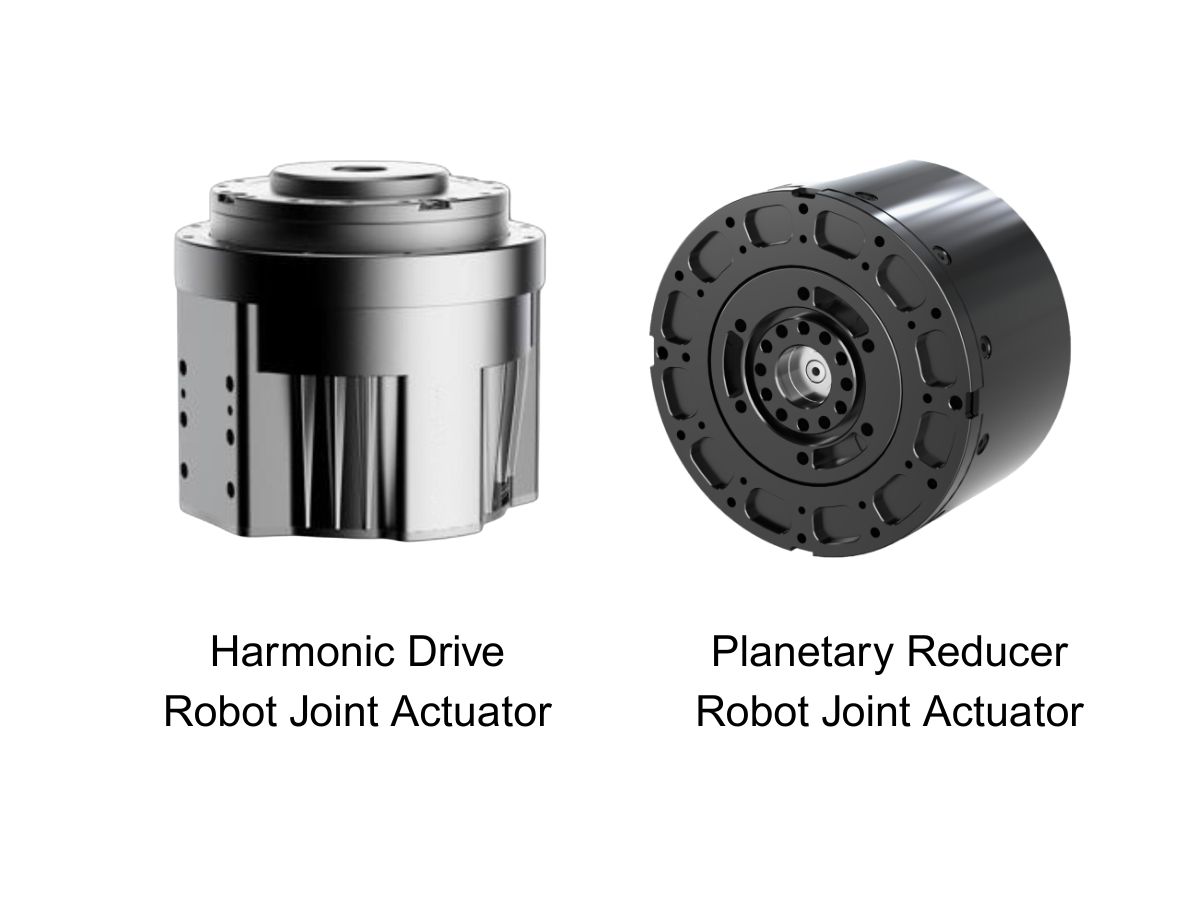
 What is robot joint actuator?How to Choose the Best Robot Rotary Joint Actuator?In core robot joint transmission solutions, planetary and harmonic rotary actuators each have their own strengths. Choosing the right type based on application requirements is essential to achieve the optimal balance between performance and cost.
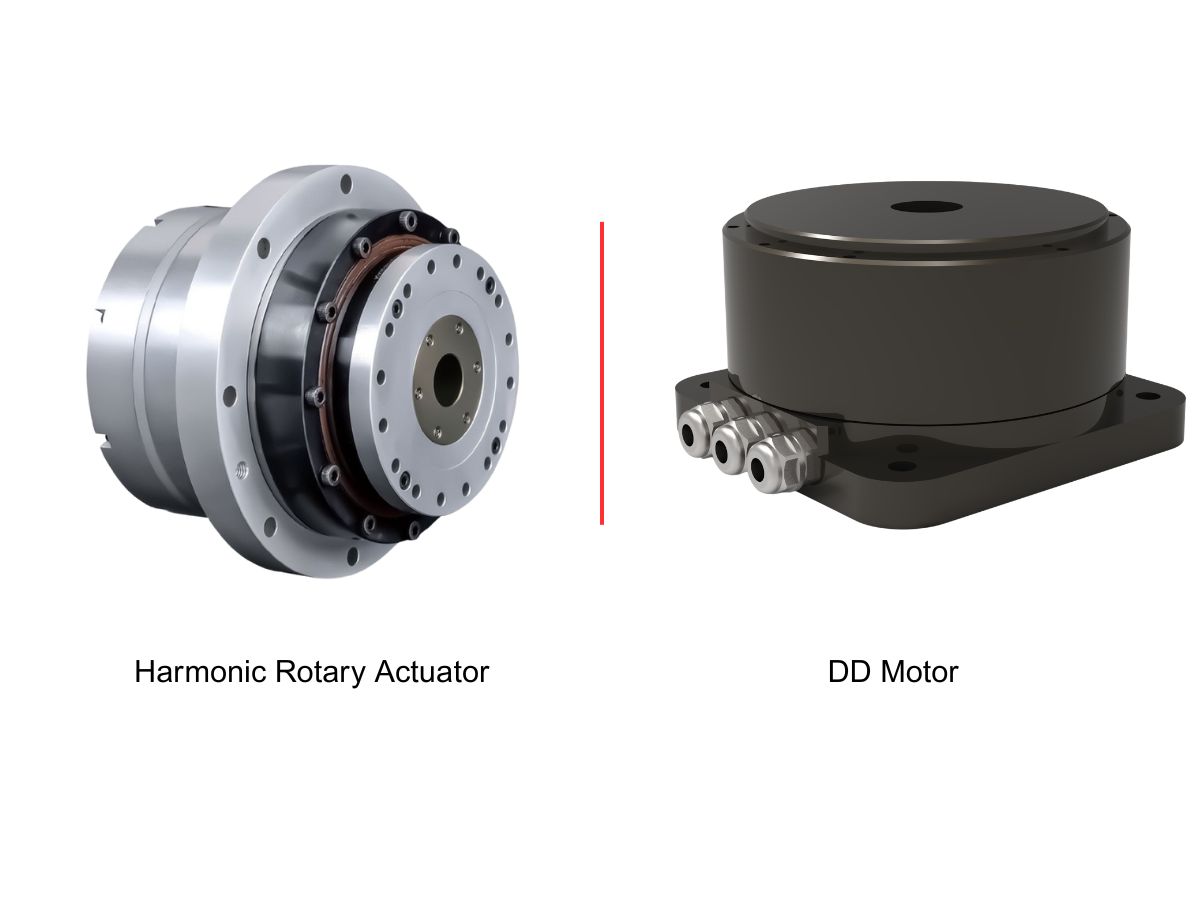
 DD Motors VS Harmonic Rotary ActuatorsThis article provides an in-depth comparison between Direct Drive (DD) motors and harmonic rotary actuators, covering their transmission principles, advantages and disadvantages, and typical application fields.
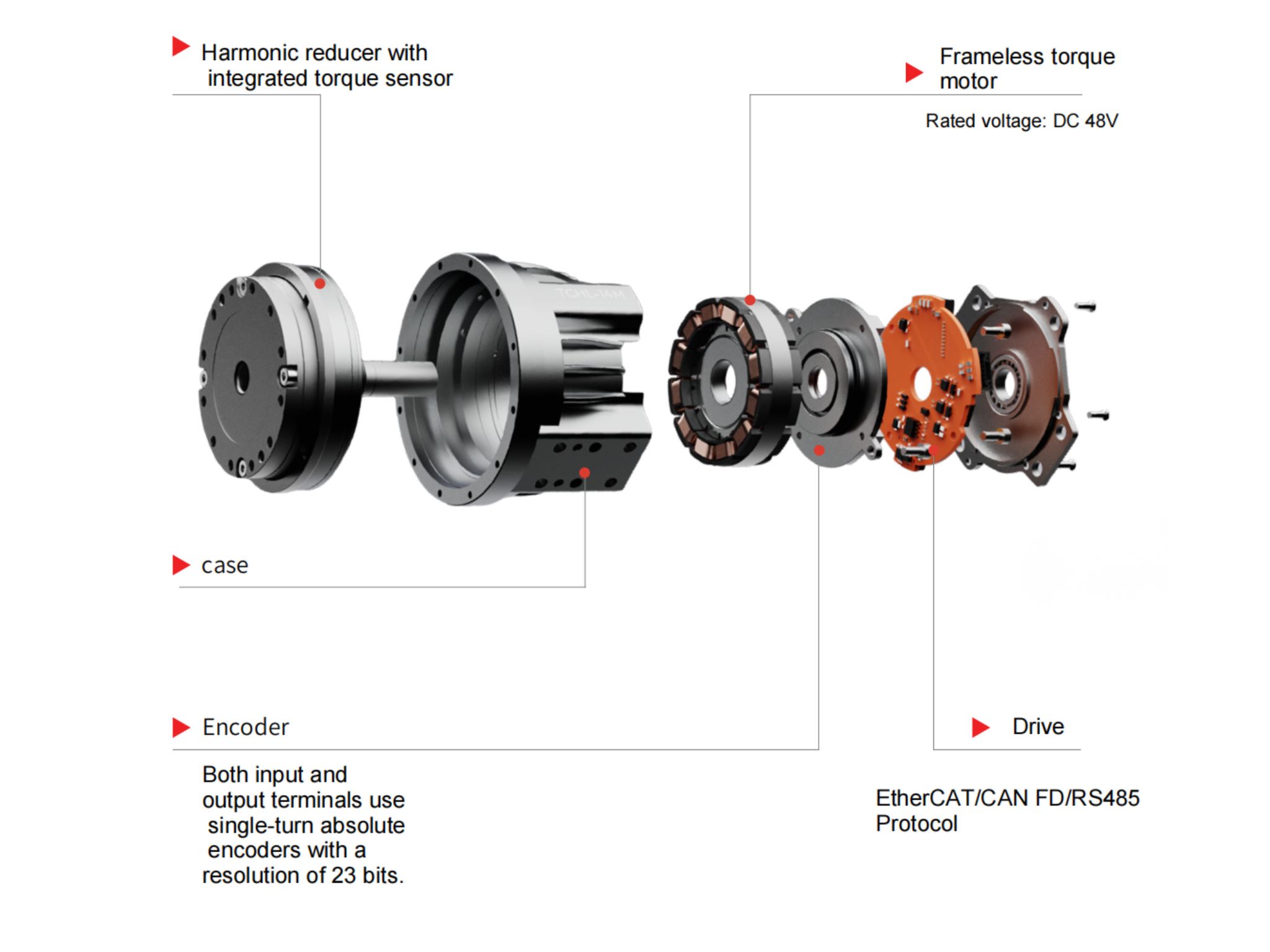
 OMG Ultra Compact Harmonic Drive Joint Module with Built-in Torque SensorHONPINE TCHL series harmonic drive joint module is a game-changing product that achieves disruptive improvements in multiple aspects such as lightweight design, integration level, and connection convenience. This article will analyze its revolutionary enhancements with you.
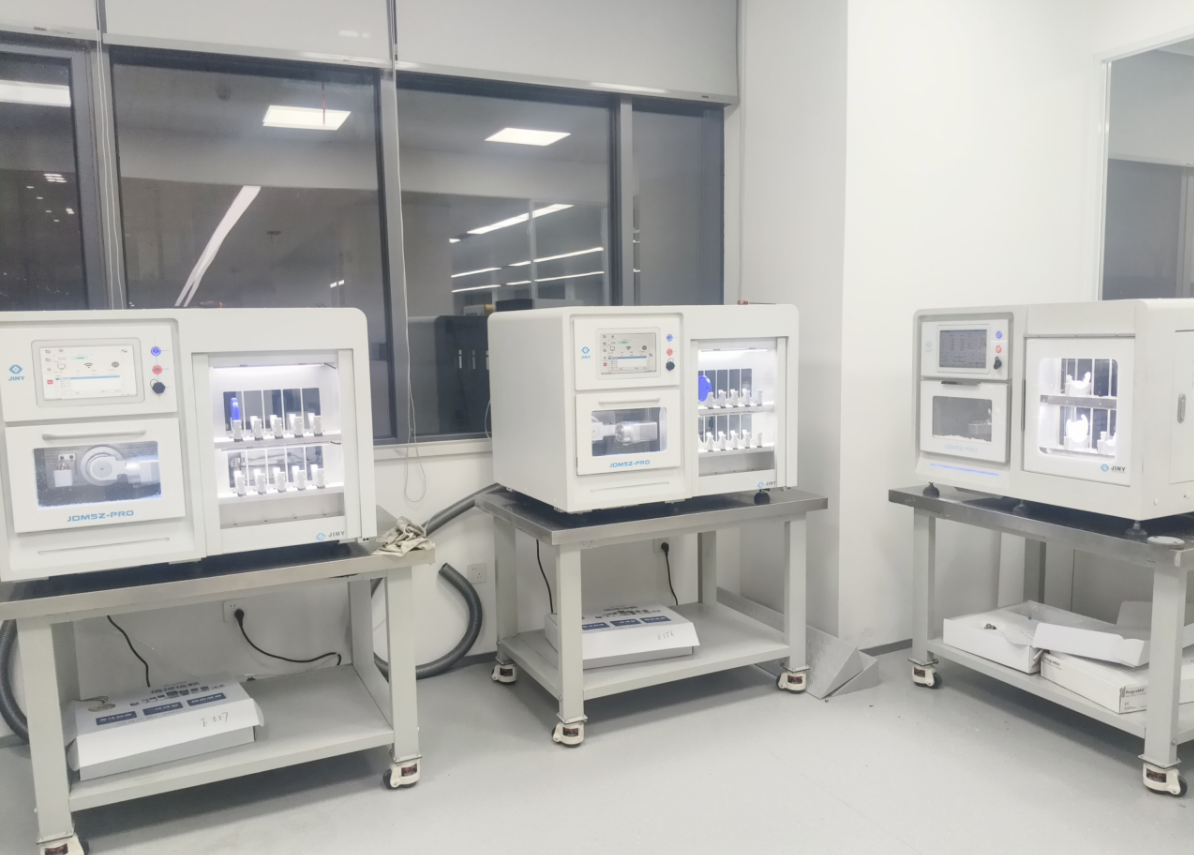
 The Role of Harmonic Drive Gears in Achieving 5–10 μm Accuracy in Dental Milling MachinesA dental milling machine is a CNC machining system used to directly process digital dental models into restorations such as crowns, bridges, veneers, inlays, and implant abutments. Dental milling machines require far higher operational accuracy and motion stability than ordinary equipment. This article explains how harmonic drive gear help dental milling machines achieve stable, continuous, and controllable operation.
 Why Are Harmonic Rotary Actuators Perfect for Medical Equipment?Harmonic rotary actuators (typically integrated systems consisting of a harmonic drive reducer, frameless torque motor, encoder, and optional brake) are regarded as key components in medical equipment. The core reason is that they simultaneously meet the most stringent medical requirements for precision, compact size, safety, and controllability. The following explanation is structured from three perspectives: technical characteristics, application scenarios, and medical value.
 High-Precision RV Reducers Perfectly Matched for Walking RobotsThe walking axis of a robot is a core component for power transmission and support. RV reducers provide extremely high rigidity, precision, and torque while maintaining a compact size and exceptional reliability, making them an ideal match for the demanding requirements of walking robot joints in terms of load capacity, impact resistance, and precision.
![]() CCMT2026 Closes with 37% Rise in Overseas Order IntentionsCCMT2026 drives 37% surge in overseas order intentions — discover how CNC machine tool exporters can leverage localization-based after-sales joint entities for competitive advantage.
CCMT2026 Closes with 37% Rise in Overseas Order IntentionsCCMT2026 drives 37% surge in overseas order intentions — discover how CNC machine tool exporters can leverage localization-based after-sales joint entities for competitive advantage.![]() CCMT2026 Attendance Up 22.7%, Overseas Buyers Rise SharplyCCMT2026 attendance up 22.7% — overseas buyers surge 35%+ from Germany, Mexico & Vietnam. Discover key trends in five-axis machining, harmonic drives & smart tooling.
CCMT2026 Attendance Up 22.7%, Overseas Buyers Rise SharplyCCMT2026 attendance up 22.7% — overseas buyers surge 35%+ from Germany, Mexico & Vietnam. Discover key trends in five-axis machining, harmonic drives & smart tooling. How to Select Robot Joint Modules for Arms, Torso, Head, and Legs in AGV and Humanoid RobotsRobot AGV platforms, lifting legs, folding legs, torso, head, and dual arms each have different functional requirements. Therefore, different types of harmonic gear joint modules and planetary joint modules should be selected accordingly.
 What is a DD Motor? How to Select a DD Motor?DD motor, full name Direct Drive motor, is a motor that directly drives the load without using reduction devices such as gears, belts or ball screws. Its working principle is based on high torque output, allowing it to be directly connected to the moving equipment, thereby eliminating the need for intermediate connection parts such as fasteners, gearboxes and belts.
 How to choose an RV reducer Gearbox?This article will explain the key selection points, advantages and disadvantages, brands and suppliers, as well as the differences between RV reducer gearboxes and harmonic drives.
 How to Select the New HONPINE HAG Harmonic Drive Robot Joint Actuator?The newly launched HONPINE HAG harmonic drive robot joint actuator has attracted widespread attention since its release in March 2026 due to its outstanding performance parameters. This article will explain how to select the HONPINE HAG harmonic drive robot joint actuator.

Double Click
We provide harmonic drive reducer,planetary reducer,robot joint motor,robot rotary actuators,RV gear reducer,robot end effector,dexterous robot hand
![]() SCFI Surges for 5 Weeks; Shanghai-Rotterdam Freight Hits $3,800/FEUMachine tool exporters face rising Shanghai-Rotterdam freight costs ($3,800/FEU) and SCFI surge—learn actionable logistics strategies to protect margins and delivery commitments.
SCFI Surges for 5 Weeks; Shanghai-Rotterdam Freight Hits $3,800/FEUMachine tool exporters face rising Shanghai-Rotterdam freight costs ($3,800/FEU) and SCFI surge—learn actionable logistics strategies to protect margins and delivery commitments. LCSG-40-XXX-RDB-22-55-110-145-M8
 LCSG-40-XXX-RDB-22-55-110-145-M8
 LCSG-32-XXX-RDB-19-40-70-90-M5
 LCSG-32-XXX-RDB-19-40-70-90-M5
 LCSG-32-XXX-RDB-14-30-50-70-M5
 LCSG-32-XXX-RDB-14-30-50-70-M5
 LCSG-25-XXX-RDB-14-30-50-70-M5
 LCSG-25-XXX-RDB-14-30-50-70-M5
 LCSG-25-XXX-RDB-14-30-50-70-M4
 LCSG-25-XXX-RDB-14-30-50-70-M4
 LCSG-25-XXX-RDB-14-30-50-60-M5