

FAIRINO Raises Nearly RMB 1bn; Harmonic Reducer Materials Patent Application Published
A patent application concerning longer-lasting materials for robot joint components was published on October 16, 2026, alongside news that FAIRINO Robotics had completed two financing rounds totaling nearly RMB 1 billion. The supplied information identifies no accompanying change to legislation, technical standards, certification requirements or trade rules. From an industry perspective, the development nevertheless warrants attention from component manufacturers, robot integrators and procurement teams because any future adoption could raise questions about intellectual property, material qualification and evidence supporting service-life claims.
Financing and a New Alloy Steel Application
According to an October 19 report by NetEase News cited in the supplied summary, FAIRINO Robotics completed two financing rounds totaling nearly RMB 1 billion. The summary does not specify when those rounds were completed.
The supplied summary also cites a business-information database showing that the company's patent application, entitled “An Ultra-Long-Life Alloy Steel for Harmonic Reducer Flexsplines and Its Preparation Method and Application,” was published on October 16, 2026. The stated aim is to improve the service life and reliability of core components used in robot joints.
Procurement Specifications Could Become the Practical Point of Change
Material Suppliers and Component Manufacturers
Analysis suggests that, if the proposed material enters supplier discussions, alloy steel suppliers and harmonic reducer manufacturers could face additional requests for material specifications, production records and supporting test results. These would be potential commercial qualification requirements; the supplied information establishes no new mandatory material standard or manufacturing obligation.
Manufacturers considering a related material or process could also review the published application when assessing intellectual property exposure. The announcement alone does not establish the scope of any granted rights or whether a particular manufacturing route would require authorization.
Robot Integrators and Equipment Buyers
From a procurement perspective, the stated durability objective could prompt closer examination of how component performance is documented. Buyers and integrators could seek evidence connecting material properties with the operating conditions relevant to their equipment before changing approved specifications, acceptance criteria or maintenance assumptions.
This is a possible purchasing response, rather than an established change in customer requirements. The supplied information does not confirm customer qualification, revised tender documents or commercial deployment.
Testing Providers and After-Sales Teams
Analysis suggests that testing providers could become involved if manufacturers seek independent evaluation of service-life or reliability claims. After-sales teams could likewise need supporting evidence before adjusting replacement recommendations or warranty terms. No new certification procedure, testing obligation or service commitment is identified in the supplied material.
Four Checks Before Revising Supplier or Delivery Commitments
Establish the Application's Current Legal Status
As a practical review step, companies considering the technology could obtain the published application and verify its current status, relevant claims and any proposed licensing arrangements. Publication should not be treated as evidence of a granted patent, a settled licensing requirement or authorization to use the technology.
Request Evidence Behind the Service-Life Objective
For technical qualification, buyers could request available test methods, operating conditions, comparison criteria and results. The phrase “ultra-long-life” appears in the application title, while the supplied summary provides no measured improvement. Procurement specifications could therefore distinguish the stated development objective from performance demonstrated under relevant conditions.
Assess Whether Existing Approval Documents Need Updating
If a supplier proposes a material substitution, manufacturers and integrators could assess whether their existing approval arrangements call for revised drawings, material declarations, inspection records or further testing. Any need for certification review would depend on the product and applicable requirements; this announcement does not establish such a requirement.
Verify Availability Before Changing Purchase Plans
As a supply-chain precaution, buyers could confirm production readiness, delivery capability and traceability arrangements before incorporating the proposed material into purchase schedules. The financing announcement and application publication do not provide evidence of commercial supply volumes, delivery dates or validated replacement options.
A Technology Disclosure, With No Confirmed Regulatory Shift
Editorial analysis: this development is best understood as a financing event and a published technical proposal with potential intellectual property and procurement implications. The supplied information does not support describing it as the implementation of a new policy, standard, certification regime or trade restriction.
What deserves closer attention is whether subsequent disclosures establish a change in patent status, independently supported performance, supplier qualification or customer acceptance requirements. Those developments could influence how companies draft specifications and allocate validation responsibilities. Their occurrence and timing remain unconfirmed.
Commercial Decisions Should Follow Verified Qualification
From an industry perspective, the announcement provides a reason to monitor material development for harmonic reducer flexsplines and review the evidence needed for adoption. It does not establish that existing procurement, certification or delivery requirements have changed. A proportionate response would be to assess the application and any later technical documentation before revising approved materials, contractual performance commitments or sourcing plans.
Reporting Basis and Details Still to Verify
This article is based solely on the user-provided news title, event date and event summary. The summary attributes the financing report to NetEase News on October 19 and the patent publication information to a business-information database. Specific official source links were not provided in the input, and the underlying records require continued verification.
Further assessment could draw on the published patent record, subsequent company disclosures and any relevant qualification or testing documents made available. Items to monitor include patent status, technical validation, commercial availability, changes to customer tender or acceptance documents, and industry feedback. The supplied information identifies no policy implementation details, certification interpretation or trade-enforcement change for this event.
Read More
Learn more about the story of HONPINE and industry trends related to precision transmission.
 What is robot joint actuator?How to Choose the Best Robot Rotary Joint Actuator?In core robot joint transmission solutions, planetary and harmonic rotary actuators each have their own strengths. Choosing the right type based on application requirements is essential to achieve the optimal balance between performance and cost.
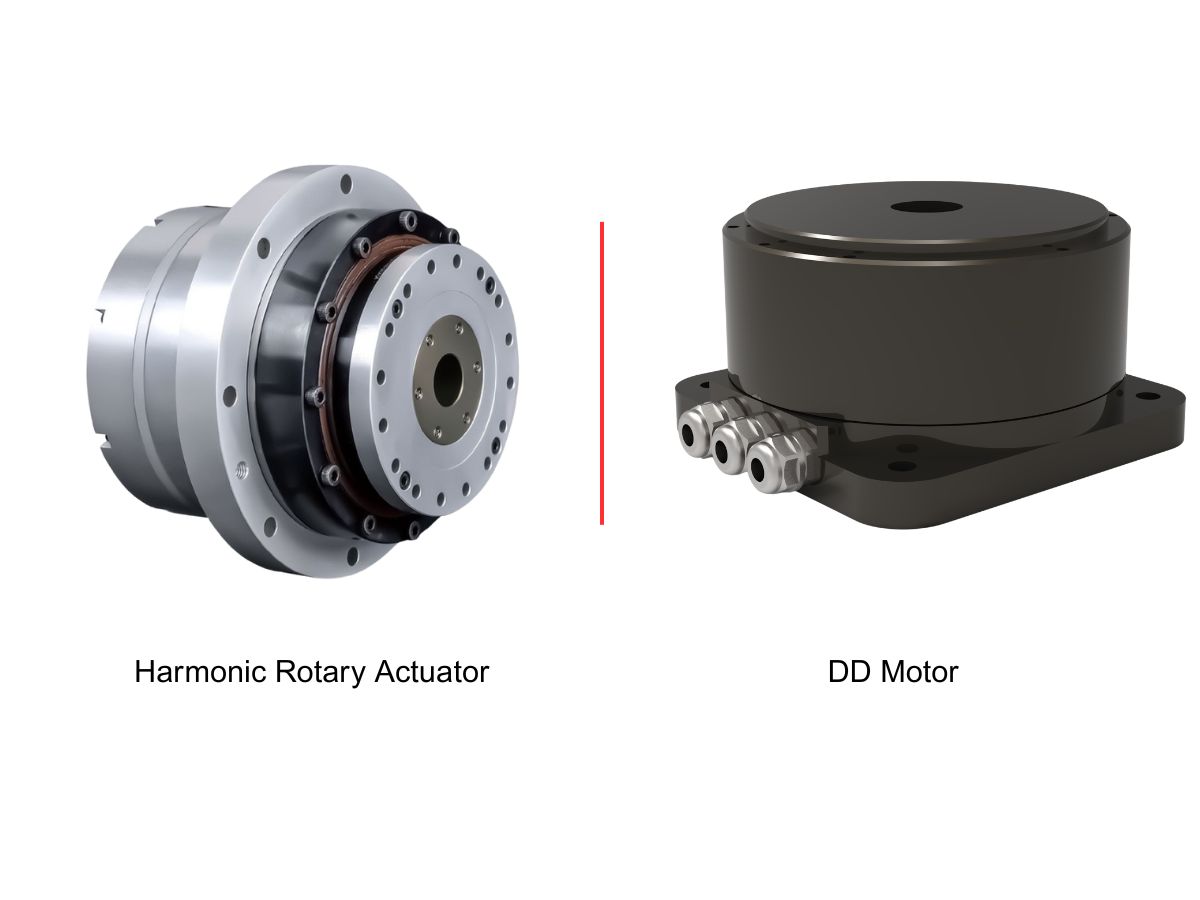
 DD Motors VS Harmonic Rotary ActuatorsThis article provides an in-depth comparison between Direct Drive (DD) motors and harmonic rotary actuators, covering their transmission principles, advantages and disadvantages, and typical application fields.
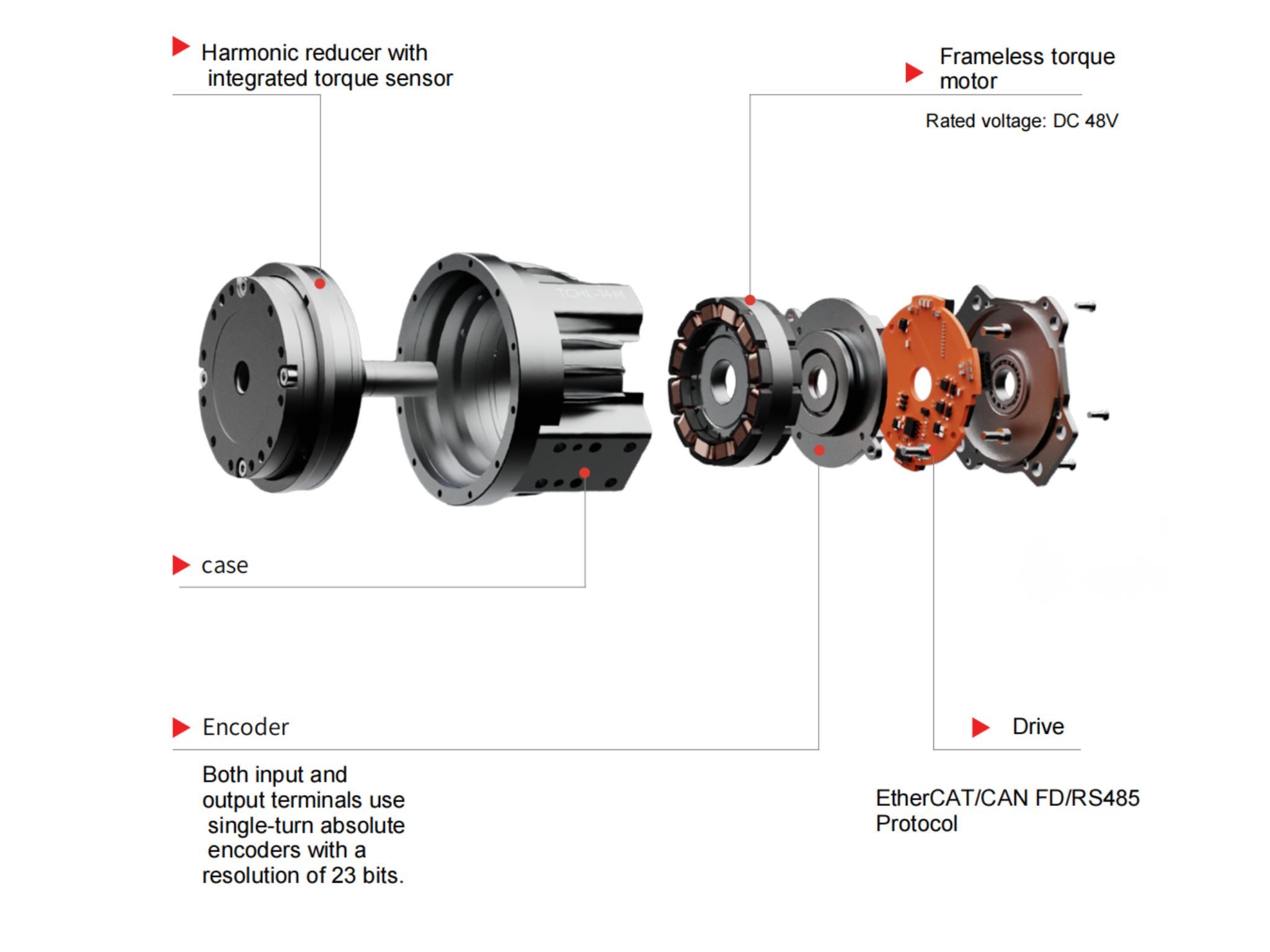
 OMG Ultra Compact Harmonic Drive Joint Module with Built-in Torque SensorHONPINE TCHL series harmonic drive joint module is a game-changing product that achieves disruptive improvements in multiple aspects such as lightweight design, integration level, and connection convenience. This article will analyze its revolutionary enhancements with you.
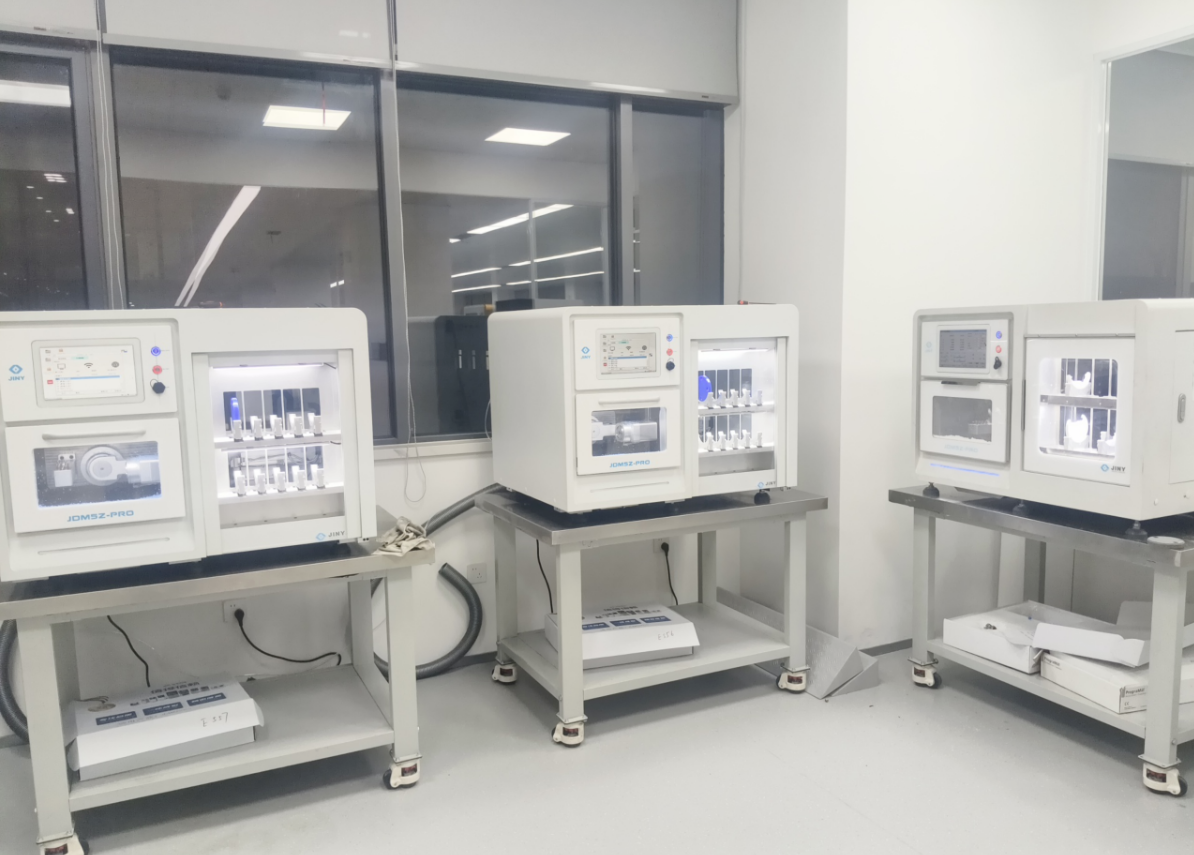
 The Role of Harmonic Drive Gears in Achieving 5–10 μm Accuracy in Dental Milling MachinesA dental milling machine is a CNC machining system used to directly process digital dental models into restorations such as crowns, bridges, veneers, inlays, and implant abutments. Dental milling machines require far higher operational accuracy and motion stability than ordinary equipment. This article explains how harmonic drive gear help dental milling machines achieve stable, continuous, and controllable operation.
 Why Are Harmonic Rotary Actuators Perfect for Medical Equipment?Harmonic rotary actuators (typically integrated systems consisting of a harmonic drive reducer, frameless torque motor, encoder, and optional brake) are regarded as key components in medical equipment. The core reason is that they simultaneously meet the most stringent medical requirements for precision, compact size, safety, and controllability. The following explanation is structured from three perspectives: technical characteristics, application scenarios, and medical value.
 High-Precision RV Reducers Perfectly Matched for Walking RobotsThe walking axis of a robot is a core component for power transmission and support. RV reducers provide extremely high rigidity, precision, and torque while maintaining a compact size and exceptional reliability, making them an ideal match for the demanding requirements of walking robot joints in terms of load capacity, impact resistance, and precision.
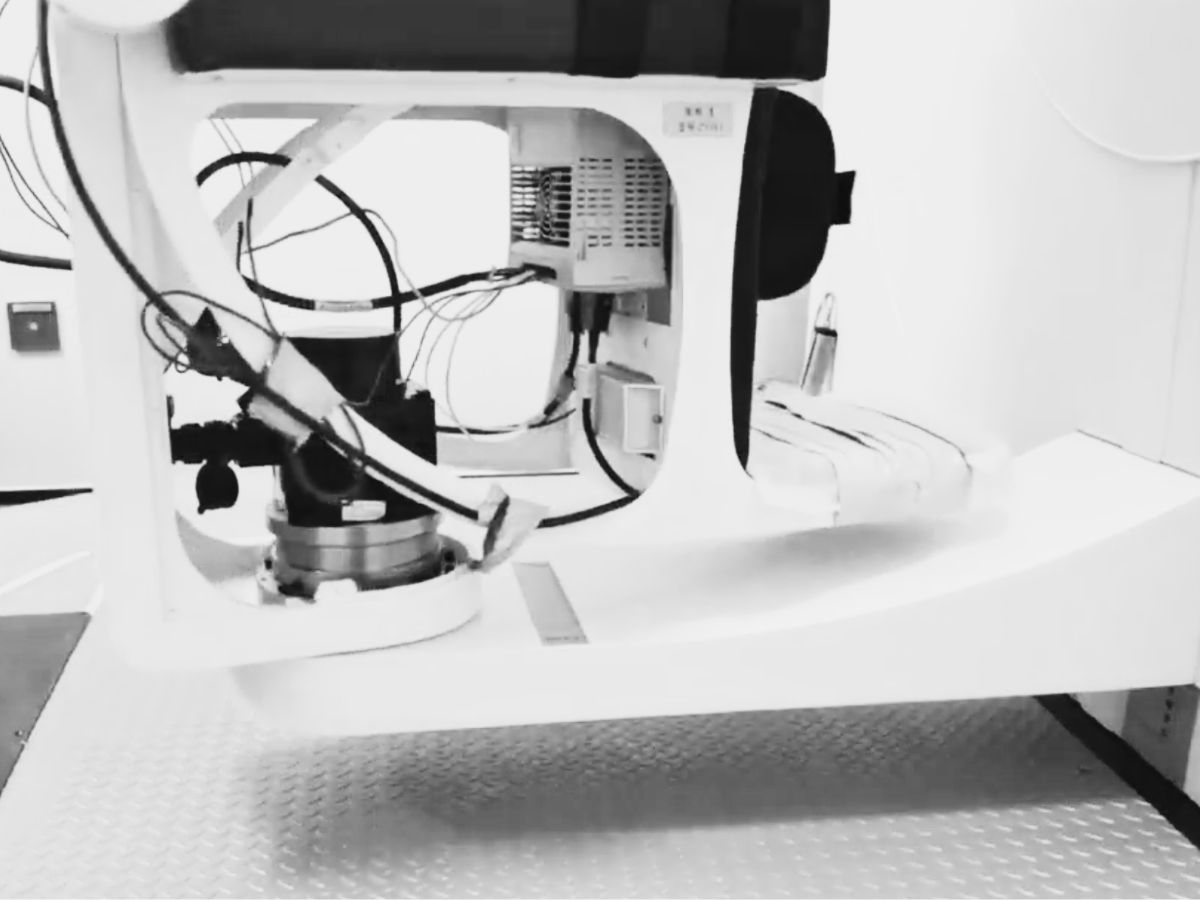
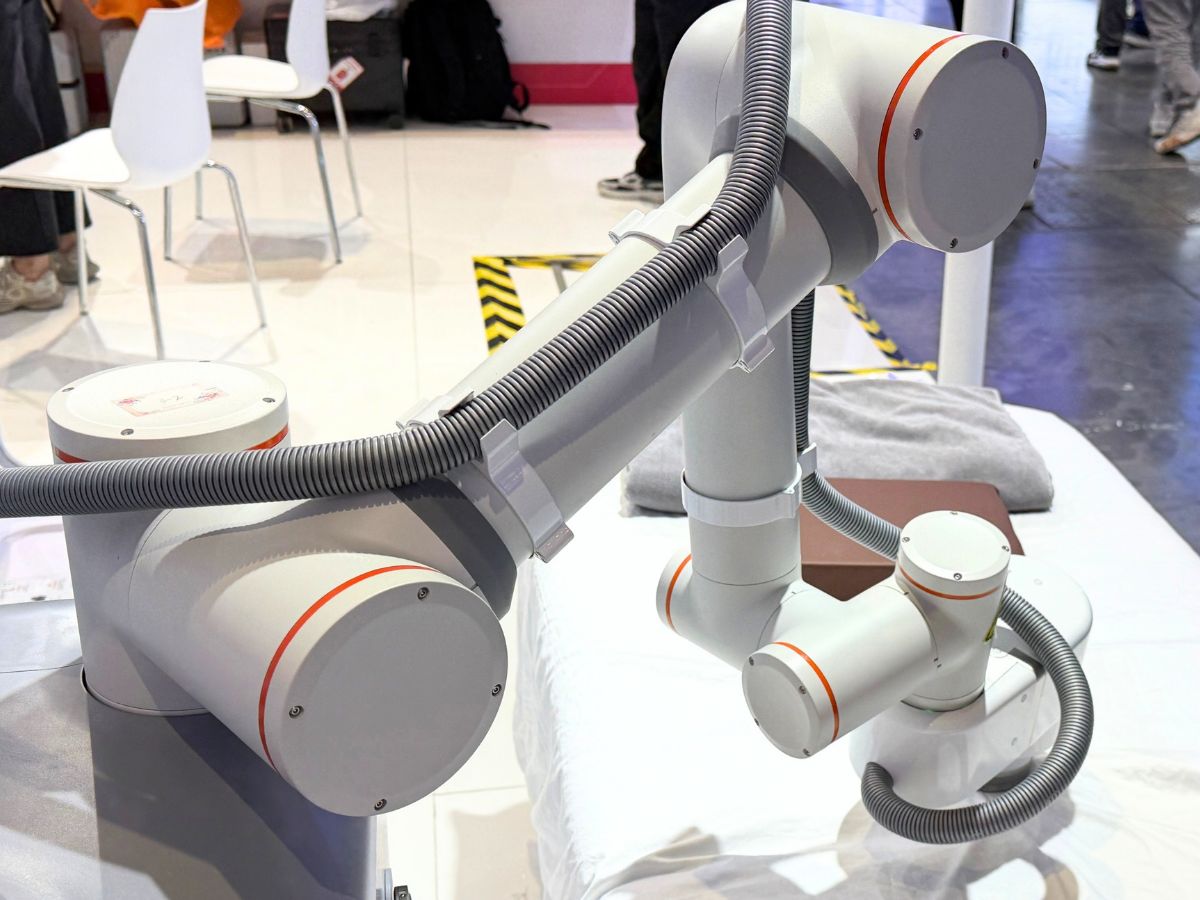
 Why Bedside Physical Therapy Robots Need Force-Controlled Joint Modules?A therapy robot does not sell a robot arm; it sells a force applied to a human body. Pressure, rhythm and depth are the prescription, and position control cannot deliver them: soft tissue is compliant and time-varying, so one position command yields contact forces that differ several-fold between muscle and bone. Force-controlled harmonic joint modules turn contact force into a closed-loop variable - the only way to make dose repeatable, human contact safe and a therapist's technique teachable. Starting from one site photo of a bedside therapy robot, this article reads the configuration, sets out five reasons force control is unavoidable, settles HONPINE's TCHL-versus-HAG choice criterion by criterion, and gives the torque sensor resolution budget that picks the frame sizes.
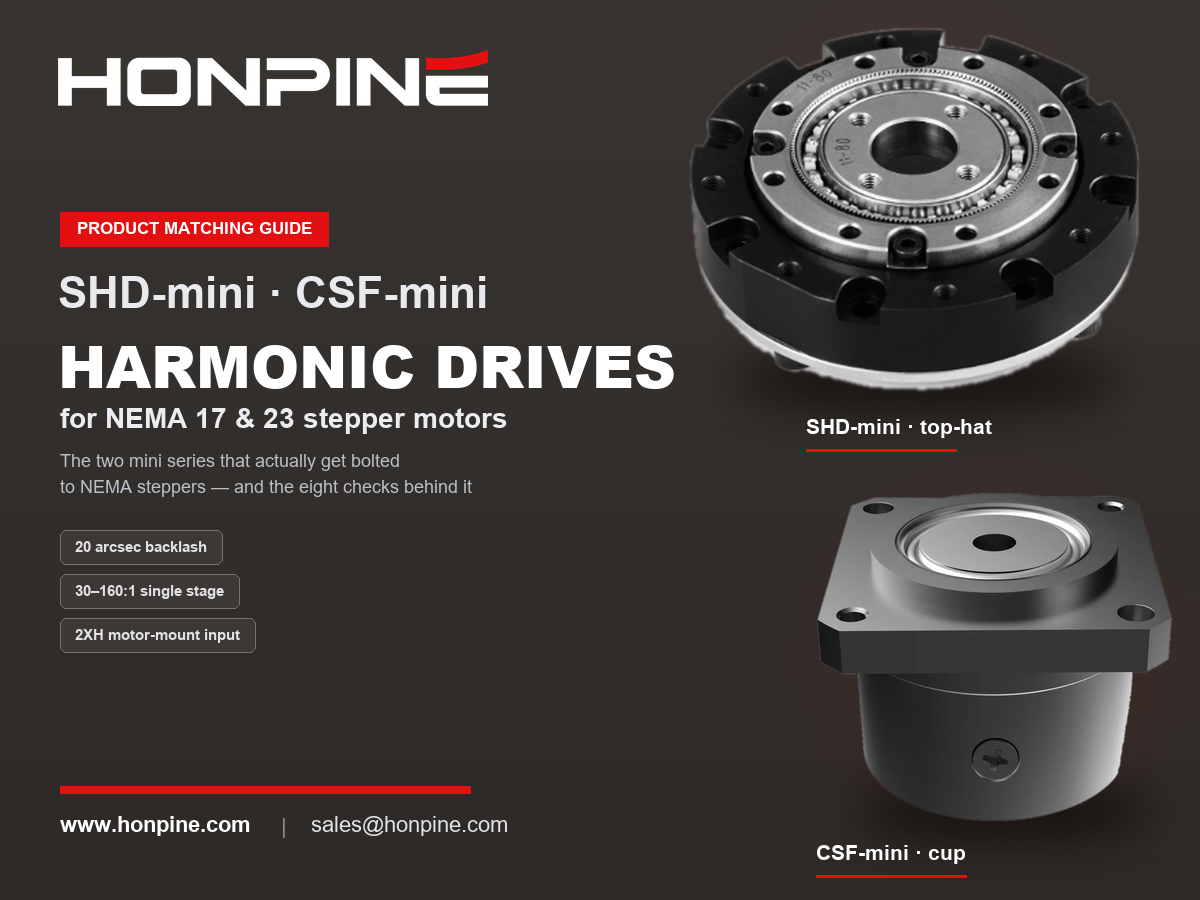
 NEMA 17 & NEMA 23 Harmonic Drive Matching Guide: Pairing Stepper Motors with Harmonic ReducersPairing a stepper motor with a harmonic drive is not a budget compromise. A stepper's weak points — the coarse step angle, torque collapse above roughly 400 rpm, and the lack of a precision transmission — are exactly what a harmonic drive fixes: it pulls the operating point into the low-speed, high-torque sweet spot, refines a 1.8° step angle into arc-second resolution, and delivers near-zero backlash. This guide explains what NEMA frame sizes mean at the mounting interface, which harmonic frames match NEMA 17 and NEMA 23, the eight checks to run in order — including the input-side no-load starting torque most often missed — and the pairing's real weakness: silent failure. Includes HONPINE SHD and CSF specifications.
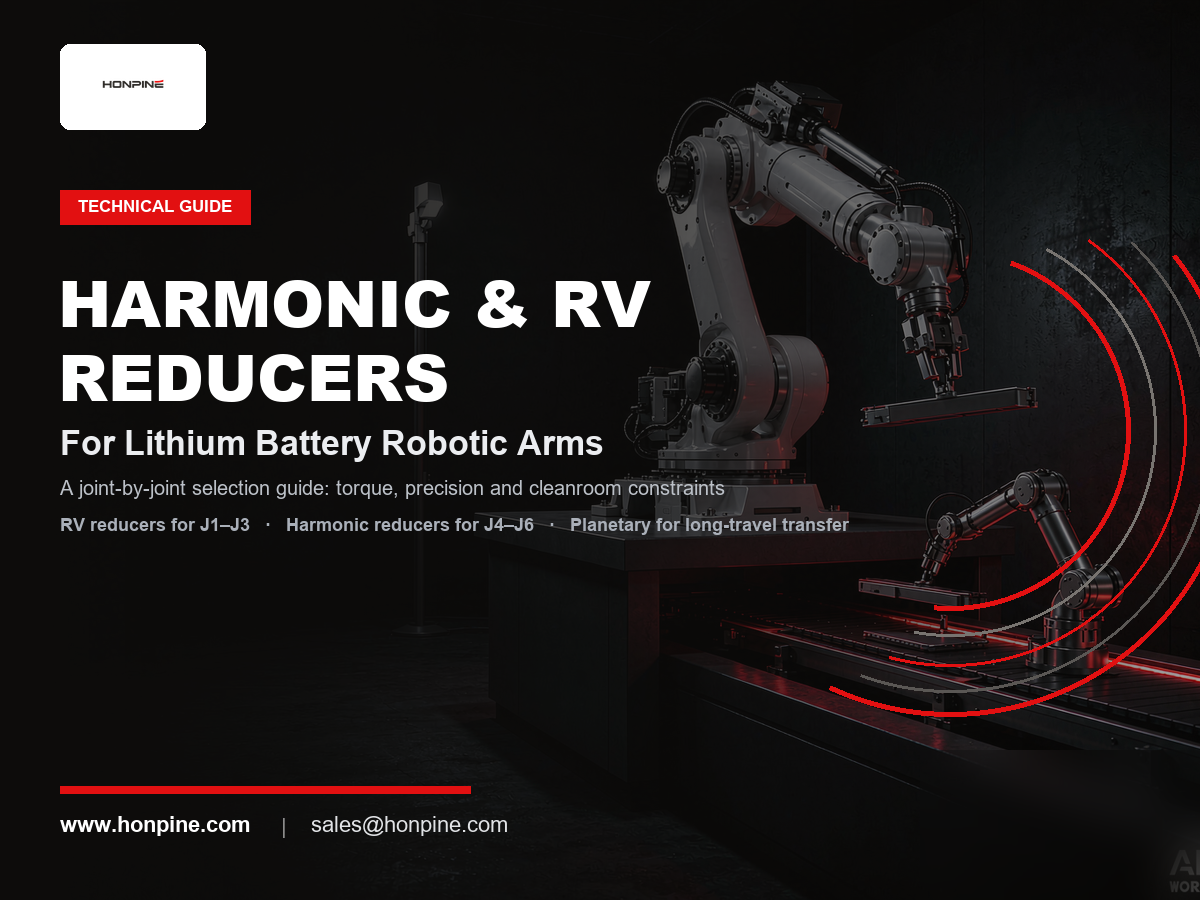
 Harmonic vs. RV Reducers for Lithium Battery Robotic Arms: A Joint-by-Joint Selection GuideIn lithium battery plants, reducer selection for a robotic arm is not about finding one "best" gearbox — it is about dividing work by joint. RV reducers take the shoulder and elbow (J1–J3), where stiffness, shock resistance, and long life matter most; harmonic reducers take the wrist (J4–J6), where near-zero backlash, high torque density, and low weight decide positioning accuracy. Planetary gearboxes cover long-travel Cartesian transfer at lower cost. Lithium battery production then adds three stricter filters: extreme repeatability (±0.02–0.05 mm), 24/7 high-duty cycles, and zero tolerance for metal particle contamination. This guide explains the logic behind joint-by-joint selection, compares the three reducer types, and maps typical configurations for every station.
 How to Choose High-Precision Rotary Actuators for Industrial Automation?High-precision rotary actuators play an important role in industrial automation, where positioning accuracy, repeatability, durability and installation flexibility directly affect equipment performance. HONPINE offers four main series of precision rotary actuators, including HAT, HAM and HAS harmonic rotary actuators and HPG low-backlash planetary actuators. With torque ratings ranging from 4 to 1,494 Nm across the product range, these solutions are designed for applications in semiconductor manufacturing, 3C automation, laser processing and CNC machine tools. Learn how to identify the right rotary actuator based on operating conditions, precision requirements and mechanical integration needs.
 Why Are Harmonic Reducers Suitable for High-Precision Automation Equipment?Precision automation equipment depends on consistent rotary motion, reliable positioning and compact transmission design. From dispensing head orientation and component angular alignment to automated inspection indexing, harmonic reducers offer a practical solution for applications requiring low backlash and high reduction ratios in limited installation space. This article explains how harmonic reducers support repeatable motion, compares key design configurations, and outlines how to select a suitable reduction ratio and reducer structure based on load, speed, accuracy and machine cycle-time requirements.
 Why Are Servo Motors and Gear Reducers an Ideal Match?Servo motors provide fast, precise motion control, while gear reducers adapt their speed and torque to the load. This guide explains how servo motors and gear reducers work together through torque multiplication, reflected inertia reduction and finer theoretical position resolution. Learn how inertia matching, backlash, torsional stiffness and reduction ratio influence performance in robotics and industrial automation.

Double Click
We provide harmonic drive reducer,planetary reducer,robot joint motor,robot rotary actuators,RV gear reducer,robot end effector,dexterous robot hand
![]() Wuhan’s Taiyi Servo Drive Chip Applied in Robot Joints in ShenzhenTaiyi servo drive chip powers robot joints in Shenzhen with over 4 kW instantaneous output and over 30% lower switching losses. Discover what this means for robot joint design.
![]() FAIRINO Raises Nearly RMB 1bn; Harmonic Reducer Materials Patent Application PublishedFAIRINO Robotics raises nearly RMB 1bn as a harmonic reducer materials patent application is published. Explore what buyers should verify on durability, IP and supplier qualification.
![]() 23rd China (Yuhuan) International Machine Tool Exhibition Opens October 23Explore the 23rd China (Yuhuan) International Machine Tool Exhibition, October 23–26, 2026. Discover CNC machine tools and automation solutions to match your production needs.
![]() 140th Canton Fair First Phase Closes After Showcasing CNC Machine ToolsExplore CNC machine tools at the 140th Canton Fair, from precision cutting to robotic arms and industrial 3D printing. Discover capabilities to assess for your production needs.
![]() Metal-Cutting Machine Tool Output Rises 12.5% to 80,000 Units in September 2026Metal-cutting machine tool output rose 12.5% to 80,000 units in September 2026. Explore production trends and potential implications for equipment suppliers and manufacturing demand.
 China Tightens Export Filing for CNC Machine ToolsCNC machine tools exporters and buyers should prepare now: China tightens export filing for lathes, milling and grinding machines from June 30, 2026, raising compliance and customs demands.
 Japan Tightens Export Review for High-End Five-Axis Machine ToolsFive-axis CNC machine tools face stricter Japan export review from August 16, 2026. Learn how longer approvals may disrupt supply, procurement, and sourcing strategy.
 Japan Tightens Approvals for High-End Five-Axis ExportsFive-axis CNC machine tool exports from Japan face tighter approvals, longer lead times, and higher risk. Learn how this shift impacts buyers, distributors, and supply chains.
 China Curbs Dual-Use Exports to 14 EU EntitiesChina curbs dual-use exports to 14 EU entities, disrupting CNC machine tool supply chains, servo motor sourcing, and compliance planning. Learn the immediate risks and actions now.
 UL 1604:2026 Tightens Dust Rules for Robot Joint MotorsUL 1604:2026 Tightens Dust Rules for Robot Joint Motors with new dust-environment, temperature-group, and IP6X checks. Learn how this impacts OEM exports, sourcing, and certification planning.
 EU EN IEC 61800-3:2025 Takes Effect for Harmonic DrivesEN IEC 61800-3:2025 reshapes EU EMC compliance for harmonic drives. Learn how CE marking, Class A/B testing, certification, and delivery timelines may impact exporters and buyers.
 EU Mandates EMC Testing for Harmonic Drive ReducersHarmonic drive reducers face new EU EMC testing rules from Aug 1, 2026. Learn how the mandate impacts packaging machinery exports, compliance, customs clearance and market access.