








TUV Rheinland Tightens Class 4 Laser Safety Rules
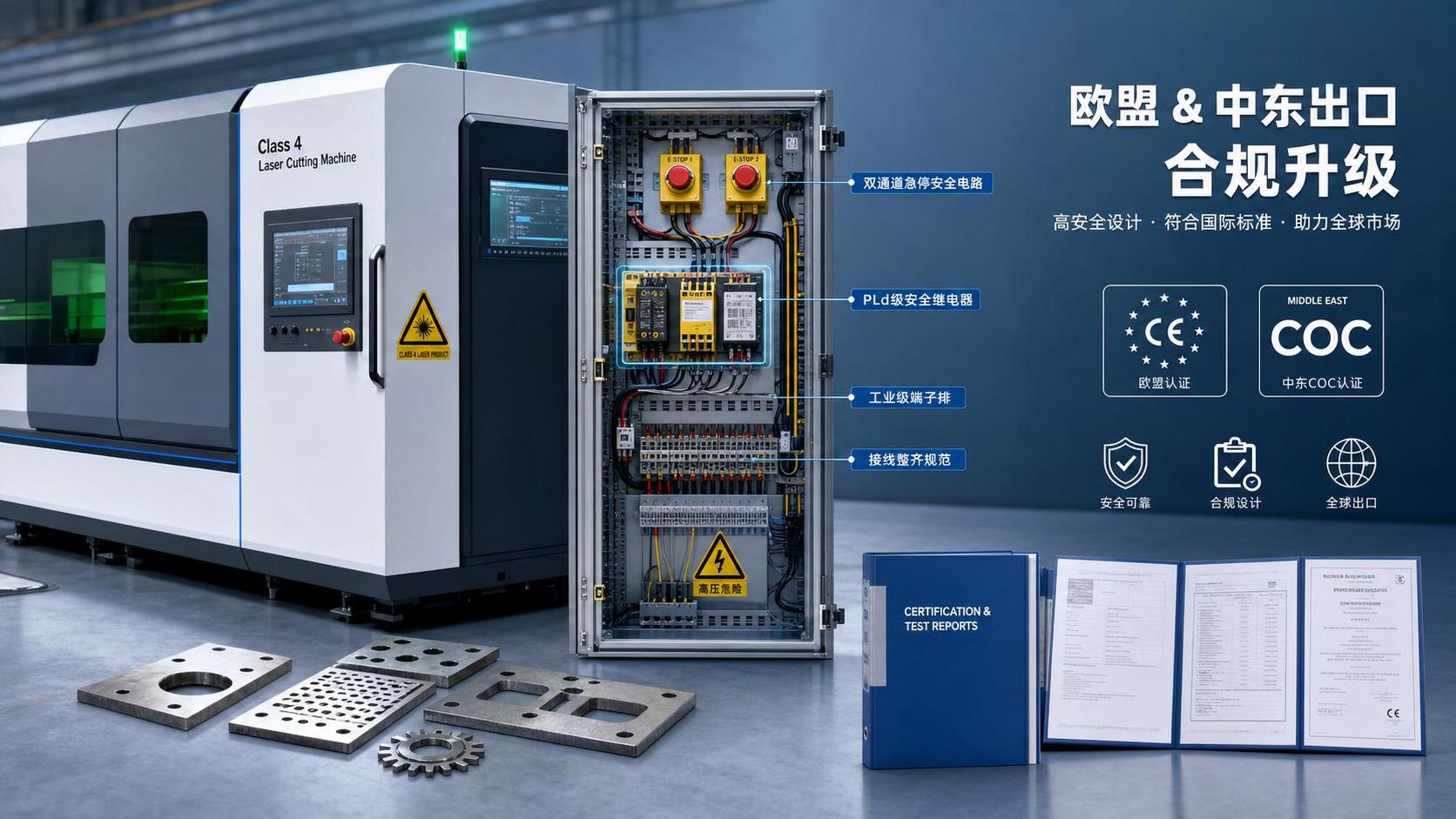
On October 1, 2026, an updated laser safety requirement from TUV Rheinland takes effect for Class 4 industrial laser cutting equipment sold into the EU and Middle East markets. Based on Technical Bulletin TB-LASER-2026-06, issued on June 26, 2026, the change requires dual-channel emergency stop circuits and safety relays meeting ISO 13849-1 PLd. This is worth close attention from equipment manufacturers, exporters, electrical design teams, certification partners, and buyers because it directly touches product configuration, compliance review, and the route to third-party type approval.
What the bulletin now requires
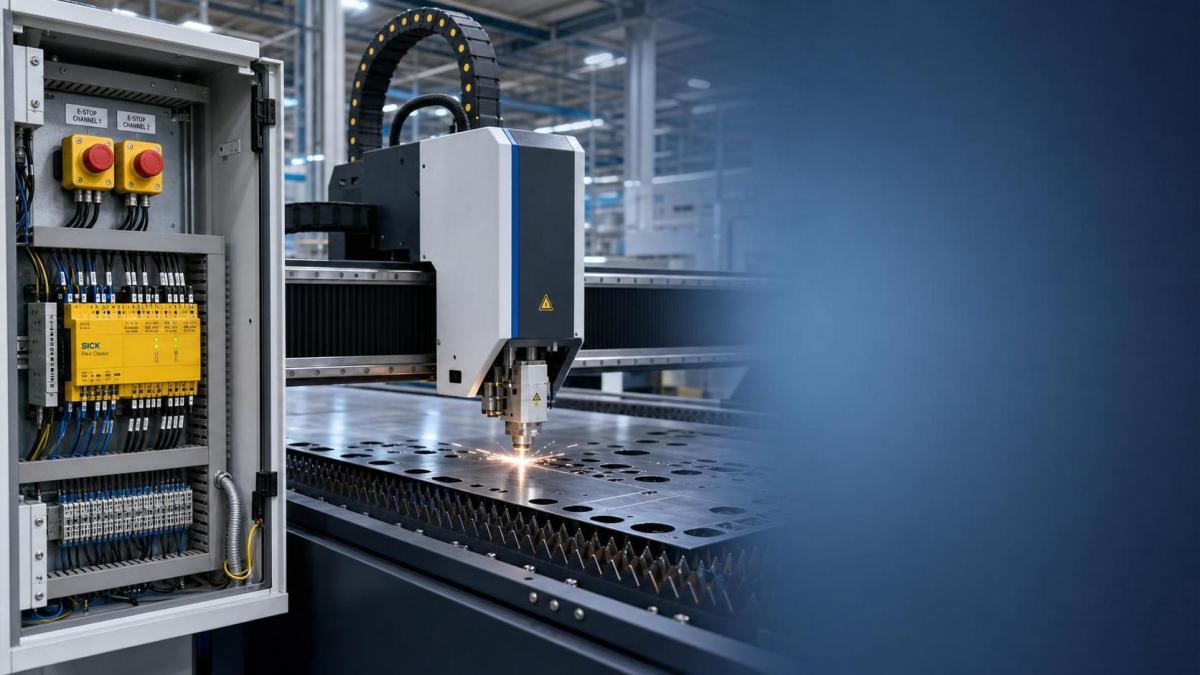
The confirmed information is limited but clear. TUV Rheinland issued Technical Bulletin TB-LASER-2026-06 on June 26, 2026. For Class 4 industrial laser cutting equipment intended for the EU and Middle East markets, the bulletin makes dual-channel emergency stop circuitry mandatory from October 1, 2026. It also requires the use of safety relays that comply with the PLd level under ISO 13849-1. The update is described as affecting the electrical safety design of domestically manufactured high-power equipment and the path for third-party type certification.
Where the pressure is likely to appear first
Equipment exporters serving the EU and Middle East
From an industry perspective, exporters are likely to feel the impact first because the requirement is tied to destination markets rather than only to internal factory practice. The main pressure point is whether existing Class 4 product configurations for those markets already align with the new emergency stop and safety relay requirements. What deserves closer attention is the risk of mismatch between current export models and the compliance expectations applied after October 1, 2026.
Electrical design and control system teams
Analysis shows that the requirement is not limited to a label or document update. It points directly to safety circuit architecture. For design and engineering teams, the likely impact sits in control cabinet design, component selection, and safety logic validation. The practical question is whether current designs can support dual-channel emergency stop implementation and PLd-level relay selection without altering broader electrical layouts or certification documentation.
Third-party certification and market entry workflows
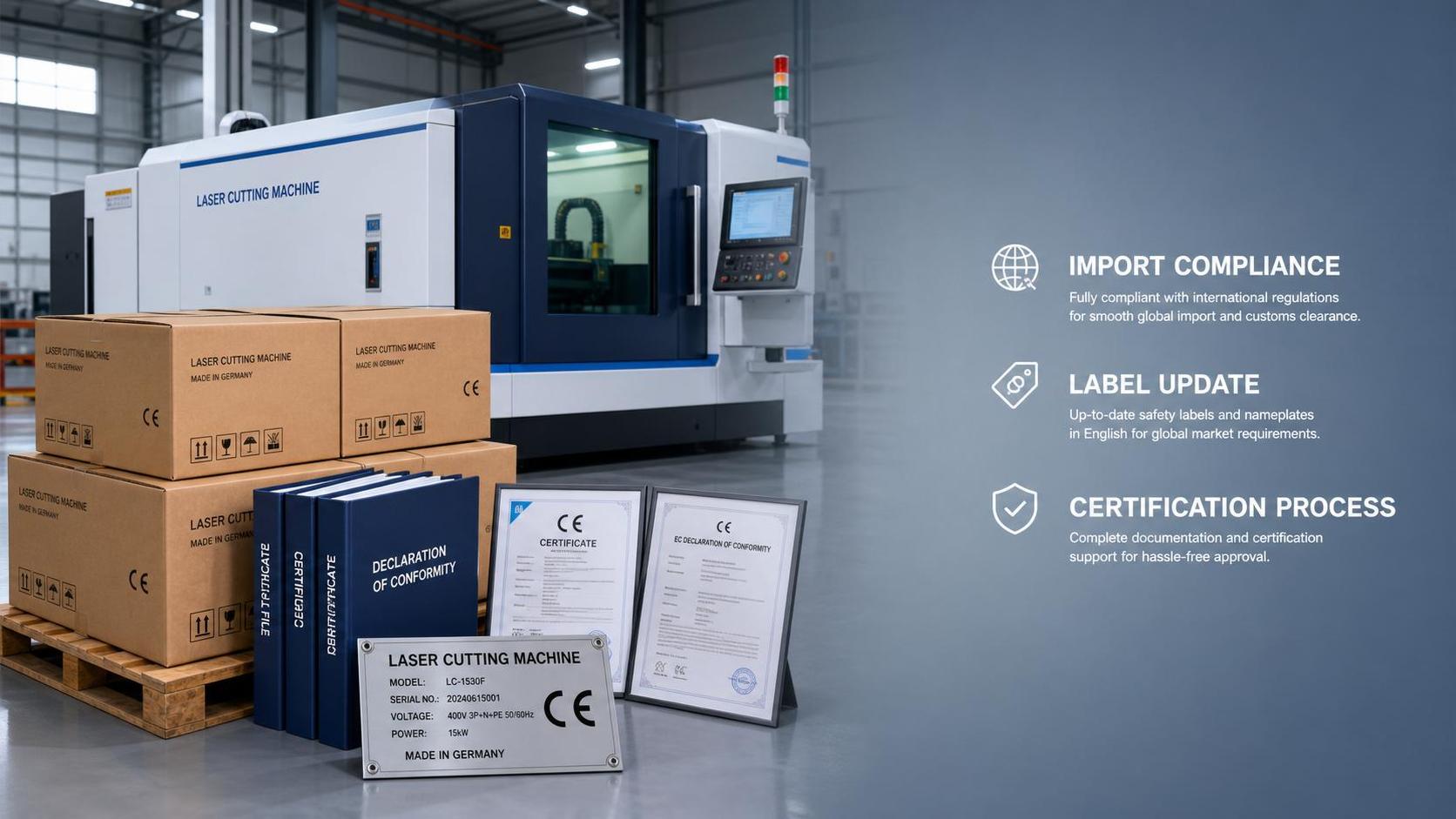
Observably, the update also matters to certification planning because the bulletin is described as influencing the third-party type approval path. For compliance managers and service providers, this means certification schedules, submission materials, and technical file preparation may need closer review. The key issue is not only hardware readiness, but whether product evidence aligns with the revised assessment expectation for the affected markets.
Buyers and project-side procurement teams
For procurement teams sourcing Class 4 industrial laser cutting equipment for the EU or Middle East, the impact is likely to appear in technical confirmation and delivery coordination. What deserves closer attention is whether quoted configurations, approved drawings, and supplier commitments reflect the post-October 1 requirement, especially where projects span design freeze, factory acceptance, and shipment windows.
What companies should review now
Separate confirmed requirements from internal assumptions
Analysis shows that companies should first anchor their review in the confirmed scope: Class 4 industrial laser cutting equipment for the EU and Middle East markets, dual-channel emergency stop circuits, PLd-level safety relays under ISO 13849-1, and the October 1, 2026 effective date. Internal interpretations beyond those points should be treated as working assumptions until further official wording is checked.
Check model-by-model impact on export configurations
What deserves closer attention is whether the affected requirement applies evenly across all export models or only across a defined Class 4 product range within a company portfolio. For manufacturers and traders, the practical step is to review model lists, target markets, and current electrical safety configurations so that compliance discussions are tied to specific equipment rather than handled in broad terms.
Revisit certification timing and document readiness
Observably, the stated effect on third-party type certification means document control becomes a business issue, not just a technical one. Companies should review whether technical files, component specifications, circuit descriptions, and certification submissions are consistent with the new requirement before market delivery milestones are locked in.
Prepare for supplier and customer communication
From an industry perspective, supplier qualification and customer-facing clarification will matter if a current design needs adjustment. The issue is less about generic risk management and more about avoiding confusion over configuration status, compliance scope, and delivery commitments in the affected markets.
How this update is best understood at this stage
As an editorial observation, this development is more appropriate to understand as a concrete compliance change with broader signaling value. The confirmed requirement itself is specific and time-bound, but the wider industry meaning lies in what it suggests about expectations around electrical safety architecture for high-power Class 4 laser equipment entering regulated export markets. At the same time, this should not be overstated into a wider market conclusion beyond the information provided. Further interpretation still depends on how companies, certification bodies, and market participants apply the bulletin in practice.
A near-term compliance issue with longer-term implications
In summary, the immediate significance of this update is practical: affected Class 4 industrial laser cutting equipment for the EU and Middle East markets must meet a clearer emergency stop and safety relay requirement from October 1, 2026. Analysis shows the larger relevance is that electrical safety design and certification preparation are becoming more tightly connected in export-facing equipment decisions. At present, it is more appropriate to read this as both a short-term implementation requirement and a longer-term signal that compliance detail will carry more weight in market access.
Basis of this article and points to keep tracking
This article is based on the user-provided news title, event date, and event summary. Source types commonly relevant to this kind of update include official notices, company announcements, industry association releases, authoritative media reporting, and standards-related documents. A specific official source link was not provided in the input, so continued verification is still necessary. The main follow-up points to monitor are any further official wording around scope, certification application, and practical implementation for affected Class 4 industrial laser cutting equipment.
Read More
Learn more about the story of HONPINE and industry trends related to precision transmission.
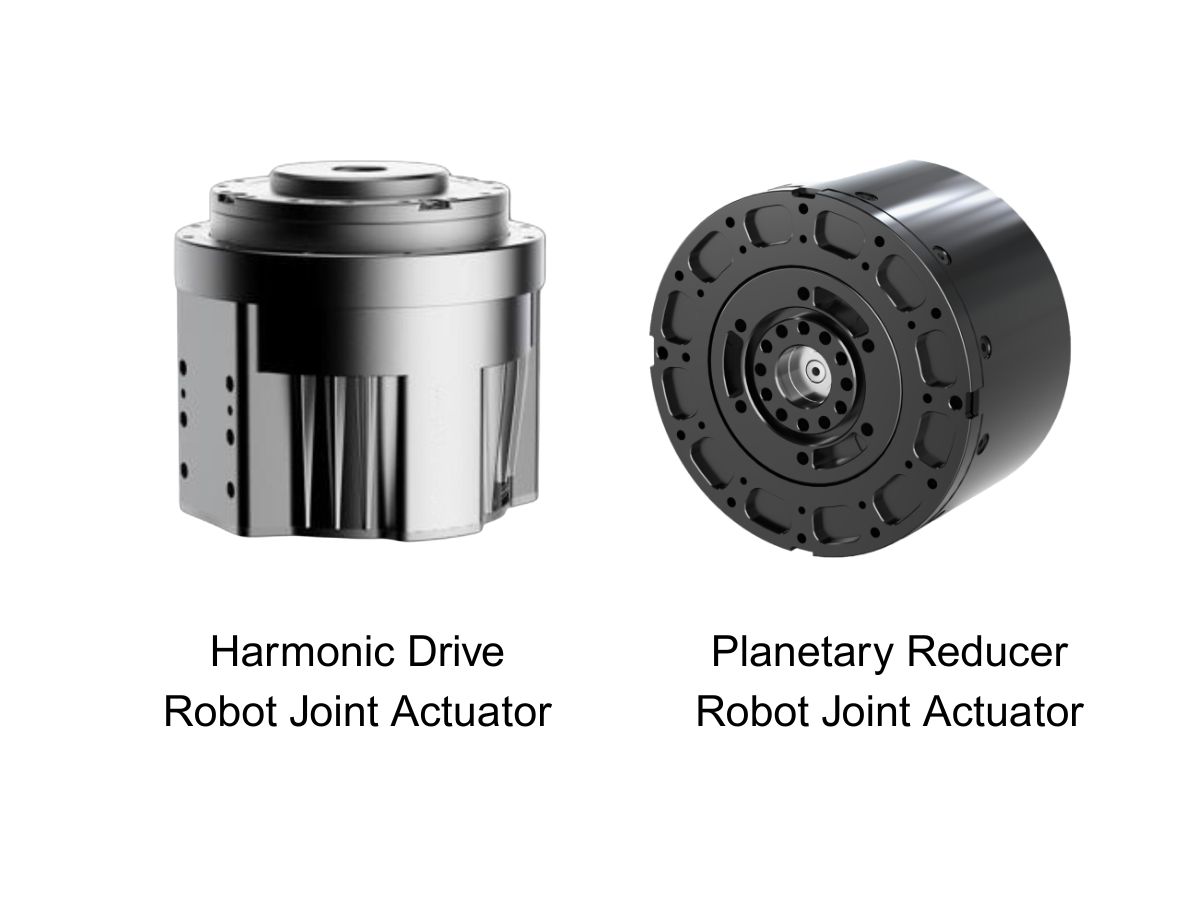
 What is robot joint actuator?How to Choose the Best Robot Rotary Joint Actuator?In core robot joint transmission solutions, planetary and harmonic rotary actuators each have their own strengths. Choosing the right type based on application requirements is essential to achieve the optimal balance between performance and cost.
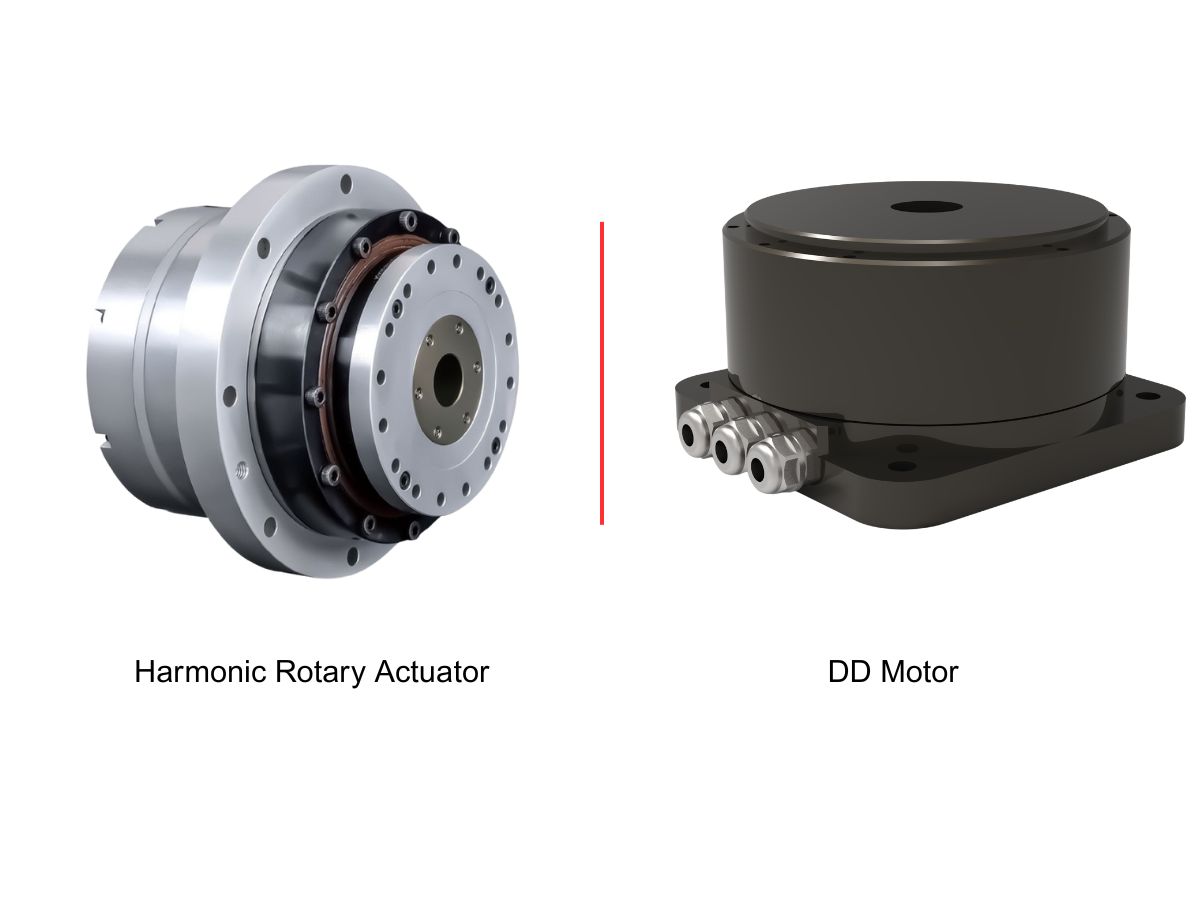
 DD Motors VS Harmonic Rotary ActuatorsThis article provides an in-depth comparison between Direct Drive (DD) motors and harmonic rotary actuators, covering their transmission principles, advantages and disadvantages, and typical application fields.
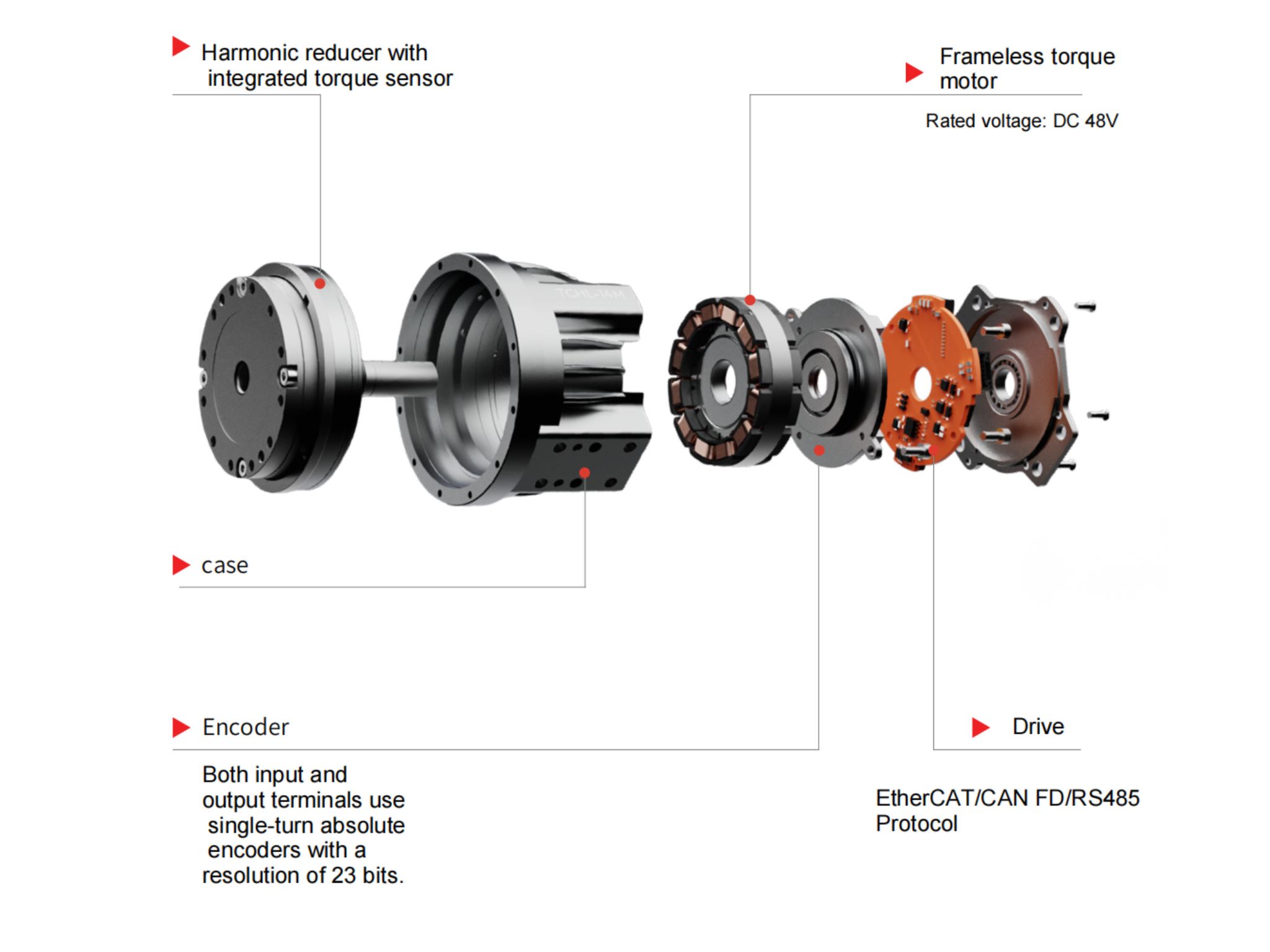
 OMG Ultra Compact Harmonic Drive Joint Module with Built-in Torque SensorHONPINE TCHL series harmonic drive joint module is a game-changing product that achieves disruptive improvements in multiple aspects such as lightweight design, integration level, and connection convenience. This article will analyze its revolutionary enhancements with you.
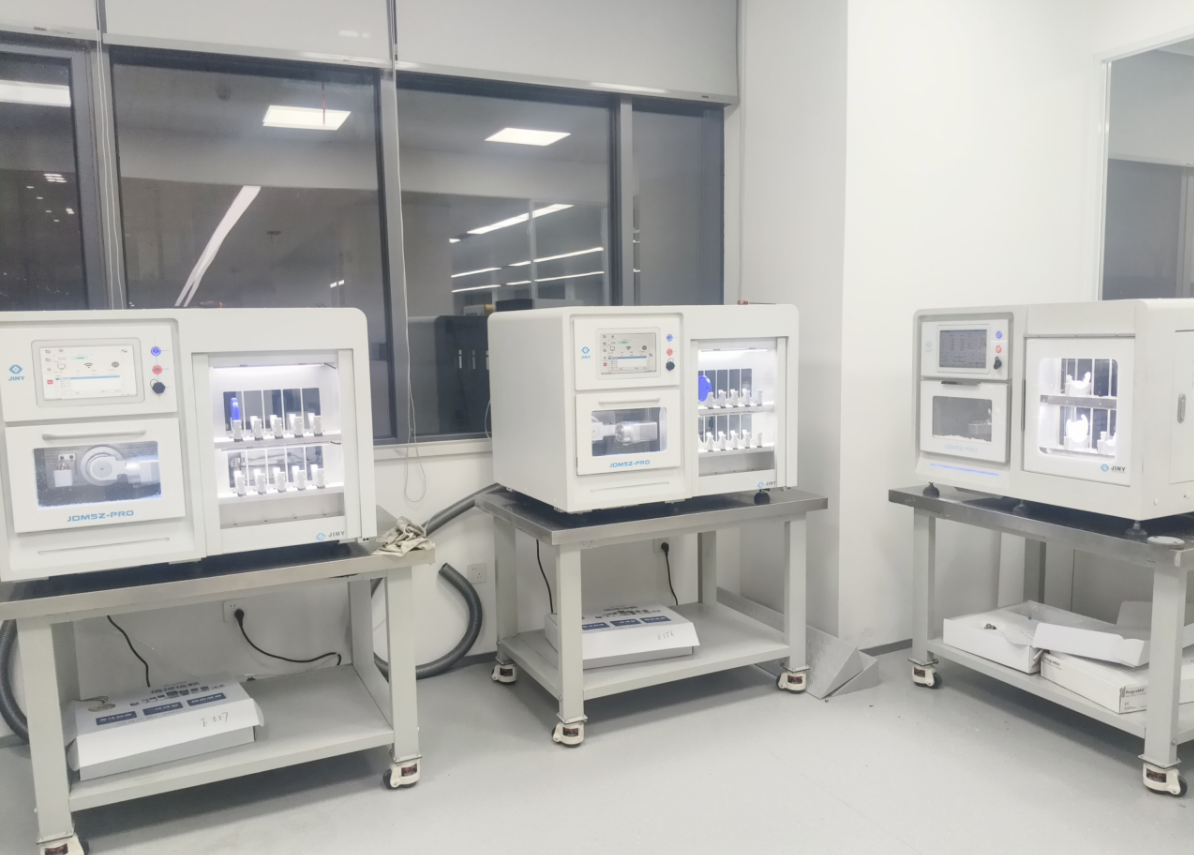
 The Role of Harmonic Drive Gears in Achieving 5–10 μm Accuracy in Dental Milling MachinesA dental milling machine is a CNC machining system used to directly process digital dental models into restorations such as crowns, bridges, veneers, inlays, and implant abutments. Dental milling machines require far higher operational accuracy and motion stability than ordinary equipment. This article explains how harmonic drive gear help dental milling machines achieve stable, continuous, and controllable operation.
 Why Are Harmonic Rotary Actuators Perfect for Medical Equipment?Harmonic rotary actuators (typically integrated systems consisting of a harmonic drive reducer, frameless torque motor, encoder, and optional brake) are regarded as key components in medical equipment. The core reason is that they simultaneously meet the most stringent medical requirements for precision, compact size, safety, and controllability. The following explanation is structured from three perspectives: technical characteristics, application scenarios, and medical value.
 High-Precision RV Reducers Perfectly Matched for Walking RobotsThe walking axis of a robot is a core component for power transmission and support. RV reducers provide extremely high rigidity, precision, and torque while maintaining a compact size and exceptional reliability, making them an ideal match for the demanding requirements of walking robot joints in terms of load capacity, impact resistance, and precision.
 Automate 2026 Sends a New Signal: Humanoid Robots Enter the Era of AccountabilityAUTOMATE is the leading industrial automation and robotics exhibition in North America. Organized by the Association for Advancing Automation (A3), it is widely recognized as a global benchmark event in the automation industry.
 Thailand Industrial Show Opens With Smart Manufacturing FocusAutomation production line insights from the Thailand Industrial Show: explore smart manufacturing trends, energy storage EOL testing, and automotive module assembly opportunities in Southeast Asia.
 Transmission Accuracy Analysis of Integrated Robot Joint Modules: Key Error Factors and Optimization Methods for High-Precision RoboticsThis article focuses on the transmission accuracy of integrated robot joint modules, which are core actuators in industrial robots and humanoid robotic systems. The module integrates a servo motor, precision reducer, and control system into a compact structure, significantly improving motion efficiency, stiffness, and positioning accuracy.
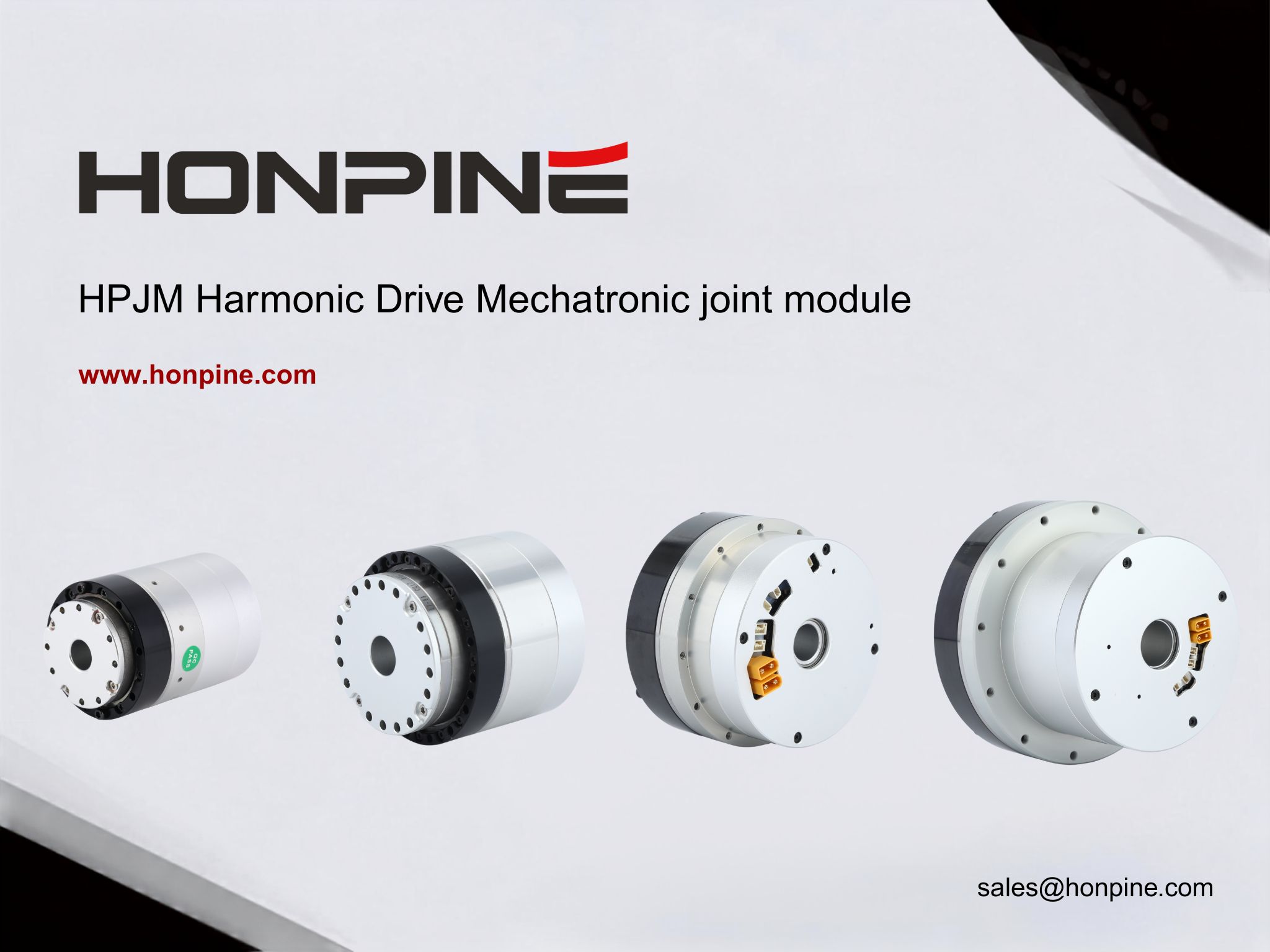
 HONPINE 2026 Star Product – HPJM Mechatronic Joint Module SeriesHello everyone,
I’m Allen, Founder of HONPINE. In this article, I would like to introduce HONPINE’s flagship product for 2026—the HPJM Mechatronic Joint Module Series.
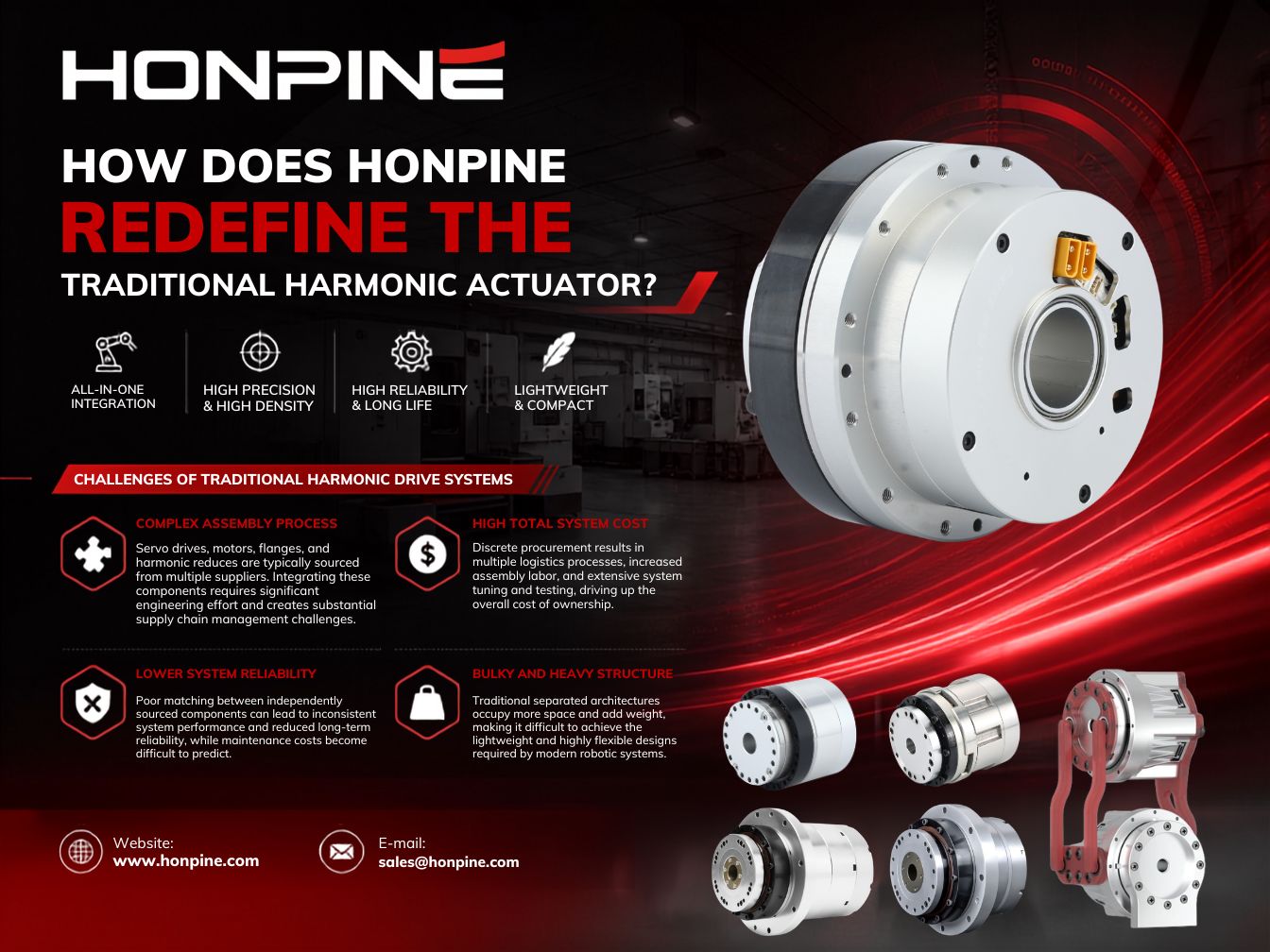
We are not highlighting this product because it is new. Rather, we recommend it because it has been validated by the market for more than nine years. While many companies only began developing and manufacturing mechatronic joint modules in recent years due to the rapid growth of embodied AI and humanoid robotics, the HONPINE HPJM Mechatronic Joint Module has a development and application history of more than a decade. Best Harmonic Actuator Supplier in 2026HONPINE is led by a team of experts with extensive experience in precision transmission systems and robotic motion control. We position ourselves as a technology-driven partner specializing in the precision motion control ecosystem.
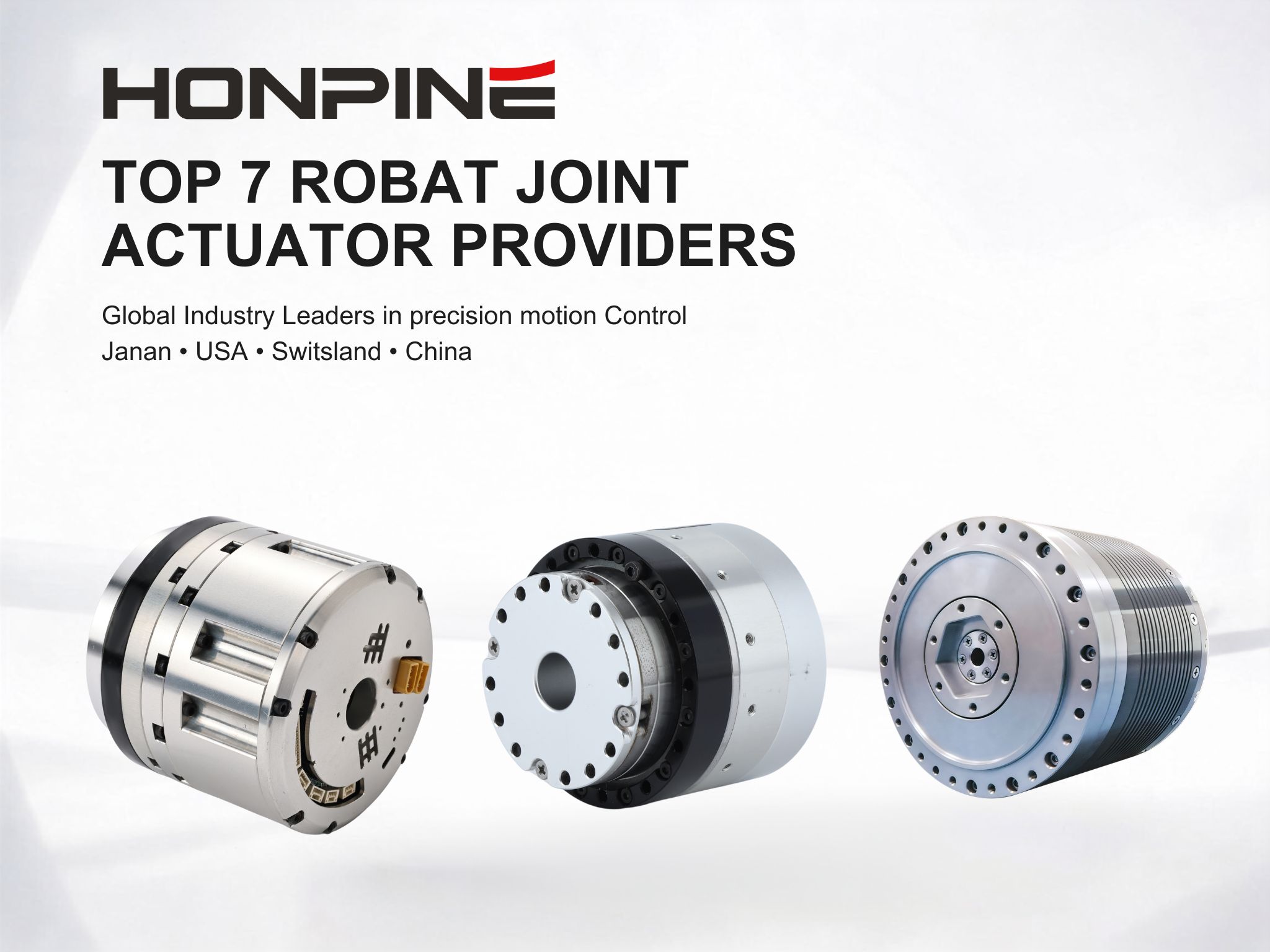
Unlike traditional component suppliers, HONPINE harmonic actuators goes beyond selling individual products. We provide a complete closed-loop service covering product selection, precision mechanical integration, on-site commissioning, and full-system delivery, helping customers accelerate development while reducing engineering risks. Top 7 Robot Joint Actuator ProvidersThis article highlights seven leading global robot joint actuator providers, including Harmonic Drive Systems, Kollmorgen, Maxon, Midea Industrial Technology (Welling), HONPINE, Laifual Drive, and CubeMars.

Double Click
We provide harmonic drive reducer,planetary reducer,robot joint motor,robot rotary actuators,RV gear reducer,robot end effector,dexterous robot hand
 TUV Rheinland Tightens Class 4 Laser Safety RulesLaser cutting machine makers and buyers: TUV Rheinland tightens Class 4 laser safety rules for the EU and Middle East from Oct 1, 2026. See what dual-channel E-stop and PLd relay changes mean for compliance.
 Vietnam Tightens Laser Cutter Import ComplianceLaser cutter import compliance in Vietnam is tightening from July 2026. Learn how VCR certification, Vietnamese safety labels, and longer approval timelines may affect shipments and delivery planning.
 EN ISO 12100:2023 Deadline Nears for EU Laser ExportsEN ISO 12100:2023 deadline nears for EU laser exports. Learn how industrial laser cutting equipment makers can prepare CE files, risk assessments, and safety verification to avoid customs delays.
 Malaysia Sets SSM Match Rule for Used Machine ToolsMalaysia’s new SSM match rule for used machine tools tightens import documentation. Learn how to avoid customs rejection and keep equipment shipments on schedule.
 EU CE Update Makes CNC PL Certification MandatoryEU CE update makes CNC PL certification mandatory: learn how EN ISO 13849-1:2026, PLd/PLe validation and FSR records affect CNC machine tool exports to Europe.
 Malaysia Tightens Used Machine Tool Import LettersMalaysia tightens used machine tool import letters with PDF, e-signature and SSM matching rules. Learn compliance steps to avoid shipment returns and costly delays.
 EU EN ISO 13849-1:2026 Mandates CNC PL CertificationEU EN ISO 13849-1:2026 now makes CNC PL certification essential for EU market access. Learn compliance risks, CE impact, and export preparation priorities.