




EN ISO 12100:2023 Deadline Nears for EU Laser Exports
On July 1, 2026, EN ISO 12100:2023 will become a mandatory requirement for industrial laser cutting equipment placed on the EU market, according to the information provided. For exporters, manufacturers, certification-related service providers, buyers, and delivery teams linked to this product category, the immediate issue is not only the standard itself but the shift in market access conditions: risk assessment documentation, safety function verification records, and updated CE technical files will become necessary parts of compliance, while non-compliant products may face customs rejection or removal from the market.
What has been confirmed ahead of the 2026 deadline
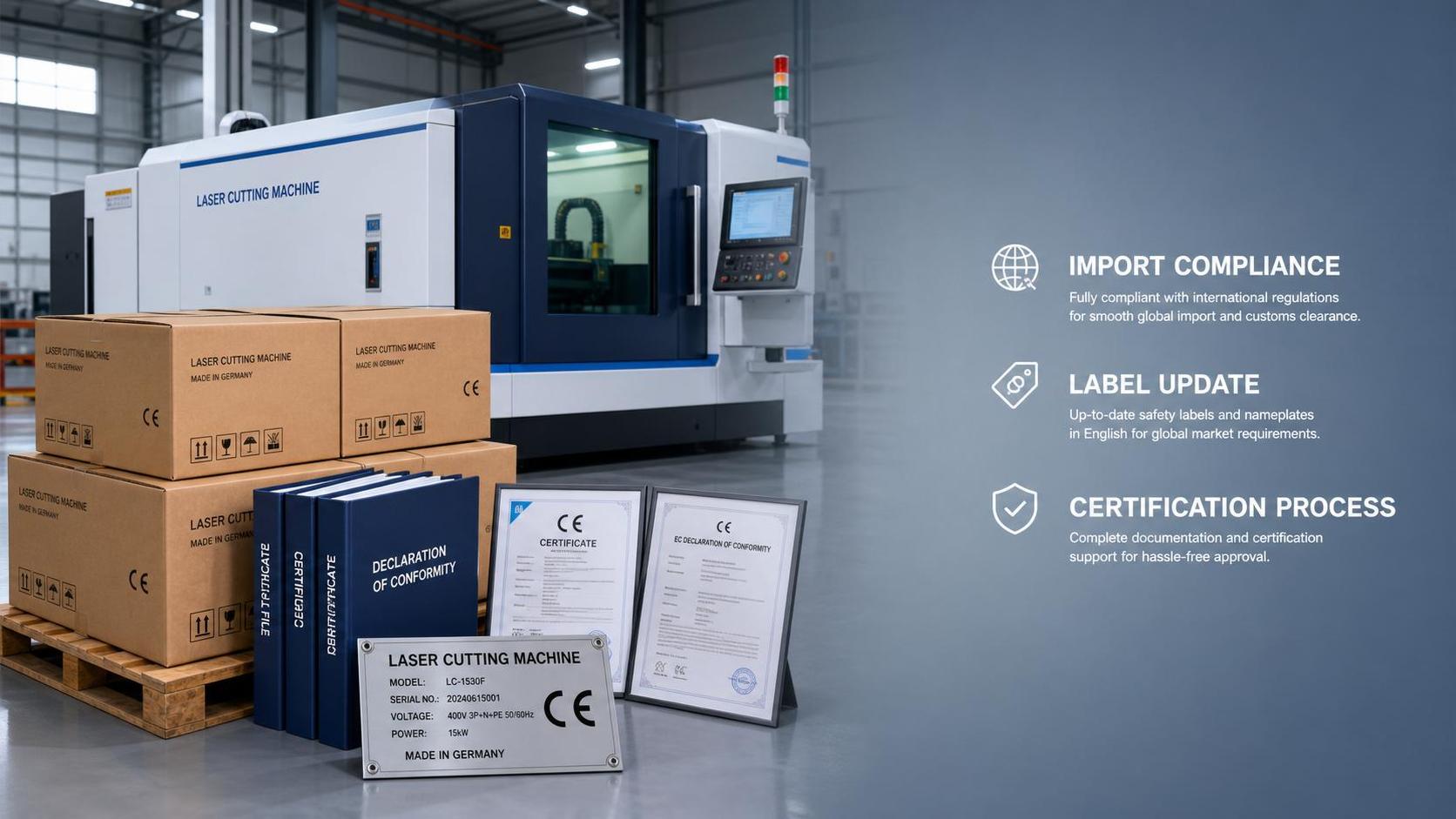
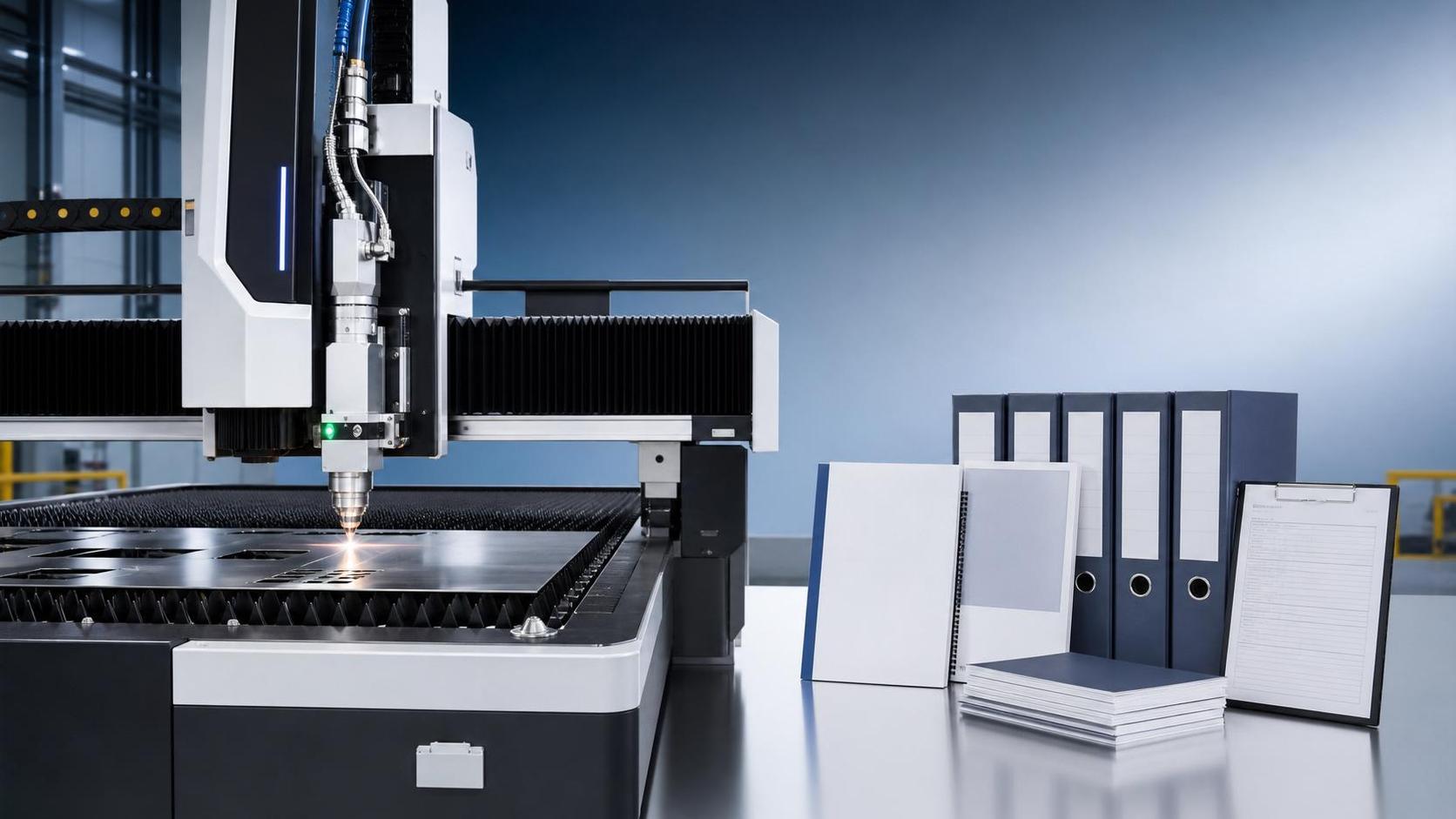
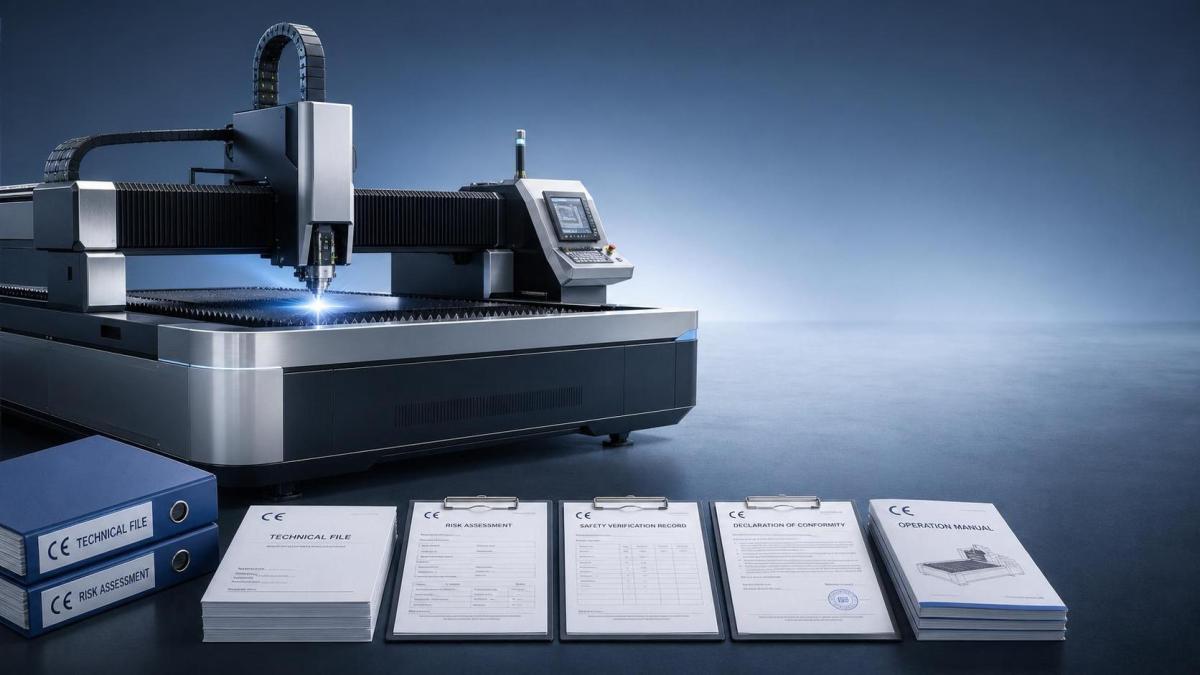
The confirmed information is limited but clear. EN ISO 12100:2023, described as a general standard for machinery safety and design principles, will be fully mandatory from July 1, 2026 for all industrial laser cutting equipment placed on the EU market. Manufacturers will be required to provide a risk assessment report, safety function verification records, and updated CE technical documentation. Products that do not meet the requirement may be refused customs clearance or removed from sale. The change is stated to directly affect type testing procedures, certification timelines, and compliance costs for Chinese laser equipment exporters.
Where the pressure is likely to show first in the business chain
Export-facing equipment manufacturers
From an industry perspective, these companies are closest to the compliance obligation because the required records are tied to product design, safety validation, and CE file maintenance. The main impact is likely to appear in pre-shipment review, technical file preparation, and coordination with testing and certification workflows. What deserves closer attention is whether existing documentation for EU-bound models is complete enough to support the new mandatory standard before the market-entry deadline.
Testing and certification support work
Analysis shows that service providers involved in type testing, conformity review, and technical documentation support may be affected through process changes rather than through trade exposure itself. If risk assessments, safety function verification records, and CE documentation updates become central review items, project sequencing and review cycles may tighten. For companies relying on outside support, the practical concern is whether compliance evidence can be assembled in time for export and placement on the EU market.
Buyers, distributors, and delivery planners
For procurement teams and channel participants, the issue is less about drafting the files and more about verifying that the supplier can present compliant documentation when needed. Observably, the commercial impact may appear in supplier qualification, purchase timing, and delivery scheduling. Where products are intended for the EU market, buyers and distributors may need closer checks on documentation readiness to reduce the risk of customs disruption or post-placement removal.
Supply chain and after-sales coordination
Although the provided information does not set out detailed downstream obligations, the stated risk of customs refusal or market removal means support teams involved in order handling, shipment coordination, and product traceability should pay attention. Analysis shows that any gap in technical records can affect not only initial export but also delivery commitments and follow-up service arrangements tied to the equipment already prepared for the EU market.
What companies should monitor before the rule takes effect
Readiness of risk assessment and safety validation records
What deserves closer attention is whether current product files already contain the risk assessment report and safety function verification records identified in the provided summary. Where those materials are incomplete, companies may face additional preparation work before export and market placement.
Updates to CE technical documentation
Analysis shows that CE technical files should be treated as a live compliance task rather than an administrative formality. Because the provided information specifically mentions document updates, exporters should focus on whether existing technical files for industrial laser cutting equipment align with the new mandatory standard by the time the rule takes effect.
Effects on testing schedules and order planning
The provided summary states that type testing procedures, certification timelines, and compliance costs will be directly affected for Chinese exporters. It is more appropriate to understand this as an operational warning signal: companies with EU-facing orders may need to watch certification lead times, documentation review duration, and shipment planning more closely, even though no detailed execution timetable beyond the effective date has been provided.
Further clarification still worth tracking
Observably, the current information confirms the mandatory date and the required compliance materials, but it does not provide detailed enforcement practice, review methodology, or market-side implementation language beyond the consequences for non-compliance. For that reason, companies should continue to monitor official wording, certification practice, tender document changes, and customer-side compliance requests as the deadline approaches.
Why this reads as a market-access signal rather than a routine update
Analysis shows that this development is better understood as a concrete market-access signal for industrial laser cutting equipment, not simply a technical standards update. The reason is that the provided information ties the new requirement directly to customs clearance and continued availability on the EU market. At the same time, it would be premature to treat all downstream impacts as settled facts, because the input does not provide detailed enforcement scenarios or industry feedback. The more balanced reading is that the rule change is already real at the level of compliance obligation, while its practical implementation rhythm still deserves continued observation.
How to read this change at the current stage
At this stage, the most reasonable conclusion is that July 1, 2026 should be treated as a fixed compliance milestone for industrial laser cutting equipment entering the EU market. The confirmed impact is centered on documentation, safety verification, CE file updates, and the resulting pressure on testing procedures, certification timing, and compliance cost. It is more appropriate to understand this development as an implemented rule change with clear trade and compliance relevance, while remaining cautious about any broader conclusions that are not supported by the provided information.
Basis of this article and points still requiring verification
This article is based on the user-provided news title, event date, and event summary. For developments of this kind, relevant source categories often include official notices, regulatory publications, customs or trade authority information, industry association updates, standards organization documents, and reporting by established professional media. No specific official source link was provided in the input, so the exact source document still needs to be verified on an ongoing basis. Further observation is also needed on detailed implementation language, certification interpretation, tender document adjustments, market feedback, and how affected companies execute compliance work in practice.
Read More
Learn more about the story of HONPINE and industry trends related to precision transmission.
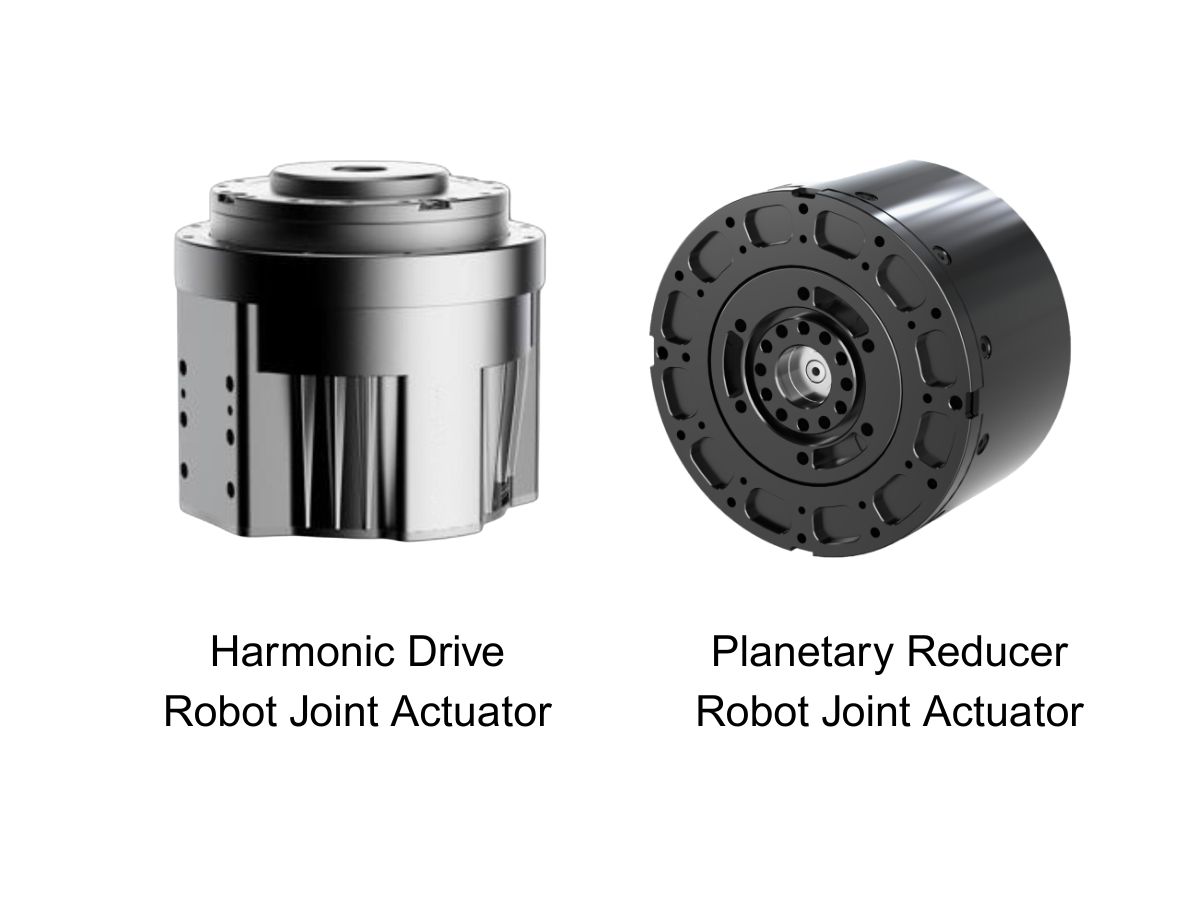
 What is robot joint actuator?How to Choose the Best Robot Rotary Joint Actuator?In core robot joint transmission solutions, planetary and harmonic rotary actuators each have their own strengths. Choosing the right type based on application requirements is essential to achieve the optimal balance between performance and cost.
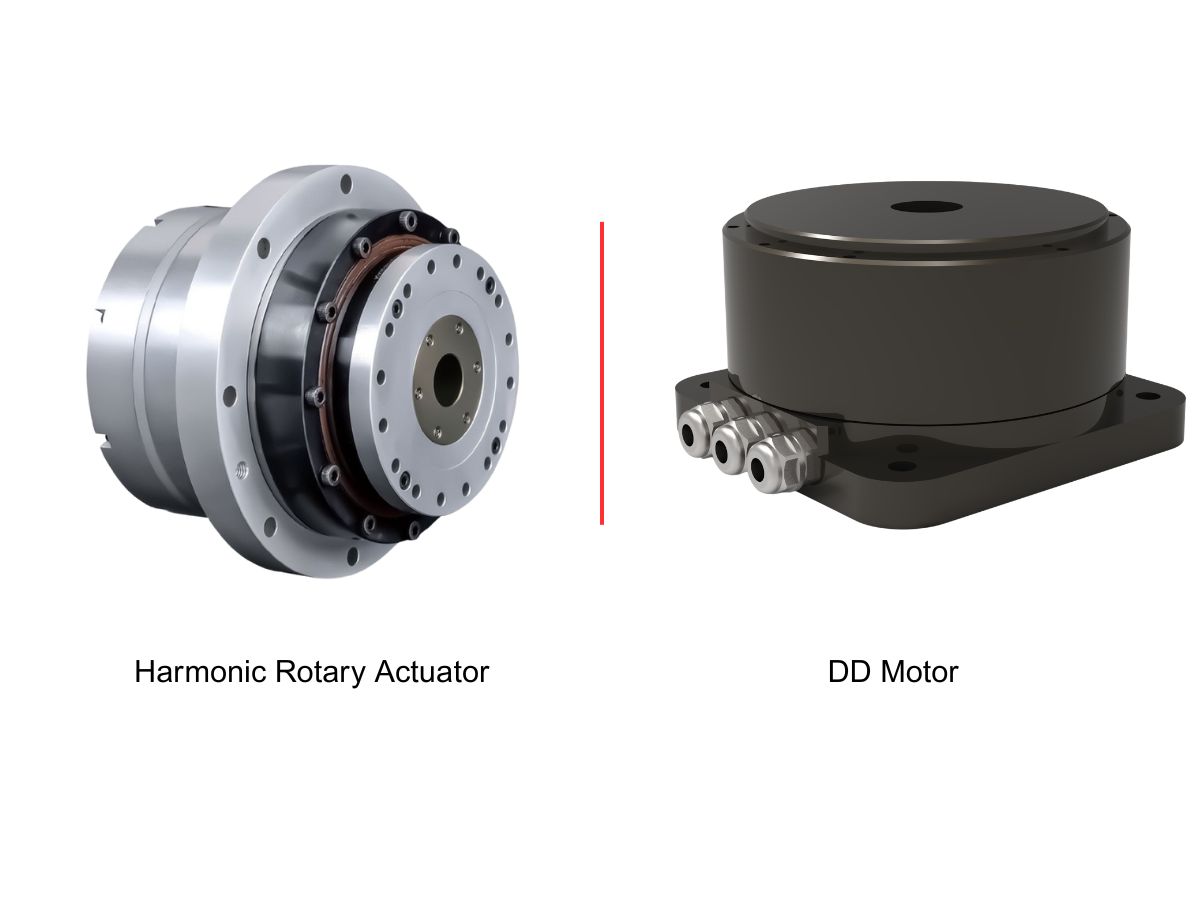
 DD Motors VS Harmonic Rotary ActuatorsThis article provides an in-depth comparison between Direct Drive (DD) motors and harmonic rotary actuators, covering their transmission principles, advantages and disadvantages, and typical application fields.
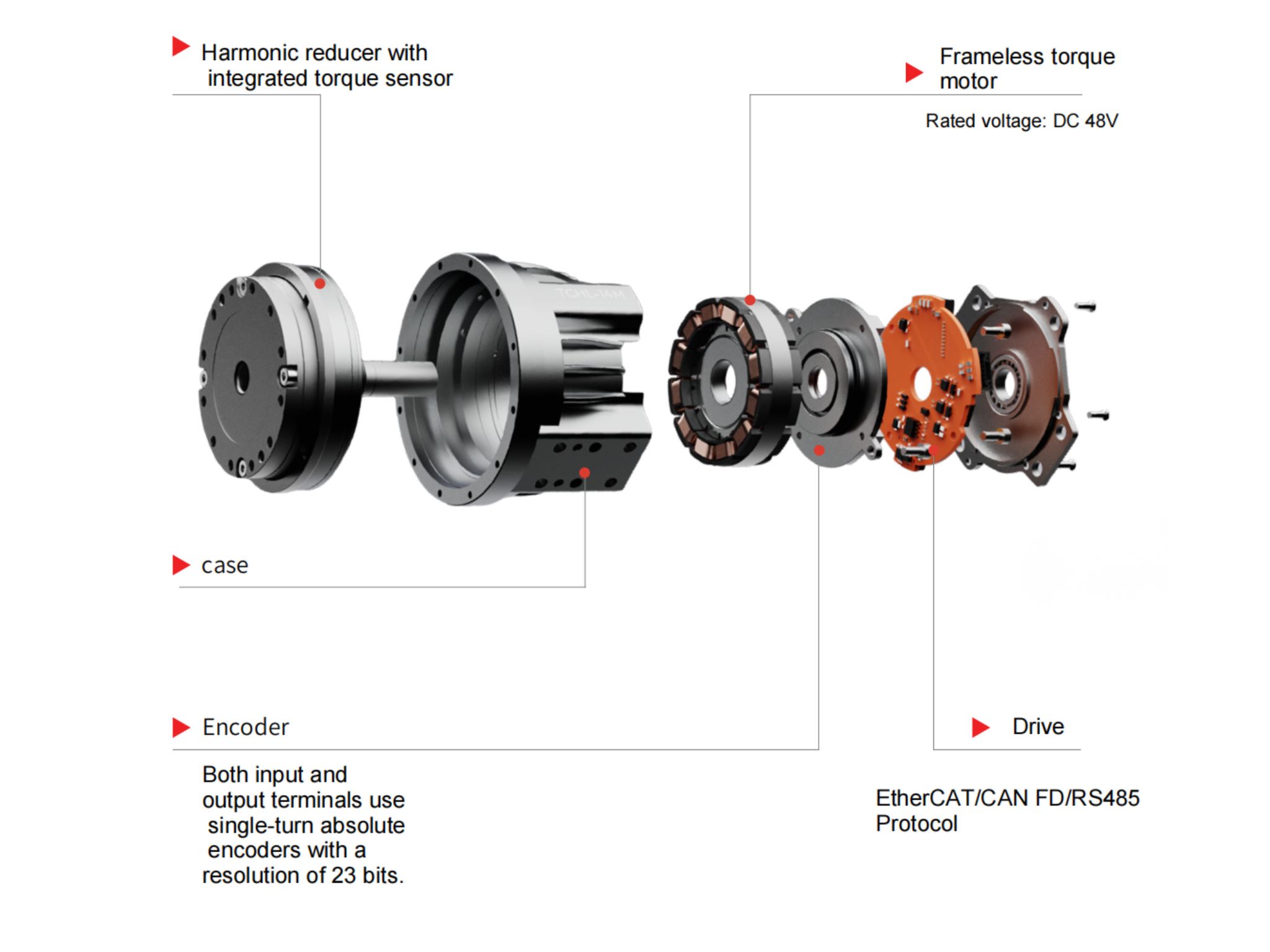
 OMG Ultra Compact Harmonic Drive Joint Module with Built-in Torque SensorHONPINE TCHL series harmonic drive joint module is a game-changing product that achieves disruptive improvements in multiple aspects such as lightweight design, integration level, and connection convenience. This article will analyze its revolutionary enhancements with you.
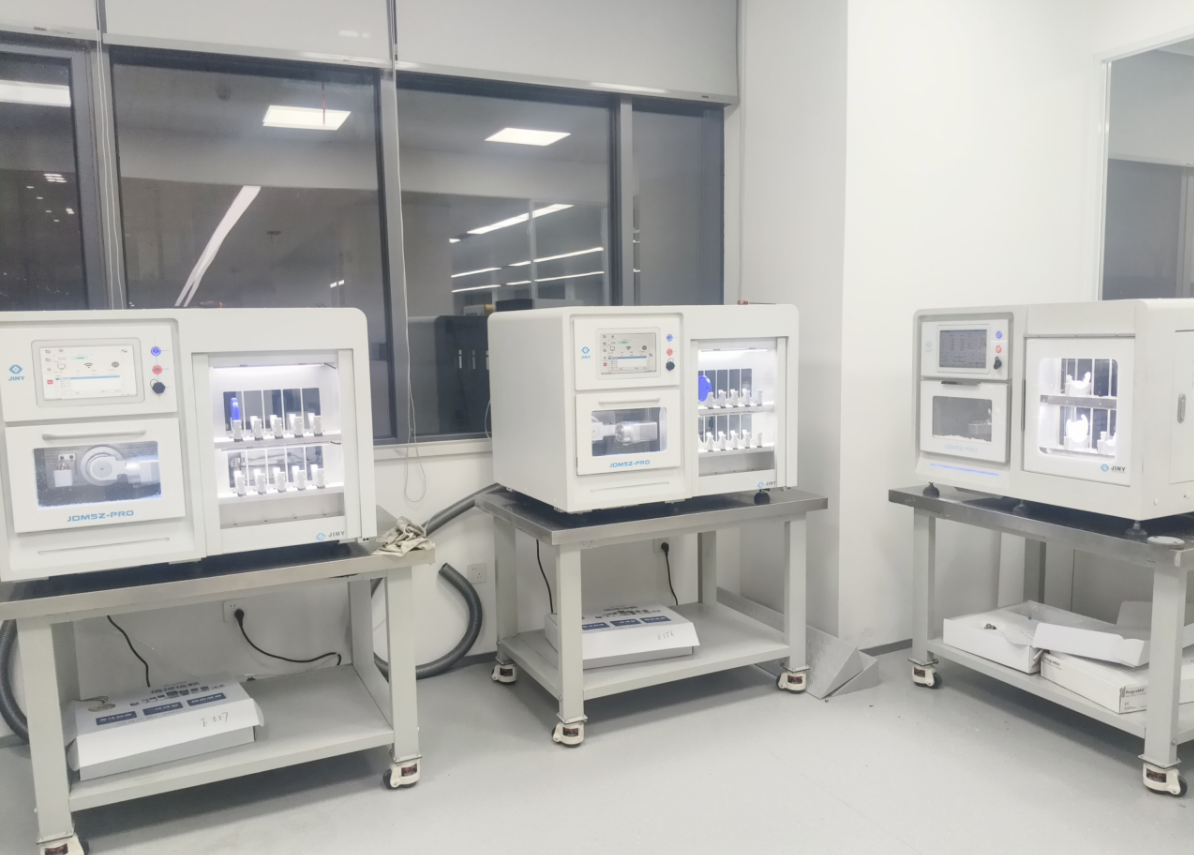
 The Role of Harmonic Drive Gears in Achieving 5–10 μm Accuracy in Dental Milling MachinesA dental milling machine is a CNC machining system used to directly process digital dental models into restorations such as crowns, bridges, veneers, inlays, and implant abutments. Dental milling machines require far higher operational accuracy and motion stability than ordinary equipment. This article explains how harmonic drive gear help dental milling machines achieve stable, continuous, and controllable operation.
 Why Are Harmonic Rotary Actuators Perfect for Medical Equipment?Harmonic rotary actuators (typically integrated systems consisting of a harmonic drive reducer, frameless torque motor, encoder, and optional brake) are regarded as key components in medical equipment. The core reason is that they simultaneously meet the most stringent medical requirements for precision, compact size, safety, and controllability. The following explanation is structured from three perspectives: technical characteristics, application scenarios, and medical value.
 High-Precision RV Reducers Perfectly Matched for Walking RobotsThe walking axis of a robot is a core component for power transmission and support. RV reducers provide extremely high rigidity, precision, and torque while maintaining a compact size and exceptional reliability, making them an ideal match for the demanding requirements of walking robot joints in terms of load capacity, impact resistance, and precision.
 Automate 2026 Sends a New Signal: Humanoid Robots Enter the Era of AccountabilityAUTOMATE is the leading industrial automation and robotics exhibition in North America. Organized by the Association for Advancing Automation (A3), it is widely recognized as a global benchmark event in the automation industry.
 Thailand Industrial Show Opens With Smart Manufacturing FocusAutomation production line insights from the Thailand Industrial Show: explore smart manufacturing trends, energy storage EOL testing, and automotive module assembly opportunities in Southeast Asia.
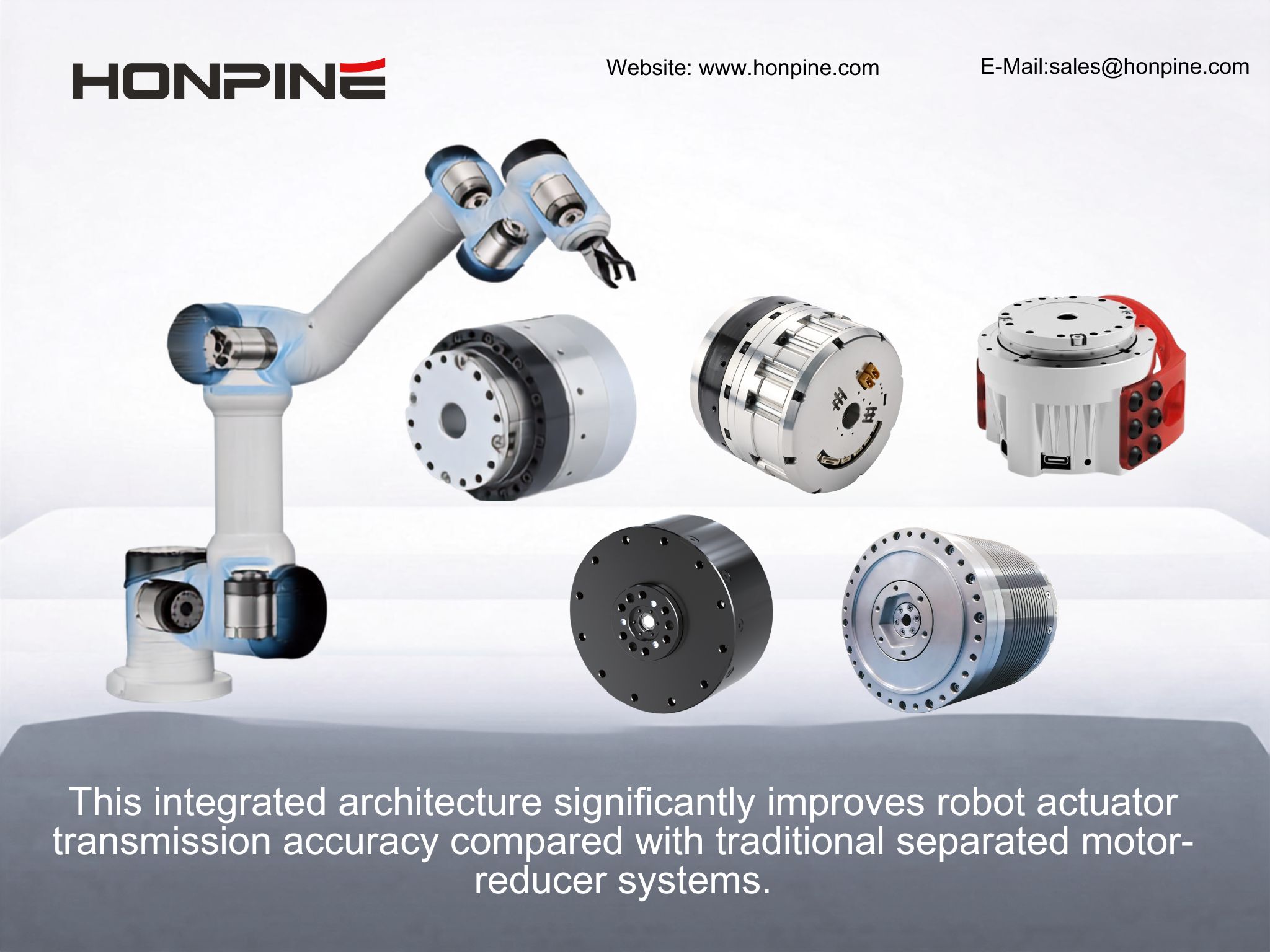
 Transmission Accuracy Analysis of Integrated Robot Joint Modules: Key Error Factors and Optimization Methods for High-Precision RoboticsThis article focuses on the transmission accuracy of integrated robot joint modules, which are core actuators in industrial robots and humanoid robotic systems. The module integrates a servo motor, precision reducer, and control system into a compact structure, significantly improving motion efficiency, stiffness, and positioning accuracy.
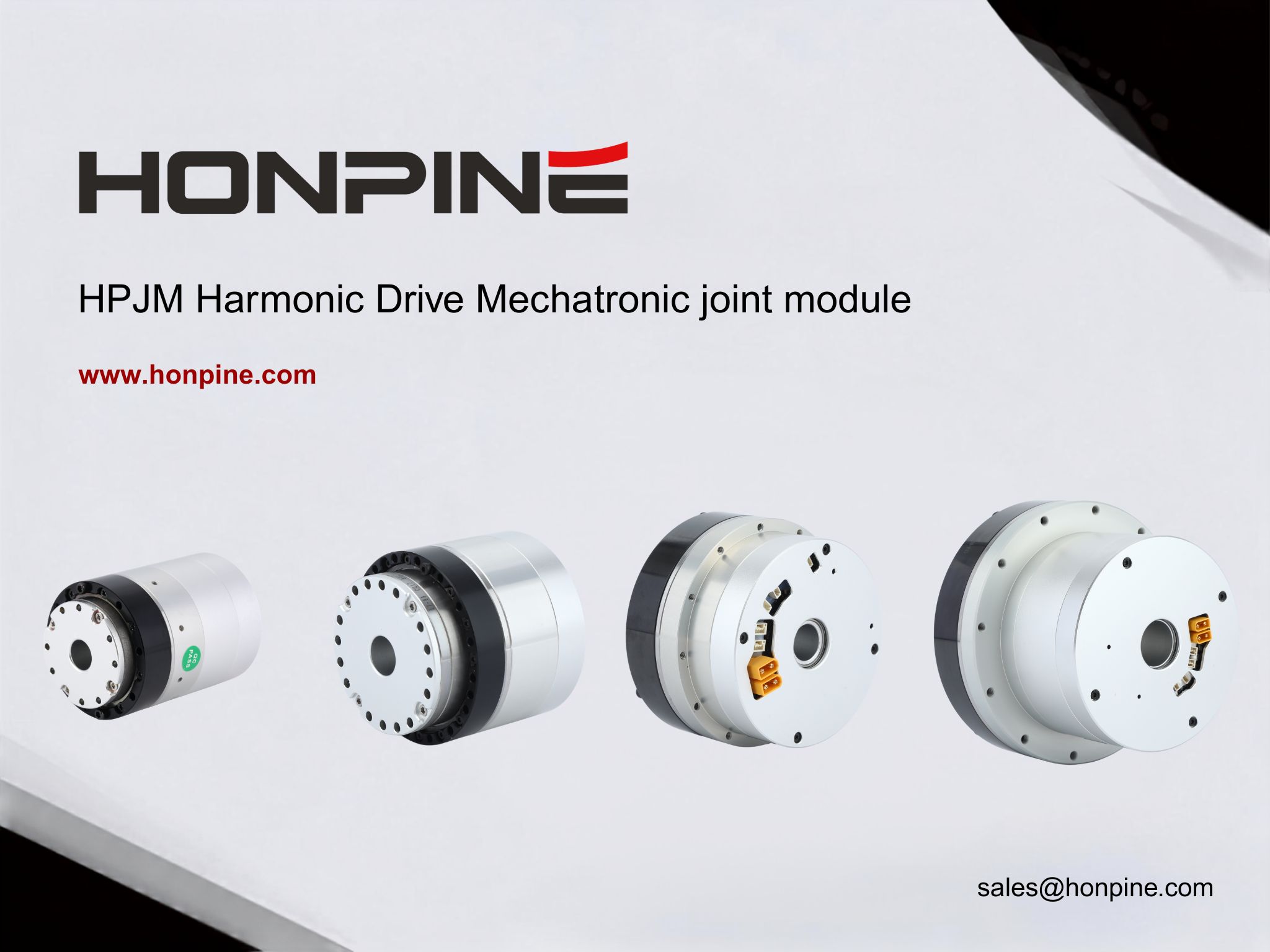
 HONPINE 2026 Star Product – HPJM Mechatronic Joint Module SeriesHello everyone,
I’m Allen, Founder of HONPINE. In this article, I would like to introduce HONPINE’s flagship product for 2026—the HPJM Mechatronic Joint Module Series.
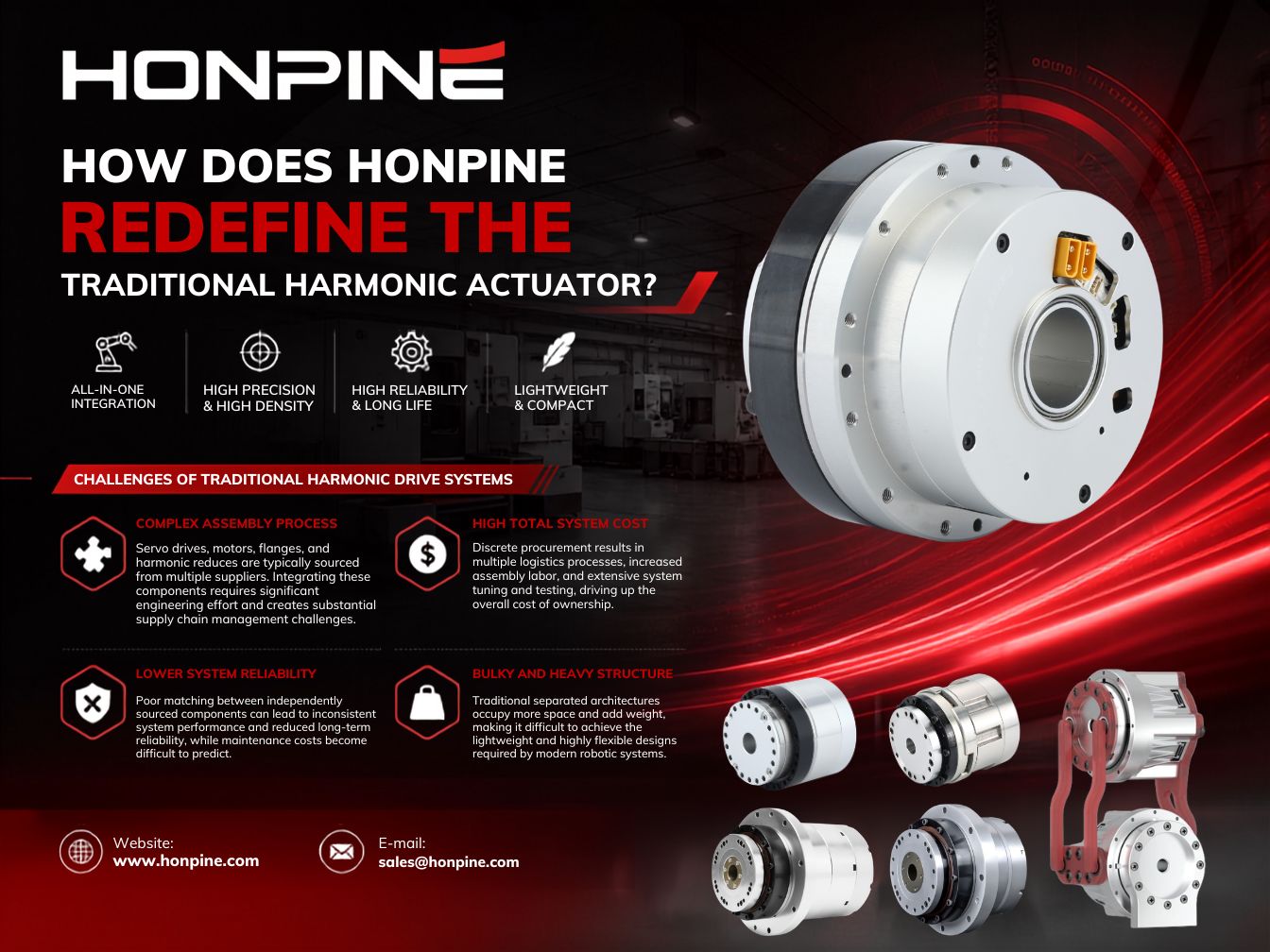
We are not highlighting this product because it is new. Rather, we recommend it because it has been validated by the market for more than nine years. While many companies only began developing and manufacturing mechatronic joint modules in recent years due to the rapid growth of embodied AI and humanoid robotics, the HONPINE HPJM Mechatronic Joint Module has a development and application history of more than a decade. Best Harmonic Actuator Supplier in 2026HONPINE is led by a team of experts with extensive experience in precision transmission systems and robotic motion control. We position ourselves as a technology-driven partner specializing in the precision motion control ecosystem.
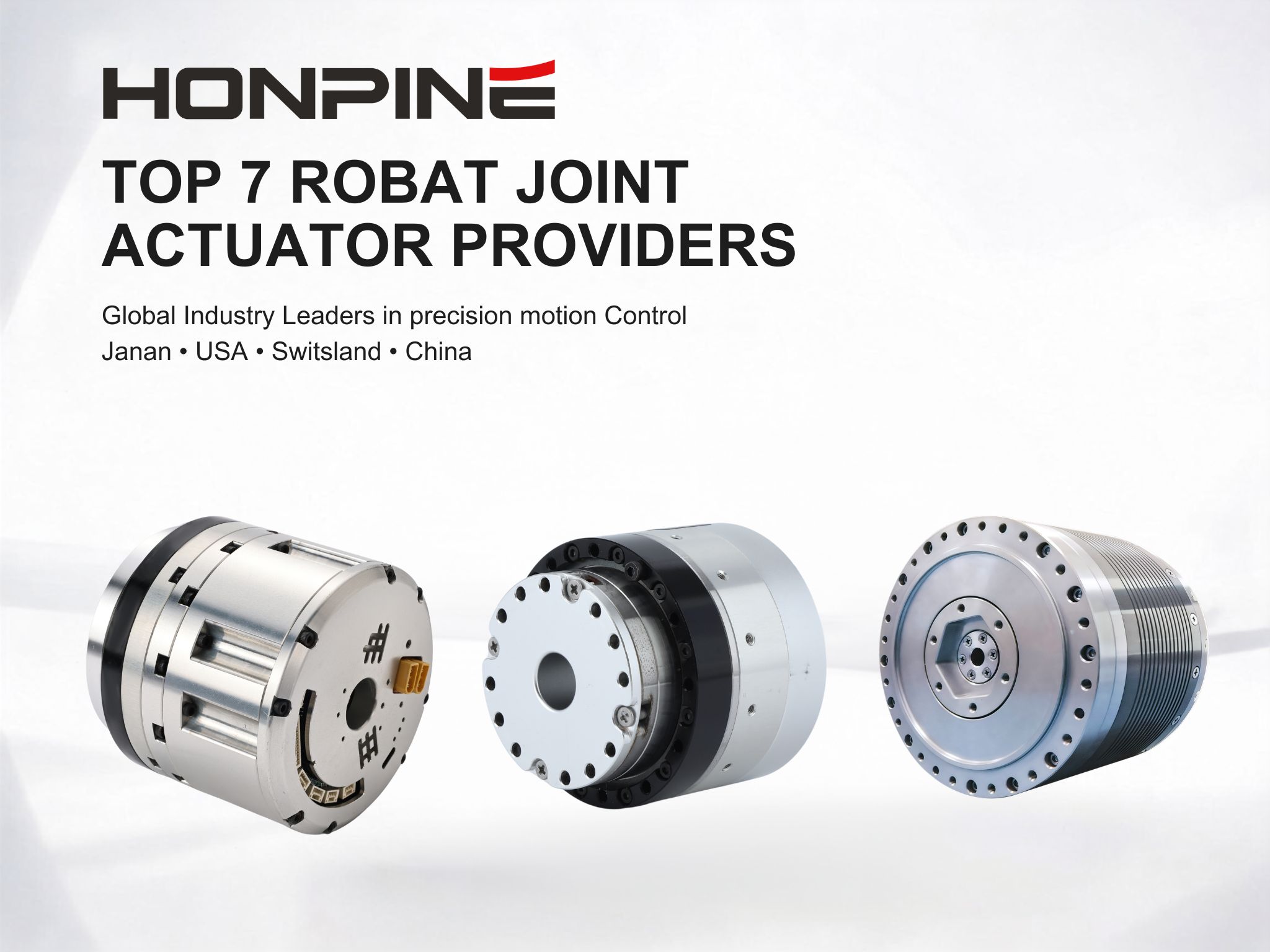
Unlike traditional component suppliers, HONPINE harmonic actuators goes beyond selling individual products. We provide a complete closed-loop service covering product selection, precision mechanical integration, on-site commissioning, and full-system delivery, helping customers accelerate development while reducing engineering risks. Top 7 Robot Joint Actuator ProvidersThis article highlights seven leading global robot joint actuator providers, including Harmonic Drive Systems, Kollmorgen, Maxon, Midea Industrial Technology (Welling), HONPINE, Laifual Drive, and CubeMars.

Double Click
We provide harmonic drive reducer,planetary reducer,robot joint motor,robot rotary actuators,RV gear reducer,robot end effector,dexterous robot hand
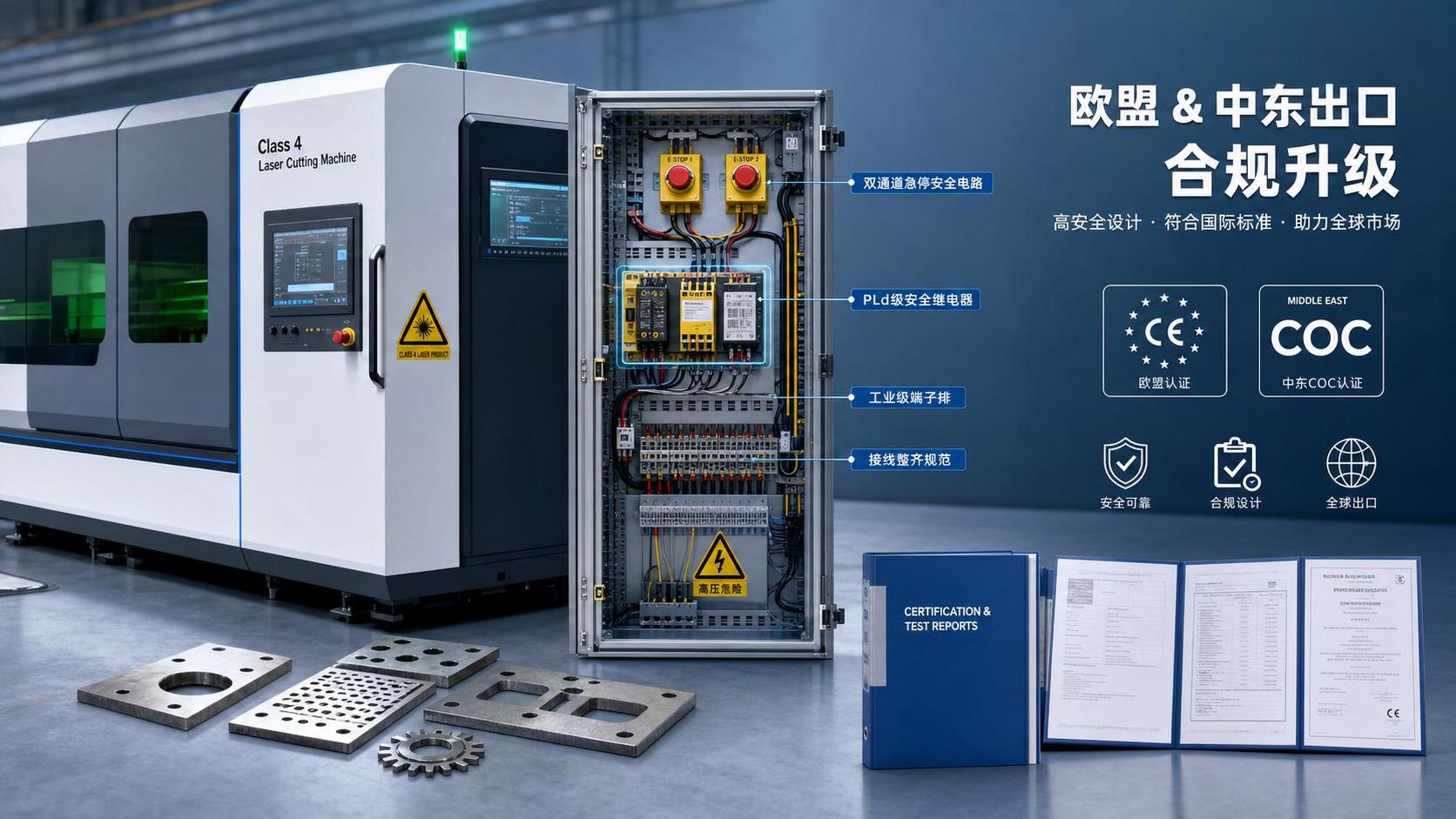
 TUV Rheinland Tightens Class 4 Laser Safety RulesLaser cutting machine makers and buyers: TUV Rheinland tightens Class 4 laser safety rules for the EU and Middle East from Oct 1, 2026. See what dual-channel E-stop and PLd relay changes mean for compliance.
 Vietnam Tightens Laser Cutter Import ComplianceLaser cutter import compliance in Vietnam is tightening from July 2026. Learn how VCR certification, Vietnamese safety labels, and longer approval timelines may affect shipments and delivery planning.
 EN ISO 12100:2023 Deadline Nears for EU Laser ExportsEN ISO 12100:2023 deadline nears for EU laser exports. Learn how industrial laser cutting equipment makers can prepare CE files, risk assessments, and safety verification to avoid customs delays.
 Malaysia Sets SSM Match Rule for Used Machine ToolsMalaysia’s new SSM match rule for used machine tools tightens import documentation. Learn how to avoid customs rejection and keep equipment shipments on schedule.
 EU CE Update Makes CNC PL Certification MandatoryEU CE update makes CNC PL certification mandatory: learn how EN ISO 13849-1:2026, PLd/PLe validation and FSR records affect CNC machine tool exports to Europe.
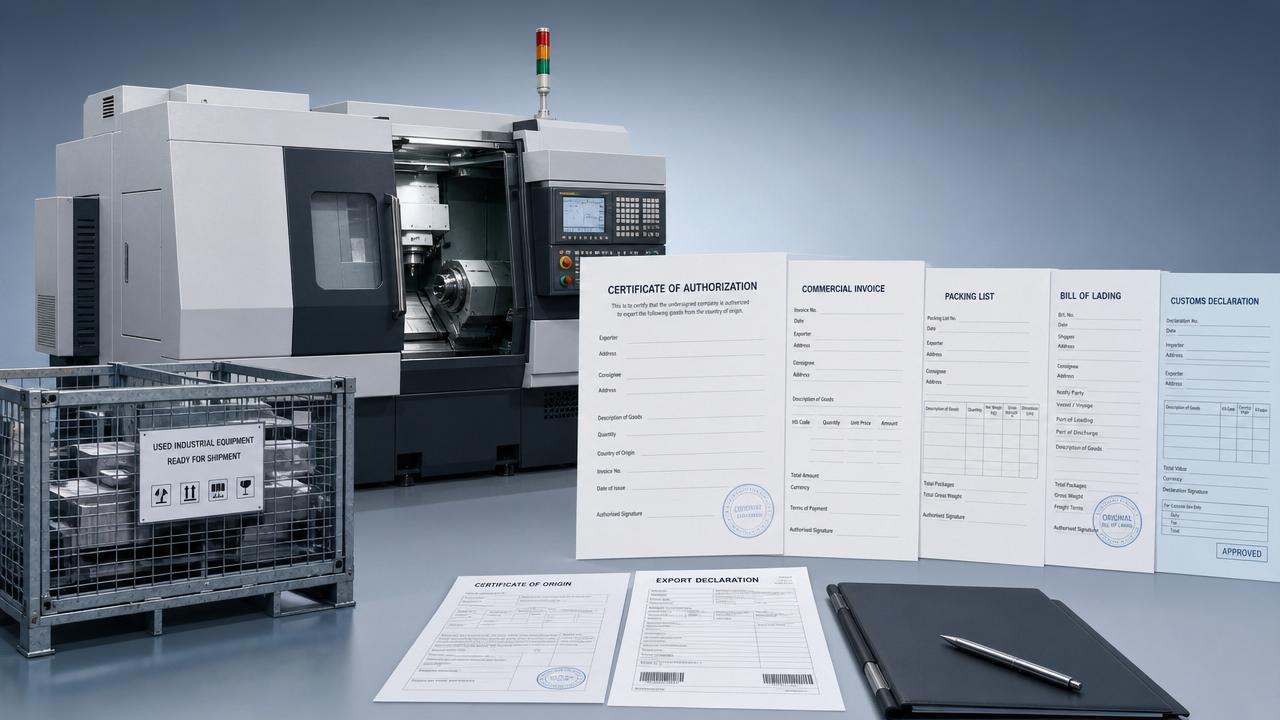
 Malaysia Tightens Used Machine Tool Import LettersMalaysia tightens used machine tool import letters with PDF, e-signature and SSM matching rules. Learn compliance steps to avoid shipment returns and costly delays.
 EU EN ISO 13849-1:2026 Mandates CNC PL CertificationEU EN ISO 13849-1:2026 now makes CNC PL certification essential for EU market access. Learn compliance risks, CE impact, and export preparation priorities.