



Vietnam Enforces Vietnamese UI & VOSA Certification for Industrial Machinery Imports
Vietnam’s Ministry of Industry and Trade implemented new technical requirements for imported industrial machinery on April 28, 2026 — mandating built-in Vietnamese-language user interfaces (UI), human-machine interaction (HMI) localization, and electronic documentation, all certified by the Vietnam Standards and Quality Authority (VOSA). Manufacturers and exporters of machine tools — particularly those from China relying on English-plus-sticker translation workarounds — now face heightened compliance scrutiny, potential delivery delays, and rework risks. This update is especially relevant to machine tool OEMs, CNC system integrators, industrial automation suppliers, and export-oriented equipment distributors serving the Vietnamese market.
Event Overview
On April 28, 2026, Vietnam’s Ministry of Industry and Trade formally enforced the Technical Regulation on Import of Industrial Machinery (2026 Edition). The regulation requires that all imported machine tools must feature operating systems, HMI interfaces, and electronic manuals with fully integrated Vietnamese language support. Further, such UI localization must pass VOSA’s dedicated human-machine interaction certification. No transitional period or grandfathering clause has been publicly announced.
Which Subsectors Are Affected
Machine Tool Exporters (especially China-based)
These firms are directly impacted because their current practice of supplying English-only HMIs supplemented by adhesive Vietnamese labels no longer satisfies regulatory requirements. Impact manifests as shipment holds at Vietnamese customs, rejection of conformity declarations, and mandatory software relocalization prior to clearance.
CNC System Integrators & Control Software Providers
Integrators embedding third-party control platforms (e.g., Siemens SINUMERIK, FANUC, or domestic Chinese NC systems) must verify whether the underlying OS and HMI framework supports certified Vietnamese localization. If not, they bear responsibility for adapting firmware, updating help systems, and resubmitting for VOSA certification — a process requiring technical documentation in Vietnamese and test reports validated by VOSA-accredited labs.
Industrial Automation Distributors & Aftermarket Service Providers
Distributors handling spare parts, retrofit kits, or field service for legacy machines may face new obligations: if a customer requests an HMI upgrade or replacement panel post-import, that component must also comply. Service technicians deploying remote diagnostics tools or configuration utilities must ensure those tools display Vietnamese prompts and error messages during use.
What Relevant Enterprises or Practitioners Should Focus On — And How to Respond
Monitor official VOSA guidance on certification scope and testing criteria
VOSA has not yet published detailed test protocols or acceptance thresholds for Vietnamese UI certification (e.g., terminology consistency, contextual accuracy, keyboard input support). Enterprises should track VOSA’s official notices and attend upcoming technical briefings — particularly regarding whether partial localization (e.g., menus only) qualifies, or whether full functional parity across all operational states is required.
Identify high-risk product categories and prioritize compliance mapping
Not all industrial machinery faces equal scrutiny. Priority should be given to CNC machining centers, lathes, grinding machines, and laser cutting systems — equipment types explicitly cited in the regulation’s annex. Exporters should audit their active Vietnamese-bound SKUs to flag models using non-localizable embedded Linux or proprietary RTOS environments, which may require firmware updates or hardware revisions.
Distinguish between regulatory signal and enforceable implementation
While the regulation entered force on April 28, 2026, enforcement capacity — including inspector training, lab accreditation status, and customs checkpoint readiness — remains uneven across provinces. Early evidence suggests major ports (Ho Chi Minh City, Hai Phong) are applying the rule more rigorously than inland customs offices. Companies should treat initial non-compliance findings as procedural warnings rather than definitive penalties — but must still initiate corrective action immediately.
Prepare localized technical documentation and internal coordination workflows
Compliance extends beyond UI strings: electronic manuals, safety alerts, calibration wizards, and even boot-up screens must be Vietnamese-localized and version-controlled. Engineering, technical writing, and QA teams need aligned handoff procedures. Exporters should designate a VOSA liaison role internally and pre-engage with Vietnamese-certified translation vendors who maintain terminology databases approved by VOSA.
Editorial Perspective / Industry Observation
Observably, this regulation marks a shift from procedural formality to functional usability enforcement in Vietnam’s industrial import regime. It reflects growing emphasis on operator safety, maintenance efficiency, and digital sovereignty — not merely linguistic tokenism. Analysis shows the requirement goes beyond simple text substitution: VOSA’s human-machine interaction certification implies evaluation of task flow, error recovery logic, and context-sensitive help — elements rarely assessed under prior conformity schemes. From an industry perspective, this is less a one-time compliance hurdle and more an indicator of tightening localization expectations across ASEAN markets. Current enforcement appears phased and port-dependent, suggesting it functions primarily as a policy signal — but one with rapidly hardening operational consequences.
This regulation signals Vietnam’s intent to align industrial equipment standards with domestic workforce capabilities and national digital infrastructure goals. It does not represent an isolated technical update, but rather a structural recalibration of import accountability — shifting responsibility upstream to manufacturers and integrators, away from end-users or local agents. For global suppliers, the most pragmatic interpretation is that Vietnamese-language UI is now a non-negotiable, built-in feature — not an aftermarket add-on.
Source Attribution
Main source: Official gazette notice issued by Vietnam’s Ministry of Industry and Trade, effective April 28, 2026; referenced regulation title: Technical Regulation on Import of Industrial Machinery (2026 Edition). VOSA’s certification framework for human-machine interaction remains under active clarification — specific test methodologies and accredited laboratories are pending formal publication and are therefore subject to ongoing observation.
Read More
Learn more about the story of HONPINE and industry trends related to precision transmission.
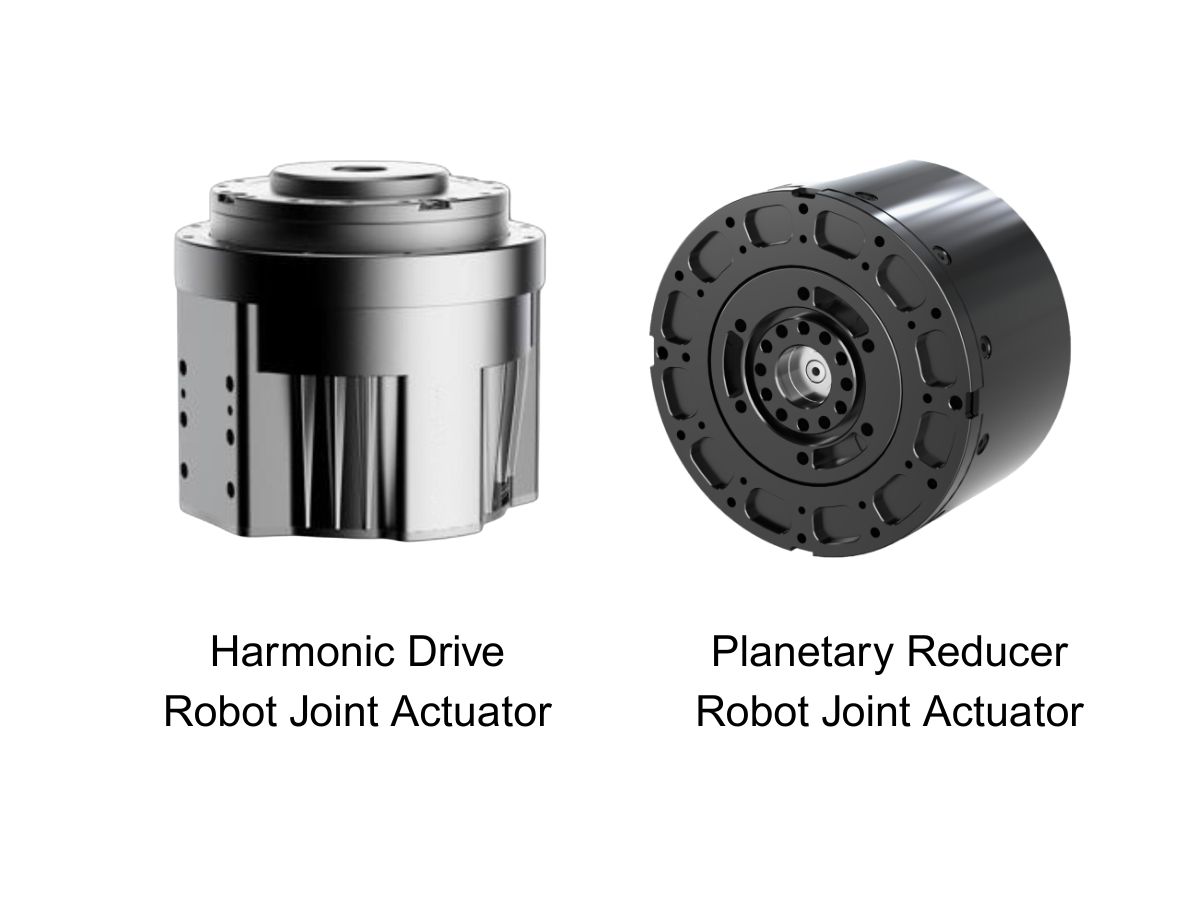
 What is robot joint actuator?How to Choose the Best Robot Rotary Joint Actuator?In core robot joint transmission solutions, planetary and harmonic rotary actuators each have their own strengths. Choosing the right type based on application requirements is essential to achieve the optimal balance between performance and cost.
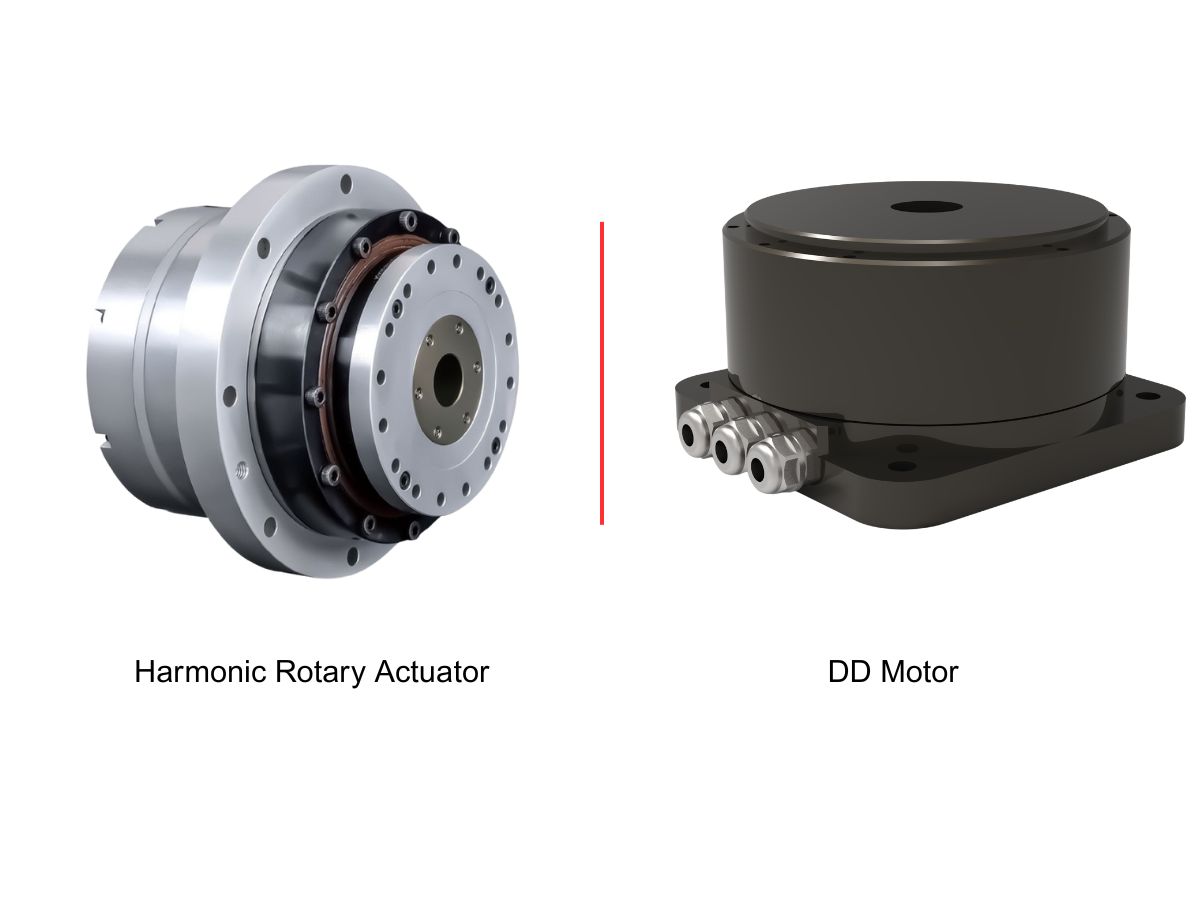
 DD Motors VS Harmonic Rotary ActuatorsThis article provides an in-depth comparison between Direct Drive (DD) motors and harmonic rotary actuators, covering their transmission principles, advantages and disadvantages, and typical application fields.
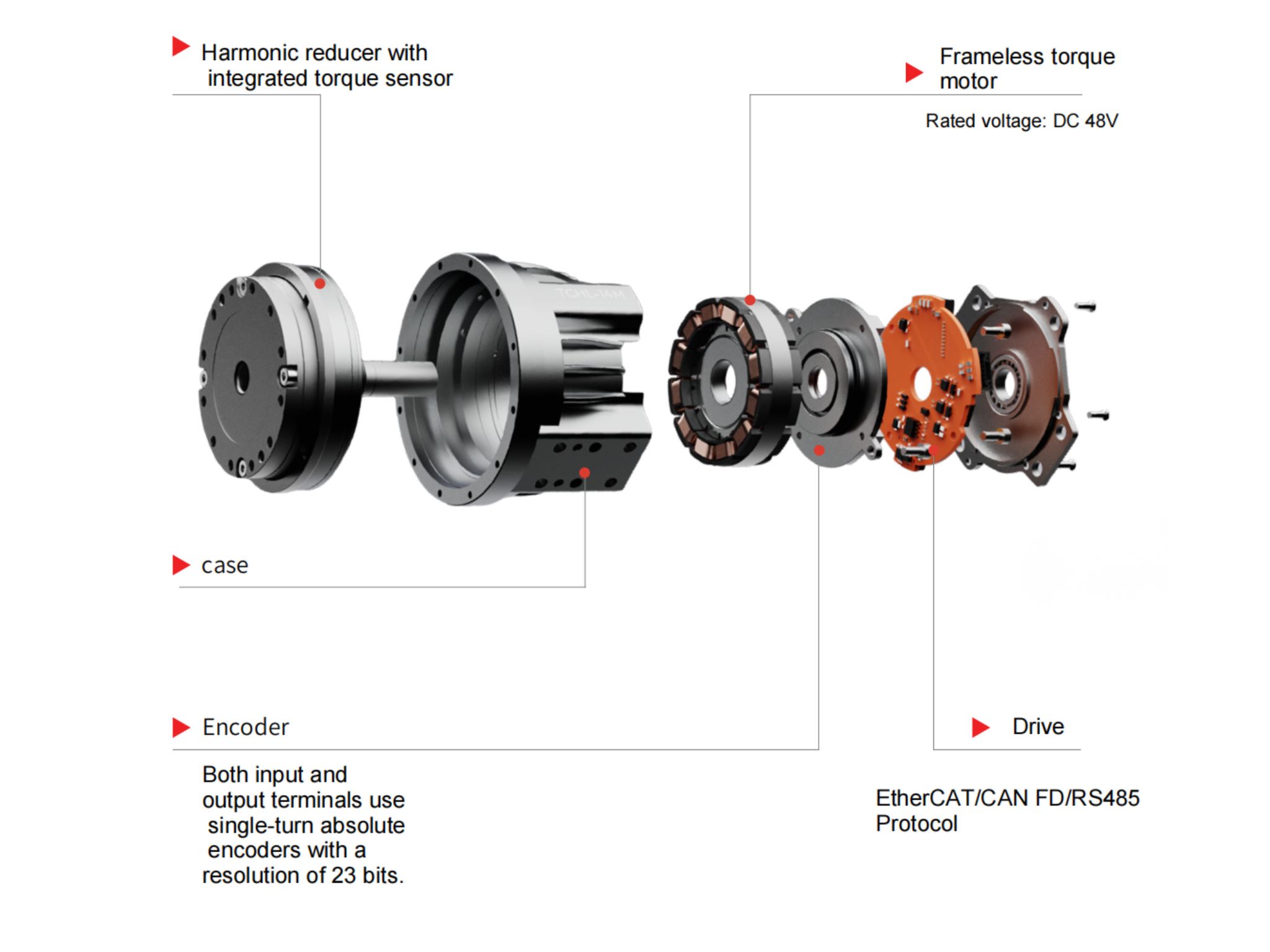
 OMG Ultra Compact Harmonic Drive Joint Module with Built-in Torque SensorHONPINE TCHL series harmonic drive joint module is a game-changing product that achieves disruptive improvements in multiple aspects such as lightweight design, integration level, and connection convenience. This article will analyze its revolutionary enhancements with you.
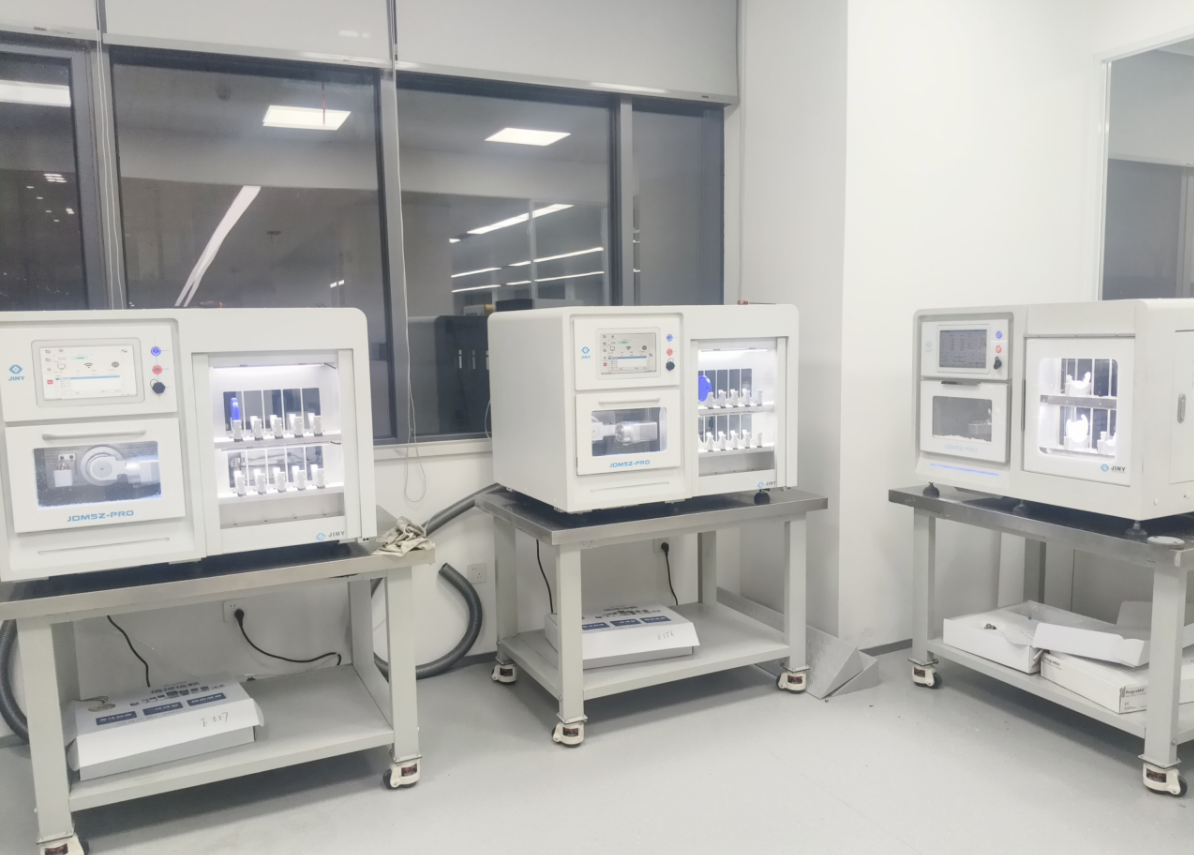
 The Role of Harmonic Drive Gears in Achieving 5–10 μm Accuracy in Dental Milling MachinesA dental milling machine is a CNC machining system used to directly process digital dental models into restorations such as crowns, bridges, veneers, inlays, and implant abutments. Dental milling machines require far higher operational accuracy and motion stability than ordinary equipment. This article explains how harmonic drive gear help dental milling machines achieve stable, continuous, and controllable operation.
 Why Are Harmonic Rotary Actuators Perfect for Medical Equipment?Harmonic rotary actuators (typically integrated systems consisting of a harmonic drive reducer, frameless torque motor, encoder, and optional brake) are regarded as key components in medical equipment. The core reason is that they simultaneously meet the most stringent medical requirements for precision, compact size, safety, and controllability. The following explanation is structured from three perspectives: technical characteristics, application scenarios, and medical value.
 High-Precision RV Reducers Perfectly Matched for Walking RobotsThe walking axis of a robot is a core component for power transmission and support. RV reducers provide extremely high rigidity, precision, and torque while maintaining a compact size and exceptional reliability, making them an ideal match for the demanding requirements of walking robot joints in terms of load capacity, impact resistance, and precision.
![]() CCMT2026 Closes with 37% Rise in Overseas Order IntentionsCCMT2026 drives 37% surge in overseas order intentions — discover how CNC machine tool exporters can leverage localization-based after-sales joint entities for competitive advantage.
CCMT2026 Closes with 37% Rise in Overseas Order IntentionsCCMT2026 drives 37% surge in overseas order intentions — discover how CNC machine tool exporters can leverage localization-based after-sales joint entities for competitive advantage.![]() CCMT2026 Attendance Up 22.7%, Overseas Buyers Rise SharplyCCMT2026 attendance up 22.7% — overseas buyers surge 35%+ from Germany, Mexico & Vietnam. Discover key trends in five-axis machining, harmonic drives & smart tooling.
CCMT2026 Attendance Up 22.7%, Overseas Buyers Rise SharplyCCMT2026 attendance up 22.7% — overseas buyers surge 35%+ from Germany, Mexico & Vietnam. Discover key trends in five-axis machining, harmonic drives & smart tooling. How to Select Robot Joint Modules for Arms, Torso, Head, and Legs in AGV and Humanoid RobotsRobot AGV platforms, lifting legs, folding legs, torso, head, and dual arms each have different functional requirements. Therefore, different types of harmonic gear joint modules and planetary joint modules should be selected accordingly.
 What is a DD Motor? How to Select a DD Motor?DD motor, full name Direct Drive motor, is a motor that directly drives the load without using reduction devices such as gears, belts or ball screws. Its working principle is based on high torque output, allowing it to be directly connected to the moving equipment, thereby eliminating the need for intermediate connection parts such as fasteners, gearboxes and belts.
 How to choose an RV reducer Gearbox?This article will explain the key selection points, advantages and disadvantages, brands and suppliers, as well as the differences between RV reducer gearboxes and harmonic drives.
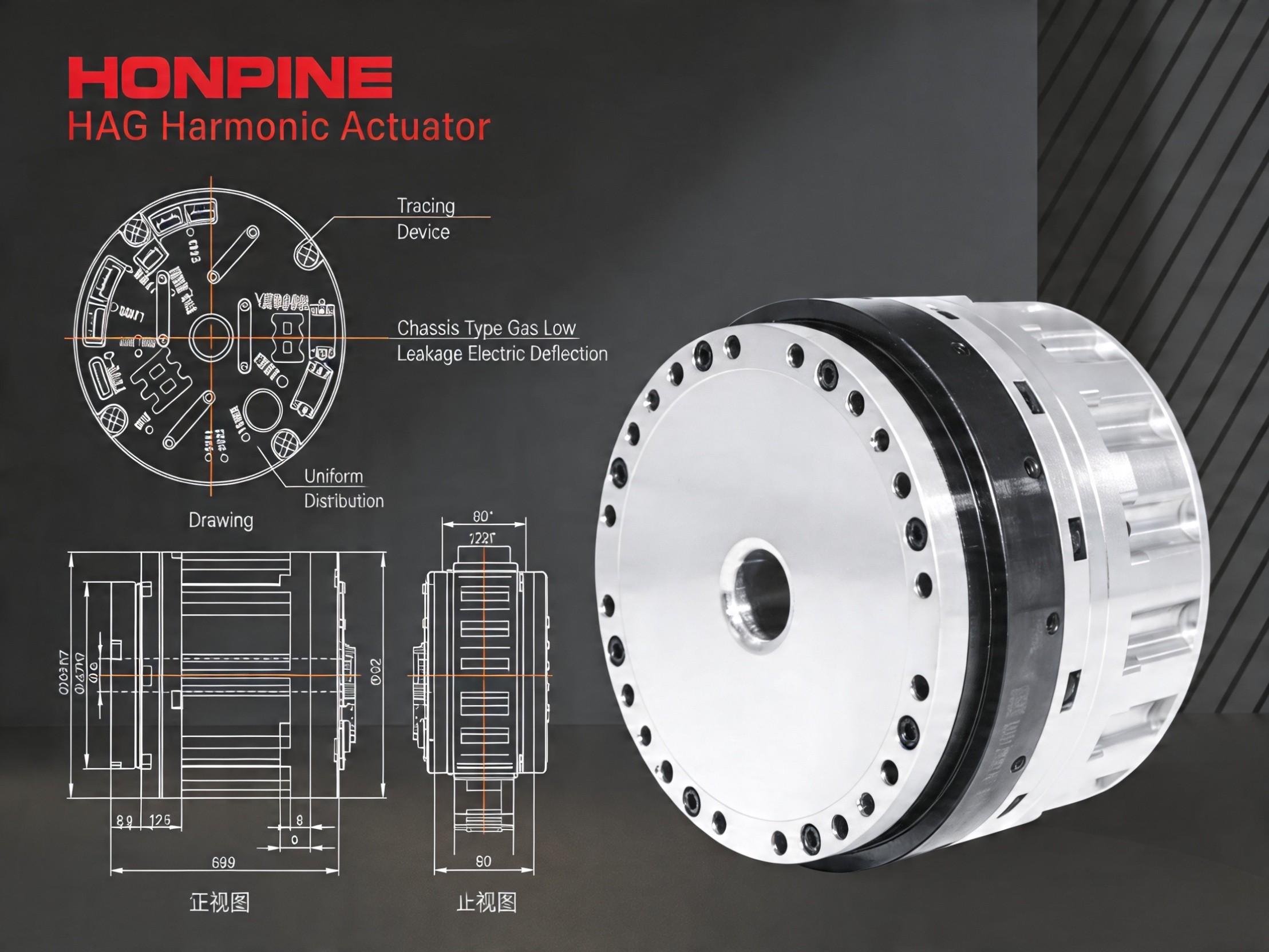
 How to Select the New HONPINE HAG Harmonic Drive Robot Joint Actuator?The newly launched HONPINE HAG harmonic drive robot joint actuator has attracted widespread attention since its release in March 2026 due to its outstanding performance parameters. This article will explain how to select the HONPINE HAG harmonic drive robot joint actuator.

Double Click
We provide harmonic drive reducer,planetary reducer,robot joint motor,robot rotary actuators,RV gear reducer,robot end effector,dexterous robot hand
![]() Vietnam Enforces Vietnamese UI & VOSA Certification for Industrial Machinery ImportsVietnam mandates Vietnamese UI & VOSA certification for industrial machinery imports — critical for machine tool OEMs, CNC integrators, and exporters targeting the Vietnamese market.
Vietnam Enforces Vietnamese UI & VOSA Certification for Industrial Machinery ImportsVietnam mandates Vietnamese UI & VOSA certification for industrial machinery imports — critical for machine tool OEMs, CNC integrators, and exporters targeting the Vietnamese market.![]() Baoji Machine Tool & Songde Tools: ASEAN StrategyBaoji Machine Tool & Songde Tools launch ASEAN turnkey strategy—integrated CNC machines + cutting tools for Vietnam, Thailand, Indonesia SMEs.
Baoji Machine Tool & Songde Tools: ASEAN StrategyBaoji Machine Tool & Songde Tools launch ASEAN turnkey strategy—integrated CNC machines + cutting tools for Vietnam, Thailand, Indonesia SMEs. FSG-32-XX-U-II
 FSG-32-XX-U-II
 FSG-25-XX-U-II
 FSG-25-XX-U-II
 FSG-20-XX-U-II
 FSG-20-XX-U-II
 FSG-17-XX-U-II
 FSG-17-XX-U-II
 FSG-14-XX-U-II
 FSG-14-XX-U-II