





BIS Curbs High-Power Beam Control Modules for 10kW Cutting Systems
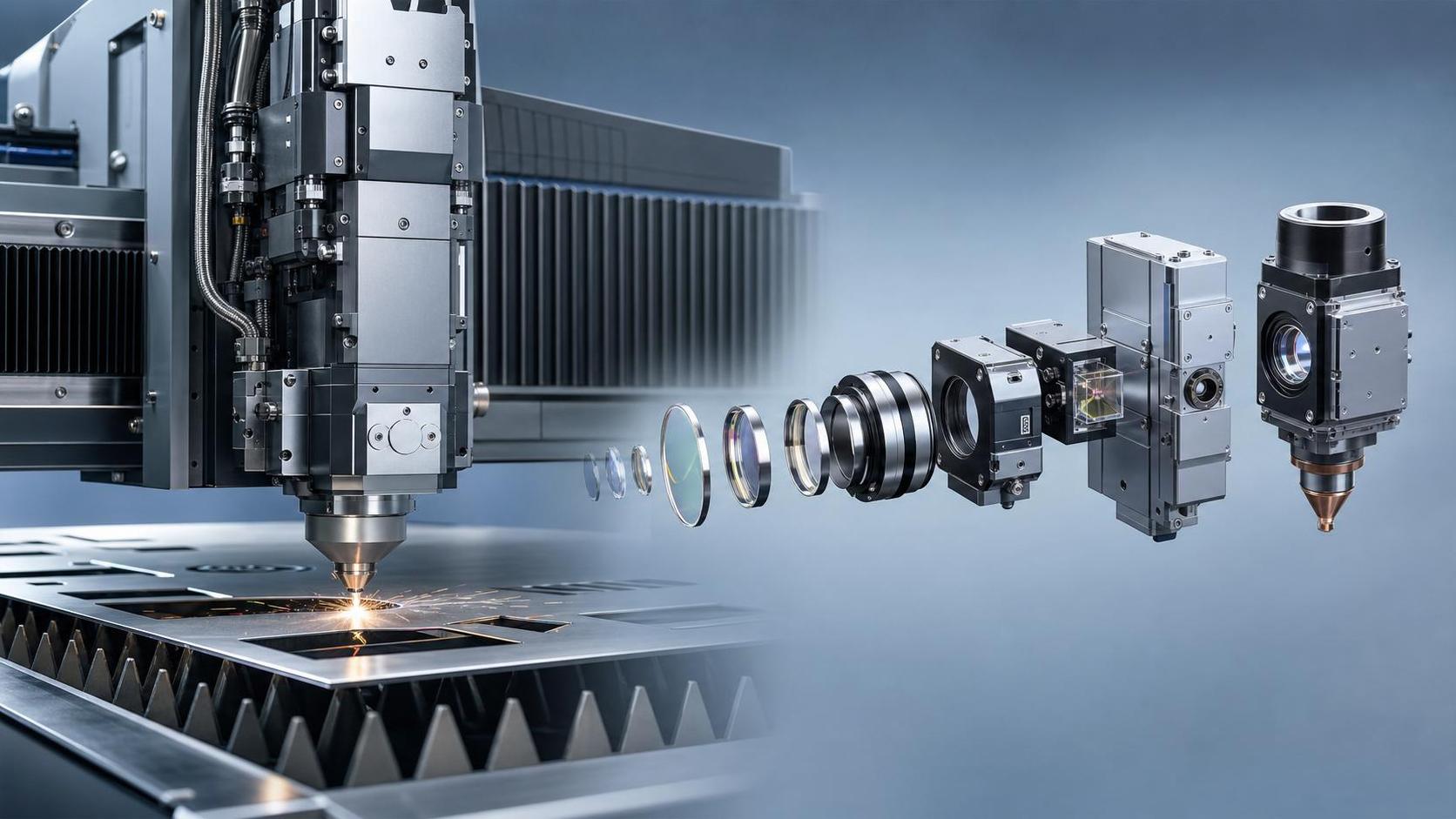
On June 26, 2026, the U.S. Bureau of Industry and Security (BIS) issued an interim final rule that places laser optical control modules with output power of 10kW or above and dynamic beam-shaping capability under additional export licensing requirements for China, Russia, Iran, and 37 listed destinations. For the laser equipment sector, this is worth close attention because the restricted item sits at the core of high-power intelligent cutting systems and can affect both complete-machine exports and overseas localization plans tied to domestically made 10kW-class laser cutting equipment.
What the new BIS rule specifically covers
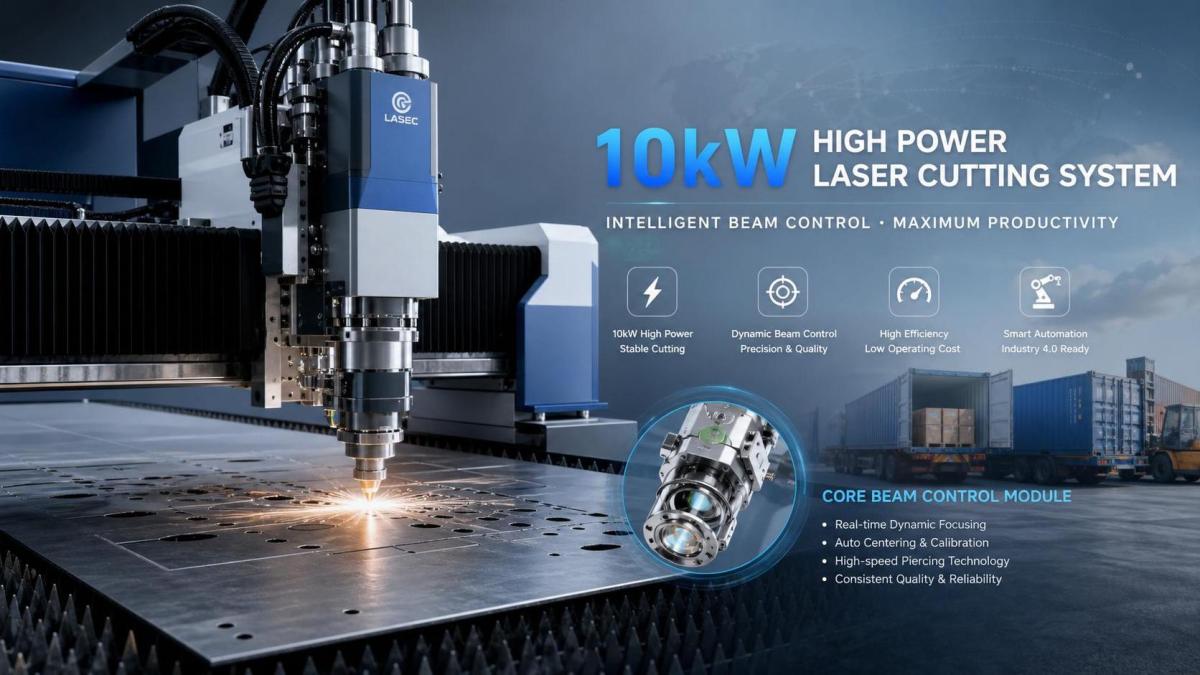
According to the information provided, BIS added “laser optical control modules” meeting two conditions to the supplementary list under Section 744 of the EAR: output power of at least 10kW, and dynamic beam-shaping capability. The rule was released on June 26, 2026, in the form of an interim final rule. Exports of these items to China, Russia, Iran, and 37 countries in total require a license. The same information also states that the measure directly affects exports of domestically made 10kW-class intelligent laser cutting machines, as well as supply chains supporting localized overseas assembly.
Where the pressure may appear across the supply chain
Complete-machine exporters face a component-level bottleneck
From an industry perspective, manufacturers and traders exporting 10kW-class intelligent laser cutting systems may be affected because the newly controlled module is described as a core component. The immediate area to watch is whether complete-system delivery depends on this module in the configured product, and whether export execution could be delayed or constrained by licensing requirements tied to the controlled part.
Overseas assembly models may need closer compliance review
Analysis shows that businesses relying on overseas localization or local assembly should pay attention to the same rule from a supply-chain angle. If a high-power beam control module is part of the cross-border supply flow into localized assembly projects, the practical impact may appear in component shipment planning, documentation handling, and delivery coordination rather than only in direct machine exports.
Procurement, channel, and service participants may see longer transaction cycles
Distributors, procurement teams, and supply-chain service providers may also need to reassess affected transactions. Observably, when a licensing requirement is introduced for a core module, the areas most likely to come under pressure are order confirmation, supporting documents, shipment timing, and customer communication around delivery expectations. This is an analytical observation, not a confirmed outcome for every project.
What companies should monitor now
Watch the official wording of the controlled item
What deserves closer attention is the exact interpretation of the controlled scope: output threshold, dynamic beam-shaping capability, and how these conditions apply in real export scenarios. For companies handling high-power cutting systems, the distinction between a broad market concern and a transaction-specific compliance issue will depend on how the official wording is applied in practice.
Check exposure by product, market, and shipment structure
Companies should map where the affected module appears in their product portfolio, especially in 10kW-class intelligent cutting systems and any projects involving export to the destinations identified in the provided information. The key practical question is not only whether a machine is exported, but whether the underlying module is part of the shipment, the assembly path, or the overseas supply model.
Prepare documentation and customer communication earlier
Analysis shows that procurement, compliance, and sales teams may need tighter internal coordination. Where controlled modules are involved, supplier qualifications, product documentation, transaction records, and delivery schedules may become more important in managing execution risk. At the same time, customer-facing teams should be ready to explain possible timing changes without treating all affected business as blocked by default.
Separate policy signal from immediate business outcome
It is also important to distinguish the policy signal from the final operational effect. The confirmed fact is that a license requirement now applies to the specified item and destinations in the provided summary. Whether that translates into order delays, redesign, sourcing changes, or project restructuring will still depend on actual product configuration and transaction pathways, which remains a matter for case-by-case review.
Why this reads as a strategic signal, not just a single rule update
Observably, this development matters because the controlled object is not a peripheral accessory but a core optical control module tied to high-power laser cutting performance. That makes the rule relevant beyond a narrow trade-compliance audience. Analysis shows it is more appropriate to understand this as both a near-term operational issue for affected exports and a longer-term signal that core functional modules in advanced laser systems are drawing closer regulatory scrutiny. At the same time, the current input does not provide enough verified detail to conclude how broadly the impact will spread across all product categories or business models.
How the industry may best interpret the latest move
At this stage, the most reasonable reading is that the BIS action creates an immediate compliance checkpoint around a core part of 10kW-class intelligent laser cutting systems, with potential knock-on effects for complete-machine exports and overseas localized assembly chains. It should not be overstated as a finalized outcome for every exporter or every shipment. More appropriately, it should be understood as a rule change with direct relevance to specific products and markets, and as a development that still requires close follow-up as companies assess transaction-level exposure.
Basis of this article and what still needs verification
This article is based on the user-provided news title, event date, and event summary. For developments of this kind, the source types typically worth verifying include official government notices, company disclosures, industry association updates, authoritative media reporting, and relevant standards or compliance documents. A specific official source link was not provided in the input, so the exact wording and any later clarifications should continue to be checked against official publications. Further follow-up should focus on whether BIS issues additional interpretive guidance, whether the listed scope changes, and how affected businesses translate the rule into actual export, assembly, and delivery decisions.
Read More
Learn more about the story of HONPINE and industry trends related to precision transmission.
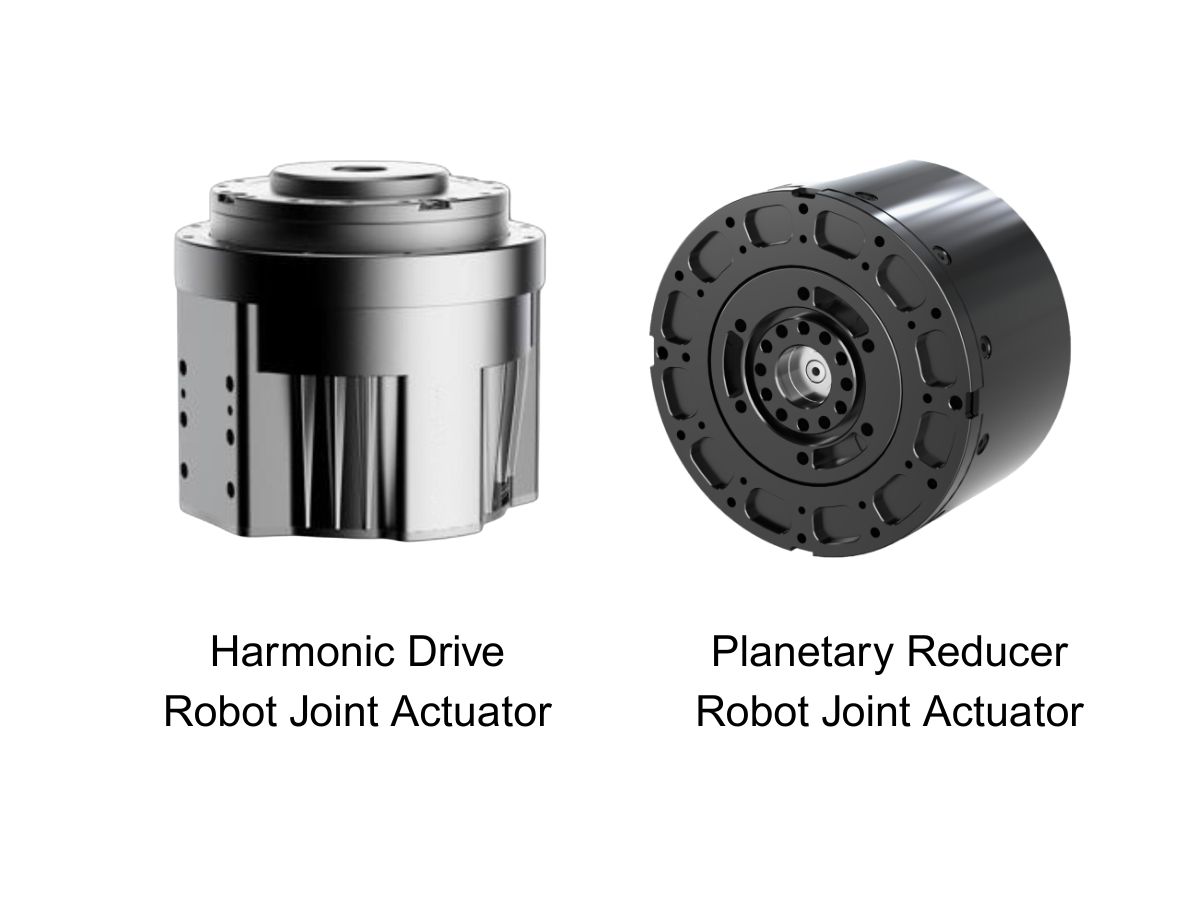
 What is robot joint actuator?How to Choose the Best Robot Rotary Joint Actuator?In core robot joint transmission solutions, planetary and harmonic rotary actuators each have their own strengths. Choosing the right type based on application requirements is essential to achieve the optimal balance between performance and cost.
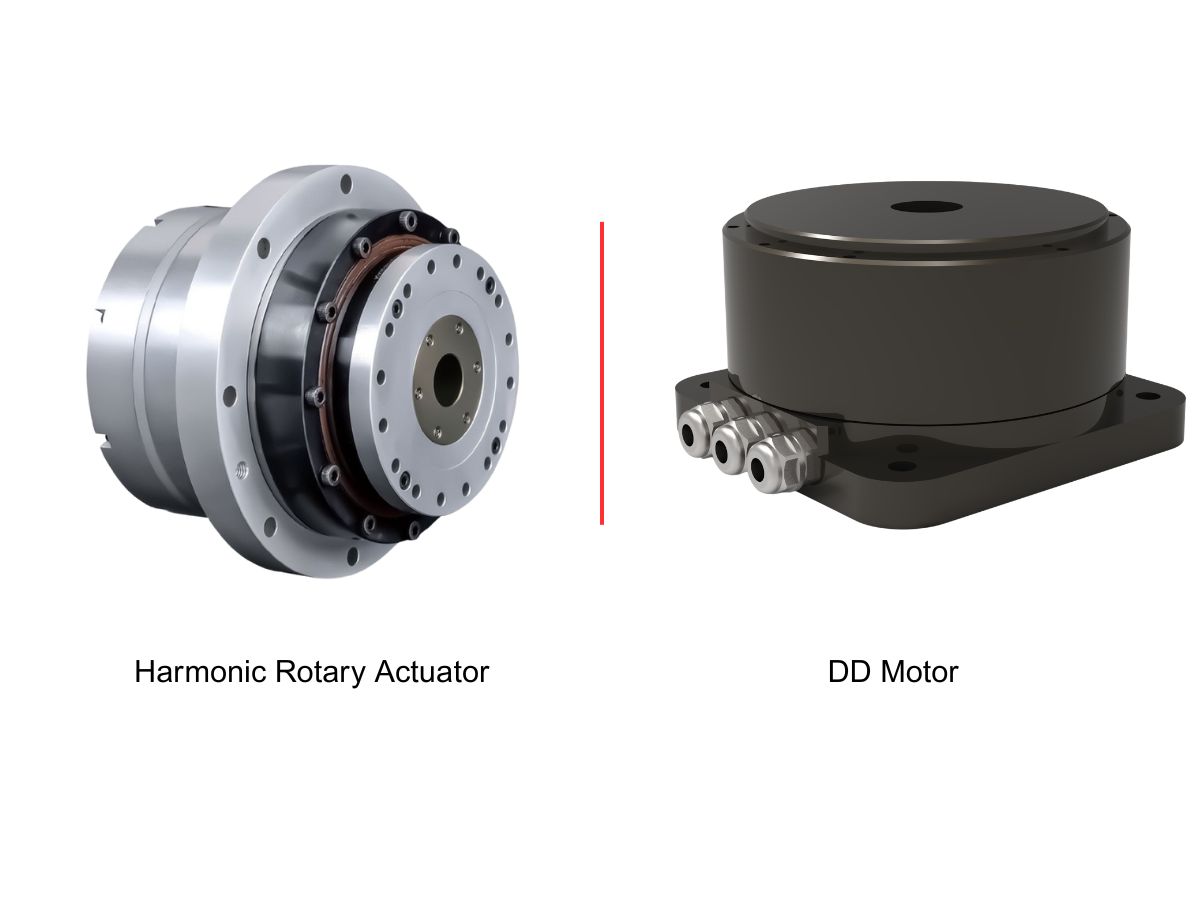
 DD Motors VS Harmonic Rotary ActuatorsThis article provides an in-depth comparison between Direct Drive (DD) motors and harmonic rotary actuators, covering their transmission principles, advantages and disadvantages, and typical application fields.
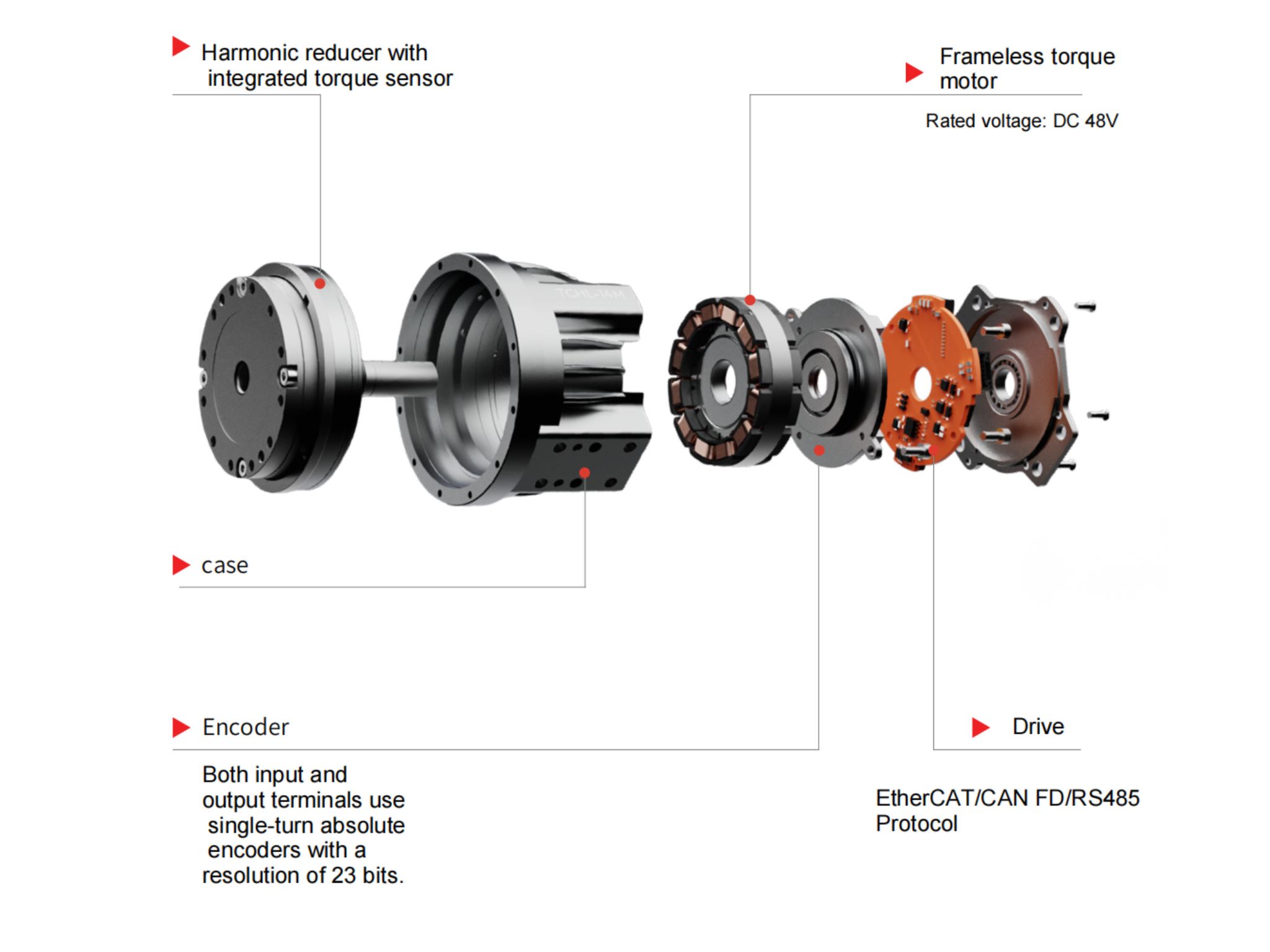
 OMG Ultra Compact Harmonic Drive Joint Module with Built-in Torque SensorHONPINE TCHL series harmonic drive joint module is a game-changing product that achieves disruptive improvements in multiple aspects such as lightweight design, integration level, and connection convenience. This article will analyze its revolutionary enhancements with you.
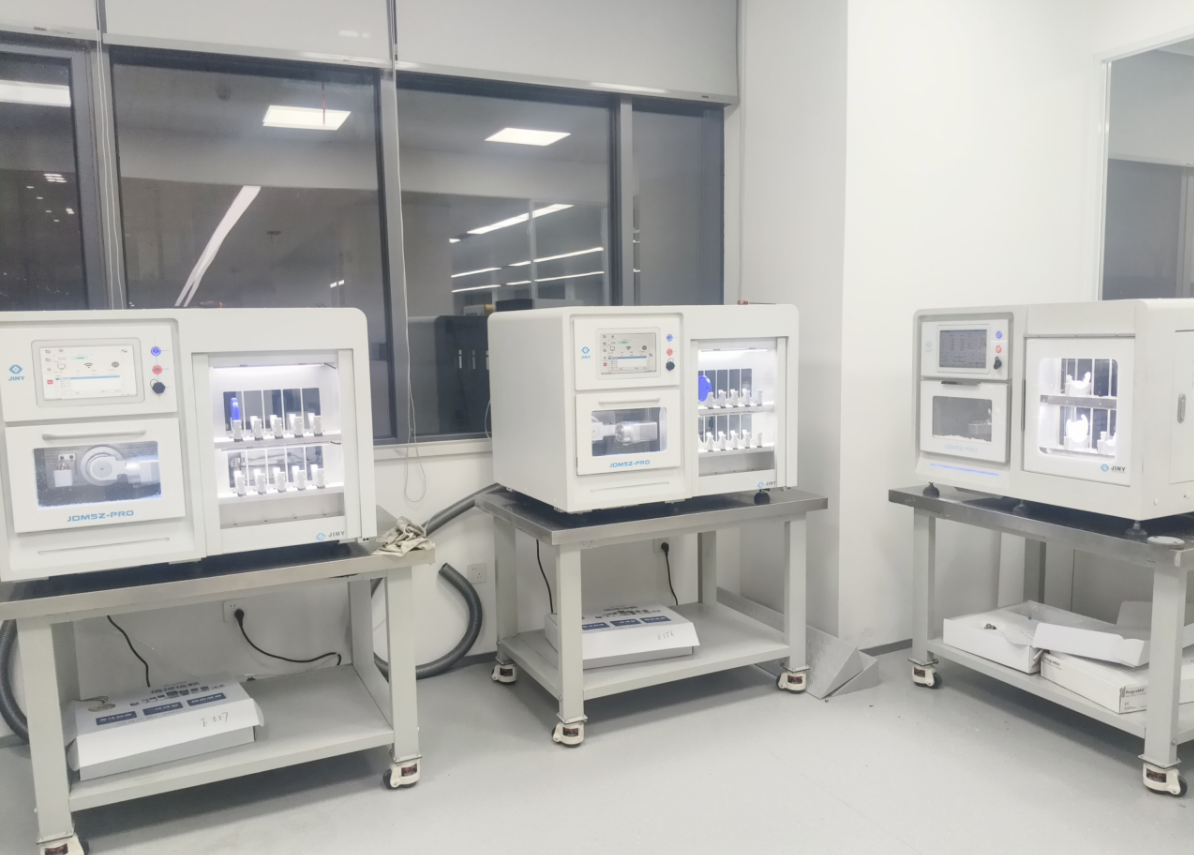
 The Role of Harmonic Drive Gears in Achieving 5–10 μm Accuracy in Dental Milling MachinesA dental milling machine is a CNC machining system used to directly process digital dental models into restorations such as crowns, bridges, veneers, inlays, and implant abutments. Dental milling machines require far higher operational accuracy and motion stability than ordinary equipment. This article explains how harmonic drive gear help dental milling machines achieve stable, continuous, and controllable operation.
 Why Are Harmonic Rotary Actuators Perfect for Medical Equipment?Harmonic rotary actuators (typically integrated systems consisting of a harmonic drive reducer, frameless torque motor, encoder, and optional brake) are regarded as key components in medical equipment. The core reason is that they simultaneously meet the most stringent medical requirements for precision, compact size, safety, and controllability. The following explanation is structured from three perspectives: technical characteristics, application scenarios, and medical value.
 High-Precision RV Reducers Perfectly Matched for Walking RobotsThe walking axis of a robot is a core component for power transmission and support. RV reducers provide extremely high rigidity, precision, and torque while maintaining a compact size and exceptional reliability, making them an ideal match for the demanding requirements of walking robot joints in terms of load capacity, impact resistance, and precision.
 Automate 2026 Sends a New Signal: Humanoid Robots Enter the Era of AccountabilityAUTOMATE is the leading industrial automation and robotics exhibition in North America. Organized by the Association for Advancing Automation (A3), it is widely recognized as a global benchmark event in the automation industry.
 Thailand Industrial Show Opens With Smart Manufacturing FocusAutomation production line insights from the Thailand Industrial Show: explore smart manufacturing trends, energy storage EOL testing, and automotive module assembly opportunities in Southeast Asia.
 Transmission Accuracy Analysis of Integrated Robot Joint Modules: Key Error Factors and Optimization Methods for High-Precision RoboticsThis article focuses on the transmission accuracy of integrated robot joint modules, which are core actuators in industrial robots and humanoid robotic systems. The module integrates a servo motor, precision reducer, and control system into a compact structure, significantly improving motion efficiency, stiffness, and positioning accuracy.
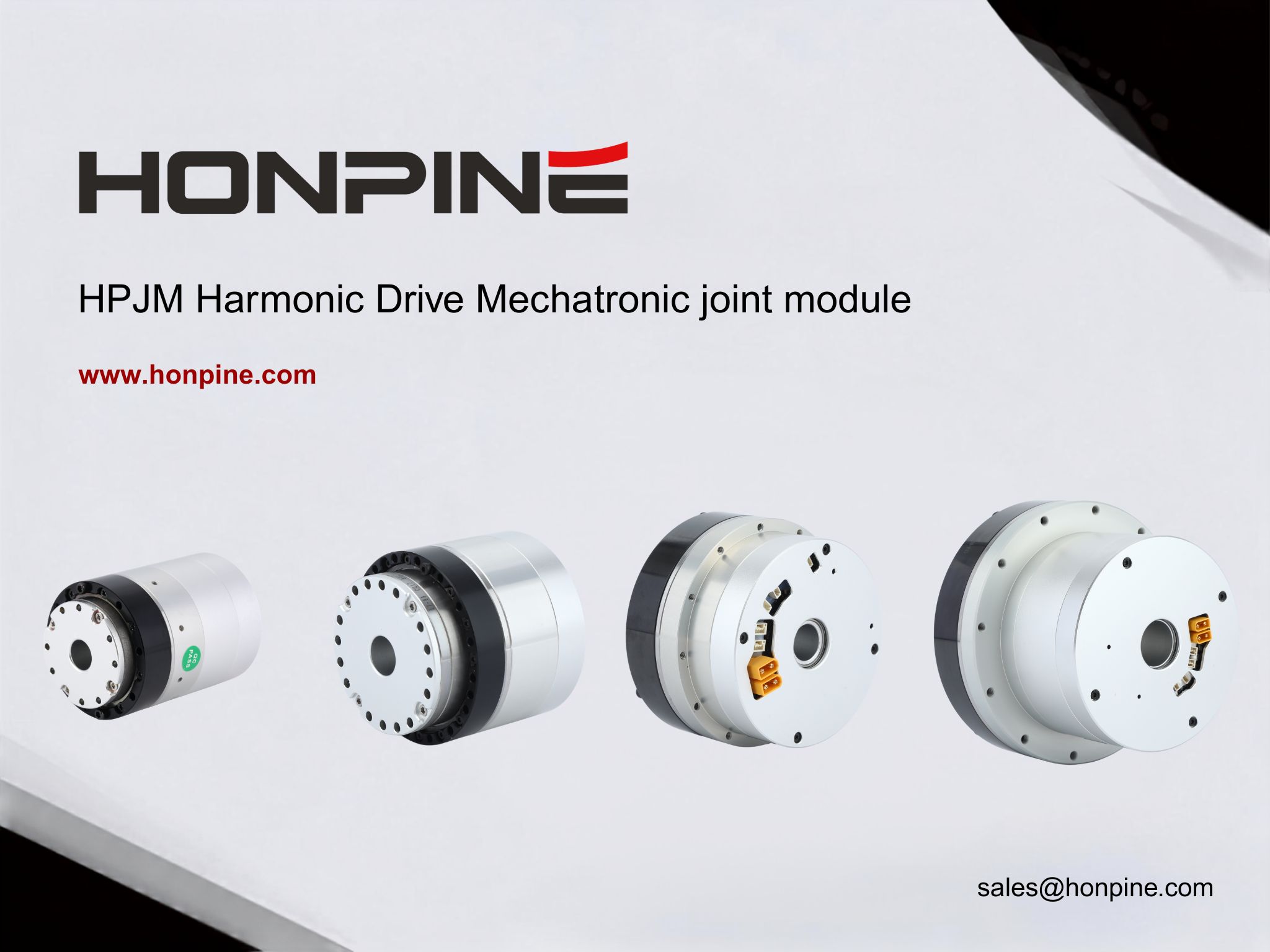
 HONPINE 2026 Star Product – HPJM Mechatronic Joint Module SeriesHello everyone,
I’m Allen, Founder of HONPINE. In this article, I would like to introduce HONPINE’s flagship product for 2026—the HPJM Mechatronic Joint Module Series.
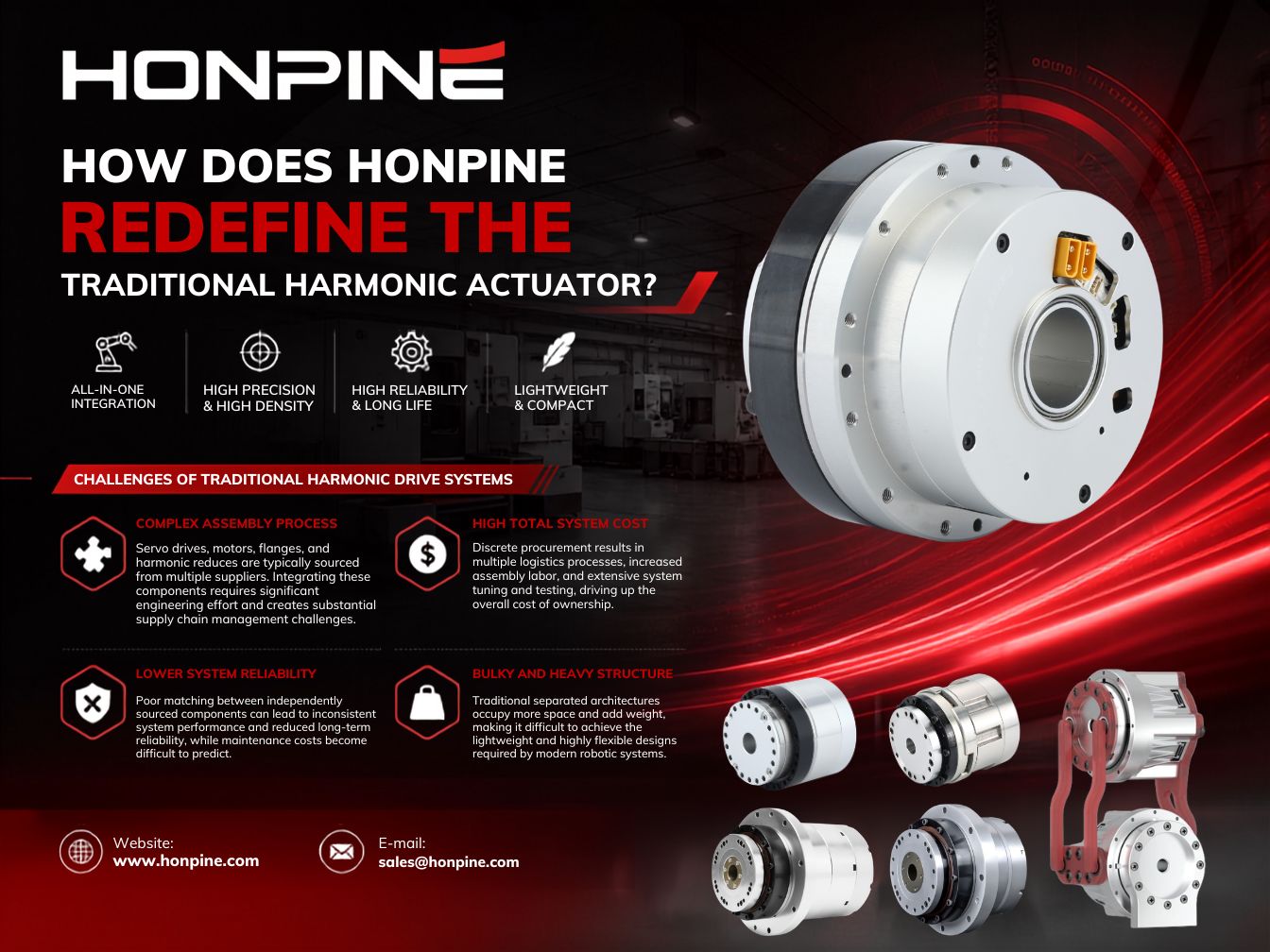
We are not highlighting this product because it is new. Rather, we recommend it because it has been validated by the market for more than nine years. While many companies only began developing and manufacturing mechatronic joint modules in recent years due to the rapid growth of embodied AI and humanoid robotics, the HONPINE HPJM Mechatronic Joint Module has a development and application history of more than a decade. Best Harmonic Actuator Supplier in 2026HONPINE is led by a team of experts with extensive experience in precision transmission systems and robotic motion control. We position ourselves as a technology-driven partner specializing in the precision motion control ecosystem.
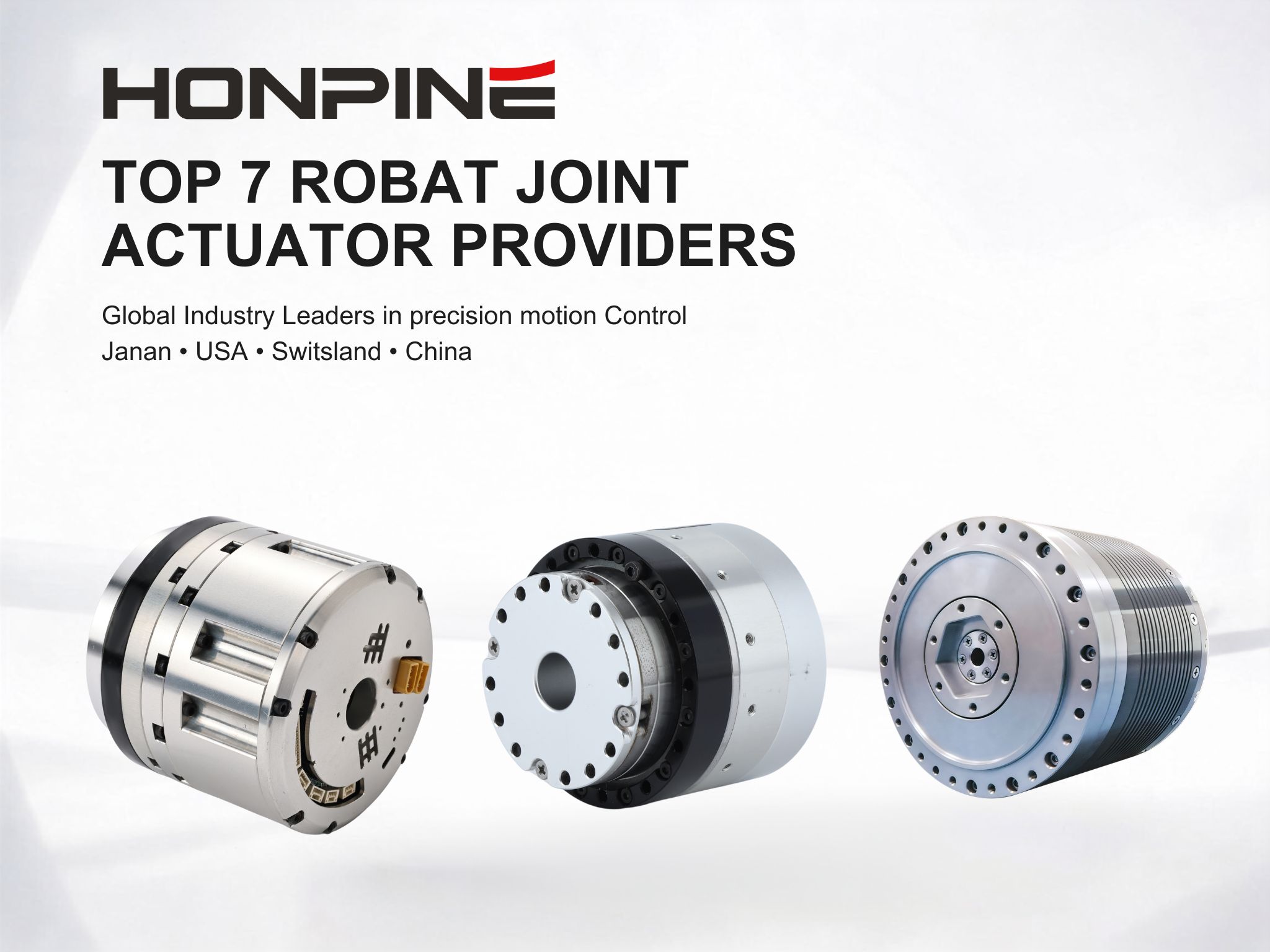
Unlike traditional component suppliers, HONPINE harmonic actuators goes beyond selling individual products. We provide a complete closed-loop service covering product selection, precision mechanical integration, on-site commissioning, and full-system delivery, helping customers accelerate development while reducing engineering risks. Top 7 Robot Joint Actuator ProvidersThis article highlights seven leading global robot joint actuator providers, including Harmonic Drive Systems, Kollmorgen, Maxon, Midea Industrial Technology (Welling), HONPINE, Laifual Drive, and CubeMars.

Double Click
We provide harmonic drive reducer,planetary reducer,robot joint motor,robot rotary actuators,RV gear reducer,robot end effector,dexterous robot hand
 BIS Curbs High-Power Beam Control Modules for 10kW Cutting SystemsLaser cutting machine exporters face new BIS rules on 10kW beam control modules. See how high-power cutting systems, compliance, and overseas assembly plans may be affected.
 EU CE Rule Makes PL Certification MandatoryEU CE Rule Makes PL Certification Mandatory: learn how new EU requirements affect harmonic reducers, ISO 13849-1 PLd compliance, customs clearance, and market access.
 harmonic drive reducer certifications