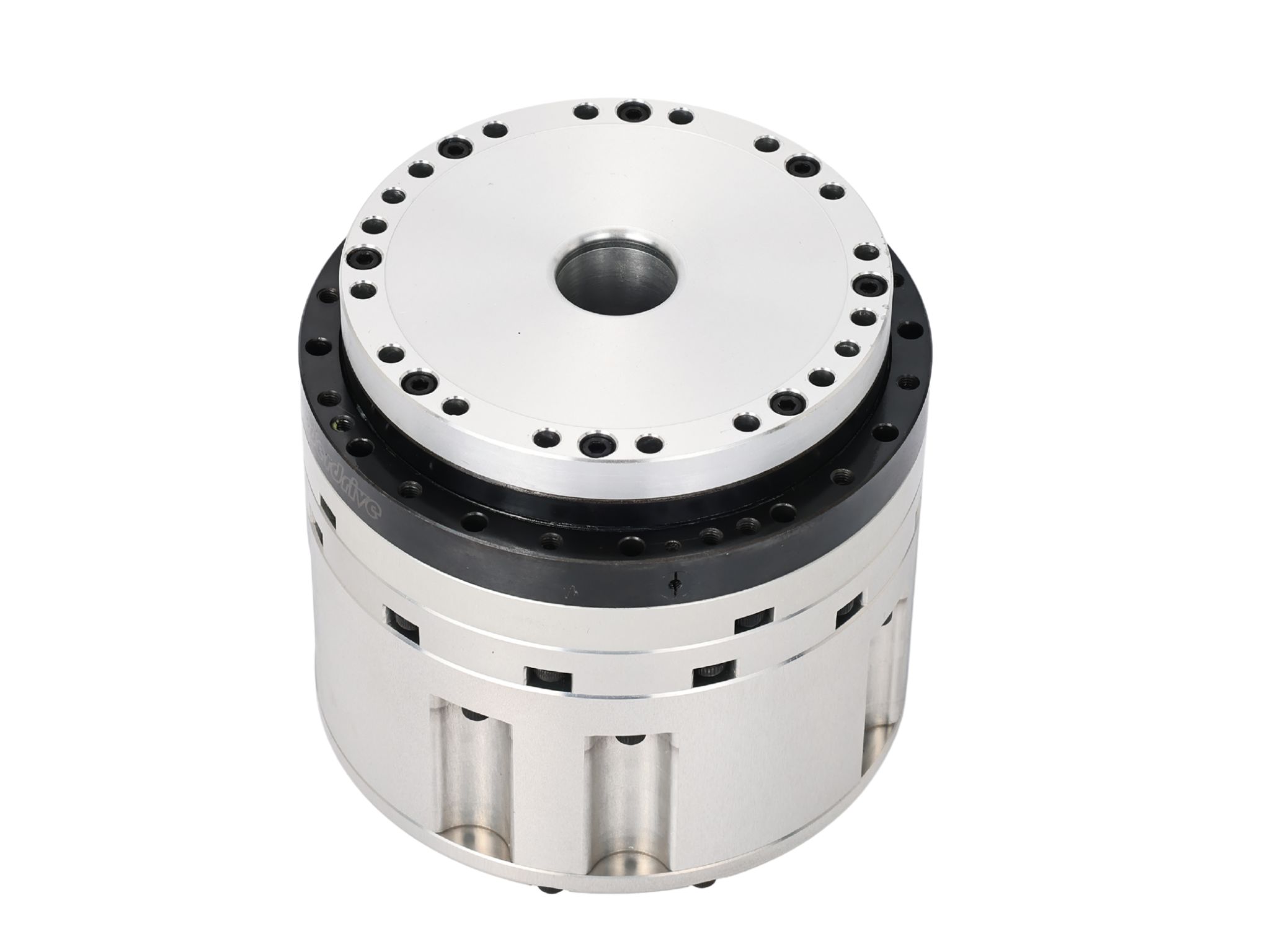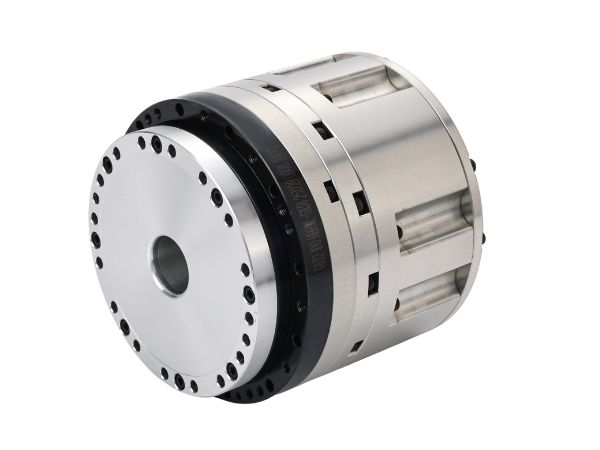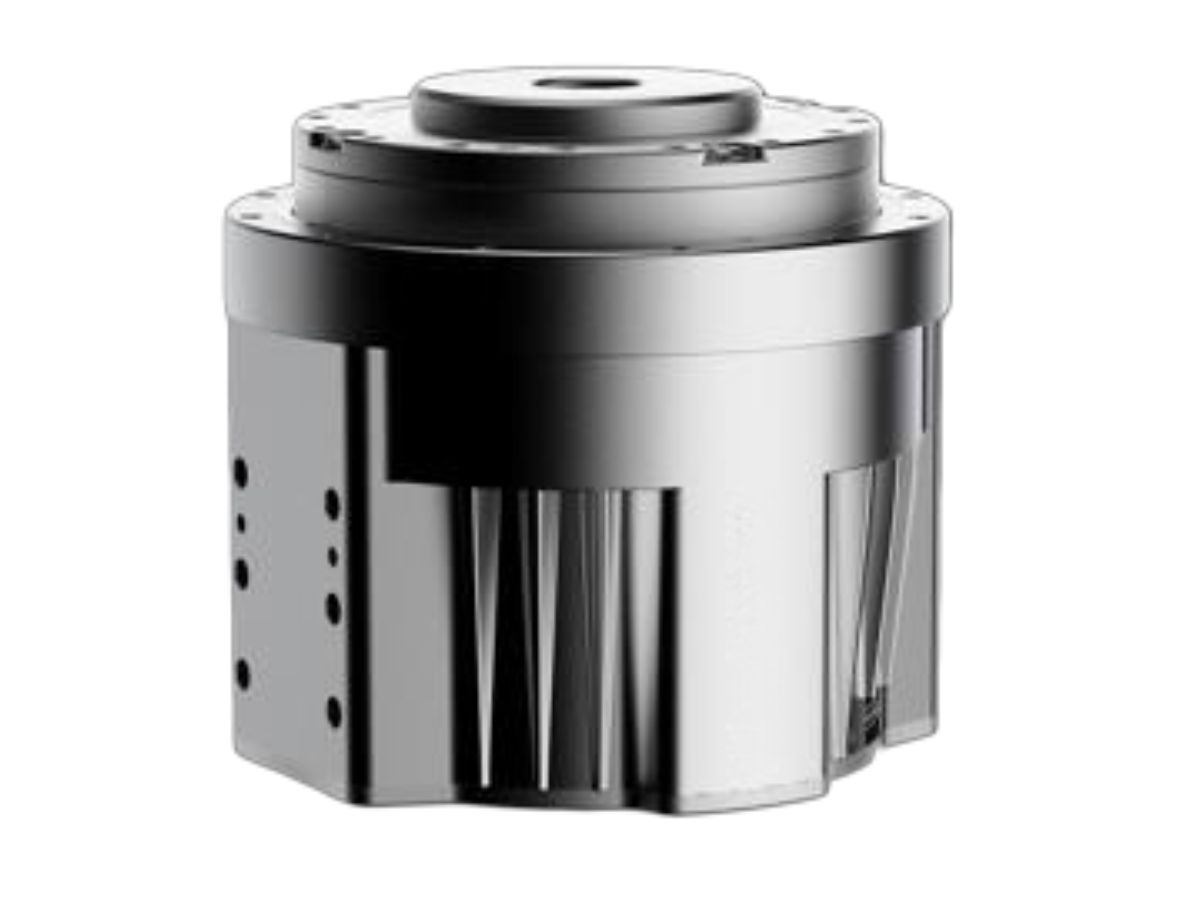










What is harmonic drive motor?
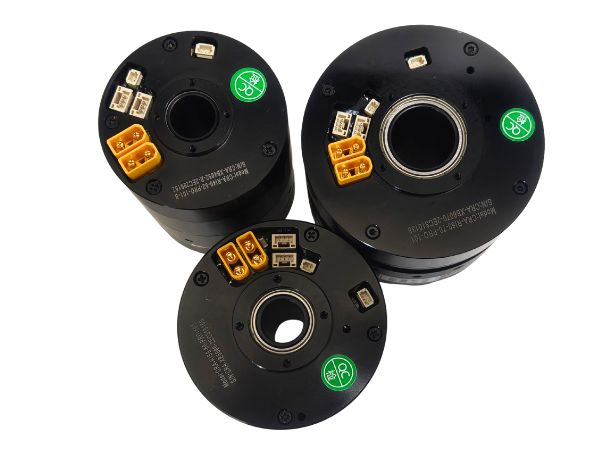
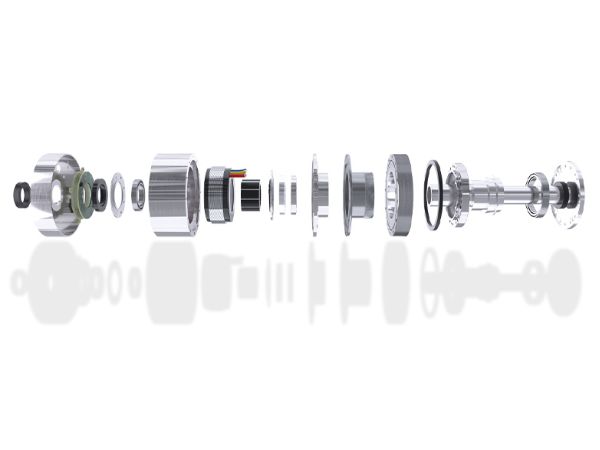
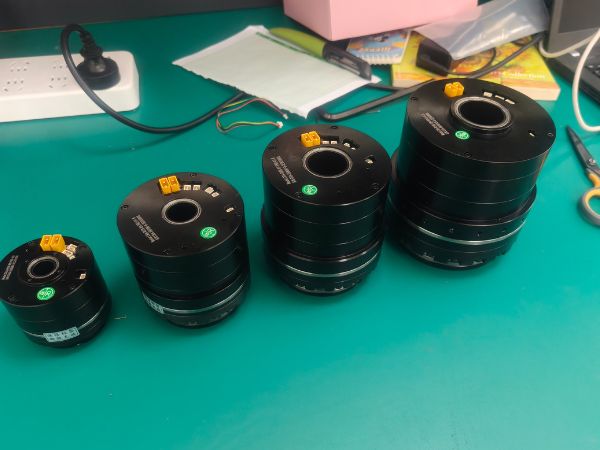
All harmonic drive motor adopt a highly integrated design of driver and motor, compactly integrating core components such as precision reducers, frameless torque motors, servo drivers, and encoders into a single module. This integrated drive and control system results in smaller joint size, simplified wiring, easier installation and debugging, and significantly reduces the overall failure rate of the machine. Downstream manufacturers can quickly build multi-degree-of-freedom robots using these standardized joint modules connected via a bus system.
Harmonic Drive Motors for Humanoid Robots
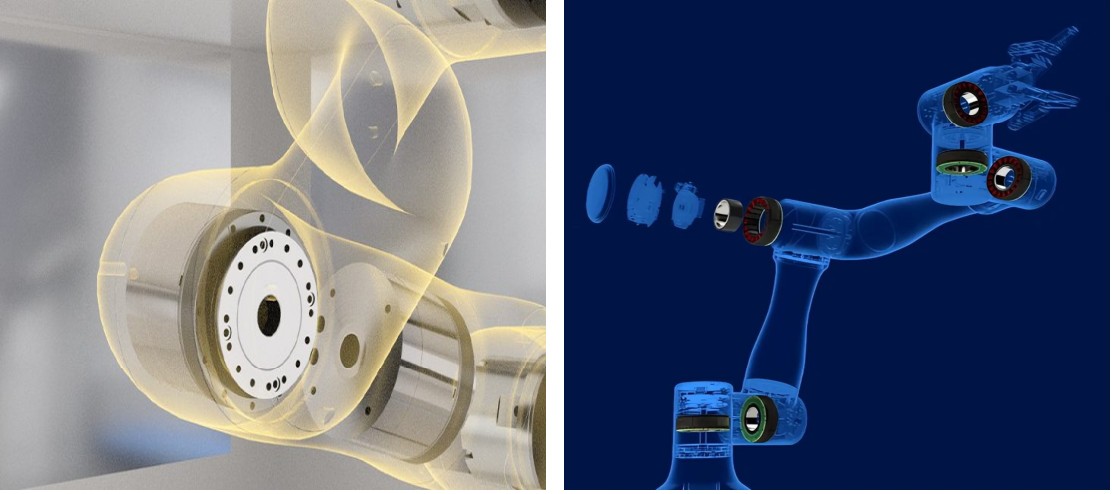
The multi-scenario applications of humanoid robots have also placed more systematic technical demands on harmonic joint mtorss, requiring a balance between lightweight design, high rigidity, and high power density. Furthermore, a high protection rating (such as IP65), vibration resistance, and electromagnetic compatibility are essential characteristics for adapting to complex industrial and outdoor environments. At the system integration level, the Tongchuan Precision HarmoCore series harmonic joints utilize an integrated electromechanical interface design, combining power transmission with real-time communication protocols such as EtherCAT and CAN FD in a single connector. The 8mm wire diameter supports hollow wiring, which not only improves the overall electromagnetic compatibility but also meets the stringent requirements for communication synchronization in multi-joint collaborative control. The IP65 protection rating ensures long-term operational stability in harsh environments such as those with dust and moisture.
How does HONPINE's harmonic drive motor overcome technological barriers?
Deep multidisciplinary coupling: It requires expertise in precision mechanical design, motor electromagnetics, servo control algorithms, thermal management, and materials science, and the ability to achieve cross-disciplinary optimization.
Extreme performance requirements: It pursues high power density (small size, high torque), high response bandwidth, low backlash, and high reliability. These indicators present "conflicts," requiring extreme trade-offs.
Core algorithms and software: Advanced algorithms for torque control, vibration suppression, and fault diagnosis are crucial.
- What is robot joint actuator?How to Choose the Best Robot Rotary Joint Actuator?Apr 14, 2026In core robot joint transmission solutions, planetary and harmonic rotary actuators each have their own strengths. Choosing the right type based on application requirements is essential to achieve the optimal balance between performance and cost.
- DD Motors VS Harmonic Rotary ActuatorsApr 01, 2026This article provides an in-depth comparison between Direct Drive (DD) motors and harmonic rotary actuators, covering their transmission principles, advantages and disadvantages, and typical application fields.
- OMG Ultra Compact Harmonic Drive Joint Module with Built-in Torque SensorJan 27, 2026HONPINE TCHL series harmonic drive joint module is a game-changing product that achieves disruptive improvements in multiple aspects such as lightweight design, integration level, and connection convenience. This article will analyze its revolutionary enhancements with you.
- Why Does an RV Reducer Need Profile Modification? How to Further Reduce Backlash and Transmission Error?Sep 22, 2026An RV Reducer is designed to deliver high torque, high stiffness, and precise motion for demanding applications such as robotic joints, industrial rotary tables, and precision machinery. However, achieving low backlash and stable transmission accuracy requires more than high-precision machining. Cycloidal profile modification must also account for manufacturing tolerances, assembly errors, load-induced deformation, thermal expansion, and lubrication conditions. In this article, we examine why RV reducers require profile modification, how different modification methods affect meshing, and how engineers can further control backlash and transmission error through profile design, error budgeting, structural analysis, precision manufacturing, and validation testing.
- How to Choose a Hollow Rotary Platform: A Complete Selection Guide?Sep 22, 2026A hollow rotary platform is widely used in precision automation where rotary positioning, compact integration, and cable routing through the rotation axis are required. However, choosing the right platform involves more than comparing rated torque or maximum speed. Load, eccentricity, overturning moment, inertia, positioning accuracy, hollow bore, acceleration, duty cycle, and installation conditions all affect the actual performance of the rotary system. This guide explains the key parameters engineers should consider when selecting a hollow rotary platform for CNC indexing, wafer handling, vision inspection, laser processing, dispensing, and other precision rotary applications.