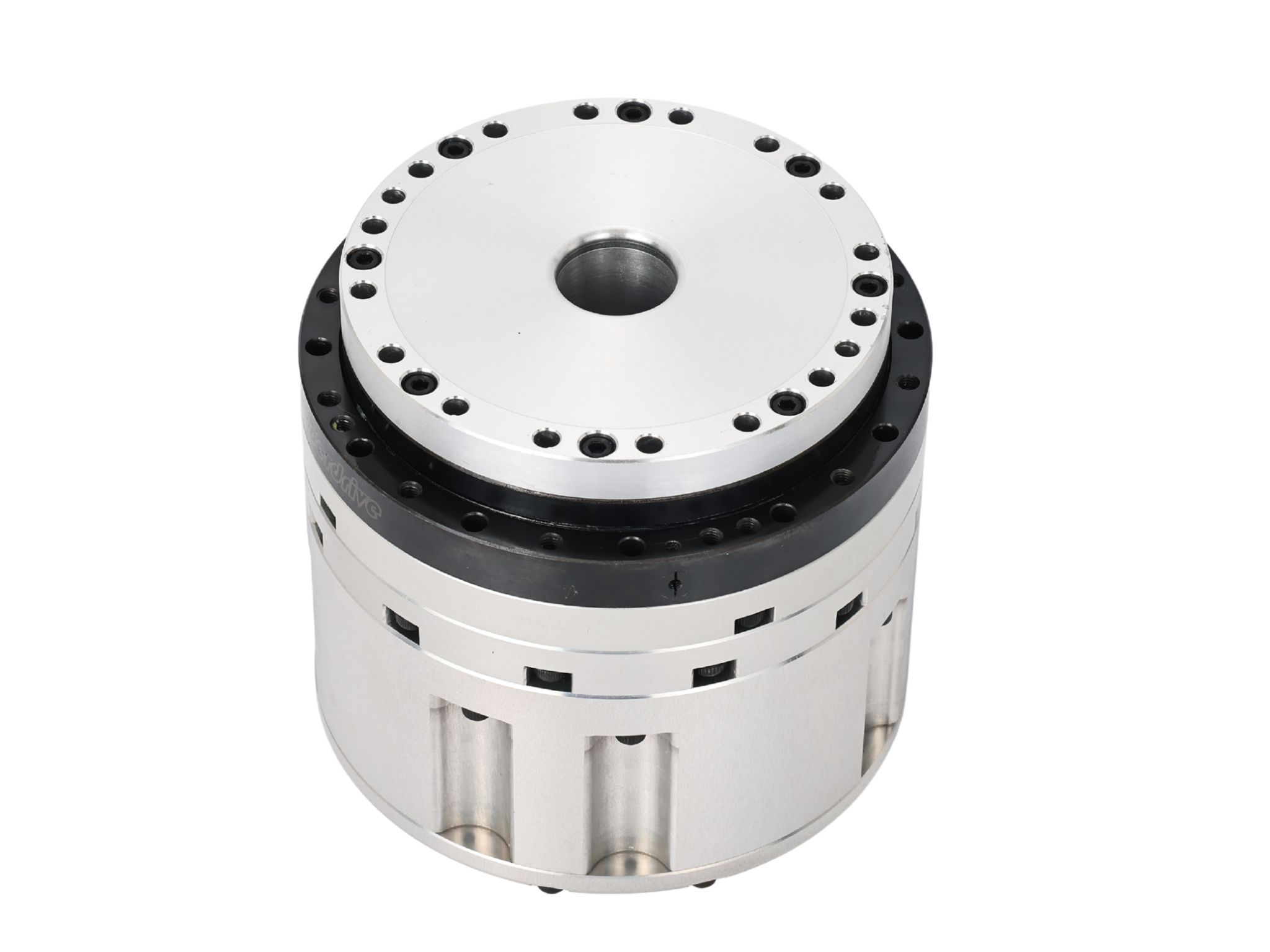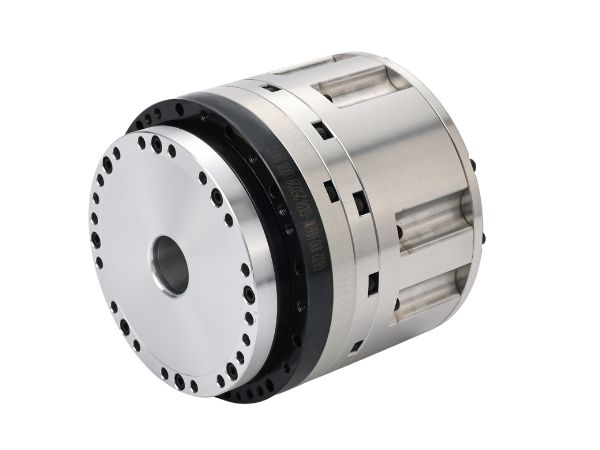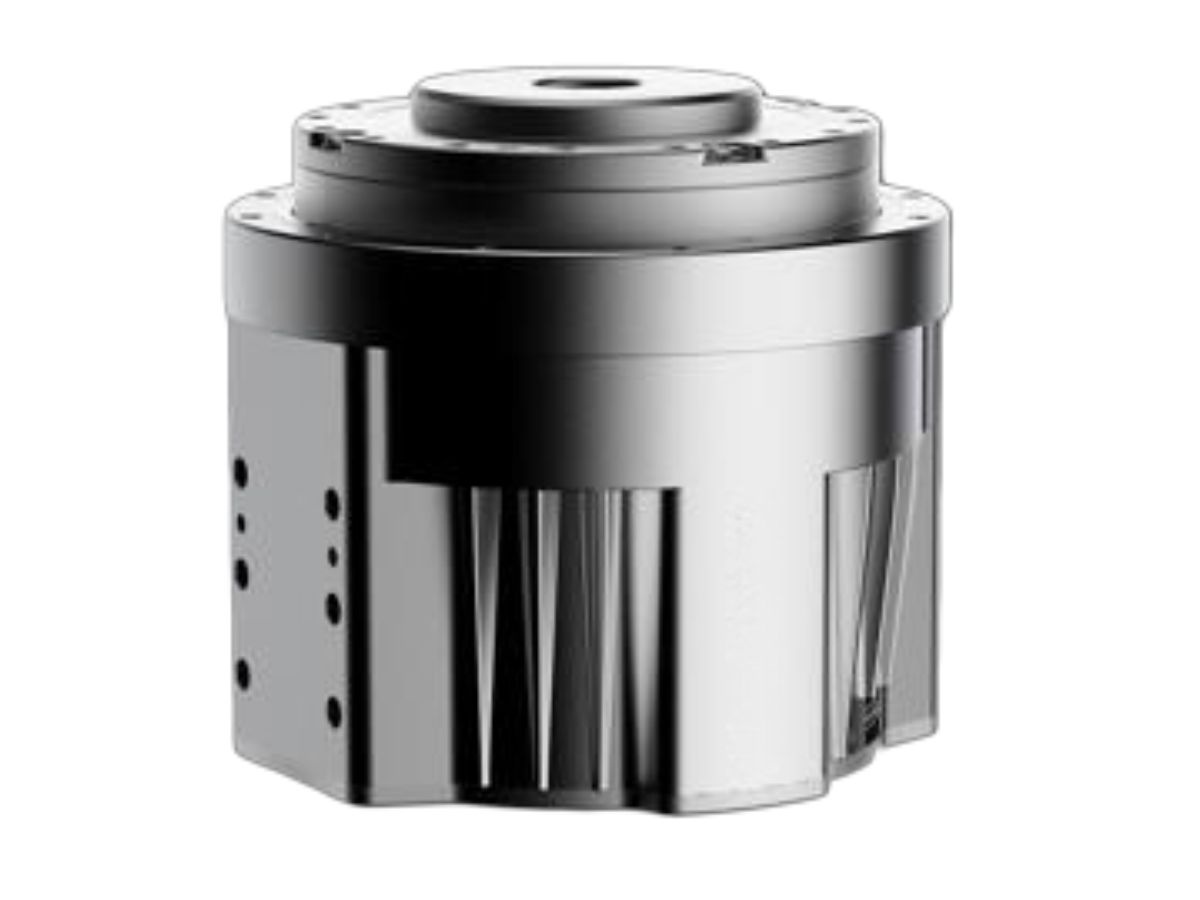


Strain Wave Generator is not only a component, but a key technology for precision motion control. By driving the elastic deformation used in harmonic drive systems, it enables a compact structure, high reduction ratios, ultra-low backlash, and high positioning accuracy. Thanks to its near-zero backlash, high reduction ratio, compact design, high precision, excellent repeatability, and high torque density, it is widely used in a variety of precision transmission applications.
What is a Strain Wave Generator?
A Strain Wave Generator is a critical part of a harmonic drive transmission system. It is typically composed of an elliptical cam assembly and a bearing, which forces a flexible gear to deform in a controlled manner, thereby transmitting power and motion.
In most harmonic drive structures, there are three main components:
Wave Generator (Strain Wave Generator): elliptical cam + bearing assembly
Flexspline: thin-walled flexible cup-shaped gear (external teeth)
Circular Spline: rigid ring gear (internal teeth)
The strain wave generator can be understood as the “driving source” of the entire harmonic drive. By creating elastic deformation, it allows the flexspline and circular spline to mesh at two opposite regions, resulting in smooth, precise, and high reduction ratio output.
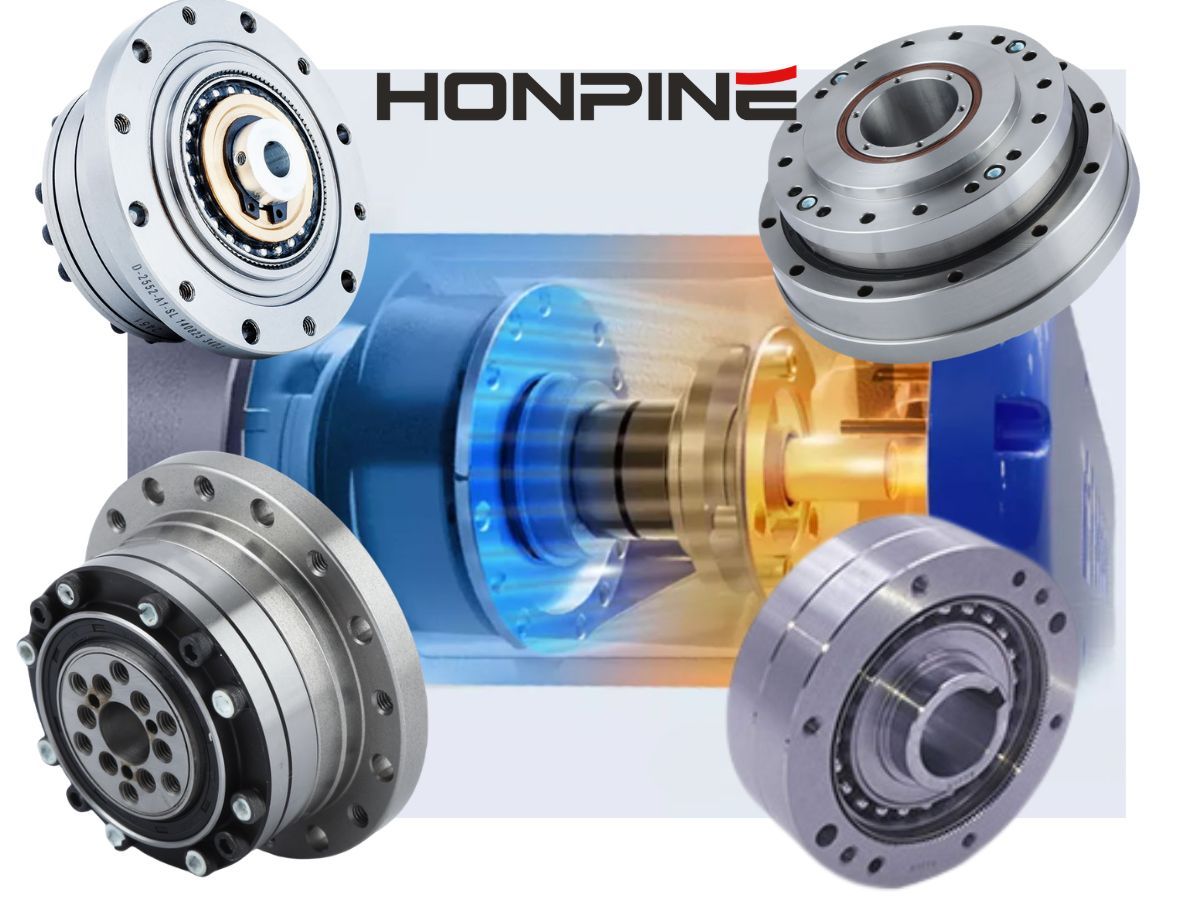
Why Choose a Strain Wave Generator?
The core function of a strain wave generator is to create controlled deformation of the flexspline so it can mesh with the circular spline, achieving high reduction ratios and high precision output.
Because tooth engagement is achieved through deformation—and the meshing state can be optimized by preload—harmonic drive systems can achieve much lower backlash than traditional gear transmissions.
Why Choose HONPINE Strain Wave Generator?
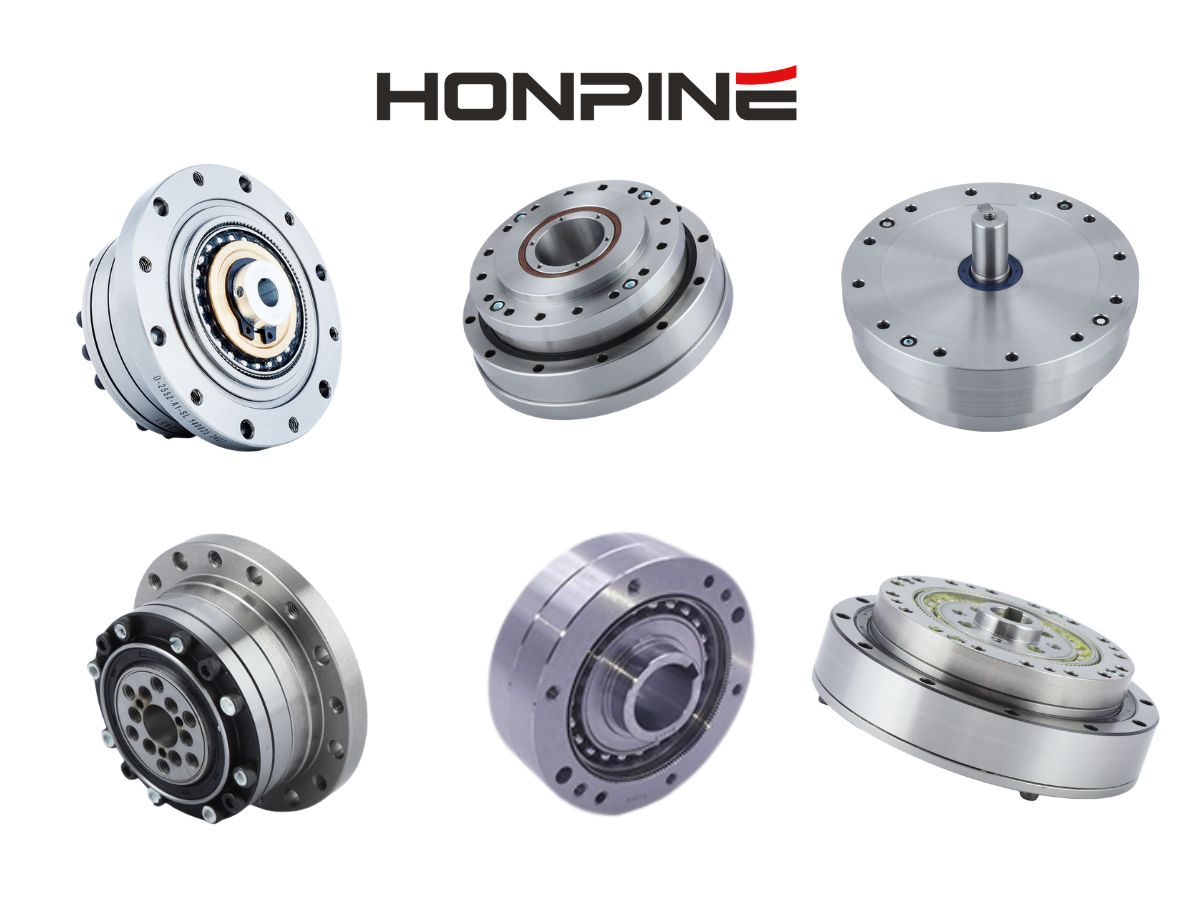
HONPINE Strain Wave Generators have been widely used and quality-verified in many precision machinery applications, including robots, CNC machine tools, aerospace, medical equipment, semiconductor machinery, military equipment, and optical sensing systems.
We usually assist customers from the very beginning with selection—such as choosing the appropriate reduction ratio—and provide technical support. Customers can purchase samples first for R&D and testing, helping ensure a smooth and efficient development process.
- What is robot joint actuator?How to Choose the Best Robot Rotary Joint Actuator?Apr 14, 2026In core robot joint transmission solutions, planetary and harmonic rotary actuators each have their own strengths. Choosing the right type based on application requirements is essential to achieve the optimal balance between performance and cost.
- DD Motors VS Harmonic Rotary ActuatorsApr 01, 2026This article provides an in-depth comparison between Direct Drive (DD) motors and harmonic rotary actuators, covering their transmission principles, advantages and disadvantages, and typical application fields.
- OMG Ultra Compact Harmonic Drive Joint Module with Built-in Torque SensorJan 27, 2026HONPINE TCHL series harmonic drive joint module is a game-changing product that achieves disruptive improvements in multiple aspects such as lightweight design, integration level, and connection convenience. This article will analyze its revolutionary enhancements with you.
- How to Choose High-Precision Rotary Actuators for Industrial Automation?Oct 15, 2026High-precision rotary actuators play an important role in industrial automation, where positioning accuracy, repeatability, durability and installation flexibility directly affect equipment performance. HONPINE offers four main series of precision rotary actuators, including HAT, HAM and HAS harmonic rotary actuators and HPG low-backlash planetary actuators. With torque ratings ranging from 4 to 1,494 Nm across the product range, these solutions are designed for applications in semiconductor manufacturing, 3C automation, laser processing and CNC machine tools. Learn how to identify the right rotary actuator based on operating conditions, precision requirements and mechanical integration needs.
- Why Are Harmonic Reducers Suitable for High-Precision Automation Equipment?Oct 15, 2026Precision automation equipment depends on consistent rotary motion, reliable positioning and compact transmission design. From dispensing head orientation and component angular alignment to automated inspection indexing, harmonic reducers offer a practical solution for applications requiring low backlash and high reduction ratios in limited installation space. This article explains how harmonic reducers support repeatable motion, compares key design configurations, and outlines how to select a suitable reduction ratio and reducer structure based on load, speed, accuracy and machine cycle-time requirements.