







Southeast Asia Tightens Used Machine Tool Imports
On May 15, 2026, Vietnam, Indonesia, Thailand, and Malaysia simultaneously strengthened regulatory controls on the import of used machine tools—a coordinated policy shift with immediate implications for China’s export ecosystem in metalworking equipment. Driven by industrial upgrading goals, environmental compliance priorities, and growing emphasis on equipment safety and traceability, the measures collectively redefine entry requirements across four key ASEAN markets.
Event Overview
On May 15, 2026, authoritative sources confirmed that Vietnam, Indonesia, Thailand, and Malaysia have concurrently upgraded import regulations for used machinery. Vietnam prohibits imports of machine tools older than 10 years, with limited exceptions—up to 15–20 years—for specific industries, subject to mandatory third-party technical appraisal. Indonesia now requires full SNI (Standard Nasional Indonesia) certification, and mandates 100% consistency between submitted documentation and physical nameplate data. Thailand and Malaysia have significantly extended customs and technical approval timelines while enforcing strict formatting rules for power-of-attorney letters and agency appointment documents.
Industries Affected
Direct Exporters (Trading Companies): These firms face heightened pre-shipment compliance burdens—including age verification, origin documentation, and country-specific certification coordination. Delivery lead times are expected to increase by 3–8 weeks per shipment due to layered reviews; non-compliant consignments risk rejection or forced re-export, directly impacting margin and contract fulfillment reliability.
Raw Material Procurement Enterprises: While not direct importers, companies sourcing components or subassemblies from Southeast Asian OEMs may experience upstream cost pressure. Local suppliers—facing tighter equipment renewal cycles—may raise subcontracting fees or delay capacity expansion, indirectly affecting procurement cost structures and supply continuity.
Machining & Manufacturing Firms (End Users): Chinese manufacturers operating subsidiaries or joint ventures in ASEAN must now reassess capex planning for production line upgrades. Older but functional CNC lathes or machining centers previously considered viable for intra-group transfers no longer meet import eligibility—forcing earlier replacement cycles or local sourcing alternatives, which often carry higher TCO (total cost of ownership).
Supply Chain Service Providers (Logistics, Certification Agencies, Customs Brokers): Demand is shifting toward specialized compliance support—not just document handling, but technical appraisal coordination, SNI liaison services, and real-time regulatory interpretation. Generic freight forwarders lacking ASEAN technical certification expertise may lose market share to vertically integrated service providers.
Key Considerations and Response Measures
Verify Equipment Age Against Each Country’s Cut-off Threshold
Exporters must move beyond generic ‘year of manufacture’ declarations. Vietnam’s 10-year rule applies to calendar age—not operational age—and requires verifiable proof (e.g., original invoice, customs clearance record, or manufacturer-issued certificate). For exceptions under 15–20 years, third-party appraisal must be conducted by Vietnam Ministry of Industry and Trade–accredited entities prior to shipment.
Align Documentation with Physical Nameplates—Especially in Indonesia
SNI enforcement now includes on-site verification at Indonesian ports: model numbers, serial numbers, voltage ratings, and safety markings on nameplates must match submitted test reports and commercial invoices character-for-character. Discrepancies—even minor typographical ones—trigger automatic detention pending correction, adding minimum 10 working days to clearance time.
Pre-Submit委任书 (Power of Attorney) Formats to Thai and Malaysian Authorities
Thailand’s Department of Industrial Works and Malaysia’s MITI require POA templates to include notarized signatures, explicit scope of authority (limited to import licensing only), and bilingual (English–local language) execution. Unapproved formats result in outright rejection—not just delay—making pre-submission validation essential before initiating any application.
Editorial Perspective / Industry Observation
Observably, this is not an isolated tightening but a structural signal: ASEAN economies are transitioning from ‘capacity-first’ to ‘quality-and-compliance-first’ import frameworks. Analysis shows that the convergence across four major markets suggests coordinated technical assistance from international standards bodies—not ad hoc national decisions. From an industry perspective, this cluster of measures is better understood as a de facto regional harmonization effort targeting mid-life industrial assets, rather than a protectionist barrier. Current evidence does not indicate tariff hikes or quota restrictions; instead, the focus remains squarely on traceability, safety assurance, and alignment with ISO/IEC conformity assessment principles.
Conclusion
This regulatory alignment marks a material inflection point for cross-border trade in used capital equipment. It underscores that compliance is no longer a back-office function but a core component of export competitiveness. For Chinese exporters, the takeaway is not reduced opportunity—but a requirement to professionalize technical documentation, deepen local regulatory partnerships, and treat each ASEAN market as a distinct, high-integrity compliance jurisdiction.
Source Attribution
Official notifications issued on May 15, 2026, by: Vietnam Ministry of Industry and Trade (Decision No. 17/QD-BCT); Indonesia National Standardization Agency (BSN Circular No. 12/2026-SNI); Thailand Department of Industrial Works (Announcement DW-2026-047); Malaysia Ministry of International Trade and Industry (MITI Notice MITI/IMP/2026/009). Regulatory implementation details—including approved third-party appraisers and SNI-accredited labs—remain subject to ongoing updates; stakeholders are advised to monitor official portals weekly.
Read More
Learn more about the story of HONPINE and industry trends related to precision transmission.
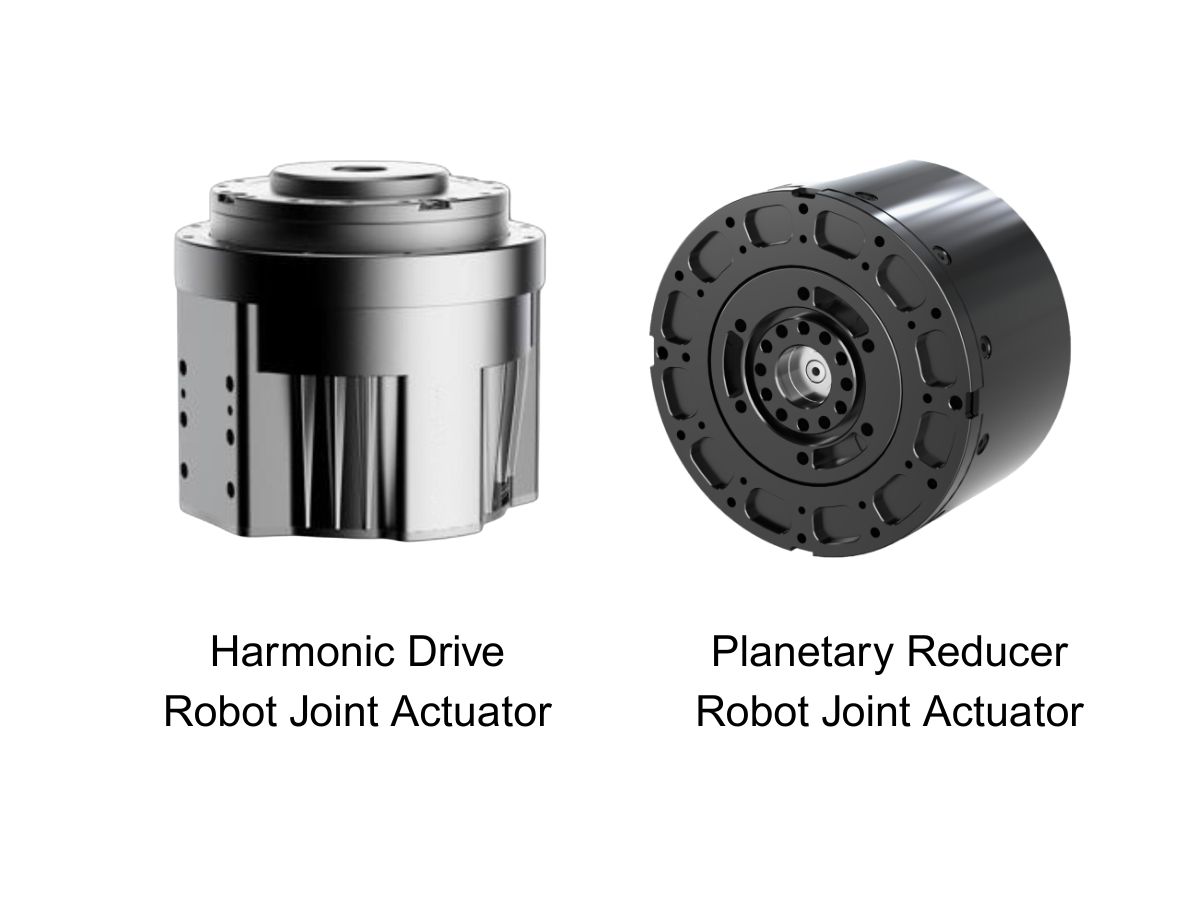
 What is robot joint actuator?How to Choose the Best Robot Rotary Joint Actuator?In core robot joint transmission solutions, planetary and harmonic rotary actuators each have their own strengths. Choosing the right type based on application requirements is essential to achieve the optimal balance between performance and cost.
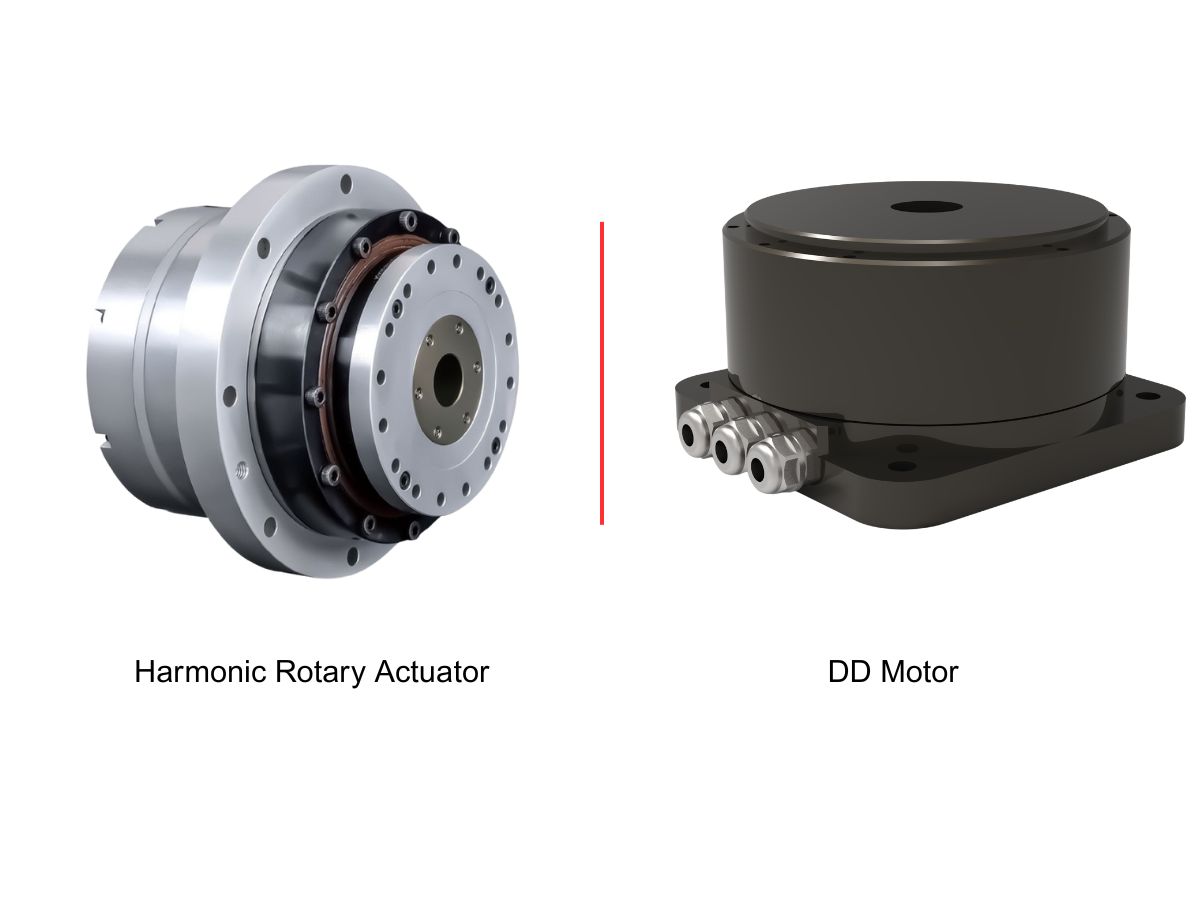
 DD Motors VS Harmonic Rotary ActuatorsThis article provides an in-depth comparison between Direct Drive (DD) motors and harmonic rotary actuators, covering their transmission principles, advantages and disadvantages, and typical application fields.
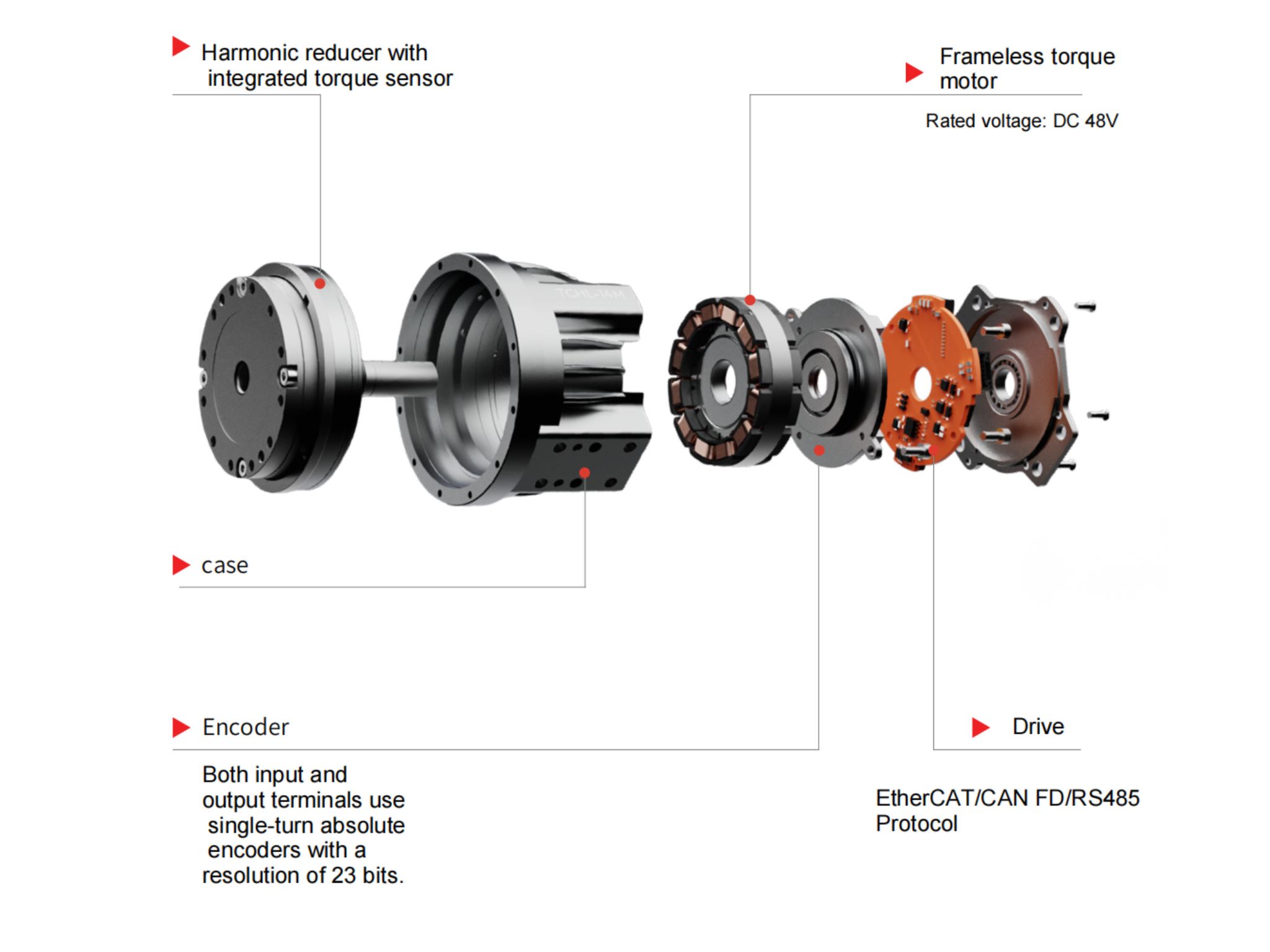
 OMG Ultra Compact Harmonic Drive Joint Module with Built-in Torque SensorHONPINE TCHL series harmonic drive joint module is a game-changing product that achieves disruptive improvements in multiple aspects such as lightweight design, integration level, and connection convenience. This article will analyze its revolutionary enhancements with you.
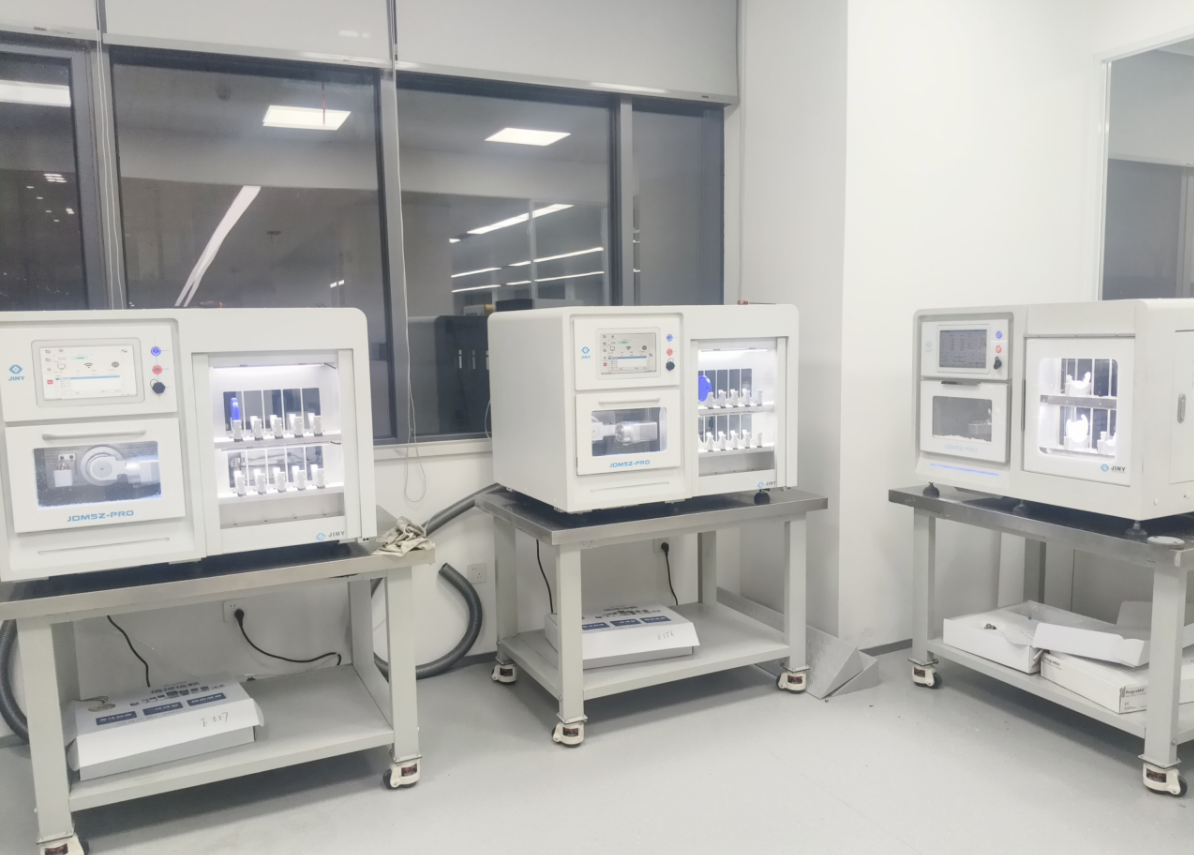
 The Role of Harmonic Drive Gears in Achieving 5–10 μm Accuracy in Dental Milling MachinesA dental milling machine is a CNC machining system used to directly process digital dental models into restorations such as crowns, bridges, veneers, inlays, and implant abutments. Dental milling machines require far higher operational accuracy and motion stability than ordinary equipment. This article explains how harmonic drive gear help dental milling machines achieve stable, continuous, and controllable operation.
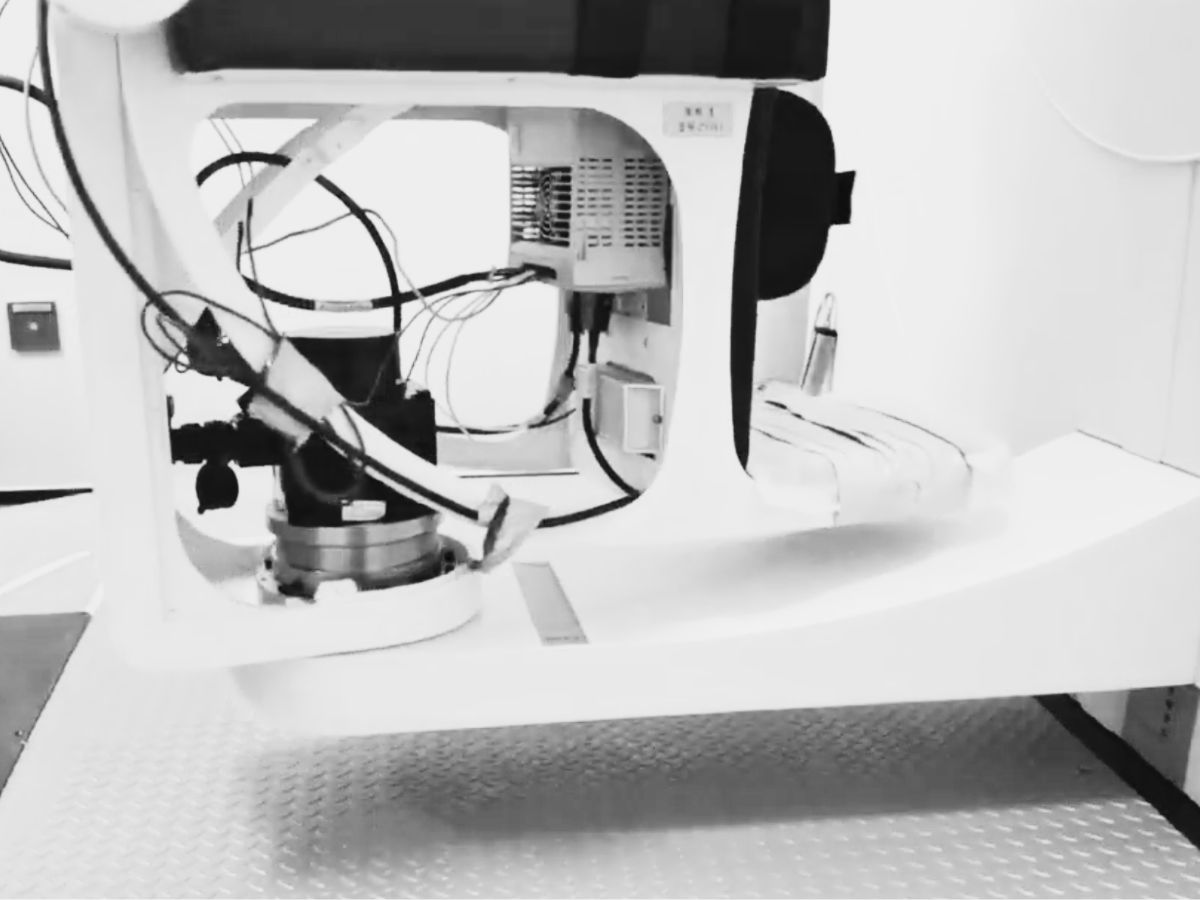
 Why Are Harmonic Rotary Actuators Perfect for Medical Equipment?Harmonic rotary actuators (typically integrated systems consisting of a harmonic drive reducer, frameless torque motor, encoder, and optional brake) are regarded as key components in medical equipment. The core reason is that they simultaneously meet the most stringent medical requirements for precision, compact size, safety, and controllability. The following explanation is structured from three perspectives: technical characteristics, application scenarios, and medical value.
 High-Precision RV Reducers Perfectly Matched for Walking RobotsThe walking axis of a robot is a core component for power transmission and support. RV reducers provide extremely high rigidity, precision, and torque while maintaining a compact size and exceptional reliability, making them an ideal match for the demanding requirements of walking robot joints in terms of load capacity, impact resistance, and precision.
![]() Southeast Asia Tightens Used Machine Tool ImportsUsed machine tool imports face new ASEAN restrictions: Vietnam, Indonesia, Thailand & Malaysia tighten rules on age, certification & documentation—key insights for exporters.
Southeast Asia Tightens Used Machine Tool ImportsUsed machine tool imports face new ASEAN restrictions: Vietnam, Indonesia, Thailand & Malaysia tighten rules on age, certification & documentation—key insights for exporters.![]() Japanese CNC Systems Lead Times Extended to 6 Months; Domestic Alternatives Accelerate Global AdoptionJapanese CNC systems lead times now 6 months—global buyers pivot to AI-enabled domestic alternatives like Huazhong for faster delivery, reliability, and smart manufacturing agility.
Japanese CNC Systems Lead Times Extended to 6 Months; Domestic Alternatives Accelerate Global AdoptionJapanese CNC systems lead times now 6 months—global buyers pivot to AI-enabled domestic alternatives like Huazhong for faster delivery, reliability, and smart manufacturing agility.![]() China Implements Zero Tariffs on Machinery Exports to AfricaChina's zero tariffs on machinery exports to Africa boost CNC machine tool competitiveness—5–15% duty savings unlock pricing power, faster tenders & stronger market entry for exporters.
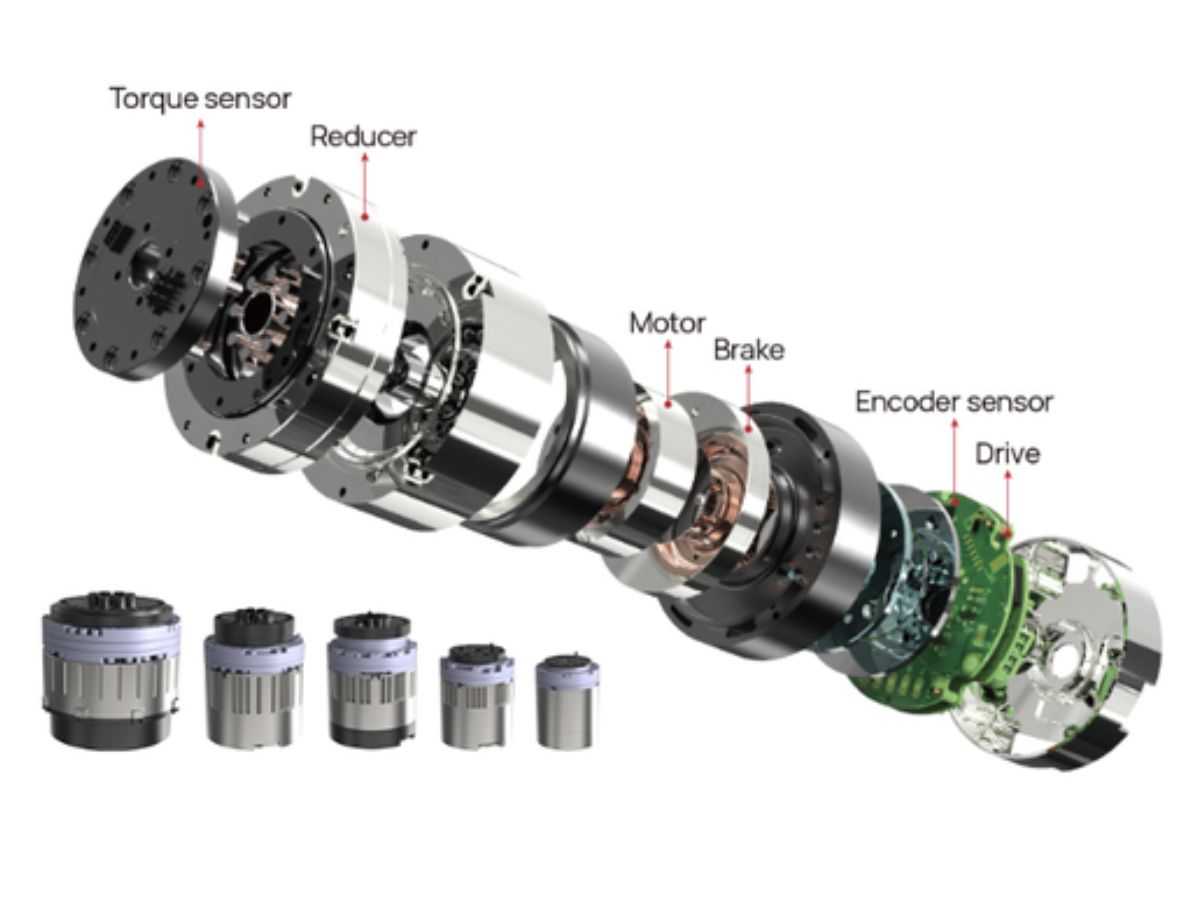
China Implements Zero Tariffs on Machinery Exports to AfricaChina's zero tariffs on machinery exports to Africa boost CNC machine tool competitiveness—5–15% duty savings unlock pricing power, faster tenders & stronger market entry for exporters. What Is the Revolving Joint of a Robot?Structure, Components, and Working Principles Explained?This article will provide you with a comprehensive analysis of a robot's rotary joint, including its integrated components, the role of each component, and how precise control is achieved.
 Which Manufacturers Are Capable of Providing Integrated Frameless Torque Motor and Hollow Rotary Servo Actuator Solutions?A traditional servo rotary actuator consists of a rotor, stator, housing, bearings, end caps, and feedback components. A frameless motor removes all redundant mechanical structures and retains only the electromagnetic conversion core. The rotor becomes a direct part of the load shaft, while the stator is integrated into the machine structure through bonding, locking, or potting.
 Why Are Crossed Roller Bearing Harmonic Reducers Ideal for Robot Joints?In robotic harmonic reducers, crossed roller bearings are the key components that ensure motion accuracy and structural rigidity. Their performance directly affects the robot’s repeat positioning accuracy, load capacity, and service life.


Double Click
We provide harmonic drive reducer,planetary reducer,robot joint motor,robot rotary actuators,RV gear reducer,robot end effector,dexterous robot hand
![]() Southeast Asia Tightens Used Machine Tool ImportsUsed machine tool imports face new ASEAN restrictions: Vietnam, Indonesia, Thailand & Malaysia tighten rules on age, certification & documentation—key insights for exporters.
Southeast Asia Tightens Used Machine Tool ImportsUsed machine tool imports face new ASEAN restrictions: Vietnam, Indonesia, Thailand & Malaysia tighten rules on age, certification & documentation—key insights for exporters.![]() Japanese CNC Systems Lead Times Extended to 6 Months; Domestic Alternatives Accelerate Global AdoptionJapanese CNC systems lead times now 6 months—global buyers pivot to AI-enabled domestic alternatives like Huazhong for faster delivery, reliability, and smart manufacturing agility.
Japanese CNC Systems Lead Times Extended to 6 Months; Domestic Alternatives Accelerate Global AdoptionJapanese CNC systems lead times now 6 months—global buyers pivot to AI-enabled domestic alternatives like Huazhong for faster delivery, reliability, and smart manufacturing agility.![]() China Implements Zero Tariffs on Machinery Exports to AfricaChina's zero tariffs on machinery exports to Africa boost CNC machine tool competitiveness—5–15% duty savings unlock pricing power, faster tenders & stronger market entry for exporters.
China Implements Zero Tariffs on Machinery Exports to AfricaChina's zero tariffs on machinery exports to Africa boost CNC machine tool competitiveness—5–15% duty savings unlock pricing power, faster tenders & stronger market entry for exporters. Embedded vs. External Torque Sensors in Robotic Joints Module: Engineering Trade-offs and Future TrendsIn recent years, with the rapid growth of humanoid robots and collaborative robots, high-precision force control has become a core capability for achieving compliant and safe interaction. At the heart of this capability lies a critical component inside the robotic joint module: the torque sensor, responsible for perceiving force.
However, the installation method of torque sensors directly determines joint performance, reliability, and cost. Today, two main technical approaches dominate the market: embedded (integrated) and external (add-on) torque sensors.
This distinction goes beyond simply “built-in” versus “attached.” The fundamental difference lies in whether the torque sensing structure is an intrinsic part of the mechanical transmission chain and integrated within the joint itself. A Complete Guide to Choosing Single-Encoder vs. Dual-Encoder Robot Joint ActuatorsIn a robot joint, encoders play a role similar to human vision and proprioception. They continuously measure the position and speed of both the motor rotor and the output shaft, feeding this information back to the controller to form a precise closed-loop control system.
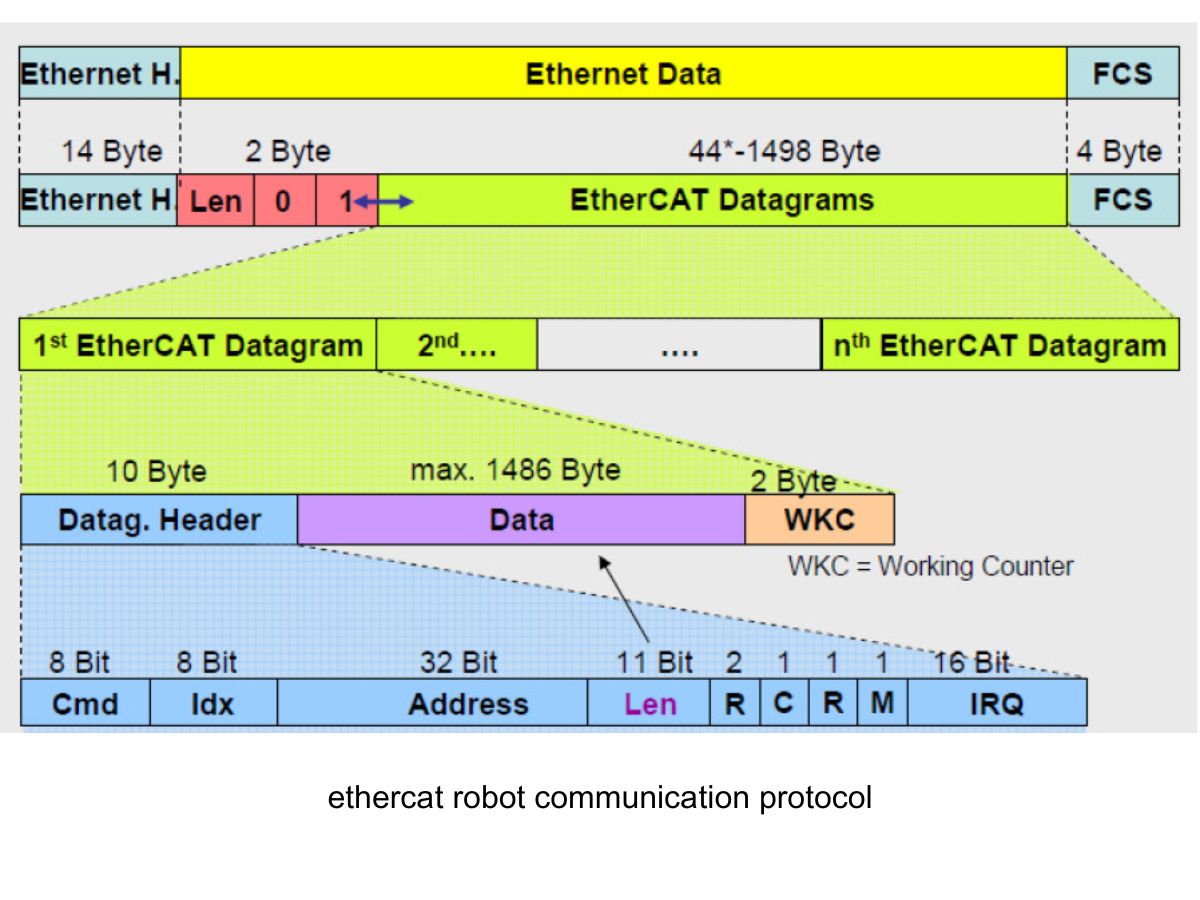
Encoders are also one of the core components of HONPINE joint actuators, directly determining motion accuracy, stability, and safety. Robot Communication Protocols: Why EtherCAT and CAN Are the FutureAccording to statistics released by the EtherCAT Technology Group (ETG) in 2024, EtherCAT has captured 39.2% of the global industrial robot communication protocol market, with an annual growth rate of 12.7%, significantly outperforming other competing protocols. Its advantages are particularly evident in key application scenarios: from multi-joint real-time coordinated control in humanoid robots, to multi-sensor fusion in autonomous driving, and human–machine collaboration in Industry 4.0. EtherCAT is redefining how intelligent systems interact with the physical world.
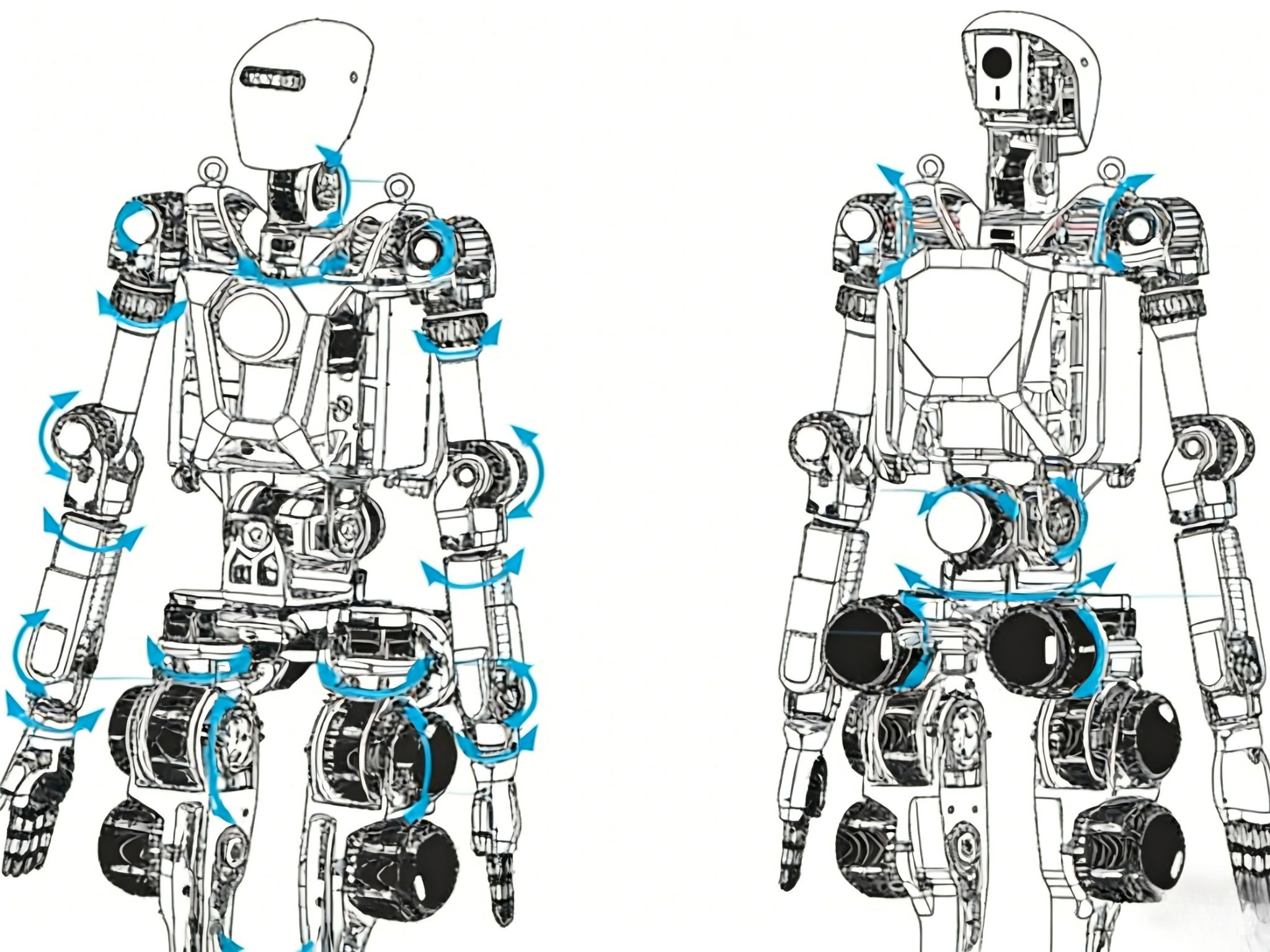
 Why Is It So Difficult for the Price of High-Performance Humanoid Robots to Decrease?And Why Are Harmonic Joint Modules Still Irreplaceable?The core reason lies in one unavoidable requirement: high degrees of freedom.
High DOF is essential for humanoid robots, and this directly leads to harmonic joint modules accounting for a consistently high proportion of total system value. Harmonic Drive Systems VS Nabtesco VS HONPINE Harmonic Drive MotorThe integrated harmonic joint motor is a highly integrated, high-performance robotic joint solution that combines the motor, reducer, encoder, sensors, and other key components into one unit. It provides powerful drive capability and precise motion control for robots. Regarded as the “heart” of humanoid robot motion, it is installed at various joints to control their movement and directly determines the robot’s overall performance. Therefore, choosing a reliable harmonic joint motor is crucial for humanoid robot development.
 How to Find a Reliable Supplier Amid Soaring Demand for Harmonic Drives and Harmonic Actuators?Under the driving forces of AI, embodied intelligence, and other key technologies, the humanoid robot industry is experiencing explosive growth. The demand for harmonic drives and harmonic actuators has surged accordingly, making it increasingly difficult for machinery companies to find reliable suppliers. So, how is HONPINE responding to this surge in demand?
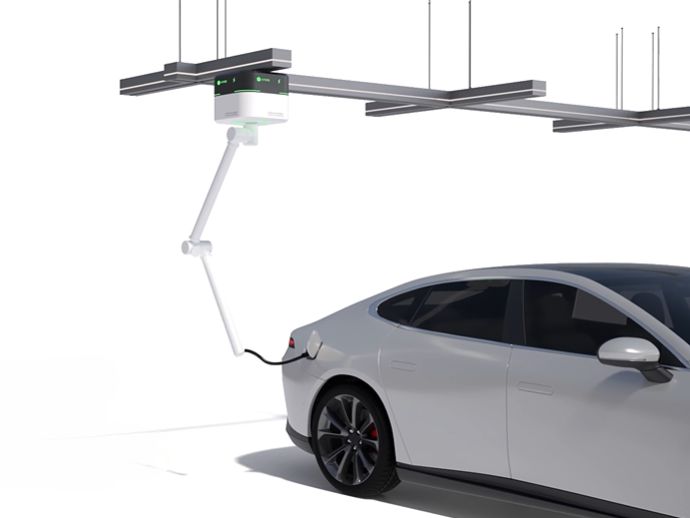
 Harmonic Rotary Actuator Helps Implement the World’s First Track-Changing Aerial Mobile Smart EV DC Charging StationChina’s first track-changing aerial mobile smart EV DC charging station has begun trial operations in over 10 cities. This project utilizes three major technologies: aerial track free lane switching, AI robotic automatic charging, and suspended installation design. The high precision, high torque, and lightweight characteristics of the harmonic rotary actuator have been crucial to the successful implementation of this project.
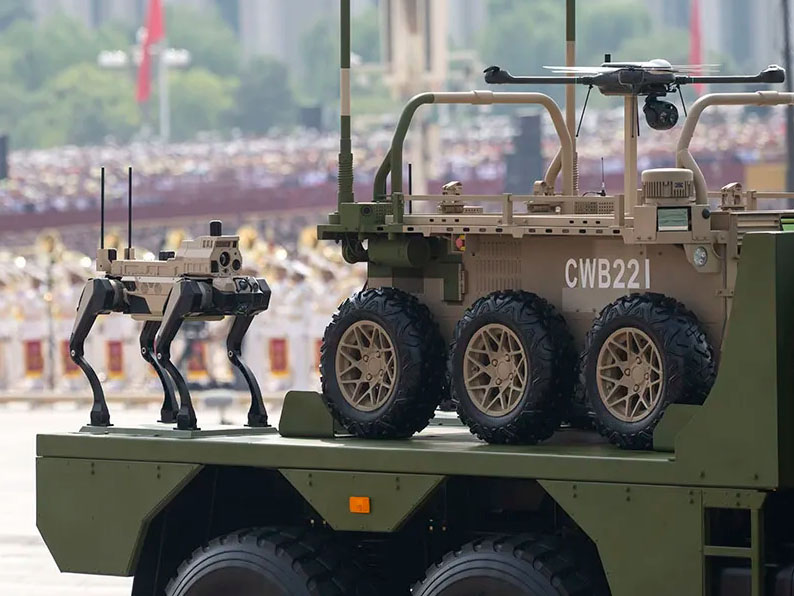
 Robot Dogs with Planetary Joint Motors Performed Well in China's 93rd Victory DayOn September 3, 2025, China held a large-scale military parade for 93rd victory day, during which it showcased the "Mechanical Wolf," a robotic dog belonging to the Army's unmanned combat unit. The HONPINE planetary joint motor perfectly matches the joint requirements of robot dogs.
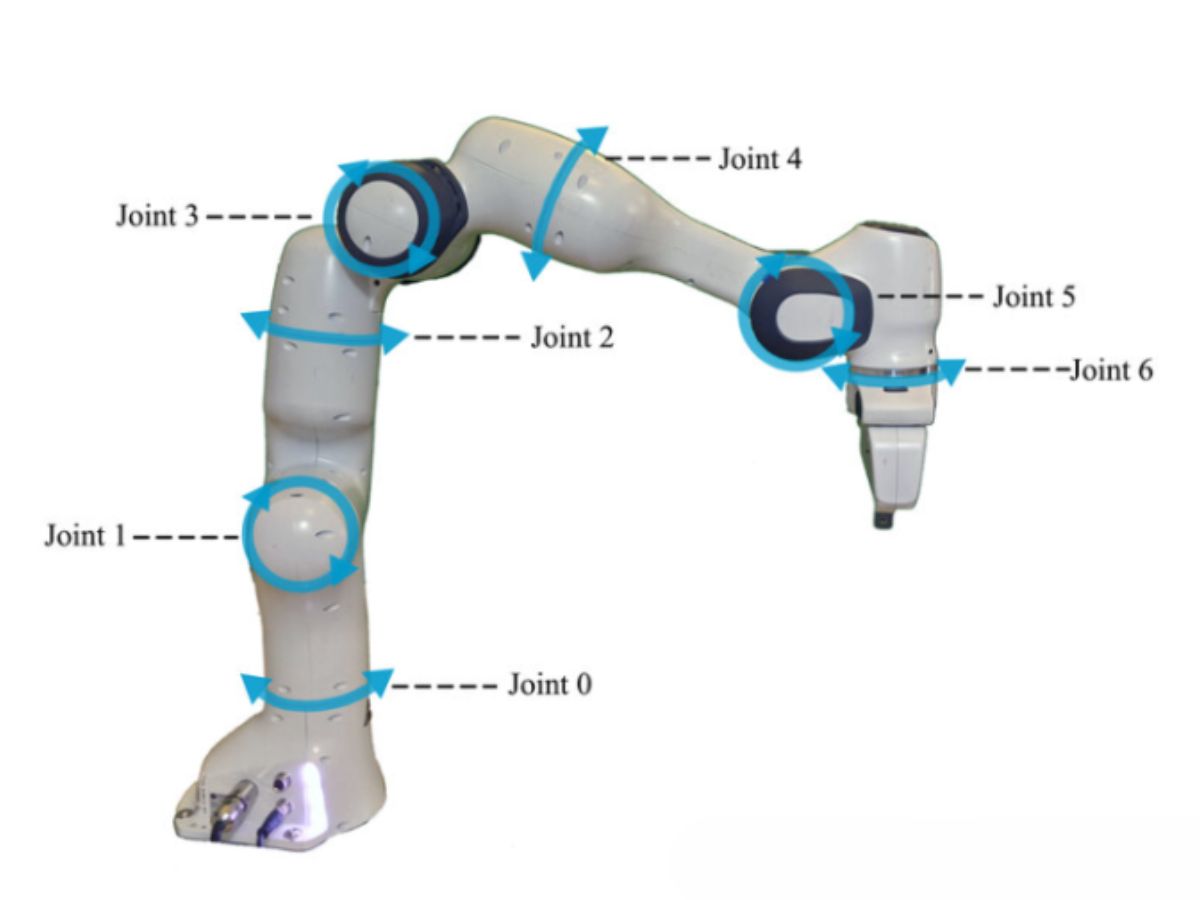
 Robot Joint Motors Empower Robots with Flexible Movement in Multiple Degrees of FreedomRobot Joint motors can be freely combined to form multi-degree-of-freedom (DOF) robotic arms and serve as the internal framework for service robots, breaking the industry's conventional product design paradigms. They not only meet performance requirements but also foster innovation within the sector. For instance, the smallest models can be applied in gimbals and drones, while the largest models are suitable for humanoid robots and robotic arms. Applications span industrial robots, civilian service robots, specialized robots, machining industries, precision instruments, transportation vehicles, and medical equipment.